7 Fast-Growing Vines To Plant In April In Arizona For Strong Coverage
By the time April arrives in Arizona, the sun already feels stronger and outdoor spaces start heating up quickly. Bare fences, walls, and open areas can look even more exposed during this time, especially without any greenery to soften things.
Fast-growing vines offer a simple way to add coverage without waiting all season. The right varieties can take hold early, climb quickly, and start filling in spaces before peak heat settles in.
Timing matters, though, since planting too late can slow their progress.
Getting them in the ground now gives roots time to establish while conditions are still manageable. It sets them up to handle what comes next.
The vines ahead are known for quick growth and reliable coverage in Arizona’s challenging conditions.
1. Bougainvillea Exploding With Bold, Fast Color
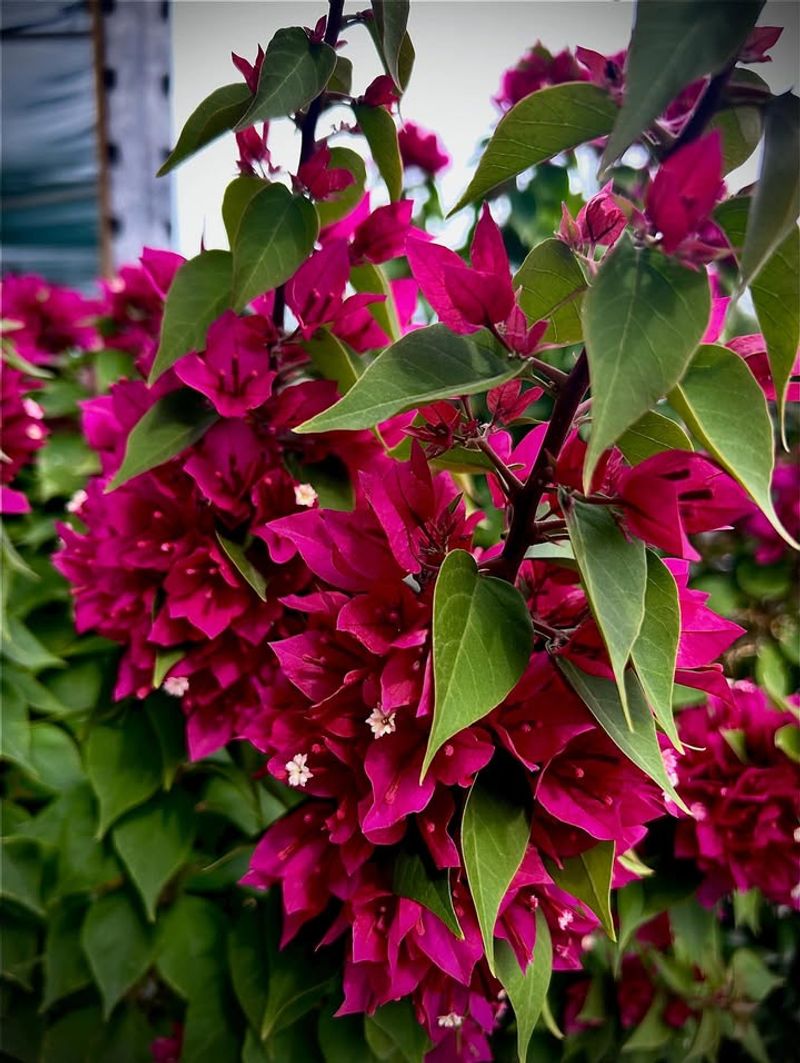
Few plants put on a show quite like bougainvillea. If you have ever driven through Phoenix or Tucson and spotted a wall absolutely blazing with hot pink, orange, or deep purple color, you were almost certainly looking at this powerhouse vine.
Bougainvillea is one of the most popular choices across Arizona for a very good reason: it grows fast, looks stunning, and handles the desert heat without missing a beat.
Planted in April, bougainvillea takes full advantage of Arizona’s rising temperatures and abundant sunshine. It prefers well-drained soil and a spot with full sun exposure for most of the day.
Once it gets established, this vine becomes impressively drought-tolerant, which is a huge plus for any Arizona homeowner watching their water bill.
Watering deeply but less frequently encourages the roots to go deeper into the soil, which actually makes the plant stronger and more resilient over time. Avoid overwatering, since soggy roots can cause problems quickly in the desert climate.
A sturdy trellis, fence, or arbor gives bougainvillea the support it needs to climb and spread.
Pruning after each bloom cycle keeps growth manageable and encourages even more of those gorgeous bracts to appear. The bracts are not actually flowers but colorful leaf-like structures that surround the tiny true flowers inside.
With minimal fuss and maximum visual impact, bougainvillea earns its spot as a top vine choice for Arizona gardens season after season. It also performs best when slightly stressed, as mild drought conditions often encourage heavier blooming throughout the growing season in Arizona.
2. Coral Vine Spreading Quickly With Soft Pink Flowers
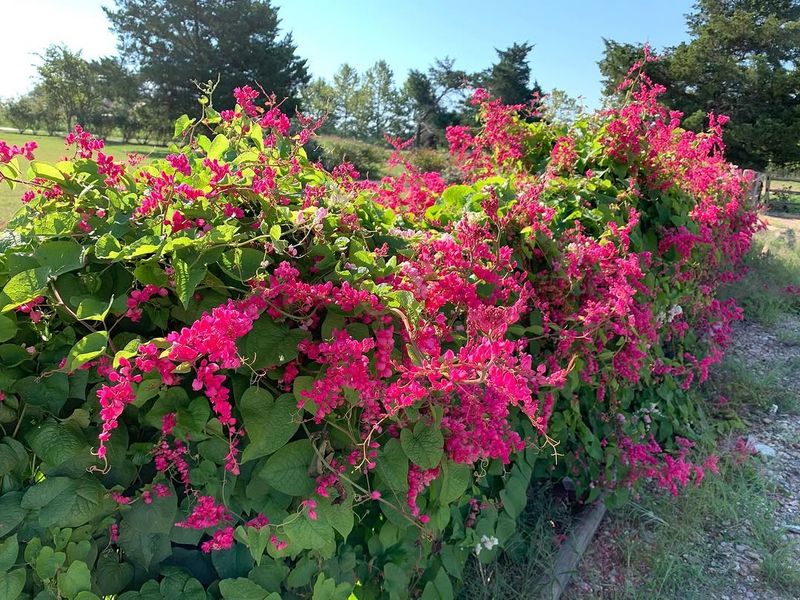
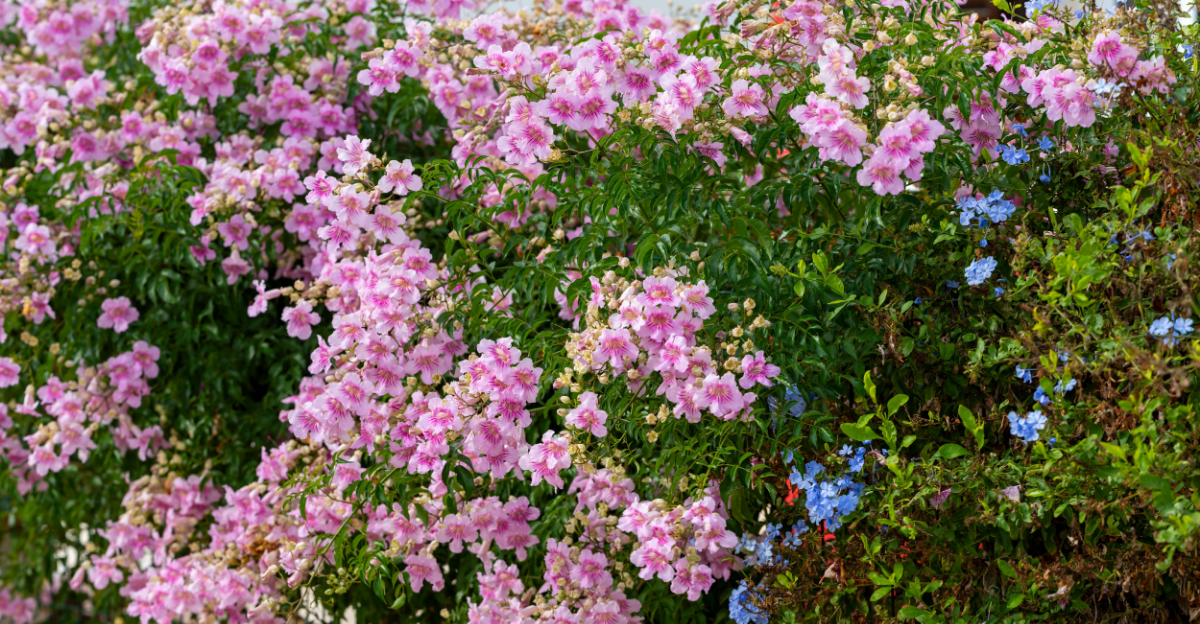
Nicknamed Queen’s Wreath for a reason, coral vine drapes itself over fences and trellises with the kind of effortless elegance that makes neighbors stop and stare. This vine produces cascading clusters of deep pink to magenta flowers that bloom from late spring all the way through fall, giving Arizona gardeners months of vibrant color to enjoy.
April is a great time to get coral vine in the ground because the warming soil temperatures in Arizona encourage rapid root development right away. Once it gets going, this vine can cover large sections of fencing within a single growing season.
It becomes one of the fastest natural privacy screens available for desert landscapes.
Coral vine thrives in full sun but can handle a little afternoon shade, which is actually helpful during Arizona’s intense summer months. It is not particularly picky about soil, but it does appreciate good drainage to keep roots healthy.
Watering consistently during the first few weeks after planting helps the vine establish itself before the peak summer heat arrives.
During winter, the vine may lose its leaves and appear to go dormant, but do not worry because it bounces back vigorously come spring. Cutting back old stems in late winter helps encourage fresh, healthy growth.
Pollinators like bees and butterflies absolutely love the blooms, so planting coral vine also adds ecological value to your Arizona yard beyond just good looks. It can spread by underground tubers, which helps it return reliably and expand in warm climates like Arizona over time.
3. Lady Banks’ Rose Racing Up Structures With Soft Yellow Blooms
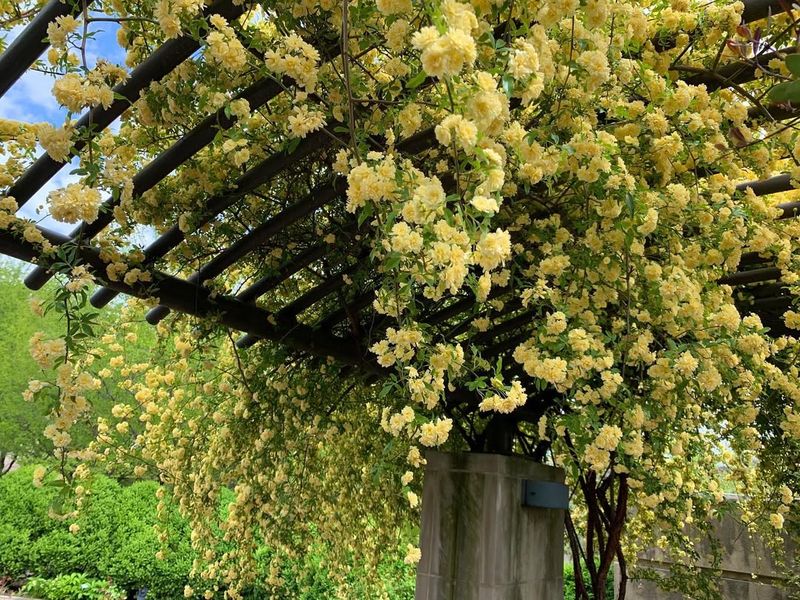
Imagine a vine that covers your entire pergola in a soft cloud of yellow or white blooms every spring, all without a single thorn to worry about. That is exactly what Lady Banks’ Rose delivers, and Arizona gardeners have been falling in love with it for years.
This thornless, evergreen climber is one of the most rewarding plants you can put in the ground during April across the state.
Lady Banks’ Rose grows at an impressive pace once it settles in. It is well-suited to Arizona’s warm, dry climate and performs best in full sun with well-drained soil.
The small, clustered flowers carry a light, sweet fragrance that makes spending time in the garden even more pleasant during the cooler spring mornings that Arizona offers before summer heat fully arrives.
Getting it established requires consistent deep watering for the first season. After that, the vine becomes much more self-sufficient and handles dry spells with ease.
Providing a strong support structure from the start is important because this vine can get quite large and heavy as it matures over multiple growing seasons.
Pruning right after the spring bloom keeps the plant tidy and prevents it from becoming too overgrown. In warmer parts of Arizona, Lady Banks’ Rose may remain evergreen or semi-evergreen, providing greenery even when it is not in bloom.
For Arizona homeowners who want lush, long-lasting coverage with beautiful seasonal flowers and low maintenance, this vine is genuinely hard to beat. It blooms on old wood, so pruning too early can reduce the following season’s flower display significantly.
4. Pink Trumpet Vine Bursting With Bright, Showy Flowers
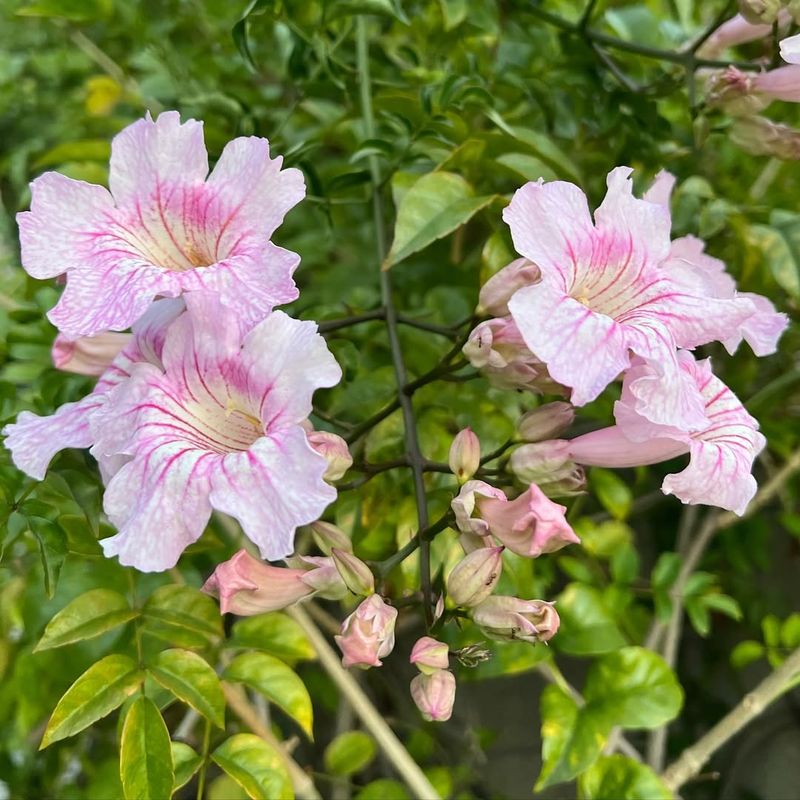
Soft, rosy, and undeniably eye-catching, the pink trumpet vine brings a tropical feel to Arizona landscapes without requiring tropical levels of care. Its clusters of delicate trumpet-shaped blooms set against deep, glossy green leaves create a color combination that looks professionally designed, even when the plant is basically doing most of the work on its own.
April planting gives pink trumpet vine enough time to establish strong roots before Arizona’s summer heat peaks. In warm Arizona climates, this vine is often evergreen or semi-evergreen, providing consistent visual coverage on fences, walls, and trellises.
It grows at a steady, reliable pace and can cover a significant stretch of fencing within a single growing season under good conditions.
Full sun is where pink trumpet vine performs its best, though it can handle a bit of afternoon shade during the hottest parts of Arizona summers. Soil that drains well is important, as standing water around the roots can cause setbacks.
Watering deeply and allowing the soil to partially dry between sessions keeps the plant healthy and encourages strong, vigorous growth throughout the season.
Light pruning a couple of times a year helps maintain a neat shape and prevents the vine from becoming too dense or tangled. Removing older, woody stems encourages fresh new growth that produces more of those beautiful blooms.
For Arizona homeowners who want reliable year-round greenery combined with seasonal floral color, pink trumpet vine is a wonderfully low-effort, high-reward addition to any garden space. It attracts hummingbirds, which are drawn to the tubular flowers for nectar throughout the warmer growing months in Arizona gardens.
5. Passionflower Vine Climbing Fast With Unique Blooms
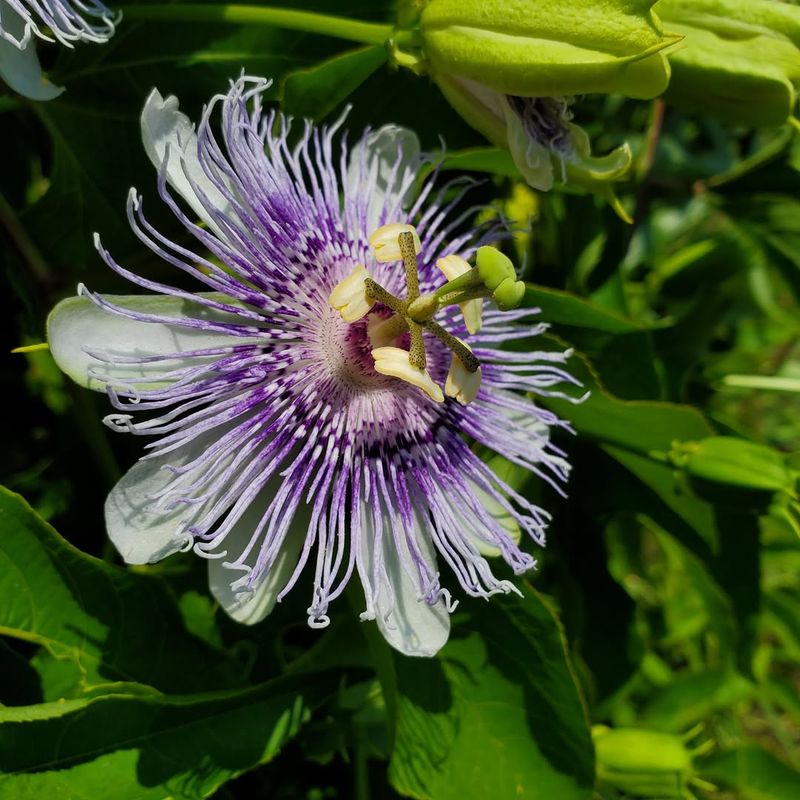
Few vines in the plant world can match the sheer visual drama of a passionflower in full bloom. The flowers look almost otherworldly, with their intricate rings of purple and blue filaments surrounding a central structure that seems like something out of a science fiction movie.
Arizona gardeners who plant passionflower in April are in for a genuinely spectacular summer display.
This vine is a serious overachiever when it comes to growth speed. Under ideal conditions, a single passionflower vine can reach up to 20 feet in just one growing season, which makes it one of the fastest coverage options available for Arizona fences and trellises.
It thrives in full sun but can handle partial shade, giving it flexibility for different spots around your yard.
Well-drained soil and consistent moisture during the establishment phase are the two most important care factors for passionflower. Once the roots settle in, the vine becomes more resilient and requires less frequent watering.
The blooms attract bees, butterflies, and even hummingbirds, turning your Arizona garden into a lively hub of pollinator activity throughout the warmer months.
Did you know that passionflower vines are also the host plant for certain butterfly species, including the Gulf Fritillary? That adds an extra layer of ecological value beyond the stunning visual appeal.
Providing a strong trellis or fence for support is important because the vine produces a lot of leafy growth that can get heavy. For anyone wanting fast, exotic, and wildlife-friendly coverage in Arizona, passionflower is a remarkable option.
6. Scarlet Runner Bean Climbing Fast With Bold Red Blooms
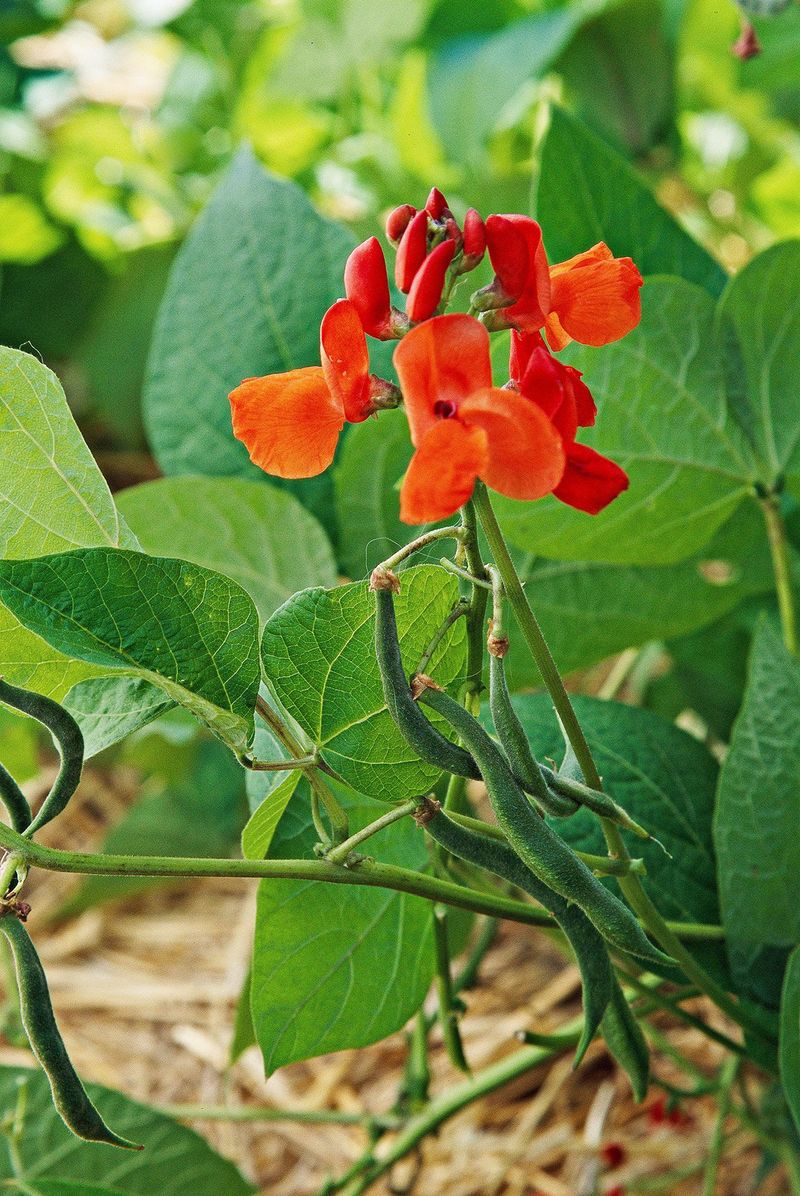
Practical and beautiful at the same time, scarlet runner bean is the rare garden plant that gives you both a visual reward and an edible one. The bright red flowers are genuinely stunning and attract hummingbirds like a magnet, while the large green beans that follow are fully edible and delicious.
For Arizona gardeners who want their vines to pull double duty, this one is a fantastic pick.
April is an ideal planting month for scarlet runner bean in Arizona because the soil is warm enough to encourage fast germination and early growth. This vine can shoot up 10 feet or more within just a few weeks under favorable conditions, making it one of the quickest ways to create coverage on a fence or trellis.
It grows best in full sun with well-drained, fertile soil that has been amended with some compost before planting.
Watering regularly is key during the early growth phase, as consistent moisture helps the vine establish quickly and produce abundant blooms. Mulching around the base of the plant helps retain soil moisture and keeps root temperatures more stable during Arizona’s hot afternoons.
As temperatures climb higher in midsummer, providing some light afternoon shade can help extend the productive blooming and bean-producing season.
Harvesting the beans regularly encourages the plant to keep producing more, so do not let them linger on the vine too long. The combination of hummingbird-attracting flowers, edible beans, and rapid growth makes scarlet runner bean a genuinely exciting addition to any Arizona garden.
It is one of those plants that rewards you in multiple ways all season long.
7. Morning Glory Covering Spaces With Quick Blooms
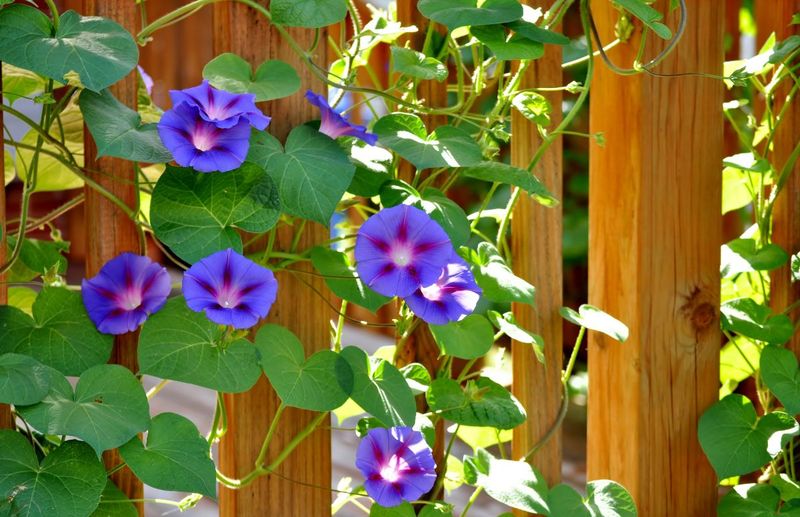
There is something almost magical about stepping outside on an Arizona morning and finding a fence covered in freshly opened morning glory blooms in shades of blue, purple, pink, and white. True to their name, morning glories open their flowers in the morning hours and close them by afternoon, creating a daily rhythm in the garden that feels refreshingly alive and full of energy.
As an annual vine, morning glory grows quickly from seed and can reach 15 feet or more in a single season. Planting in April in Arizona gives it the warm soil temperatures it needs to germinate fast and start climbing.
Soaking the seeds overnight before planting speeds up germination even further, getting your coverage off to a quicker start than skipping that simple step would allow.
Morning glory thrives in full sun and prefers fertile, well-drained soil. Interestingly, soil that is too rich in nitrogen can actually cause the plant to produce more leaves than flowers, so going easy on heavy fertilizers is a smart move.
Consistent watering during the early weeks helps the vine establish, but once it is growing well, it handles moderate dry spells without too much trouble in Arizona’s climate.
One of the best features of morning glory is that it self-sows readily, meaning it drops seeds that sprout on their own the following year. This makes it a low-effort choice for gardeners who want reliable annual coverage without replanting every single season.
Providing a trellis, fence, or string gives the tendrils something to grab onto as the vine climbs upward with impressive speed.