10 Fast-Spreading Perennials That Won’t Take Over Your Oregon Yard
Perennials can turn any Oregon yard into a colorful playground, but some have a mind of their own. Fast-growing plants are exciting, but runaway flowers can take over before you know it.
Luckily, a few perennials grow quickly while staying polite, filling your garden with blooms without crowding your other plants. These friendly spreaders add vibrant color, interesting leaves, and extra buzz from pollinators, all while staying under control.
Picking the right ones keeps flower beds neat, borders lively, and containers bursting with charm. Your yard can feel full of life and energy without any chaos.
With these choices, you get the best of both worlds: plants that grow fast enough to impress but never enough to frustrate. A well-planned garden can stay playful, bright, and manageable, giving your favorite flowers room to shine all season.
1. Sedum ‘Autumn Joy’
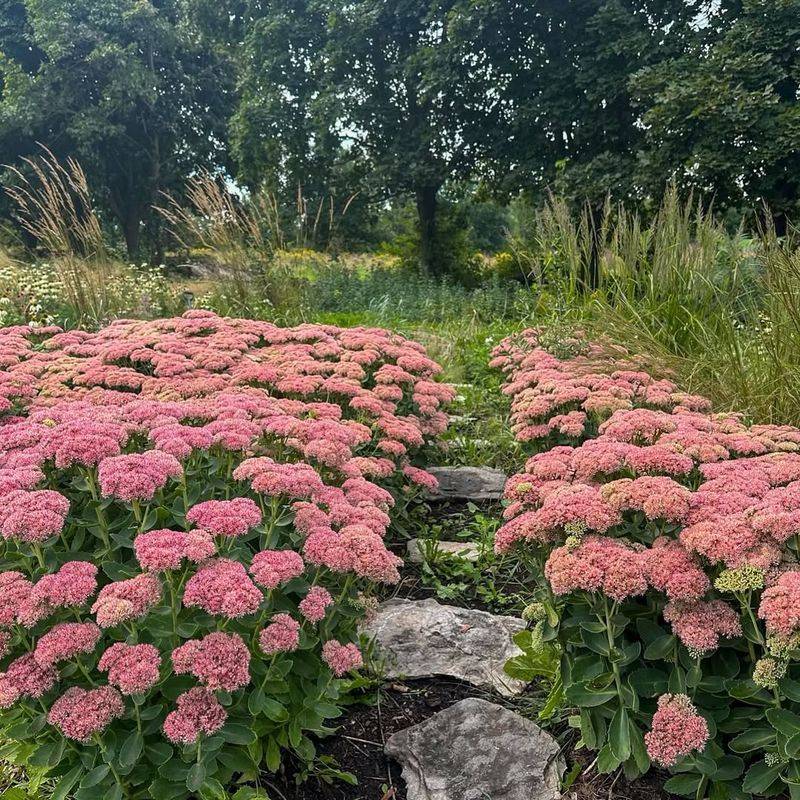
Few plants earn the nickname “the workhorse of the garden” quite like Sedum ‘Autumn Joy.’ It starts the season with fresh blue-green rosettes, then slowly builds into a sturdy mound that earns its keep all the way through winter.
In Oregon, where fall rains arrive early and gardens can look tired by September, this plant is a true standout. The flat-topped flower heads open pink in late summer and deepen into a rich copper-red as temperatures drop.
Bees and butterflies absolutely love it.
Sedum ‘Autumn Joy’ spreads slowly by forming wider clumps each year, but it never runs off into unwanted areas. You can easily divide it every three or four years to keep it tidy and share extra plants with neighbors.
It handles Oregon’s wet winters without rotting, especially when planted in well-drained soil. Full sun is best, but it tolerates a bit of afternoon shade just fine.
Even when the flowers fade, the dried seed heads look beautiful with frost on them. This plant genuinely earns every inch of space it takes up in your yard.
2. Coral Bells
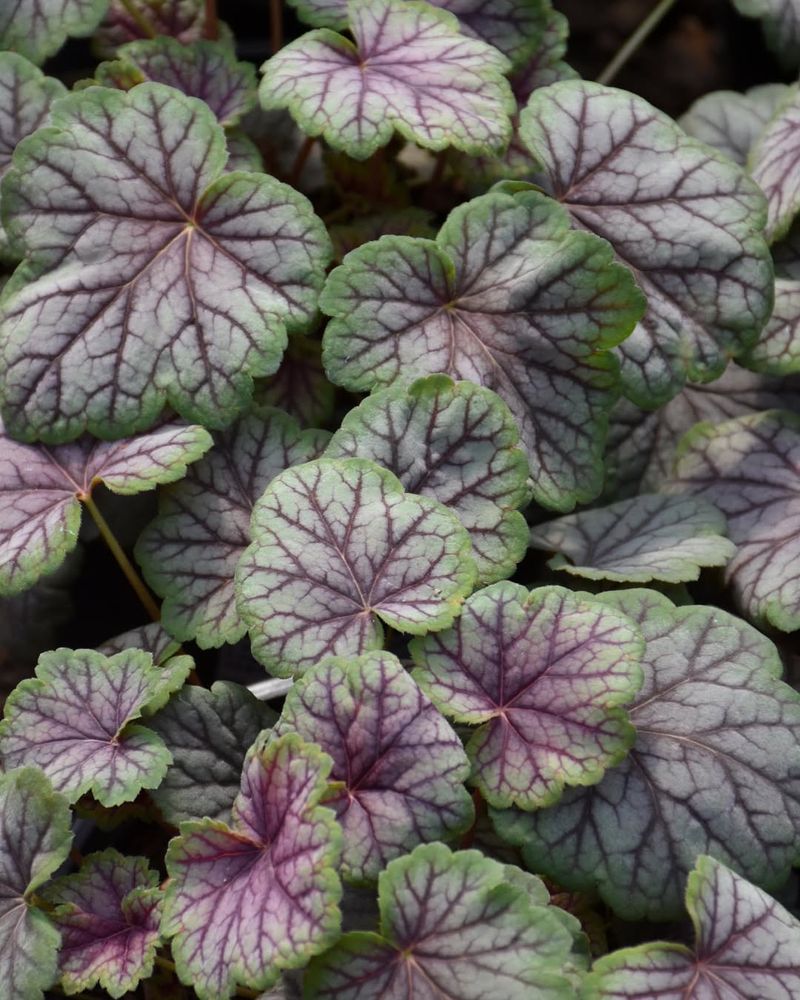
Walk through any Oregon nursery in spring and you will spot Heuchera immediately. The foliage comes in an almost unbelievable range of colors, from deep burgundy and chocolate brown to bright lime green and silvery purple.
It is one of those plants that looks good even when it is not blooming.
Coral Bells spread slowly and politely by forming tighter clumps over time. They never send out runners or self-seed aggressively, which makes them a safe choice even for smaller yards in Portland or Eugene.
The delicate, wand-like flower stalks shoot up in late spring and attract hummingbirds like a magnet.
Oregon’s shady, moist climate is practically ideal for Heuchera. It thrives under trees and along north-facing walls where other plants struggle.
Just make sure the soil drains well because sitting in soggy ground through the wet season can cause the crown to rot.
Dividing clumps every two to three years keeps them looking fresh and prevents the center from becoming woody. This is an easy plant to love, and once you plant one variety, you will almost certainly come back for more colors the following season.
3. Catmint
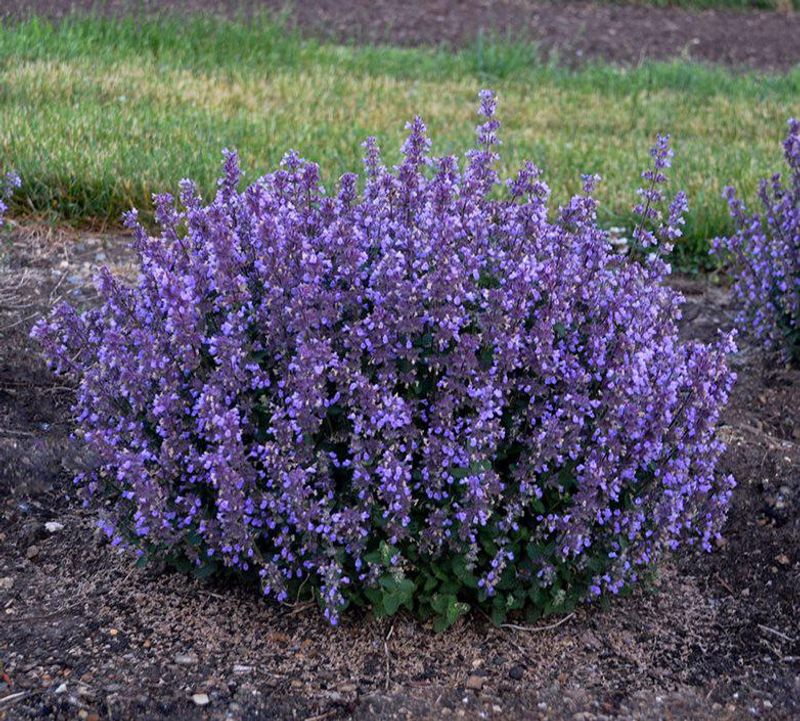
There is something almost magical about a well-grown mound of Catmint in full bloom. The soft lavender-blue flowers spill over walkways and border edges like a gentle wave, and the gray-green foliage releases a pleasant minty scent whenever you brush past it.
Oregon gardeners have loved it for decades.
Nepeta spreads at a moderate pace, filling in gaps along borders without charging into neighboring plants. It forms tidy, rounded clumps that are easy to manage with a quick trim after the first flush of bloom.
Cut it back by about half in midsummer and it will reward you with a fresh round of flowers by early fall.
Cats do find it irresistible, so if you have furry visitors in your yard, expect some rolling and nibbling. Most plants recover just fine.
Pollinators are equally enthusiastic, and bees will visit the flowers from morning to evening on sunny days.
In Oregon’s Willamette Valley, Catmint handles both the wet winters and the occasional summer dry spells with ease. Plant it in full sun and well-drained soil for the best results.
It is low-maintenance, long-blooming, and genuinely one of the friendliest spreaders you can add to your yard.
4. Geranium ‘Rozanne’
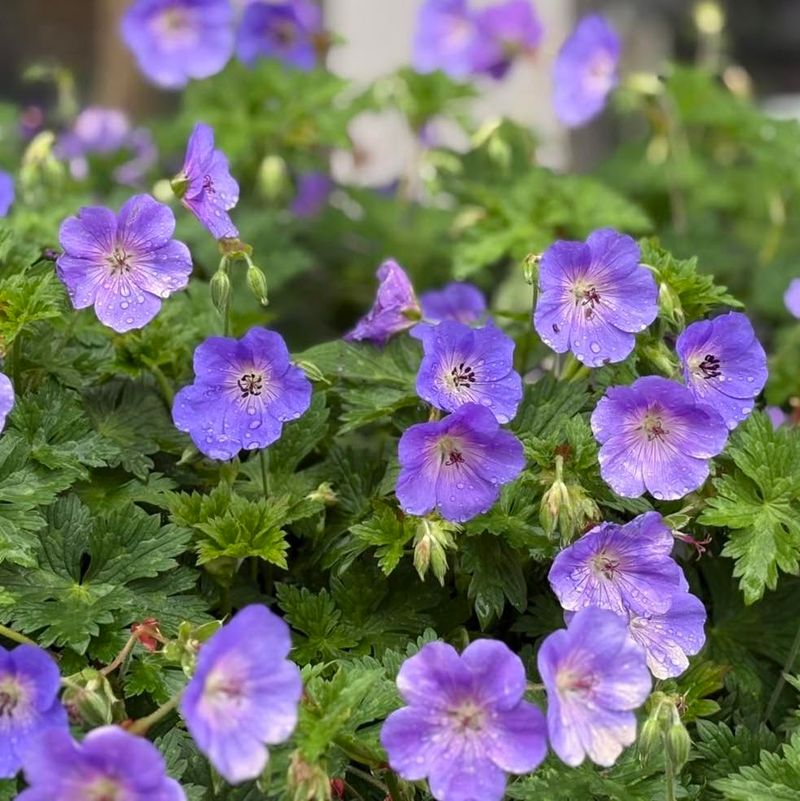
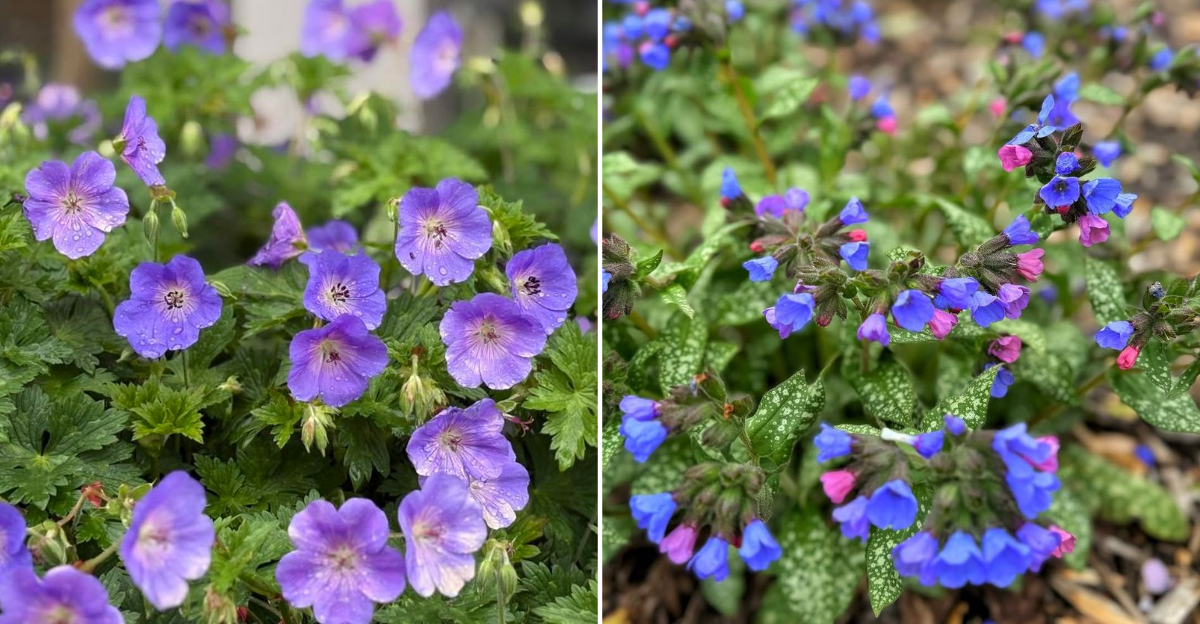
If there were a hall of fame for garden perennials, Geranium ‘Rozanne’ would have its own wing. This award-winning hardy geranium produces violet-blue flowers with white centers almost nonstop from late spring all the way through the first frosts of autumn.
That is an incredibly long show for a single plant.
In Oregon, where the growing season stretches pleasantly long, ‘Rozanne’ has plenty of time to do what it does best. It sprawls outward in a relaxed, casual way, covering ground quickly without being pushy about it.
The stems weave through neighboring plants rather than smothering them, which gives borders a natural, layered look.
Deadheading is not required, which saves time on maintenance. The plant is also surprisingly drought-tolerant once established, handling Oregon’s dry summers in the Rogue Valley and beyond without much fuss.
A little afternoon shade in hotter regions helps keep the flowers looking fresh.
Dividing ‘Rozanne’ every few years keeps it vigorous and gives you extra plants to spread around the yard. It works beautifully as ground cover on slopes, along pathways, or tumbling over low walls.
Few perennials offer this much color with this little effort, making it a true Oregon garden staple.
5. Siberian Bugloss
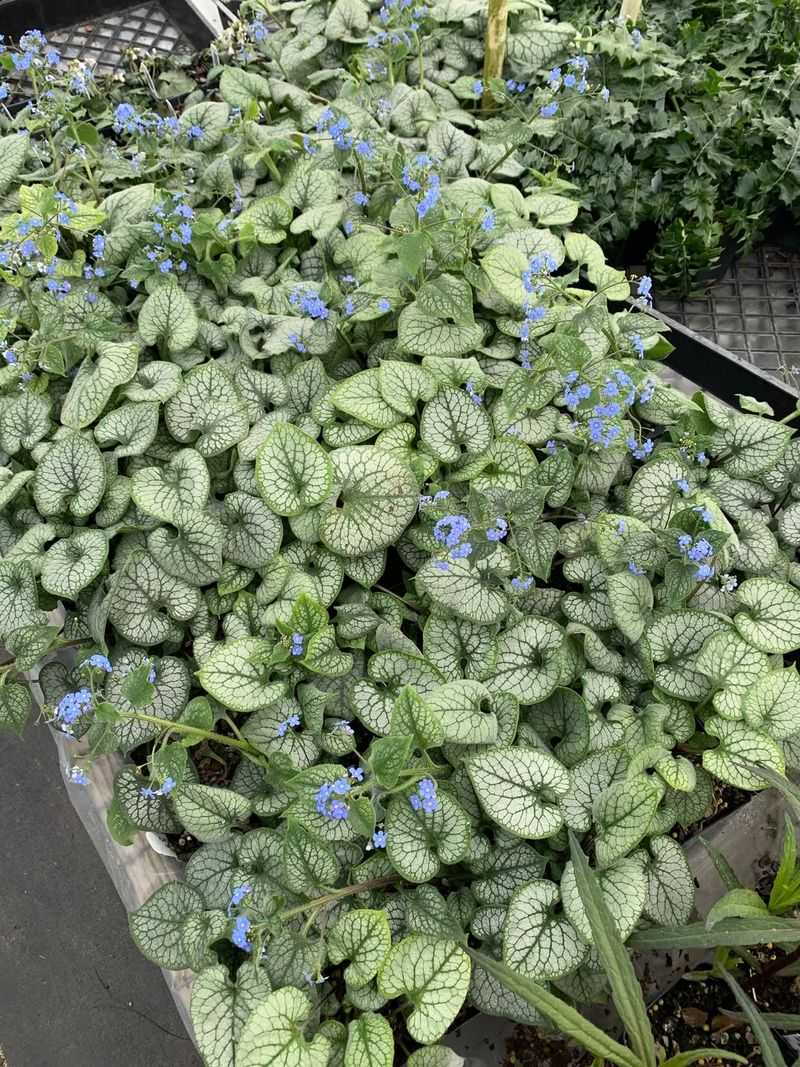
Spotted growing under a canopy of Douglas firs in a Western Oregon garden, Brunnera macrophylla looks like it belongs in a fairy tale.
The large, heart-shaped leaves are often splashed with silver markings, and in early spring, sprays of tiny bright blue flowers appear that look almost identical to forget-me-nots.
The combination is simply stunning.
Siberian Bugloss spreads slowly by clump expansion and occasional self-seeding, but it is never aggressive. In fact, it is one of the most shade-tolerant spreading perennials you can plant in a Pacific Northwest garden.
It thrives under trees and along shaded fences where little else wants to grow.
Oregon’s cool, moist springs suit this plant perfectly. The foliage stays attractive all season long, especially in the variegated varieties like ‘Jack Frost,’ which seem to glow even on cloudy days.
Keep the soil consistently moist and rich in organic matter for the best leaf size and color.
Slugs can be a problem in Oregon’s rainy season, so a ring of coarse grit or crushed eggshells around the base helps protect young plants.
Once established, Brunnera is remarkably tough and will reward you with years of beautiful, low-effort ground coverage in difficult shady spots.
6. Columbine
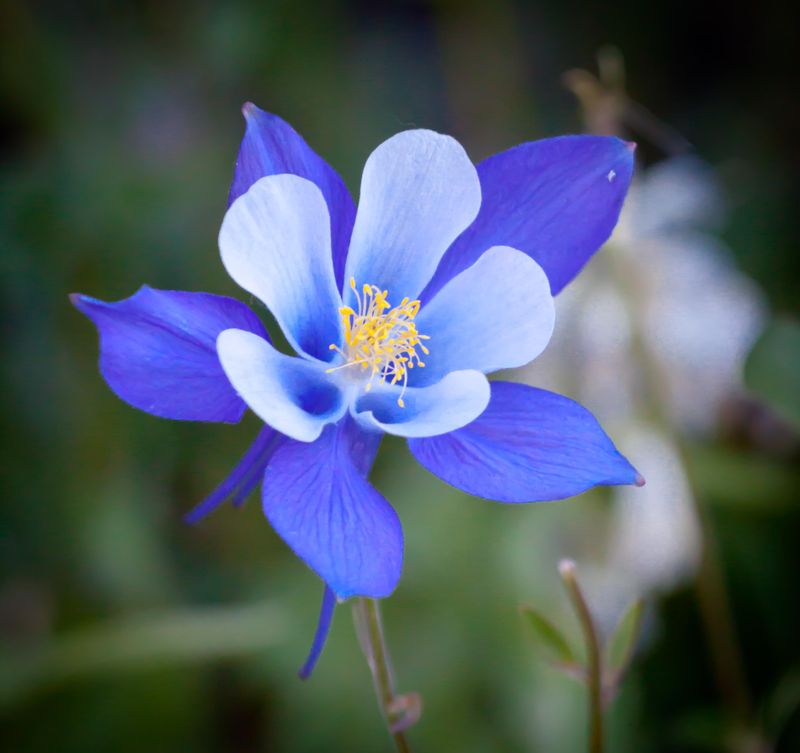
Columbine has a certain old-fashioned charm that never goes out of style. The spurred flowers nod gracefully on slender stems and come in a wild range of colors, from deep purple and red to soft yellow and white.
Hummingbirds absolutely flock to them, which is a bonus that never gets old.
Aquilegia spreads mainly through self-seeding rather than aggressive root expansion. Seedlings pop up nearby each spring, which means the colony gradually shifts and expands in a natural, organic way.
Because they are easy to pull if they land somewhere unwanted, they stay manageable even in smaller Oregon yards.
One fun thing about Columbine is that different varieties freely cross-pollinate, so each new generation of self-sown seedlings can produce surprising new color combinations. It is like getting a small mystery gift in the garden every year.
In Oregon, Aquilegia thrives in part shade to full sun, depending on the variety. It handles the wet winters well and appreciates a bit of extra water during dry summer stretches in Southern Oregon.
After blooming, cut the flower stalks back to encourage a second flush of growth. The ferny, blue-green foliage stays attractive even when the plant is not in flower.
7. Lungwort
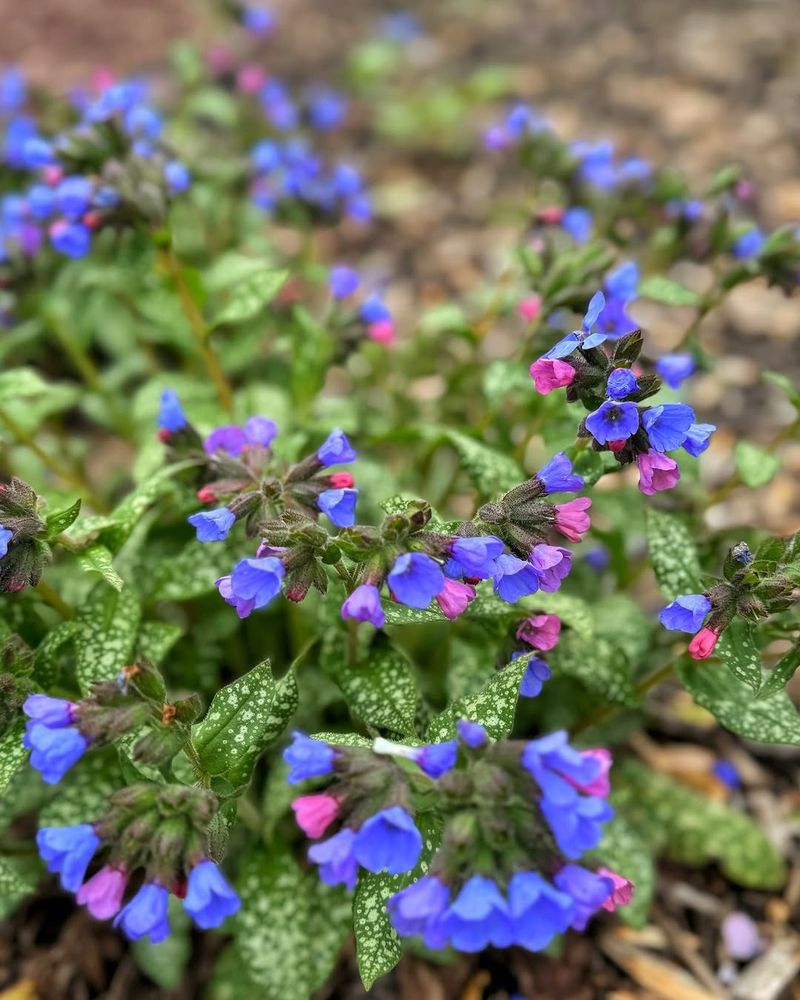
Early spring in Oregon can feel like a long wait, but Pulmonaria is one of the first perennials to remind you that the garden is waking up. The funnel-shaped flowers open pink and shift to blue as they age, sometimes displaying both colors on the same plant at the same time.
It is a genuinely unique effect.
The foliage is equally interesting. Most varieties feature green leaves heavily spotted or splashed with silver, which look almost metallic in dappled light.
Even after the flowers fade, the leaves remain attractive through the entire growing season, making Lungwort a reliable workhorse in shaded border plantings.
Pulmonaria spreads slowly by expanding clumps and occasionally self-seeding, but it is never a bully in the garden. In Oregon’s shaded, moist woodland gardens, it fills in beautifully under deciduous trees and alongside ferns.
It pairs especially well with Brunnera and Heuchera for a layered, low-maintenance shade planting.
Powdery mildew can appear on leaves during dry summer periods. Cutting the foliage back hard after flowering encourages a fresh flush of clean new leaves.
Keep the soil moist and rich, and this plant will thrive through Oregon’s long, cool springs and rainy falls without much intervention from you.
8. Primrose
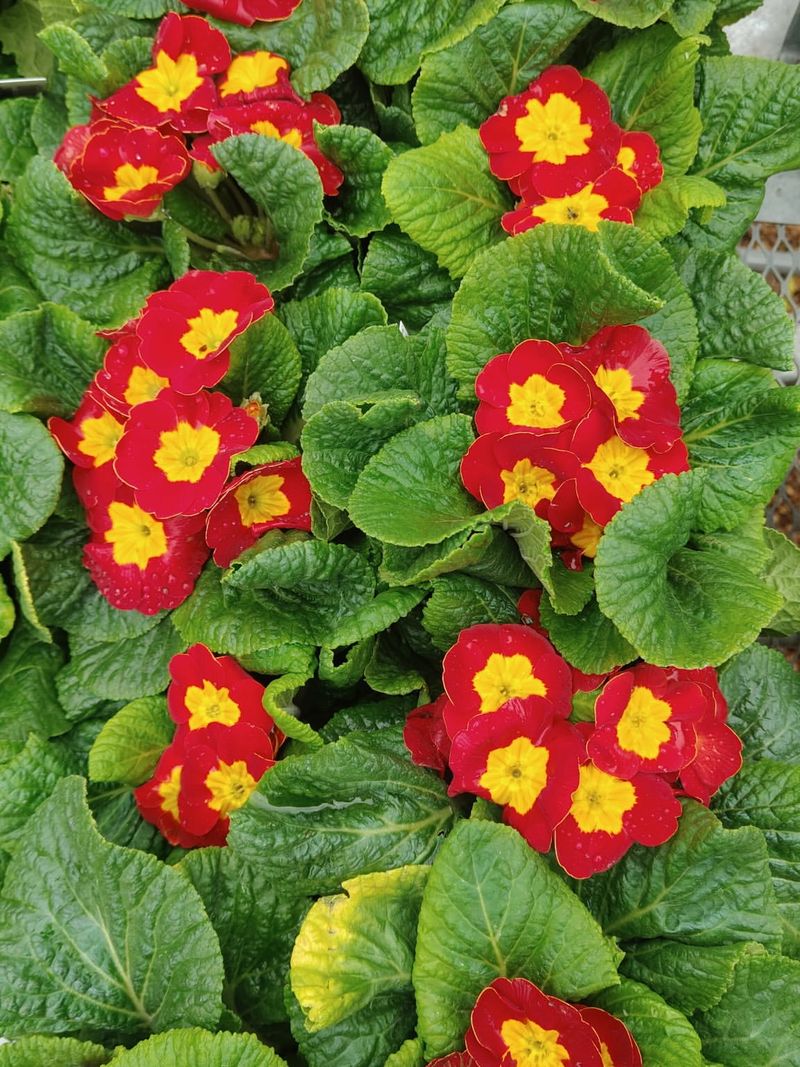
Nothing says early spring in the Pacific Northwest quite like a mass planting of Primula in full bloom. The cheerful clusters of flowers in yellow, pink, red, orange, and purple seem almost too bright and happy for the gray, rainy days that still linger in February and March.
Oregon gardeners have embraced them for generations.
Primroses spread gently by forming larger rosettes and occasionally self-seeding into nearby soil. In cool, moist spots along stream edges or under deciduous trees, they can naturalize beautifully over time without becoming invasive.
The key is giving them the conditions they love, which means consistent moisture and protection from harsh afternoon sun.
Oregon’s climate is genuinely ideal for Primula. The cool, wet winters and mild springs encourage long, lush bloom periods that can stretch for weeks.
In warmer parts of the state, like the Umpqua Valley, some afternoon shade helps the plants stay fresh longer into the season.
After blooming, remove spent flower stalks to keep the plants tidy and encourage energy to go back into the foliage. Dividing clumps every two to three years keeps them blooming vigorously.
Primroses are especially charming planted along pathways, in rock gardens, or tucked into the edges of raised beds where their early color is most visible.
9. Coneflower
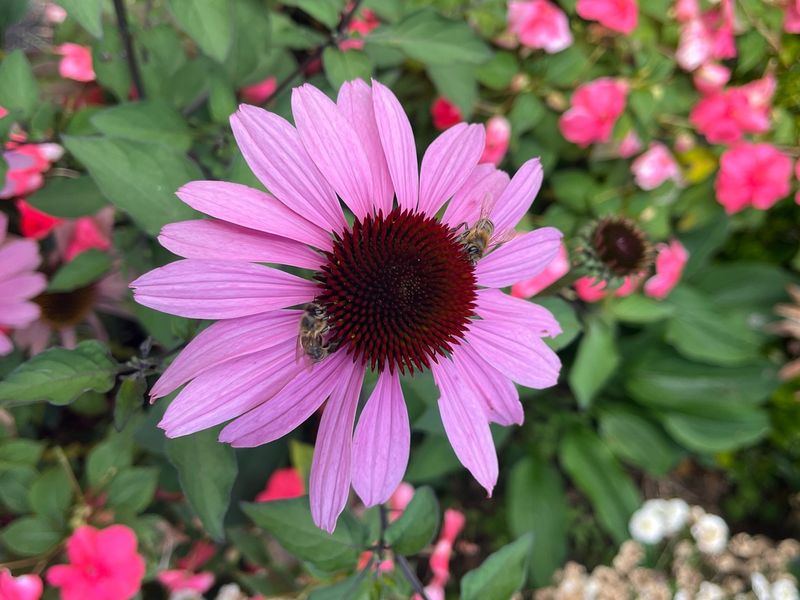
Bold, upright, and loaded with personality, Echinacea is the kind of plant that makes people stop and ask what it is.
The large daisy-like flowers with their distinctive spiky orange-brown centers stand tall on sturdy stems and bloom for weeks through Oregon’s warm summer months.
They are nearly impossible to overlook.
Coneflower spreads through a combination of clump expansion and self-seeding, but at a pace that is easy to keep up with.
Seedlings appear near the parent plant each spring and are simple to transplant or remove if they pop up somewhere inconvenient.
Over a few years, a single plant can grow into an impressive, full clump.
One of the best reasons to grow Echinacea in Oregon is the wildlife it attracts. Bees and butterflies swarm the flowers all summer, and in fall and winter, goldfinches pick the seed heads clean.
Leaving the seed heads standing through winter adds structure to the garden and feeds birds during the lean months.
Echinacea thrives in full sun and well-drained soil, making it a great choice for sunny borders in the Willamette Valley or Southern Oregon.
It handles dry summer conditions better than many perennials and rarely needs supplemental watering once established.
Divide clumps every three to four years to keep plants blooming at their best.
10. Astilbe
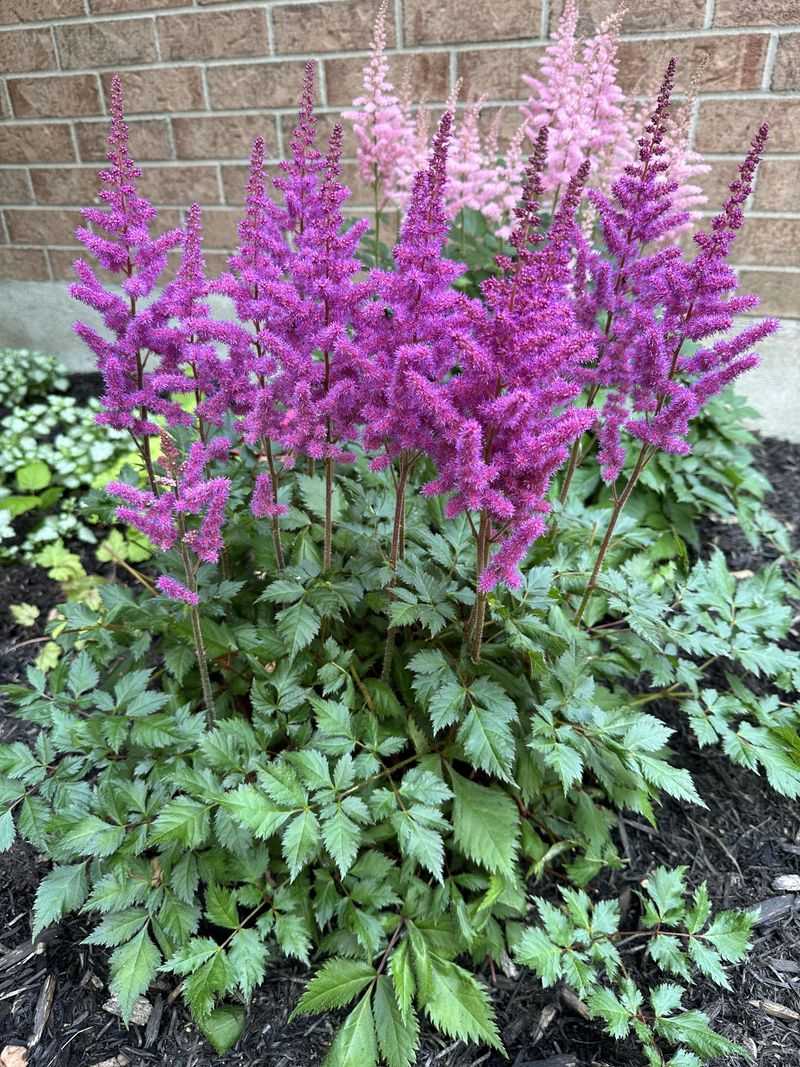
Shaded gardens in Oregon can sometimes feel like a challenge, but Astilbe turns them into something genuinely spectacular.
The feathery flower plumes rise above deeply textured foliage in shades of pink, red, white, and lavender, creating a soft, romantic effect that is hard to achieve with any other plant.
Astilbe spreads steadily by expanding clumps, adding a few inches of width each year. It is never aggressive, but given a few seasons, a small planting can grow into a lush, full display.
Dividing clumps every three to four years keeps them blooming strongly and gives you extra plants to fill other shady corners of your yard.
Oregon’s naturally moist climate suits Astilbe extremely well. It thrives in consistently moist, humus-rich soil and performs best with at least partial shade, making it ideal for the shaded, rainy conditions common across Western Oregon.
Near ponds, streams, or rain gardens, it is practically in its element.
Even after the flowers fade, the rusty-brown seed heads look attractive through fall and into winter. The bold, deeply cut foliage also holds up well throughout the growing season, providing texture even when the plant is not in bloom.
For shaded borders and woodland gardens in Oregon, Astilbe is simply one of the best choices available.