February Rose Care Checklist For Michigan Gardeners In Detroit
February feels quiet in the garden but rose care does not take a vacation. Cold air still lingers yet preparation now shapes how strong blooms look later. A few smart steps can protect canes, improve airflow, and set the stage for healthy growth.
Many gardeners already use winter checklists to stay ahead of spring work. The same habit brings real benefits in Michigan where weather can shift fast and surprise warm days often arrive early.
Detroit gardeners deal with wind, snow melt, and frozen soil patches that call for extra attention. Simple tasks save time later. Light cleanup keeps plants tidy. Soil checks support better roots.
Early planning builds stronger roses. Good habits bring better color. Strong plants reward steady care.
Want a clear and easy February rose care checklist that fits Detroit gardens and Michigan winters? Keep reading and give your roses the head start they deserve this season.
Inspect Winter Protection

Your roses have been tucked in all winter, but now it’s time to peek under those blankets. February weather in Detroit can swing wildly between freezing and mild. These temperature changes might have shifted your protective mulch or soil mounds.
Walk around each rose bush and look carefully at the coverage. The crown, where canes meet roots, needs the most protection. If you spot bare areas, add more mulch right away.
Straw works wonderfully because it insulates without compacting too much. Soil mounds should still be firm and intact. Wind and rain can erode them over time.
Don’t remove any protection yet, even on warmer days. Michigan’s last frost typically arrives in late April or early May. Your roses need this insulation until then.
Check after every major weather event this month. A heavy snow followed by rain can really mess things up. Fixing problems now prevents cold damage later.
This simple inspection takes just minutes per bush. But those minutes make a huge difference when spring arrives. Well-protected roses bounce back faster and bloom more vigorously.
Remove Fallen Leaves And Debris
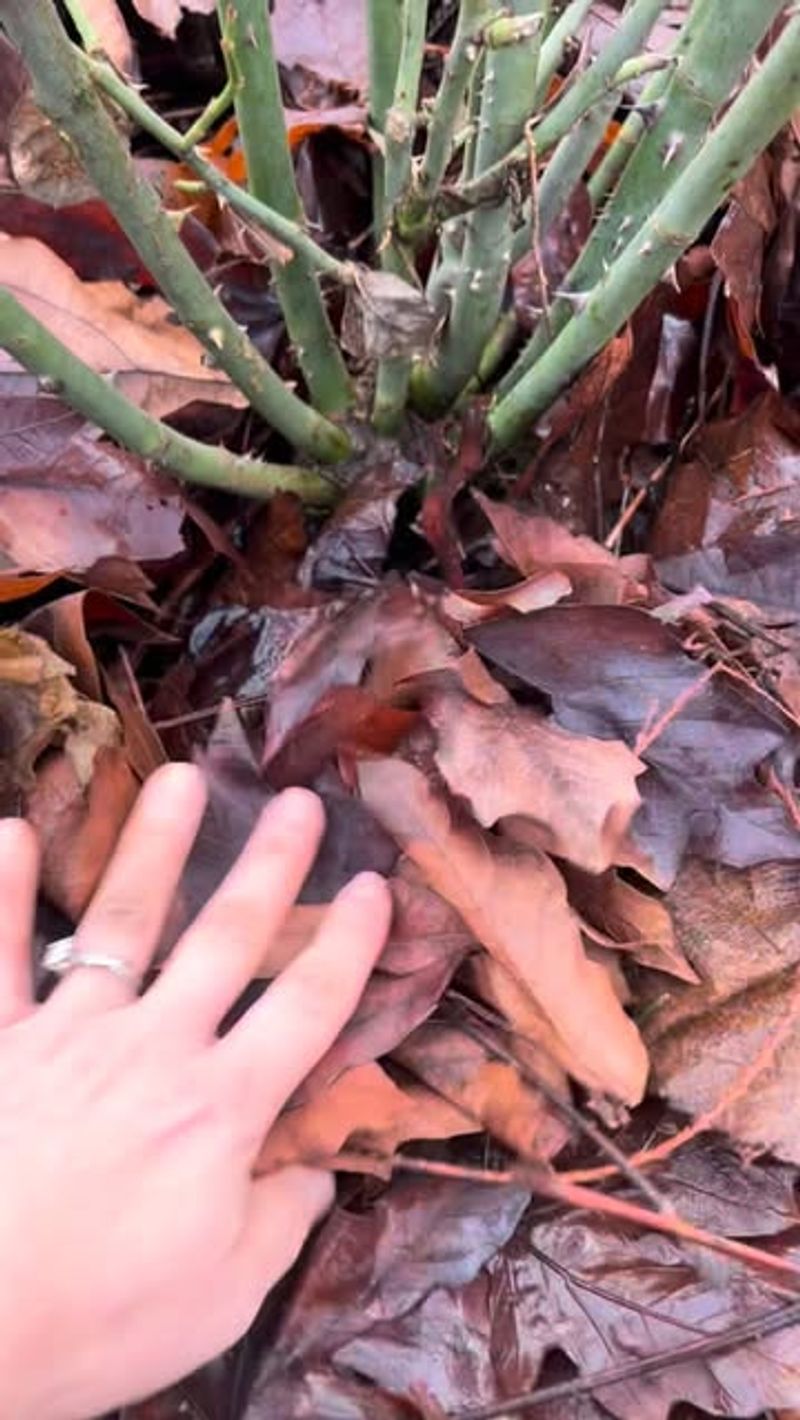
Winter winds have probably scattered leaves and twigs all around your rose beds. These aren’t just messy; they’re potential disease harbors. Fungal spores love to overwinter in damp, decaying plant material.
Grab a rake and gently clear away everything that’s accumulated. Be careful not to disturb the protective mulch you’ve placed around the crowns. You’re removing only the loose debris on top.
Black spot and powdery mildew spores can survive Michigan winters in leaf litter. When spring rains come, these spores splash up onto new growth. Starting clean dramatically reduces your disease problems later.
Better air circulation is another benefit of a tidy rose bed. Moisture evaporates more quickly from clean soil. This helps prevent root rot and other moisture-related issues.
February is perfect for this task because the ground isn’t frozen solid yet. You can work comfortably on milder days. Plus, you’ll spot any problems hiding under the debris.
Bag up all the material you remove and dispose of it properly. Don’t compost diseased rose leaves. They need higher temperatures than home compost piles typically reach.
Monitor For Winter Damage
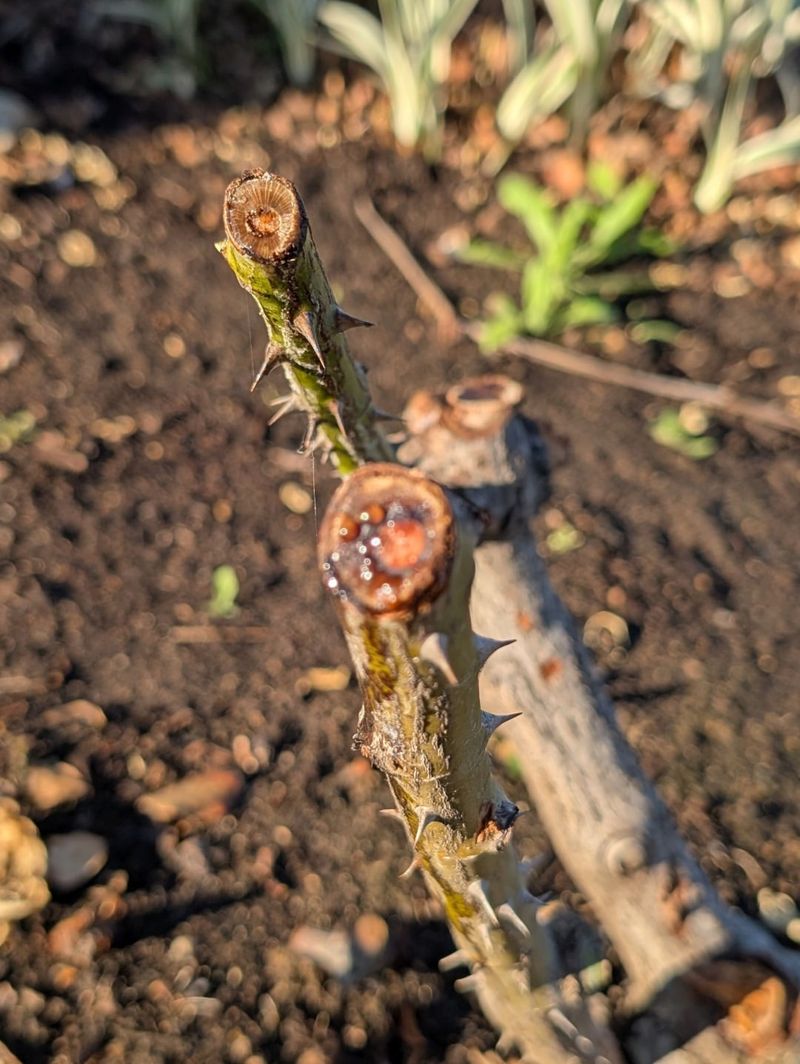
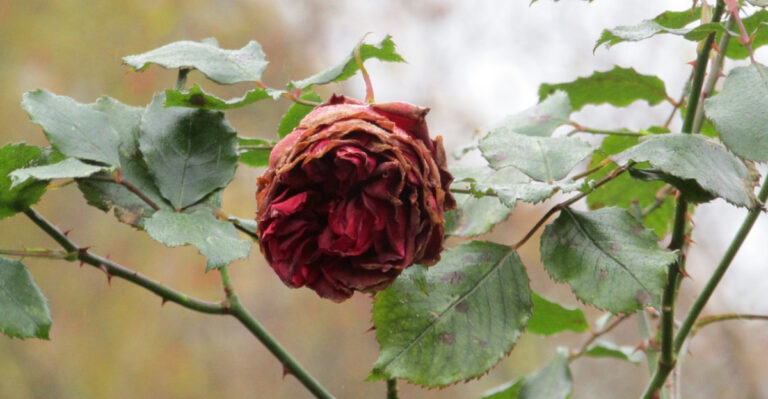
Winter takes its toll on rose canes in ways you might not immediately notice. February is your chance to assess what happened during the coldest months. Look closely at each cane from bottom to top.
Frost cracks appear as vertical splits in the bark. They’re more common after rapid temperature swings. Detroit’s weather loves to play these tricks on plants.
Desiccation shows up as shriveled, brown canes that look dried out. Winter wind can pull moisture from unprotected stems. This damage is permanent and those sections won’t recover.
Rabbits and mice sometimes gnaw on rose canes when other food is scarce. You’ll see obvious teeth marks and stripped bark. These damaged areas need attention before disease sets in.
Mark damaged canes with colored tape or string for now. You’ll prune them away once dormancy ends completely. Making notes helps you remember what needs cutting later.
Don’t panic if you find damage; it’s normal in Zone 6a. Roses are remarkably resilient plants. They’ll push out new growth from healthy wood below the damaged sections.
Plan Pruning Strategy
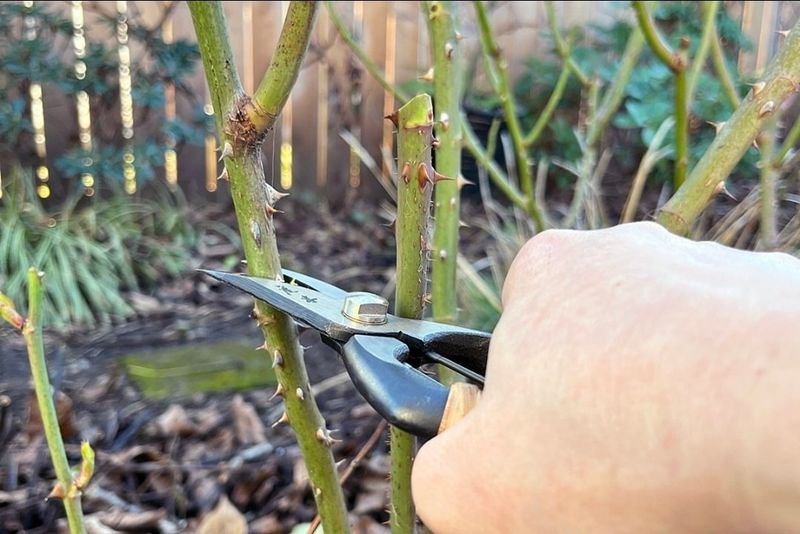
Pruning roses requires strategy, not just random cuts with shears. February gives you time to think through your approach. Each rose type needs different pruning techniques and timing.
Hybrid teas benefit from harder pruning to encourage fewer but larger blooms. Shrub roses need lighter trimming to maintain their natural shape. Climbers require special attention to preserve their flowering wood.
Walk around your garden with a notebook and sketch your plan. Which canes will you remove completely? Where will you make heading cuts to shape the plant?
Avoid heavy pruning while hard freezes are still possible in Detroit. Exposed cuts can suffer cold damage. Wait until forsythia blooms as your signal that winter’s grip is loosening.
However, you can remove obviously damaged or crossing canes anytime. These won’t contribute to spring growth anyway. Just don’t open up the whole plant yet.
Research your specific rose varieties if you’re unsure about their needs. Different classes have different requirements. A little homework now prevents mistakes that take a full season to correct.
Check Mulch Thickness
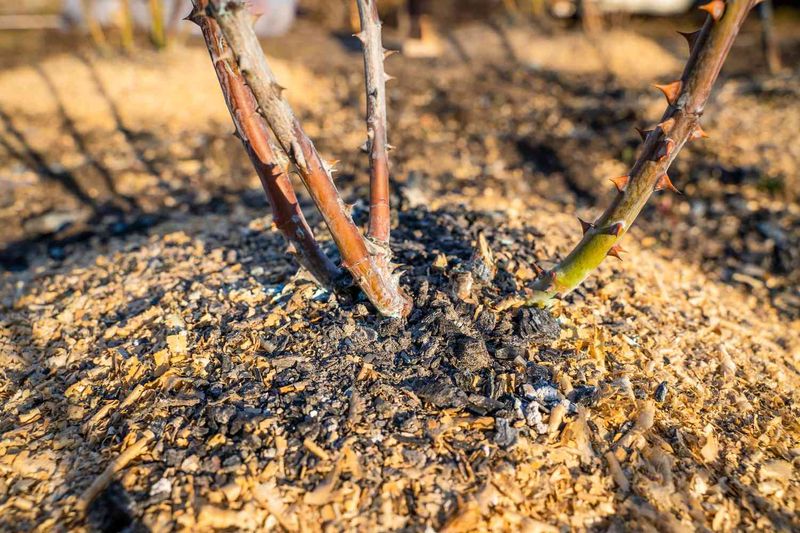
Mulch settles and decomposes over winter, often losing half its original volume. What started as six inches in November might be only three inches now. Your roses need that full depth for proper insulation.
Use a ruler or your hand to measure the mulch around each plant. Four to six inches is the ideal range for Michigan winters. Less than that leaves roots vulnerable to freeze-thaw cycles.
Wood chips, shredded bark, and compost all work well as mulch materials. Each has slightly different insulating properties. Mix them if you have multiple types available.
Add more mulch wherever you find thin spots or bare ground. Pull it up close to the crown but don’t bury the canes. You want to protect roots and crown, not smother the plant.
February replenishment helps your roses through the last hard freezes of winter. Detroit can see severe cold well into March. That extra mulch makes all the difference.
Keep mulch a few inches away from the very center of the plant. This prevents moisture from sitting directly against the canes. Good coverage with proper spacing is the perfect balance.
Prepare Fertilizer And Soil Amendments

Spring feeding time comes quickly after the last frost passes in Michigan. Getting your supplies ready now means you won’t scramble later. Plus, February sales at garden centers can save you money.
Roses are heavy feeders that appreciate rich, well-amended soil. Compost adds organic matter and beneficial microbes. Well-aged manure provides slow-release nutrients throughout the growing season.
Balanced fertilizers with equal NPK ratios work well for most roses. Look for formulations like 10-10-10 or 5-5-5. Organic options include fish emulsion, alfalfa meal, and kelp.
Store your supplies in a dry location where they won’t freeze and thaw repeatedly. Garage shelves or a garden shed work perfectly. Keep fertilizers in sealed containers to maintain their effectiveness.
Make a list of how much you’ll need for each bed. Calculate based on plant size and number. Buying in bulk often costs less than multiple small purchases.
Consider getting a soil test done through your local extension office. Results take a few weeks, so February testing gives you time to adjust. You’ll know exactly what your roses need before growth starts.
Inspect Stakes And Supports
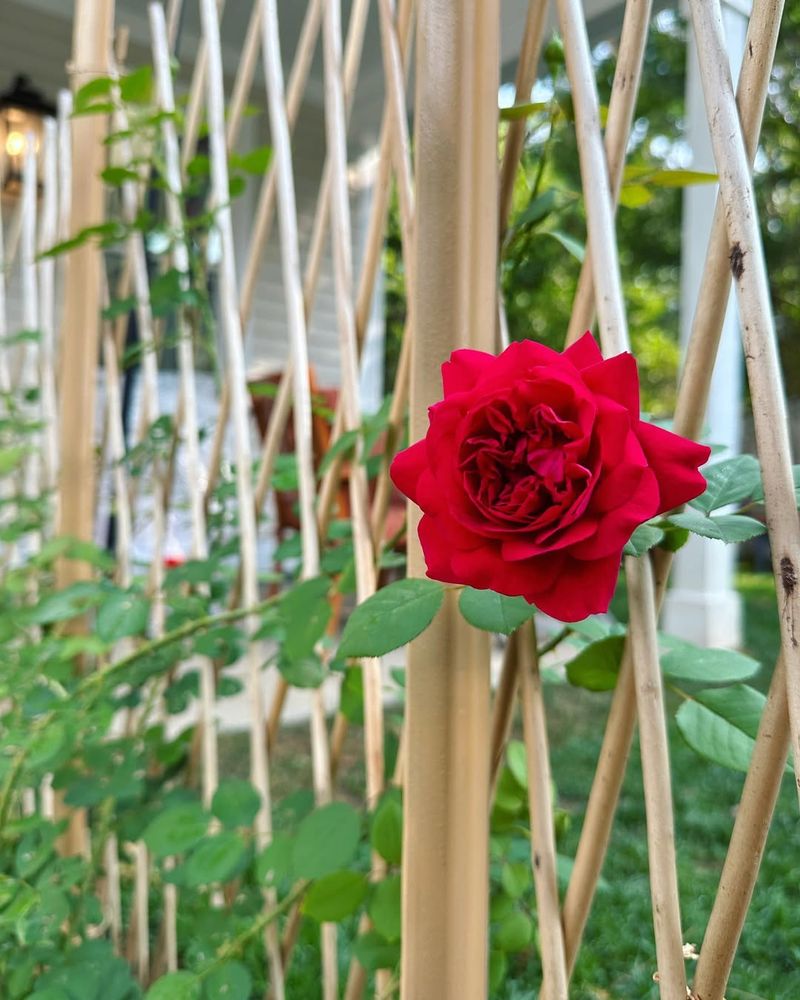
Winter storms can loosen stakes, bend trellises, and damage support structures you installed last year. February’s calmer weather gives you a chance to make repairs. Checking now prevents disasters when spring winds arrive.
Wiggle each stake to test its stability in the ground. Frozen soil might have heaved them upward. Pound them back down firmly or replace any that are rotted.
Trellises need special attention because they catch wind like sails. Check all mounting hardware and connections. Tighten loose screws and replace any rusted fasteners.
Climbing roses and tall hybrid teas depend on these supports for proper growth. A collapsed trellis in April can break canes and ruin the season. Prevention takes just minutes now.
Wire cages around shrub roses sometimes get crushed by snow weight. Reshape them while canes are still dormant. This is much easier than working around thorny, leafy growth.
Consider upgrading any supports that barely made it through winter. Stronger structures now mean less worry during summer thunderstorms. Detroit weather can be fierce, and your roses need solid backing.
Clean And Sanitize Tools
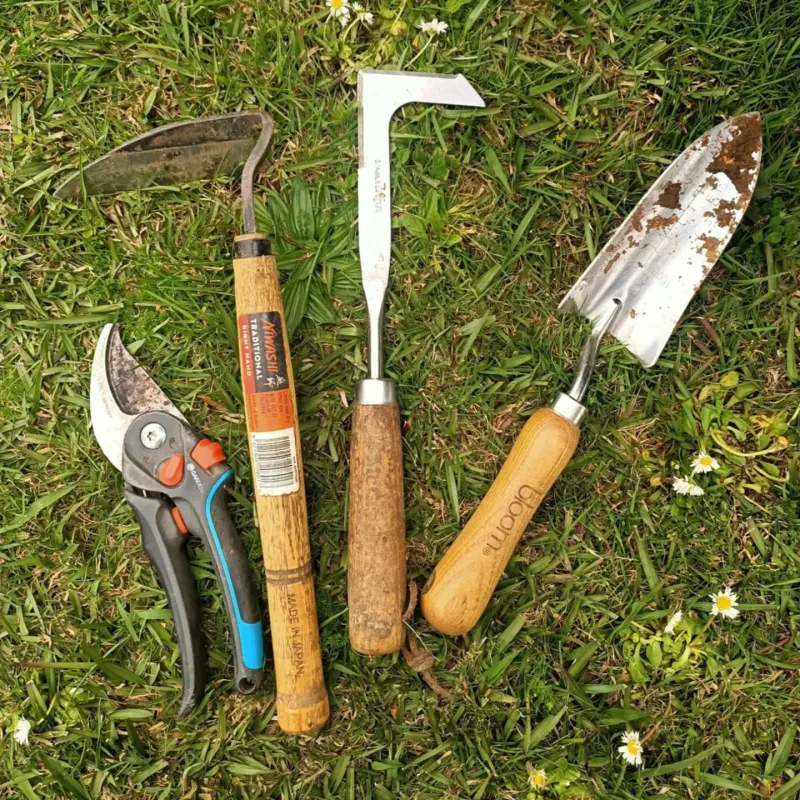
Your pruning tools have been sitting since last season, possibly with dried sap and rust. Clean blades make cleaner cuts that heal faster. Sanitized tools prevent spreading diseases between plants.
Start by scrubbing off any dried plant material with a wire brush. Then sharpen the blades with a file or sharpening stone. Sharp tools require less force and cause less tissue damage.
Disinfect everything with a solution of one part bleach to nine parts water. Rubbing alcohol also works well. Let tools soak for a few minutes, then rinse and dry thoroughly.
Oil the moving parts and blades to prevent rust during storage. A light machine oil works perfectly. This also keeps the action smooth when you start pruning.
Check your gloves for holes and tears that expose your hands to thorns. Replace worn-out pairs before you need them. Rose thorns can cause nasty infections if they break the skin.
Gather all your rose-care tools in one place for easy access. Having everything ready makes the work more enjoyable. You’ll thank yourself when pruning season arrives and everything works perfectly.
Monitor Soil Moisture
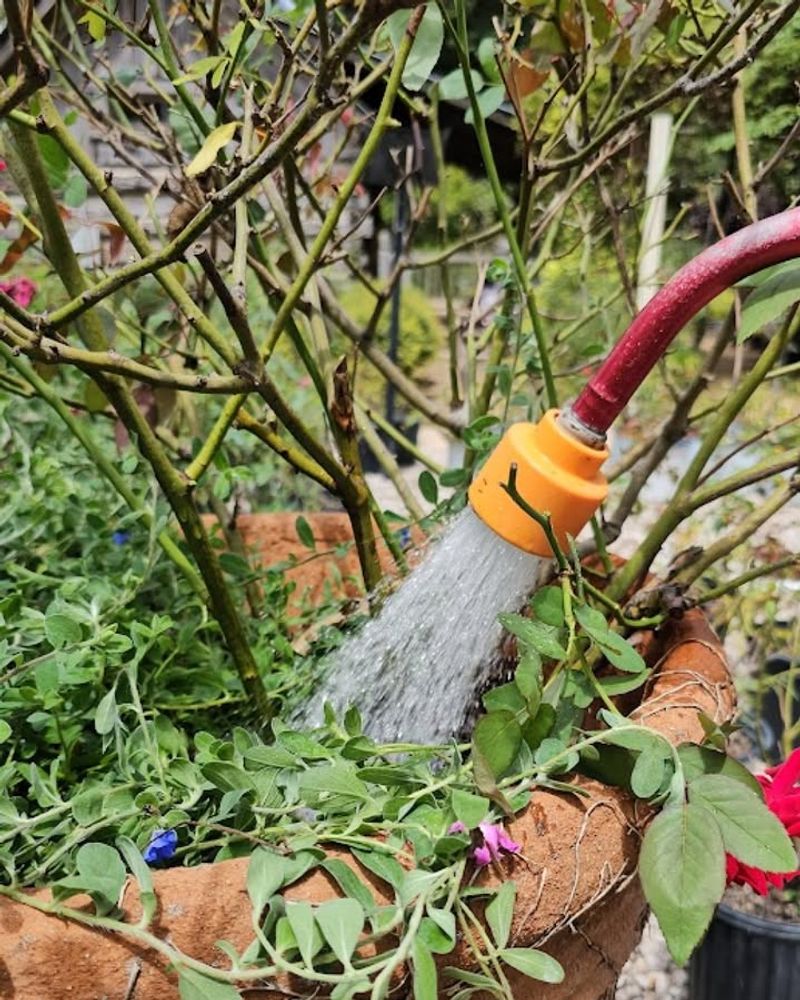
Roses go dormant in winter, but their roots still need some moisture to survive. Completely dry soil can stress plants even when they’re not actively growing. February in Detroit can be surprisingly dry despite the cold.
Check soil moisture by digging down a few inches near each plant. The soil should feel slightly damp, like a wrung-out sponge. Bone-dry soil means your roses need water.
Water only on days when temperatures are above freezing and will stay that way overnight. Ice forming around roots causes more harm than good. Choose mild afternoons for this task.
Apply water slowly so it soaks in rather than running off. Frozen ground below the surface might prevent deep penetration. Multiple light waterings work better than one heavy dose.
Containerized roses need special attention because their soil dries out faster. Check them weekly during dry spells. Even in an unheated garage, containers can become surprisingly dry.
Don’t overdo it; roses in dormancy need much less water than actively growing plants. The goal is preventing complete desiccation, not keeping soil soggy. Moist but not wet is perfect.
Make A Planting Or Replacement Plan

February is prime time for dreaming about new roses and planning your spring garden. Nurseries release their catalogs now, showing all the latest varieties. Ordering early ensures you get first pick of popular cultivars.
Assess which roses struggled last year and might need replacing. Some varieties just don’t thrive in Michigan’s climate. Choosing hardier alternatives saves frustration and improves your success rate.
Consider disease resistance when selecting new roses. Varieties bred for black spot and mildew resistance require less spraying. This makes maintenance easier and keeps your garden healthier.
Sketch out where new additions will go in your beds. Think about mature size, color combinations, and bloom times. Planning on paper prevents expensive mistakes in the ground.
Research growing requirements for varieties that catch your eye. Some roses need full sun while others tolerate partial shade. Matching plants to your specific conditions ensures better performance.
Join online rose forums or local garden clubs for recommendations specific to Detroit. Experienced local gardeners know which varieties excel in Zone 6a. Their advice is worth its weight in gold.