February Tasks That Help Roses Thrive In Atlanta, Georgia
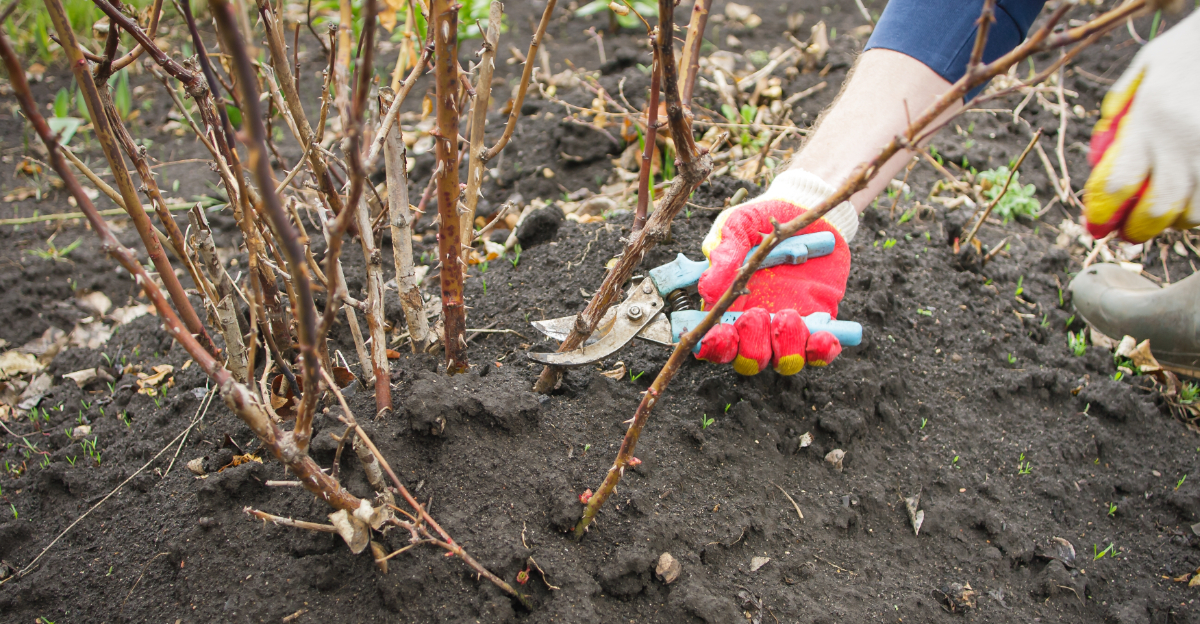
Roses in Georgia, especially around Atlanta, don’t wait for spring to get ready, even if the garden still looks quiet. February is when they quietly respond to attention, whether you notice it or not.
Mild days and cool nights across Georgia create a short window where small tasks have an outsized impact.
What you handle now influences how roses leaf out, how evenly they grow, and how well they handle the first real push of spring.
Waiting until growth is obvious often means fixing problems instead of preventing them. February care isn’t about heavy work or drastic changes.
It’s about timing a few smart moves while plants are still calm and conditions are forgiving.
Roses that get the right attention now tend to wake up stronger, grow more evenly, and settle into the season with far less stress once warmer weather takes over.
1. Finish Pruning Before New Growth Begins
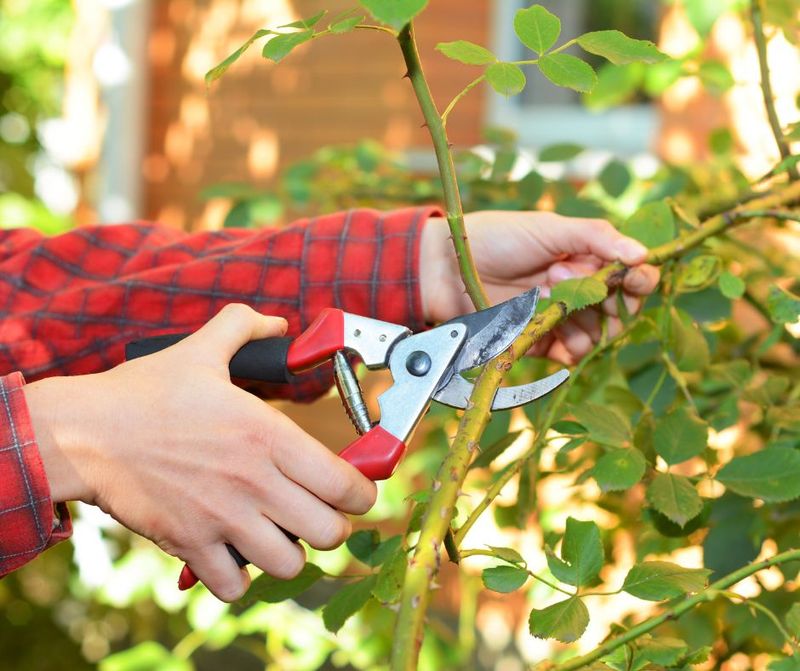
Your roses are starting to wake up from their winter rest, and timing matters when it comes to cutting them back.
Atlanta’s climate means you might see tiny leaf buds forming earlier than gardeners up north, so grab your pruning shears before those buds break open into full leaves.
Waiting too long wastes the plant’s energy on growth you’ll just have to remove anyway. Sharp, clean tools make cleaner cuts that heal faster and reduce the chance of disease spreading through your rose bed.
Wipe down your pruning shears with rubbing alcohol between plants, especially if you’ve been working with any roses that showed problems last season. Dull blades crush stems instead of slicing them, leaving ragged edges that invite trouble.
Hybrid tea roses in Atlanta gardens typically get cut back to about 18 to 24 inches tall, leaving three to five strong canes that face outward. Shrub roses need less severe pruning, just shaping and thinning to open up the center for better air circulation.
Climbing roses get the lightest touch, with only old or damaged canes removed since they bloom on older wood.
Make your cuts at a 45-degree angle about a quarter inch above an outward-facing bud eye.
This angle helps water run off instead of pooling on the cut surface, and the outward direction encourages the plant to grow open rather than tangled. February’s mild days in Atlanta give you perfect weather for this task before the real heat arrives.
A light layer of mulch after pruning helps protect newly exposed soil and keeps moisture levels steady as temperatures fluctuate. Once pruning is finished, step back and check the plant’s shape so each rose has room to grow without crowding when spring growth speeds up.
2. Remove Damaged Or Crossing Canes First
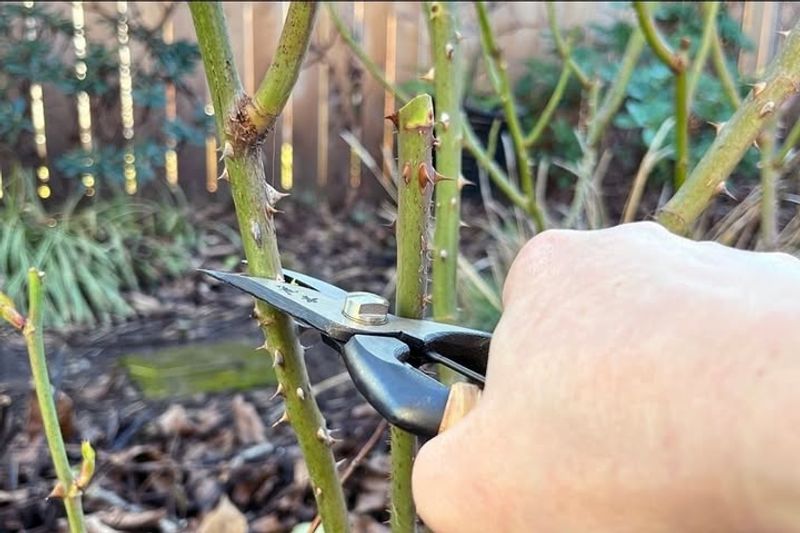
Before you start shaping your roses, scan each bush for canes that didn’t make it through winter or branches that rub against each other. Brown, shriveled canes with no green tissue inside need to go completely, cut right down to the base where they emerge from the main plant.
These spent canes won’t produce anything useful and just take up space that healthy growth could fill.
Crossing canes create problems because they scrape against each other when the wind blows, damaging the bark and creating entry points for disease.
Pick the weaker or more poorly positioned cane and remove it entirely, leaving the stronger one to grow freely.
Sometimes you’ll find two thick canes crossing, and in those cases, choose the one that grows outward from the center rather than inward.
Atlanta’s humidity makes these crossing points especially risky since moisture gets trapped where branches touch. Fungal diseases love those damp, dark spots where air can’t circulate properly.
Opening up your rose bush by removing crossing canes improves airflow throughout the entire plant, which becomes crucial when summer humidity settles in. Look for canes thinner than a pencil too, since these spindly shoots rarely produce quality blooms and just drain energy from the plant.
Cut them off at the base to redirect that energy into the stronger, more productive canes. Your rose will thank you with bigger flowers on sturdier stems when growing season hits full swing in the Atlanta area.
After thinning, you should be able to see light passing through the center of the plant rather than a tight knot of stems. That open structure helps roses dry faster after rain, which is one of the simplest ways to reduce disease pressure in Atlanta gardens.
3. Clean Up Fallen Leaves To Reduce Disease Pressure
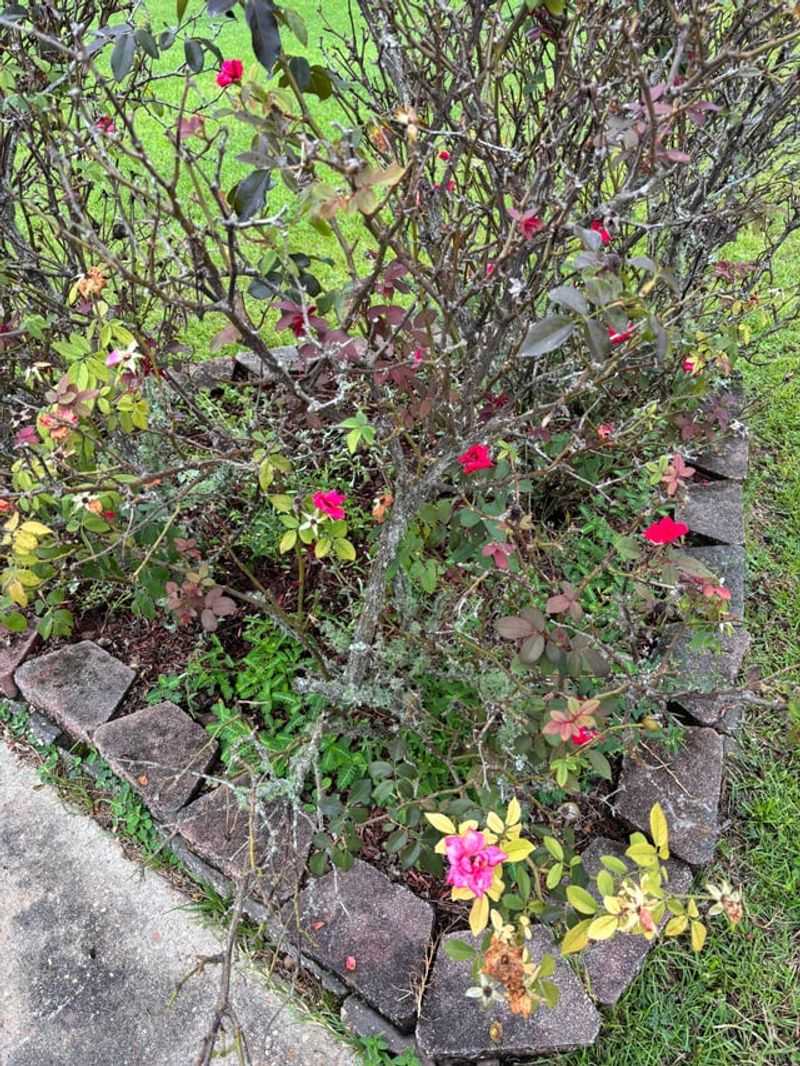
Old leaves scattered around your rose bushes might look harmless, but they’re actually disease time bombs waiting to explode when spring warmth arrives. Fungal spores from last year’s blackspot, powdery mildew, and rust overwinter on those fallen leaves, ready to reinfect your roses as soon as conditions turn favorable.
Rake them up and get them out of your garden completely rather than leaving them to break down naturally.
Don’t toss these diseased leaves into your compost pile unless it gets hot enough to destroy pathogens, which most home compost systems don’t achieve.
Bag them up for yard waste collection or burn them if local Atlanta regulations allow. The few minutes spent cleaning now prevents weeks of spraying and frustration later when disease takes hold of your roses.
Check the mulch layer too, since leaves often work their way down into the wood chips or pine straw. Pull back the mulch in a few spots and remove any leaf debris you find hiding underneath.
This also gives you a chance to inspect the base of your roses for any problems developing at soil level. February in Atlanta typically brings enough dry days to make this cleanup job pleasant rather than muddy.
Work on a day when the leaves are dry so they’re lighter and easier to handle.
While you’re down there picking up leaves, pull any weeds that have started sprouting too, since they compete with your roses for nutrients and water once the growing season kicks into gear.
4. Check Soil Drainage After Winter Rains
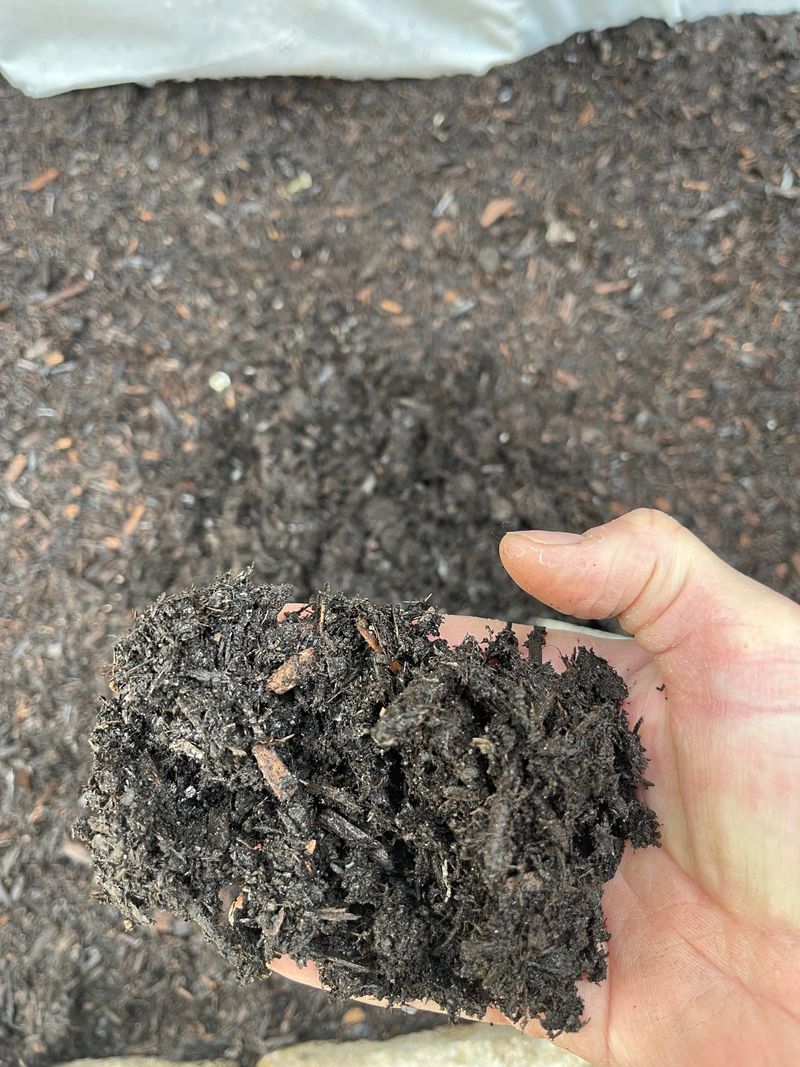
Atlanta winters dump quite a bit of rain, and all that water reveals drainage problems you might not notice during drier months.
Walk around your rose beds after a good rain and look for spots where water pools or takes hours to soak in.
Roses hate wet feet, and poor drainage leads to root problems that weaken the entire plant. Dig down six inches in a few spots around your roses to see what the soil looks like below the surface.
If it’s soggy or has a sour smell, you’ve got drainage issues that need fixing before spring growth starts. Heavy clay soil common in parts of Atlanta holds water like a sponge, suffocating rose roots that need oxygen as much as they need moisture.
Improving drainage might mean adding several inches of compost worked into the top layer of soil, or in severe cases, creating raised beds that lift your roses above the waterlogged ground.
Some gardeners install drainage tiles or French drains to move excess water away from their rose plantings.
The investment pays off in healthier plants that can actually use the nutrients you provide instead of struggling just to survive. Test your drainage by digging a hole about a foot deep, filling it with water, and timing how long it takes to drain completely.
Good drainage empties the hole within an hour or two. If water’s still sitting there after four hours, you need to take action before planting season arrives in Atlanta.
Addressing drainage issues now gives roses a much stronger start once temperatures warm and growth accelerates. Healthy roots formed in late winter set the foundation for better flowering and fewer stress problems later in Atlanta’s long, humid summer.
5. Hold Off On Fertilizing Until Growth Starts
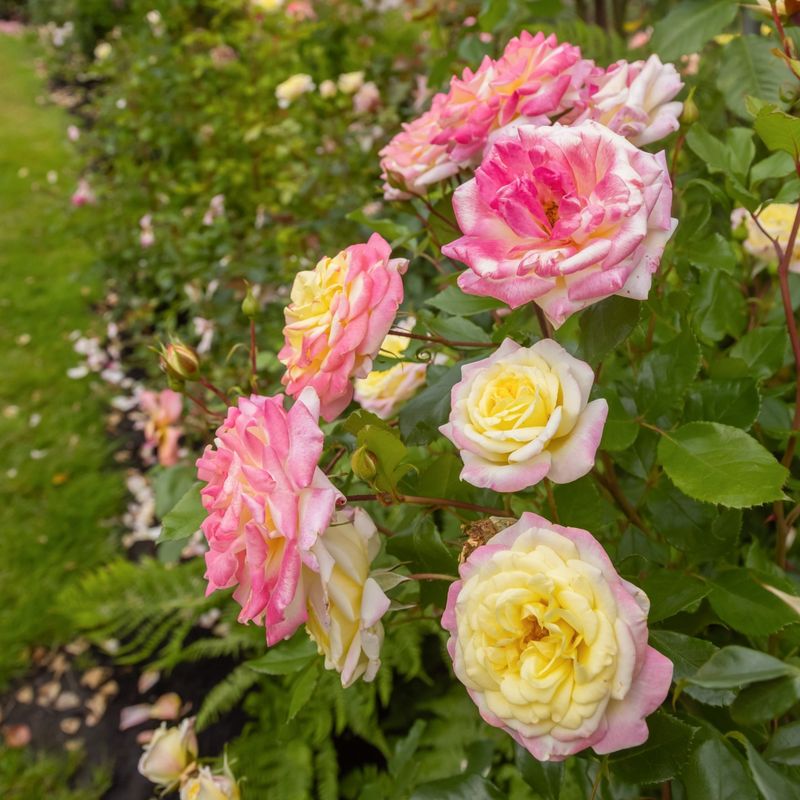
Your hand might be itching to grab that fertilizer and give your roses a boost, but patience pays off better than jumping the gun.
Roses can’t use nutrients until they’re actively growing, and fertilizing dormant or barely-waking plants just wastes your money as rain washes unused nutrients past the roots.
Wait until you see new leaves unfurling, which in Atlanta usually happens late in February or early March depending on the weather. Early fertilizing can actually push tender new growth during a warm spell, then a late cold snap burns those soft leaves and sets your roses back.
Atlanta’s weather likes to play tricks in February, swinging from 70 degrees one week to freezing the next. Let your roses decide when they’re ready to grow rather than forcing them with fertilizer.
Use this waiting time to choose the right fertilizer for your roses instead. A balanced formula works well for most roses, or you can go with an organic option that feeds soil microbes along with your plants.
Read the label to understand the nitrogen-phosphorus-potassium ratio and what it means for flower production versus foliage growth. When you do fertilize, starting with a light application works better than dumping on a heavy dose.
Roses are heavy feeders once they get going, but that first feeding should be gentle to avoid burning tender new roots.
Plan to fertilize every four to six weeks through the growing season, stopping in late summer to let your Atlanta roses harden off before winter arrives again.
6. Refresh Mulch Without Burying The Crown
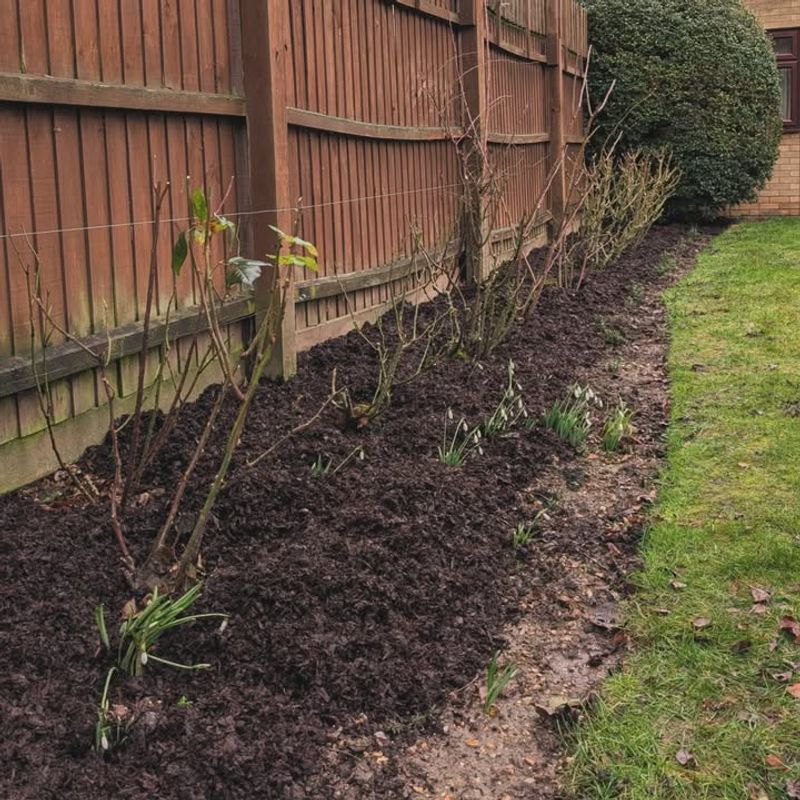
Winter weather breaks down mulch faster than you’d think, and February’s the perfect time to freshen up what’s protecting your roses’ roots. A good mulch layer keeps soil moisture steady, moderates temperature swings, and blocks weeds from stealing nutrients your roses need.
Pull back the old mulch first to see how much has decomposed into the soil below. Pine bark, wood chips, or pine straw all work well for roses in Atlanta, with each offering slightly different benefits.
Pine bark lasts longer but costs more, while pine straw breaks down faster but acidifies the soil a bit, which roses actually appreciate.
Whatever you choose, spread it about three inches deep around your roses, extending out to the drip line where rain falls from the outer leaves.
Here’s the critical mistake that ends up causing more harm than good: piling mulch up against the base of the rose bush like a volcano. That crown where the canes emerge from the roots needs air circulation, not a damp mulch blanket that encourages rot and provides perfect hiding spots for insects.
Leave a gap of several inches between the mulch and the crown. Fresh mulch also makes your rose beds look neat and cared for, which matters if you take pride in your Atlanta garden’s appearance.
The clean look lasts through spring as your roses leaf out and start blooming, providing a nice dark background that makes flower colors pop even more.
Buying mulch in February sometimes gets you better prices too, before the spring rush hits garden centers.
7. Watch For Early Pests During Warm Spells
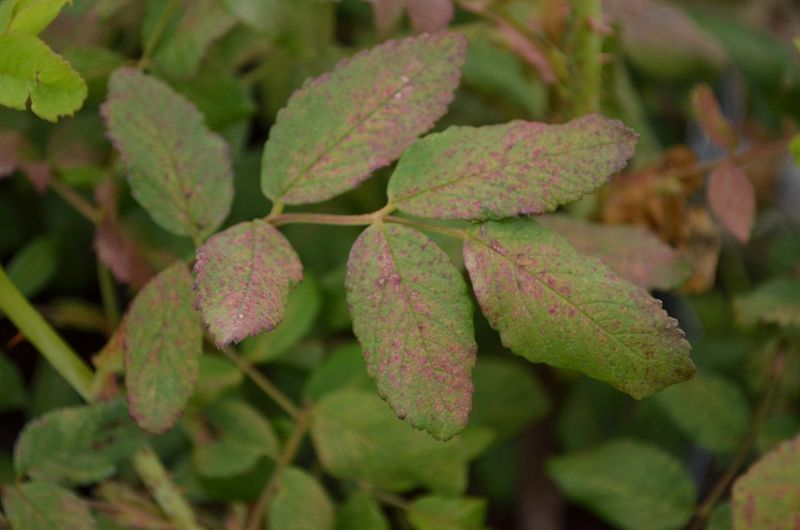
Warm February days in Atlanta don’t just wake up your roses; they also bring out insects that have been waiting for their chance to feast.
Aphids are usually the first pests to appear, clustering on tender new growth and sucking sap that weakens shoots before they even get established.
Check the undersides of emerging leaves and the tips of new canes where these tiny green or black bugs like to gather. A strong spray from the hose knocks aphids off before their population explodes into a real problem.
Early intervention means you might avoid needing pesticides altogether, letting beneficial insects like ladybugs and lacewings handle any stragglers.
These good bugs start showing up as the weather warms too, and they’ll stick around if you haven’t nuked everything with chemicals.
Spider mites can also activate during warm, dry spells, though you’ll need to look closely since they’re barely visible to the naked eye. Fine webbing on leaves and a dusty appearance to the foliage signals their presence.
Regular hosing helps here too, since spider mites hate moisture and strong water pressure destroys their webs. Keep an eye out for rose slugs as well, which are actually sawfly larvae that skeletonize leaves by eating everything except the veins.
They look like small caterpillars and can be picked off by hand if you catch them early. Atlanta’s mild climate means pest season starts earlier and lasts longer than in colder regions, so staying vigilant in February sets you up for success through the whole growing season ahead.