Feed These 9 Oregon Shrubs Before Spring Growth Takes Off
Have you ever wandered into your yard and noticed your shrubs looking a little tired after a long stretch of cold, damp weather?
Maybe the leaves aren’t as bright, or the branches seem slower to wake up than usual.
It’s one of those quiet moments that makes you pause and wonder if there’s something small you could do to help them along.
Here in Oregon, our shrubs work hard through changing seasons, and before spring growth really kicks in, a little extra care can make a big difference.
Feeding them at the right time helps build strong roots and healthier new growth, even if you can’t see it happening just yet.
Do you ever think about what’s going on below the soil while everything still looks calm on the surface?
If you’ve ever wanted your garden to look fuller and more vibrant without a lot of fuss, you’re not alone.
A simple, well-timed feeding can give your shrubs the support they need to start the season strong.
These Oregon shrubs are especially grateful for that early boost, and taking a few minutes to care for them now can make the months ahead feel that much more rewarding.
1. Rhododendrons
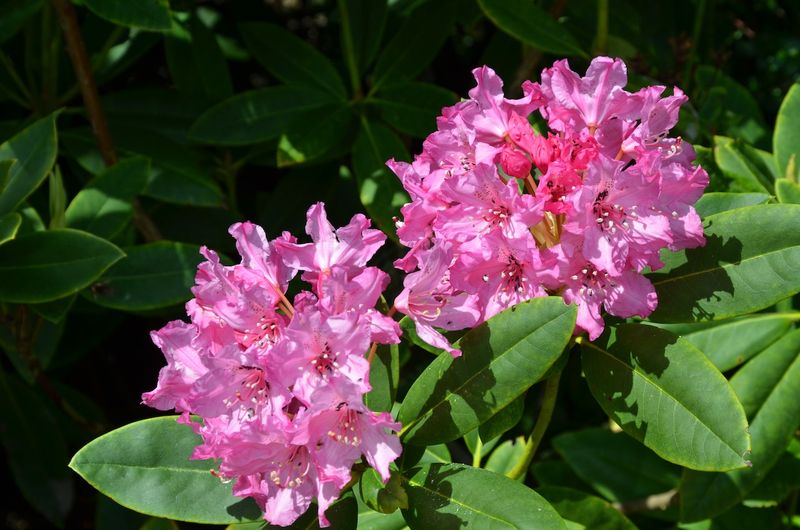
Oregon’s state flower thrives in acidic soil, and feeding it properly makes all the difference in bloom quality.
Rhododendrons store energy in their roots during late winter, so applying an acid-loving fertilizer in early March gives them the nutrients they need right when growth begins.
Look for a formula designed for azaleas and rhododendrons, with a lower middle number on the package to avoid excessive leaf growth at the expense of flowers.
Spread the fertilizer evenly around the drip line, not right against the trunk.
Water it in well so nutrients reach the shallow root system.
Rhododendrons have fine roots that sit close to the surface, so they absorb food quickly when you time it right.
Organic options like cottonseed meal or fish emulsion work beautifully for these shrubs.
They release nutrients slowly and improve soil structure over time.
If your rhododendrons showed yellow leaves last year, they might need extra iron, which you can add with a chelated iron supplement mixed into the soil.
Watch for new growth to appear about three weeks after feeding.
The leaves will emerge bright green and glossy, and flower buds will swell noticeably.
Healthy rhododendrons produce dense clusters of blooms that last for weeks, turning your garden into a showstopper every spring.
2. Blueberries
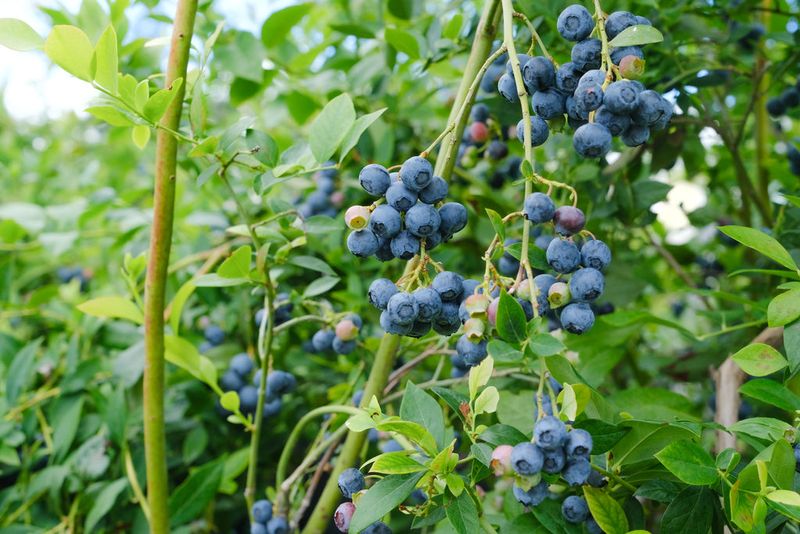
Backyard blueberries need a nutrient boost before they leaf out, and the payoff comes in buckets of sweet berries all summer long.
These shrubs love acidic conditions, just like rhododendrons, so use a fertilizer made for acid-loving plants or choose ammonium sulfate to keep the pH low.
Apply it in late February or early March, before you see any green buds breaking open on the branches.
Blueberries have shallow roots that spread wide, so scatter fertilizer in a circle about a foot away from the base of each plant.
Avoid piling it up against the stems, which can burn tender tissue.
Water thoroughly after feeding to help the roots absorb the nutrients and prevent any risk of fertilizer sitting dry on the soil surface.
Organic gardeners often use blood meal or feather meal for blueberries.
Both provide nitrogen in a slow-release form that feeds plants steadily without causing a growth spurt that weakens branches.
Add a layer of compost or aged manure around the base for extra organic matter that improves soil health over time.
Well-fed blueberry bushes produce more fruit and grow sturdier branches that support heavy berry clusters.
You will notice thicker foliage and better resistance to pests when plants get the nutrition they need early in the season.
3. Hydrangeas
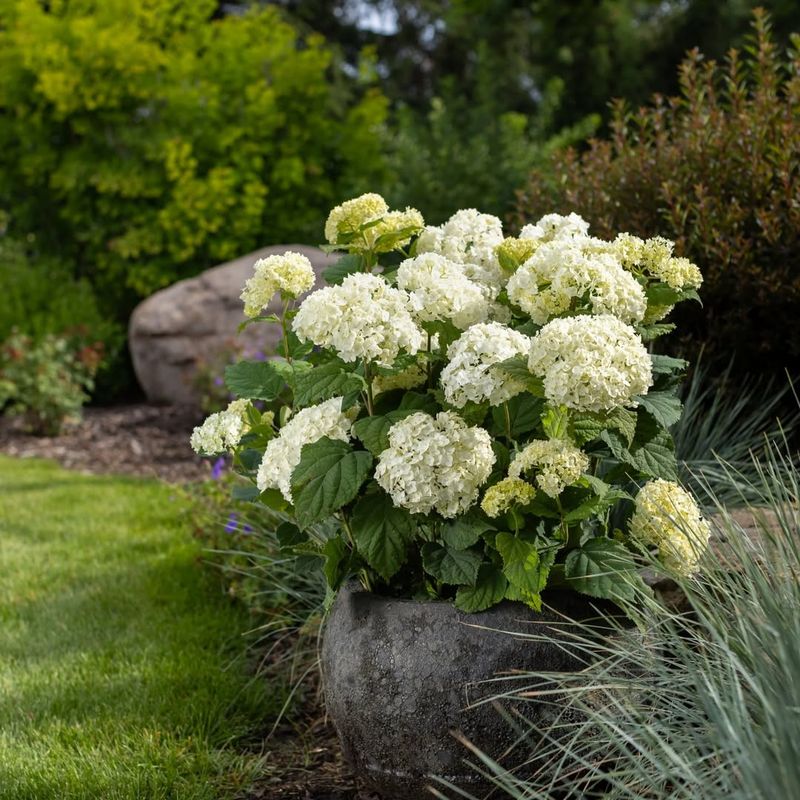
Few shrubs deliver the dramatic color show that hydrangeas do, and feeding them early ensures those big blooms reach their full potential.
Hydrangeas wake up fast in Oregon’s mild springs, so get fertilizer down by mid-March before leaves fully expand.
Choose a balanced formula with equal parts nitrogen, phosphorus, and potassium, or use a slow-release granular product that feeds plants for months.
Spread fertilizer around the base of each plant, covering the entire root zone.
Hydrangeas have extensive root systems that stretch beyond the visible canopy, so apply nutrients in a wide circle.
Water deeply after feeding to move the fertilizer into the soil where roots can access it.
If you grow blue hydrangeas, soil pH matters as much as fertilizer.
Acidic soil produces blue flowers, while alkaline soil turns them pink.
Add aluminum sulfate along with your regular fertilizer if you want to keep blooms blue.
For pink flowers, add lime to raise the pH slightly.
Well-fed hydrangeas produce larger flower heads and stronger stems that hold blooms upright even when they get heavy with rain.
The leaves stay deep green instead of yellowing, and plants fill out with dense foliage that looks lush all season.
Feeding now means months of stunning color from summer through fall.
4. Roses
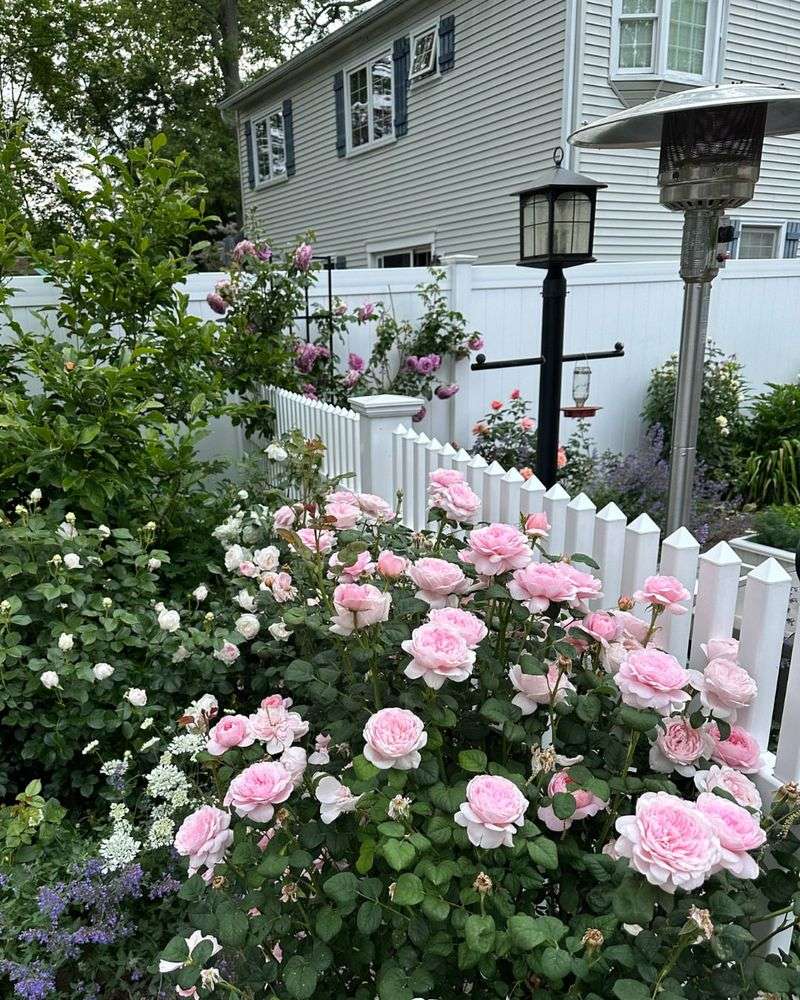
These garden classics demand more nutrients than most shrubs, but the reward comes in armloads of fragrant blooms that last from spring through frost.
Feed your roses in late February or early March, right when you finish pruning them.
Use a rose-specific fertilizer that includes micronutrients like magnesium and iron, which help prevent common deficiencies that show up as yellow leaves or weak growth.
Scratch the fertilizer into the soil around each plant, working it in lightly without disturbing the roots.
Roses appreciate a generous feeding, so follow the package directions carefully and do not skimp.
Water deeply after applying fertilizer to help nutrients reach the root zone and prevent any risk of burning tender new growth.
Organic rose gardeners often use alfalfa meal or kelp meal mixed into the soil.
Both provide nitrogen and trace minerals that roses love, and they improve soil texture over time.
Add a layer of compost or well-rotted manure as a top dressing for extra organic matter that feeds beneficial soil microbes.
Properly fed roses produce more blooms on stronger stems, and the flowers open larger with deeper colors and longer-lasting fragrance.
Foliage stays healthy and green, and plants resist diseases like black spot and powdery mildew better when they get adequate nutrition early in the growing season.
5. Lavender
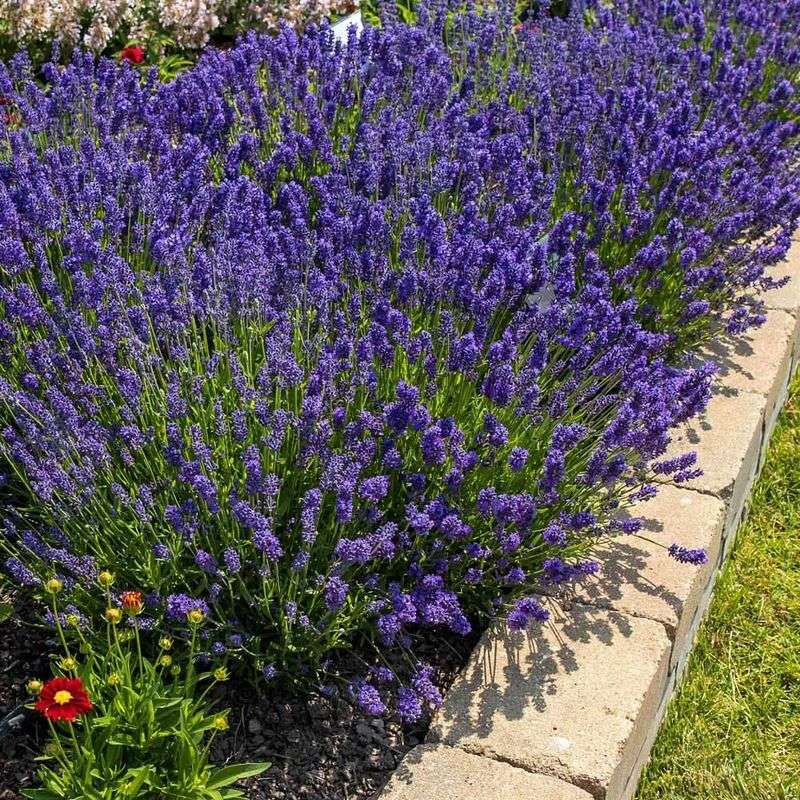
Lavender brings fragrance and pollinator activity to Oregon gardens, and feeding it lightly in early spring helps it grow bushy and full of flower spikes.
This Mediterranean native does not need heavy feeding like roses or hydrangeas, so use a light hand with fertilizer.
Choose a balanced, low-nitrogen formula or a slow-release organic option that will not overfeed the plant and cause it to produce too much soft green growth.
Apply fertilizer sparingly around the base of each lavender plant in late February or early March.
Lavender prefers lean soil, so a little goes a long way.
Water it in gently, but do not overdo the watering because lavender roots rot easily in soggy conditions.
Organic gardeners often skip synthetic fertilizers altogether for lavender and use compost tea or a light sprinkling of bone meal instead.
Both provide gentle nutrition without overwhelming the plant.
Lavender grown in rich soil tends to flop over and produce fewer flowers, so keeping the soil on the lean side actually improves performance.
Well-fed lavender plants grow dense and compact, with strong stems that support heavy flower spikes all summer long.
The blooms open more abundantly and smell more intense when plants get the right nutrition early in the season.
Bees and butterflies will flock to your garden when lavender blooms fill the air with their unmistakable scent.
6. Azaleas
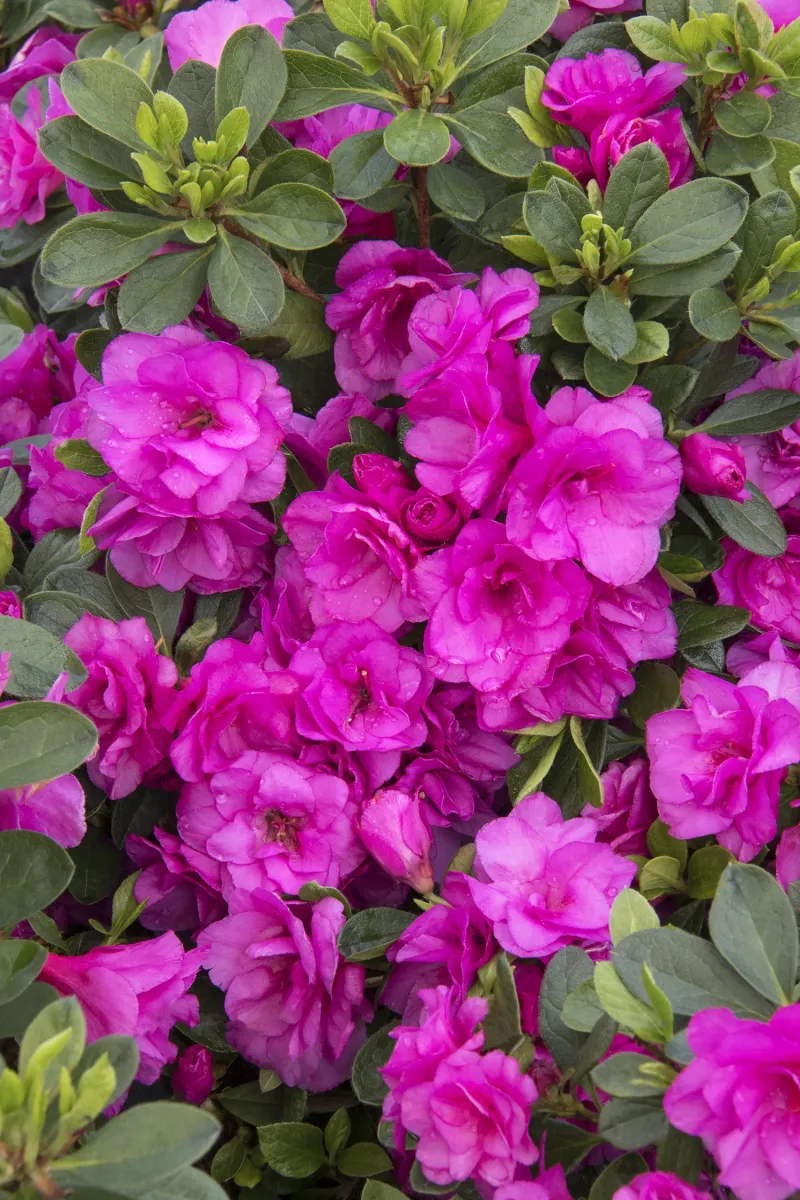
These shrubs need acidic soil and the same type of fertilizer that works for rhododendrons.
Apply an acid-loving plant food in early March, before buds start to swell and color shows on the branches.
Look for a formula with a higher first number to encourage strong root growth and plenty of flower buds.
Spread the fertilizer evenly under the entire canopy of each azalea, reaching out to the drip line where feeder roots grow.
Azaleas have shallow root systems that absorb nutrients quickly, so water the fertilizer in well to help it reach the roots without washing away.
Avoid applying too much at once, which can burn tender roots and damage the plant.
Organic options like cottonseed meal or composted manure work well for azaleas.
They release nutrients slowly and improve soil structure, which benefits these shallow-rooted shrubs.
If your azaleas showed pale leaves last year, add a dose of chelated iron along with your regular fertilizer to correct the deficiency.
Properly fed azaleas produce masses of flowers that cover the entire plant in a blanket of color.
The blooms last longer and open more fully when plants get adequate nutrition before growth begins.
Healthy azaleas also resist pests and diseases better than underfed ones.
7. Camellias
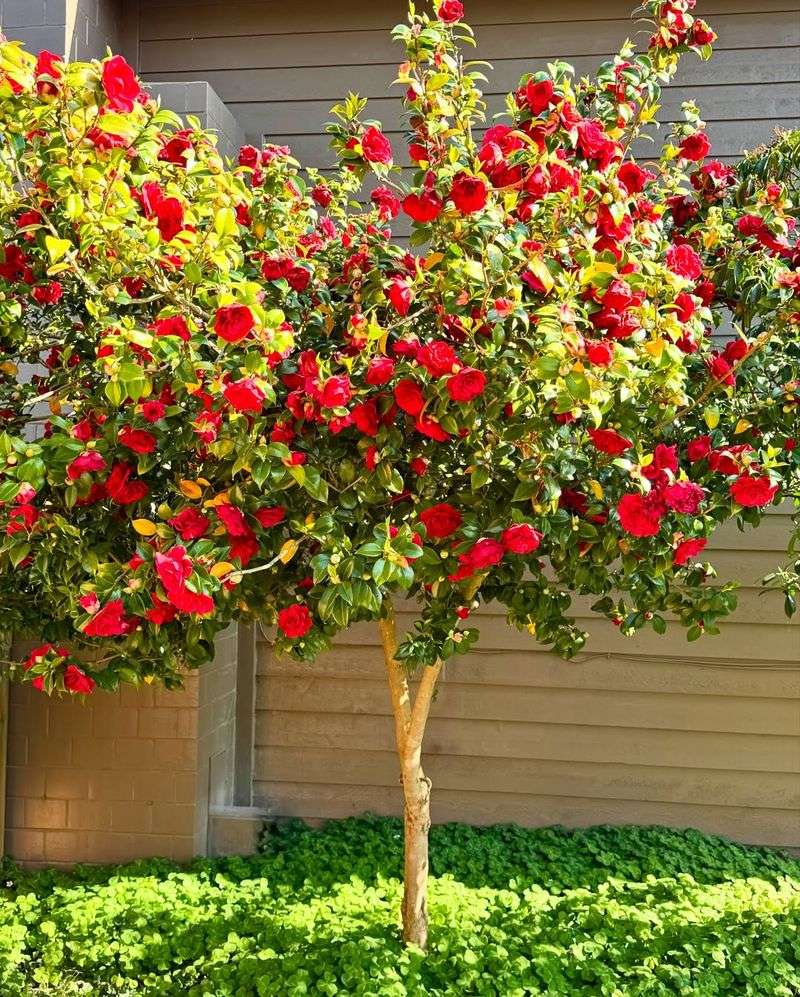
Camellias bloom in late winter and early spring, and feeding them after flowering helps them recover and set buds for next year.
Apply an acid-loving fertilizer in late March or early April, once the last blooms fade and new growth begins to emerge.
Camellias prefer a slow-release formula that feeds them steadily through the growing season without causing a flush of weak, leggy growth.
Spread fertilizer in a wide circle around each plant, covering the entire root zone.
Camellias have extensive root systems that spread far beyond the visible canopy, so apply nutrients generously over a broad area.
Water deeply after feeding to help the fertilizer reach the roots and prevent it from sitting dry on the soil surface.
Organic gardeners often use fish emulsion or seaweed extract for camellias.
Both provide gentle nutrition and trace minerals that improve plant health without the risk of overfeeding.
Add a layer of compost or aged manure around the base for extra organic matter that feeds beneficial soil organisms.
Well-fed camellias produce glossy, dark green foliage and strong new growth that supports next year’s flower buds.
The plants fill out with dense branches and resist pests like scale and aphids better when they get adequate nutrition.
Feeding now ensures another season of stunning blooms that brighten the garden when little else flowers.
8. Forsythia
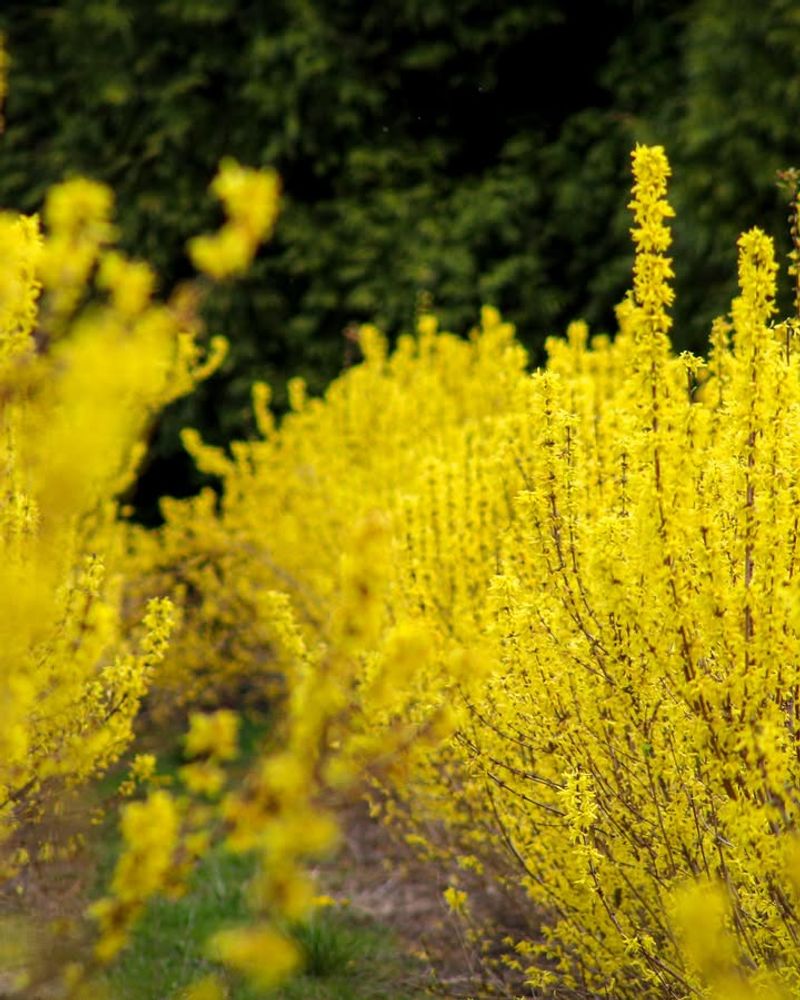
Forsythia bursts into brilliant yellow blooms before any leaves appear, and feeding it after flowering helps it grow strong and healthy for the rest of the year.
Apply a balanced fertilizer in late March or early April, once the flowers fade and green leaves start to emerge.
Forsythia grows fast and produces lots of new wood each season, so it benefits from generous feeding that supports vigorous growth.
Spread fertilizer evenly around the base of each plant, covering the entire root zone.
Forsythia roots spread wide and deep, so apply nutrients in a broad circle that extends beyond the visible canopy.
Water thoroughly after feeding to move the fertilizer into the soil where roots can absorb it.
Organic gardeners often use compost or well-rotted manure for forsythia.
Both provide steady nutrition and improve soil structure, which benefits these fast-growing shrubs.
Add a layer of mulch over the fertilizer to help retain moisture and suppress weeds that compete with forsythia roots for nutrients.
Properly fed forsythia produces dense foliage and long, arching branches that fill out with new growth all season.
The plants resist pests and diseases better when they get adequate nutrition, and they bloom more heavily the following spring.
Feeding now ensures your forsythia stays healthy and vigorous, providing a stunning early-season display year after year.
9. Oregon Grape
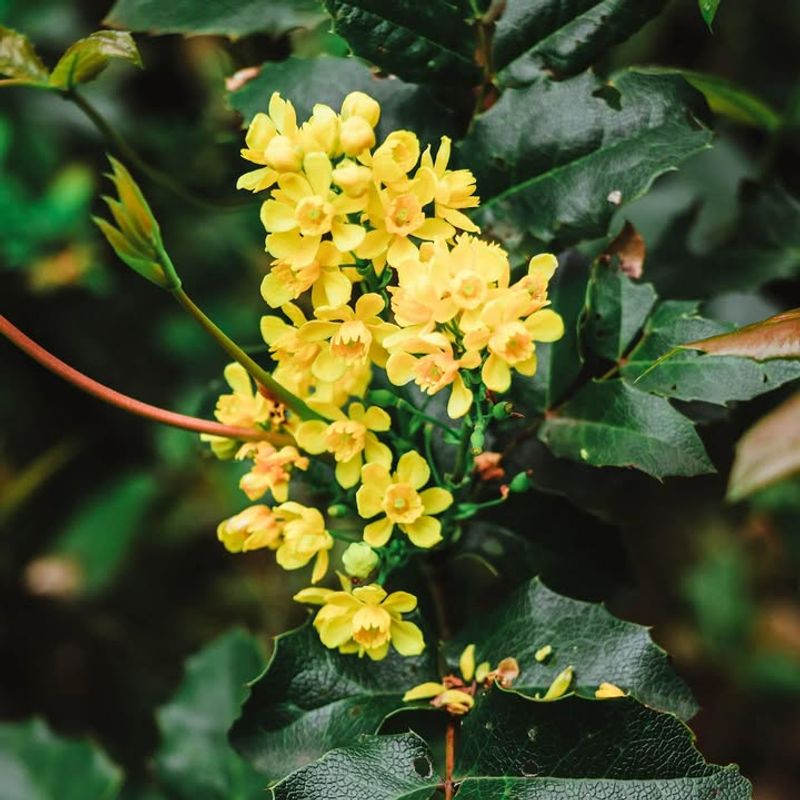
This native shrub tolerates lean soil, so use a light hand with fertilizer.
Apply a balanced, slow-release formula in late February or early March, before new leaves fully expand.
Avoid high-nitrogen fertilizers that push too much soft green growth at the expense of flowers and berries.
Spread fertilizer lightly around the base of each plant, covering the root zone without overdoing it.
Oregon grape has a deep taproot and spreading surface roots, so nutrients do not need to be applied heavily to benefit the plant.
Water the fertilizer in gently to help it reach the roots without washing away.
Organic gardeners often skip synthetic fertilizers for Oregon grape and use compost or leaf mold instead.
Both provide gentle nutrition and improve soil structure, which benefits this native shrub.
A light top dressing of compost in early spring supplies all the nutrients Oregon grape needs to thrive.
Well-fed Oregon grape plants produce clusters of bright yellow flowers in spring, followed by blue-black berries that birds love.
The foliage stays glossy and green, and plants grow dense and compact instead of sparse and leggy.
Feeding now ensures your Oregon grape stays healthy and attractive all season long.