Feed These Plants Now In California For Healthier Spring Blooms
If you want your California garden bursting with color this spring, now is the moment to show your plants a little love. Late winter and early spring are prime feeding times, when shrubs and perennials are waking up and gearing up for a big bloom cycle.
A well-timed boost of nutrients can make the difference between a so-so flower show and a total showstopper.
After months of cooler weather and rain, soil nutrients can be depleted or uneven, especially in sandy or drought-prone areas.
Giving your plants the right fertilizer now helps strengthen roots, support fresh growth, and encourage bigger, brighter blossoms once temperatures climb.
The key is knowing which plants benefit most from an early feeding and choosing the right type of fertilizer for each one. With a little planning and a quick garden check-in, you can set the stage for a lush, vibrant spring that feels straight out of a magazine.
1. Roses
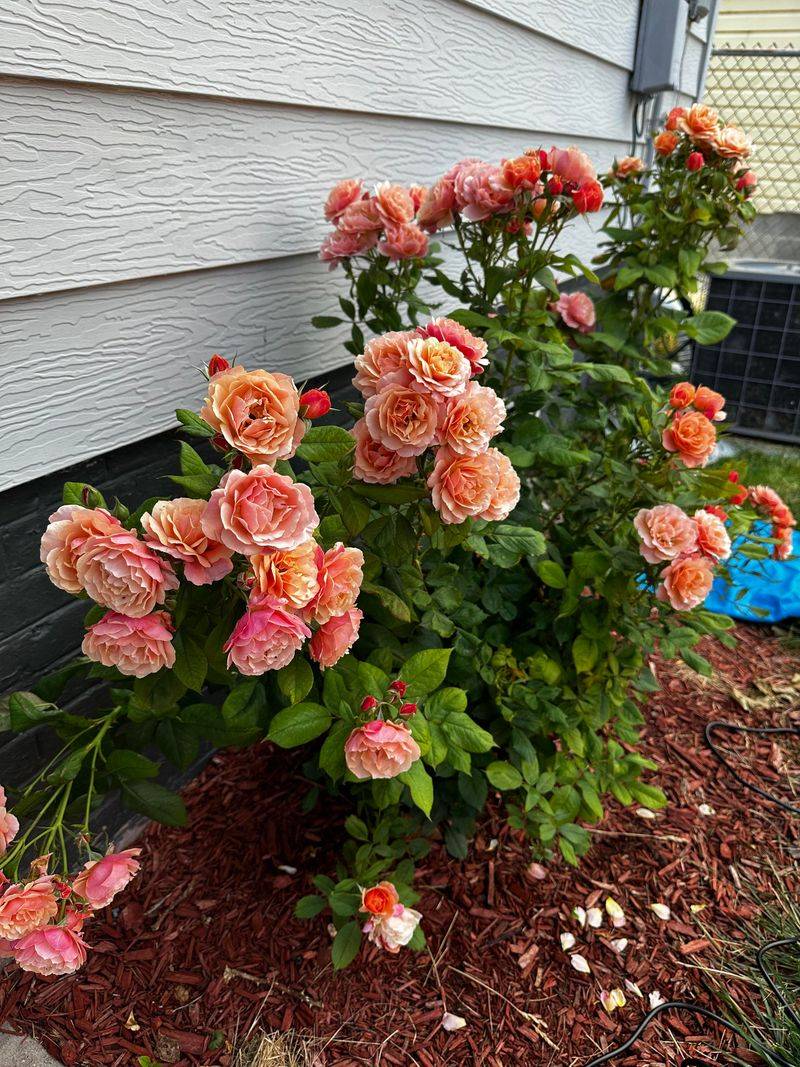
Nothing says California garden quite like a row of roses showing off in full bloom. But to get that showstopping display, you need to start feeding before the flowers even appear.
Late winter to early spring is the sweet spot for giving roses their first meal of the season.
Use a balanced rose fertilizer, something with equal parts nitrogen, phosphorus, and potassium. Nitrogen pushes out strong green growth.
Phosphorus helps roots and blooms develop. Potassium keeps the whole plant healthy and disease-resistant.
Scratch the fertilizer lightly into the soil around the base of each plant, then water it in well. Avoid piling fertilizer directly against the canes.
That can cause problems you do not want to deal with later.
Roses in California benefit from feeding every four to six weeks during the growing season. Starting now means your plants build up strength before the first buds open.
Organic options like fish emulsion or alfalfa meal are great choices if you prefer a more natural approach.
Mulching around the base after feeding helps lock in moisture and keeps soil temperatures steady. Your roses will thank you with bigger, more fragrant blooms that last longer into the season.
2. Camellias (After Blooming)
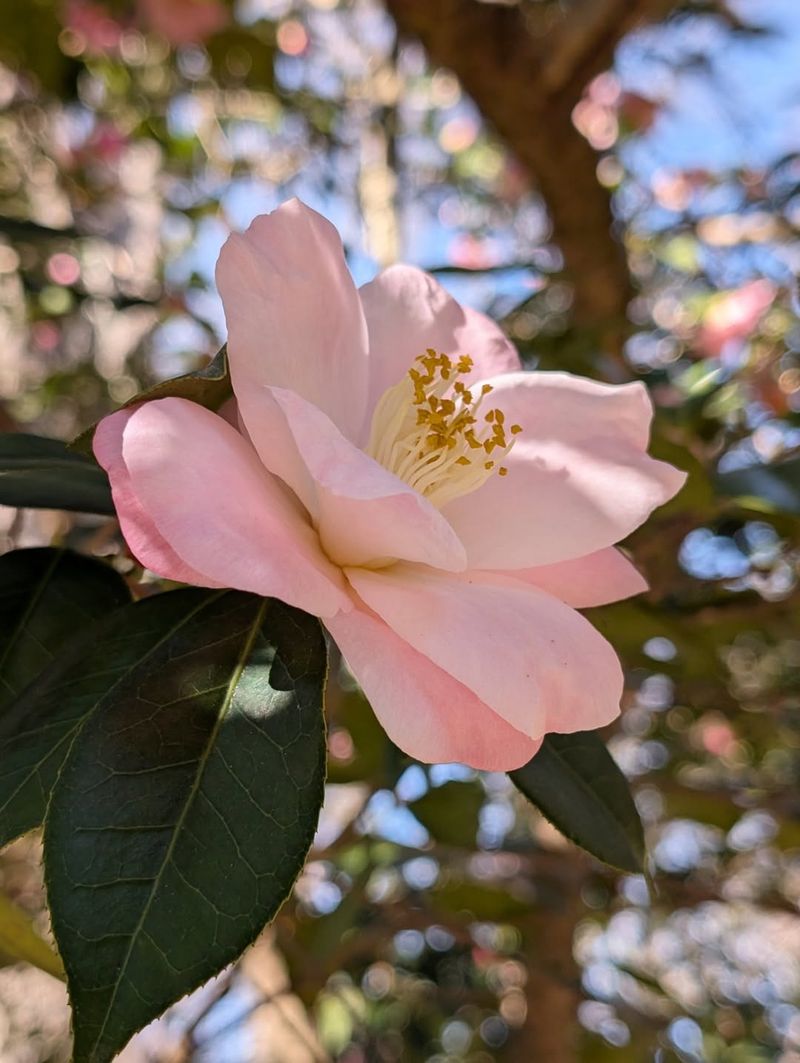
Camellias are one of the most elegant plants you can grow in California. They bloom in winter and early spring, putting on a gorgeous show when most other plants are still asleep.
Once those blooms fade, though, that is your cue to fertilize.
Feeding camellias right after blooming gives them energy to push out strong new growth. That new growth is what sets up next year’s flower buds.
Skip this step and you might end up with a plant that looks fine but barely blooms the following year.
Choose an acid-loving plant fertilizer or one made specifically for camellias and azaleas. These plants prefer slightly acidic soil, and the right fertilizer helps maintain that balance.
Avoid high-nitrogen formulas after blooming because too much nitrogen encourages leaves over flowers.
Apply fertilizer evenly around the drip line of the plant, not right up against the trunk. Water thoroughly after applying.
In California’s drier regions, consistent moisture after feeding helps the plant absorb nutrients more effectively.
A layer of organic mulch, like wood chips or pine bark, works really well around camellias. It keeps roots cool, holds moisture, and slowly improves soil quality over time.
Feed once in spring and again in midsummer for best results.
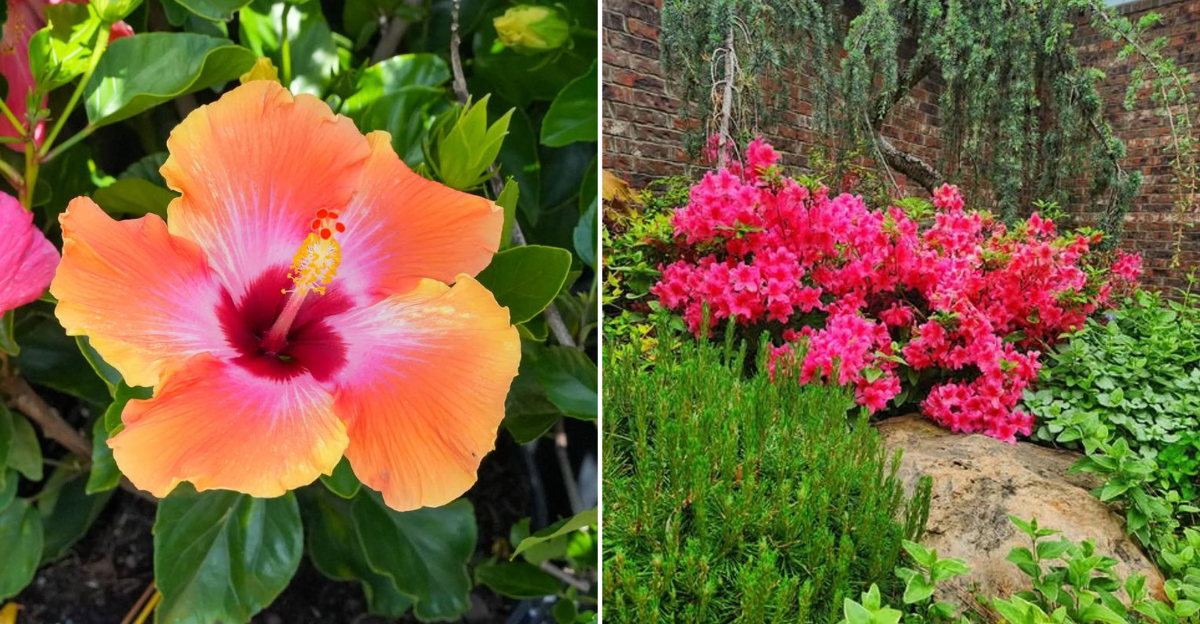
3. Azaleas
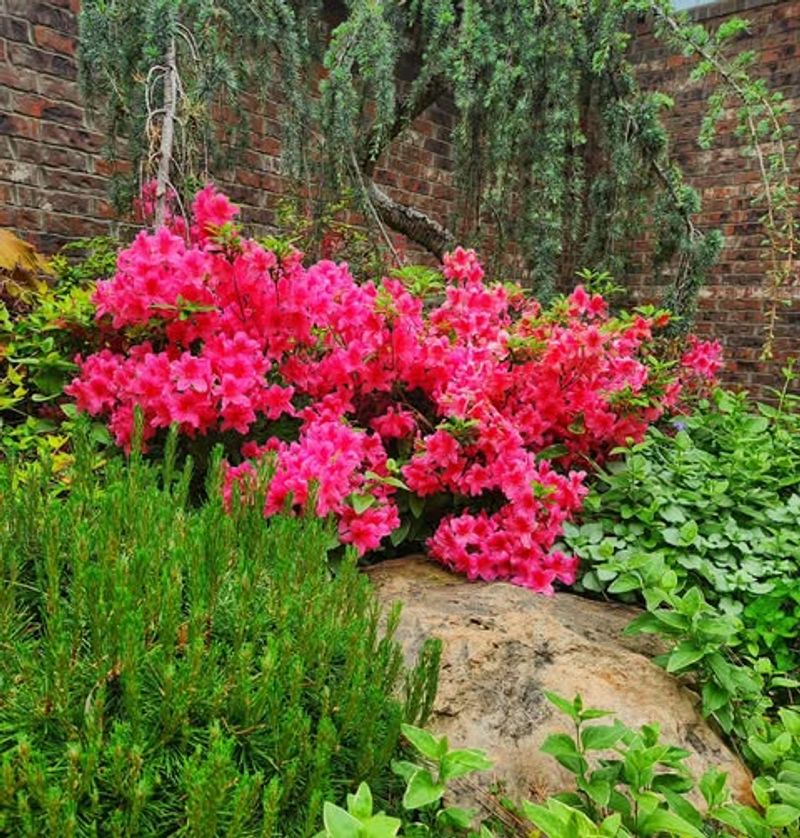
Few plants put on a spring show as bold as azaleas. Those clusters of bright blooms in pink, red, purple, and white are hard to miss.
Getting that kind of display in your California garden takes a little planning, and feeding at the right time is a big part of it.
Azaleas do best in slightly acidic soil, usually with a pH between 4.5 and 6.0. Using a fertilizer made for acid-loving plants keeps the soil chemistry right where azaleas like it.
Feed them in early spring just as new growth starts to appear.
Slow-release granular fertilizers work especially well for azaleas. They deliver a steady supply of nutrients over several weeks without the risk of burning delicate roots.
Always water the plant well before and after applying fertilizer.
In California, where summers can get hot and dry, azaleas really appreciate consistent moisture. A good layer of mulch around the base helps hold water in the soil and keeps roots from overheating.
Avoid planting them in spots that get harsh afternoon sun.
One feeding in early spring is usually enough to carry them through their bloom cycle. If growth looks sluggish in early summer, a light second feeding can help.
Just stop fertilizing by midsummer so the plant can harden off before cooler weather returns.
4. Hydrangeas
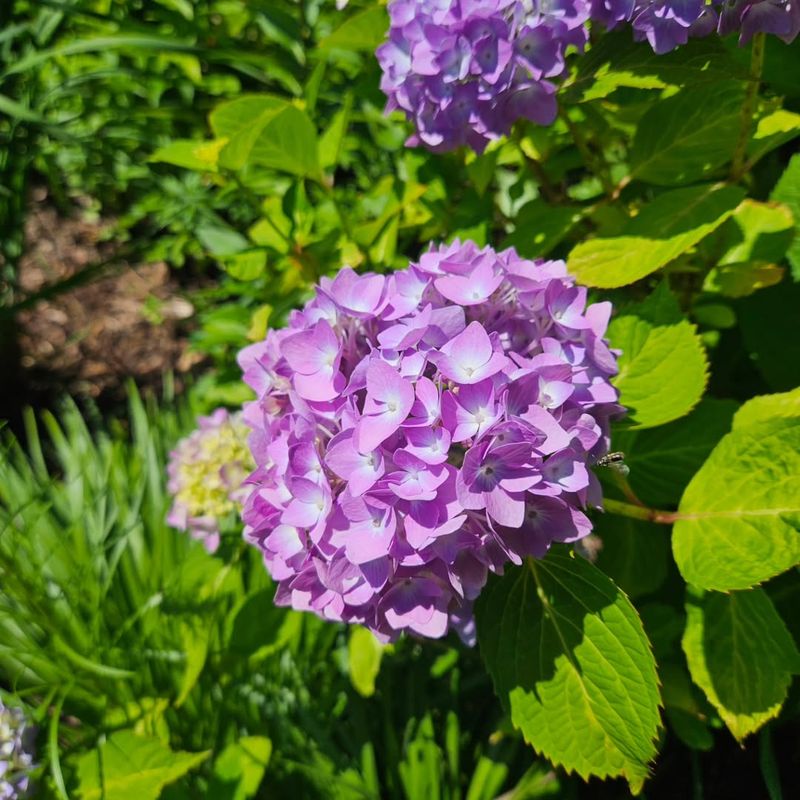
Hydrangeas are the kind of plant that makes people stop and stare. Those big, pom-pom flower heads in shades of blue, pink, white, and purple are seriously stunning.
And here in California, with the right care, they can bloom from late spring all the way through summer.
Feeding hydrangeas in early spring gives them a strong head start. Use a balanced, slow-release fertilizer when you first see buds swelling on the stems.
This early boost helps the plant channel energy into producing bigger, more vibrant blooms.
Something interesting about hydrangeas: the color of certain varieties actually depends on your soil pH. Acidic soil produces blue flowers, while alkaline soil pushes them toward pink.
You can adjust the color intentionally by adding aluminum sulfate for blue or garden lime for pink.
In California’s warmer zones, hydrangeas may need a bit of afternoon shade to stay comfortable. They love morning sun but can struggle when temperatures climb into the high 90s.
Keeping the soil consistently moist is just as important as fertilizing.
Avoid feeding hydrangeas with high-nitrogen fertilizers in late summer. Too much nitrogen late in the season pushes out leafy growth instead of flowers.
A second light feeding in late spring or early summer is usually all they need to keep performing beautifully.
5. Gardenias
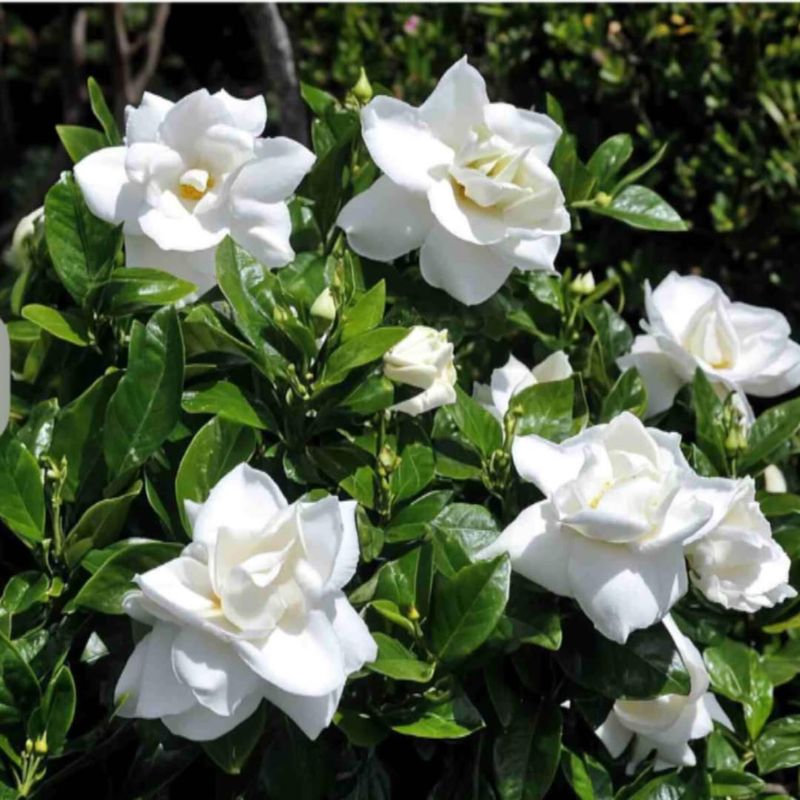
The scent of a gardenia in full bloom is one of those things you never forget. It is rich, sweet, and almost tropical, which makes sense because gardenias love warmth.
California’s mild climate in many regions is actually ideal for growing them, especially in Southern California and the Bay Area.
Gardenias are hungry plants. They need regular feeding to keep their glossy green leaves and produce those signature white flowers.
Start fertilizing in early spring when new growth begins to push out. Use an acidic fertilizer designed for plants like gardenias, camellias, and azaleas.
Iron deficiency is a common issue with gardenias. If you notice the leaves turning yellow while the veins stay green, that is a classic sign.
Adding a fertilizer that includes chelated iron or using an iron supplement can fix this quickly.
In California, gardenias do best when planted in spots that get morning sun and some afternoon protection. They like humidity, so in drier inland areas, misting the leaves or placing a water tray nearby can help.
Keep the soil consistently moist but never waterlogged.
Feed gardenias every three to four weeks during the growing season. Stopping fertilization in late summer allows the plant to slow down and prepare for cooler weather.
Consistent care leads to more blooms and that incredible fragrance all season long.
6. Hibiscus
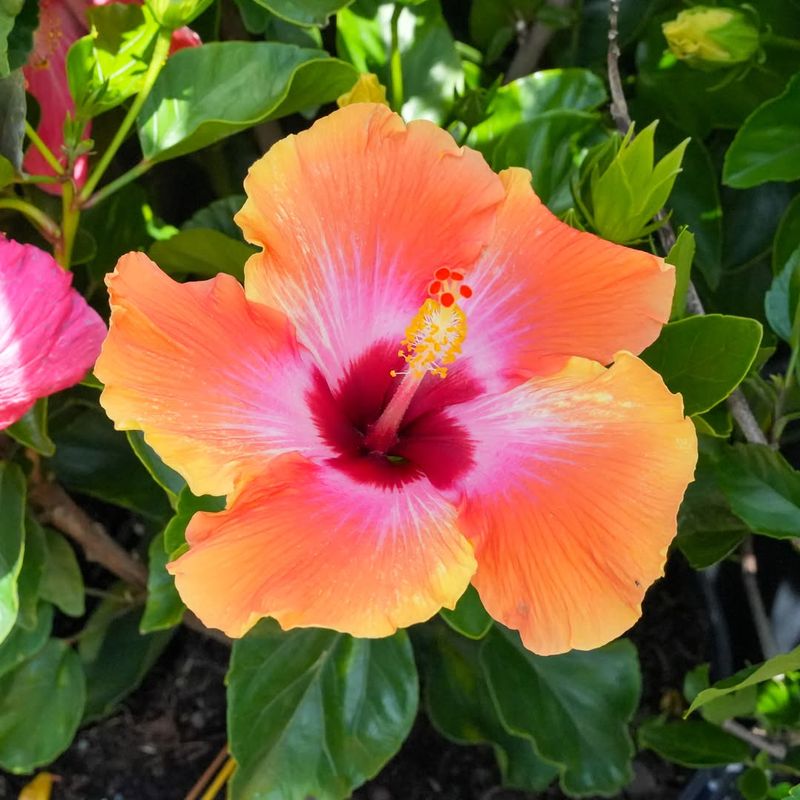
Tropical hibiscus is practically a California icon. Drive through any neighborhood in Southern California and you are almost guaranteed to spot those bold, dinner-plate-sized flowers hanging over fences and lining driveways.
They bloom in shades of red, orange, yellow, pink, and coral, sometimes all on the same plant.
Hibiscus is a heavy feeder, meaning it needs consistent fertilizing to keep blooming at its best. In early spring, as temperatures begin to warm up, start feeding with a fertilizer high in potassium and phosphorus.
These nutrients drive flower production rather than just leafy green growth.
A good rule of thumb is to fertilize every two to four weeks during the active growing season. Liquid fertilizers work especially well for hibiscus because they are absorbed quickly and show results fast.
You can literally see new buds forming within days of a good feeding.
Avoid fertilizers that are too high in phosphorus if your California soil already has a lot of it. A soil test can help you figure out exactly what your plants need.
Most garden centers in California carry test kits that are easy to use.
Water deeply after each feeding to help nutrients reach the root zone. Hibiscus plants that are well-fed and well-watered can bloom almost continuously from spring through fall in warmer parts of California.
That is a lot of color for very little effort.
7. Bougainvillea
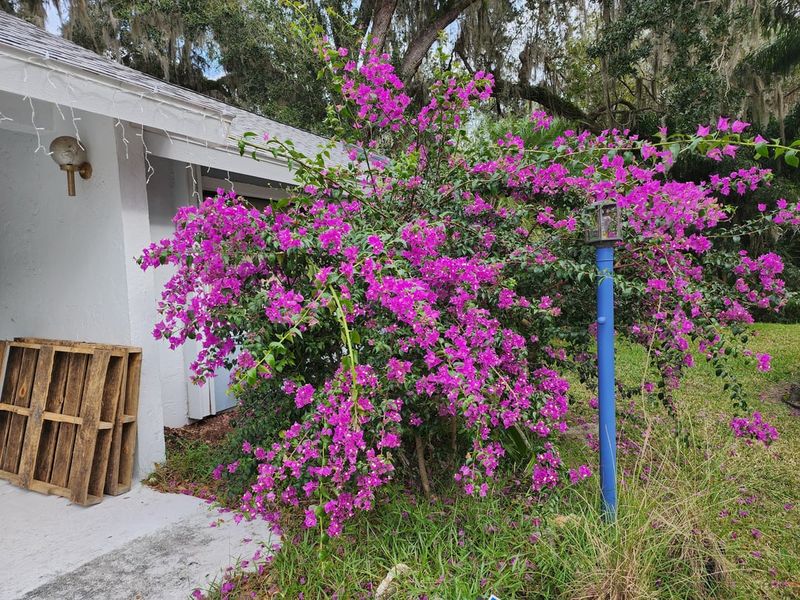
Bougainvillea might just be the most dramatic plant in any California garden. Those bright, papery bracts in hot pink, magenta, orange, and red can cover an entire wall or fence in a wave of color that stops traffic.
But getting that kind of show takes a little strategy when it comes to feeding.
Here is something surprising: bougainvillea actually blooms better when it is slightly stressed. Too much water and too much nitrogen-heavy fertilizer encourages lots of leaves but very few flowers.
The trick is to use a fertilizer that is lower in nitrogen and higher in phosphorus and potassium.
Feed bougainvillea in early spring as temperatures start climbing. A slow-release granular fertilizer applied around the base works well.
You can also use a liquid bloom-boosting fertilizer every few weeks during the growing season for more consistent results.
In California, bougainvillea thrives in full sun and well-draining soil. These plants are drought-tolerant once established, but they do need deep, occasional watering to stay healthy during the hottest months.
Overwatering is one of the most common mistakes gardeners make with them.
Pruning right after a bloom cycle, then feeding and reducing water slightly, triggers another round of flowering. With the right care, a well-established bougainvillea in California can bloom multiple times a year, putting on a show that is hard to match.
8. Citrus Trees
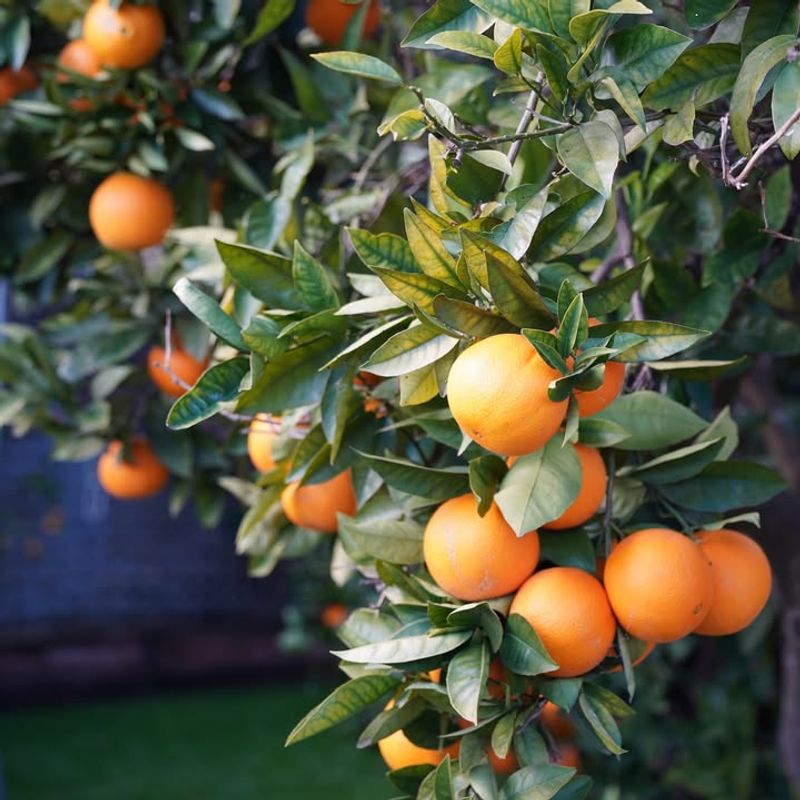
California and citrus trees go together like sunshine and warm afternoons. Lemon, orange, grapefruit, and mandarin trees grow beautifully across much of the state, and late winter into early spring is the most important time to get your feeding routine started.
Citrus trees need a fertilizer that is high in nitrogen to push out healthy new growth and support fruit development. Look for fertilizers labeled specifically for citrus.
They usually contain the right balance of nitrogen, phosphorus, potassium, and trace minerals like zinc and manganese that citrus trees need.
Yellowing leaves are often the first sign that a citrus tree is hungry. This is especially common in California’s sandy soils, which do not hold nutrients as well as heavier soils.
A good fertilizing schedule prevents this problem before it starts.
Apply fertilizer evenly under the canopy, out to the drip line where the roots actively absorb nutrients. Avoid piling it against the trunk.
Water deeply after each application to move nutrients down to the root zone.
Most citrus trees in California benefit from three feedings per year: early spring, early summer, and early fall. Staying consistent with this schedule keeps trees vigorous and productive.
A well-fed citrus tree not only produces more fruit but also resists common pests and diseases much more effectively.
9. Deciduous Fruit Trees
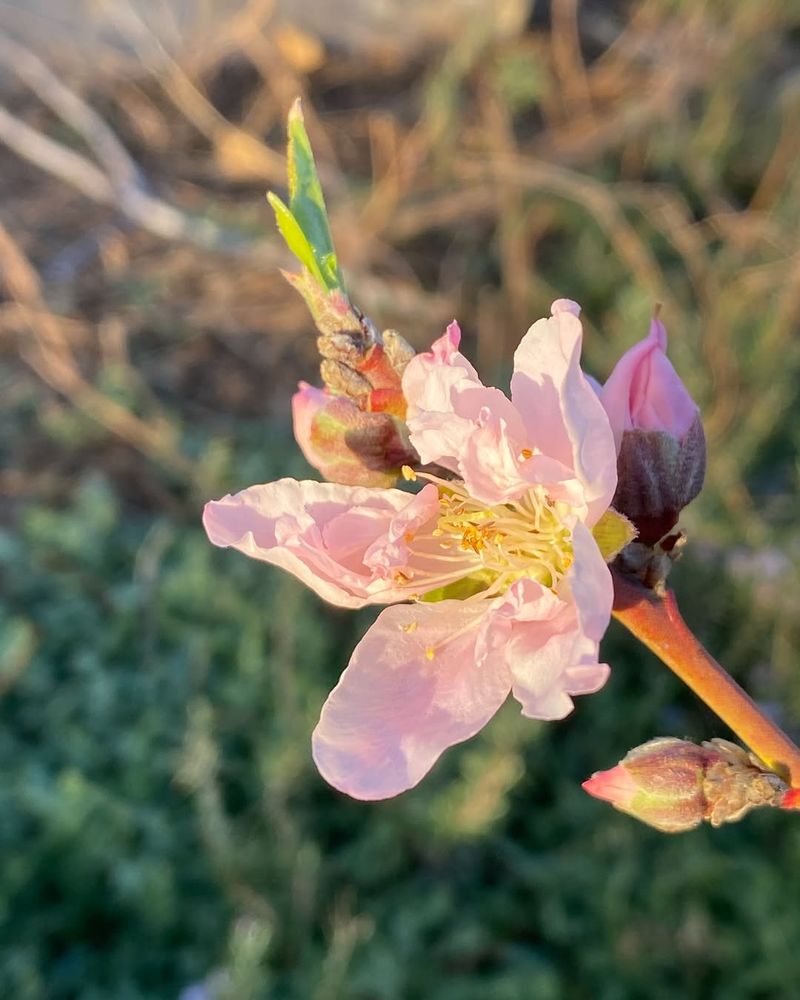
Early spring is one of the most exciting times in a California garden if you grow deciduous fruit trees. Peaches, plums, apples, cherries, and pears are all waking up from their winter rest, and the first signs of buds and blossoms are a reminder that warmer days are coming fast.
Feeding deciduous fruit trees just as they break dormancy is one of the most effective things you can do for a productive harvest. A balanced fertilizer with a good amount of nitrogen gets the tree off to a strong start.
It supports the burst of new leaf growth and helps the tree develop the energy it needs to set fruit.
Scatter granular fertilizer evenly under the canopy, from just outside the trunk all the way to the drip line. Then water it in thoroughly.
If your California soil is sandy or has poor nutrient retention, consider using a slow-release formula so nutrients stay available longer.
Avoid over-fertilizing, especially with nitrogen. Too much can push excessive leafy growth at the expense of fruit.
Follow the package directions and adjust based on how your tree responds over the season.
Adding compost around the base each spring is also a great habit. It improves soil structure, feeds beneficial microbes, and slowly releases nutrients.
Combined with a proper fertilizer, this approach sets your fruit trees up for a really productive season.
10. Spring-Blooming Perennials
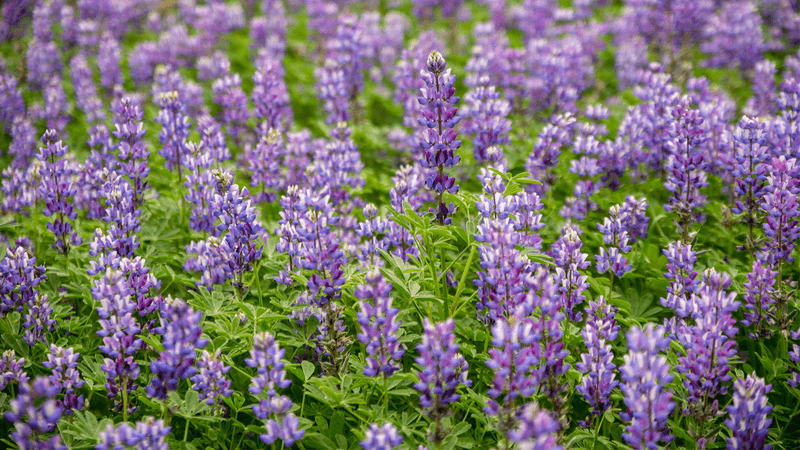
Perennials are some of the most rewarding plants you can grow in a California garden. They come back year after year, and with a little feeding in early spring, they can outperform what you saw from them the season before.
Plants like salvia, lavender, agapanthus, and coneflower all fall into this category.
As soon as you notice new growth emerging from the base of your perennials, that is your signal to fertilize. A balanced, slow-release granular fertilizer works well for most spring-blooming perennials.
It gives them a steady supply of nutrients just as their energy demands start to increase.
California’s diverse climate means perennials behave a little differently depending on where you live. In coastal areas, plants may wake up earlier than in inland valleys.
Pay attention to what your garden is doing rather than following a strict calendar date.
Lightly scratch fertilizer into the soil around each plant, then water well. Avoid getting fertilizer on the new growth, which can be sensitive.
A thin layer of compost added at the same time improves soil health and helps retain moisture during California’s dry spring months.
Cutting back any old, dead stems before fertilizing helps the plant direct energy into fresh new growth. With the right timing and a consistent feeding routine, your spring perennials will fill your California garden with color from late winter all the way through early summer.