13 Feng Shui Plants That Bring Balance And Calm To New York Homes And Gardens
In fast-paced New York, calm can feel like a luxury—but homeowners are finding it in an unexpected place: their plants.
Feng Shui principles emphasize balance, flow, and harmony, and the right plants can subtly transform both indoor and outdoor spaces.
These carefully chosen plants are believed to soften harsh energy, encourage relaxation, and improve the overall feel of a home or garden.
Beyond symbolism, many are also practical—easy to maintain, visually soothing, and well suited to New York’s climate and indoor conditions.
Placement matters just as much as the plant itself.
From entryways that welcome positive energy to corners that feel stagnant or heavy, Feng Shui plants help redirect the flow of a space without major renovations.
For New Yorkers craving a sense of calm amid constant motion, these plants offer a gentle reset.
They don’t change your schedule—but they can change how your home feels when you finally slow down.
1. Peace Lily
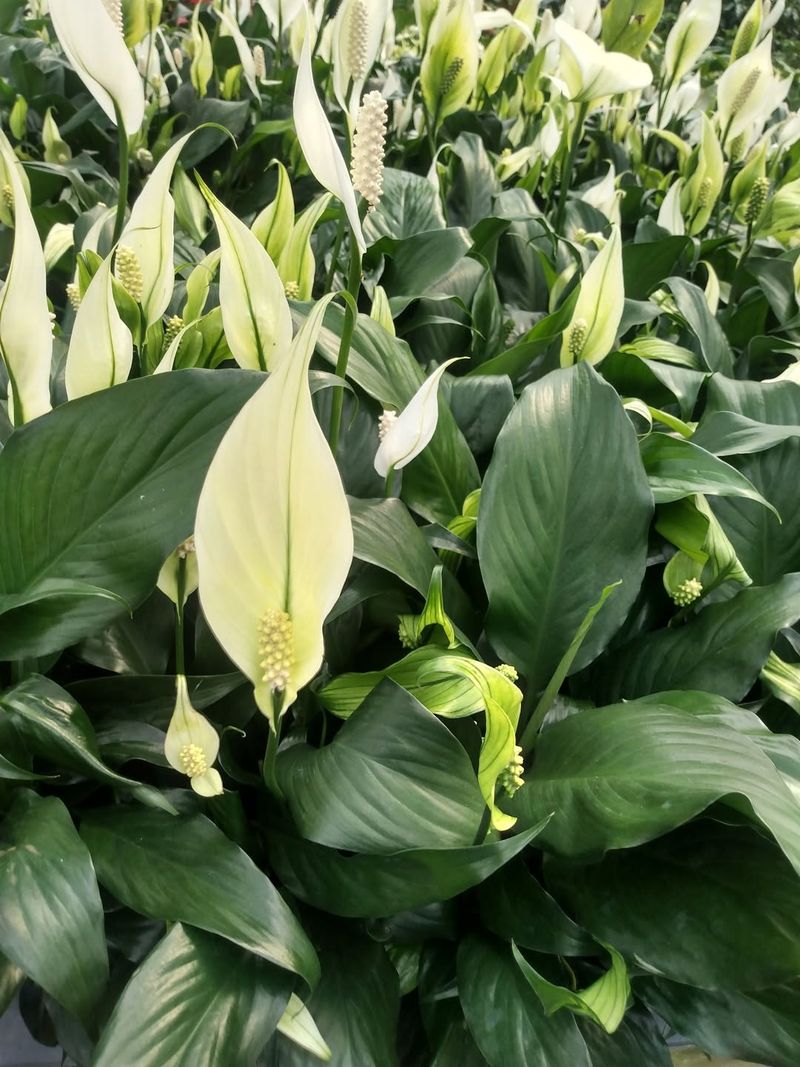
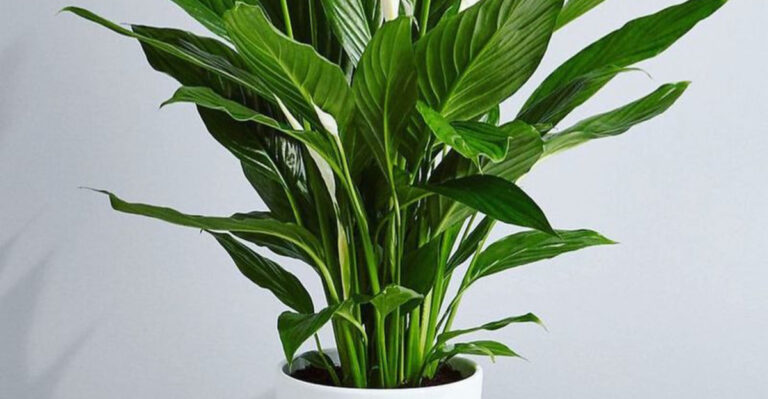
Few houseplants match the calming presence that peace lilies bring to indoor spaces.
Their elegant white blooms seem to float above dark green leaves, creating a visual symbol of purity and tranquility that feng shui practitioners value deeply.
Beyond their beauty, these plants are champions at filtering indoor air, removing toxins that accumulate in city apartments.
New York residents especially appreciate how well peace lilies adapt to lower light conditions, thriving even in north-facing windows or rooms without direct sunlight.
According to feng shui principles, placing a peace lily in your bedroom or meditation area encourages emotional balance and helps clear stagnant energy.
The plant’s ability to absorb moisture from the air also makes it useful in climate-controlled apartments where humidity runs low.
Care is straightforward—they’ll actually droop slightly when thirsty, giving you a clear signal it’s time to water.
This responsive nature creates a gentle connection between you and your plant, fostering mindfulness.
Many people find that simply having a peace lily nearby helps them feel more centered during stressful days.
Their quiet elegance fits beautifully with minimalist design while softening modern, angular spaces with organic curves.
2. Snake Plant (Mother-In-Law’s Tongue)
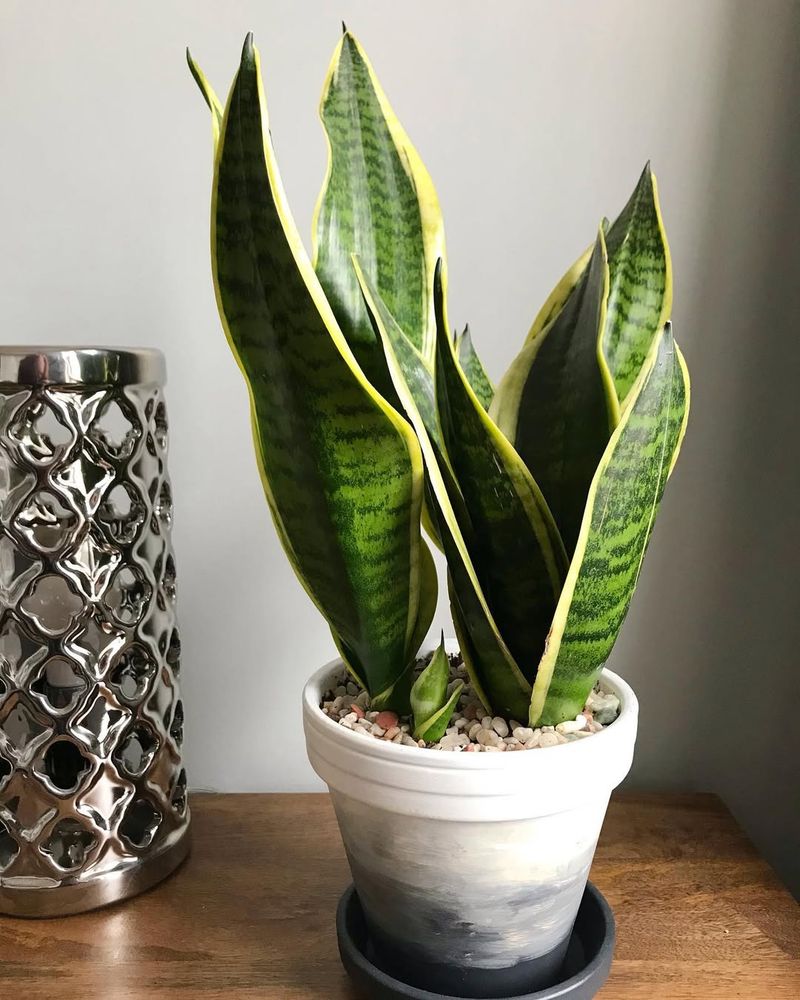
Standing tall with sword-like leaves, snake plants embody resilience and protective energy.
Their architectural form adds structure to any room while symbolizing strength and determination in feng shui practice.
New Yorkers love these plants because they tolerate neglect better than almost any other houseplant, making them perfect for busy professionals.
Snake plants release oxygen at night, unlike most plants, which makes them excellent bedroom companions for better sleep quality.
Their vertical growth pattern is believed to channel energy upward, creating a sense of stability and grounding that counterbalances the chaos of city living.
Placing them near entryways is thought to guard against negative influences while welcoming positive opportunities.
They thrive in various light conditions, from bright indirect light to shadowy corners, adapting remarkably well to typical apartment environments.
The variegated patterns on their leaves add visual interest without overwhelming a space.
In feng shui, the sharp, upright leaves represent protective chi that shields your personal space.
Watering only when the soil completely dries out prevents root issues and keeps maintenance minimal.
Their slow, steady growth mirrors the patient accumulation of positive energy over time.
3. Bamboo (Lucky Bamboo)
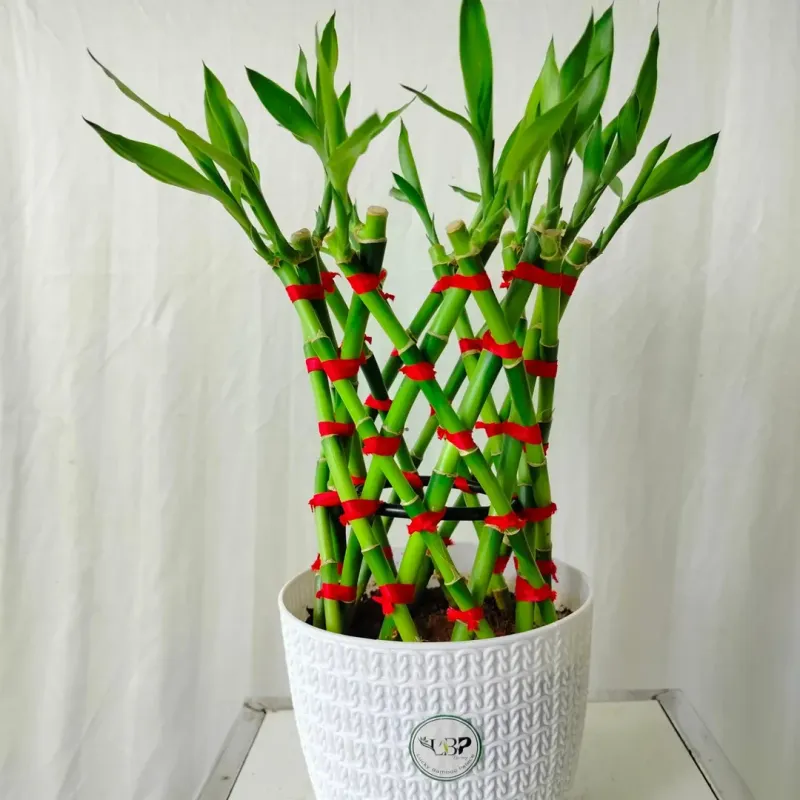
Graceful stalks rising from clear water create an instant focal point of serenity.
Lucky bamboo isn’t actually bamboo at all—it’s a type of tropical water lily—but its symbolism in feng shui runs deep.
The number of stalks you display carries specific meanings: three for happiness, five for health, and six for prosperity.
Its flexible nature represents adaptability and the ability to bend without breaking, qualities especially valuable in fast-paced urban environments.
Placement matters significantly in feng shui; positioning lucky bamboo in the eastern part of your home supports family harmony, while the southeastern corner attracts wealth.
New York apartments benefit from lucky bamboo’s compact size and minimal care requirements.
Simply change the water weekly and keep it in indirect light to maintain healthy growth.
The vertical lines of bamboo stalks guide energy flow upward, promoting growth and positive development in your personal life.
Many people arrange multiple stalks together, sometimes tied with red ribbon, to amplify their symbolic power.
Watching new shoots emerge from the stalks brings a sense of renewal and forward momentum.
This plant’s association with steady, sustainable growth makes it popular in both homes and offices.
4. Jade Plant
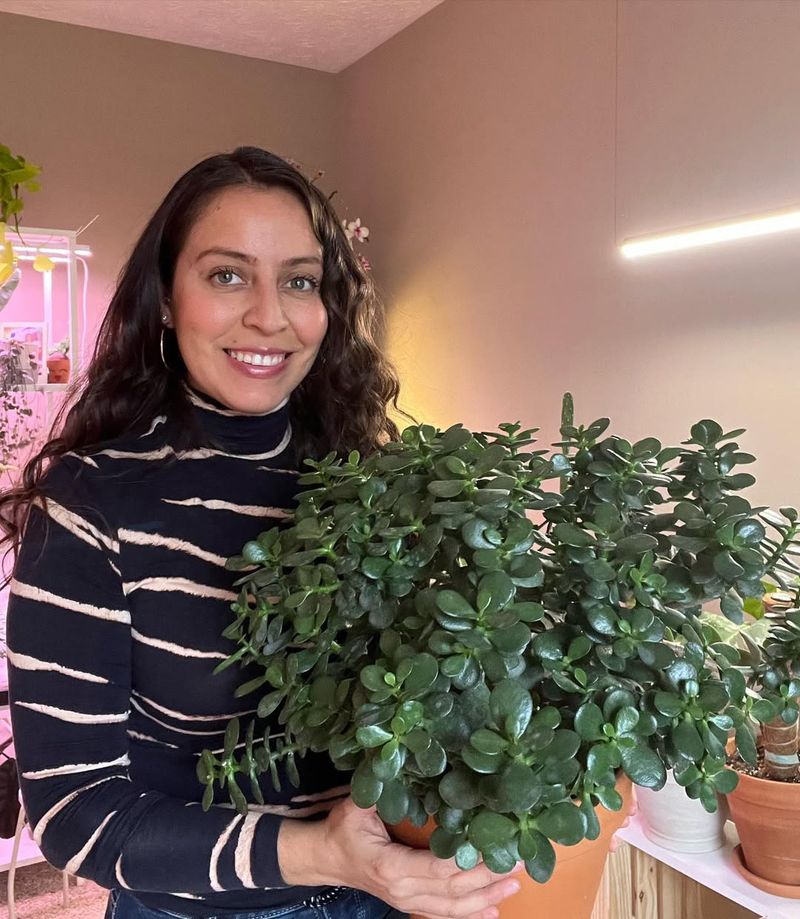
With rounded leaves that resemble coins, jade plants have earned their reputation as symbols of financial stability and calm prosperity.
Their thick, succulent leaves store water efficiently, representing the accumulation and retention of wealth and positive energy.
Feng shui practitioners often place jade plants near entrances or in the wealth corner of homes to invite abundance.
New York professionals particularly appreciate them in home offices, where their steady presence encourages focused, productive energy.
The plant’s slow, deliberate growth pattern reminds us that lasting success comes through patience and consistent effort rather than rushed action.
Jade plants need bright light to thrive, making south or west-facing windowsills ideal locations.
Their compact size suits small spaces perfectly, and they can live for decades with proper care, becoming cherished companions.
As they mature, their woody stems develop character and strength, mirroring the stability they’re meant to represent.
Watering should be infrequent—allow soil to dry completely between waterings to prevent root issues.
The glossy, smooth texture of jade leaves reflects light beautifully, adding brightness to your space.
Many owners report feeling a sense of groundedness when caring for these enduring plants.
5. Lavender
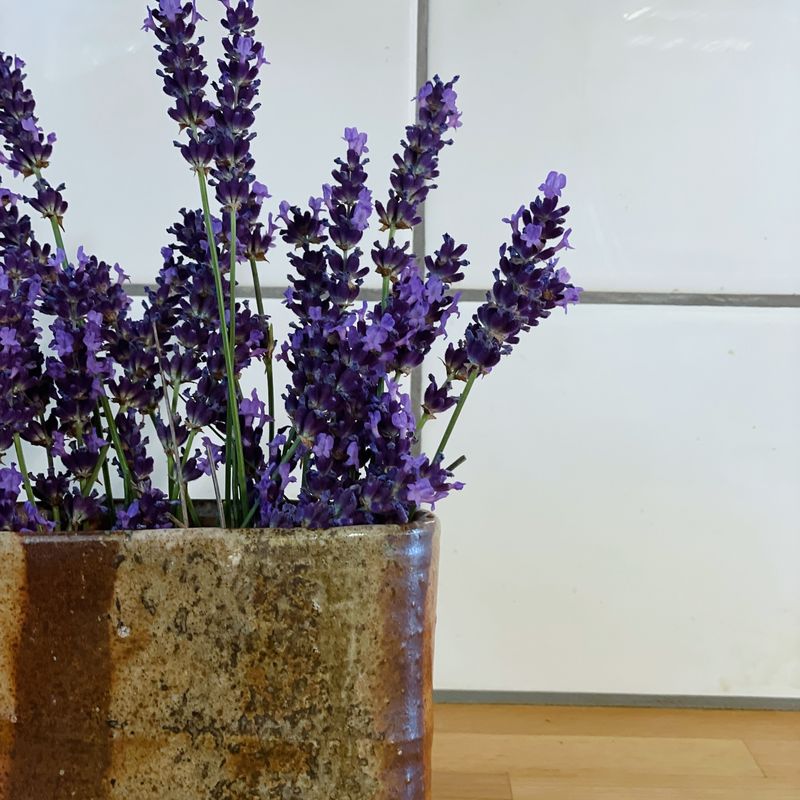
Purple blooms releasing soothing fragrance transform any space into a relaxation haven.
Lavender’s connection to stress relief and peaceful sleep makes it invaluable for New Yorkers seeking respite from urban intensity.
In feng shui, aromatic plants like lavender are believed to cleanse energy and promote mental clarity through their natural scents.
Growing lavender indoors requires commitment to bright light—place it near your sunniest window or on a south-facing balcony.
The plant’s silvery-green foliage contrasts beautifully with its vibrant flowers, creating visual calm even when not in bloom.
Many people harvest the flowers to make sachets for drawers or pillows, extending the calming influence throughout their homes.
Touching the leaves releases oils that can help ease tension headaches and anxious thoughts.
Lavender prefers drier conditions, so avoid overwatering—let the top inch of soil dry between waterings.
Its Mediterranean origins mean it appreciates good air circulation, which you can provide by occasionally opening windows.
The act of trimming lavender and brushing against its fragrant stems becomes a mindful ritual that grounds you in the present moment.
Placing lavender in bedrooms supports the feng shui goal of creating peaceful, restorative sleep environments.
6. Pothos
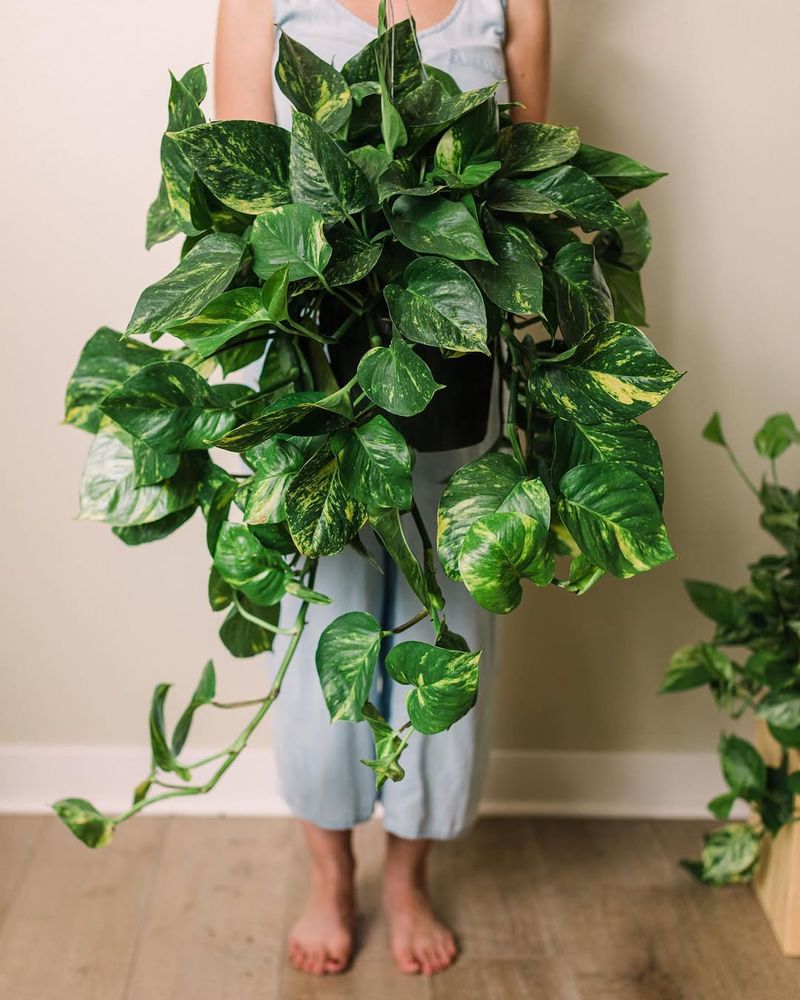
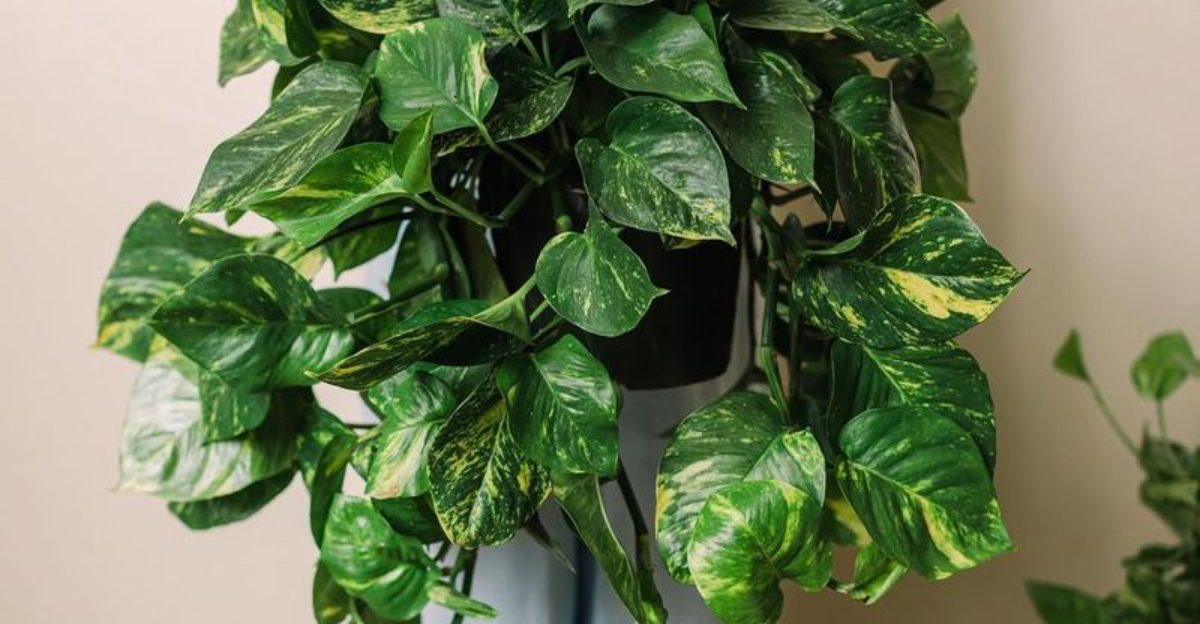
Cascading vines with heart-shaped leaves bring movement and life energy to static spaces.
Pothos excels at softening sharp corners and harsh angles that feng shui considers sources of negative energy or “poison arrows.”
The flowing nature of its trailing stems encourages smooth energy circulation throughout your home, preventing stagnation.
New York apartment dwellers appreciate how forgiving pothos is—it tolerates low light, irregular watering, and dry air without complaint.
Its rapid growth creates visible progress, which can inspire feelings of momentum and positive change in your own life.
Placing pothos on high shelves or in hanging planters allows the vines to cascade naturally, creating vertical interest and drawing the eye upward.
The plant’s ability to purify air adds practical benefits to its feng shui qualities.
Golden pothos varieties feature yellow variegation that brightens darker corners and symbolizes wealth and cheerfulness.
Training the vines along walls or around windows creates natural frames that soften architectural elements.
Simply pinching back growing tips encourages fuller growth and gives you cuttings to propagate new plants.
Watching pothos grow and adapt reminds us of nature’s resilience and our own capacity for growth.
7. Rubber Plant
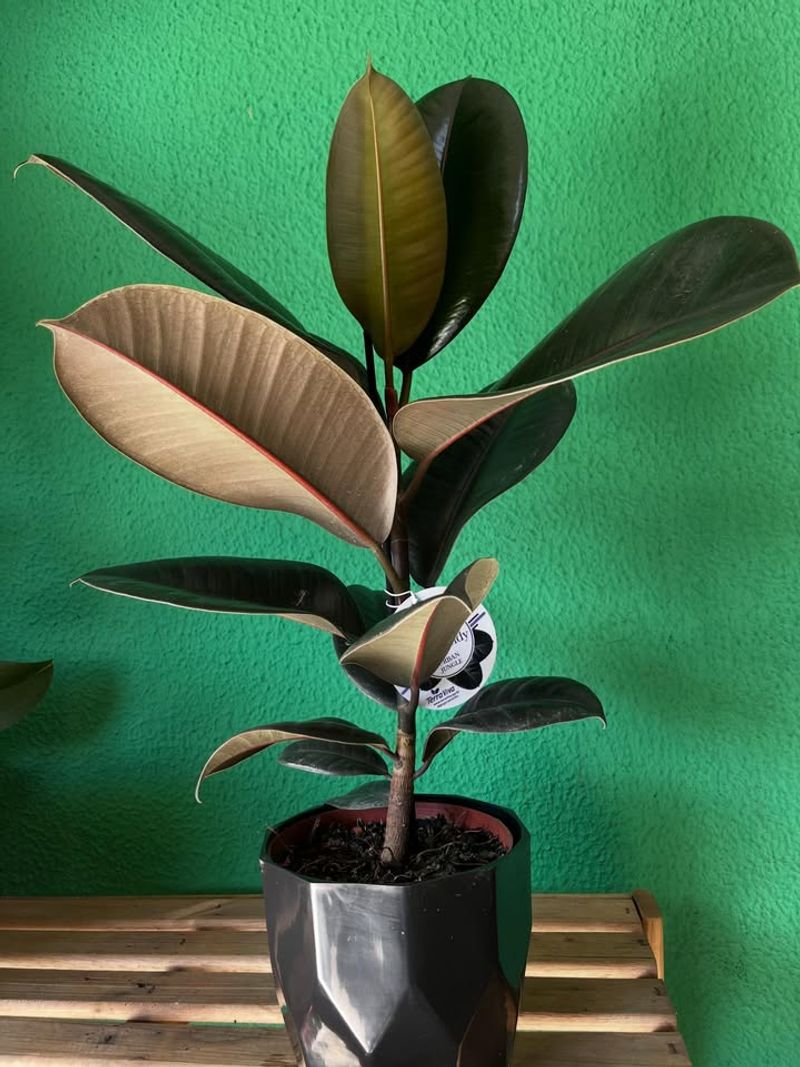
Bold, glossy leaves command attention while anchoring larger rooms with substantial presence.
Rubber plants symbolize strength and abundance in feng shui, their substantial form representing stability during uncertain times.
The broad leaves are thought to capture and hold positive energy, making them excellent additions to living rooms or open-plan spaces.
New Yorkers with higher ceilings appreciate how rubber plants can grow tall, filling vertical space and balancing room proportions.
Their deep green or burgundy foliage adds richness to neutral color schemes common in modern apartments.
Placing a rubber plant in the wealth corner of your home is believed to support financial stability and career growth.
These plants prefer bright, indirect light but adapt reasonably well to medium light conditions.
Regular leaf wiping removes dust and keeps the glossy surface reflective, which helps bounce light around darker rooms.
The substantial trunk that develops over time gives rubber plants a tree-like quality that brings outdoor energy indoors.
Watering when the top two inches of soil dry out maintains healthy growth without risking root rot.
Their calming, grounded energy makes them particularly suitable for spaces where you need to focus or make important decisions.
8. Aloe Vera
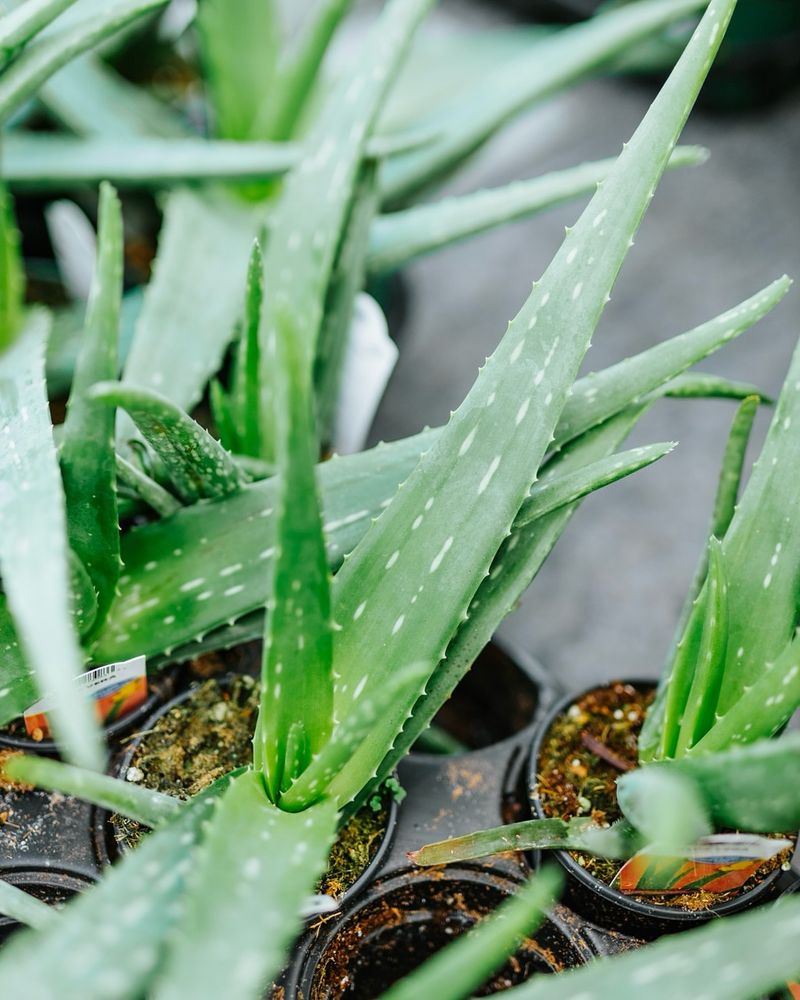
Spiky yet soothing, aloe vera bridges protective energy with healing properties.
In feng shui tradition, aloe is considered a guardian plant that wards off negative influences while promoting emotional clarity.
The gel inside its fleshy leaves has been used for centuries to heal burns and skin irritations, making it both symbolically and literally therapeutic.
New York homes benefit from aloe’s compact size and minimal water needs—perfect for busy schedules and small spaces.
Positioning aloe near windows invites protective energy while the plant soaks up the bright light it craves.
The upward-reaching leaves channel energy skyward, similar to how they’re believed to lift heavy or stagnant emotional states.
Many people keep aloe in kitchens where its healing gel is handy for minor cooking accidents.
The plant’s ability to produce offsets creates opportunities to share positive energy with friends by gifting baby plants.
Aloe thrives on neglect—water deeply but infrequently, allowing soil to dry completely between waterings.
Its sculptural form adds architectural interest to minimalist spaces without overwhelming them.
Watching aloe grow reminds us that protection and healing can coexist, just as its sharp leaves surround soothing gel.
9. Orchid (White Or Soft-Colored Varieties)
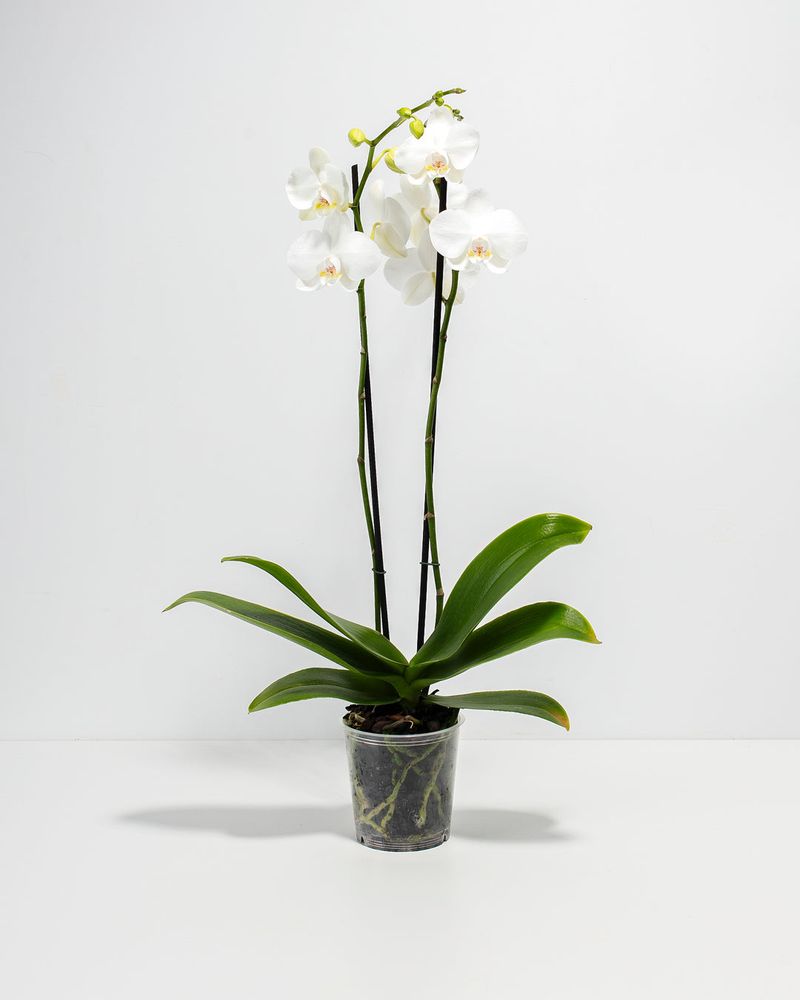
Delicate blooms floating on arching stems embody elegance and refined energy.
White and soft-colored orchids represent harmony, purity, and gentle strength in feng shui philosophy.
Their long-lasting flowers provide weeks or even months of beauty, making them worthwhile investments for peaceful living spaces.
New York apartments with eastern or western windows offer ideal conditions for these light-loving plants.
Orchids encourage contemplation and appreciation of subtle beauty, slowing down our often-rushed modern pace.
Placing them in bedrooms or meditation areas supports the creation of serene, balanced environments.
The symmetry of orchid blooms appeals to our innate sense of order and harmony.
Despite their exotic appearance, many orchid varieties are surprisingly adaptable to indoor conditions with consistent care.
Water weekly by soaking roots thoroughly, then allowing them to dry slightly before the next watering.
The aerial roots visible in transparent pots remind us of the plant’s epiphytic nature and connection to air and light.
Watching new flower spikes emerge and slowly develop teaches patience and rewards attentive care with breathtaking displays.
10. Boston Fern
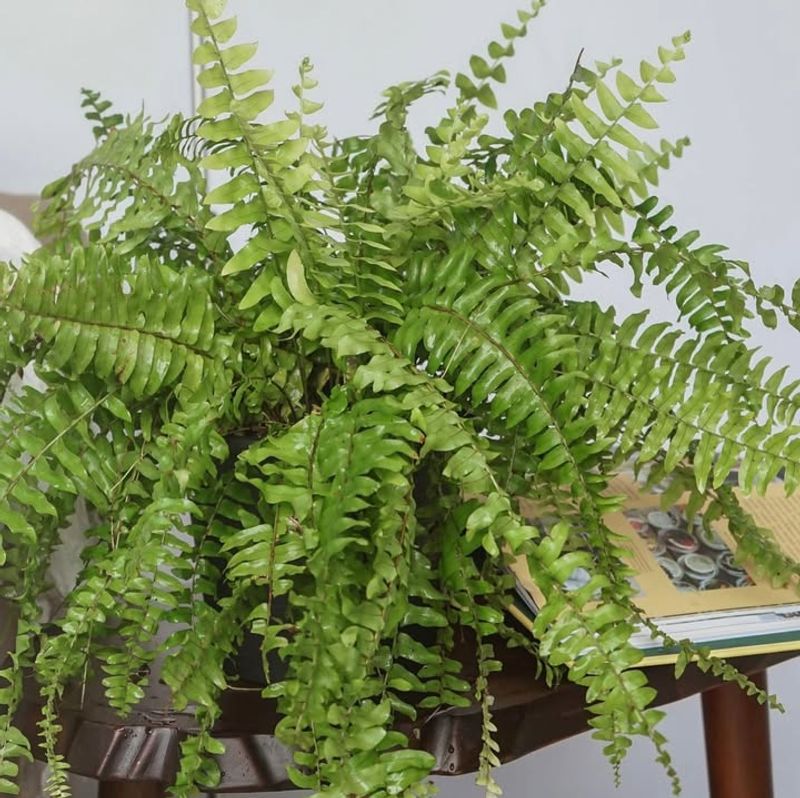
Feathery fronds create a soft, cloud-like presence that instantly gentles any space.
Boston ferns excel at adding humidity to dry indoor air, which benefits both your respiratory comfort and the overall energy flow.
In feng shui, the delicate, flowing nature of fern fronds represents flexibility and the gentle movement of positive chi.
New York apartments with bathrooms or kitchens often provide the humidity these plants prefer, though regular misting helps elsewhere.
The lush fullness of a healthy Boston fern softens hard surfaces and modern materials common in urban interiors.
Hanging baskets allow fronds to cascade naturally, creating living curtains that divide spaces without blocking energy flow.
Their bright green color brings vitality and freshness reminiscent of forest floors into concrete jungles.
Boston ferns prefer consistent moisture—check soil daily and water when the surface feels dry to the touch.
Indirect light from north or east windows suits them perfectly, preventing leaf burn while supporting healthy growth.
The gentle rustling of fronds when you walk past creates subtle movement that keeps energy circulating.
Many find the act of caring for ferns meditative, as their needs encourage regular, mindful attention.
11. ZZ Plant
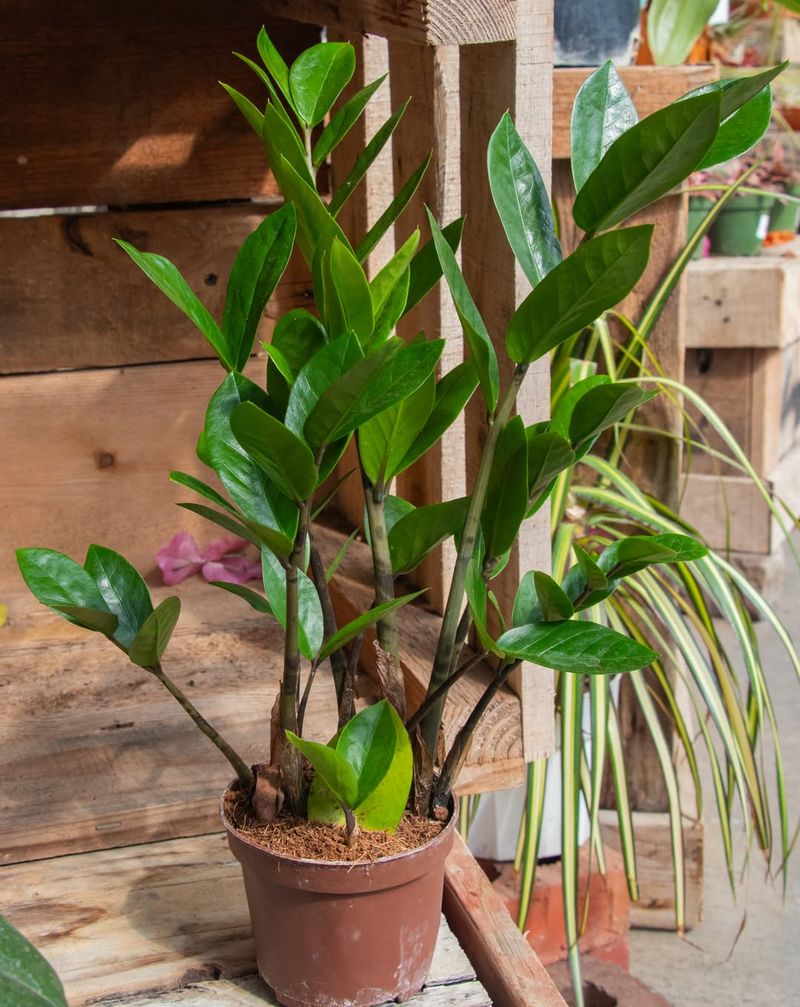
Glossy, oval leaflets arranged along upright stems create a look of polished sophistication.
ZZ plants grow slowly and deliberately, embodying the feng shui principle that lasting stability develops gradually rather than through rapid change.
Their ability to thrive in low-light conditions makes them perfect for interior rooms or north-facing apartments where other plants struggle.
New Yorkers appreciate how ZZ plants can go weeks without water, storing moisture in thick rhizomes beneath the soil.
The plant’s consistent, unchanging appearance provides visual stability that promotes calm and reduces anxiety.
In feng shui, the smooth, reflective leaves are thought to deflect negative energy while attracting prosperity.
Placing ZZ plants in home offices supports focused, steady work energy without the distraction of high-maintenance care.
Their upright growth pattern channels energy vertically, similar to bamboo, but with a more substantial presence.
The deep green color adds richness to spaces without demanding attention or creating visual clutter.
Wiping leaves occasionally keeps them dust-free and maximizes their reflective quality.
Watching new shoots emerge from the soil base brings quiet satisfaction and reminds us that growth happens even when we’re not actively watching.
12. Money Tree
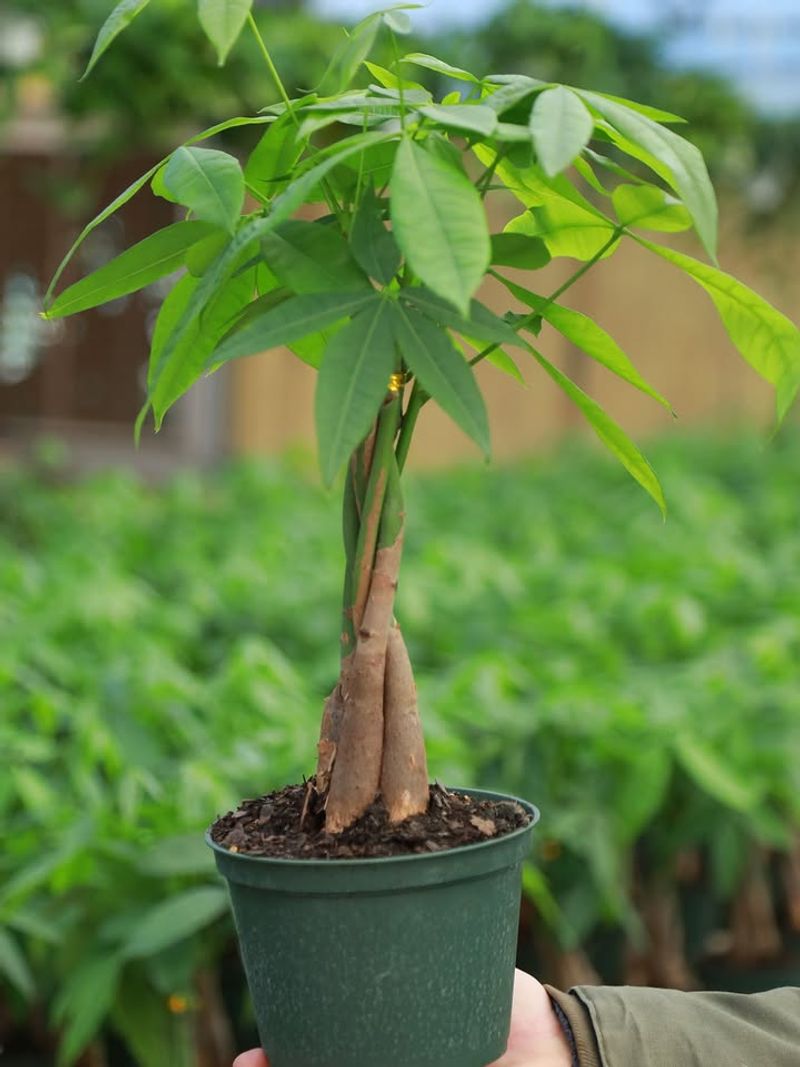
Braided trunks topped with clusters of hand-shaped leaves create distinctive visual appeal.
Money trees are believed to attract prosperity and positive energy when placed thoughtfully in homes, particularly near entrances or in wealth corners.
The five leaflets on each stem represent the five elements of feng shui—wood, water, fire, earth, and metal—bringing complete balance.
New York residents often position money trees in living rooms where family and guests gather, spreading beneficial energy to all who enter.
The braided trunk, usually created when the plant is young, symbolizes interconnection and the weaving together of fortune.
Bright, indirect light keeps money trees healthy, making them suitable for well-lit apartments or spaces near windows.
Their preference for moderate watering—allowing soil to dry partially between waterings—fits well with busy schedules.
As money trees mature, their canopy expands, creating a fuller presence that anchors corners or fills empty floor space.
The cheerful green leaves and unique trunk structure spark conversation and bring natural beauty indoors.
Rotating the plant occasionally ensures even growth and prevents it from leaning toward light sources.
Many people report feeling more optimistic and open to opportunities after welcoming a money tree into their space.
13. Camellia (Outdoor Or Conservatory Spaces)
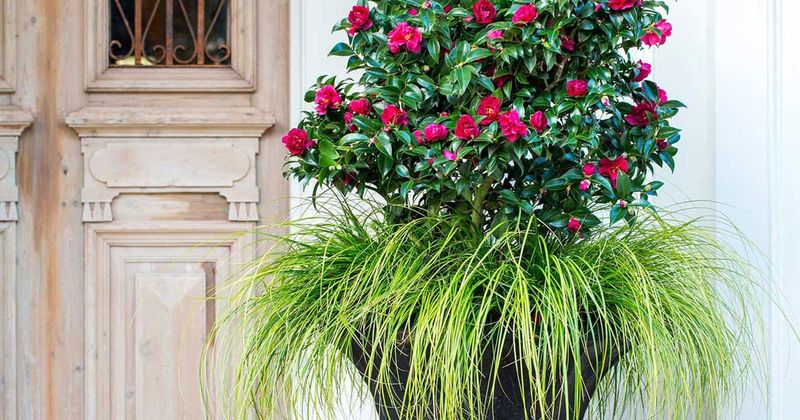
Elegant blooms in shades of pink, white, and red bring refined beauty to protected outdoor spaces.
Camellias represent serenity, gratitude, and perfect harmony in feng shui tradition, making them meaningful additions to gardens or terraces.
New Yorkers with access to balconies, patios, or small gardens can grow camellias in containers that winter indoors or in sheltered locations.
The glossy, evergreen foliage provides year-round interest even when flowers aren’t present.
Blooming typically occurs in late winter or early spring, bringing color and hope during the coldest months.
In feng shui, placing camellias near entryways welcomes guests with grace and sets a tone of peaceful hospitality.
These plants prefer acidic soil and partial shade, conditions that can be created in container gardens with the right soil mix.
Protecting camellias from harsh winter winds and intense summer sun helps them thrive in the variable New York climate.
The flowers’ layered petals and perfect symmetry inspire contemplation and appreciation of natural beauty.
Many varieties release subtle fragrance that enhances outdoor meditation or relaxation spaces.
Watching buds slowly open over days or weeks teaches patience and reminds us to appreciate gradual transformations in our own lives.