Feng Shui Says This Is The Best Place For A Chinese Money Plant In New York
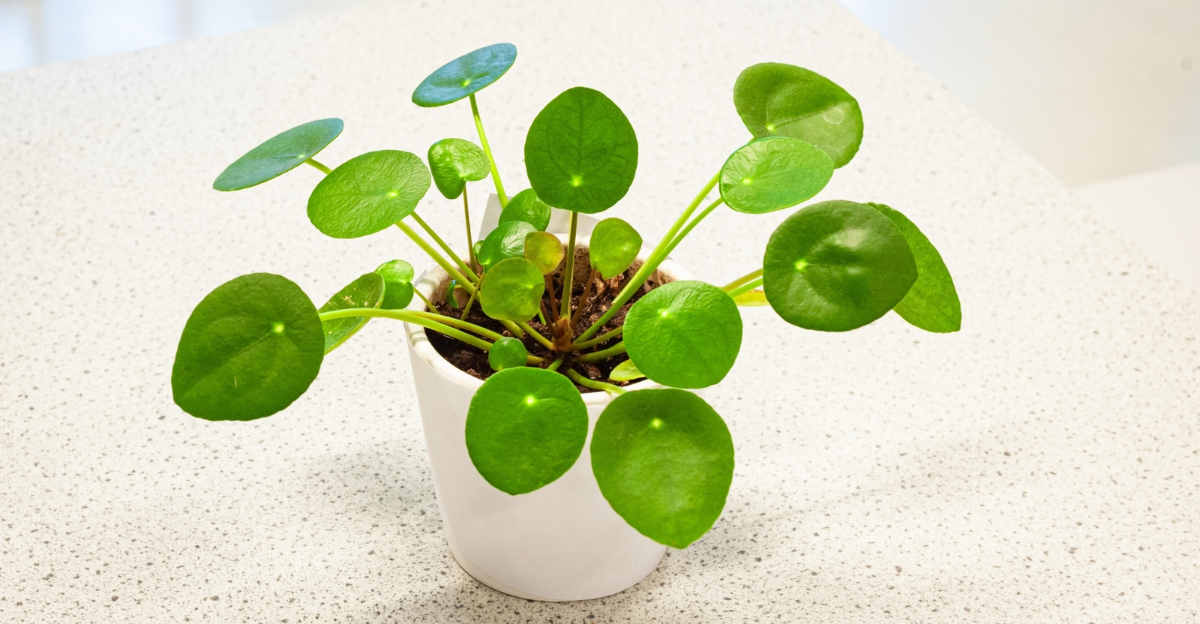
Feng Shui doesn’t just care about how a Chinese money plant looks in a room, it cares about what that placement quietly affects over time. In New York homes, where space is tight and layouts are rarely ideal, that detail matters more than people expect.
Most Chinese money plants end up on random shelves or windowsills simply because they fit there.
What Feng Shui points to instead is a very specific location that supports steady growth and financial symbolism at the same time. When the plant is placed there, it often stops struggling without any other changes.
New York apartments make this mistake constantly because light and convenience usually win over intention.
That’s why some plants stay flat, leggy, or stagnant no matter how well they’re watered.
Once the plant is moved into the right spot, the difference doesn’t feel subtle anymore.
1. Why Placement Matters More Than Plant Size In Feng Shui
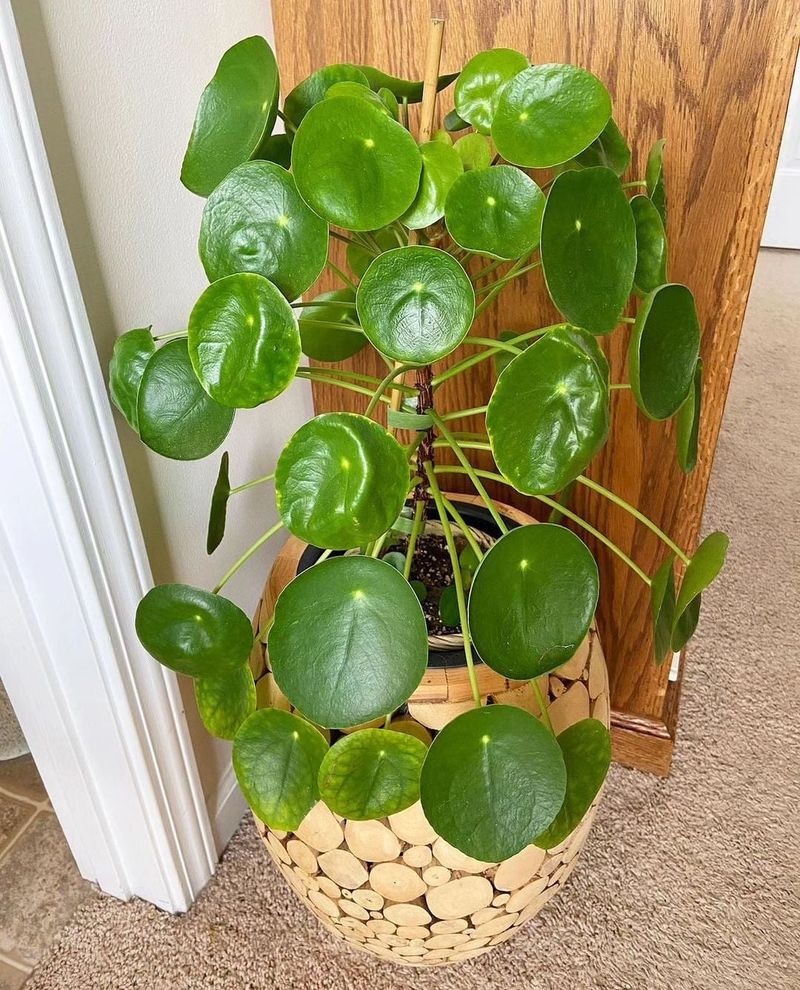
Energy flows differently depending on where objects sit in a room, and plants are no exception to this rule. A small Chinese money plant in the perfect corner can create better chi than a huge one stuck in the wrong spot.
New York apartments often force us to squeeze things wherever they fit, but that approach backfires with feng shui.
The ancient practice focuses on intentional placement to maximize positive energy throughout your living space.
Size becomes secondary when you understand that even a tiny plant positioned correctly can shift the whole vibe of a room.
Many people assume bigger is better, but feng shui practitioners know that strategic positioning beats sheer volume every single time.
Your plant acts like an energy antenna, pulling in and circulating chi based on its location.
Putting it near windows, doorways, or specific compass directions changes how it interacts with surrounding forces.
Cramped New York spaces actually offer an advantage because every placement choice has amplified impact.
Less square footage means your plant influences a higher percentage of your total living area.
Tall buildings and urban density create unique energy patterns that differ from suburban or rural settings.
Adjusting your plant placement to match these city-specific flows helps you work with the environment instead of against it.
Corners where energy tends to stagnate benefit most from living greenery that keeps things moving. Neglected or low-energy areas in your apartment can shift noticeably when you add a well-placed money plant to activate stagnant chi.
2. The Area Of The Home Linked With Wealth Energy
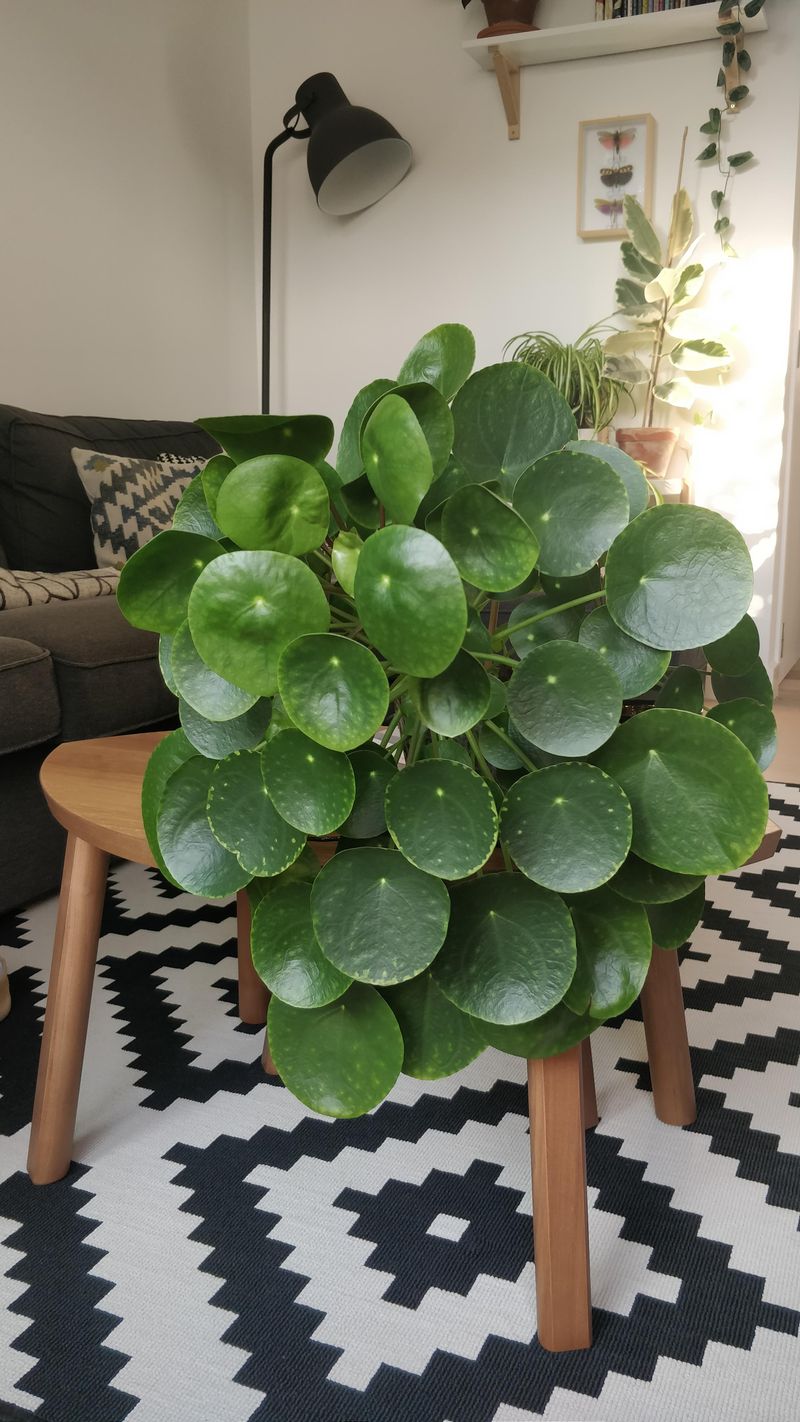
Southeast corners hold special significance in traditional feng shui because they connect directly to abundance and financial growth.
Placing your Chinese money plant in this area aligns its natural symbolism with the zone that governs prosperity.
Finding the southeast section of your New York apartment requires a simple compass or smartphone app. Stand in the center of your main living space and identify which corner faces that direction.
Once you locate the wealth corner, clear out any clutter that might be blocking energy from flowing freely.
Dust, old papers, and forgotten items create stagnation that prevents new opportunities from entering your life.
Your money plant thrives when paired with other wealth symbols like flowing water features or metallic accents.
Combining elements amplifies the effect and creates a dedicated prosperity zone in your home.
Many New York residents discover their southeast corner ends up in awkward spots like bathrooms or closets.
If this happens, focus on the southeast area of your main living room or bedroom instead.
Natural wood furniture complements the plant and reinforces the growth energy associated with this compass direction.
Avoid placing heavy metal objects right next to your plant, as they can suppress its upward-reaching vitality.
Purple and green accents in this zone strengthen wealth energy according to classical teachings.
A purple pot or decorative cloth under your plant adds another layer of intentional design.
Keep this area well-lit and welcoming because dark, neglected corners repel the very abundance you want to attract. Even in compact New York spaces, a small lamp or string lights can brighten the southeast zone.
3. How Natural Light Affects Chi Flow Indoors
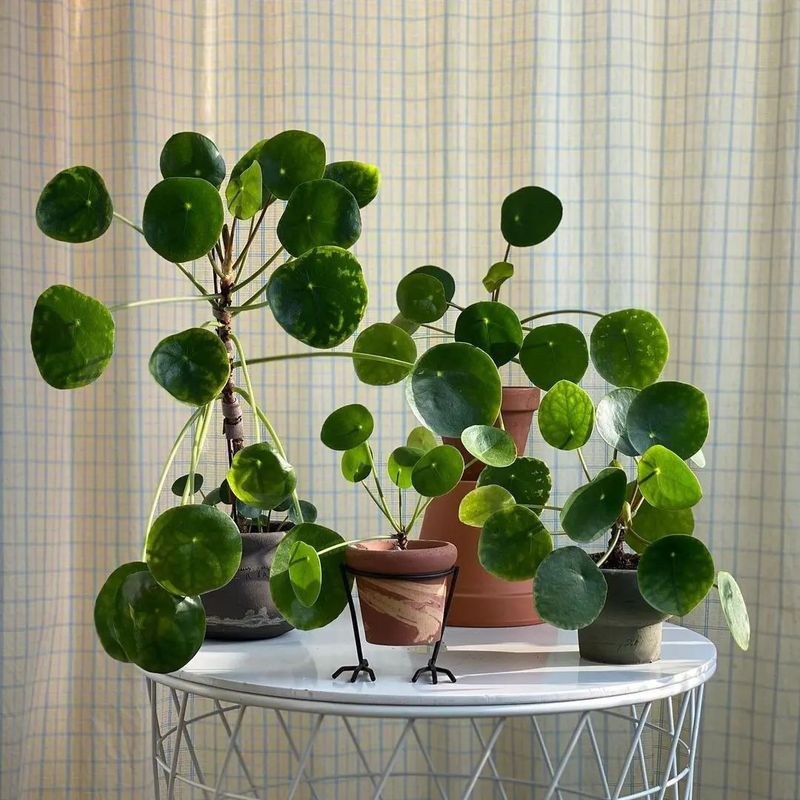
Sunlight carries powerful yang energy that activates and energizes everything it touches, including your Chinese money plant. Without adequate light, chi becomes sluggish and your plant struggles to fulfill its energetic purpose.
East-facing windows in New York apartments catch gentle morning sun that nourishes plants without overwhelming them.
This softer light perfectly matches the money plant’s preference for bright but indirect exposure.
Harsh afternoon sun from west-facing windows can scorch delicate leaves and create too much aggressive energy.
If that is your only option, filter the light with sheer curtains to soften its intensity.
North-facing windows provide consistent but dimmer light that might not give your plant enough energy to thrive. Supplementing with a small grow light maintains healthy chi flow even in shadier New York apartments.
Placing your plant too far from any window starves it of the light it needs to photosynthesize and circulate positive energy.
Aim for a spot within six feet of a window to ensure adequate brightness.
Seasonal changes affect light levels dramatically in urban environments where buildings cast shifting shadows throughout the year.
Monitor your plant and adjust its position slightly as the seasons change to maintain optimal light exposure.
Clean windows allow more light to enter and keep energy flowing smoothly between indoor and outdoor spaces.
Dirty glass blocks chi just like it blocks sunlight, so regular cleaning benefits both your plant and your home’s overall energy.
Reflective surfaces like mirrors can bounce light into darker corners and extend the reach of natural illumination.
4. Entryway Placement And First Impressions
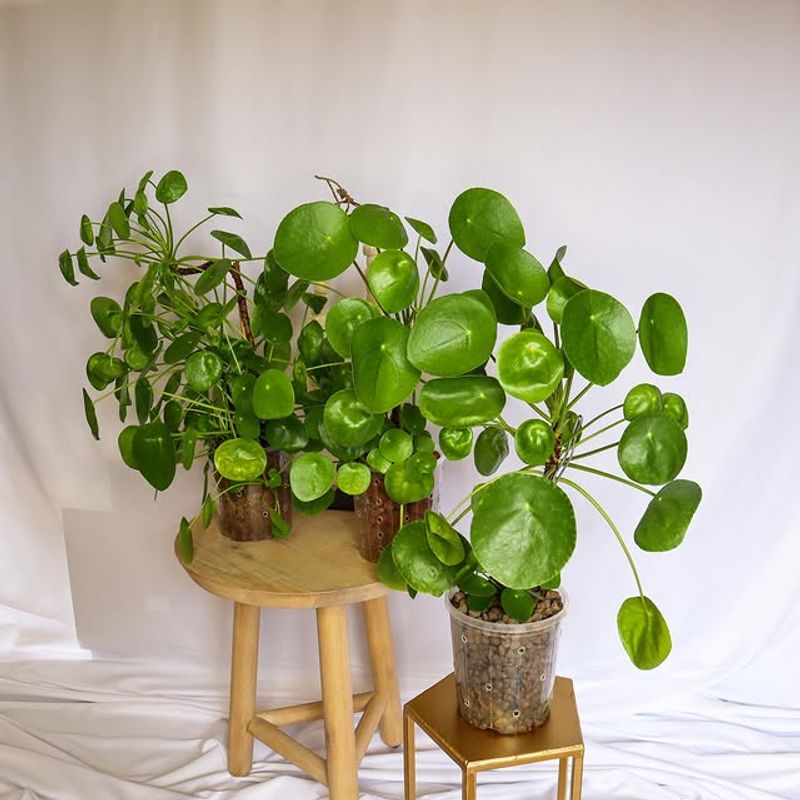
First impressions matter tremendously in feng shui because the energy you encounter when entering sets the tone for everything that follows.
A healthy Chinese money plant near your front door welcomes prosperity and signals abundance right from the start.
Positioning your plant within sight of the entrance creates an immediate visual connection to growth and vitality.
Guests and residents alike absorb this positive message subconsciously every time they walk through the door.
New York entryways are notoriously tight, so a compact money plant works better than sprawling greenery. Choose a plant size that enhances rather than crowds the space.
Placing it directly in the path of foot traffic creates obstacles and blocks smooth energy flow. Instead, position it slightly to the side where it remains visible but does not interfere with movement.
Pairing your money plant with a small mirror amplifies its welcoming energy and makes cramped entryways feel more spacious.
The reflection also symbolically doubles your prosperity, which aligns beautifully with feng shui intentions.
Avoid letting mail, shoes, or bags pile up around your entryway plant because clutter suffocates good chi.
Maintaining a clean, organized entrance ensures energy enters your home freely and circulates properly.
Lighting your entryway plant with a dedicated spotlight draws attention to it and reinforces its symbolic importance.
Even a simple battery-operated puck light can make a significant difference in dim New York hallways.
Consider the view from outside your door as well, because energy approaches from that direction before entering.
5. Living Rooms As Energy Gathering Spaces
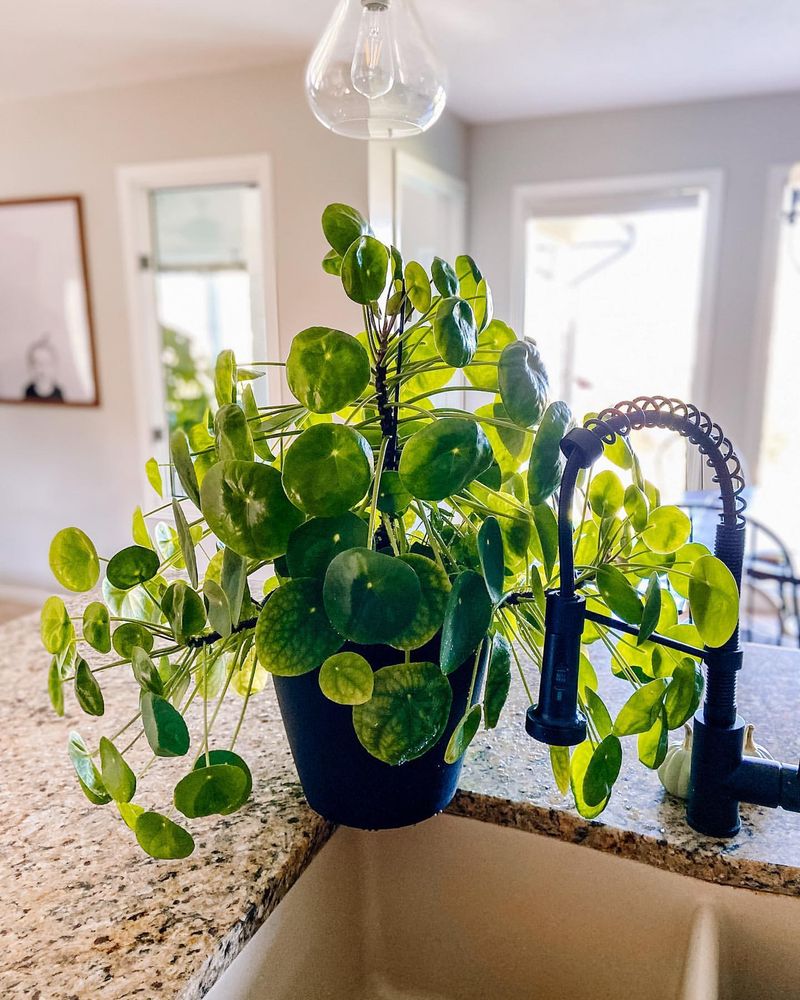
Living rooms naturally collect and concentrate household energy because family members gather there for relaxation and connection.
Placing your Chinese money plant in this central hub allows it to interact with the most active chi in your home.
Coffee tables make excellent platforms for money plants because they sit at the heart of conversation and social interaction.
The plant becomes a focal point that draws eyes and energy toward growth and abundance.
Side tables near seating areas work equally well, especially if they catch natural light from nearby windows. Your plant benefits from the light while guests unconsciously associate your home with vitality and prosperity.
Avoid tucking your plant behind furniture where it becomes invisible and its energy contribution gets lost. Feng shui rewards visibility, so give your money plant a prominent position where everyone can appreciate it.
New York living rooms often pull double duty as workspaces or dining areas, which intensifies the energy concentration.
Your plant helps balance this multipurpose chaos by providing a stable, grounding presence.
Grouping your money plant with other greenery creates a mini indoor garden that amplifies nature energy. Just make sure each plant has enough space and light to thrive independently.
Shelving units offer vertical placement options that work well in rooms with limited floor space.
Elevating your plant also symbolizes rising prosperity and upward financial movement.
Keep your plant away from electronics like televisions and computers, which generate electromagnetic fields that can disrupt natural chi flow.
6. Bedrooms And When Placement Is Not Recommended
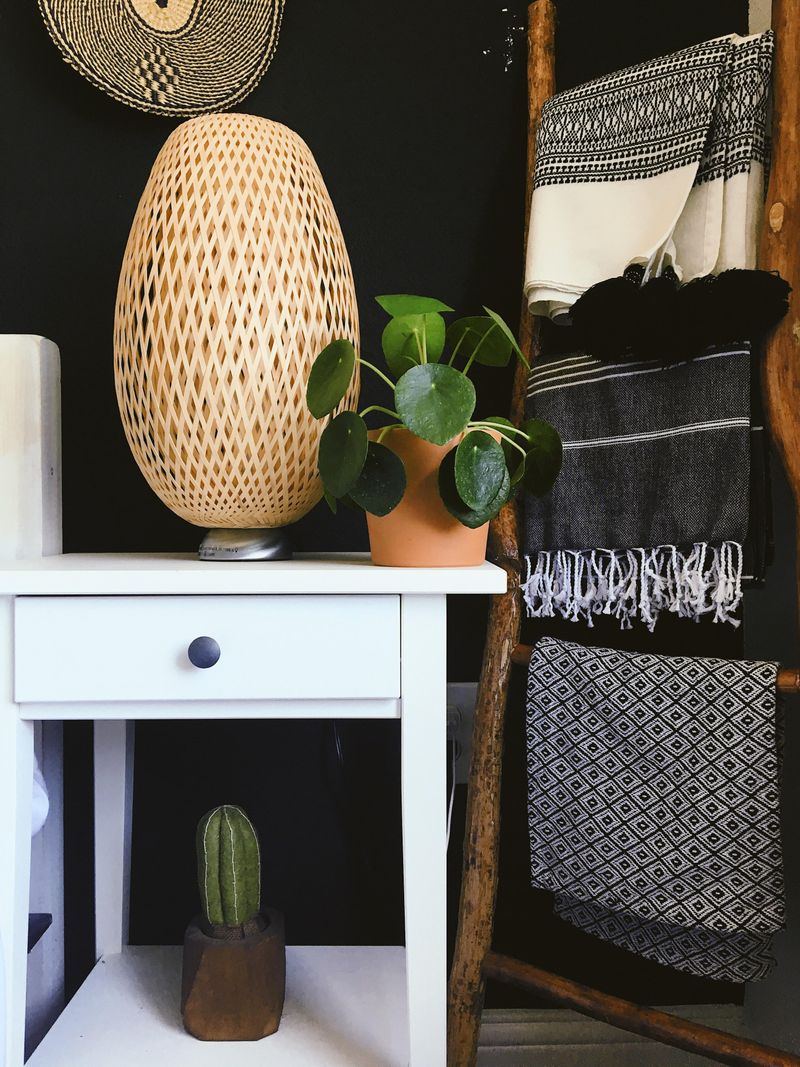
Bedrooms require careful consideration because they serve as rest and recovery zones where energy should remain calm and gentle.
Chinese money plants emit active growth energy that can interfere with the deep relaxation needed for quality sleep.
This ongoing activity can create subtle restlessness that disrupts sleep patterns.
New York residents dealing with studio apartments face unique challenges because bedroom and living spaces overlap.
If you must keep your plant in a sleeping area, position it as far from the bed as possible to minimize its activating influence.
Some experts suggest covering plants at night or moving them to another room before bed. While this approach requires extra effort, it allows you to enjoy your money plant during waking hours without sacrificing sleep quality.
Couples trying to conceive might actually benefit from bedroom plant placement because the growth energy can support fertility intentions.
Context matters, and your specific goals should guide your placement decisions.
People who work night shifts and sleep during the day may find different rules apply to their situations.
If you notice increased restlessness, vivid dreams, or difficulty falling asleep after placing a money plant in your bedroom, trust those signals.
Your body provides immediate feedback about whether the placement works for your personal energy.
7. Common Placement Mistakes That Disrupt Balance
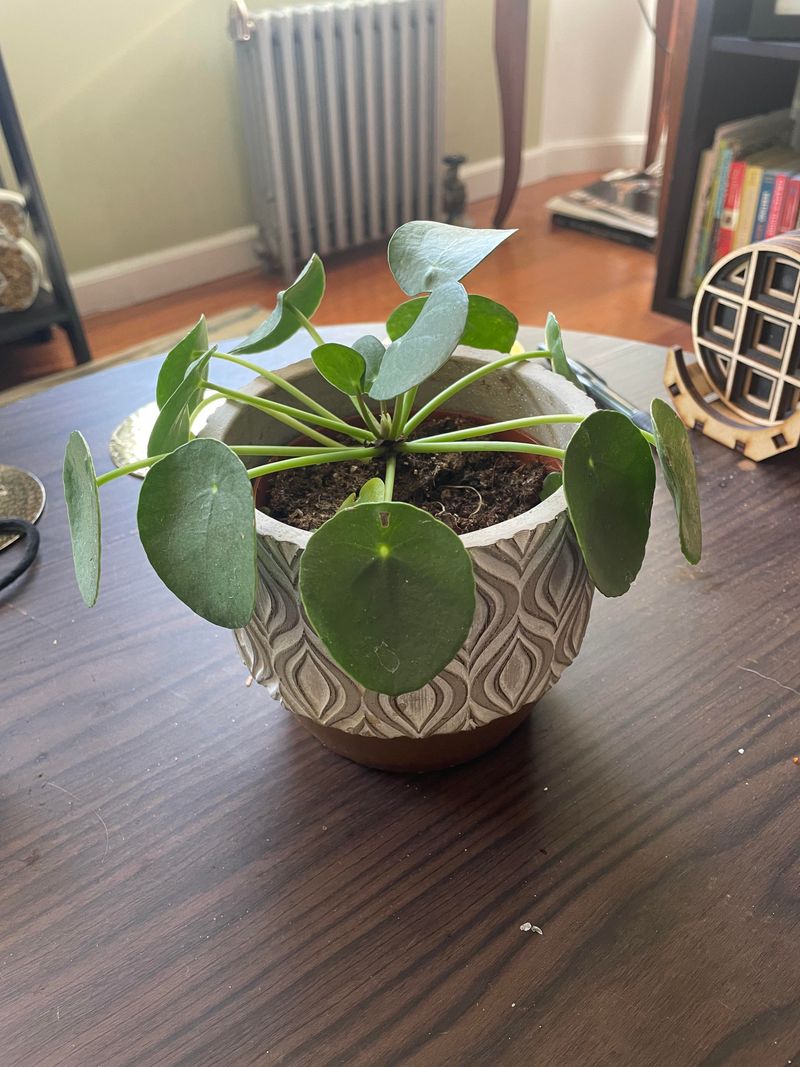
Corners where two walls meet can trap energy and create stagnation if not activated properly with living plants or other remedies. However, jamming your money plant into a tight corner where it gets no light defeats the purpose entirely.
Placing plants directly on the floor in high-traffic areas creates tripping hazards and subjects them to constant disturbance.
Elevating your plant on a stand or table protects it while maintaining better energy flow at a more visible height.
Bathrooms generate intense water energy that can overwhelm the gentler wood energy of plants. New York apartments with limited space might be tempted to use bathroom shelves, but this placement typically backfires energetically.
Positioning your money plant next to dying or neglected plants spreads declining energy and undermines prosperity intentions.
Keep your money plant surrounded by vitality, or give it space away from struggling greenery.
Direct placement on top of radiators or heating vents subjects plants to extreme temperature fluctuations that stress them physically and energetically.
New York winters make this mistake especially common, so check heating sources before committing to a spot.
Cluttered surfaces prevent chi from circulating around your plant and diminish its energetic contribution.
Clear at least a foot of space around your money plant to give it room to work its magic.
Ignoring your plant’s actual health needs in favor of symbolic placement creates the worst possible outcome.
A suffering plant generates negative energy regardless of where it sits, so practical care must come first.
Placing multiple money plants throughout your home without clear intention dilutes their focus and confuses the energy message.
8. Adjusting Placement For Small New York Apartments
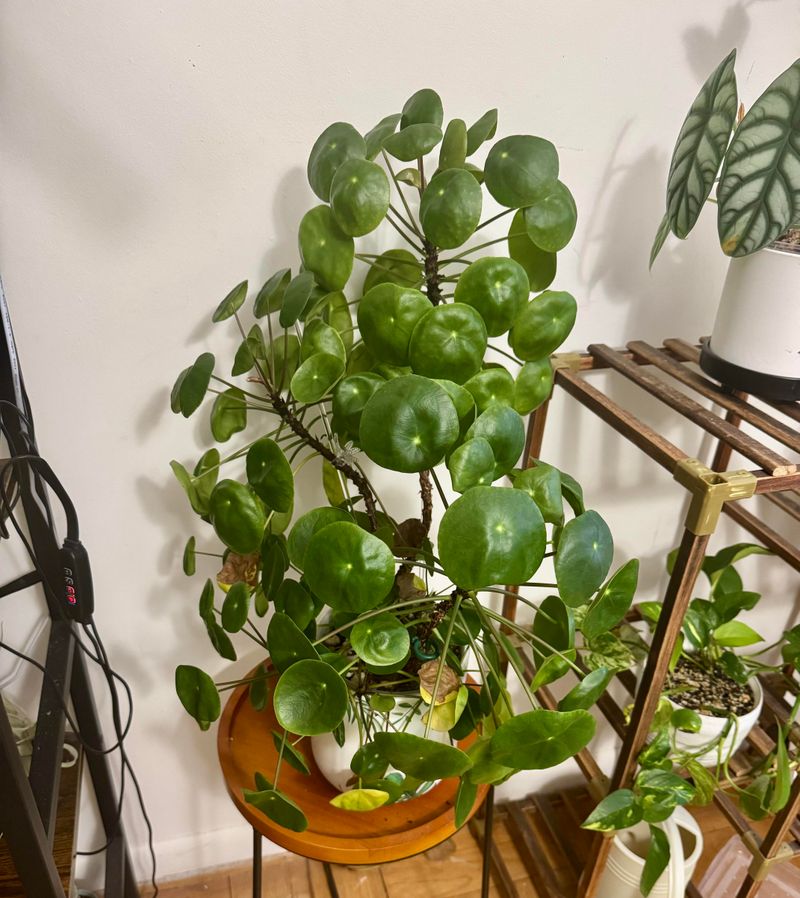
Limited square footage actually concentrates energy more intensely than sprawling spaces, making every placement decision more impactful.
Your Chinese money plant can influence a studio apartment more powerfully than it would in a large suburban house.
Vertical space becomes your best friend when floor area is scarce, so consider wall-mounted shelves or hanging planters.
Elevating your money plant draws the eye upward and creates a sense of expanded space while maintaining feng shui benefits.
Multi-functional furniture like bookshelf room dividers offers perfect platforms for plant placement while defining different zones in open layouts.
Your money plant can mark the boundary between living and sleeping areas while serving both spaces energetically.
Bay windows and window sills provide ready-made plant spots that maximize natural light without consuming precious floor space. New York apartments often feature these architectural details that work perfectly for compact money plants.
Rotating your plant between a few optimal locations throughout the week distributes its energy more evenly across your small space.
Monday through Wednesday in the southeast corner, Thursday through Sunday near the entrance creates balanced coverage.
Choosing a smaller, younger money plant suits tight quarters better than trying to accommodate a large mature specimen.
Baby plants grow with you and adapt to your space more easily than transplanted adults.
Mirrors strategically placed near your plant amplify its presence and make both the plant and your apartment feel larger.
Feng shui embraces mirrors as space expanders and energy multipliers when used thoughtfully.
Seasonal adjustments matter more in small spaces because you notice environmental changes more acutely.