8 Ferns To Divide In April To Keep Your Georgia Garden Lush
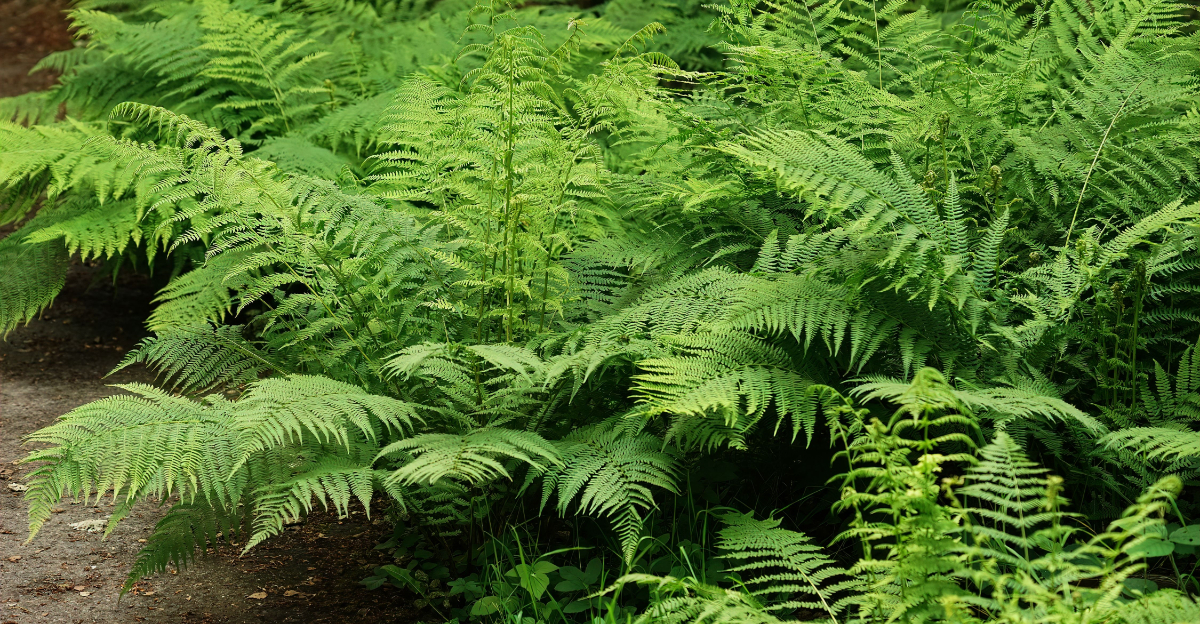
Ferns can start to look crowded in Georgia gardens once growth picks up, with fronds pressing into each other and the center losing that full, healthy look.
At first, it may not seem like a problem, but over time, dense clumps can lead to weaker growth and less vibrant plants.
As the season moves forward, space and airflow become more important. When ferns stay packed too tightly, they struggle to stay consistent, and their overall appearance begins to decline.
There is a simple way to keep them looking fresh and full without adding new plants or extra effort. A small step at the right time can refresh older clumps and help them return to strong, even growth.
Handled properly, this can keep ferns looking healthy, balanced, and full through the rest of the season without constant maintenance.
1. Lady Fern Divides Easily And Recovers Quickly With Spring Growth
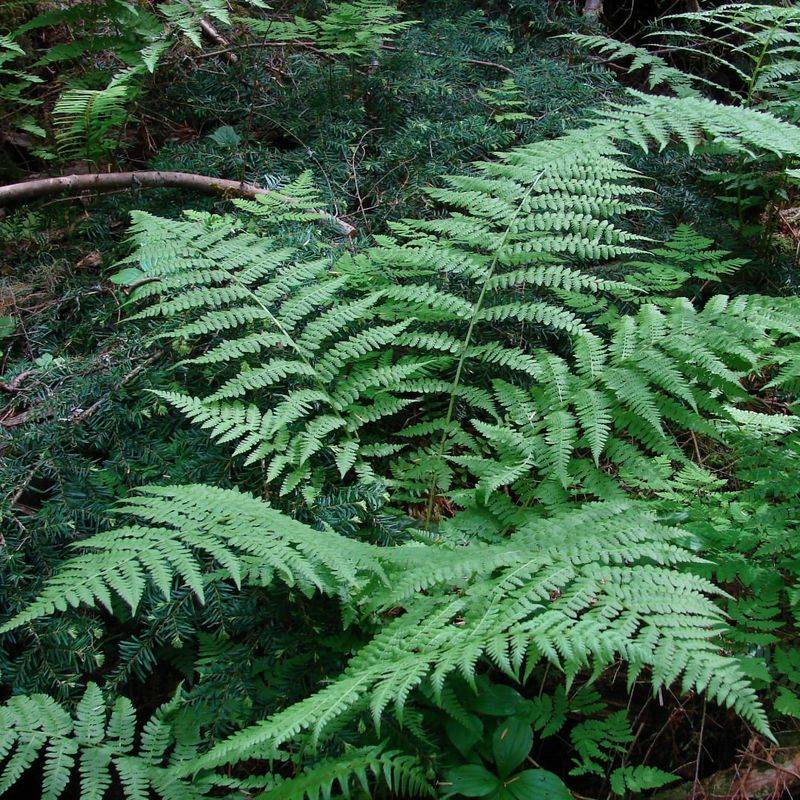
Pull back a crowded Lady Fern clump in April and you will find exactly what you were hoping for: a dense root mass full of energy, just waiting to be split up. Lady Fern is one of the most forgiving plants you can work with in a Georgia garden.
It bounces back fast, and freshly divided sections rarely skip a beat before putting out new fronds.
Water the plant the day before you plan to dig. Lift the clump carefully with a garden fork, shake off the loose soil, and use a sharp spade or knife to cut it into sections.
Each piece needs a healthy chunk of roots and at least a few fronds attached. Replant the divisions at the same depth they were growing before, and water them in well.
Lady Fern does best in partial to full shade with consistently moist soil. In Georgia, that means a spot under deciduous trees or along the north side of a fence works really well.
Mulch around the base to hold moisture through the warmer months ahead. New fronds should appear within a couple of weeks, and by midsummer, your divided plants will look full and established.
It is a reliable fern that rewards a little spring effort generously.
2. Autumn Fern Produces Strong New Fronds After Division
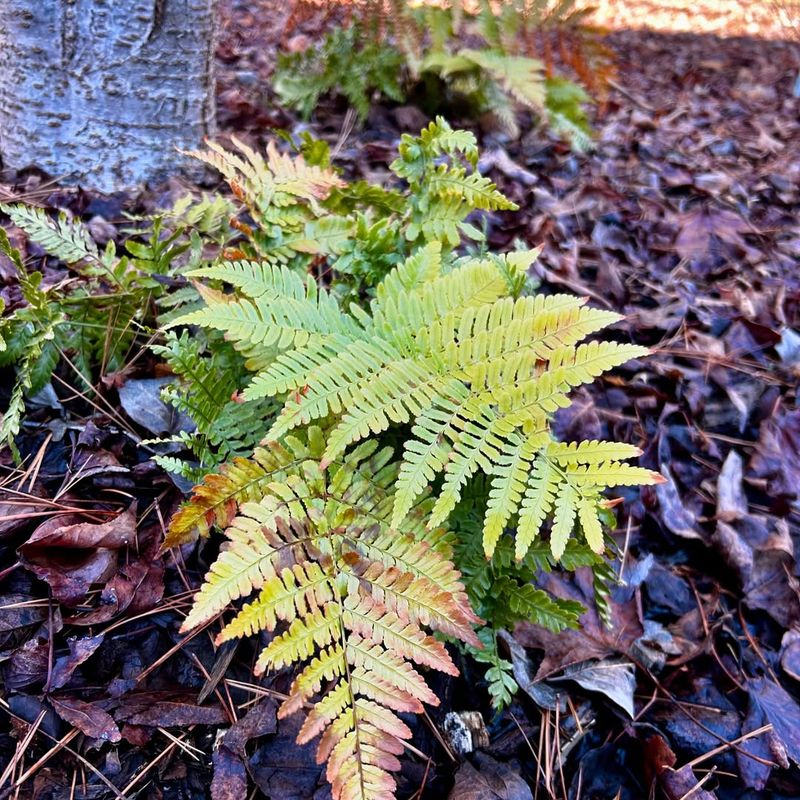
Autumn Fern has a trick up its sleeve that most ferns do not: its new fronds come in a warm copper-red color before turning deep green. April division gives you more plants to enjoy that seasonal color show, and this fern handles the process without much drama at all.
Dig up the clump carefully and you will notice the roots are dense and fibrous. Use a sturdy knife or spade to cut through the root ball, making sure each division has good root coverage.
Avoid leaving sections too small, since undersized pieces take longer to recover in Georgia’s humid but sometimes unpredictable spring weather.
Replant divisions in a spot with filtered light and well-draining soil that has been amended with compost. Autumn Fern is tougher than it looks and can handle brief dry spells better than some other ferns once it gets going.
Still, keep the soil consistently moist for the first few weeks after division. A layer of pine straw mulch works well in Georgia gardens and helps regulate soil temperature as warmer days arrive.
You should see fresh copper-tipped fronds emerging within a few weeks, which is honestly one of the more satisfying sights in an early-spring garden. Space your divisions at least eighteen inches apart to give each plant room to fill out properly.
3. Japanese Painted Fern Holds Its Shape And Color After Splitting
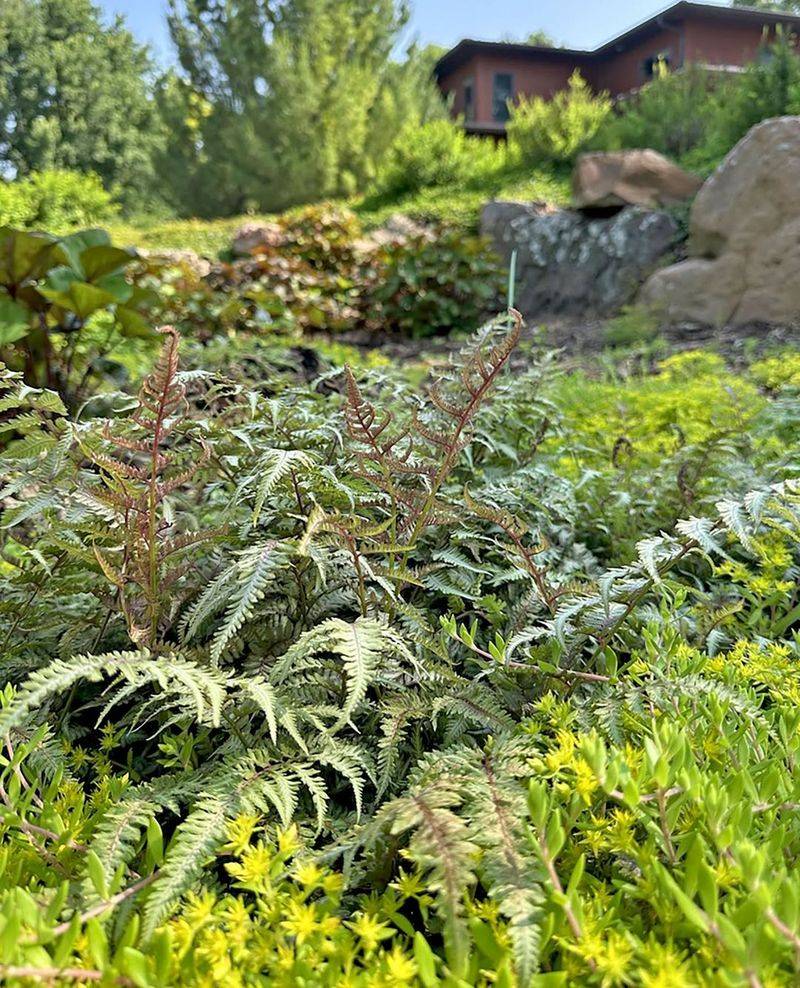
Not many ferns can pull off silver and burgundy, but Japanese Painted Fern does it effortlessly. That distinctive coloring is exactly why gardeners in Georgia keep coming back to it, and the good news is that dividing it in April does not dull that color one bit.
Freshly split sections hold their markings just as well as the parent plant.
Work in the morning when temperatures are cooler. Lift the clump with a fork and gently separate the rhizomes by hand or with a clean knife.
Japanese Painted Fern has shallower roots than some of the bulkier ferns on this list, so you do not need to dig as deep. Each division should have a visible growing tip and a reasonable amount of root attached.
Plant divisions in a shaded or dappled-light area with rich, slightly acidic soil. Georgia’s clay-heavy soils benefit from a generous addition of compost before replanting.
Keep the soil moist but not waterlogged, since standing water around the roots will cause problems fast. New fronds will start unfurling within two to three weeks, and the silvery color intensifies as the plant settles in.
Japanese Painted Fern pairs beautifully with hostas and astilbes in shade beds, and a few well-placed divisions can completely transform a dull corner of your Georgia yard into something worth stopping to look at.
4. Christmas Fern Responds Well To Division During Active Growth
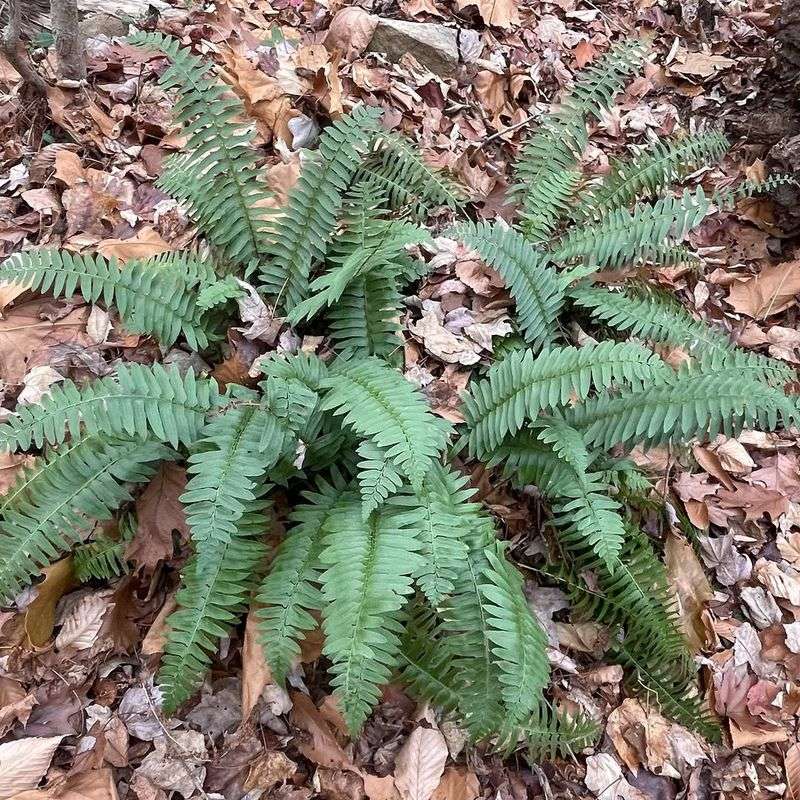
Christmas Fern is a Georgia garden staple for good reason. It stays green through winter, handles dry shade better than most, and when you divide it in April during active growth, it barely misses a step.
If you have a clump that has been sitting in the same spot for several years, spring is the right time to break it up.
Dividing Christmas Fern takes a little more muscle than some of the softer ferns on this list. The root crown is thick and tight, so a sharp spade or even a pruning saw works better than a knife here.
Cut straight down through the crown, making sure each section has several healthy fronds and a solid root base. Avoid pulling the clump apart by force, since that can damage more than it helps.
Replant divisions at the same depth, firm the soil around the roots, and water thoroughly. Christmas Fern does well in dry to moderately moist shade, which makes it a strong choice for slopes and areas under mature trees in Georgia where water does not always reach evenly.
Mulch helps retain whatever moisture is available. New growth will resume quickly, and by late spring you will have full-looking plants in each new spot.
Divide every four to five years to keep the clumps productive and the foliage looking dense rather than sparse in the center.
5. Southern Shield Fern Forms Full Clumps After Being Divided
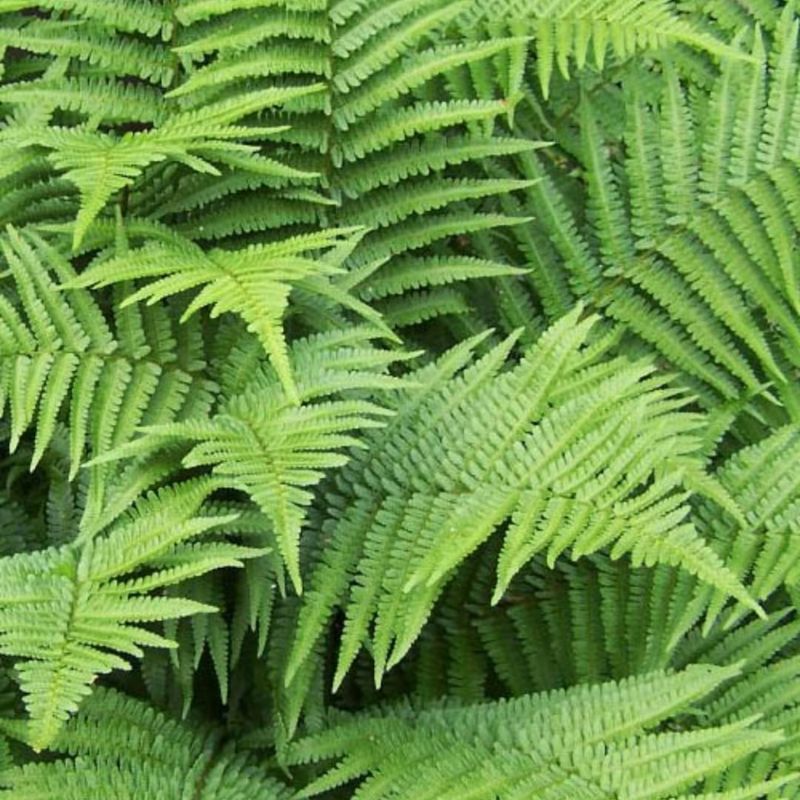
Southern Shield Fern is built for the South. It thrives in the kind of humid, warm conditions that Georgia delivers from late spring onward, and when you divide it in April before the heat ramps up, it fills back in impressively fast.
Few ferns give you that full, lush look as quickly after division.
Dig up the entire clump and lay it on the ground to assess the root structure before cutting. Southern Shield Fern spreads by rhizomes, so you will often find sections that have already started to separate naturally.
Cut between these natural divisions with a sharp spade and replant each section with the rhizome just at or slightly below the soil surface. Do not bury the growing tips.
Rich, consistently moist soil in a shaded or semi-shaded location suits this fern well. Along creek edges, near downspouts, or in low-lying parts of your Georgia yard where water collects briefly after rain are all good spots.
Add compost to the planting hole and top with mulch to help the soil stay moist between waterings. Southern Shield Fern is a big grower, so space divisions about two feet apart to give each one room to spread.
Within a single growing season, your new plantings should develop into full, attractive clumps that fill the space confidently and look right at home in a Georgia landscape.
6. Tassel Fern Maintains Dense Growth When Divided In Spring
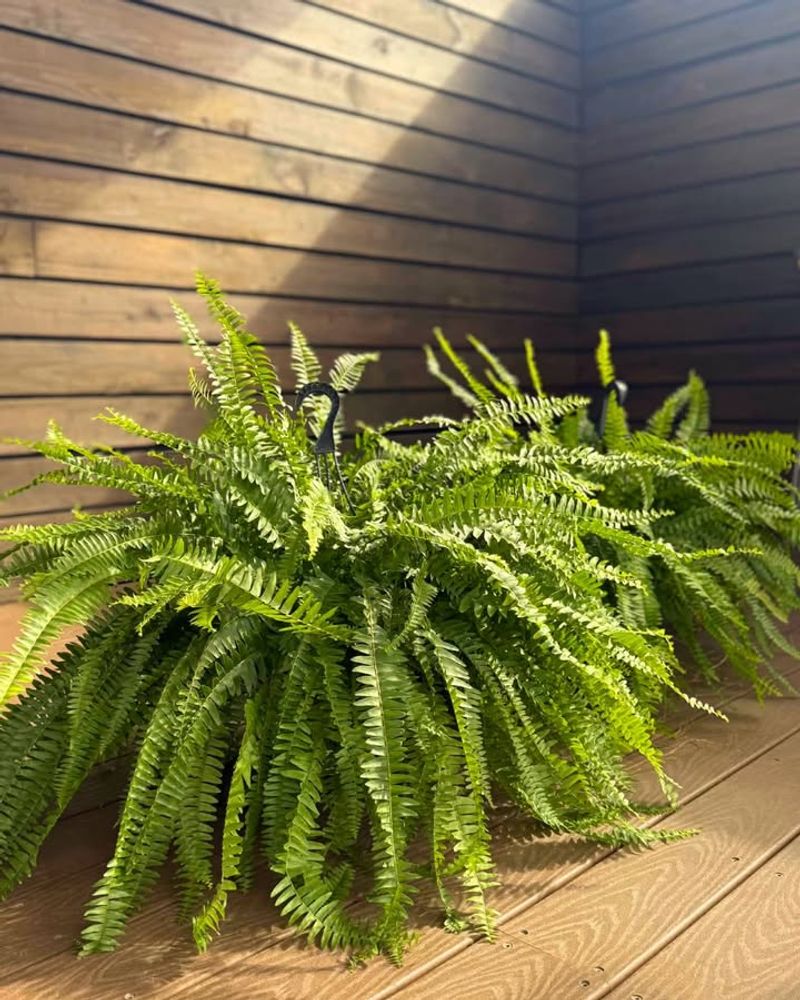
Tassel Fern has a different texture than most ferns you will find in Georgia gardens. Its fronds are darker, glossier, and more upright, giving it a slightly formal look that works well in structured shade beds.
Divide it in April and that dense, compact habit carries right over to the new divisions without much fuss.
Because Tassel Fern grows in tight clumps rather than spreading rhizomes, division requires a firm hand. Use a sharp knife or spade to cut straight through the crown, working from the outside of the clump inward.
Each division needs a healthy growing point and enough roots to support it through the first few weeks. Smaller sections are fine as long as they have viable roots attached.
Plant in a shaded spot with humus-rich, well-draining soil. Tassel Fern does not like soggy conditions, so avoid low spots where water pools after Georgia’s frequent spring rains.
Amend heavy clay soil with compost before planting and mulch the surface to keep moisture levels steady without waterlogging. Water consistently for the first month after division.
Growth is steady rather than explosive, but the payoff is a fern that stays dense and upright for years. It holds its structure well even in summer, which is more than you can say for some of the softer ferns that tend to flop once Georgia’s heat and humidity peak in July and August.
7. Hay-Scented Fern Spreads Quickly After Division In Moist Soil
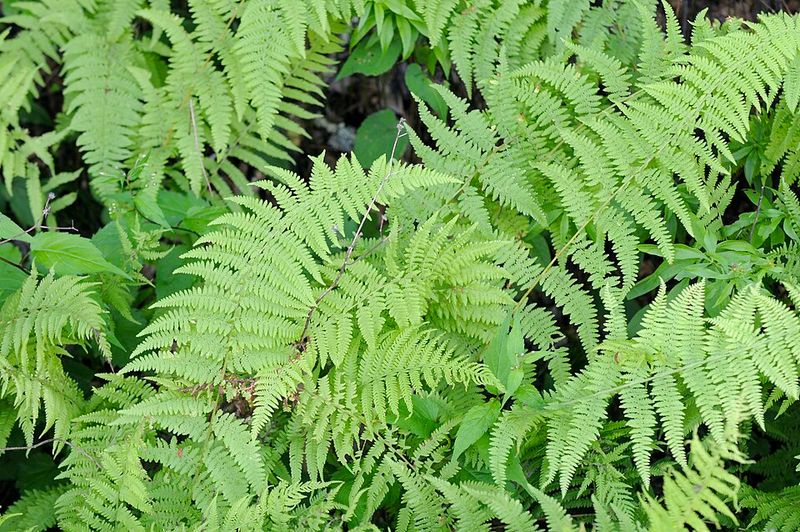
Crush a frond of Hay-Scented Fern and you get a faint, pleasant smell that is hard to describe but easy to remember. Beyond that charming detail, this fern is one of the fastest spreaders you can add to a Georgia garden after division in April.
Give it decent moisture and some shade and it will cover ground in a season.
Division is straightforward because Hay-Scented Fern spreads naturally through underground rhizomes. You can pull sections apart by hand in many cases, or use a spade to separate larger masses.
Each division only needs a short rhizome section with a few fronds to get going. Replant at a shallow depth and water well immediately after.
Moist, slightly acidic soil in partial to full shade is ideal. Along the edges of wooded areas, beside garden paths, or in spots where you want to suppress weeds naturally, this fern earns its place.
In Georgia, it fills in gaps under trees where grass refuses to grow and creates a soft, layered look that takes little maintenance once established.
Because it spreads assertively, plant it where you want coverage rather than in a small bed where it might crowd out neighbors.
Keep an eye on its edges the first season after division to make sure it is staying where you want it. A little boundary management early on saves a lot of redirecting later.
8. Marginal Wood Fern Regrows Steadily After Clump Division
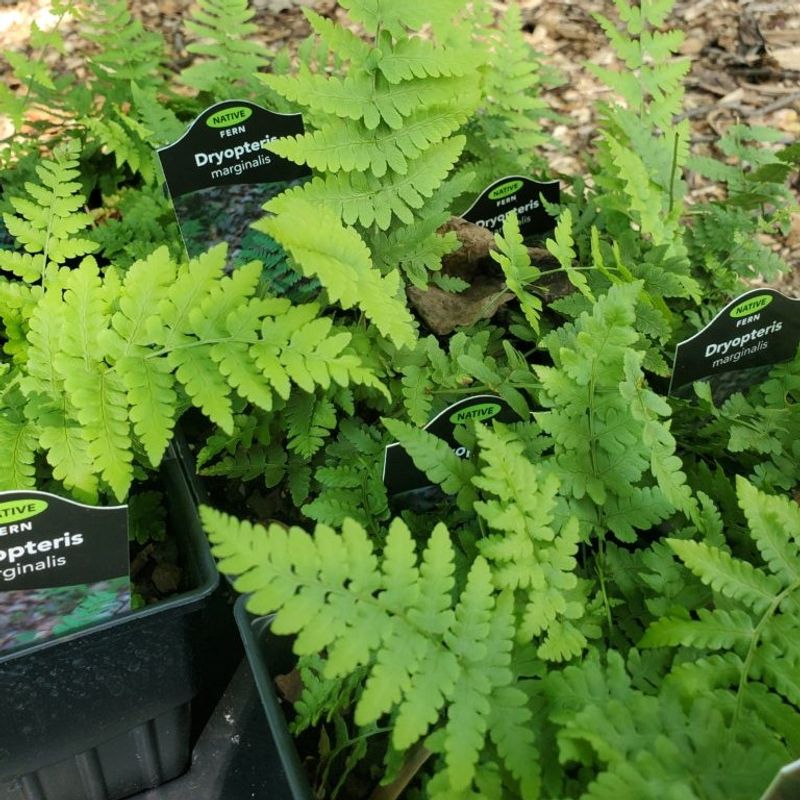
Marginal Wood Fern is the dependable, no-drama choice for Georgia gardeners who want a fern that just gets on with it. Divide the clump in April and the new sections will start pushing out fresh fronds within a few weeks, no coaxing needed.
It is steady, reliable, and genuinely attractive in a shade garden setting.
The name comes from where the spore clusters appear on the frond, right along the margins of the leaflets. That detail aside, what matters most to gardeners is how well it handles division.
Lift the crown with a fork, cut it into sections with a sharp spade, and make sure each piece has healthy roots and a few intact fronds. The crown is moderately firm, so do not be shy about using some force.
Replant in a shaded spot with well-draining, slightly acidic soil. Marginal Wood Fern tolerates dry shade better than most ferns, which is useful in Georgia where summer can turn brutally dry under tree canopies.
Still, water the divisions regularly for the first four to six weeks after planting to help roots anchor properly. A mulch layer of pine straw or shredded leaves keeps moisture in and soil temperature stable.
Growth through spring and early summer will be gradual but consistent. By fall, each division should be a solid, well-rooted plant ready to handle whatever Georgia’s next growing season brings.