Fertilize These 7 Fruit Trees Before Bud Break In Oregon
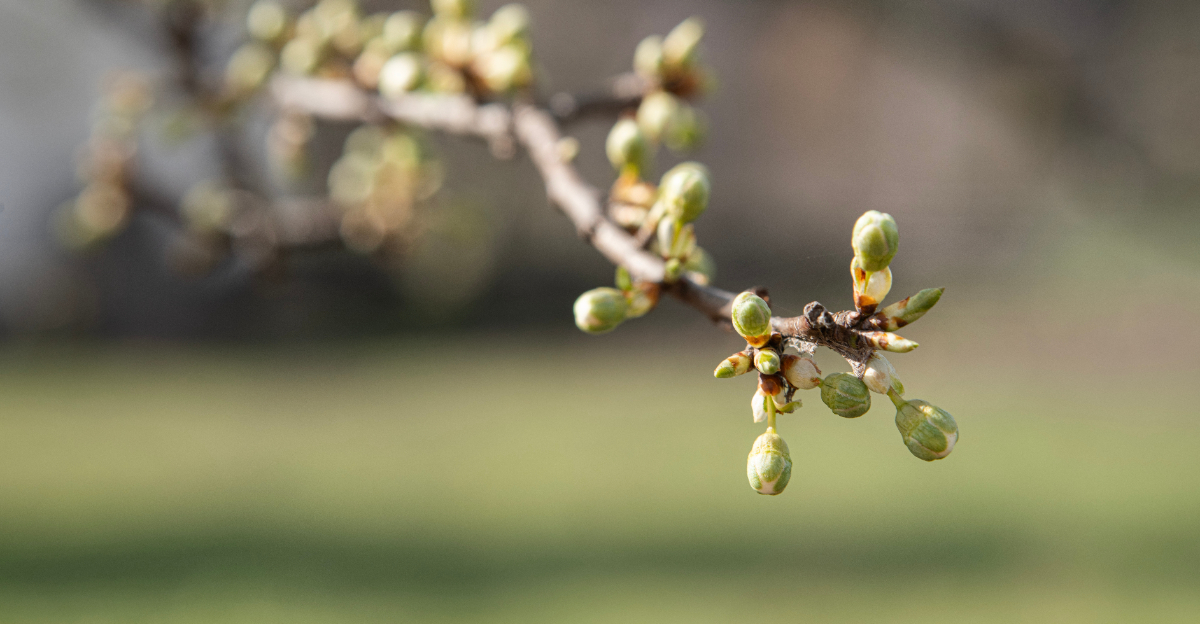
Late winter in Oregon holds a quiet kind of magic, especially in your garden. Your fruit trees may look sleepy, bare branches against gray skies, but inside they are gearing up for a powerful spring wake up.
Right before bud break is the golden moment to give them the nutrients they crave. A smart, well timed feeding sets the stage for stronger growth, healthier leaves, and baskets of juicy fruit in the months ahead.
Skip it and trees can struggle, produce less, or grow weak and spindly. The good news is it takes little effort and pays off big.
Picture crisp apples, sweet cherries, and sun warmed peaches picked right from your yard. With the right care now, your trees will burst into life full of energy and promise.
1. Apple (Malus domestica)
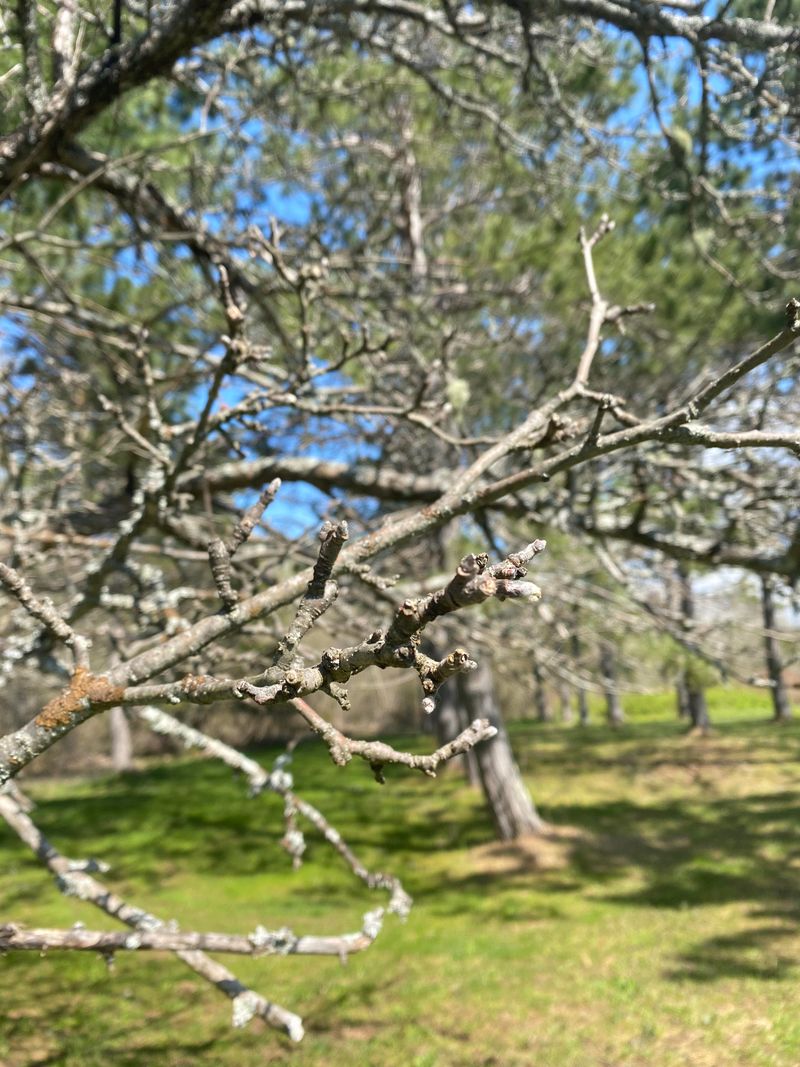
Walk past your apple tree on a February morning and you might notice the buds look a little fatter than they did in January. That subtle shift means it’s almost time.
Apples are Oregon’s most reliable backyard fruit, thriving in our cool springs and moderate summers, and they are fairly heavy feeders that can use available nitrogen during active growth.
Most gardeners wait too long, fertilizing after leaves emerge when the tree has already used much of its stored energy pushing out new growth. You want nitrogen available before bud break so roots can absorb it as growth begins.
A balanced fertilizer with moderate nitrogen works well, something like 10-10-10 spread evenly under the drip line.
Oregon’s wet springs often mean you don’t need to water it in heavily; rain usually helps move nutrients into the soil. Scatter fertilizer on the soil surface in late February or early March, before green tips appear.
Avoid piling fertilizer against the trunk, which can encourage rot in damp conditions. Feed once now, and your apples will leaf out strong, set fruit more reliably, and carry energy toward ripening a good crop by fall.
2. Pear (Pyrus communis)
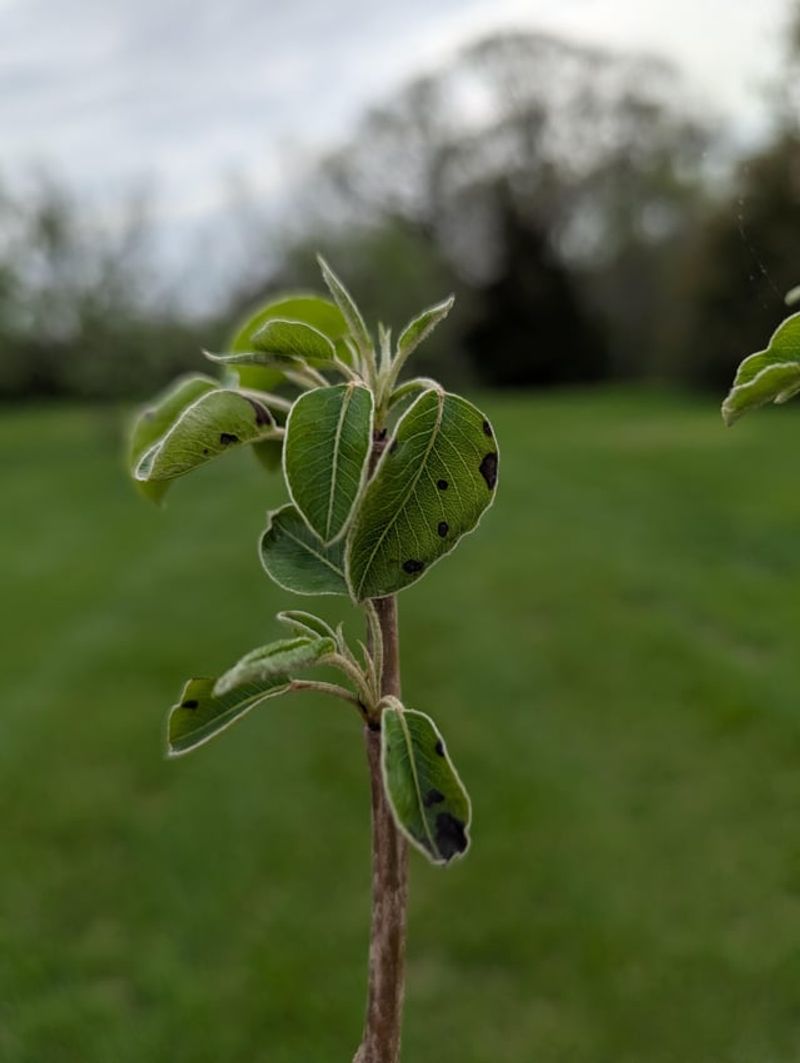
Pears handle Oregon’s climate well, tolerating wet winters and cool springs better than many fruit trees. However, they can be susceptible to fire blight, a bacterial disease that favors lush, nitrogen-rich growth.
That means fertilizing carefully, enough to support healthy development and fruiting, but not so much that you encourage soft, disease-prone shoots.
Timing matters with pears. Feed too early and you may stimulate growth before late cold weather passes.
Feed too late and the tree may miss part of the early nutrient uptake period. Aim for late February in milder areas and early March in colder zones.
Use a moderate rate of balanced fertilizer, leaning slightly lower in nitrogen if your tree grew very vigorously the previous year.
If your pear produced many long, vigorous shoots last season, reducing the fertilizer rate somewhat this spring can help balance growth and fruiting. Pears bear on older wood, so excessive vegetative growth is not always desirable.
Spread fertilizer in a ring just beyond the branch tips, where many feeder roots are located. Spring rains often help carry nutrients into the soil gradually, providing a steady supply without encouraging excessive growth.
3. Sweet cherry (Prunus avium)
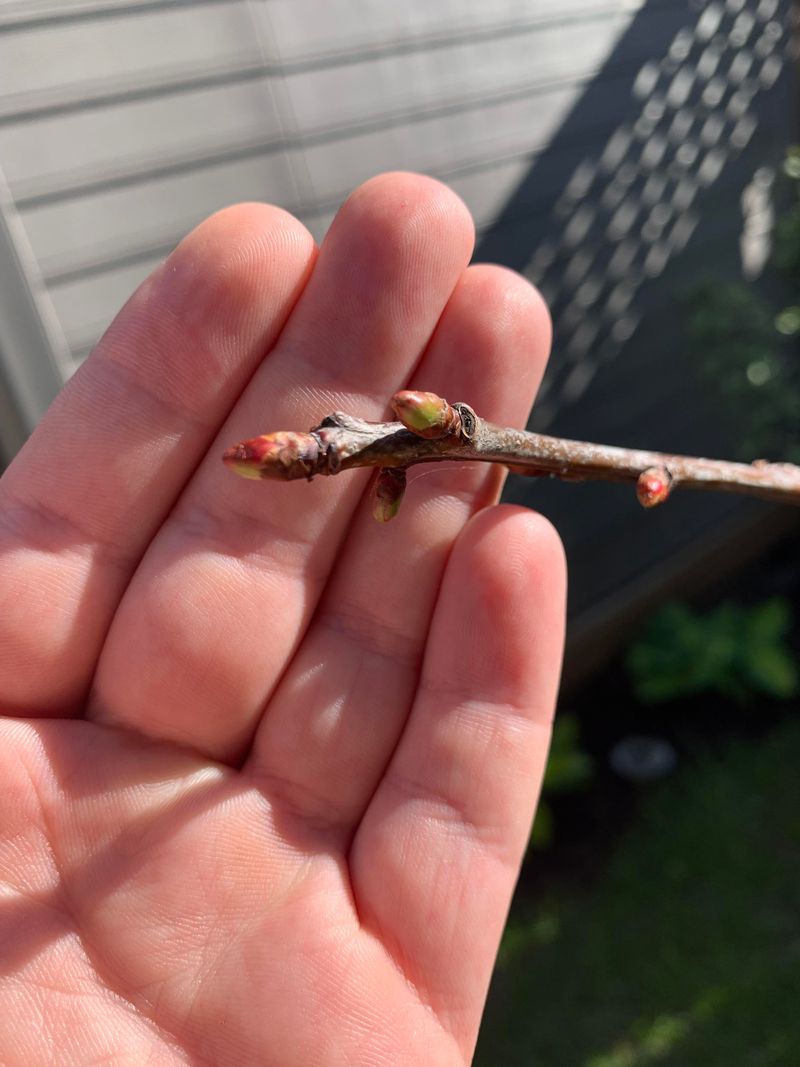
These trees bloom early, sometimes as soon as late March in the Willamette Valley, so they benefit from having nutrients available before active growth begins.
These trees can grow vigorously under good conditions, producing significant new wood each season, and that growth uses nitrogen supplied through the soil.
Balancing nutrition is important in Oregon’s moist spring climate. Excess nitrogen can encourage lush shoot growth that may be more susceptible to bacterial canker, while too little may limit overall vigor and fruit development.
A moderate, balanced approach to fertilization is usually recommended.
One method is to apply a balanced fertilizer in late February, adjusting the amount to the tree’s size and growth rather than using a fixed rate. Scatter it evenly beneath the canopy, keeping it away from the trunk.
Sweet cherries tend to have relatively shallow, wide-spreading roots, so even distribution is helpful. Young, fast-growing trees often need less fertilizer, while mature, heavily fruiting trees may require somewhat more to maintain vigor.
Spring rainfall typically helps move nutrients gradually into the root zone as growth resumes.
4. Tart cherry (Prunus cerasus)
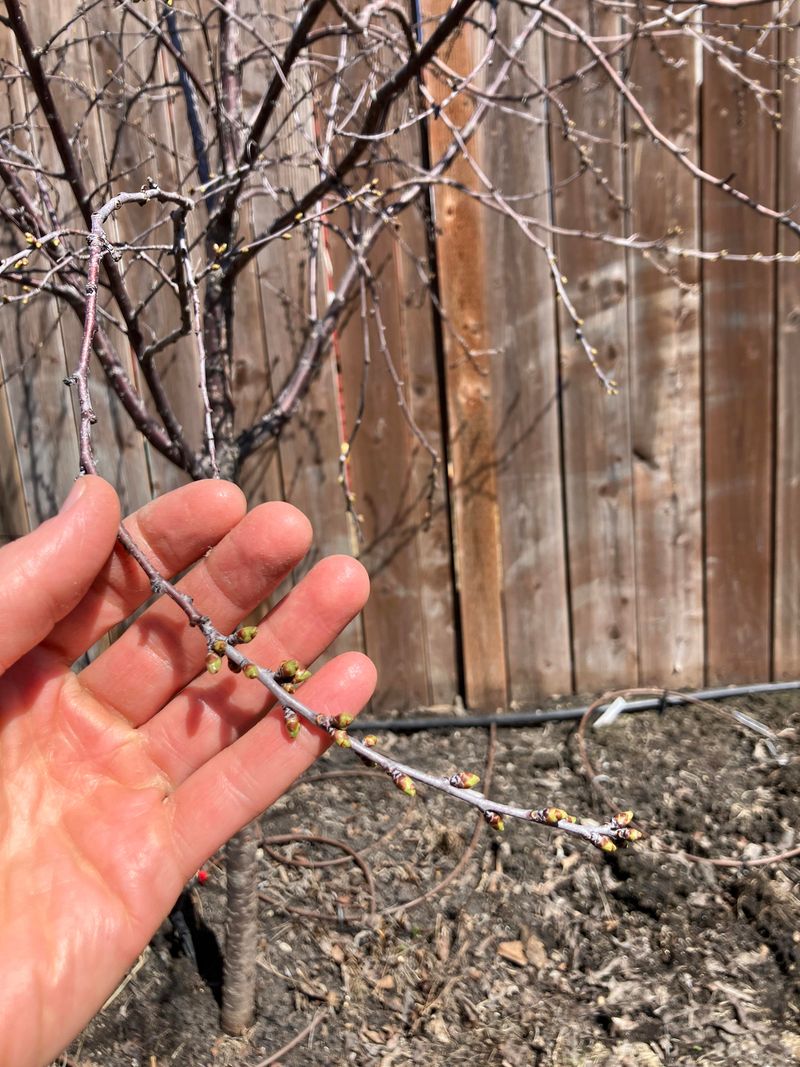
These types of cherries are generally hardier and less demanding than sweet cherries, handling Oregon’s variable springs with fewer issues. They also tend to require less nitrogen because their growth is usually less vigorous.
However, some fertilization is still useful, as fruit production removes nutrients, and low nitrogen can reduce vigor and yield.
Moderation is important with tart cherries. These trees often develop dense, bushy growth, and excessive fertilizing can encourage interior shoots that receive too little light to fruit well.
Aim for enough nitrogen to support healthy foliage and fruiting without promoting excessive branching. Apply fertilizer in late February or early March, using roughly half to two-thirds the amount used for a similarly sized sweet cherry.
Tart cherries bear mainly on one-year-old wood, so consistent annual growth helps maintain production, though heavy feeding is usually unnecessary.
Spread a balanced fertilizer beneath the canopy, concentrating on the outer portion of the branch spread where feeder roots are most active.
In many areas, late winter and early spring rainfall is usually sufficient to move nutrients into the soil, helping the tree leaf out and support a dependable early-summer crop.
5. Plum / Prune (Prunus domestica)
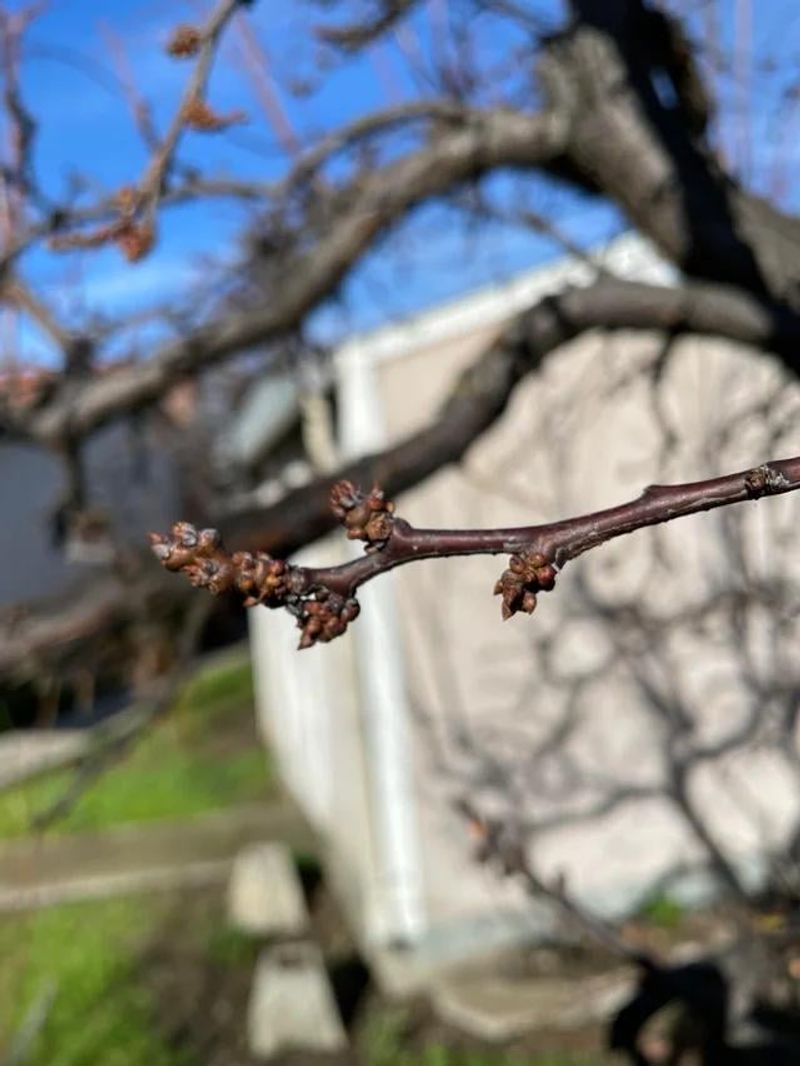
Plums are reliable producers in many parts of Oregon, often fruiting even in cool, cloudy springs when some other stone fruits perform less consistently.
They are also fairly adaptable and can grow in a range of soils, though best performance still comes from reasonably well-drained conditions.
Regular feeding can help support healthy growth and fruiting, especially on trees carrying heavy crops.
European plums and prunes are generally moderate feeders, typically needing less nitrogen than apples, while many Japanese plums grow more vigorously and may use somewhat more nutrients.
Apply a balanced fertilizer in late February, spreading it evenly under the canopy out to the drip line.
Plums have moderately deep root systems, and seasonal rainfall usually helps move nutrients into the soil.
A common mistake is over-fertilizing, particularly in already fertile soil, which can encourage excessive vegetative growth at the expense of fruiting. If your plum produced very long shoots last year, reducing the fertilizer rate this spring can help balance growth and production.
Plums bear on spurs that remain productive for several years, so heavy annual growth is not always necessary. A moderate, steady nutrient supply supports spur health and fruit development, helping the tree produce a dependable late-summer crop.
6. Peach (Prunus persica)
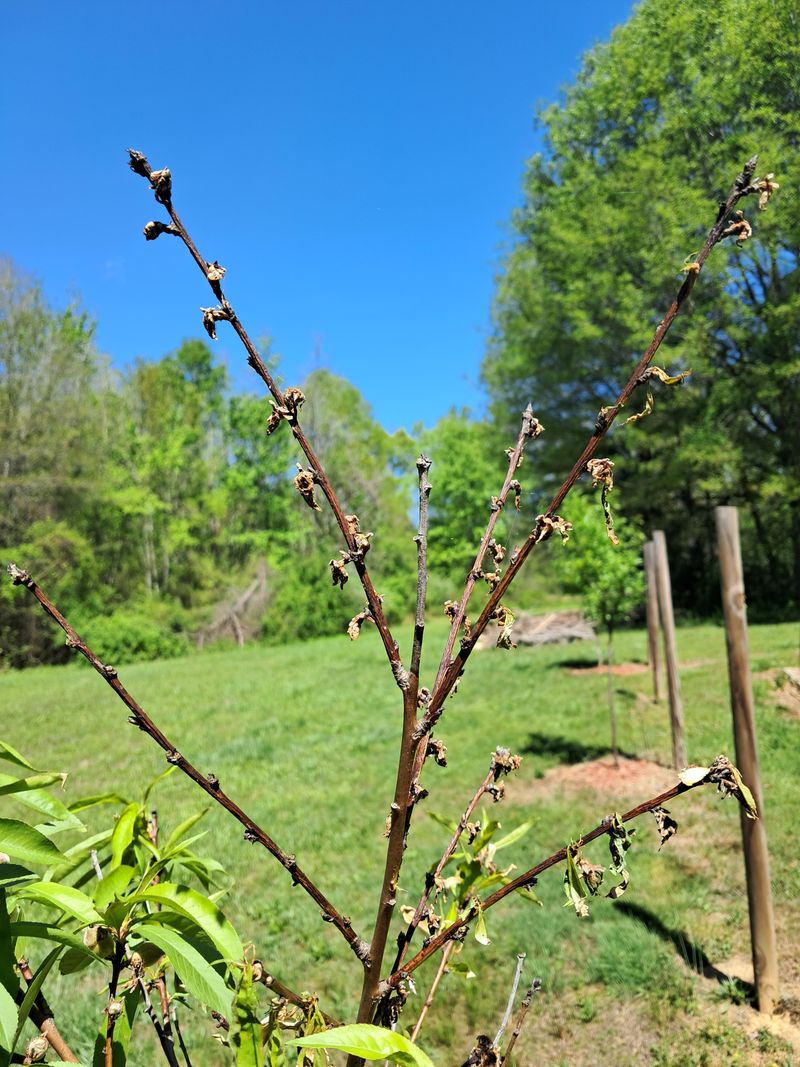
Peaches can be challenging in parts of Oregon, often doing best in warmer, protected microclimates west of the Cascades while struggling in colder areas where late frosts may damage blossoms.
If a tree is established and fruiting, proper nutrition before bud break can help support growth and fruit quality.
Peaches are relatively heavy feeders compared with many other common fruit trees. They grow quickly, producing substantial new wood each year, and they bear fruit on one-year-old shoots, so consistent annual growth is important.
Apply a balanced fertilizer in late February or early March, generally at a somewhat higher rate than for less vigorous trees, while adjusting based on soil fertility and tree size rather than a fixed formula.
Spread fertilizer evenly beneath the canopy, extending slightly beyond the drip line. Peach roots are often concentrated in the upper soil layer, so nutrients should be available near the surface.
Seasonal rainfall typically helps move fertilizer into the root zone, though applying when soil is extremely saturated may increase nutrient loss.
If growth was weak or fruit small the previous season, a modest increase in feeding may help, while avoiding excessive fertilization that can lead to overly vigorous, less productive growth.
7. Apricot (Prunus armeniaca)
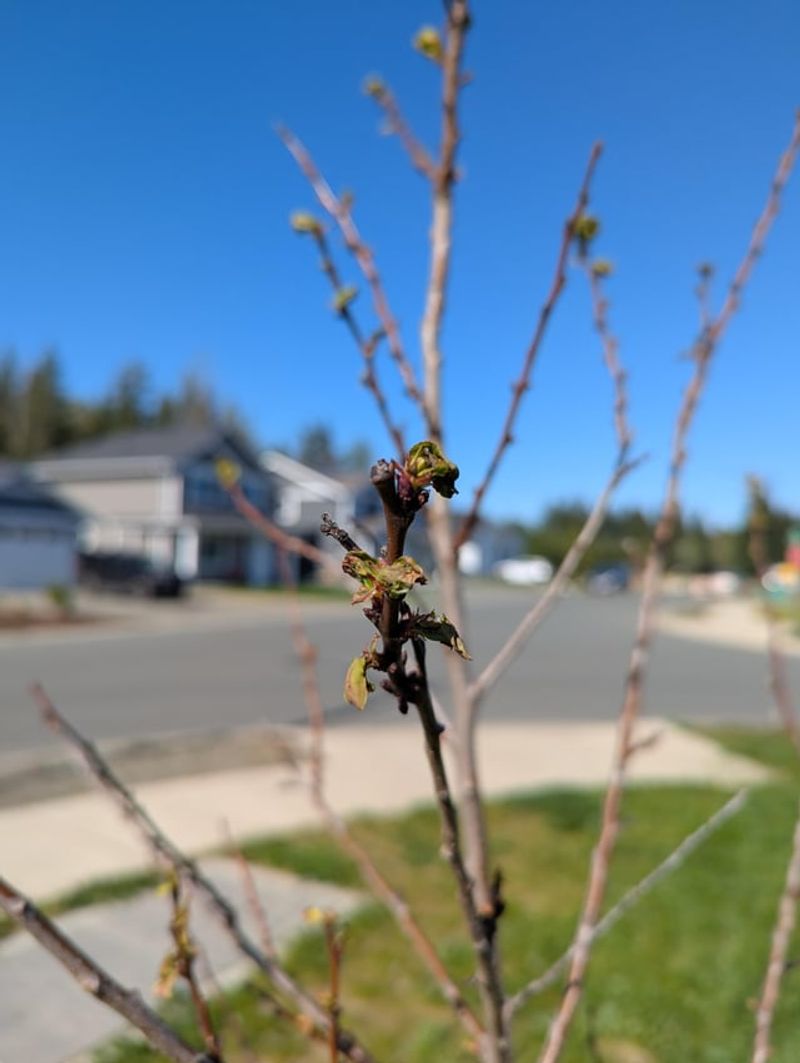
If you’ve tried growing apricots in Oregon, you know they can be challenging. They are usually most successful in protected microclimates or warmer locations, and established, fruiting trees benefit from careful fertilization.
Excess nitrogen can delay hardening off and may increase susceptibility to cold injury, so moderation is important.
Apricots are generally lighter feeders than peaches, often needing less nitrogen to support healthy growth and fruiting. They produce on spurs that remain productive for several years, so strong annual shoot growth is not always necessary.
Apply a balanced fertilizer in late February at a moderate rate, adjusting to soil fertility and tree vigor rather than relying on a fixed amount. Spread it beneath the canopy, focusing toward the outer portion of the branch spread.
In Oregon, avoiding late-season growth that does not harden before winter is important. Light feeding in late winter supports early growth and fruit development without overstimulating the tree.
If your apricot made very vigorous growth the previous year, reducing the fertilizer rate may help maintain balance. Seasonal moisture often keeps nutrients available in the soil for longer periods, so moderate application is usually sufficient.