Fight Off The Winter Blues In Pennsylvania With These 15 Easy-Care Plants
Winter months in Pennsylvania can feel long and dreary, especially when cold weather keeps you stuck indoors for days at a time.
Bringing a few houseplants into your living space can brighten your mood and add life to rooms that feel dull and gray.
Caring for plants during winter does not have to be complicated or time-consuming if you choose the right varieties for your home.
These fifteen easy-care plants will help you create a cheerful indoor garden that thrives even during Pennsylvania’s coldest, darkest winter months ahead.
1. Snake Plant
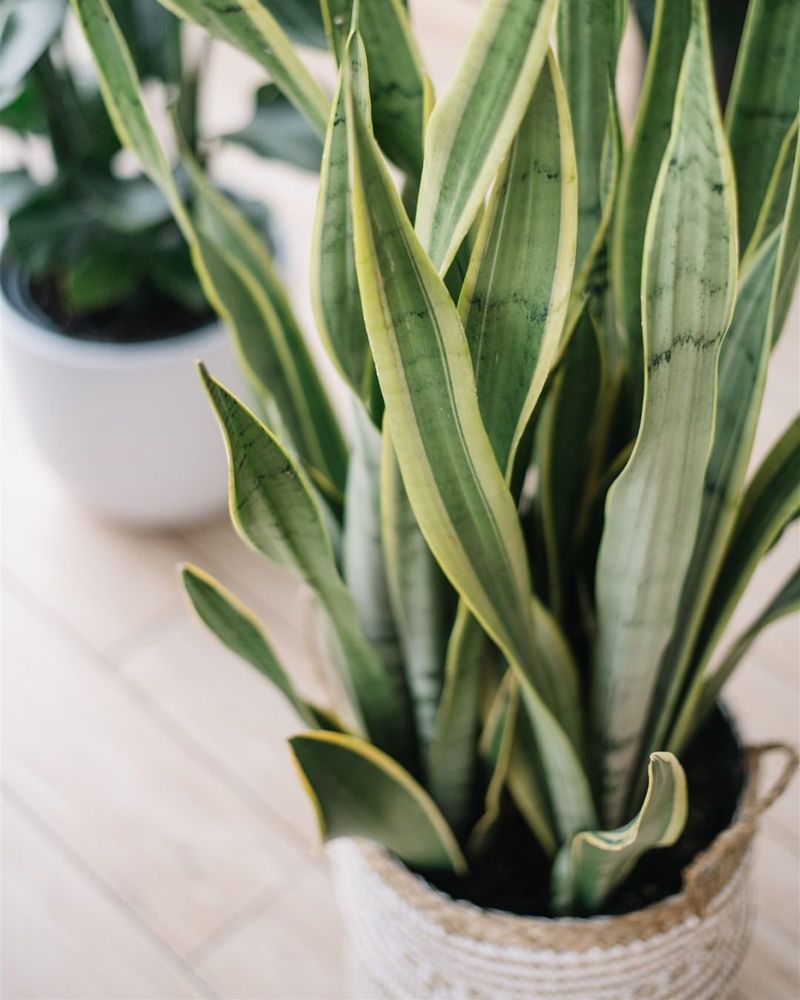
Few houseplants can match the toughness and resilience of the snake plant, making it perfect for beginners who worry about plant care.
This sturdy green companion tolerates low light conditions and can go weeks without water, which means less stress for busy Pennsylvania homeowners.
Snake plants actually prefer being ignored rather than fussed over, so you won’t need to worry about daily watering routines during winter months.
Their tall, upright leaves with striking patterns add architectural interest to any room, from living rooms to bedrooms and even darker hallways.
Pennsylvania winters can dry out indoor air, but snake plants handle low humidity levels better than most other common houseplant varieties available.
These plants also filter toxins from the air while you sleep, creating a healthier environment inside your home during cold winter days.
Place your snake plant near a window with indirect light, and it will reward you with steady growth throughout the entire season.
Overwatering poses the only real threat, so let the soil dry completely between waterings to keep your plant happy and thriving indoors.
2. Pothos
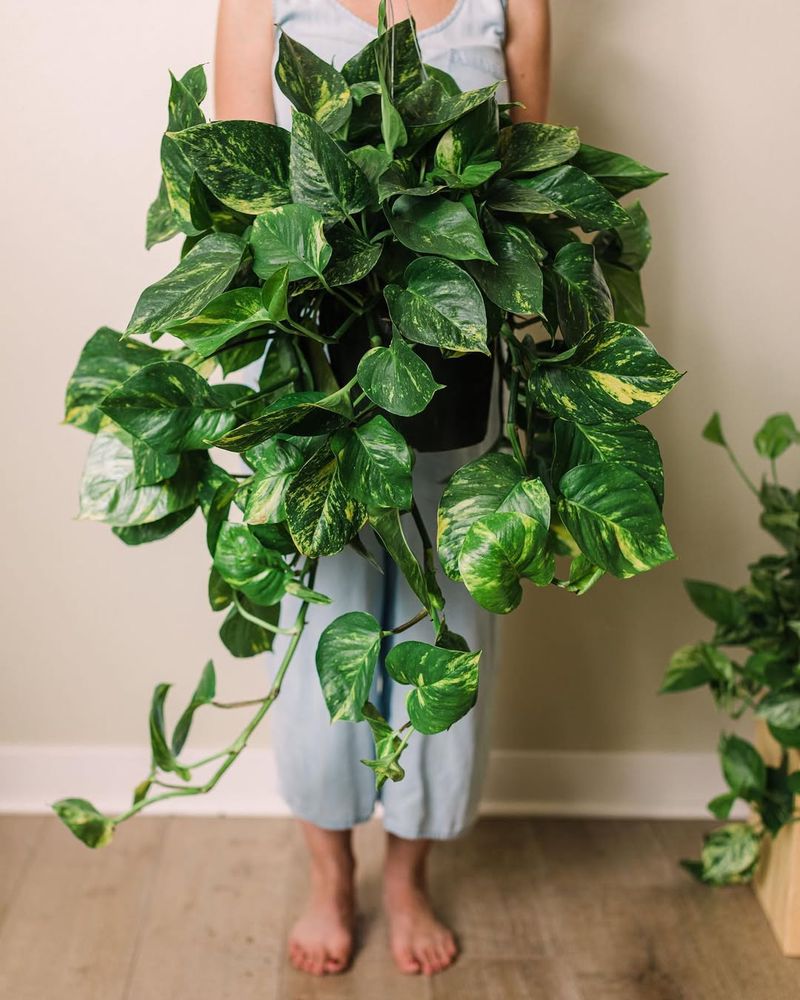
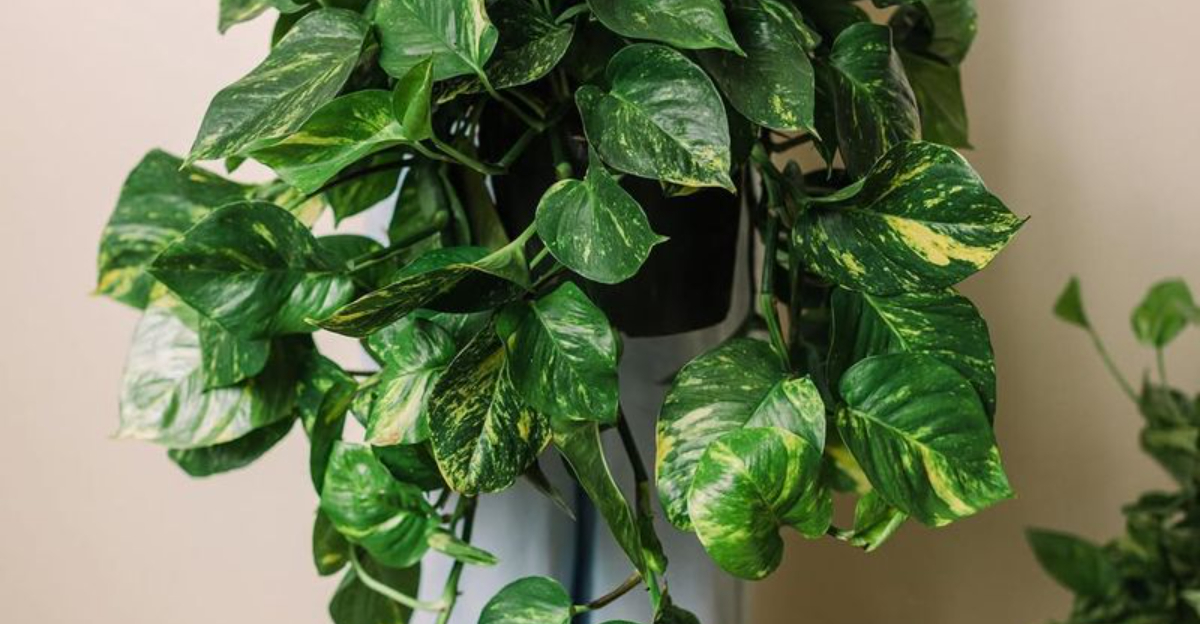
Golden pothos vines can transform a bare corner into a lush indoor jungle without requiring much effort or expertise from you at all.
These trailing beauties adapt to almost any lighting situation, from bright indirect sunlight to dimmer spots where other plants would struggle miserably.
Pothos plants grow quickly and produce long cascading stems that look stunning when displayed in hanging baskets or on tall plant stands.
You can even train the vines to climb up walls or around windows using small hooks, creating living artwork inside your Pennsylvania home.
Watering once every week or two keeps pothos happy, and the plant will actually tell you when it needs a drink by drooping slightly.
Pennsylvania tap water works fine for pothos, so you won’t need to fuss with special filtered or distilled water for this forgiving plant.
Pothos tolerates neglect remarkably well, bouncing back quickly even if you forget to water it for longer than you should have done.
Propagating new plants from stem cuttings is incredibly easy, allowing you to share this cheerful green companion with friends and family members.
3. ZZ Plant
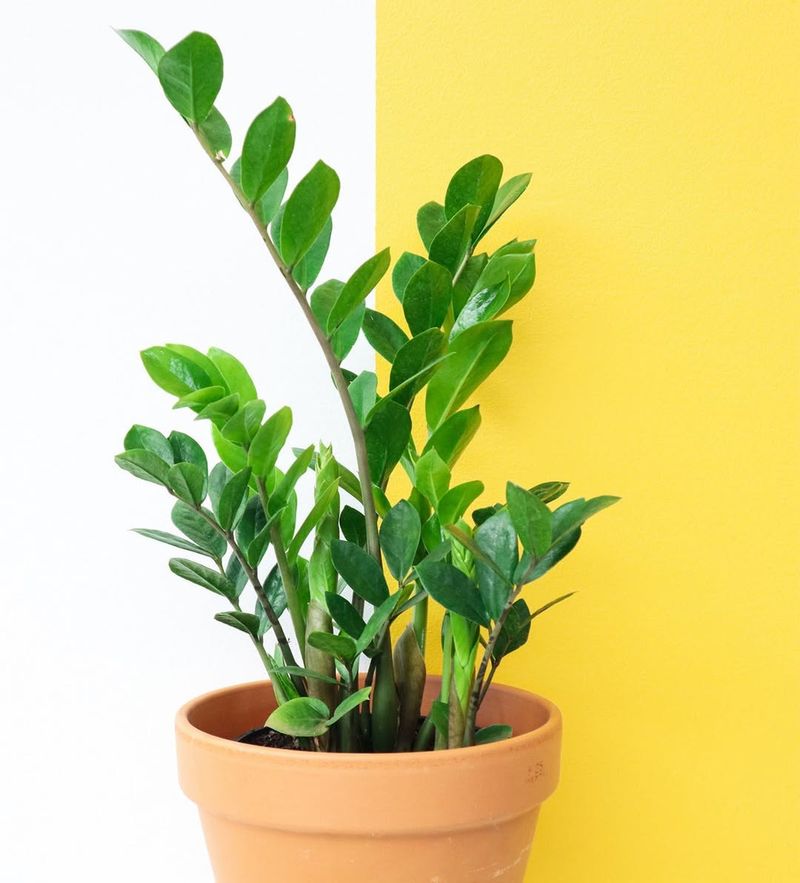
Shiny, waxy leaves catch the light beautifully, making the ZZ plant look like a polished sculpture rather than a living houseplant specimen.
This plant thrives on neglect and actually prefers infrequent watering, which makes it ideal for people who travel or forget about plant care.
ZZ plants store water in their thick underground rhizomes, allowing them to survive extended periods without moisture during Pennsylvania’s dry winter months.
Low light conditions don’t bother this tough plant at all, so you can place it in rooms with limited natural sunlight exposure.
Growth happens slowly but steadily, and new shoots emerge from the soil like green wands, adding fresh life to your indoor space.
Pennsylvania homes often have fluctuating temperatures near windows during winter, but ZZ plants handle these changes without showing signs of stress or damage.
Dust can accumulate on the glossy leaves, so wiping them gently with a damp cloth once a month keeps them looking their absolute best.
This plant rarely suffers from pest problems, which means you won’t need to deal with annoying insects crawling around your winter indoor garden.
4. Spider Plant
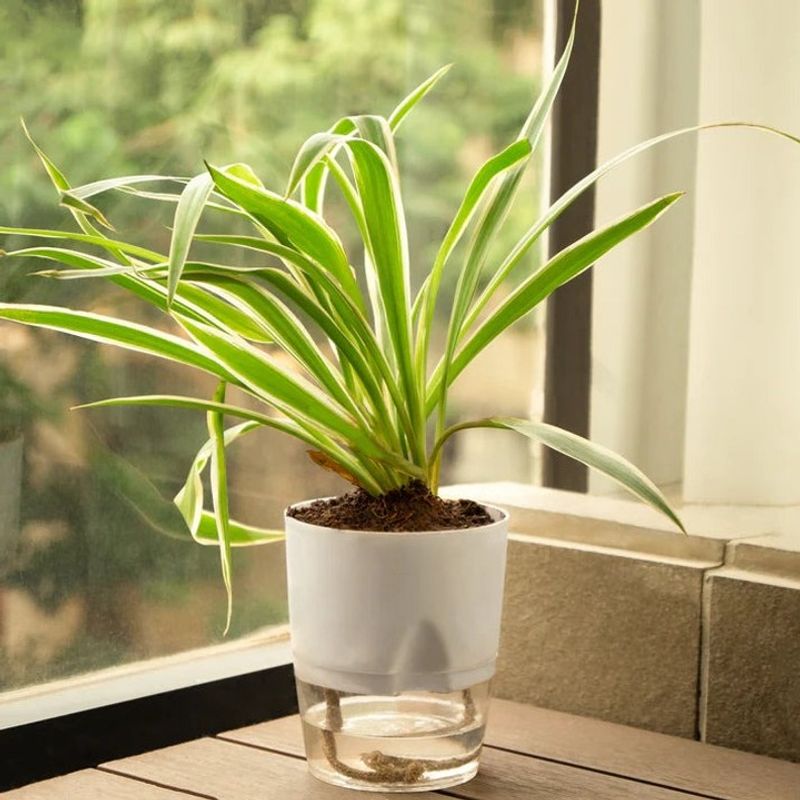
Arching foliage creates a fountain-like display that adds movement and energy to rooms that feel static and boring during long Pennsylvania winters.
Spider plants produce adorable baby plantlets on long stems, which dangle down like tiny green spiders suspended in mid-air above the pot.
These babies can be easily propagated by placing them in water or soil, giving you an endless supply of new plants to enjoy.
Pennsylvania’s hard tap water sometimes causes brown leaf tips, but switching to filtered water or letting tap water sit overnight usually solves this.
Spider plants prefer bright indirect light but tolerate shadier spots, making them versatile additions to almost any room in your winter home.
Watering once or twice weekly during winter keeps the soil lightly moist without creating soggy conditions that could harm the root system.
These plants are completely safe for homes with curious pets who might nibble on dangling leaves, providing peace of mind for animal lovers.
Spider plants have been popular houseplants for generations, and their continued popularity proves just how easy and rewarding they are to grow indoors.
5. Aloe Vera
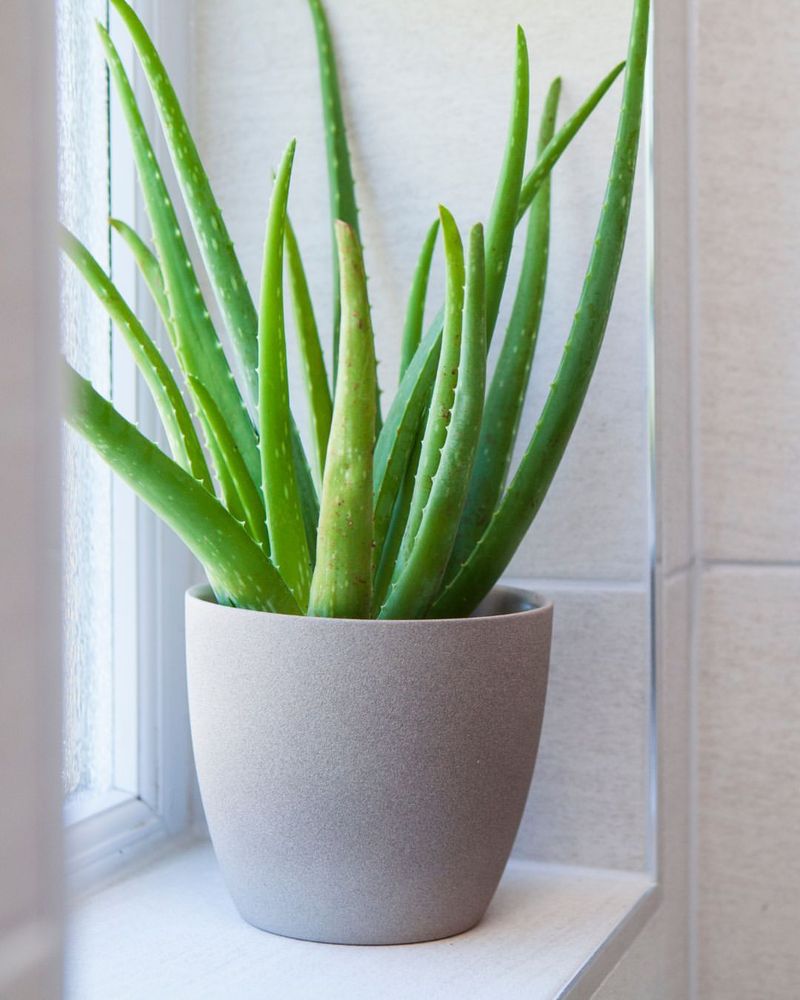
Thick, fleshy leaves store moisture and healing gel, making aloe vera both a beautiful houseplant and a practical first-aid remedy to keep.
Pennsylvania winters often bring dry skin from indoor heating, and aloe gel provides soothing relief for minor burns, cuts, and irritated skin patches.
Aloe plants need very little water during winter months, maybe once every three weeks, since they enter a semi-dormant state in cold weather.
Bright, indirect sunlight near a south-facing window keeps aloe happy without scorching the leaves, which can happen in direct summer sun exposure.
These succulents prefer slightly crowded pots and actually thrive when their roots fill the container, so repotting happens infrequently over the years.
Pennsylvania homes with dry winter air create perfect conditions for aloe, since high humidity can actually cause problems for these desert-adapted plants.
Mature aloe plants produce baby offsets around the base, which you can separate and pot up to create new plants for yourself.
Overwatering causes more problems than underwatering, so always let the soil dry completely before adding more moisture to the pot during winter.
6. Peace Lily
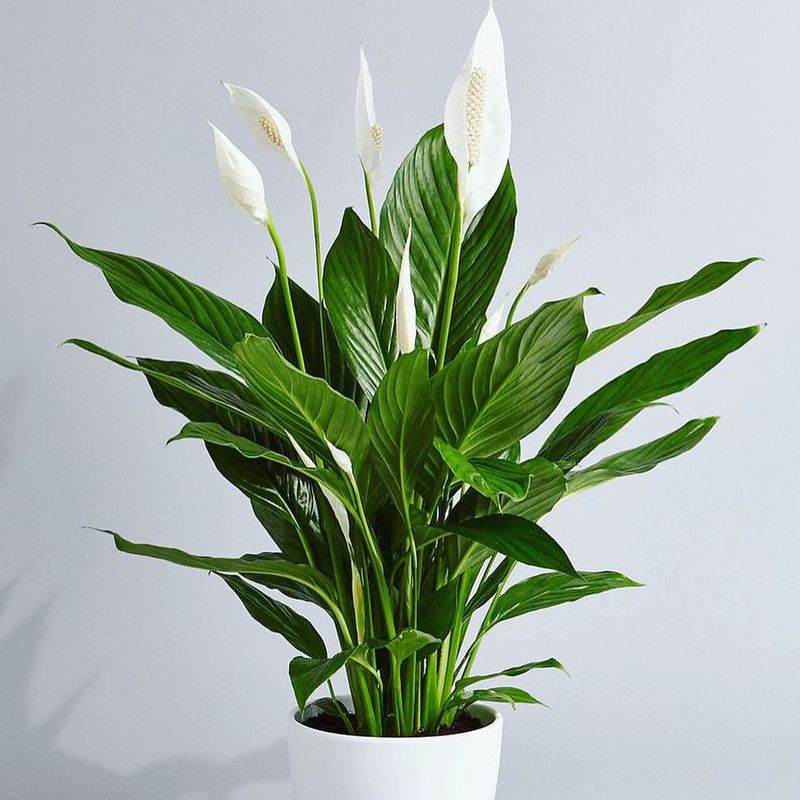
Elegant white blooms emerge like little flags of surrender, bringing unexpected flowers into your Pennsylvania home even during the darkest winter days.
Peace lilies tolerate low light better than most flowering plants, which means you can enjoy blooms even in rooms with limited natural sunlight.
These plants communicate their needs clearly by drooping dramatically when they need water, then perking up within hours after a thorough drink.
Pennsylvania’s humid basements or bathrooms provide ideal conditions for peace lilies, which appreciate moisture in the air around their glossy green leaves.
Peace lilies filter common household toxins from indoor air, including formaldehyde and benzene, creating a healthier breathing environment for your family members.
Blooming happens sporadically throughout the year, and you might see several flowers at once or just one elegant white spathe at a time.
Wipe dust from the large leaves regularly to keep them looking shiny and help the plant photosynthesize efficiently during Pennsylvania’s cloudy winter months.
These plants prefer consistent moisture but not soggy soil, so water when the top inch feels dry to your touch during the growing season.
7. Rubber Plant
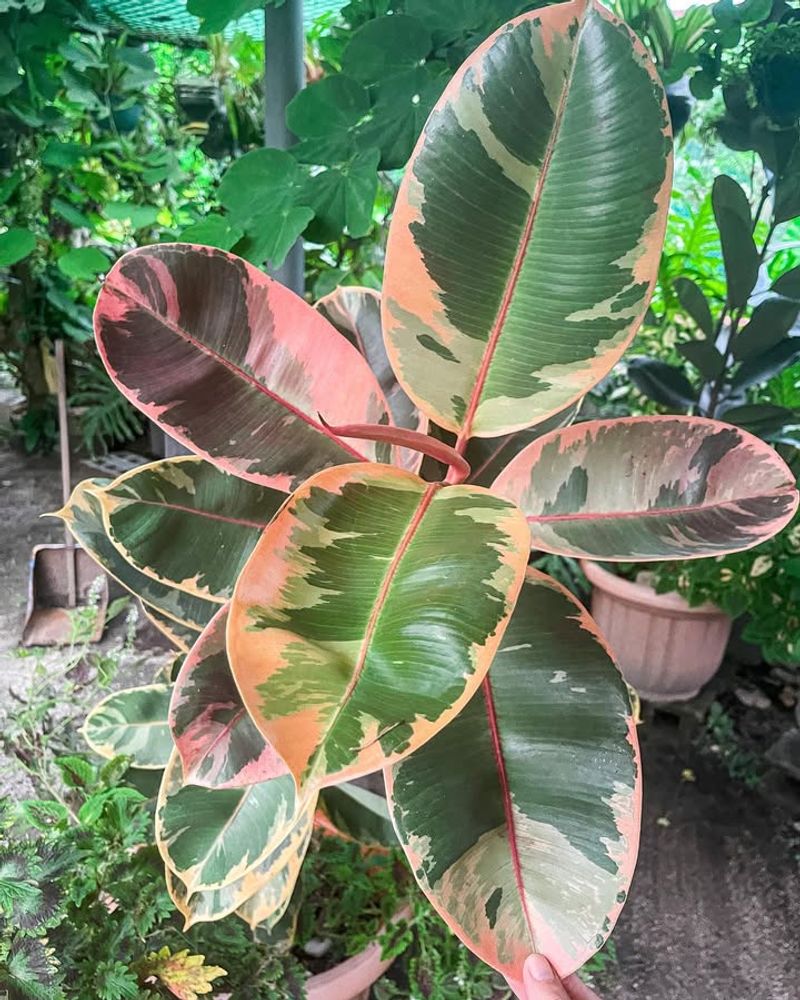
Bold, oversized leaves make a dramatic statement in any room, turning your rubber plant into a living focal point that draws attention immediately.
Burgundy-tinted varieties add rich color to winter spaces that might otherwise feel dominated by whites, grays, and muted tones during Pennsylvania’s cold season.
Rubber plants grow steadily upward, eventually becoming impressive floor plants that can reach several feet tall with proper care and patience over time.
These plants prefer bright, indirect light but adapt to medium light conditions, though growth slows down noticeably in darker spots around your home.
Pennsylvania’s dry winter air doesn’t bother rubber plants too much, though occasional misting or leaf wiping helps keep foliage looking glossy and healthy.
Watering needs decrease during winter months, so check the soil regularly and only water when the top two inches feel completely dry.
Rubber plants dislike being moved frequently, so choose a permanent spot where your plant can settle in and grow without constant relocation stress.
Pruning encourages bushier growth if your rubber plant starts looking too tall and leggy, and you can propagate the cuttings to create more.
8. Philodendron
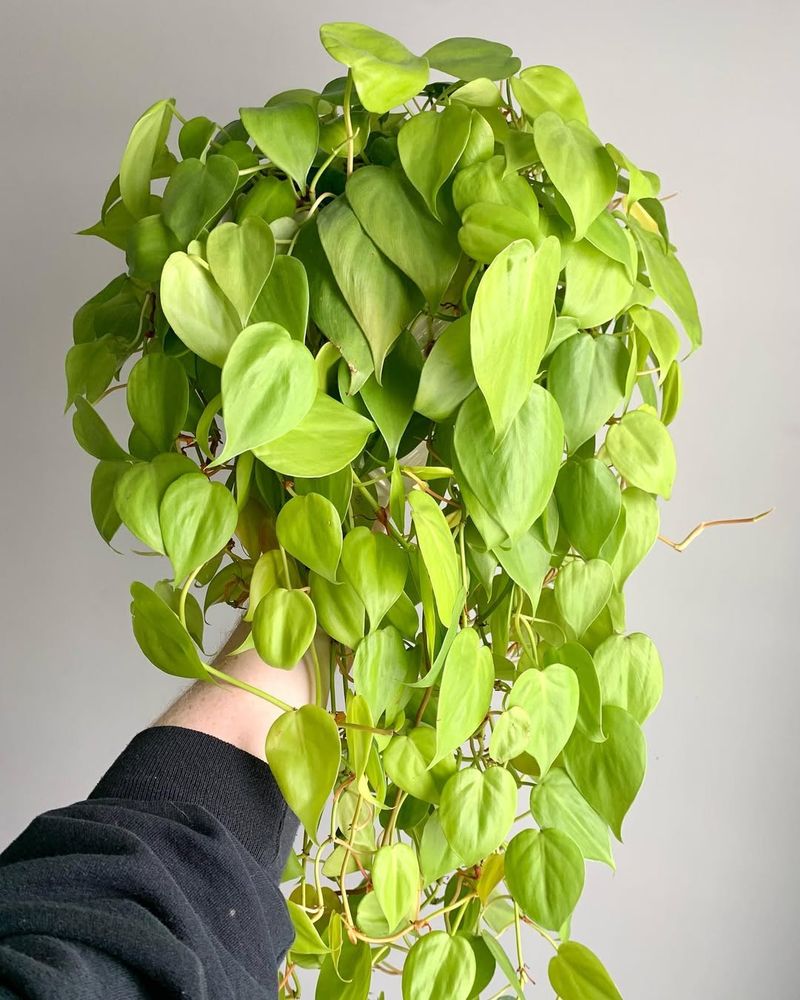
Heart-shaped leaves cascade gracefully from hanging baskets, creating a romantic, jungle-like atmosphere that softens hard edges in modern Pennsylvania homes during winter.
Philodendrons rank among the easiest houseplants to grow, forgiving occasional neglect and bouncing back quickly from minor care mistakes you might make.
These plants thrive in medium to bright indirect light but tolerate lower light levels, making them suitable for various rooms throughout your house.
Vines can grow several feet long over time, and you can trim them back to maintain a bushier shape or let them trail freely.
Pennsylvania winters often mean less frequent watering, and philodendrons appreciate this approach, preferring to dry out slightly between waterings during cold months.
Propagation happens easily by placing stem cuttings in water until roots develop, then transferring them to soil for continued growth and development.
These plants adapt well to average home temperatures, so you won’t need to worry about creating special climate conditions during Pennsylvania’s variable winter.
Philodendrons rarely suffer from serious pest problems, though checking leaves occasionally for signs of trouble helps catch any issues before they spread widely.
9. Dracaena
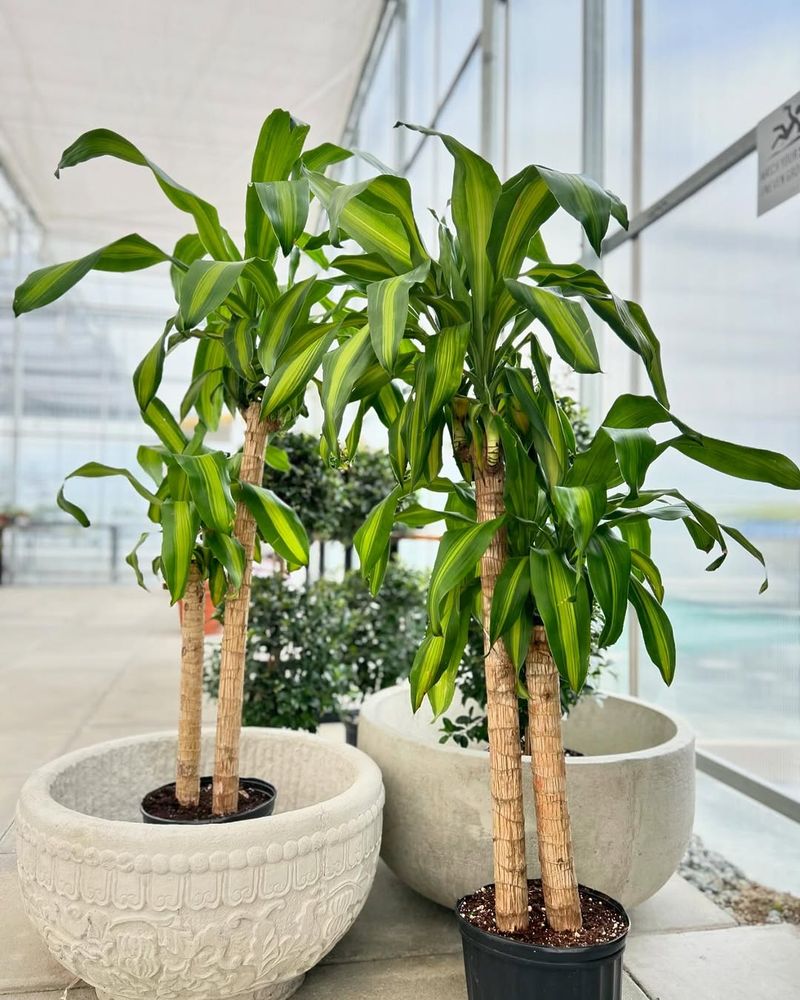
Striped foliage in shades of green, yellow, and cream adds visual interest to plain corners that need a splash of color during winter.
Dracaena varieties range from compact tabletop plants to tall floor specimens, giving you flexibility in choosing the right size for your Pennsylvania space.
These plants tolerate low light conditions surprisingly well, though brighter spots encourage more vibrant leaf coloration and slightly faster growth rates over time.
Pennsylvania’s dry indoor winter air doesn’t usually bother dracaenas, but brown leaf tips can appear if humidity drops extremely low for extended periods.
Watering needs vary by season, and during winter you might only need to water every two weeks or so when growth slows naturally.
Dracaenas dislike fluoride in tap water, which can cause leaf tip browning, so using filtered water or letting tap water sit overnight helps.
Slow, steady growth makes dracaenas low-maintenance additions to your indoor garden, requiring minimal pruning or fussing throughout the entire cold season.
These plants can live for many years with basic care, becoming longtime companions that grow alongside your family in your Pennsylvania home.
10. Chinese Evergreen
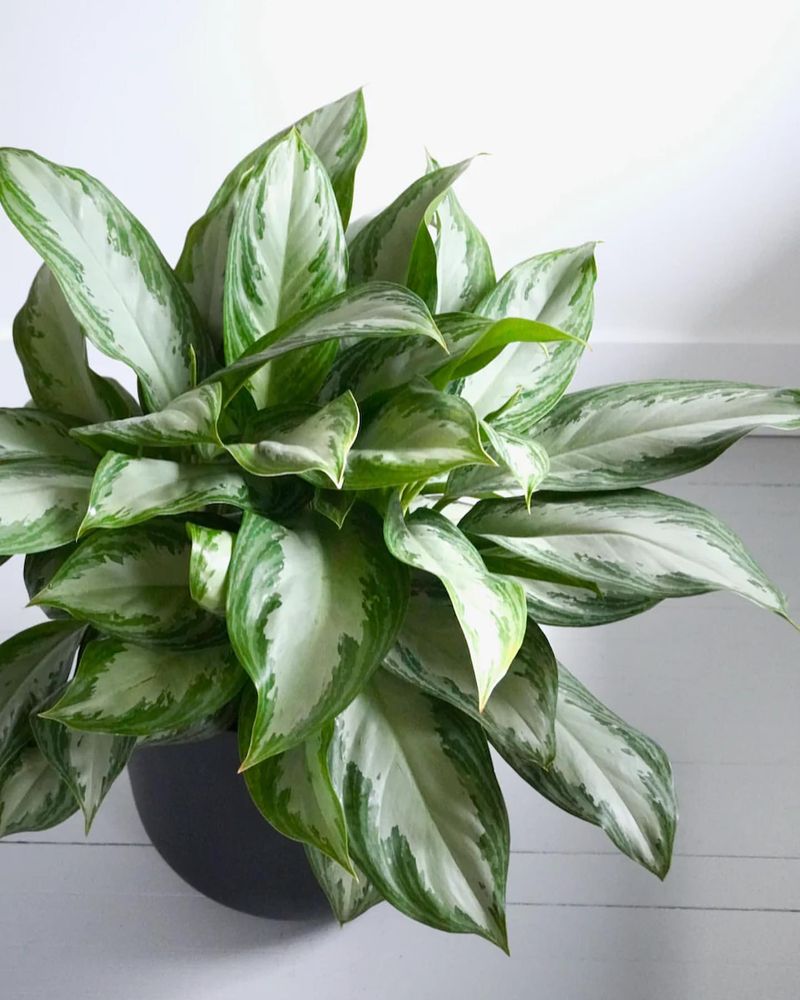
Patterned leaves in silver, green, pink, and red create artwork right in your living room without requiring frames or wall space at all.
Chinese evergreens tolerate low light conditions better than almost any other colorful foliage plant, making them perfect for dimly lit Pennsylvania winter rooms.
These plants grow slowly and stay relatively compact, so they won’t quickly outgrow their space or require constant repotting like faster-growing houseplant varieties.
Pennsylvania’s fluctuating winter temperatures near drafty windows don’t usually harm Chinese evergreens, which handle temperature variations better than many tropical houseplants do.
Watering once a week or less keeps these plants happy during winter, and they’ll actually suffer if you keep the soil too wet.
Chinese evergreens rarely attract pests, and their thick leaves resist damage from dry air that might harm more delicate plants in your collection.
Colorful varieties maintain their vibrant patterns even in lower light, unlike some variegated plants that fade to solid green in dim conditions indoors.
These plants have been popular in homes and offices for decades, proving their reliability and ease of care for people of all skill levels.
11. Cast Iron Plant
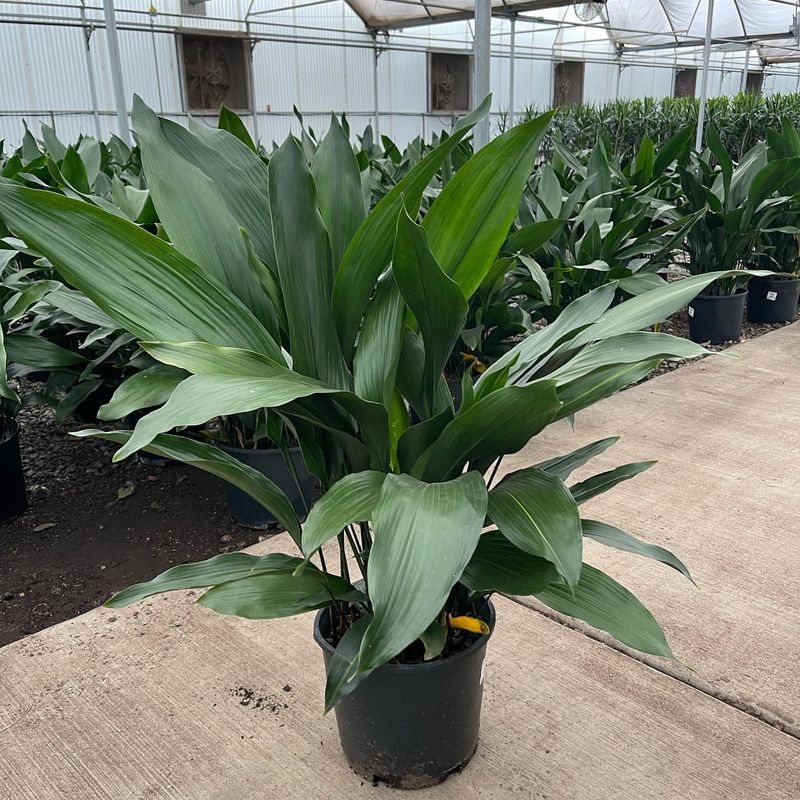
Nearly indestructible resilience makes the cast iron plant perfect for people who claim they have a black thumb and struggle with other houseplants.
This plant earned its name by tolerating neglect, low light, temperature swings, and irregular watering that would stress or harm less hardy plant species.
Dark green leaves arch gracefully from the base, creating a full, lush appearance even in corners where other plants would barely survive winter.
Pennsylvania’s coldest rooms won’t bother cast iron plants, which tolerate temperatures down to fifty degrees without showing signs of damage or stress.
Growth happens very slowly, so you won’t need to repot frequently or worry about the plant quickly outgrowing its designated space in your home.
Cast iron plants prefer being slightly pot-bound, and they can remain in the same container for several years without needing fresh soil.
Watering once every two weeks during winter usually suffices, and the plant tolerates missed waterings better than most other common indoor plant varieties.
These plants rarely suffer from pest problems or diseases, making them truly low-maintenance additions to your Pennsylvania winter indoor garden collection today.
12. Jade Plant
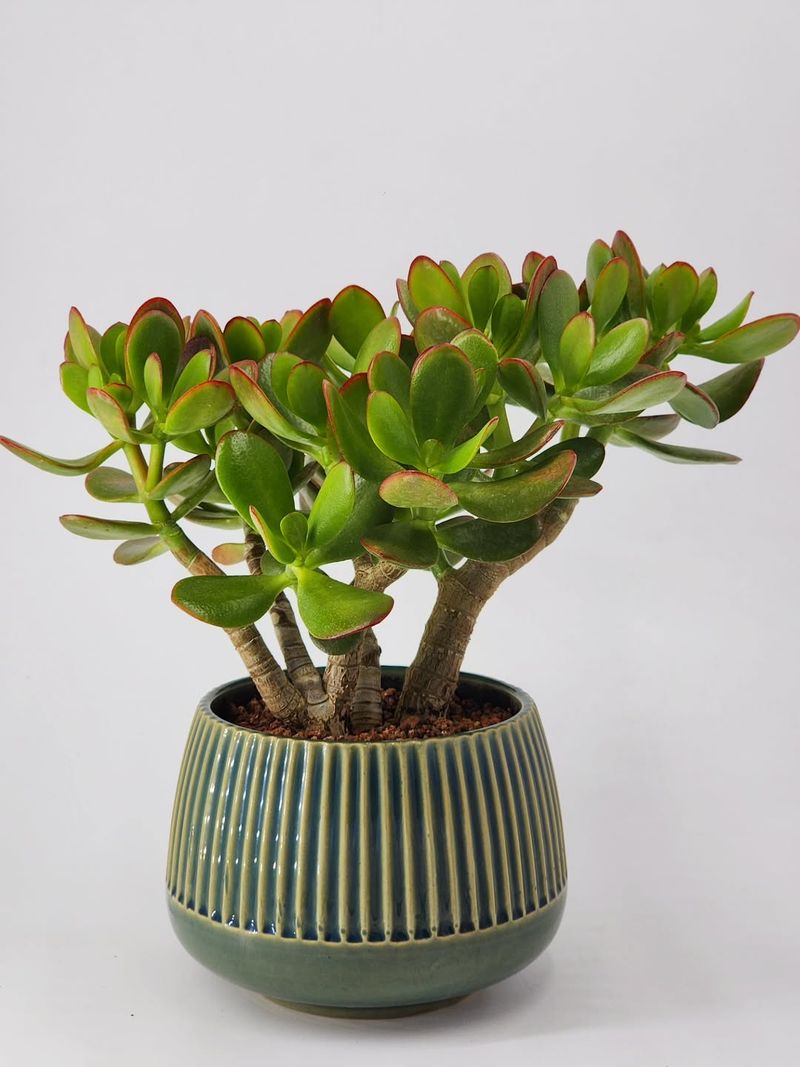
Thick, coin-shaped leaves on woody stems give jade plants a miniature tree appearance that adds charm to sunny windowsills during Pennsylvania winters.
These succulents need very little water during cold months, maybe once every three to four weeks, making them ideal for forgetful plant owners.
Jade plants prefer bright light and can even tolerate some direct sun, unlike many other houseplants that burn in intense sunlight exposure.
Pennsylvania’s dry winter air creates perfect conditions for jade plants, which come from arid regions and actually struggle in high humidity environments indoors.
Mature jade plants can live for decades and eventually develop thick, gnarled trunks that give them character and personality over the passing years.
Some jade varieties produce small white or pink flowers when they mature, though blooming indoors remains relatively rare without perfect growing conditions established.
These plants grow slowly and stay compact, making them suitable for small apartments or homes with limited space available for indoor plant displays.
Jade plants are often considered symbols of good luck and prosperity, making them popular gifts for friends moving into new Pennsylvania homes.
13. Parlor Palm
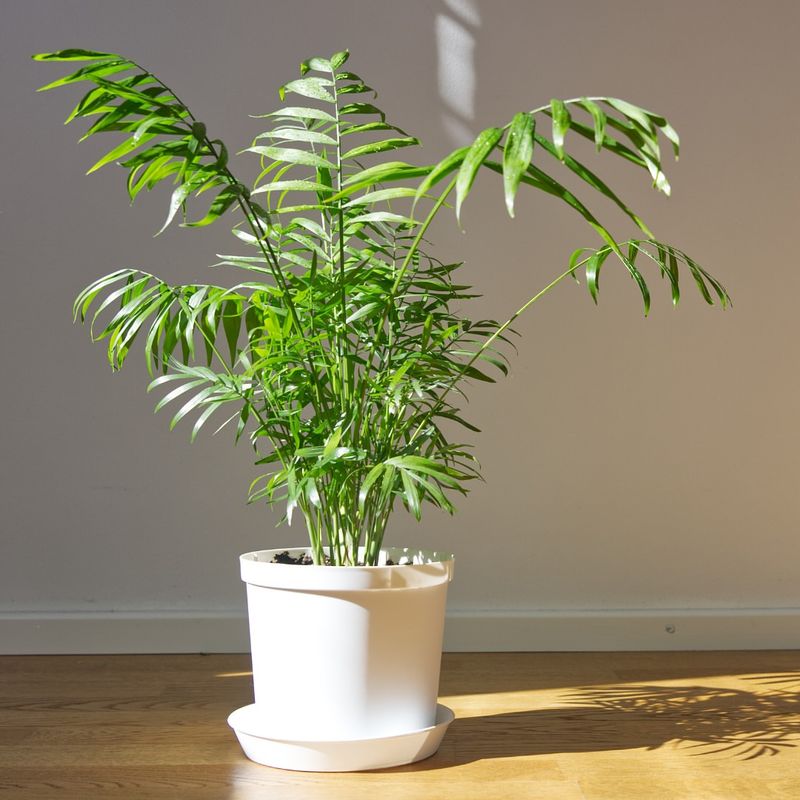
Delicate fronds bring a tropical vacation vibe indoors, helping you forget about the snow and ice accumulating outside your Pennsylvania windows this winter.
Parlor palms tolerate low light conditions better than most palm species, making them suitable for rooms without bright natural sunlight throughout the day.
These palms grow slowly and stay relatively compact, typically reaching three to four feet tall indoors, perfect for tabletops or floor plant stands.
Pennsylvania’s average home temperatures suit parlor palms perfectly, and they don’t require special heating or cooling to thrive during winter months at all.
Watering needs remain moderate, and the soil should stay slightly moist but never soggy, which can lead to root problems over time if ignored.
Parlor palms appreciate higher humidity, so placing them in bathrooms or near humidifiers helps prevent brown leaf tips during dry Pennsylvania winters ahead.
These palms rarely suffer from serious pest problems, though spider mites can occasionally appear if the air becomes extremely dry for extended periods.
Parlor palms have been popular houseplants since Victorian times, proving their long-standing appeal and reliability for indoor growing conditions throughout history and today.
14. Heartleaf Philodendron
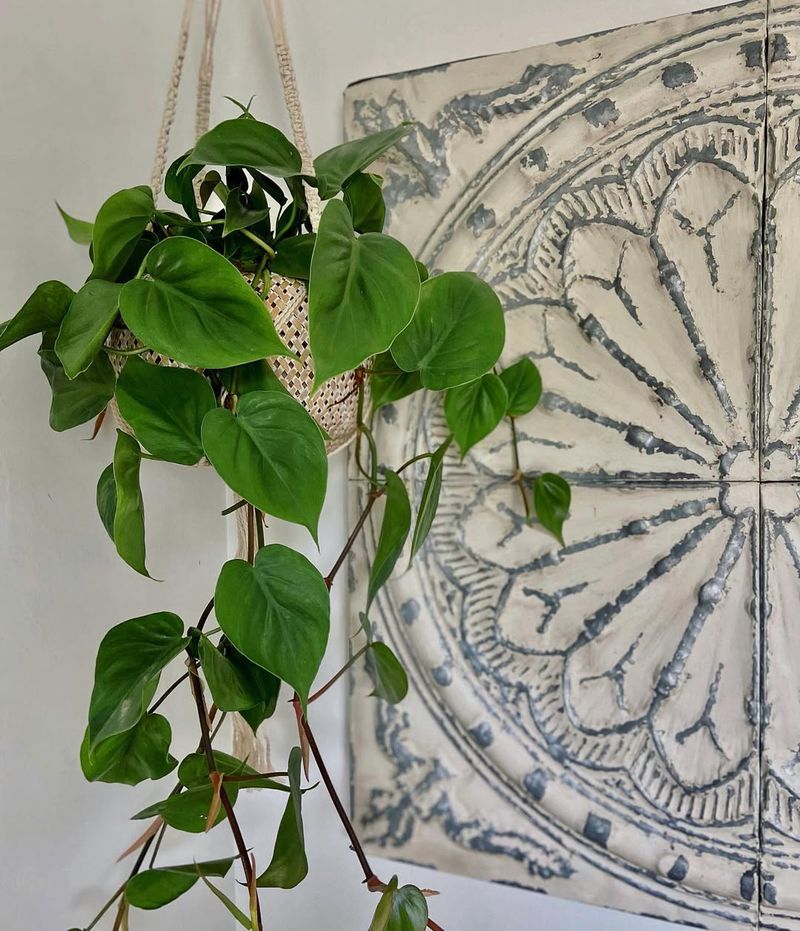
Tiny heart-shaped leaves on thin, wiry vines create a delicate appearance that softens harsh architectural lines in modern Pennsylvania homes during cold months.
This philodendron variety grows quickly and produces long trailing stems that look beautiful cascading from shelves, mantels, or hanging basket displays indoors.
Low light conditions don’t slow down heartleaf philodendrons much, though brighter spots encourage fuller growth and more vibrant green leaf coloration over time.
Pennsylvania winters mean less frequent watering, and this plant prefers to dry out slightly between waterings rather than staying constantly moist throughout the season.
Propagation happens incredibly easily by snipping stems and placing them in water, where roots develop within weeks before transplanting to soil containers.
These plants tolerate neglect remarkably well and bounce back quickly from missed waterings or less-than-ideal care during busy winter holiday periods ahead.
Heartleaf philodendrons rarely attract pests, and their thin leaves don’t accumulate much dust, reducing maintenance needs compared to larger-leaved houseplant varieties available.
This classic houseplant has remained popular for generations because it truly delivers on the promise of easy care and reliable growth year-round indoors.
15. Lucky Bamboo
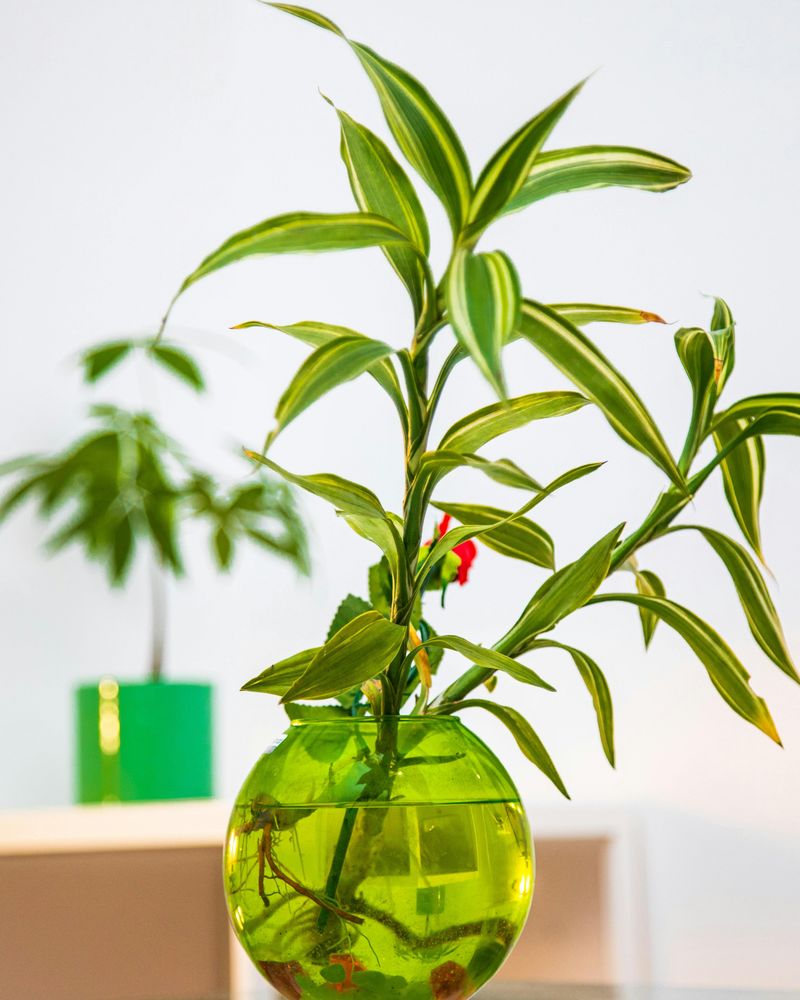
Graceful stalks growing in water require no soil at all, making lucky bamboo one of the simplest plants to maintain during Pennsylvania’s cold months.
These plants symbolize good fortune in many cultures, and their sculptural appearance adds an elegant, zen-like quality to any room in your home.
Lucky bamboo tolerates low light conditions well, though indirect bright light encourages healthier growth and prevents yellowing of the slender green leaves.
Pennsylvania tap water often contains chlorine and fluoride that can harm lucky bamboo, so using filtered or distilled water produces the best results.
Changing the water every two weeks keeps it fresh and prevents algae growth, which can cloud the container and compete with roots.
Lucky bamboo stalks can be shaped and trained into spirals, braids, or other decorative forms, creating living sculptures for your winter indoor displays.
These plants grow slowly and remain compact, making them perfect for small spaces like desks, bathroom counters, or narrow windowsills throughout your home.
Lucky bamboo isn’t actually bamboo at all but rather a type of dracaena, though its segmented stalks closely resemble true bamboo plants.