9 Fir Trees That Blend Beautifully Into Washington Home Yards
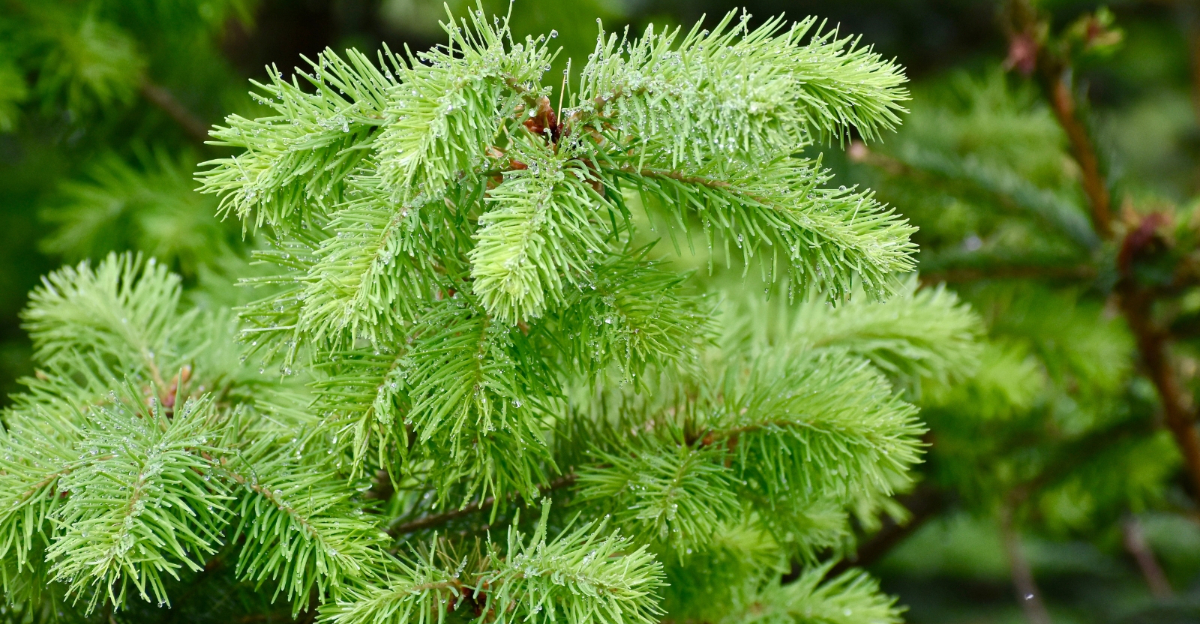
Fir trees fit naturally into Washington home yards because they echo the forests, mountains, and evergreen backdrops that define the state’s landscape.
Rather than feeling planted or forced, they tend to look like they belong from the moment they’re established.
Washington’s climate supports firs exceptionally well, allowing them to grow full, balanced, and resilient without constant intervention.
Their structure provides year-round greenery that anchors a yard visually even when everything else fades back.
Firs also soften property lines and create privacy without overwhelming smaller spaces. Their growth habit blends instead of dominating when the right varieties are chosen.
Needle texture, branching patterns, and steady color help fir trees feel calm and cohesive rather than dramatic.
They work just as well in suburban yards as they do in more natural, wooded settings.
When chosen thoughtfully, fir trees enhance Washington landscapes in a way that feels timeless, understated, and effortlessly integrated.
1. Douglas Fir
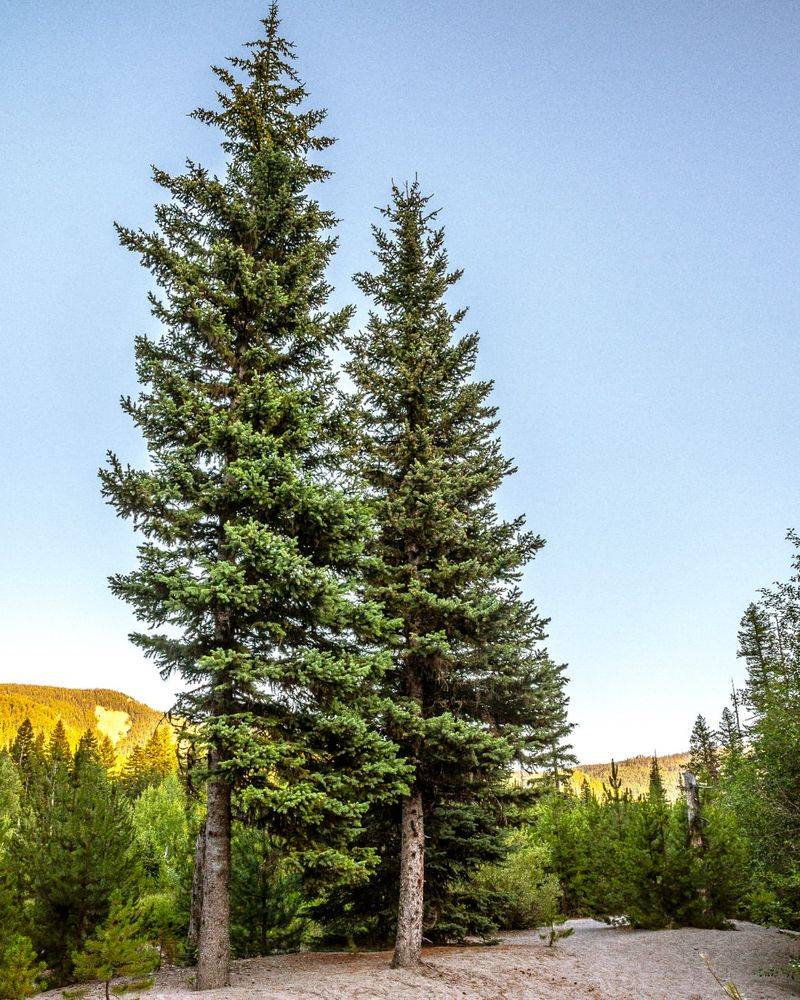
Native forests across Washington showcase this iconic evergreen as one of the most recognizable trees in the region.
Homeowners appreciate how quickly young specimens establish themselves in residential settings, often growing several feet each year once their root systems take hold.
Soft, fragrant needles emerge bright green in spring and mature to blue-green shades that complement any landscape design.
The pyramid shape creates a classic silhouette that works equally well as a standalone focal point or grouped with other evergreens for privacy hedges.
Mature bark develops deep furrows and ridges that add textural interest to winter gardens when other plants have gone dormant.
Small cones dangle from branches with distinctive three-pointed bracts that look like mouse tails peeking out between the scales.
Local wildlife find excellent shelter in the dense branching structure throughout all four seasons. Birds nest in the upper canopy while deer browse lower branches during harsh winter conditions common throughout Washington.
Root systems adapt well to various soil types found in residential yards, from sandy loam to clay-heavy ground.
Established trees tolerate summer drought better than many other evergreens once they’ve had several years to develop deep taproots.
Homeowners in both eastern and western Washington report excellent success rates with this adaptable species.
Urban settings present few challenges as long as adequate space allows for the eventual mature spread of lower branches.
Spring growth flushes create stunning color contrasts against older needle growth. Young trees benefit from occasional deep watering during their first three summers to encourage strong development.
Fall planting often yields better establishment results than spring installations in many Washington microclimates.
The cooler temperatures and increased rainfall help new transplants adjust without heat stress.
2. Grand Fir
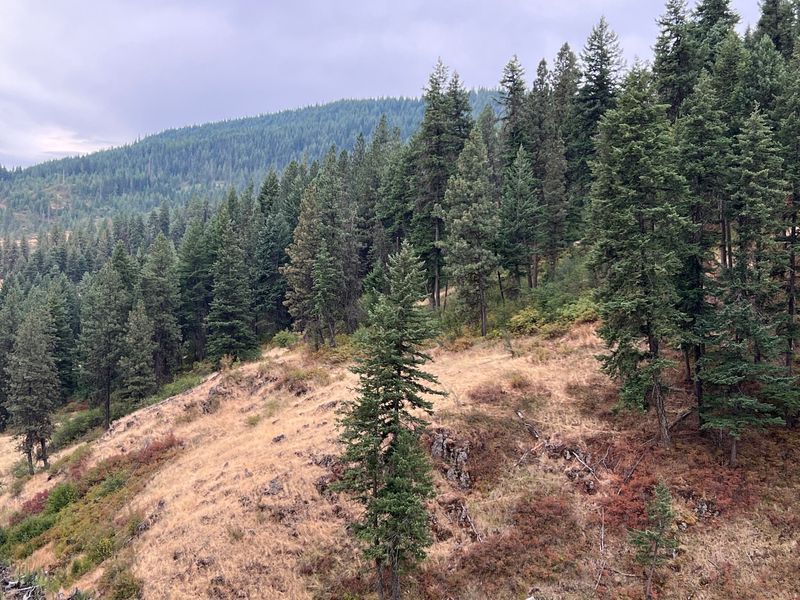
Rich green foliage arranged in flat sprays gives this tree an elegant appearance that stands out among other conifers.
The needles release a citrusy scent when brushed against, creating a pleasant sensory experience for anyone walking past.
Fast growth rates make this an excellent choice for Washington homeowners wanting quick privacy screens or windbreaks.
Young trees can add two to three feet of height annually under favorable conditions with adequate moisture and nutrition.
Lower branches sweep gracefully toward the ground, creating natural skirts that provide excellent wildlife cover. The dense branching pattern blocks wind effectively while still allowing air circulation that prevents fungal issues common in overly crowded plantings.
Smooth gray bark on younger specimens gradually becomes furrowed with age, developing character over decades of growth.
Cylindrical cones stand upright on upper branches rather than hanging downward like many other fir species.
Shade tolerance exceeds most other conifers, allowing successful planting under partial canopy conditions. This characteristic makes grand fir particularly useful in established Washington landscapes where mature trees already cast significant shadows.
Moist soil conditions found naturally throughout western Washington create ideal growing environments.
Eastern parts of the state require supplemental irrigation during summer months to maintain healthy growth and prevent needle browning.
Homeowners appreciate how the symmetrical form requires minimal pruning to maintain attractive shapes. Natural growth habits produce balanced branching without the intervention needed for many ornamental evergreens.
Spring pollen production provides important food sources for early-season pollinators emerging from winter dormancy.
The ecological value extends beyond mere aesthetics when native species like this integrate into residential landscapes.
3. Noble Fir
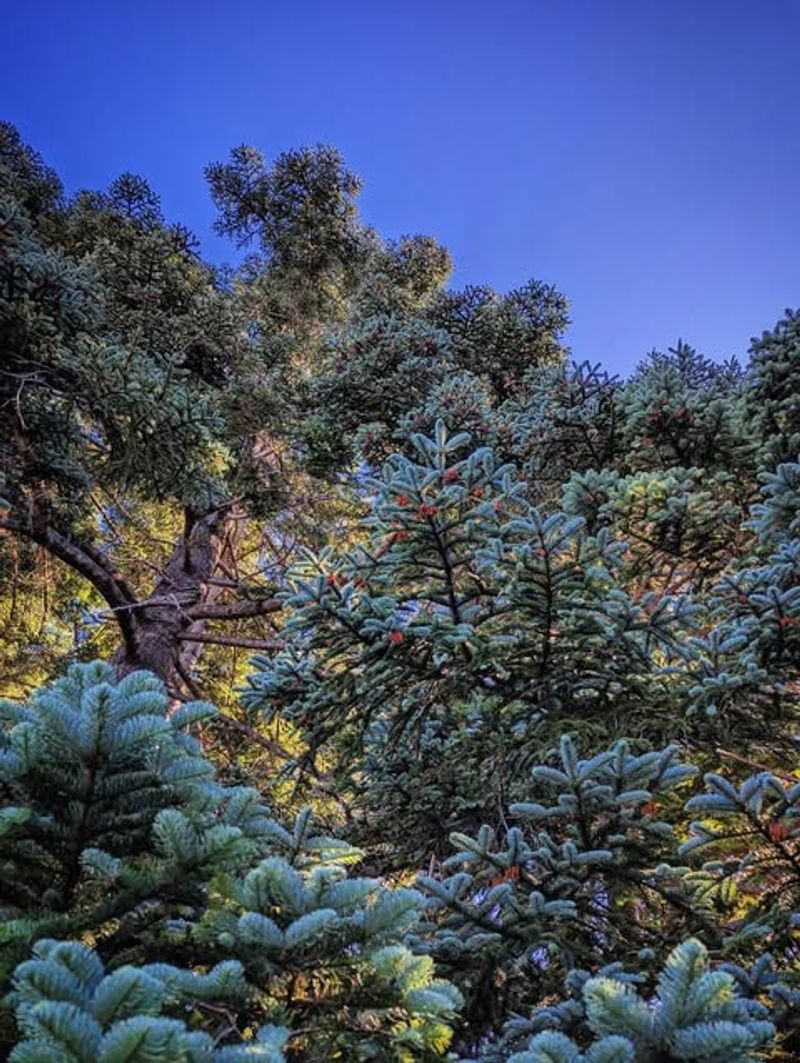
Blue-tinted needles curve upward along branches, creating a distinctive appearance that sets this species apart from other evergreens. The unusual needle arrangement allows more light to reach interior branches, resulting in fuller growth patterns from top to bottom.
Strong branch structure supports heavy snow loads common in higher elevation areas of Washington without breaking or bending permanently.
This durability makes noble fir particularly valuable for mountain property owners dealing with harsh winter conditions.
Slow to moderate growth rates produce compact, dense specimens that fit well into smaller residential lots.
Patience pays off as these trees develop into stunning focal points that maintain attractive proportions for decades.
Upright cones cluster near the top of mature trees, standing like purple candles against the silvery-blue foliage.
These distinctive seed structures provide visual interest during late summer and fall months before they disintegrate to release seeds.
Natural resistance to common needle diseases gives noble fir an advantage in Washington’s humid climate.
Homeowners spend less time and money treating fungal issues that plague other evergreen species in similar conditions.
Higher elevation native habitats translate to excellent cold hardiness in residential landscapes throughout the state.
Freezing temperatures and frost events cause no damage to established specimens adapted to mountain environments.
Landscape architects favor this species for formal garden designs where refined appearance matters. The aristocratic bearing and elegant form complement architectural styles from traditional to contemporary.
Deer browse noble fir less frequently than other conifers, making it a smart choice for rural Washington properties.
The stiff, sharp needles apparently taste less appealing than softer foliage found on competing species.
4. Pacific Silver Fir
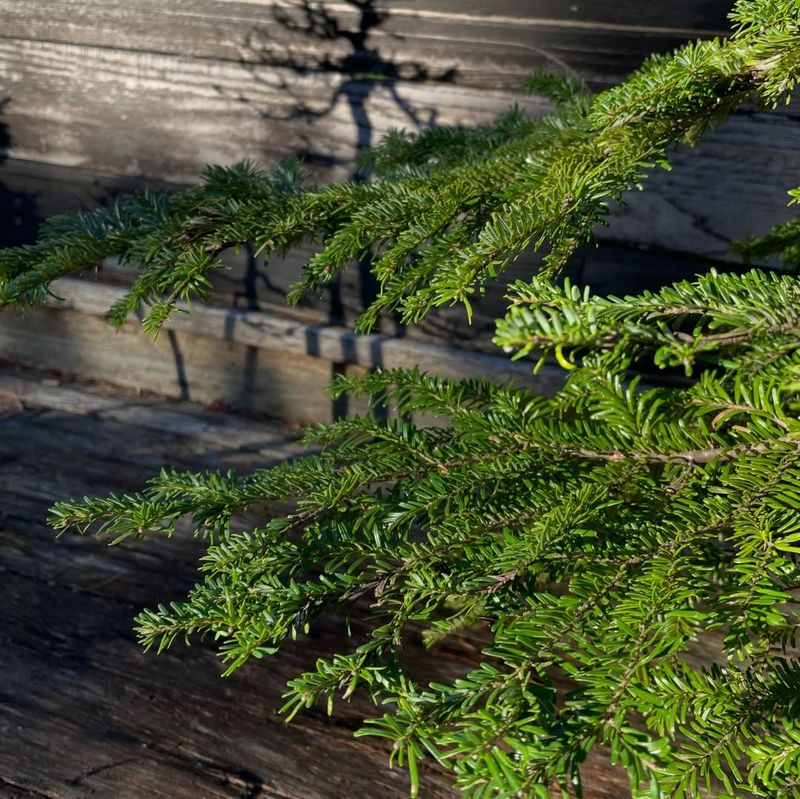
Silvery undersides flash when breezes rustle through the branches, creating a shimmering effect unique among Washington conifers.
This characteristic alone makes the species worth considering for homeowners wanting dynamic visual interest that changes with weather conditions.
Cool, moist environments found naturally in western Washington provide perfect growing conditions.
The species struggles in hot, dry locations but thrives where fog and drizzle occur regularly throughout the growing season.
Narrow crown shape allows planting in tighter spaces than broader evergreens require.
Multiple specimens grouped together create effective privacy screens without consuming excessive yard space or blocking too much sunlight from neighboring properties.
Deep green upper needle surfaces contrast beautifully with the silver undersides when wind reveals both colors.
This two-toned effect adds depth and movement to static landscape compositions dominated by single-color plantings.
High elevation native range indicates excellent snow and ice tolerance for Washington mountain communities.
Flexible branches bend under weight without snapping, then spring back to original positions when loads melt away.
Shade tolerance allows successful understory planting beneath taller trees in established landscapes.
Young specimens grow slowly in reduced light but remain healthy and attractive while waiting for canopy gaps to open overhead.
Smooth gray bark remains attractive throughout the tree’s lifespan, never developing the rough, deeply furrowed texture of some other species.
This refined appearance appeals to homeowners preferring elegant, understated landscape elements.
Purple-brown cones stand upright on upper branches during late summer months. These cylindrical structures disintegrate while still on the tree, releasing seeds gradually rather than falling intact to the ground.
5. Subalpine Fir
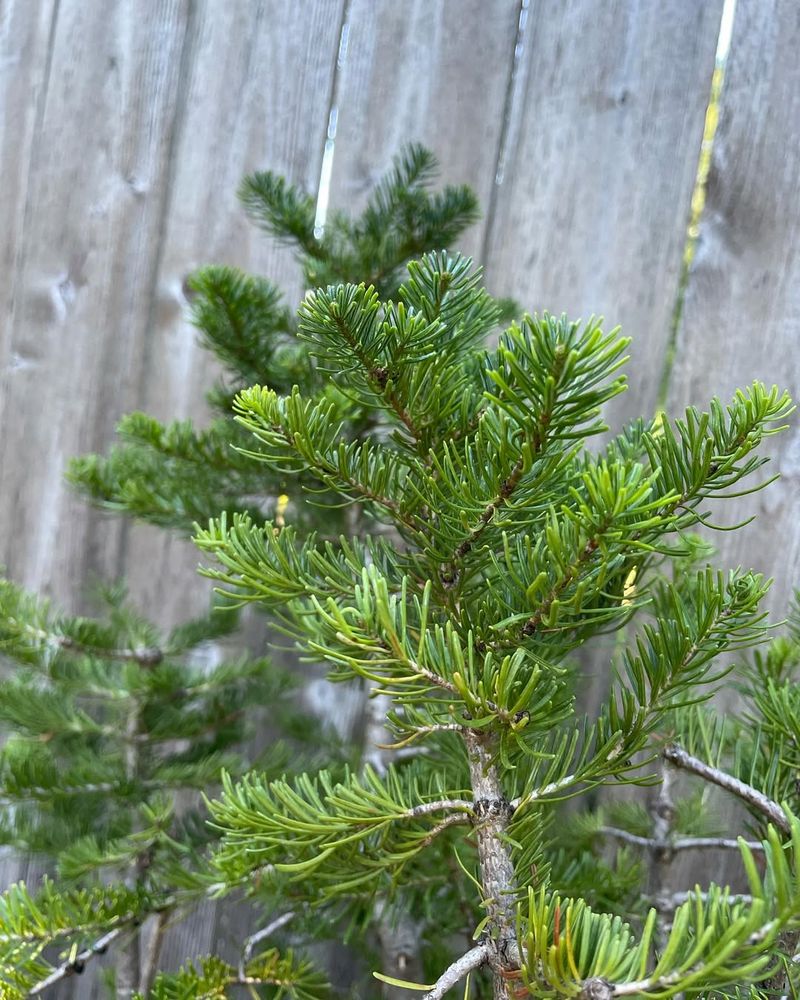
Narrow spire shapes taper dramatically from bottom to top, creating striking vertical accents in Washington landscapes.
This growth habit evolved to shed heavy snow in mountain environments but translates beautifully to ornamental use in residential settings.
Smallest mature size among common fir species makes subalpine fir perfect for compact yards with limited space.
Even after decades of growth, specimens rarely overwhelm their surroundings or require removal due to excessive size.
Extreme cold tolerance exceeds all other firs discussed here, surviving temperatures well below zero without damage.
Washington homeowners in coldest regions can plant with confidence knowing winter weather poses no threat to established trees.
Short needles crowd densely along branches, creating a soft, almost furry texture unlike the stiffer appearance of larger-needled species. This tactile quality invites closer inspection and makes the tree particularly appealing in high-traffic areas near patios or walkways.
Slow growth rates mean less frequent maintenance and pruning to control size.
Homeowners appreciate how these trees stay manageable without constant attention, fitting naturally into low-maintenance landscape designs popular throughout the state.
Purple cones appear even on relatively young specimens, adding ornamental interest years before other fir species begin producing seed structures.
The early cone production provides food for wildlife sooner than faster-growing alternatives.
Alpine native habitats indicate excellent drainage requirements that must be met in residential plantings.
Poorly drained soils cause root problems, so Washington homeowners should amend heavy clay or choose elevated planting sites.
Irregular branching patterns on some specimens create character and individuality lacking in overly symmetrical cultivated varieties. These natural imperfections often enhance rather than detract from overall landscape appeal.
6. White Fir
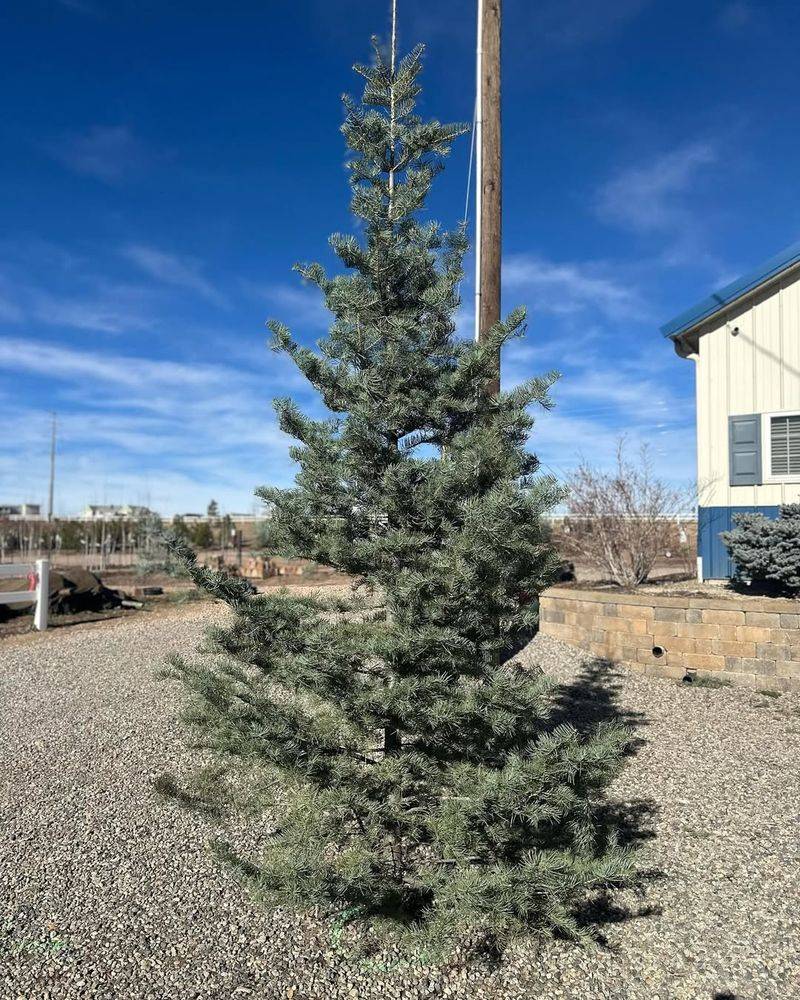
Powder-blue foliage creates stunning color impact that few other evergreens can match in Washington landscapes.
The striking needle color remains consistent year-round, providing reliable visual interest even during dreary winter months when color becomes precious.
Heat and drought tolerance exceed most other fir species, making white fir particularly valuable in eastern Washington where summers turn hot and dry.
Established specimens survive extended periods without supplemental irrigation once deep root systems develop fully.
Longer needles curve gracefully along branches, creating a softer texture than stiff, straight-needled species.
This flowing appearance works well in informal landscape designs where relaxed, natural aesthetics take priority over rigid formality.
Pyramidal form maintains symmetry without pruning, developing balanced proportions naturally as trees mature.
Washington homeowners save time and effort when trees shape themselves rather than requiring regular intervention to look their best.
Citrus scent released when needles are crushed adds another sensory dimension to the landscape experience. Brushing against branches while walking past releases pleasant fragrance that enhances outdoor living spaces.
Adaptability to various soil types including alkaline conditions gives white fir advantages in challenging sites.
Many Washington soils tend acidic, but areas with concrete foundations or limestone features benefit from this species’ pH tolerance.
Moderate growth rate produces substantial trees within reasonable timeframes without the excessive vigor that causes spacing problems. Homeowners achieve impressive results within ten to fifteen years while maintaining appropriate scale for residential properties.
Minimal pest and disease issues reduce maintenance requirements compared to more vulnerable species.
Washington’s climate presents fewer challenges for white fir than for many alternatives requiring constant monitoring and treatment.
7. Nordmann Fir
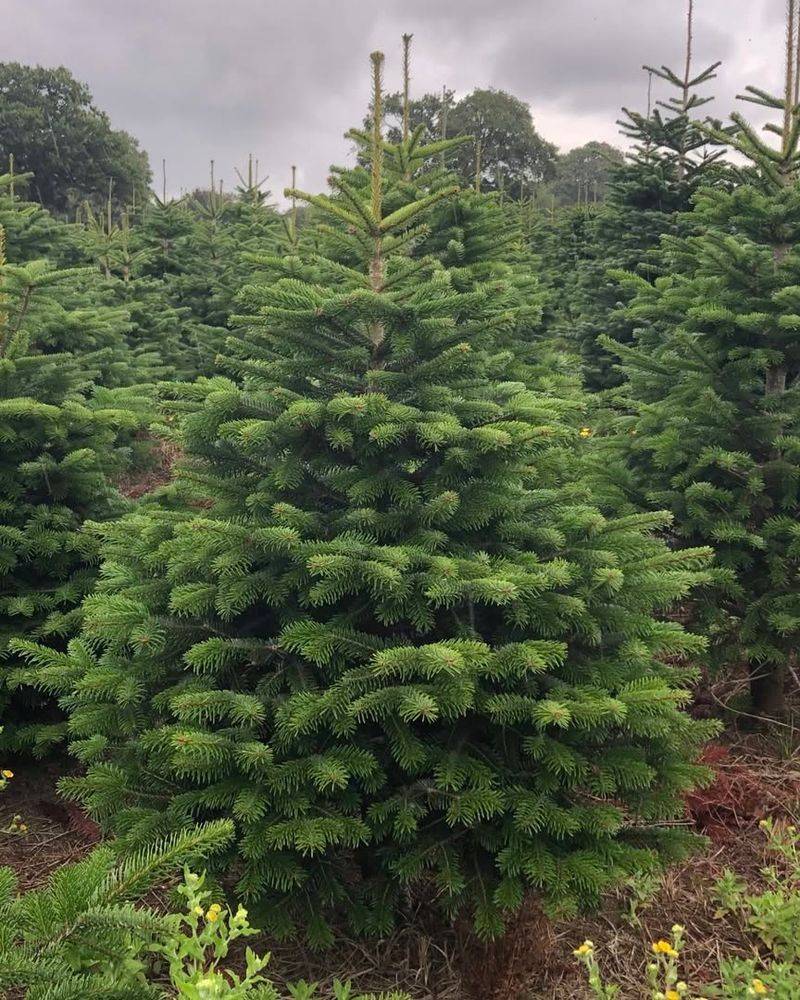
Glossy, dark green needles maintain their luster throughout all seasons, never developing the dull appearance some evergreens acquire during winter. This perpetual shine makes Nordmann fir particularly photogenic and visually appealing in Washington landscapes where gray skies can make colors appear muted.
Soft needle texture feels pleasant to touch, lacking the sharp points that make some conifers uncomfortable to work around.
Families with children appreciate this gentle characteristic when trees grow near play areas or along frequently traveled pathways.
Dense branching creates excellent privacy screens that block views effectively year-round. Washington homeowners seeking seclusion find this species delivers reliable coverage without gaps or thin spots that compromise screening function.
Moderate growth rate balances the desire for quick results with long-term manageability.
Trees establish themselves relatively quickly but don’t outgrow their intended spaces within just a few years like some faster-growing alternatives.
European origins might suggest poor adaptation to Washington conditions, but this species performs remarkably well throughout the state.
Similar climate patterns between native range and Pacific Northwest create favorable growing environments with minimal adjustment required.
Symmetrical form develops naturally without training or pruning to maintain attractive shapes. The self-shaping characteristic saves homeowners time and money while ensuring professional-looking results that enhance property values.
Drought tolerance once established exceeds expectations for a fir species, making Nordmann suitable for drier Washington locations.
Supplemental watering during the first few years helps trees develop the deep roots necessary for later self-sufficiency.
Minimal needle drop keeps surrounding areas cleaner than species that shed heavily throughout the year. This tidy habit appeals to homeowners who prefer low-maintenance landscape plants that don’t create constant cleanup chores.
8. Concolor Fir
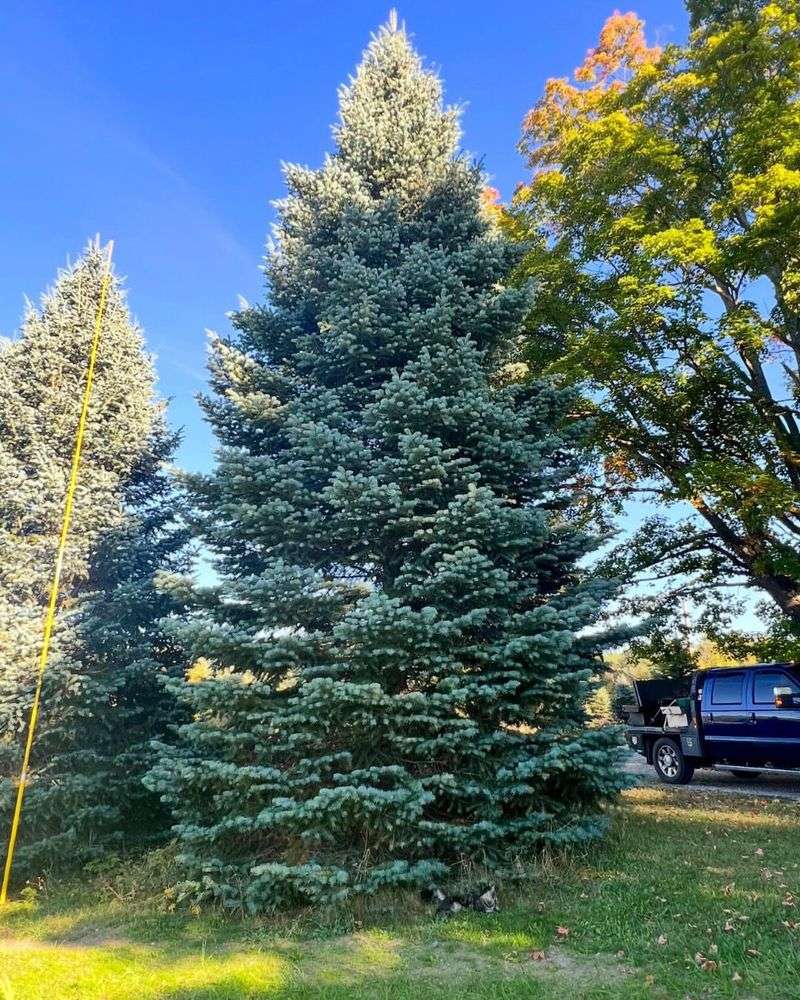
Silver-blue needles rival Colorado blue spruce for eye-catching color without the stiff, formal appearance.
This softer presentation works beautifully in Washington landscapes where natural, relaxed aesthetics often take priority over rigid, architectural plantings.
Excellent heat and drought tolerance after establishment makes concolor fir particularly valuable in eastern Washington counties.
Summer temperatures that stress other fir species barely affect this adaptable tree once roots penetrate deeply into surrounding soil.
Long needles curve gently upward, creating a feathery texture that moves gracefully in breezes.
The flowing appearance contrasts nicely with stiffer evergreens, adding visual variety to mixed plantings common throughout the state.
Strong citrus fragrance released when needles are bruised provides delightful sensory experiences in outdoor spaces. Washington homeowners frequently comment on this pleasant characteristic that distinguishes concolor fir from less aromatic alternatives.
Pyramidal form remains symmetrical throughout the tree’s life with minimal intervention required.
Natural growth habits produce balanced specimens that look professionally maintained even when left largely untouched by pruning shears.
Adaptability to various soil conditions including clay, loam, and sandy types gives concolor fir advantages across diverse Washington landscapes.
Few sites prove unsuitable as long as drainage prevents standing water around root zones.
Moderate to fast growth rate delivers substantial size within reasonable timeframes. Homeowners achieve mature-looking landscapes within ten to fifteen years rather than waiting decades for trees to fill their intended spaces.
Low maintenance requirements appeal to busy Washington residents who want beautiful landscapes without constant care. Established concolor fir needs little beyond occasional deep watering during extended dry periods.
9. Korean Fir
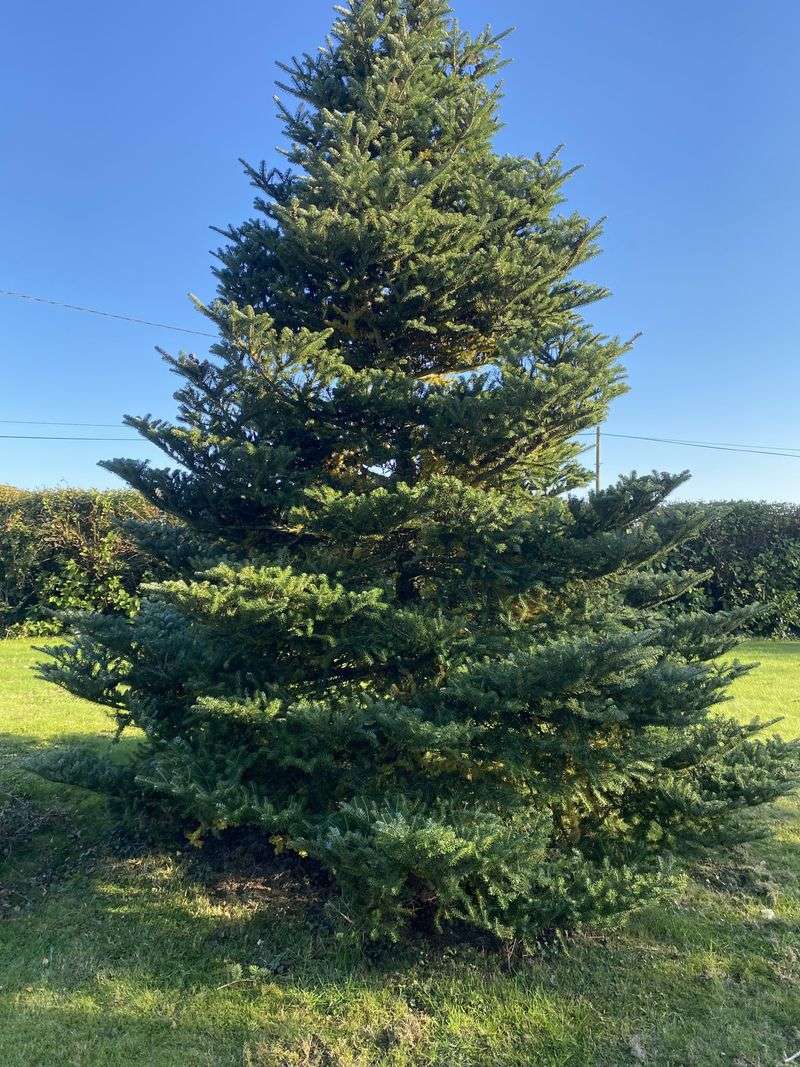
Compact size makes Korean fir perfect for smaller Washington yards where space limitations rule out larger species.
Even mature specimens rarely exceed heights that create problems with overhead utilities or neighboring property boundaries.
Purple cones appear on young trees, sometimes on specimens just a few feet tall.
This early ornamental feature delights homeowners who want decorative interest long before trees reach mature dimensions.
Dark green needles with silvery undersides create beautiful two-toned effects when breezes flip foliage. The color play adds movement and visual interest that static, single-colored evergreens cannot provide in Washington landscapes.
Slow growth rate suits patient gardeners willing to wait for perfection.
While not ideal for those wanting instant results, the measured pace produces dense, well-proportioned specimens that reward the wait.
Cold hardiness handles Washington winters easily, even in mountain communities experiencing harsh conditions.
Freezing temperatures and heavy snow loads pose no threat to established Korean fir planted in appropriate locations.
Attractive bark on younger branches shows purple or gray tones that complement the foliage colors.
This detail often goes unnoticed but adds subtle beauty when examined closely during winter months.
Minimal pest and disease problems reduce maintenance needs compared to more vulnerable species. Washington’s climate presents few serious threats to Korean fir health when basic cultural requirements are met.
Formal appearance suits traditional landscape designs popular in established neighborhoods throughout the state.
The refined bearing and symmetrical form complement classic architectural styles from Colonial to Craftsman.