9 Fir Trees That Thrive In Colorado’s Mountain And Suburban Landscapes
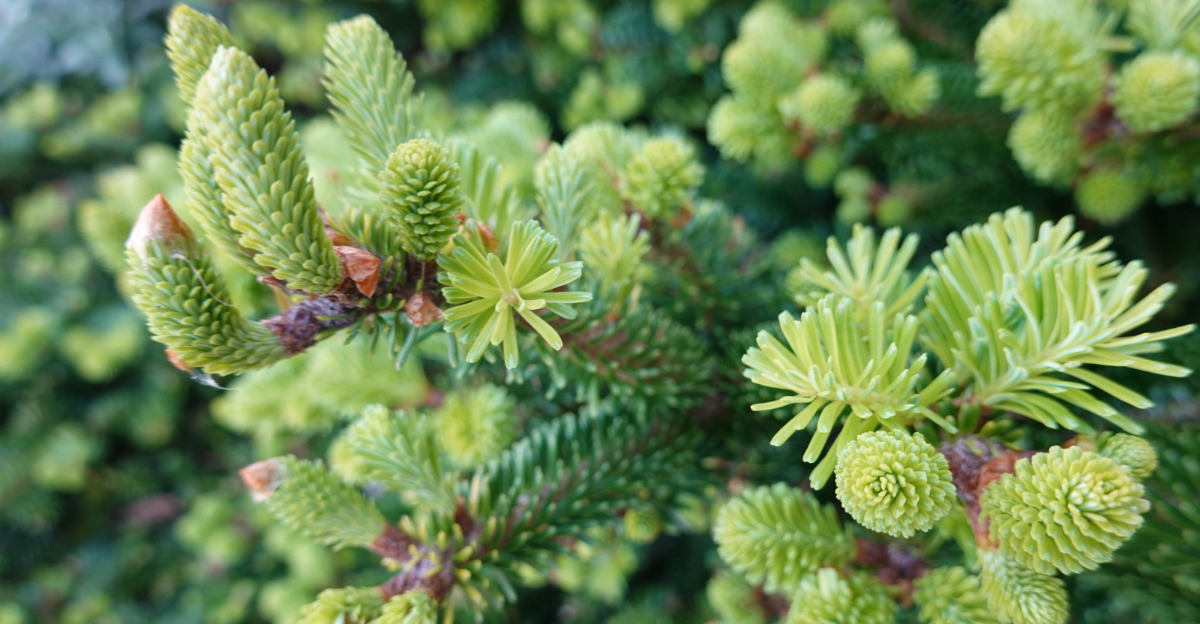
Fir trees feel right at home in Colorado landscapes, where mountain views and open skies make evergreens part of the scenery rather than an afterthought.
Between high elevation weather, dry air, and sudden temperature swings, not every tree can handle the conditions year after year.
Many homeowners are drawn to firs for their shape and color, only to discover that performance matters just as much as appearance.
Colorado’s mix of alpine terrain and suburban settings creates a narrow comfort zone where the right firs truly excel. When a tree fits that zone, it grows stronger instead of constantly struggling to adapt.
These trees offer structure, wind protection, and year-round presence without demanding constant attention.
In mountain areas, firs need resilience against snow load and cold, while suburban settings call for varieties that handle heat reflection and compacted soil.
Planting the wrong type often leads to slow decline or uneven growth that becomes obvious over time.
The firs that thrive across Colorado’s landscapes are the ones that balance beauty with the toughness this climate quietly demands.
1. Douglas Fir
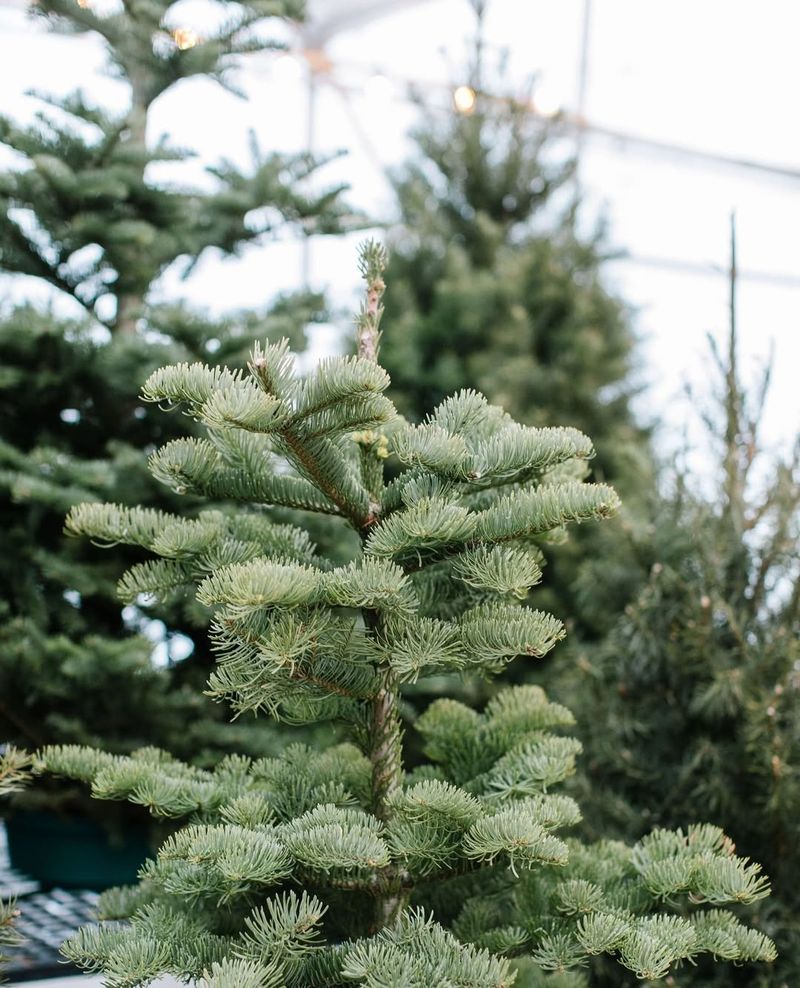
Colorado’s native forests wouldn’t look the same without this iconic evergreen standing tall across mountain slopes and foothills. Reaching heights between 40 and 80 feet in landscape settings, it grows with a pyramidal shape that becomes more open and rugged with age.
The soft, blue-green needles release a sweet fragrance when crushed, making it a favorite for those who enjoy aromatic plants.
This tree adapts remarkably well to different elevations throughout Colorado, from about 6,000 feet all the way up to 9,500 feet. It prefers well-drained soil and can handle both full sun and partial shade, though it performs best with plenty of sunlight.
Once established, it shows impressive drought tolerance compared to many other conifers.
Wildlife enthusiasts appreciate how Douglas fir provides excellent habitat and food sources for birds and small mammals. The cones hang downward with distinctive three-pointed bracts that look like little mouse tails peeking out between the scales.
Homeowners often plant it as a specimen tree or in groves to create natural windbreaks.
Young trees grow at a moderate pace of about 12 to 24 inches per year when conditions are favorable. The thick, corky bark develops deep furrows as the tree matures, adding textural interest to winter landscapes.
Colorado gardeners value its low-maintenance nature once the root system establishes itself during the first few years.
2. White Fir (Concolor Fir)
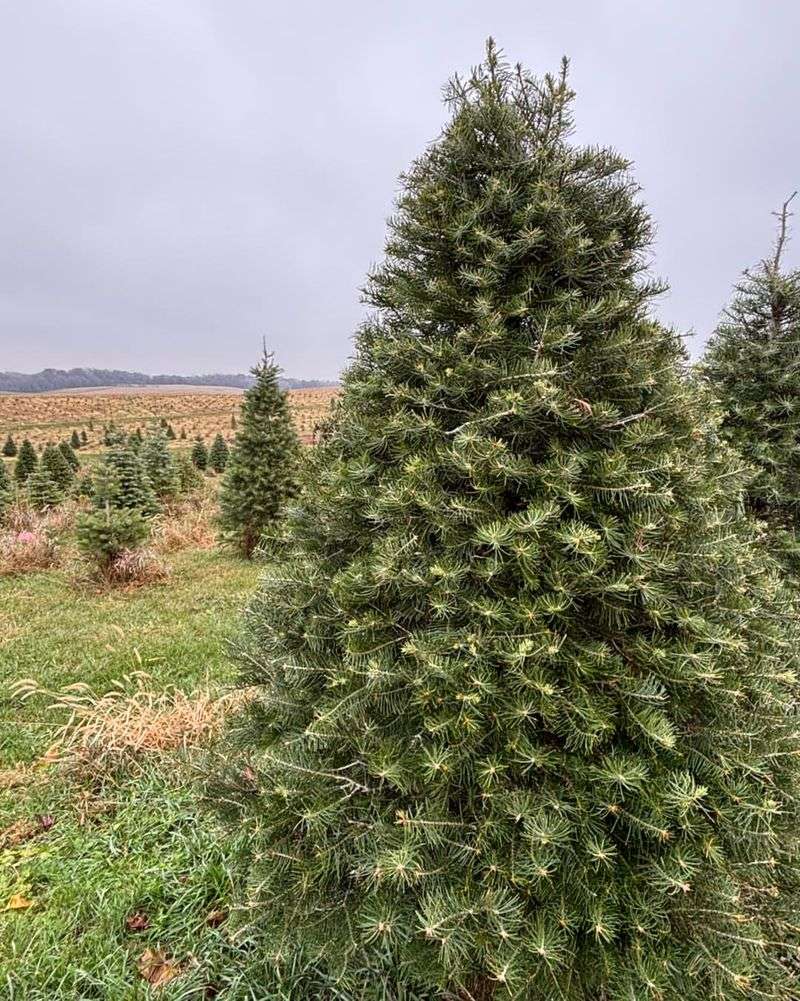
Suburban landscapes across Colorado have embraced this graceful evergreen for its exceptional cold hardiness and striking silvery-blue foliage. Growing 30 to 50 feet tall in residential settings, it maintains a dense, symmetrical form that looks polished without requiring much pruning.
The long needles curve gently upward, creating a soft, layered appearance that catches light beautifully throughout the day.
Gardeners in Colorado appreciate how this species tolerates both heat and cold better than most firs, making it versatile for various microclimates. It handles urban conditions reasonably well, including occasional air pollution and reflected heat from buildings.
The tree prefers moist, well-drained soil but shows good adaptability once its roots spread deep.
White fir produces upright cones that start out green or purplish before turning brown as they mature on upper branches. The smooth, gray bark on young trees gradually becomes thick and furrowed with age, developing distinctive corky ridges.
This transformation adds character as decades pass.
Homeowners often choose it as a stately focal point in front yards or as part of mixed evergreen plantings. The citrus-like scent of the needles becomes noticeable on warm days or when branches brush against you.
Colorado’s variable weather patterns rarely faze this tough, attractive tree that brings year-round structure to landscapes.
3. Subalpine Fir
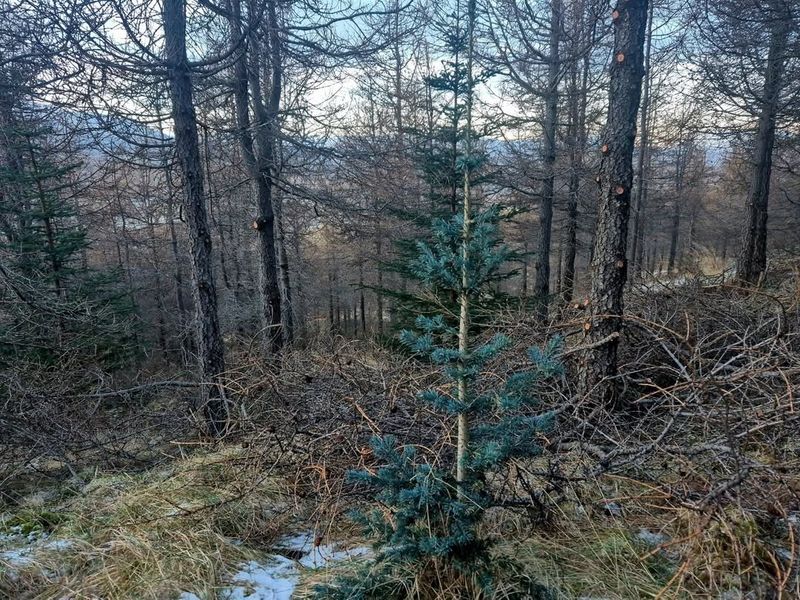
High-elevation properties in Colorado find this narrow, spire-like evergreen perfectly suited to harsh mountain conditions where other trees struggle. Typically reaching 20 to 40 feet in cultivation, it naturally grows much taller in wild settings but adapts its size to available resources.
The slender profile helps it shed heavy snow loads that would break wider trees during Colorado’s intense winter storms.
Dark green needles with silvery undersides create subtle color variation as breezes flip them back and forth. This species thrives at elevations above 9,000 feet, where freezing temperatures and short growing seasons limit plant choices.
It grows slowly but steadily, adding character to alpine gardens and mountain retreats.
The purple cones stand upright on branches like small candles before disintegrating to release seeds. Shallow roots spread wide rather than deep, helping the tree anchor itself in thin, rocky mountain soils common throughout Colorado’s high country.
Afternoon shade benefits it at lower elevations where summer heat becomes more intense.
Wildlife depends heavily on subalpine fir for winter shelter when winds howl across exposed ridges. The dense branching pattern provides excellent protection for birds and small animals.
Landowners with mountain acreage often plant it in clusters to recreate the natural groves seen in Colorado’s pristine wilderness areas, creating windbreaks and privacy screens that blend seamlessly with surrounding forests.
4. Corkbark Fir
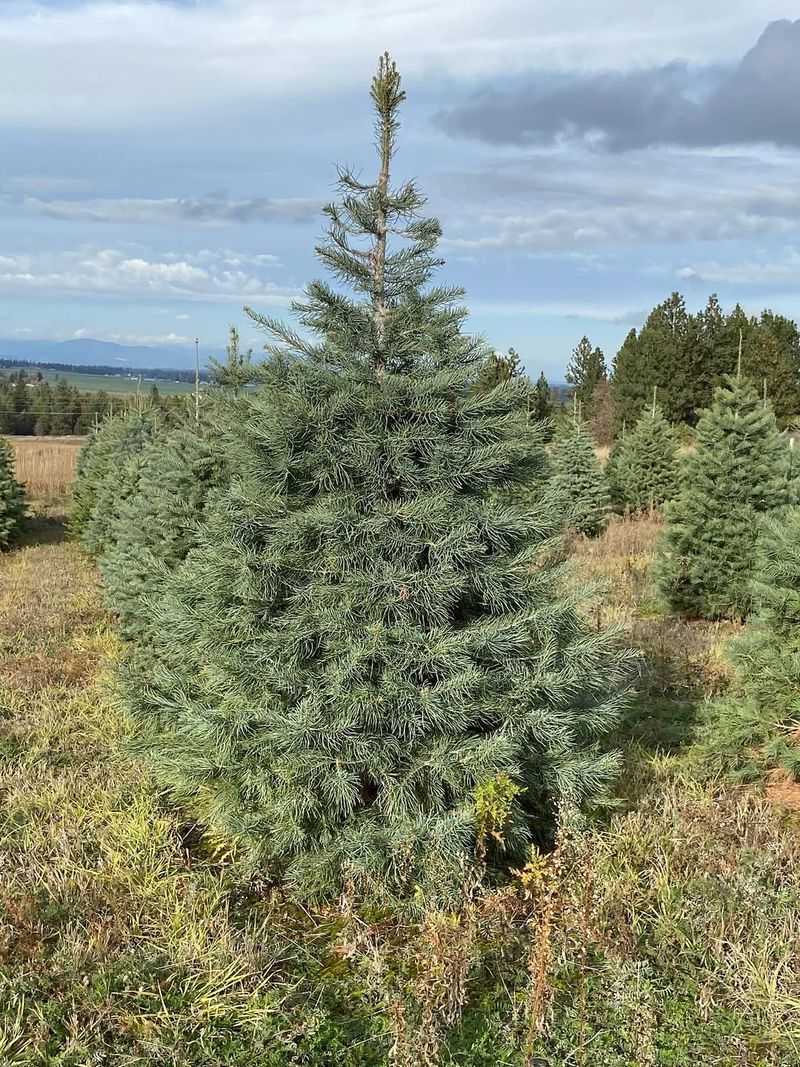
Southwestern Colorado’s mountain regions showcase this distinctive variety with its remarkably thick, corky bark that sets it apart from other firs. Growing 30 to 50 feet tall in landscape applications, it develops a narrow to moderately broad crown depending on growing conditions.
The pale gray bark becomes deeply fissured and spongy with age, creating visual interest even from a distance.
Silvery-blue needles give the tree a soft, elegant appearance that contrasts beautifully with darker evergreens in mixed plantings. This variety handles Colorado’s intense sunlight and dry air better than many fir species, making it suitable for exposed sites.
It prefers cool temperatures and performs best at elevations between 8,000 and 11,000 feet.
The insulating bark helps protect the tree from temperature fluctuations and reduces moisture loss during Colorado’s notorious dry spells. Upright purple cones appear on mature specimens, adding seasonal color before breaking apart at maturity.
Slow to moderate growth rates mean patience pays off with a spectacular specimen.
Landscape designers in Colorado increasingly specify corkbark fir for its unique texture and reliable performance in challenging mountain environments. The tree requires minimal care once established, needing only occasional deep watering during extended droughts.
Its tolerance for cold winds and heavy snow makes it a practical choice for properties where winter weather tests plant limits, combining beauty with remarkable toughness that Colorado gardeners truly value.
5. Balsam Fir
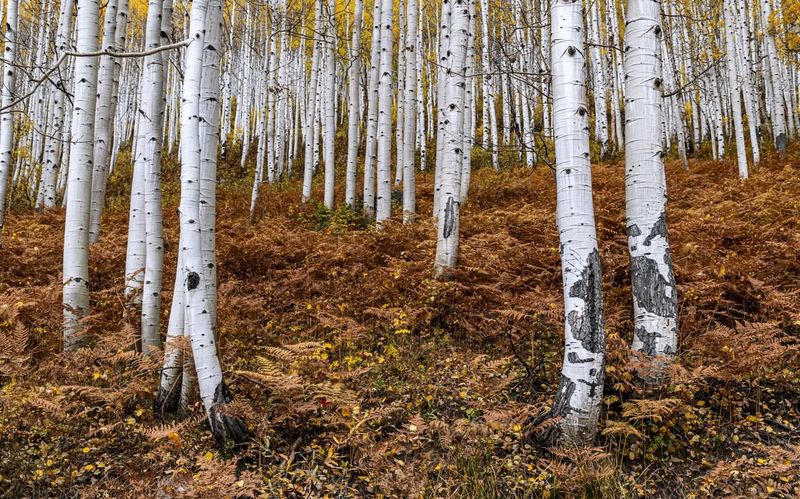
Northern and high-elevation areas of Colorado provide suitable conditions for this aromatic evergreen, though it requires more moisture than some other firs. Reaching 45 to 75 feet in ideal locations, it forms a dense, pyramidal shape with branches extending nearly to the ground.
The glossy, dark green needles have two white stripes underneath, creating a two-toned effect when wind moves through the canopy.
This species releases the classic Christmas tree fragrance that many people associate with the holiday season. The resin in needles and bark produces that distinctive balsam scent, especially noticeable on warm days or when branches are touched.
Colorado gardeners in cooler microclimates can successfully grow it with adequate irrigation.
Balsam fir prefers cool, moist conditions and struggles in hot, dry environments common at lower elevations across Colorado. It performs best above 8,500 feet where summer temperatures stay moderate and humidity levels remain higher.
The tree grows at a moderate pace when moisture needs are met consistently.
Purple cones stand upright on upper branches, eventually turning brown before shedding scales and seeds. Smooth, gray bark dotted with resin blisters characterizes young trees, while older specimens develop slightly scaly plates.
Wildlife finds shelter in the dense foliage, and birds often nest in the protected interior branches. Colorado properties with reliable water sources and cool temperatures can showcase this fragrant, beautiful fir that brings mountain charm and delightful scent to landscapes.
6. Grand Fir
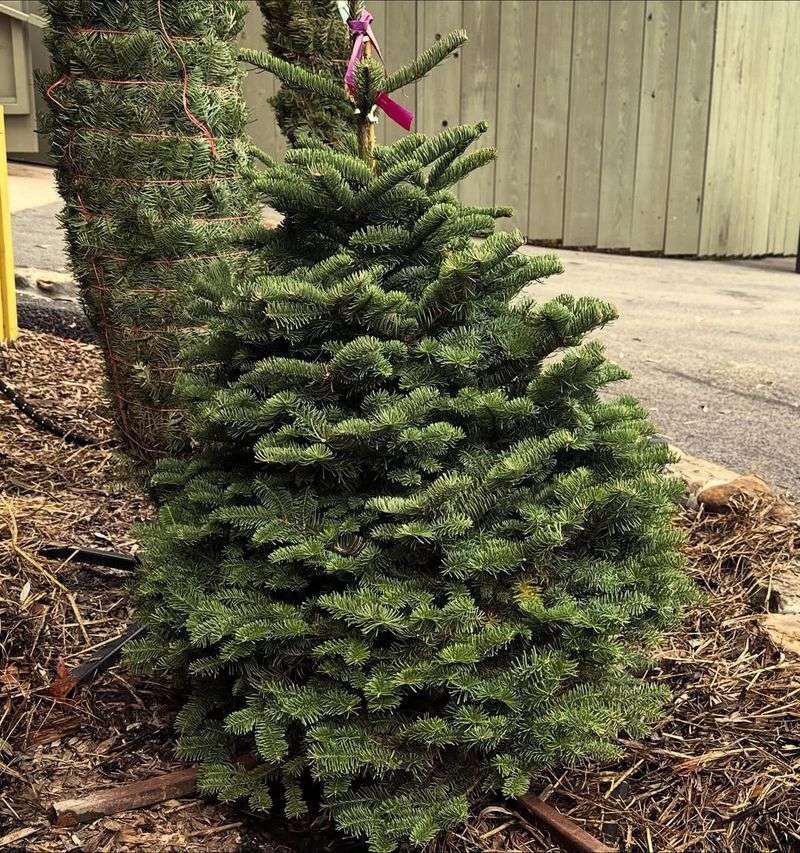
Western slope regions of Colorado occasionally support this impressive evergreen, though it pushes the eastern edge of its natural range. Growing 70 to 100 feet in optimal conditions, it develops a narrow, spire-like crown when young that broadens somewhat with age.
The glossy, dark green needles arrange themselves in flat sprays, creating a distinctive layered appearance unlike most other firs.
Each needle has a notched tip and two white bands on the underside, contributing to the tree’s ornamental appeal. When crushed, the foliage releases a pleasant, citrus-like fragrance that refreshes the air around it.
Grand fir needs more moisture than many Colorado natives, limiting its use to areas with supplemental irrigation or naturally wet sites.
The tree performs best in protected locations with afternoon shade, particularly at lower elevations where Colorado’s intense sun and dry air stress moisture-loving species. It grows relatively quickly compared to other firs when water needs are met, adding 18 to 24 inches annually.
The smooth, gray-brown bark develops shallow furrows as trees mature.
Cylindrical cones stand upright on upper branches, starting yellow-green before turning brown at maturity. Colorado gardeners with adequate water resources and suitable microclimates can create stunning specimens that showcase this fir’s elegant form.
The tree works well in valley bottoms or near streams where soil stays consistently moist, bringing Pacific Northwest character to western Colorado landscapes that can accommodate its specific requirements.
7. Fraser Fir
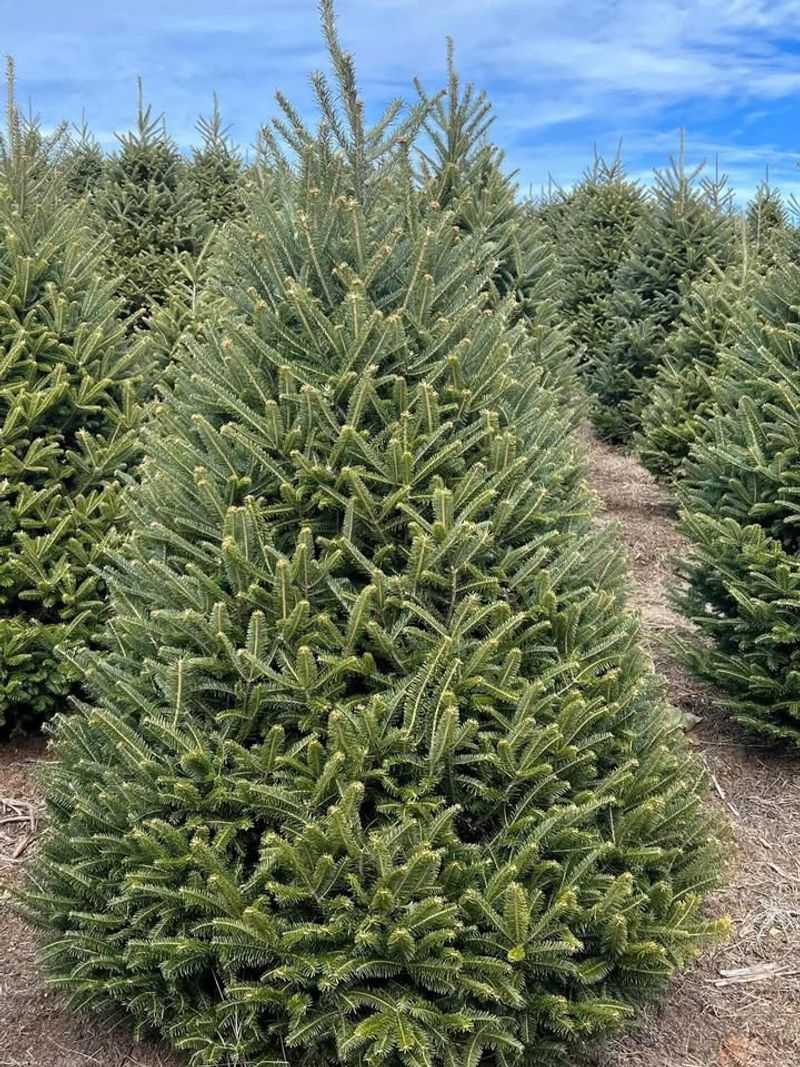
High-elevation properties in Colorado sometimes experiment with this Appalachian native that shares similar climate preferences with Rocky Mountain species. Growing 30 to 50 feet tall, it forms a compact, pyramidal shape with excellent needle retention that makes it popular as a Christmas tree.
The dark blue-green needles have silvery undersides, creating attractive color contrast when breezes move through the branches.
This species requires cool temperatures and moist, well-drained acidic soil to perform well in Colorado landscapes. It struggles at elevations below 8,000 feet where summer heat becomes too intense.
Mountain gardeners with suitable conditions can grow Fraser fir successfully with consistent moisture and protection from harsh afternoon sun.
The short, upward-curving needles give the tree a dense, full appearance from top to bottom. Smooth, gray bark remains relatively thin even on mature specimens.
Purple cones stand upright on upper branches, with distinctive downward-curved bracts that extend beyond the cone scales, creating a shaggy appearance.
Fraser fir grows at a slow to moderate pace, typically adding 6 to 12 inches per year in Colorado’s challenging conditions. It needs regular watering during dry periods, especially when young and establishing roots.
Colorado gardeners who appreciate its compact form and superior needle retention often plant it in protected courtyards or as part of foundation plantings where microclimates moderate temperature extremes, bringing Appalachian beauty to Rocky Mountain settings with proper care and attention.
8. Noble Fir
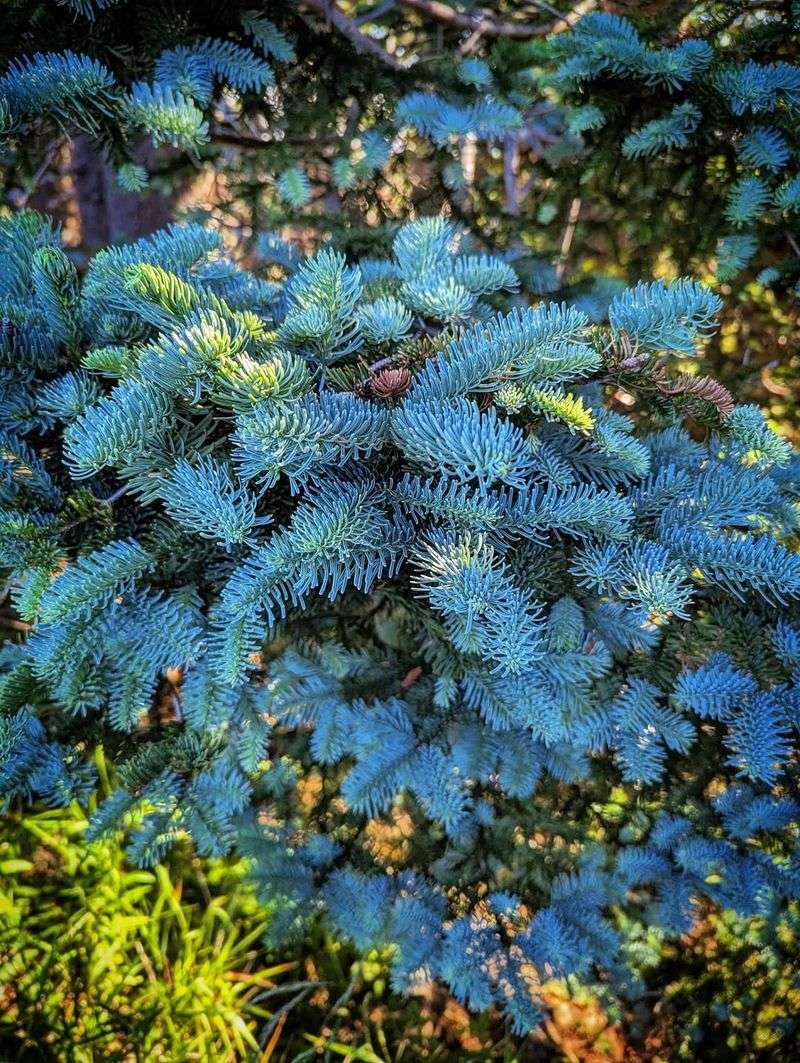
Adventurous Colorado gardeners occasionally attempt growing this Pacific Northwest native in high-elevation locations with cool, moist conditions. Reaching 50 to 100 feet in its native range, it typically stays smaller in Colorado’s drier climate.
The blue-green to silvery-blue needles curve upward along branches, creating a distinctive appearance that catches attention in mixed evergreen plantings.
This species demands excellent drainage combined with consistent moisture, a challenging balance to achieve in many Colorado locations. It performs best above 9,000 feet where temperatures stay cool and humidity levels remain higher than lower elevations.
The tree grows slowly in Colorado, requiring patience from gardeners willing to meet its exacting requirements.
Thick, gray bark develops with age, offering some protection from temperature fluctuations. The large, cylindrical cones stand upright on upper branches, turning from green to purplish-brown as they mature.
Unique, papery bracts extend beyond cone scales, bending downward to create a shingle-like appearance.
Noble fir needs protection from Colorado’s intense sun and drying winds, performing best in locations with afternoon shade and shelter. It struggles with alkaline soils common throughout much of Colorado, requiring amendments to lower pH levels.
Gardeners who successfully grow it in appropriate microclimates create stunning specimens that showcase this fir’s aristocratic bearing. Colorado properties with cool, protected sites and acidic soil can support noble fir, though it remains challenging and works best for experienced gardeners committed to providing specialized care.
9. Nordmann Fir
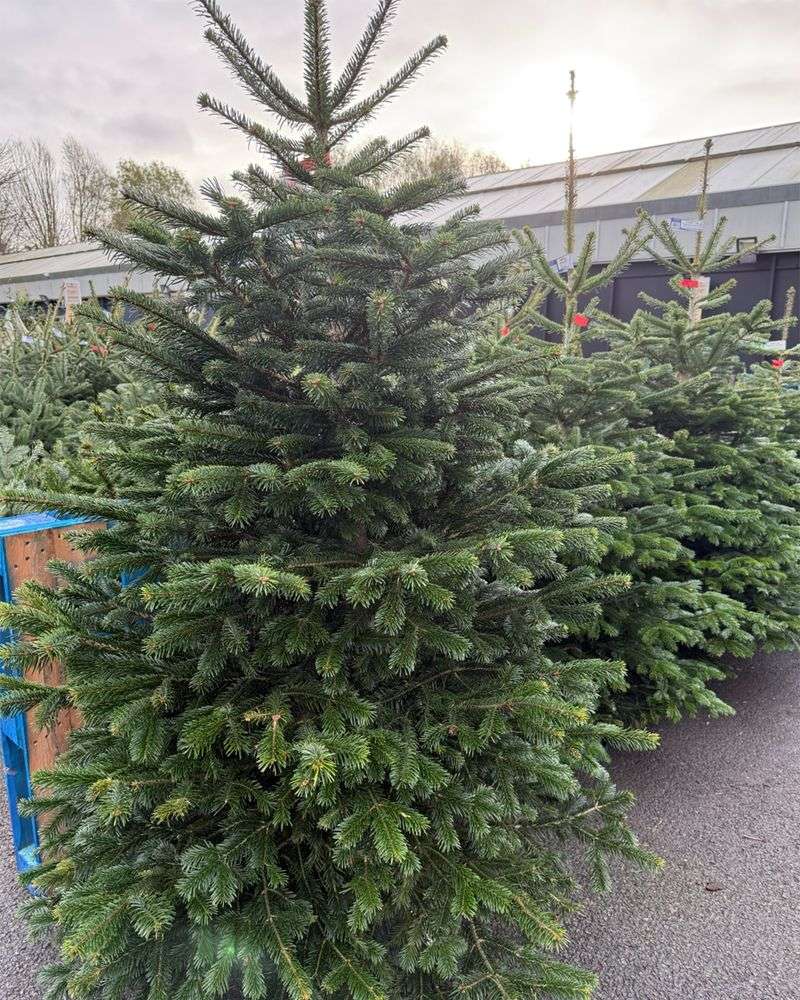
European gardens have long treasured this handsome evergreen, and some Colorado gardeners experiment with it in protected, high-elevation sites. Growing 40 to 60 feet tall, it develops a dense, symmetrical pyramid with branches extending to the ground.
The glossy, dark green needles have a rounded tip rather than the pointed ends common on most firs, giving the tree a softer appearance.
This species prefers cool, moist conditions similar to its native Caucasus Mountain habitat, making it challenging but not impossible in Colorado. It needs regular watering and protection from intense afternoon sun, particularly at elevations below 8,500 feet.
The tree grows slowly in Colorado’s climate, adding 6 to 10 inches annually when conditions suit it.
Smooth, gray bark remains attractive on young trees before developing shallow fissures with age. The dense branching pattern creates excellent wind protection and privacy screening.
Upright cones appear on mature specimens, starting green before turning brown and disintegrating to release seeds.
Nordmann fir shows good cold hardiness but struggles with Colorado’s dry air and intense sunlight without proper siting. It performs best in locations with afternoon shade, wind protection, and supplemental irrigation during dry periods.
Colorado gardeners who provide suitable conditions can grow this elegant European native as a distinctive specimen that stands out from more common choices.
Mountain properties with cool microclimates and adequate moisture offer the best chance for success with this beautiful but demanding fir that brings Old World charm to Rocky Mountain landscapes.