Flowering Plants North Carolina Gardeners Should Divide In April
April is not just about planting. It is also one of the best times to give older flowering plants a fresh start.
In North Carolina gardens, many perennials begin waking up fast this month, which makes it easier to spot crowded clumps that need more room. When plants get too packed, they often bloom less, look tired, or struggle to grow the way they should.
Dividing them in April can help bring them back to life and keep the garden looking full and healthy. It is also a simple way to get more plants without spending extra money.
One clump can turn into several strong growers for other beds and borders. For gardeners who want bigger blooms and better growth, this small spring job can make a big difference.
Some flowering plants respond especially well when divided now and reward the effort in a big way.
1. Garden Phlox (Phlox paniculata)
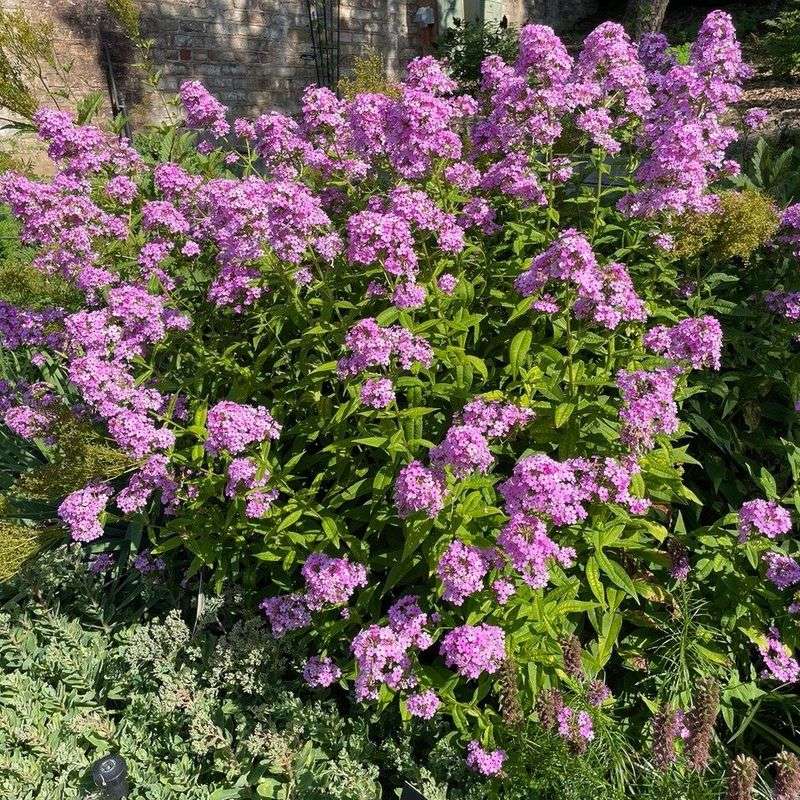
Garden phlox is one of those plants that fills a summer garden with serious wow factor, delivering tall stalks topped with fragrant, colorful flower clusters in shades of pink, white, purple, and red. North Carolina gardeners love it, but there is a catch.
Phlox is prone to powdery mildew, especially in the state’s notoriously humid summers, and crowded clumps make that problem much worse.
Dividing garden phlox in April is one of the best things you can do for plant health. When you break up a dense clump into smaller sections and space them farther apart, air can move freely around each plant.
Better airflow means less moisture sitting on leaves, which dramatically reduces the risk of fungal problems. April is ideal because the new shoots are just emerging and the plants have not yet put energy into tall growth.
To divide, dig up the clump and separate it into sections that each have several healthy shoots and a good root system. Discard any sections that look weak or crowded from the center, since the outer portions tend to be the most vigorous.
Replant at the original depth, water thoroughly, and apply a light layer of mulch to hold moisture. Across North Carolina’s varied climate zones, this simple April task sets your garden phlox up for a stunning, healthier display all summer long.
2. Hosta (Hosta spp.)
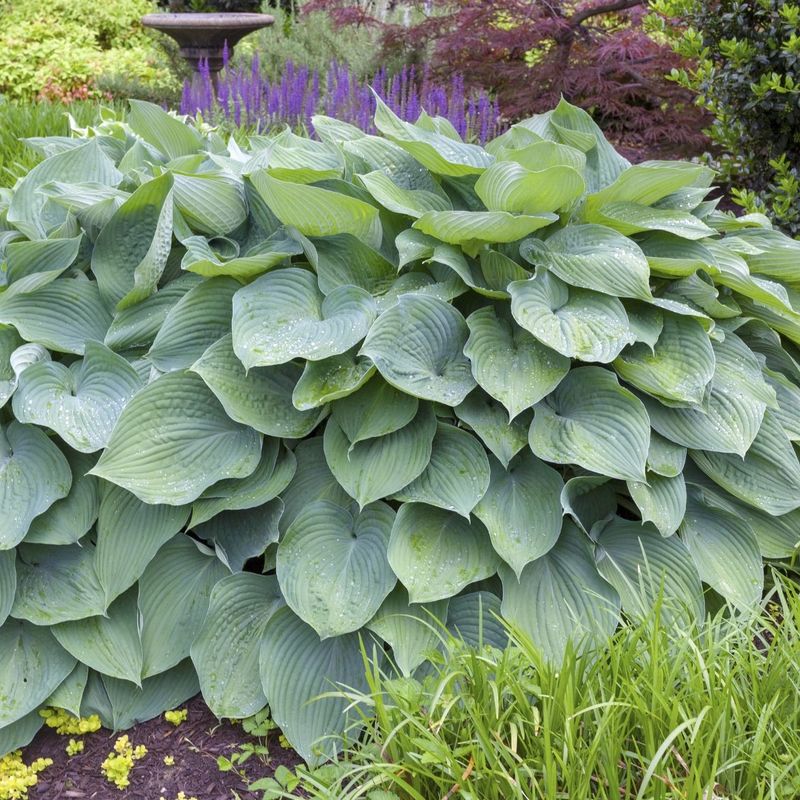
Hostas are the undisputed champions of the shaded garden, and across North Carolina, shady spots under trees or along north-facing fences are perfect hosta territory.
By April, those tightly rolled, spear-like shoots are just beginning to push through the soil, and that is exactly the right moment to divide. Catching them early makes the whole process cleaner and less stressful for the plant.
Older hosta clumps that have been growing for four or five years often start to look congested, with smaller leaves and less impressive mounding. Dividing refreshes the whole plant.
Dig around the clump carefully, lift it out, and use a sharp spade or sturdy knife to cut through the root mass into sections. Each division should have at least two or three shoots and a solid chunk of roots to get off to a strong start.
One of the best parts about dividing hostas is the free plants you end up with. North Carolina gardeners can use divisions to fill in other shady areas of the yard, create borders along walkways, or pot them up as gifts.
Replant divisions at the same soil depth, firm the ground around them, and water well. Hostas are tough once established, but consistent moisture in the first few weeks after division helps them settle in and thrive through the long, warm North Carolina growing season ahead.
3. Shasta Daisy (Leucanthemum x superbum)
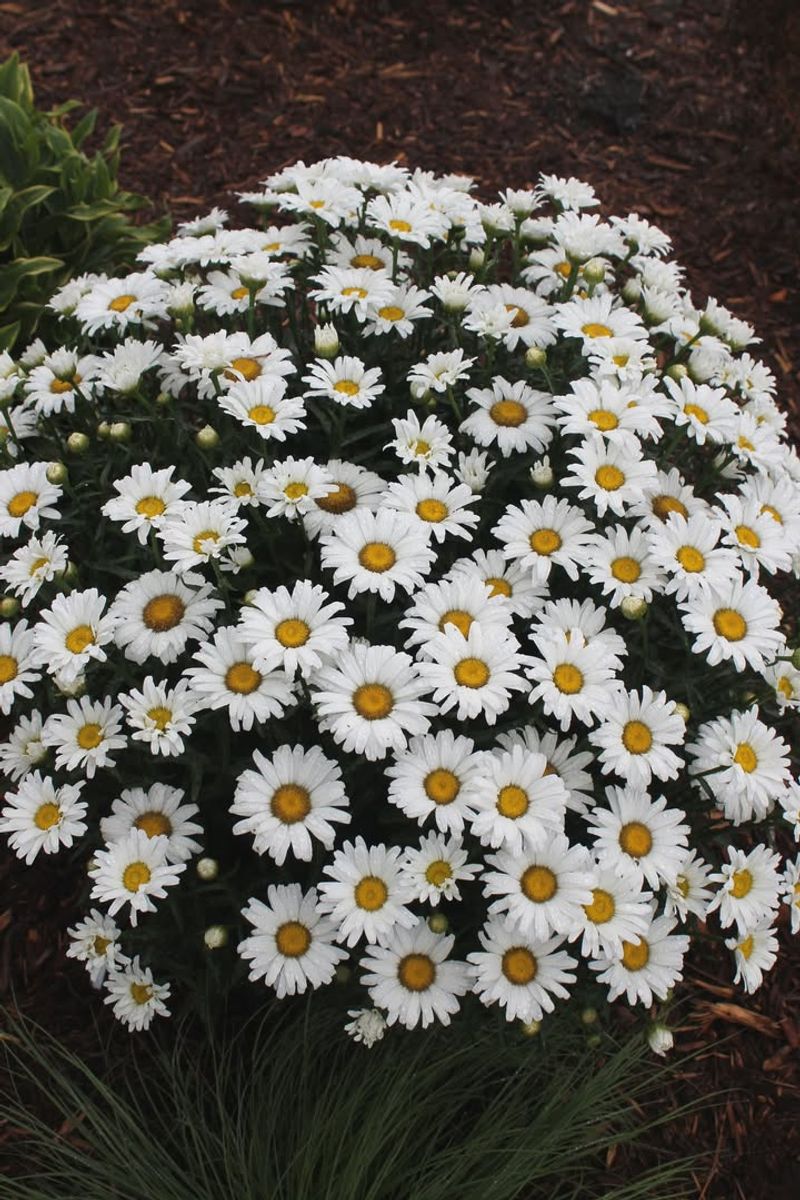
Bright white petals surrounding a cheerful yellow center make the Shasta daisy one of the most recognizable flowers in any North Carolina garden. These sun-loving perennials bloom reliably in summer, but after a few years in the ground, the clumps start to wear out.
The center of the plant becomes woody and unproductive while the outer edges stay lively, which is a clear sign that division time has arrived.
April is the sweet spot for dividing Shasta daisies in North Carolina. The foliage rosettes are low to the ground and easy to work with, and the cooler spring temperatures reduce transplant stress significantly.
Dig up the entire clump, discard the tired center section, and replant the fresh outer portions. Each division needs a healthy root system and a cluster of green leaves to get going successfully.
Spacing divisions about 18 inches apart gives each plant room to grow without competing for nutrients or airflow. Shasta daisies prefer well-drained soil and full sun, conditions that are easy to find across the Piedmont and coastal plain regions of North Carolina.
After replanting, water consistently for the first couple of weeks. Come summer, your divided plants will reward you with an abundance of crisp white blooms that look stunning in garden beds and cut flower arrangements alike.
Dividing every two to three years keeps the show going strong year after year.
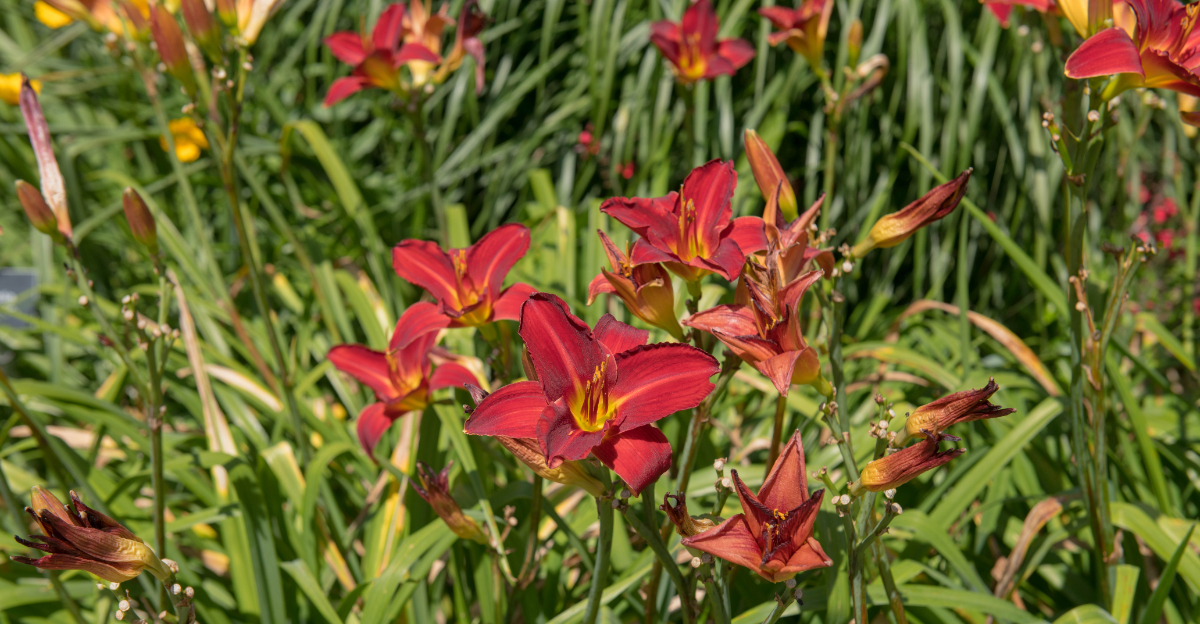
4. Daylily (Hemerocallis spp.)
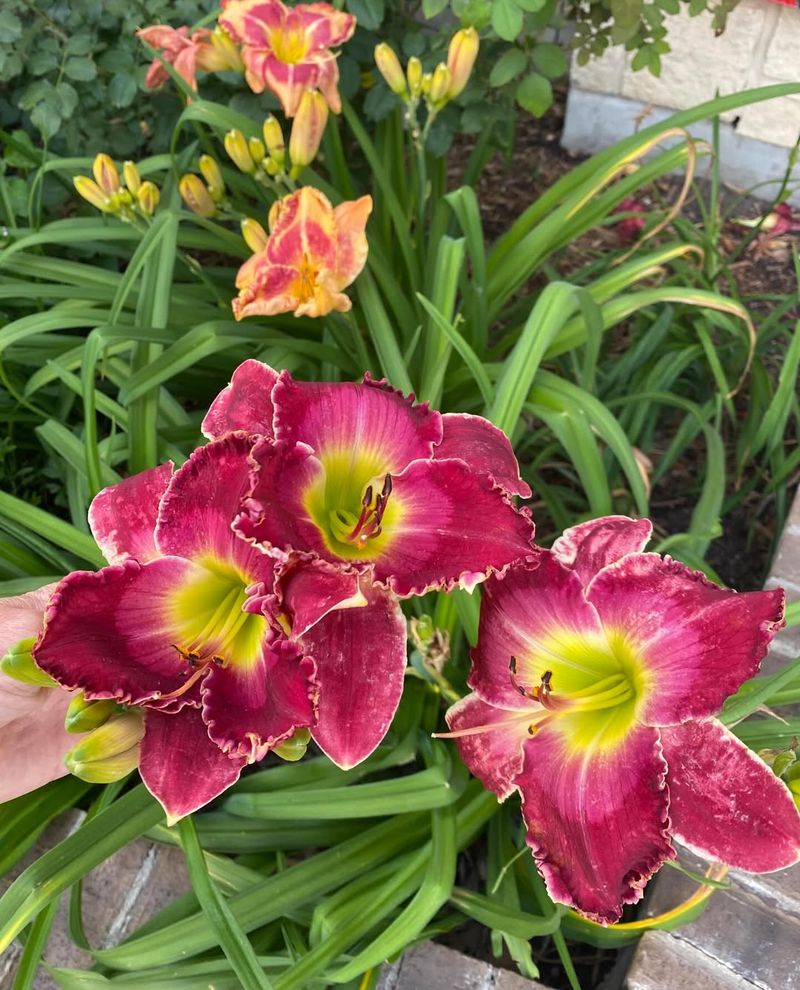
Few perennials are as forgiving and rewarding as the daylily, and North Carolina gardeners have long counted on them for reliable summer color.
When April arrives and those bright green fans of new growth start pushing up from the ground, that is your signal to grab a garden fork and get dividing.
Clumps that have been in the ground for three or more years tend to get crowded, which means fewer blooms and weaker plants overall.
Dividing is straightforward. Dig up the entire clump, shake off excess soil, and gently pull the fans apart into smaller sections, each with healthy roots attached.
Replant the divisions at the same depth as before, water them in well, and they will settle right in. North Carolina’s mild April weather gives divided daylilies the perfect window to establish before the summer heat kicks in.
Daylilies are incredibly adaptable, thriving in full sun to partial shade across all regions of North Carolina. Once established, they handle summer heat and occasional dry spells with ease.
Dividing every three to four years keeps the clumps vigorous and the blooms plentiful. You will also end up with extra plants to share with neighbors or fill in bare spots around your yard, making this one of the most satisfying spring gardening tasks you can do.
5. Bee Balm (Monarda didyma / Monarda fistulosa)
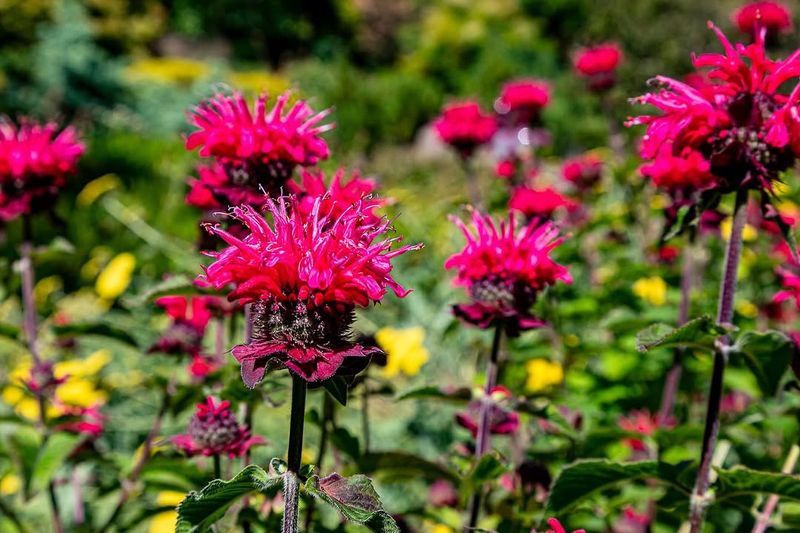
Bee balm is a showstopper in any North Carolina garden, producing wild, spiky blooms in shades of red, pink, and purple that hummingbirds and pollinators simply cannot resist. Native species like Monarda fistulosa are especially well-suited to the region’s climate.
The problem is that bee balm spreads fast, really fast, and a clump left unchecked for a couple of years can quickly take over a garden bed.
April division is the perfect solution. As new growth emerges from the soil, dig up the spreading clump and pull it apart into smaller sections.
Focus on keeping the younger, outer growth and setting aside the older, woody center portions which tend to be less productive. Each division should have a few inches of stem with roots attached and will establish quickly in spring conditions.
Replanting divisions with more space between them does two important things. First, it reins in the plant’s natural spreading habit, keeping your garden looking tidy and intentional.
Second, better spacing improves airflow, which helps reduce powdery mildew, a common issue for bee balm in North Carolina’s humid summers. Plant divisions in full sun to partial shade, water them in well, and apply a thin layer of mulch.
By midsummer, your bee balm will be buzzing with activity from bees, butterflies, and hummingbirds, making every bit of that April effort completely worth it.
6. Black-Eyed Susan (Rudbeckia fulgida)
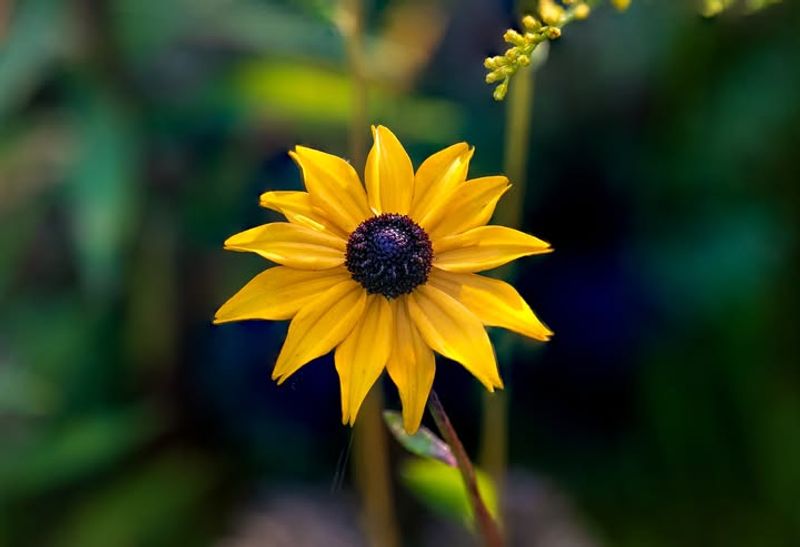
Golden yellow petals radiating out from a rich brown center make black-eyed Susans one of the most beloved wildflowers in North Carolina. Rudbeckia fulgida is a tough, long-blooming perennial that brightens gardens from midsummer all the way into fall.
Over time, though, established clumps spread outward and the center starts to thin out, which is your cue that division is overdue.
Dividing in April, while the foliage is still short and manageable, is much easier than trying to tackle the task once plants are in full growth mode. Use a sharp spade to cut through the clump and lift it in sections.
The outer edges of the plant are where the most vigorous growth lives, so prioritize those pieces when selecting what to replant. Aim for divisions that include several leafy rosettes and a healthy portion of fibrous roots.
Black-eyed Susans are adaptable plants that handle the heat and occasional summer drought that North Carolina gardeners know all too well. Once your divisions are in the ground and watered in, they ask for very little.
Space them about 18 to 24 inches apart to prevent overcrowding and improve air circulation as the season progresses.
Dividing every three to four years maintains the plant’s energy and keeps the flower display bold and consistent. Few spring tasks deliver such a big payoff come summer as this one simple step.
7. Yarrow (Achillea millefolium)
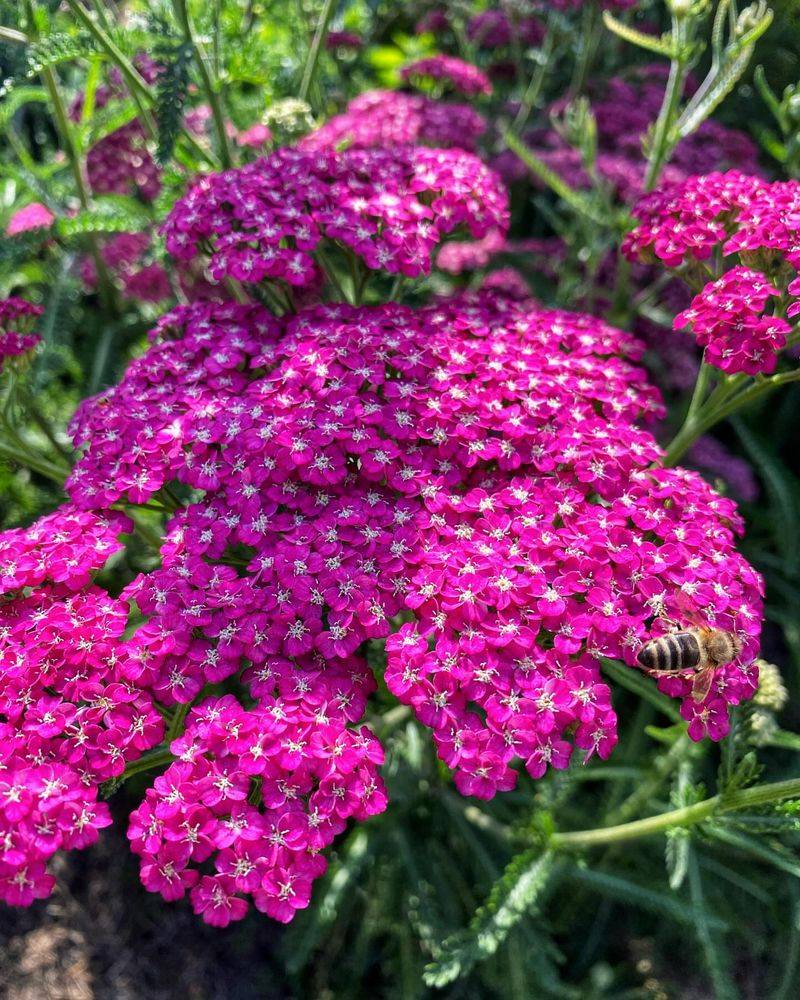
Yarrow is one of those hardworking perennials that earns its place in any North Carolina garden without demanding much in return.
Its feathery, aromatic foliage stays low in spring, and by summer it sends up flat-topped clusters of flowers in white, yellow, pink, and red that pollinators absolutely love.
The catch is that yarrow spreads steadily through underground stems and can become a dense, tangled mat if left alone too long.
April is the ideal time to step in and divide. The soft, ferny new growth is easy to see and work with, and cooler soil temperatures reduce stress on the roots during the process.
Dig up the clump, pull it apart into smaller sections by hand or with a garden fork, and replant the healthiest pieces in well-drained soil with full sun exposure. North Carolina’s sunny spring days give divisions the light energy they need to root in quickly.
One of yarrow’s standout qualities is its drought tolerance once established, which makes it a smart choice for gardeners across the drier Piedmont regions of North Carolina.
Dividing every two to three years keeps plants from becoming too dense, which also improves flowering. Overcrowded yarrow tends to flop over and produce fewer blooms, while freshly divided plants stay upright and produce generous flower clusters all summer.
Replant at the original soil depth, water well for the first couple of weeks, and then step back and watch this tough, beautiful plant thrive.