6 Flowering Shrubs Georgia Gardeners Can Safely Prune In March And 4 To Leave Alone
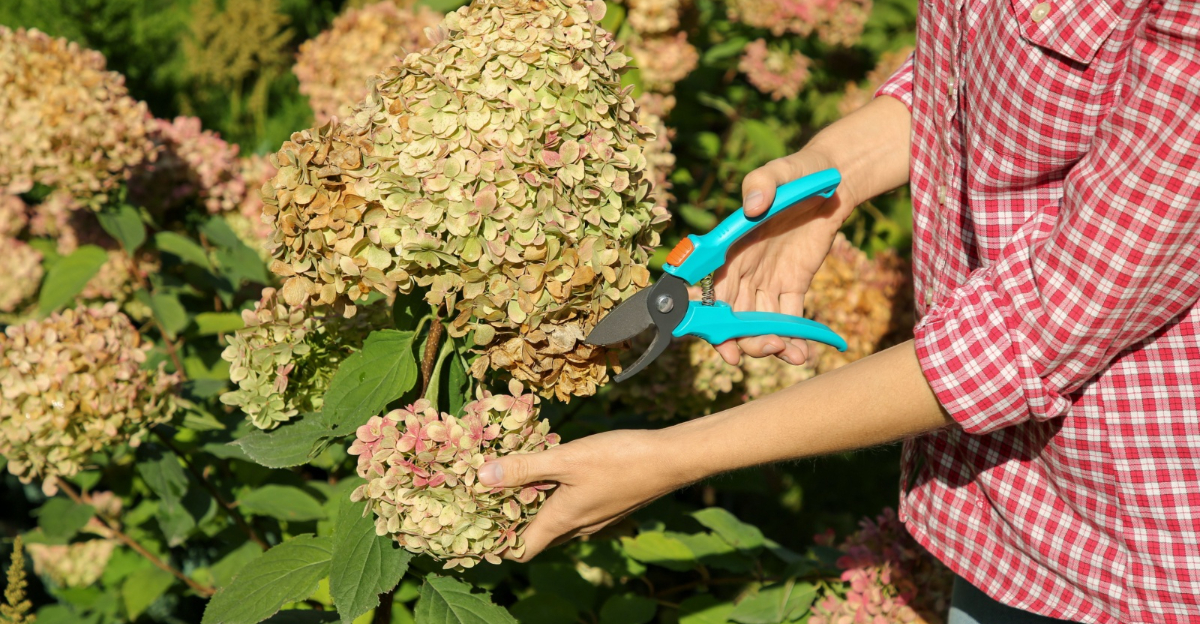
March in Georgia is the ultimate horticultural head-fizzle, teasing us with 70-degree afternoons one day and plunging back into a frost-covered morning the next.
If you’ve been staring at your flowering shrubs with pruners in hand, you’re likely playing a high-stakes guessing game: is it finally time to trim, or are you about to accidentally snip away this year’s entire floral display?
The “March Trap” is real, and it usually catches gardeners who get a little too eager during a Peach State warm spell.
Avoiding a flowerless spring comes down to solving one simple mystery: does your shrub bloom on “new wood” grown this season, or “old wood” saved from last year?
Cracking that code is the only way to ensure your backyard stays a vibrant, blooming sanctuary rather than a collection of leafy, green sticks.
1. Glossy Abelia Brings New Blooms After A March Trim
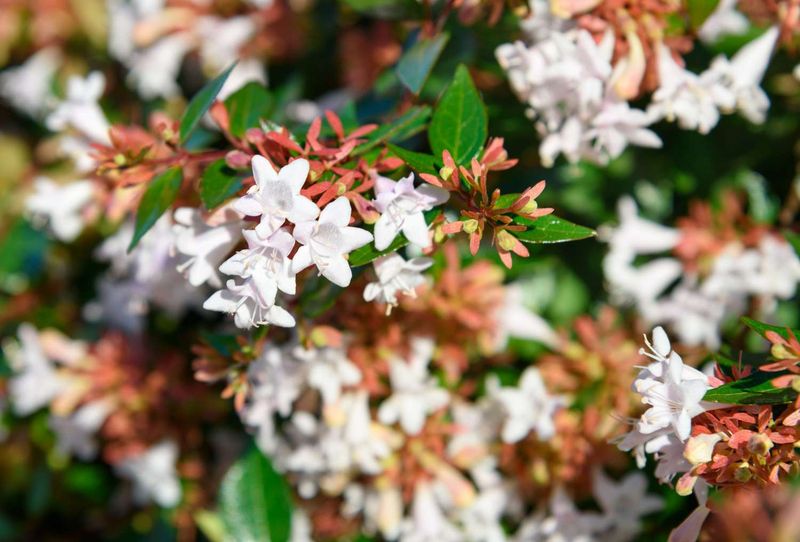
Walk through a Georgia neighborhood in midsummer and you will likely spot glossy abelia lining driveways and foundation beds, its arching branches loaded with small, tubular blooms that hummingbirds often visit.
What many gardeners do not realize is that those flowers come from fresh growth that pushes out after pruning, making March a useful window to tidy this shrub up.
Since abelia blooms on new wood, cutting it back before that growth even starts gives the plant a clean slate. A light to moderate trim in early to mid-March works well across most of Georgia.
You can remove about one-third of the oldest, woodiest stems right at the base to encourage vigorous new shoots without losing the shrub’s natural arching shape.
Hard shearing into a tight ball is something worth avoiding because it removes the graceful form that makes abelia so attractive. Instead, use hand pruners and work selectively.
Keep the mulch pulled back a few inches from the main stems to prevent moisture buildup near the crown.
With a thoughtful March trim, abelia can reward Georgia gardeners with months of bloom from summer well into fall.
2. Rose Of Sharon Still Flowers Well After A Cutback
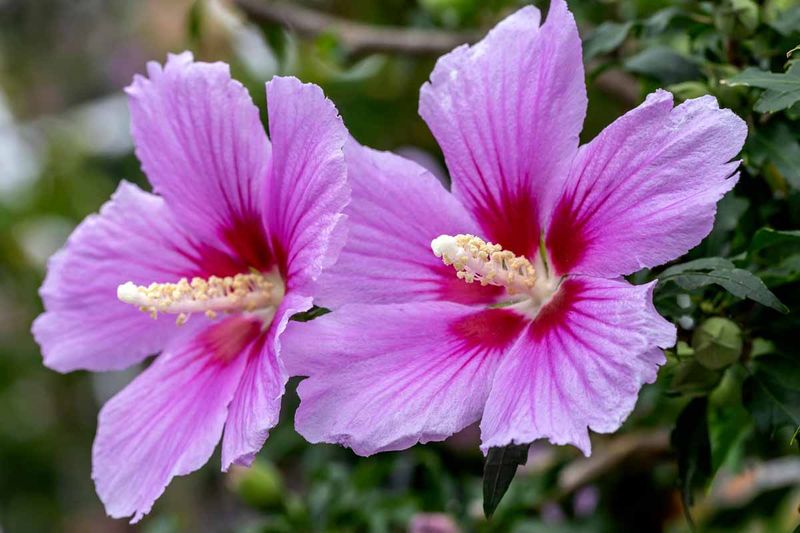
Few shrubs put on a late-summer show quite like Rose of Sharon, with its hollyhock-style blooms in shades of purple, pink, white, and bicolor.
Georgia gardeners who want big, showy flowers on a well-shaped plant have a real advantage by pruning in March, since this shrub reliably blooms on new wood produced during the current growing season.
Before new growth begins to swell, usually in early to mid-March across Georgia’s Piedmont and coastal plain regions, you can cut Rose of Sharon back fairly aggressively.
Reducing the previous year’s stems by half to two-thirds can encourage fewer but larger blooms.
If the shrub has grown too wide or tall for its spot, this is also the right time to bring it back into proportion.
One thing to keep in mind is that Rose of Sharon can self-seed, so removing spent flowers before they mature can cut down on unwanted seedlings around the yard.
Sterile or low-seed cultivars are worth seeking out if self-seeding is a concern.
Either way, a confident March cutback sets this tough, heat-tolerant shrub up for a strong summer bloom season in the Georgia garden.
3. Smooth Hydrangea Blooms On New Growth After Pruning
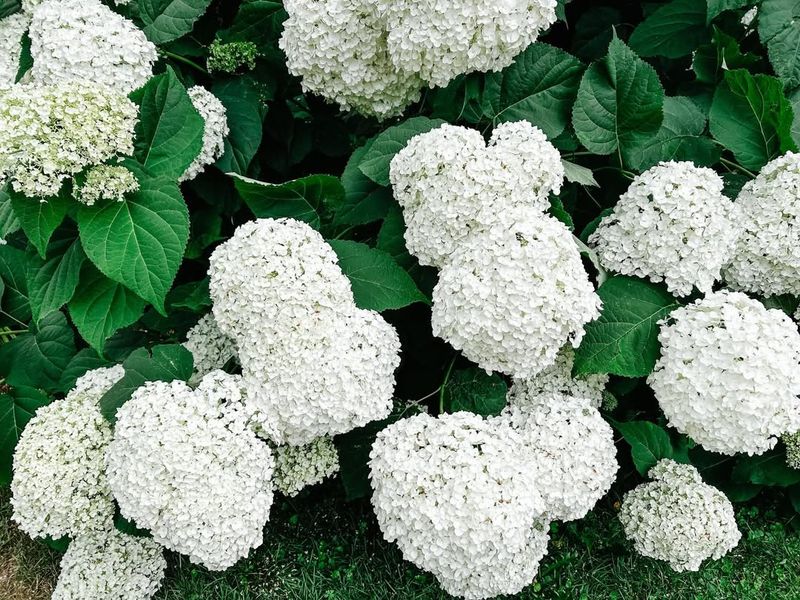
Smooth hydrangea, including the beloved Annabelle variety, is one of the more forgiving shrubs in the Georgia garden.
Unlike bigleaf types, smooth hydrangea produces blooms on brand-new stems that emerge each spring, which means late winter to March pruning usually does not erase the bloom season.
Most Georgia gardeners do well cutting smooth hydrangea back to around 12 to 18 inches from the ground in late February through March.
A shorter cut can keep the plant more compact, but heavier pruning often leads to larger flower heads that sometimes need support, especially after heavy rain.
If your plants have been flopping badly, focus on a balanced approach.
Leaving a bit more stem height, thinning out weak or crowded stems, and avoiding heavy feeding can help the plant hold itself up better through summer weather.
One practical note: leaving dried flower heads and stems through winter can add structure, mark the plant’s location, and give you something to cut back once spring is closer.
Do the real cutback in late winter or early spring before new growth gets tall.
Keep mulch about two to three inches thick around the root zone but pulled away from the crown, and your smooth hydrangeas should reward you with full summer blooms.
4. Panicle Hydrangea Handles Late Winter To March Pruning
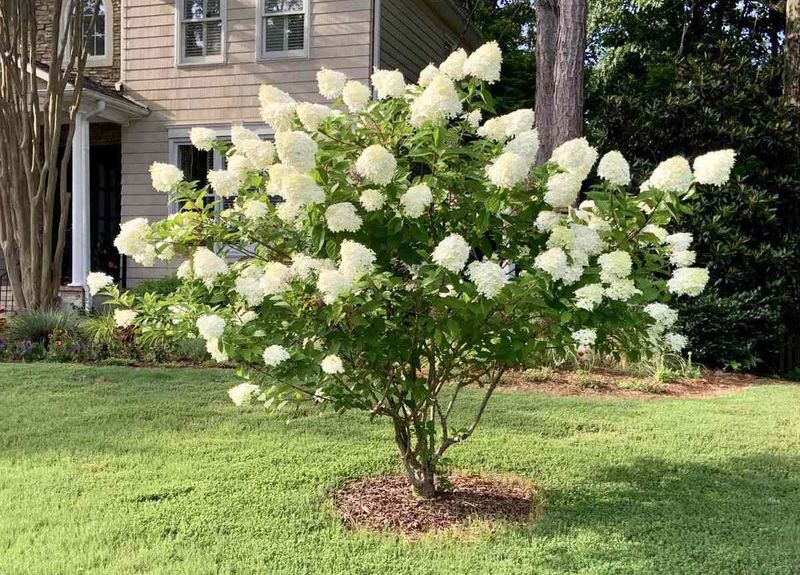
Panicle hydrangea is one of the more adaptable hydrangeas Georgia gardeners can grow, tolerating more sun and heat than many other types when moisture is steady.
Its cone-shaped blooms emerge on new wood, making late winter through March a dependable pruning window.
You can prune panicle hydrangea in winter through early spring in Georgia without sacrificing blooms, as long as you finish before the plant is actively pushing lots of new growth.
A moderate approach works well for most home gardens: remove about one-third of the overall growth, cutting stems back to a strong pair of buds.
For larger, showier flower heads, a harder cutback encourages fewer but more impressive blooms, though the stems may need support if growth gets long and top-heavy.
Panicle hydrangeas sold under names like Limelight, Quick Fire, and Bobo have become popular in Georgia landscapes because they handle warm summers well.
Avoid heavy shearing with hedge trimmers since this ruins the plant’s naturally elegant form and can lead to weak, twiggy growth.
Light thinning with hand pruners keeps the structure open and healthy. Pull mulch away from the base and make sure drainage is good, since root health affects bloom quality.
5. Summersweet Flowers On Fresh New Shoots
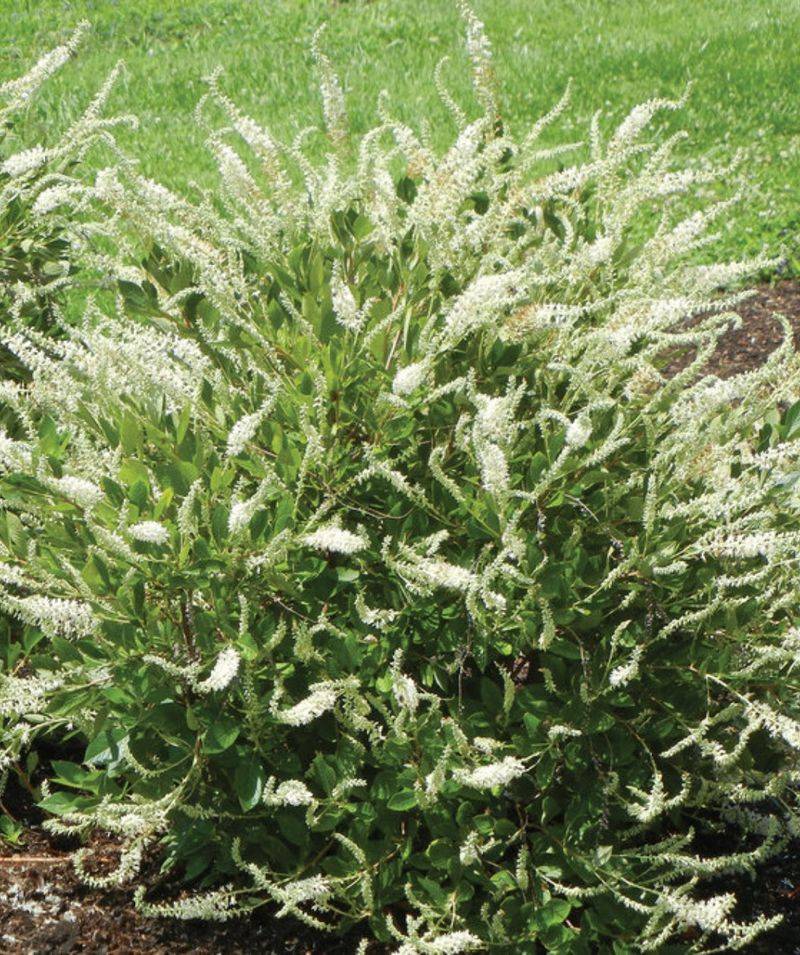
On a hot Georgia afternoon in July or August, catching the sweet fragrance of summersweet drifting across a shaded corner of the yard is one of those small gardening rewards that makes all the spring work worthwhile.
This native shrub, also known as clethra, blooms on new wood produced during the current season, so pruning in March lines up well with its growth cycle.
Summersweet tends to spread gradually into a multi-stemmed clump, and March is a good time to remove a few of the oldest, most congested stems at the base to keep the plant open.
You can also shorten some remaining stems by about one-third to encourage branching and more flower spikes, especially if the shrub has gotten tall and leggy.
Rather than avoiding older wood entirely, focus on renewal-style thinning at the base and selective shortening where it improves shape. This shrub often responds well when pruning is deliberate instead of heavy and uniform.
This shrub does well in moist, partly shaded spots that challenge many other flowering shrubs, making it a smart choice for low areas near downspouts or alongside shaded borders.
It also attracts pollinators in impressive numbers when it blooms.
Keep the soil evenly moist and on the acidic side when possible, and summersweet can reward you with fragrant blooms year after year.
6. American Beautyberry Bounces Back And Keeps Fall Berries
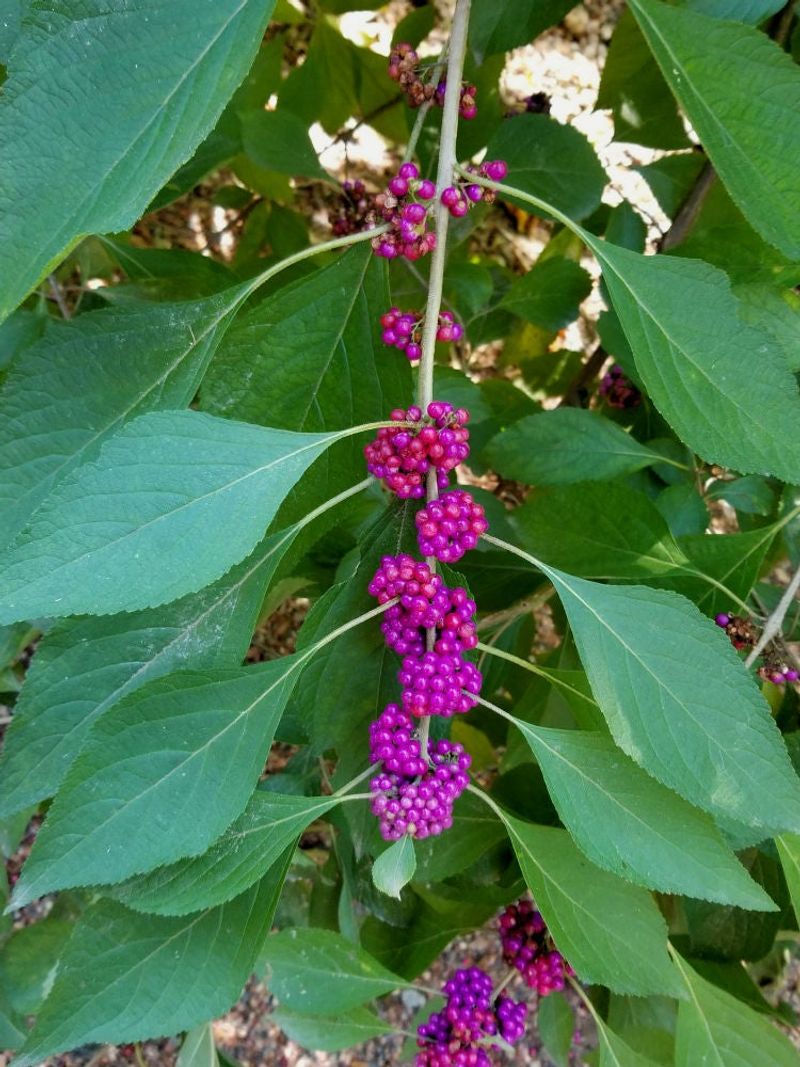
Most Georgia gardeners first notice American beautyberry in October when its stems suddenly appear to be covered in clusters of electric purple berries.
What is easy to forget is that those berries form on new growth, meaning a March pruning usually supports a strong berry display rather than reducing it.
Cutting American beautyberry back to about 12 to 18 inches from the ground in late February or March is a common approach in the Southeast.
The shrub responds enthusiastically, pushing out long, arching stems through the growing season, and those fresh stems are where flowers and berries form later.
Left unpruned for several years, beautyberry can become rangy and open at the base. Periodic hard pruning helps keep it denser and more attractive.
It is also a native plant that supports birds and wildlife, with many bird species feeding on the berries into fall. Plant it where you can enjoy the berry show from a window or patio.
7. Native Azaleas, However, Hold Blooms On Last Year’s Buds
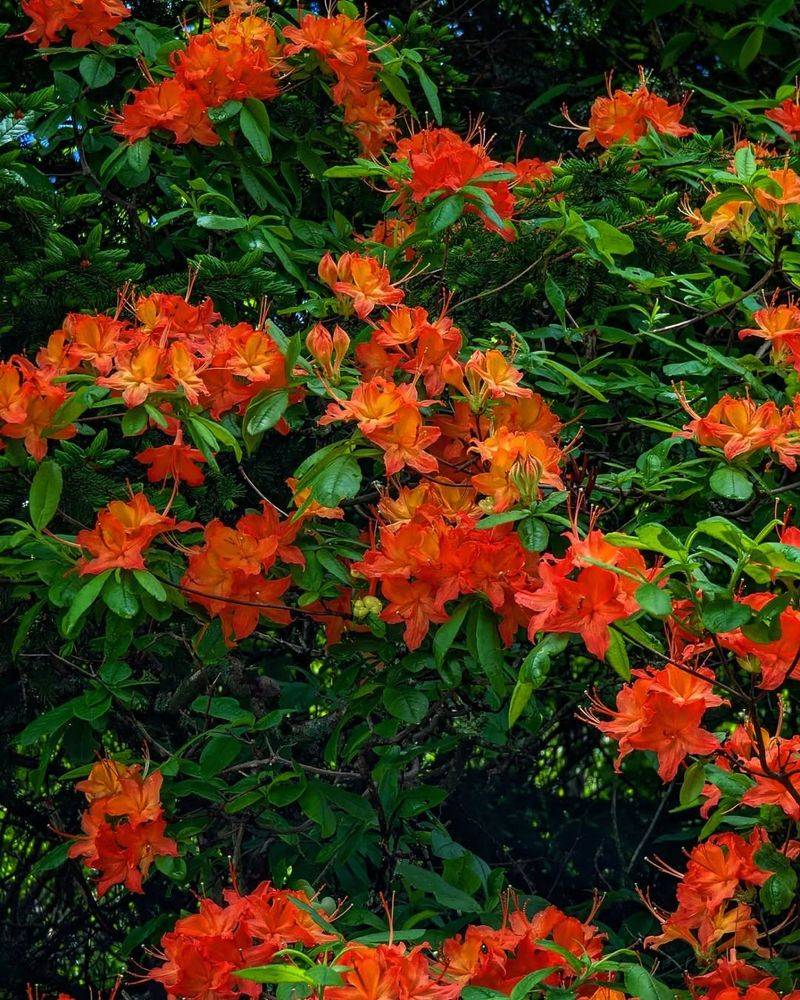
Spring in Georgia would not feel complete without azaleas, and native species like flame azalea and piedmont azalea put on one of the most breathtaking wildflower shows the Southeast has to offer.
However, these plants set their flower buds on old wood during the previous growing season, which means pruning done in March can remove buds that are close to opening.
Gardeners who prune native azaleas in late winter often step back in April wondering why their shrub has no blooms, and the answer is usually mistimed pruning.
The smart approach is to wait until right after the flowers fade, usually in April or May depending on the species and your location in Georgia, and then do any shaping or size reduction you need.
Even then, keep pruning light and selective on native azaleas since they can recover slowly from heavy cutting. Removing dead or crossing branches is fine at almost any time of year.
If a branch snapped in a late winter storm, go ahead and clean that up in March, but leave the healthy budded wood alone until the bloom show is finished.
8. Oakleaf Hydrangea Keeps Blooms On Older Stems
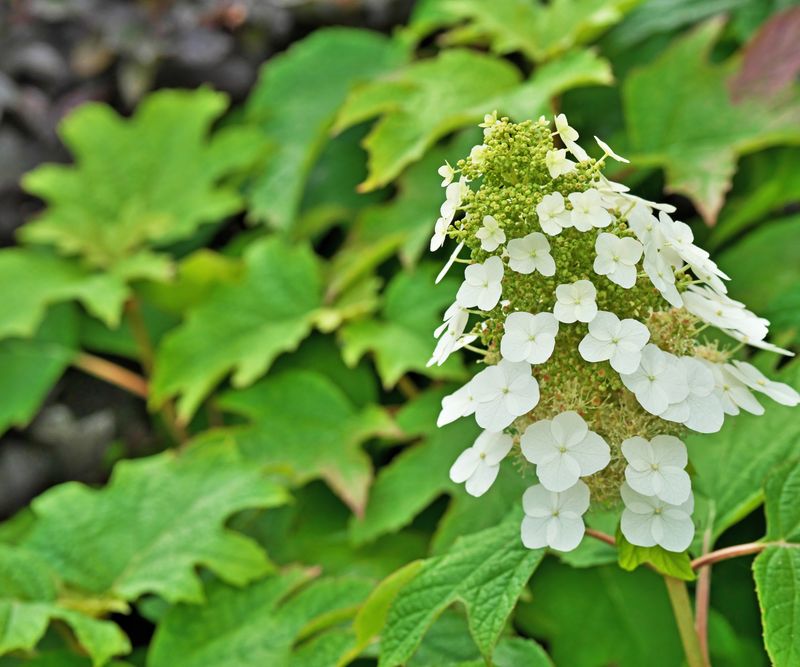
Oakleaf hydrangea is one of Georgia’s standout natives, offering bold leaves, summer flower cones, fall color, and handsome winter bark. Pruning it in March is a common mistake because this species carries its flower buds on older wood.
Cut those stems back in late winter and you can remove buds before they open. The right window for pruning oakleaf hydrangea is soon after it finishes blooming, which is often in June or July in Georgia.
That timing gives the plant room to set next year’s buds.
At that point you can remove spent flower heads, thin out crowded stems, and lightly shape the plant without sacrificing the next bloom season.
In March, limit yourself to removing stems that were clearly damaged by cold, ice, or breakage over winter. Use clean, sharp pruners and cut back only to healthy wood.
Give this shrub room to grow since its natural form is part of its charm, and avoid shearing it into a rigid shape that strips away its character.
9. Mountain Laurel Holds Blooms On Last Year’s Growth
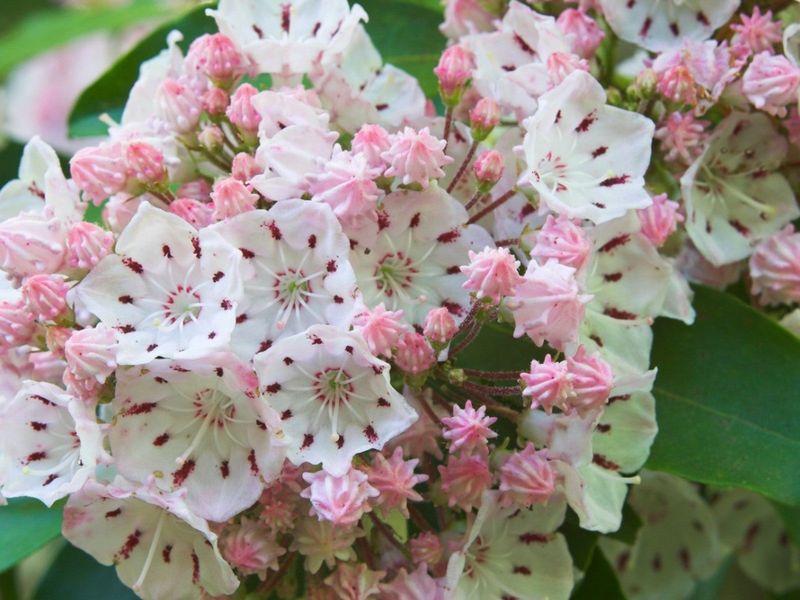
Up in Georgia’s Blue Ridge foothills, mountain laurel puts on a stunning late-spring bloom display. Like many spring bloomers, it sets buds during the previous growing season, and pruning in March can remove buds that are preparing to open.
Gardeners who want to prune mountain laurel should wait until the bloom cycle is fully finished, usually by early summer.
Light deadheading and gentle shaping after flowering can help tidy the plant without sacrificing the next season’s buds.
Mountain laurel tends to be slow-growing and does not bounce back quickly from heavy pruning, so a gentle hand is usually the better approach.
In March, only remove stems that were clearly damaged, cutting back to healthy wood just above a side branch.
This plant prefers well-drained, acidic soil and part shade, which matches many north Georgia woodland conditions.
10. Virginia Sweetspire Prefers Pruning After Flowering
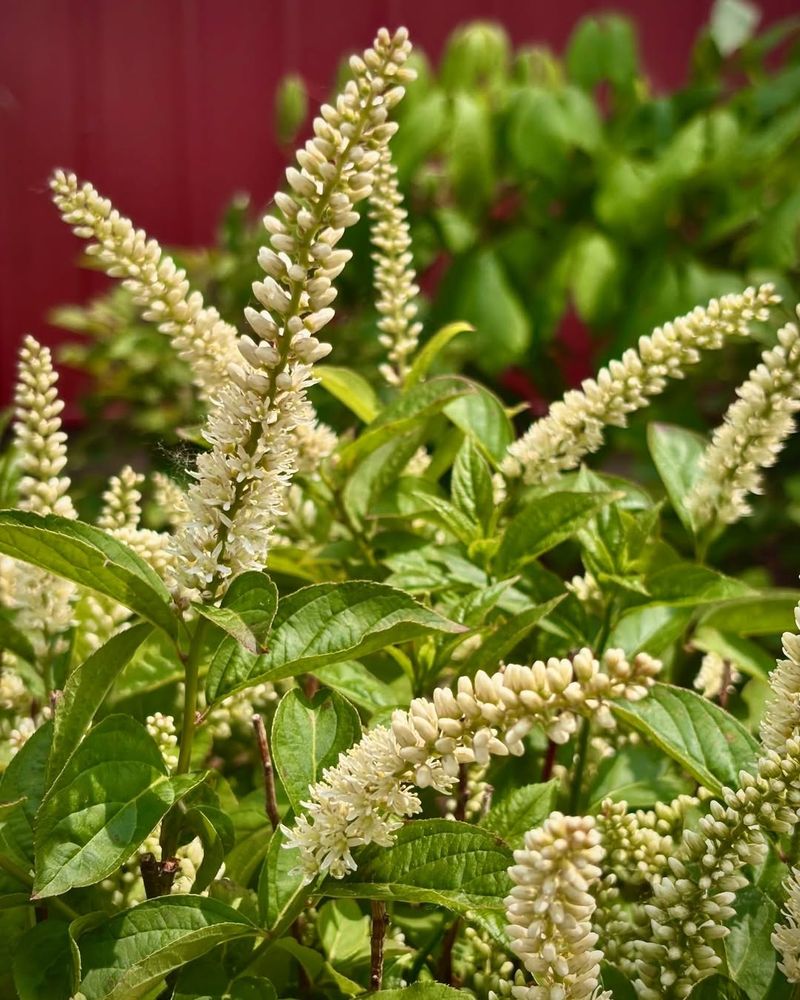
Virginia sweetspire earns its place in Georgia gardens for fragrant early-summer blooms and strong fall color that can hold late into the season.
It is a native shrub that handles moist soil and part shade well, making it a good fit for rain gardens and low spots.
Where timing matters is that Virginia sweetspire blooms on stems that developed the previous season. Pruning in March removes those stems along with flower buds, which can reduce flowering.
Waiting until right after the flowers fade, often in early summer, gives you the same shaping opportunity with less impact on bloom.
After blooming, you can remove the oldest stems at the base, thin congested growth, and lightly reduce size if the shrub has spread beyond its space.
Sweetspire can spread by root suckers, and removing those after bloom helps keep clumps manageable.
In March, focus on broken or winter-damaged wood and leave healthy budded stems alone until flowering is finished.