9 Flowering Shrubs Oregon Gardeners Can Plant Instead Of Hydrangeas Right Now
If hydrangeas haven’t been your thing, or your soil doesn’t love them, spring is the perfect time to explore other flowering shrubs that thrive in Oregon.
Planting now gives these alternatives time to settle, grow strong roots, and fill the garden with color by summer.
With the right choices, you can enjoy vibrant blooms, interesting foliage, and a low-maintenance landscape without relying on classic hydrangeas.
Many flowering shrubs flourish in Oregon’s climate, offering options for sun, shade, and everything in between. Early planting ensures they establish quickly and handle the warmer months with healthy growth and full blooms.
Shrubs with a variety of textures and flower shapes also add depth to beds, borders, or foundation plantings, giving a garden more personality.
Switching up your flowering shrubs now is an opportunity to mix color, structure, and season-long interest. Planting smart selections can reduce maintenance while delivering flowers that attract pollinators and enhance the yard’s visual appeal.
Choosing the right alternatives now sets the stage for a lively, blooming landscape that will shine throughout spring and summer.
1. Spirea
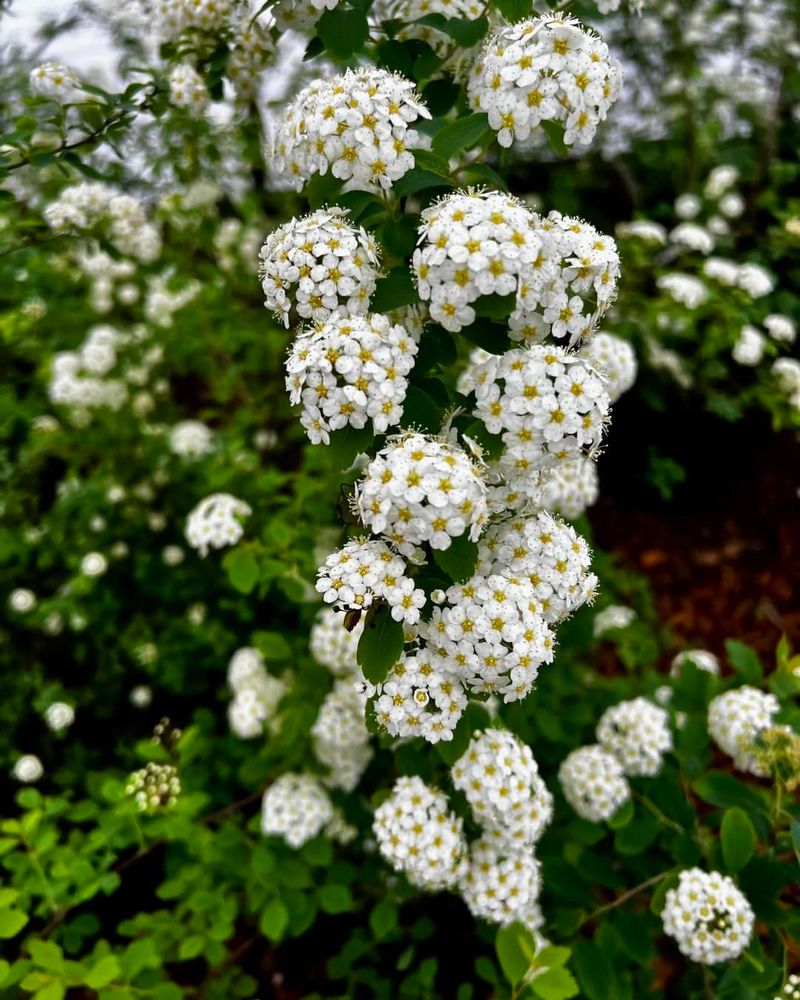
Few shrubs put on a show quite like Spirea does in the spring. Those delicate clusters of tiny flowers in pink, white, and red are hard to miss, and they bloom just when Oregon gardens are waking back up after winter.
The plant grows between two and five feet tall, so it fits nicely in smaller yards without taking over.
What makes Spirea so popular in Oregon is how little fuss it needs. It handles a wide range of soils and does well in full sun or partial shade.
That flexibility makes it a great fit for everything from Portland backyards to rural properties in the Rogue Valley.
Pruning is simple too. Just trim the shrub after it finishes blooming and it will reward you with fresh growth and even more flowers the next season.
New gardeners love it because it bounces back quickly and looks tidy with minimal effort. Spirea also works well as a border plant or a low hedge along a walkway.
If you want reliable color with very little maintenance, this shrub deserves a spot in your Oregon garden right now.
2. Rhododendron
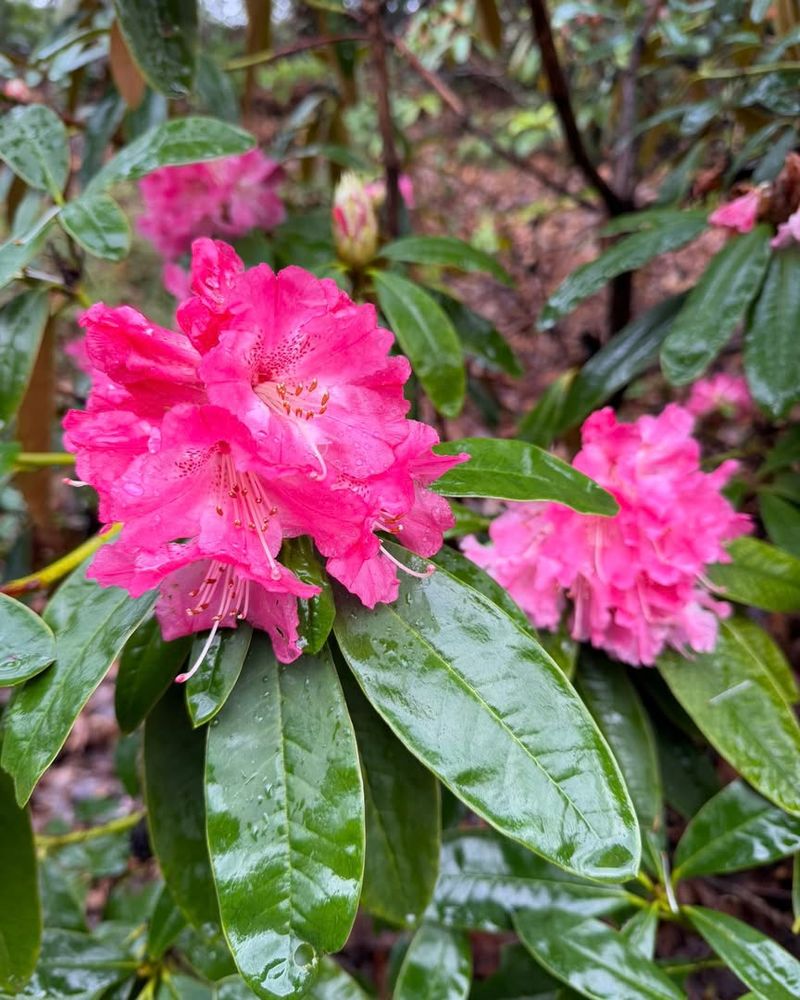
Oregon is practically famous for its Rhododendrons. Walk through almost any neighborhood in Portland or Eugene in late spring and you will spot these bold, beautiful shrubs bursting with color.
They are one of the most beloved flowering plants in the entire Pacific Northwest, and for good reason.
Rhododendrons produce large, rounded flower clusters in shades of purple, pink, red, white, and yellow. They are evergreen, which means they keep their glossy green leaves all year long.
That alone makes them a huge win for gardeners who want their yard to look good even in the middle of winter.
They prefer acidic soil, which is something Oregon naturally provides in many areas. Plant them in a spot with morning sun and afternoon shade for the best results.
Adding a layer of mulch around the base helps keep the roots cool and the soil moist during dry summer months. Rhododendrons grow slowly but can eventually reach impressive sizes, making them a long-term investment in your landscape.
Once established, they are tough, reliable, and absolutely stunning each spring throughout Oregon.
3. Azalea
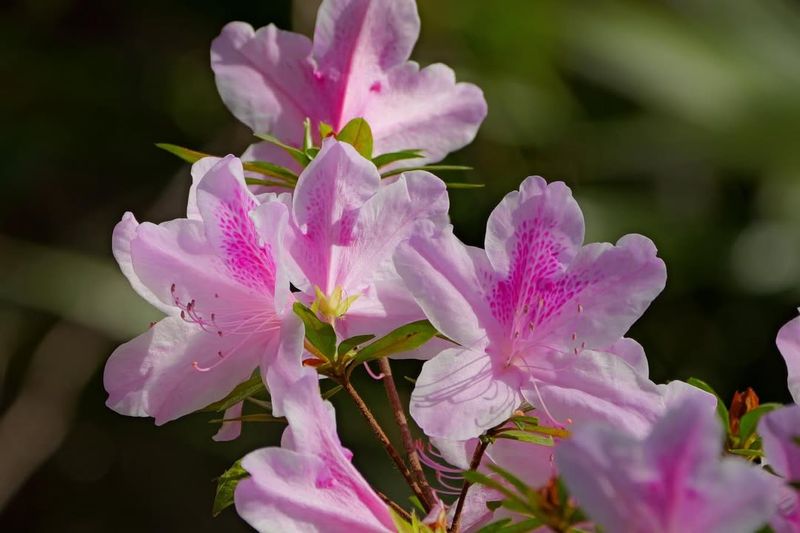
Bright, cheerful, and packed with personality, Azaleas are one of spring’s biggest garden events in Oregon. They light up shaded spots with blooms in pink, red, orange, white, and purple, usually peaking from early to mid-spring.
Neighborhoods across the Portland metro area and the Willamette Valley become a riot of color when Azaleas hit their stride.
Technically a type of Rhododendron, Azaleas tend to be smaller and more compact, growing between two and six feet tall. That makes them ideal for garden borders, container planting, or tucking under taller trees.
They love morning sunlight but appreciate a break from the hot afternoon sun, especially during Oregon’s warmer summers.
Acidic, well-draining soil is key to keeping Azaleas healthy and happy. A good layer of mulch around the base does wonders for moisture retention and weed control.
Water regularly during the first growing season to help roots get established. Once they settle in, Azaleas are surprisingly low-maintenance for the amount of beauty they deliver.
If you want a shrub that transforms your yard into something truly eye-catching every spring, Azaleas are absolutely worth planting in your Oregon garden.
4. Weigela
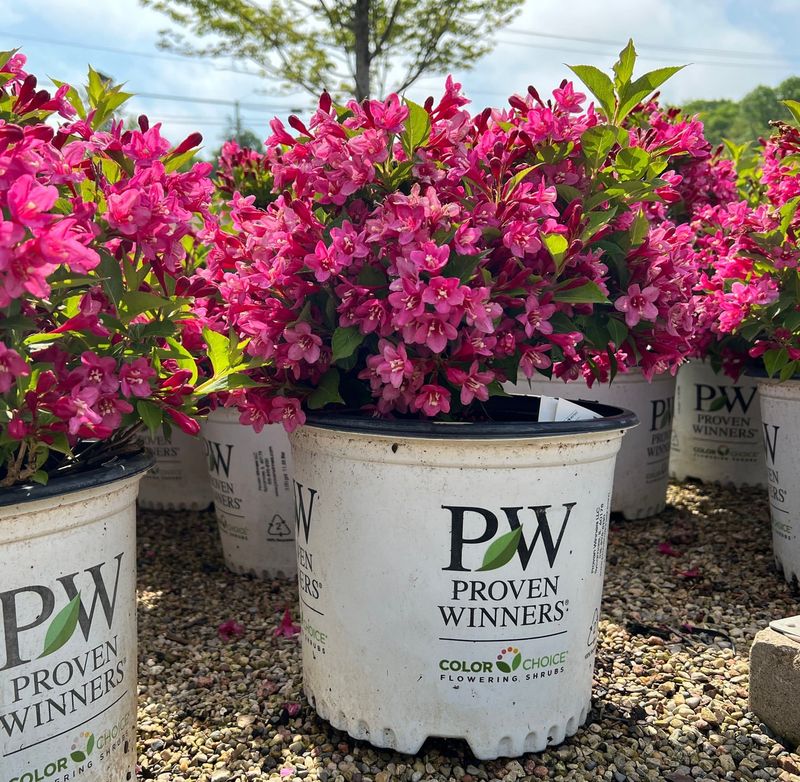
If hummingbirds are something you want to attract to your Oregon garden, Weigela is practically a cheat code. Its trumpet-shaped flowers are irresistible to them, and watching those tiny birds zip from bloom to bloom is one of the simple joys of backyard gardening.
The flowers come in pink, red, white, and purple, showing up from late spring into early summer.
Weigela grows in a rounded, arching shape and can reach anywhere from three to eight feet tall depending on the variety. It prefers full sun and well-drained soil, which is easy to manage across most parts of Oregon.
Some newer varieties also have striking dark or variegated foliage that adds visual interest even when the plant is not in bloom.
Light pruning right after flowering keeps the shape tidy and encourages the plant to rebloom later in the season. Weigela is also fairly cold-hardy, which is helpful for Oregon gardeners in higher elevation areas like the Cascades foothills.
It grows quickly and fills in nicely, making it a great choice for filling empty spaces in a garden bed. Few shrubs offer this much visual energy with this little effort.
5. Potentilla
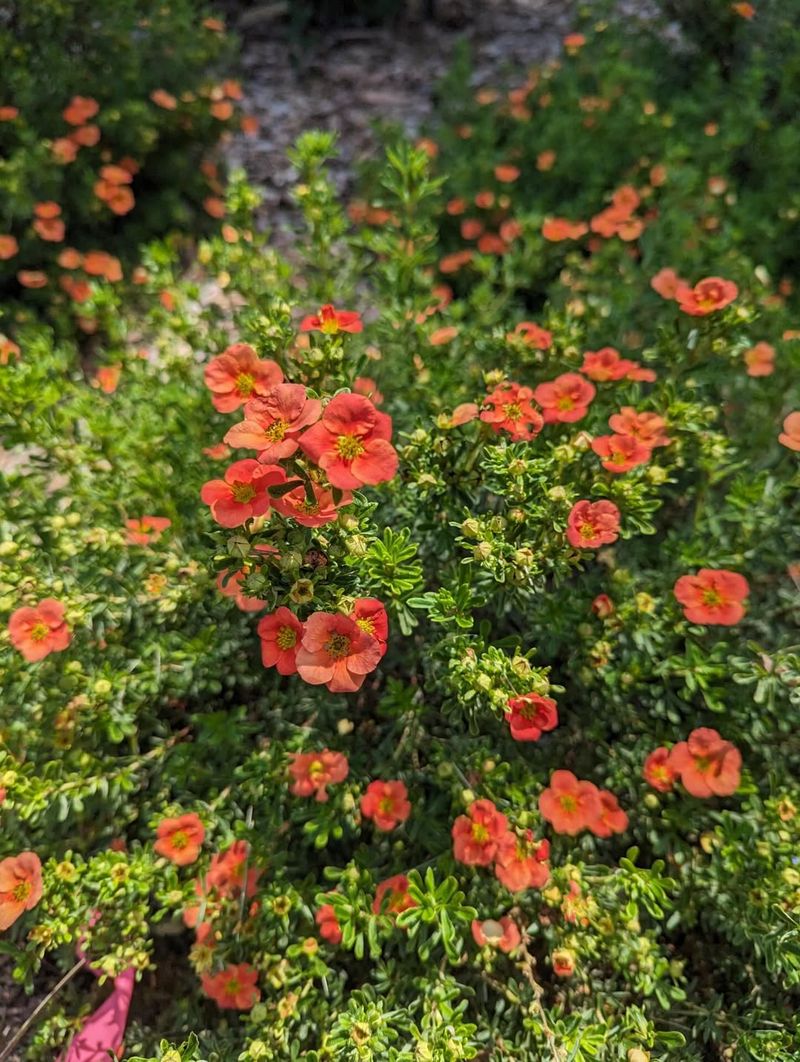
Cheerful and nearly unstoppable, Potentilla is one of those shrubs that just keeps going all season long. It produces small, rose-like flowers in yellow, white, orange, or pink from late spring all the way through fall.
That extended bloom time is a huge bonus for Oregon gardeners who want consistent color without replanting every few weeks.
The shrub stays compact, usually growing between two and four feet tall, which makes it easy to fit into almost any garden layout. It thrives in full sun and handles dry conditions better than many other flowering shrubs.
That drought tolerance is especially helpful in eastern Oregon and southern Oregon where summers can get quite warm and dry.
Potentilla is also very cold-hardy, surviving harsh winters without much protection. Minimal pruning in early spring helps keep the shape neat and encourages strong new growth.
It works beautifully as a low hedge, a foundation planting, or a colorful accent in a mixed border. Deer tend to leave it alone, which is always a plus in more rural parts of Oregon.
For a reliable, long-blooming shrub that practically takes care of itself, Potentilla is a fantastic pick.
6. Oregon Grape
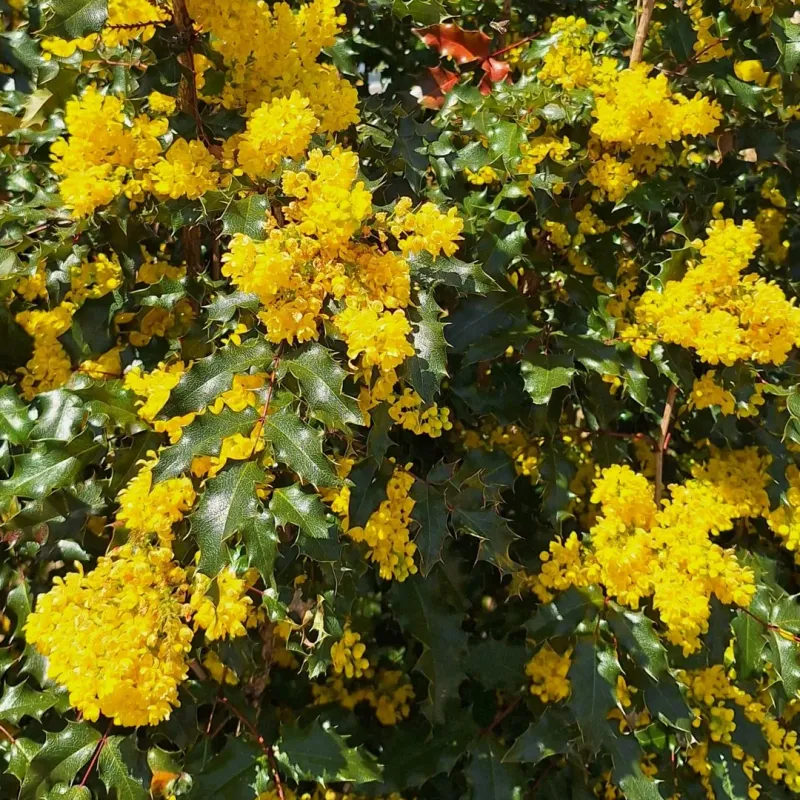
Here is a shrub that is literally named after the state, so you know it belongs in an Oregon garden. Oregon Grape is the state flower and a true native plant that has been thriving in Pacific Northwest landscapes long before anyone started planting gardens.
It is tough, beautiful, and deeply connected to the local ecosystem.
In early spring, Oregon Grape puts out clusters of small, bright yellow flowers that are a magnet for native bees and early pollinators. After the flowers fade, clusters of dark blue-purple berries appear, which birds absolutely love.
The leaves are spiky and holly-like, staying evergreen all year and adding great texture to any garden bed.
This shrub adapts to a wide range of conditions, growing in full sun, partial shade, or even deep shade. It handles the heavy clay soils common in much of western Oregon, and it does not need much water once established.
Low-growing varieties like Mahonia nervosa work well as ground cover under trees, while taller types like Mahonia aquifolium make excellent specimen plants. If you want a plant that truly belongs in Oregon and supports local wildlife, this one is an obvious choice.
7. Flowering Currant
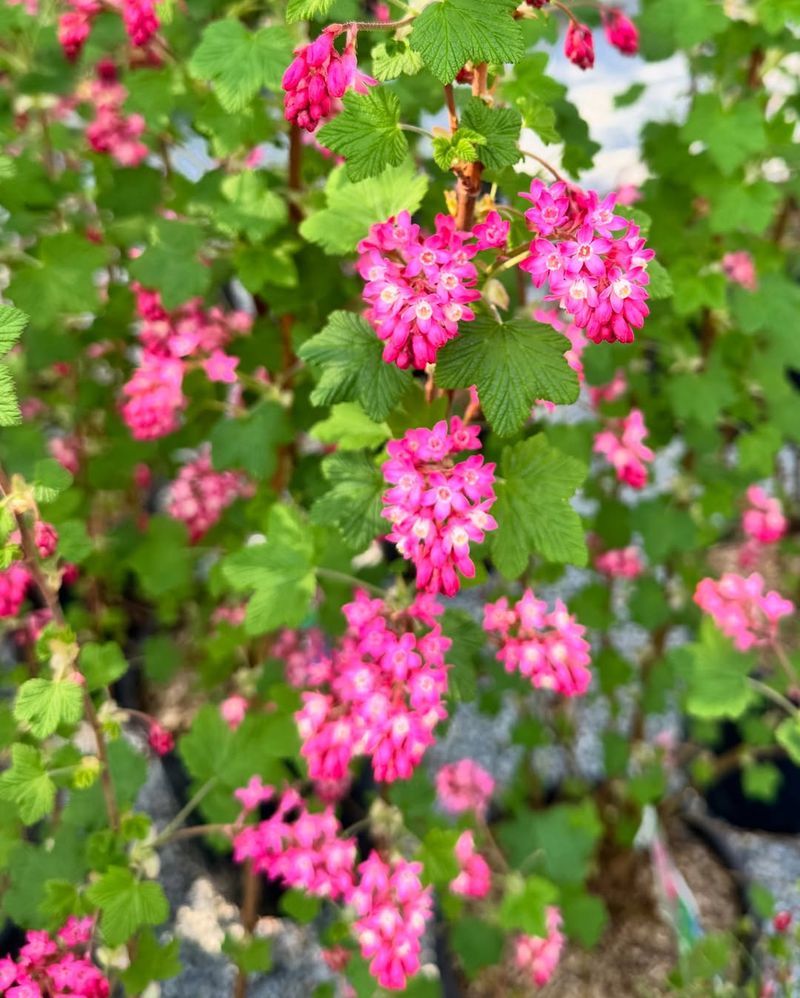
One of the earliest signs of spring in Oregon is the Flowering Currant bursting into bloom. Long before most other shrubs have even woken up, Ribes sanguineum is already covered in dangling clusters of deep pink and red flowers.
It is like a signal flare that warmer days are on the way.
Native to the Pacific Northwest, Flowering Currant grows naturally along stream banks, forest edges, and hillsides throughout Oregon. That means it is already perfectly adapted to the climate and soil conditions found here.
It grows between five and ten feet tall and does well in full sun or partial shade, making it a flexible option for many different garden spots.
Hummingbirds arrive in Oregon right around the time Flowering Currant blooms, and the timing is no coincidence. The tubular flowers are one of their first food sources of the season.
After blooming, the shrub produces small dark berries that attract songbirds through summer and fall. It needs very little water once established and rarely needs pruning.
For a plant that is both beautiful and ecologically valuable, Flowering Currant is one of the best choices any Oregon gardener can make right now.
8. Mock Orange
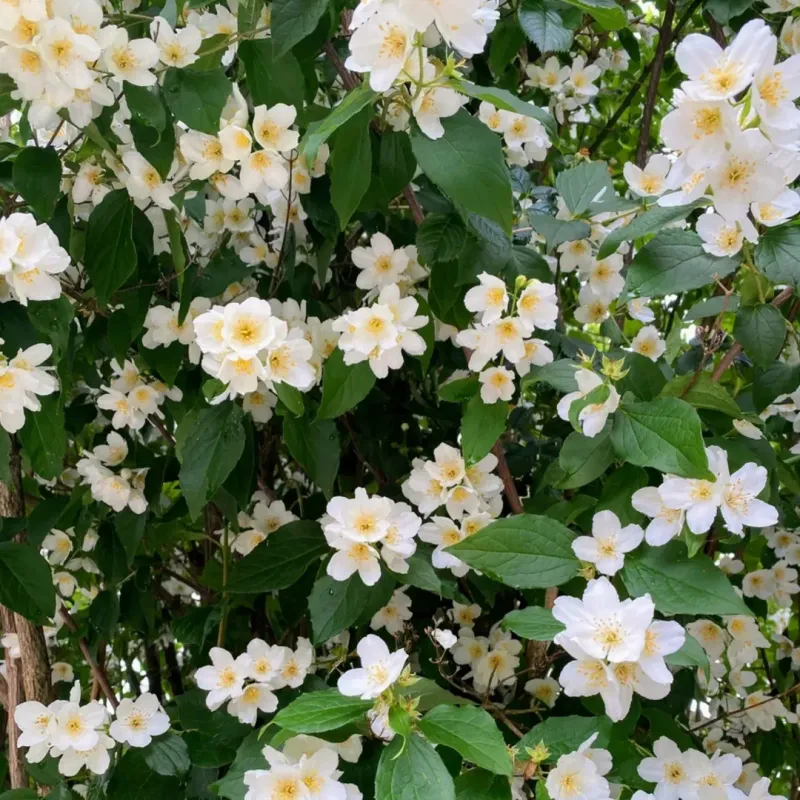
Close your eyes and imagine the scent of orange blossoms drifting through a warm Oregon evening. That is exactly what Mock Orange brings to a garden in late spring and early summer.
The fragrance from its white blooms is rich and sweet, and it can fill an entire yard on a calm afternoon. It is one of those plants that people stop and ask about every time.
Mock Orange, or Philadelphus, grows in a rounded shape and can reach six to ten feet tall. It does well in full sun to partial shade and is not picky about soil as long as it drains well.
That adaptability makes it a solid choice for a wide range of Oregon growing conditions, from the coast to the valley.
Pruning right after the flowers fade keeps the plant looking tidy and encourages strong new growth for the following year. Because Mock Orange blooms on old wood, pruning at the wrong time can reduce next year’s flower display, so timing matters.
Plant it near a patio, walkway, or window where the fragrance can be enjoyed up close. Few flowering shrubs offer this kind of sensory reward for so little effort in an Oregon garden.
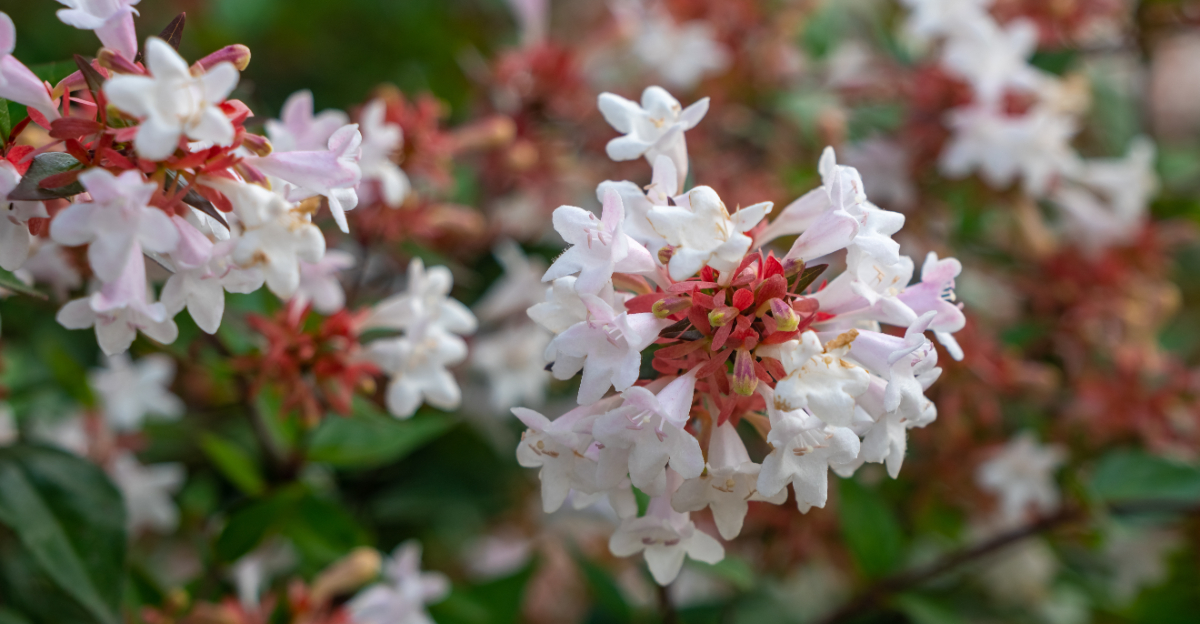
9. Abelia
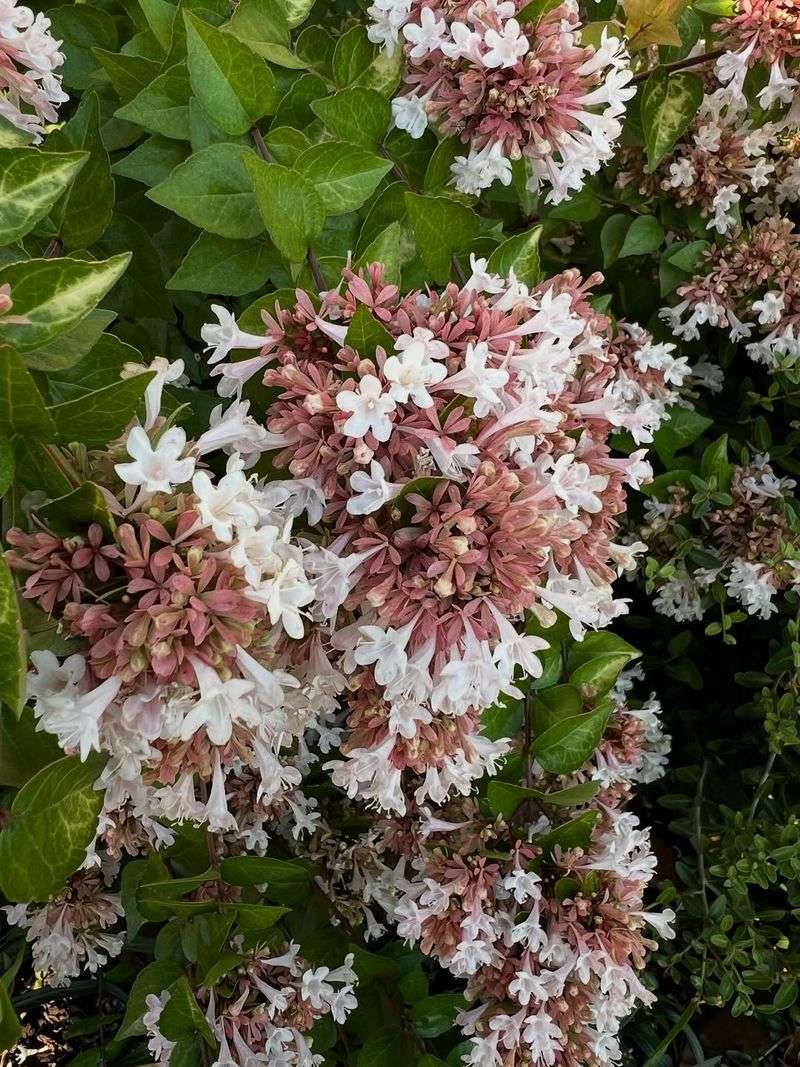
While most flowering shrubs wrap up their show by midsummer, Abelia is just getting started.
This underrated gem blooms from late spring all the way through fall, producing small tubular flowers in white and soft pink that attract butterflies and bees for months on end.
Oregon gardeners who want late-season color will find Abelia to be a real standout.
The foliage is another reason to love this plant. The leaves start out bronze-green in spring and shift through the season, often taking on warm orange and reddish tones in fall.
Even after the flowers are gone, the shrub still looks attractive in the landscape. It grows between three and six feet tall and works well as a hedge, border plant, or standalone specimen.
Abelia prefers full sun but tolerates some shade, and it does well in the mild climate of western Oregon. It is also reasonably drought-tolerant once established, which helps during Oregon’s dry summers.
Light pruning in late winter or early spring keeps the shape neat without sacrificing blooms. If you have an empty spot in your garden that needs something long-blooming, low-maintenance, and genuinely beautiful, Abelia is a shrub worth getting to know right away.