5 Flowering Shrubs Safe To Trim Now In Oregon And 3 You Shouldn’t Touch
In Oregon, spring is the perfect time to give your garden a little love. While some plants are ready for a trim, others need to be left alone until later in the season.
Pruning at the right time helps encourage healthy growth and more blooms, so knowing which shrubs to trim now and which ones to hold off on is key.
Certain flowering shrubs can be pruned now to promote better airflow, shape, and more vibrant flowers as the season progresses.
But some plants are already working on next season’s blooms and should only be pruned after they’ve flowered.
The right timing makes all the difference when it comes to getting the best out of your flowering shrubs. Here’s what you can trim now, and what you should wait on.
1. Panicle Hydrangea
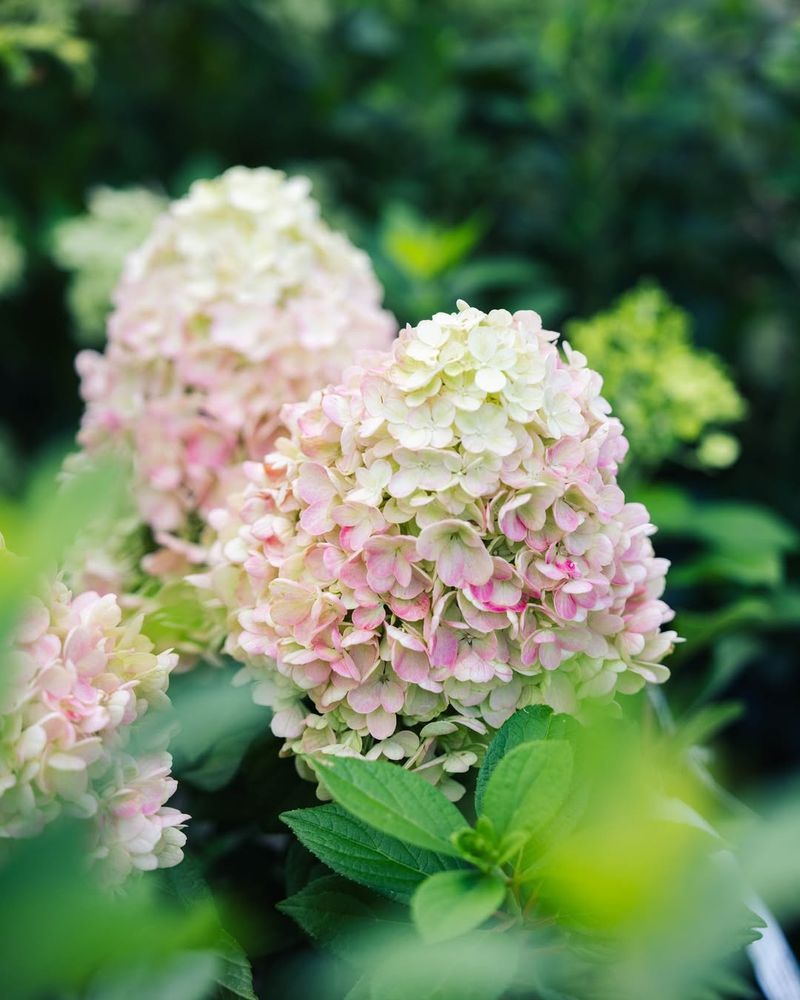
Few shrubs reward early pruning quite like the Panicle Hydrangea. Unlike its cousins, this one blooms on new wood, meaning the flowers grow from fresh stems that sprout in spring.
That makes early pruning not just safe but actually smart.
Oregon gardeners can confidently cut Panicle Hydrangeas back in late winter or early spring. Trim each stem back by about one-third.
This encourages stronger growth and produces bigger, showier flower heads later in the season.
You will often see these shrubs showing off tall, cone-shaped clusters of white or pink blooms by midsummer. They are tough plants that handle Oregon’s wet winters well.
Many gardeners in the Willamette Valley love them for their reliability.
After pruning, give the plant a light feeding with a balanced fertilizer. Add a layer of mulch around the base to keep moisture in.
With just a little care, your Panicle Hydrangea will put on an impressive show all summer long.
2. Potentilla (Shrubby Cinquefoil)
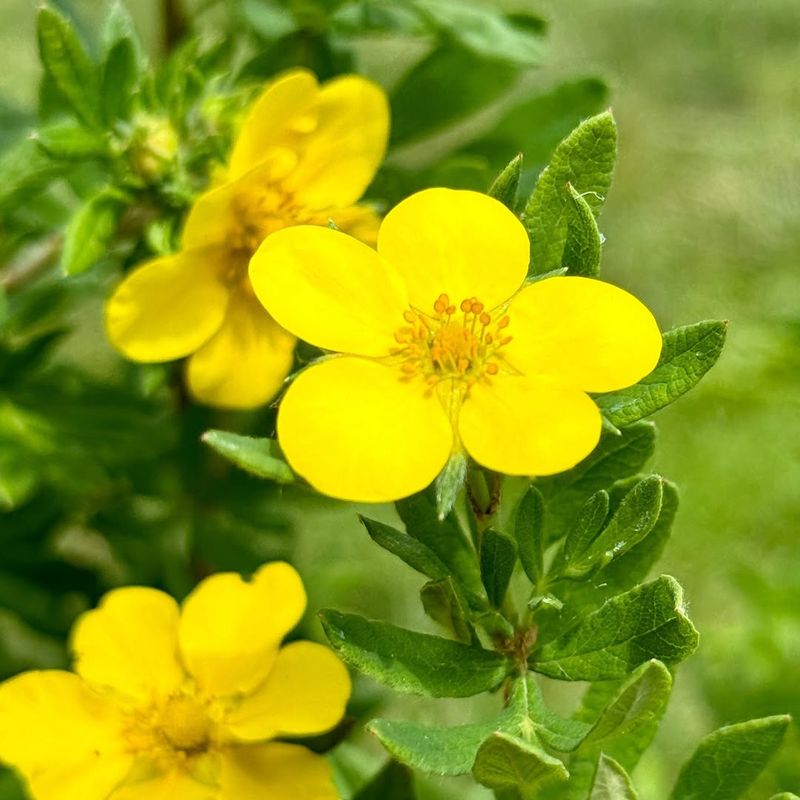
Cheerful and tough, Potentilla is one of those shrubs that just keeps going no matter what. Also called Shrubby Cinquefoil, this plant is a favorite among Oregon gardeners because it handles both cold snaps and dry spells without much complaint.
Potentilla blooms on new wood, so trimming it back in early spring is perfectly fine. In fact, a good haircut now will push the plant to produce more fresh stems, which means more flowers.
Cut it back by about one-third to keep it compact and full.
Across Oregon, you will spot Potentilla in all kinds of settings, from coastal gardens to inland yards. It comes in yellow, white, pink, and orange flower varieties.
The blooms are small but plentiful, and they keep coming from late spring all the way through fall.
Pruning is simple with this shrub. Use clean, sharp shears and work your way around the plant evenly.
Avoid cutting into old, woody stems too deeply. With a light spring trim, Potentilla will reward you with months of cheerful color throughout the Oregon growing season.
3. Rose Of Sharon (Hibiscus Syriacus)
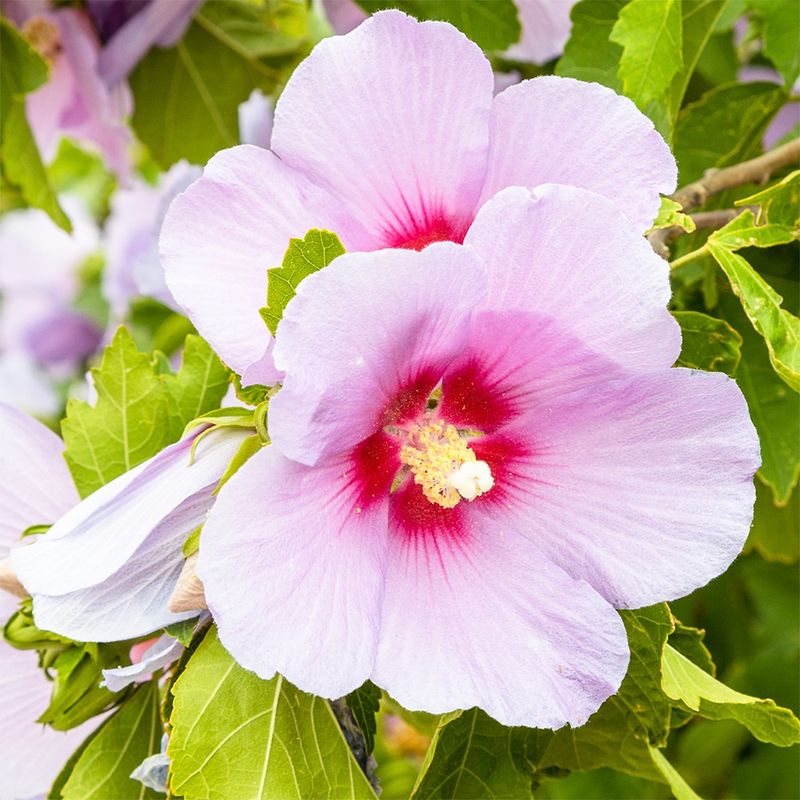
Rose of Sharon has a reputation for being a late bloomer, and that is exactly what makes it so valuable in Oregon gardens. While other shrubs wrap up their flowering by midsummer, this one is just getting started.
Its large, trumpet-shaped blooms open up from midsummer into fall.
Because it blooms on new wood, you can safely prune Rose of Sharon in early spring without worrying about losing this season’s flowers. Cutting it back now encourages the plant to push out lots of fresh growth.
More new stems mean more blooms when the warm months arrive.
Oregon gardeners in the Willamette Valley and beyond have long appreciated how well Rose of Sharon handles the region’s climate. It tolerates both heat and occasional dry periods.
The flowers come in shades of purple, pink, white, and red, often with a contrasting eye in the center.
Prune it back by about one-third in early spring for best results. Remove any crossing or crowded branches to improve airflow.
A little cleanup now sets this shrub up for a long and beautiful blooming season later in the year.
4. Butterfly Bush (Buddleia)
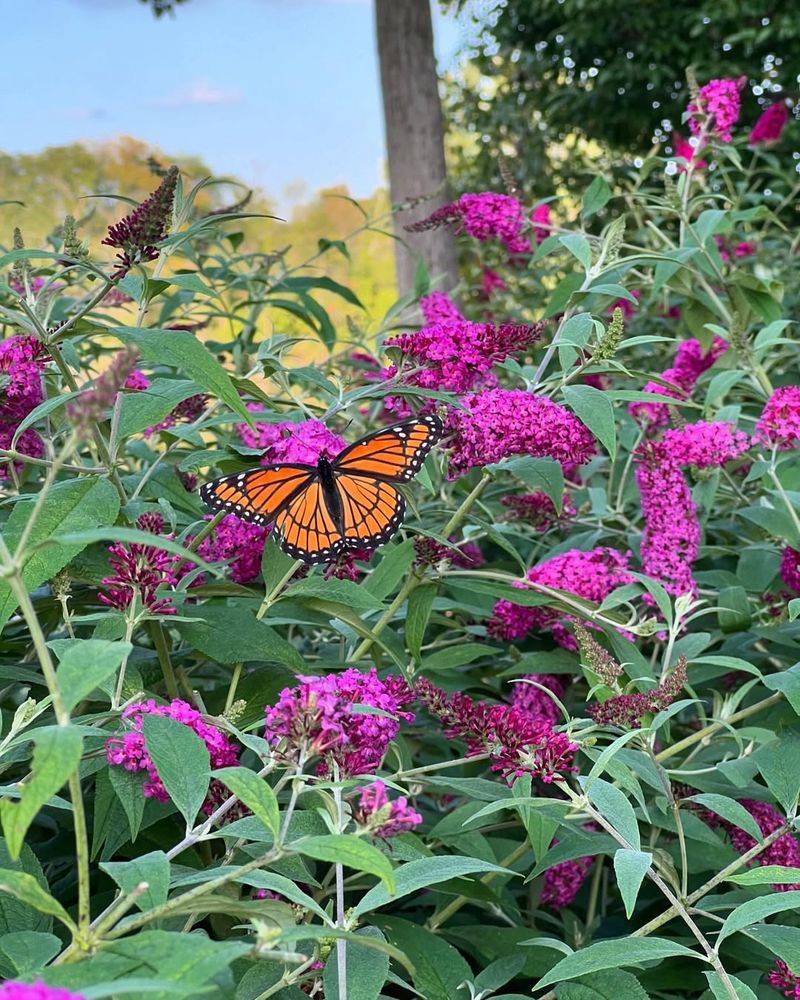
Walk past a Butterfly Bush on a warm Oregon afternoon, and you will almost certainly see it buzzing with life. Bees, butterflies, and hummingbirds cannot resist those long, fragrant flower spikes.
It is one of the most pollinator-friendly shrubs you can grow in the Pacific Northwest.
Butterfly Bush blooms on new wood, which means early spring is the perfect time to cut it back hard. Do not be shy with the pruners.
Many gardeners cut the whole plant down to about 12 inches from the ground. This might look dramatic, but the plant bounces back fast and comes back fuller and more floriferous.
Oregon State University Extension recommends pruning Butterfly Bush before new growth really gets going in spring. Waiting too long can mean missing the window for the best results.
The plant grows quickly, so even a hard prune in March will have it looking lush and full by June.
One note for Oregon gardeners: Butterfly Bush can self-seed aggressively. Deadhead spent blooms regularly to prevent unwanted spreading.
Some sterile or low-seed varieties are available and are a great choice for responsible gardening in the Pacific Northwest.
5. Spirea (Especially Japanese Spirea)
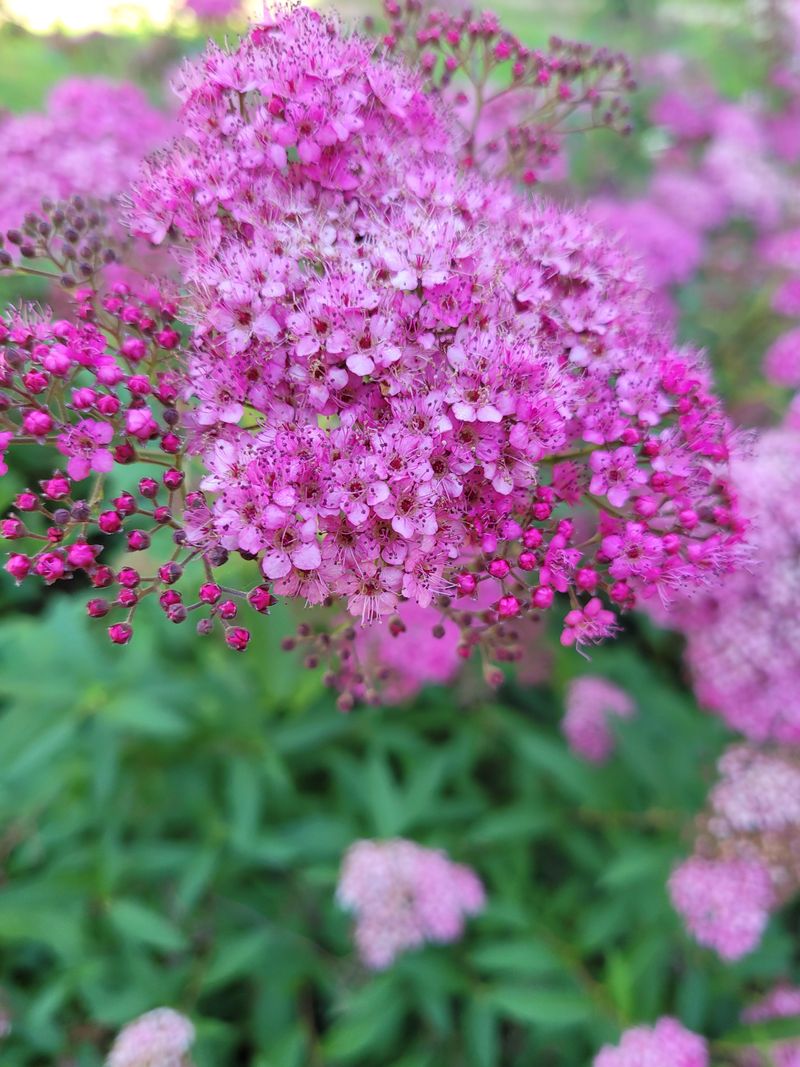
Japanese Spirea is a workhorse shrub that rarely gets the credit it deserves. It is compact, colorful, and incredibly easy to care for, making it a top pick for both beginner and experienced Oregon gardeners.
The bright pink flower clusters are hard to miss when they show up in late spring and summer.
Since Japanese Spirea blooms on new wood, pruning in early spring is not only safe but encouraged. Cut the entire shrub back by about one-half to two-thirds.
This sounds aggressive, but the plant handles it well. New growth emerges quickly, and the resulting bloom display is much more impressive than if you had skipped the trim.
Across Oregon, you will find Spirea growing in front yards, along fences, and in mixed shrub borders. It adapts well to the state’s varied climates, from the rainy coast to the drier inland valleys.
The foliage also adds color interest, with some varieties showing golden or reddish leaves.
Keep your pruning tools sharp and clean before you start. Make cuts just above a healthy bud or branch junction.
A light application of slow-release fertilizer after pruning gives the plant an extra boost heading into the growing season.
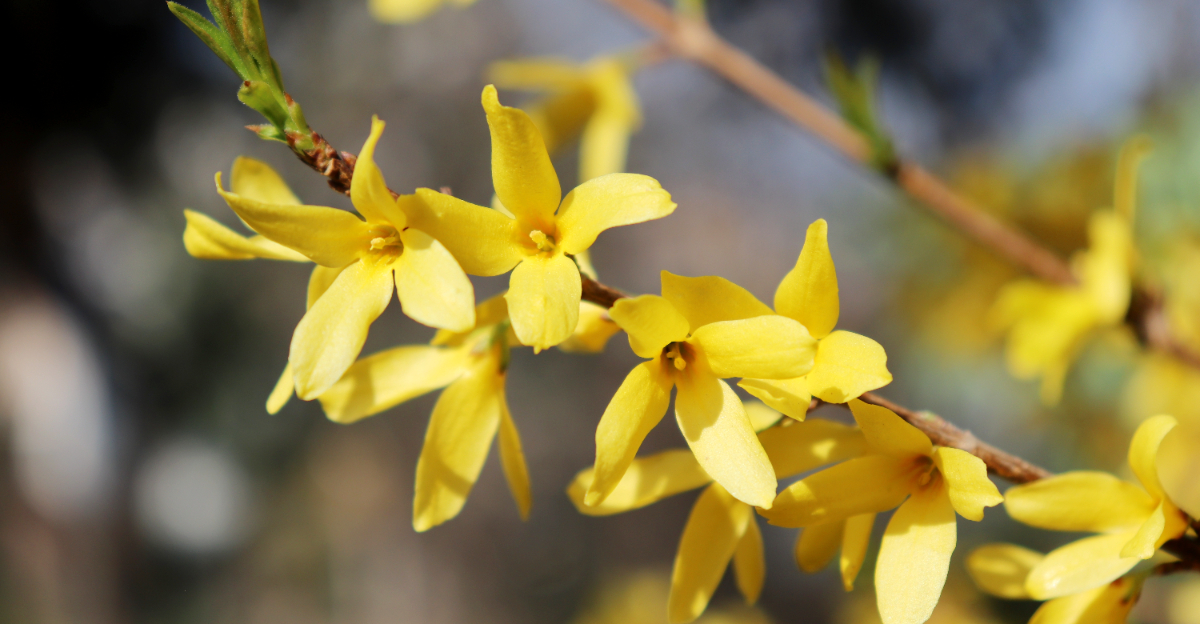
6. Forsythia
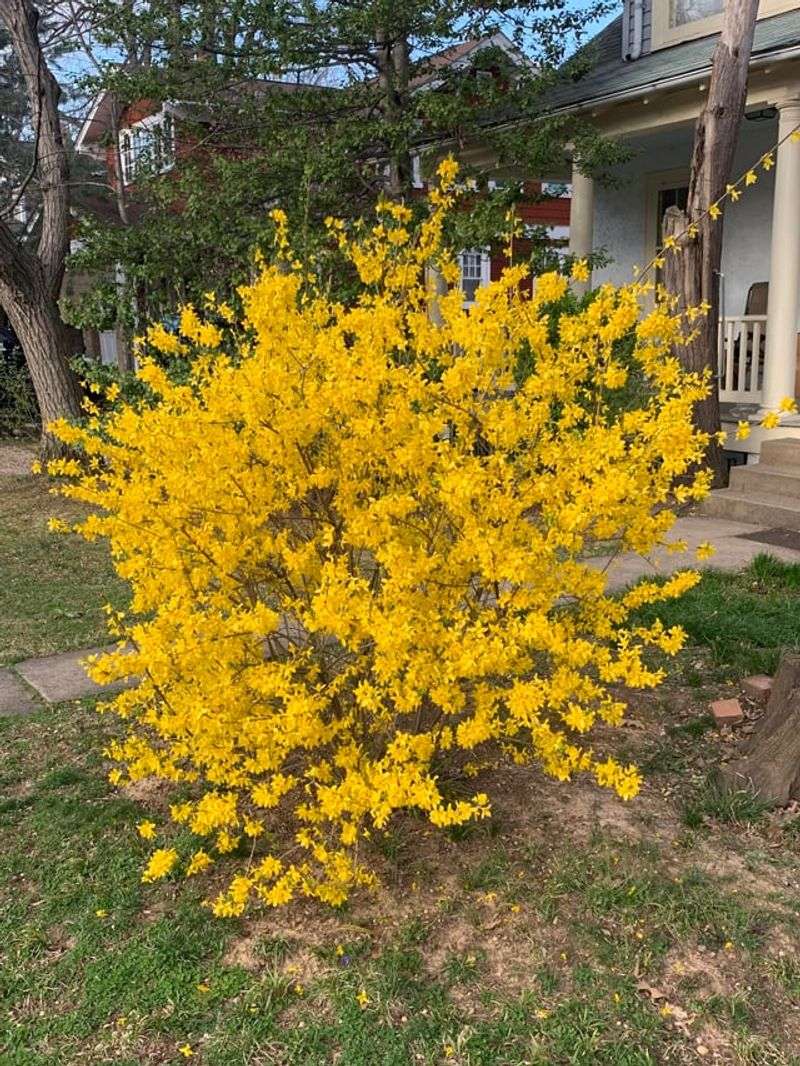
Forsythia is practically the official announcement that spring has arrived in Oregon. Those bold yellow flowers appear on bare branches before the leaves even open, making it one of the most cheerful sights of the season.
But here is the catch: you absolutely should not prune it right now.
Forsythia blooms on old wood, meaning the flower buds you see this spring have been sitting on last year’s branches all winter long. If you cut those branches now, you lose the blooms.
Pruning at the wrong time is the most common mistake Oregon gardeners make with this shrub.
The right time to prune Forsythia is immediately after it finishes flowering, usually by late April or early May in most parts of Oregon. That gives the plant the entire growing season to set new buds for next year.
Wait even a few weeks too long, and you risk cutting off next year’s flowers.
When you do prune, remove older woody stems at the base to encourage fresh new growth. Shape the outer branches to keep the shrub tidy.
Forsythia is forgiving and recovers quickly, so a good post-bloom trim will have it looking great by the following spring.
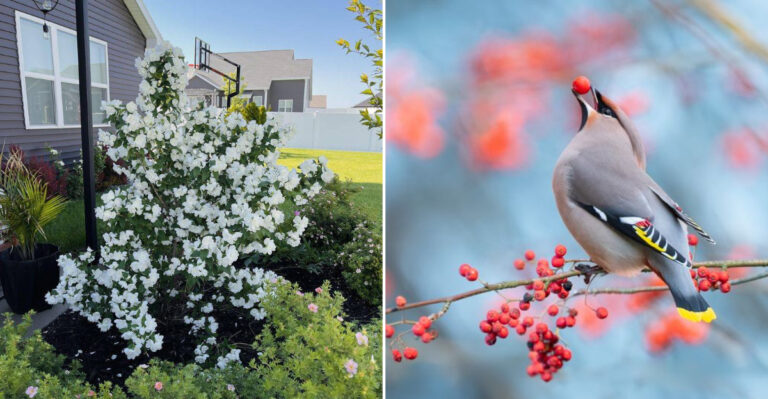
7. Mock Orange (Philadelphus)
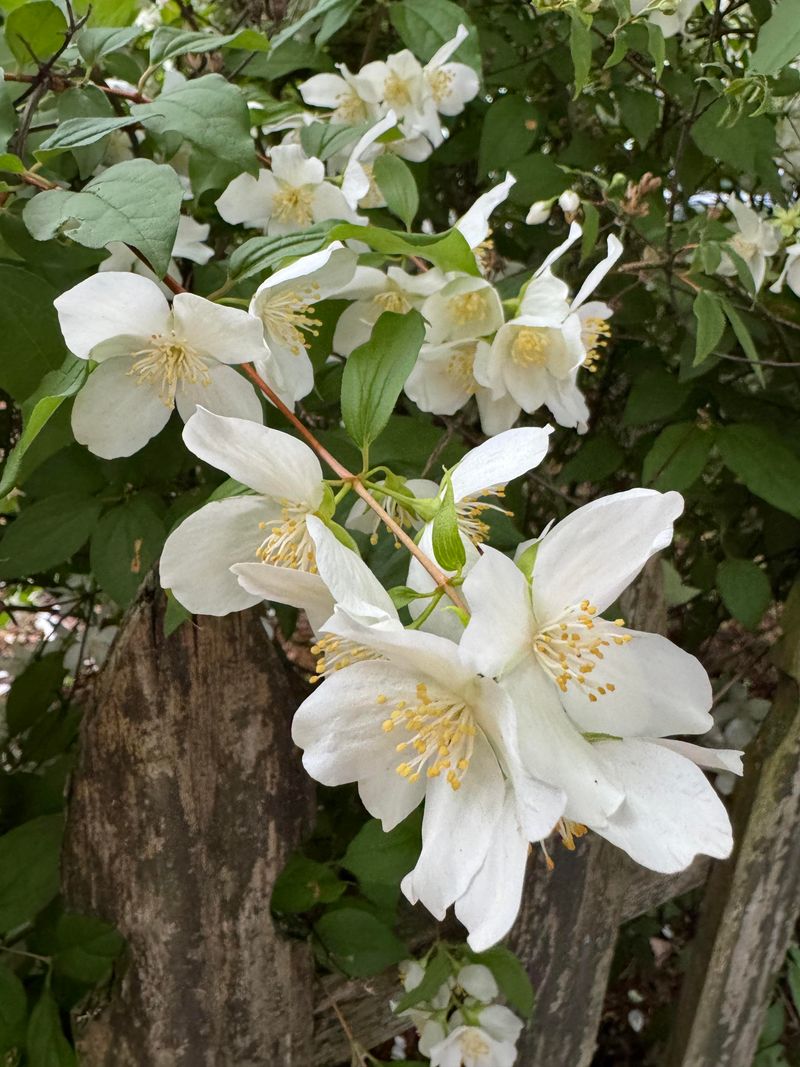
If you have ever caught a sweet, citrusy fragrance drifting through a Pacific Northwest garden in late spring, there is a good chance Mock Orange was responsible.
This classic shrub produces clusters of creamy white flowers that smell remarkably similar to orange blossoms.
It is a beloved plant in Oregon gardens for very good reason.
Here is the important thing every Oregon gardener should know: Mock Orange blooms on old wood. The flower buds are already formed on last year’s stems right now.
Pruning it this early in the season will remove those buds and leave you with a shrub that leafs out nicely but produces no flowers.
Patience is key with Mock Orange. Wait until the blooms have fully faded, usually by early summer in most Oregon locations.
Then prune right away so the plant has as much time as possible to grow new wood and set buds for next year.
When pruning time comes, remove about one-third of the oldest, thickest stems at the base. This rejuvenates the plant and keeps it from becoming too dense and woody over time.
Mock Orange can live for many decades with proper care and well-timed pruning each year.
8. Azalea
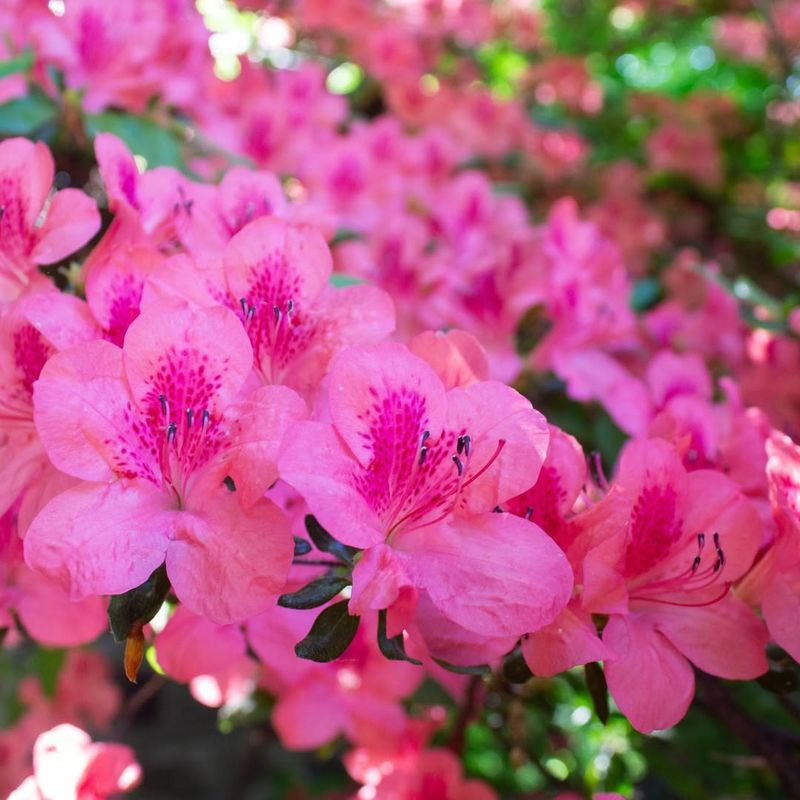
These are one of Oregon’s most iconic flowering shrubs, and for good reason. Drive through almost any neighborhood in Portland or Eugene in April, and you will see them exploding with color in shades of pink, red, orange, white, and purple.
They are stunning plants that thrive in the Pacific Northwest’s mild, moist climate.
However, now is not the time to reach for the pruners. Azaleas bloom on old wood, just like Forsythia and Mock Orange.
The flower buds have been developing on last year’s branches since late summer. Cutting those branches now means you will not see any blooms from those stems this spring.
The best time to prune Azaleas in Oregon is right after the flowers drop, typically in May or early June depending on your location. Pruning at this point gives the plant a full growing season to push out new growth and set next year’s flower buds before the cold months return.
When you do prune, keep it light. Remove any dead or crossing branches first.
Shape the outer edges gently to maintain a natural, rounded form. Azaleas do not need heavy pruning to look their best.
A little careful trimming at the right time goes a very long way.