8 Flowering Vines That Climb Beautifully In Georgia Yards
Georgia gardens often have empty vertical spaces that don’t get much attention, and a well-chosen flowering vine can change that entirely.
If you’ve been wondering how to make trellises, fences, or arbors feel more alive, climbing plants provide color, texture, and natural movement that draws the eye upward.
Some vines reward patience with vibrant blooms and lush foliage, thriving in the state’s humidity while staying low maintenance.
Their growth can soften hard lines, add privacy, or create a natural frame for seating areas, giving your yard depth without overcrowding.
Picking the right climbers makes every vertical surface a feature rather than an afterthought. With the right placement and variety, your Georgia garden can feel fuller, more dynamic, and beautifully layered from every angle.
1. Mandevilla Delivers Bold Tropical Color All Summer Long
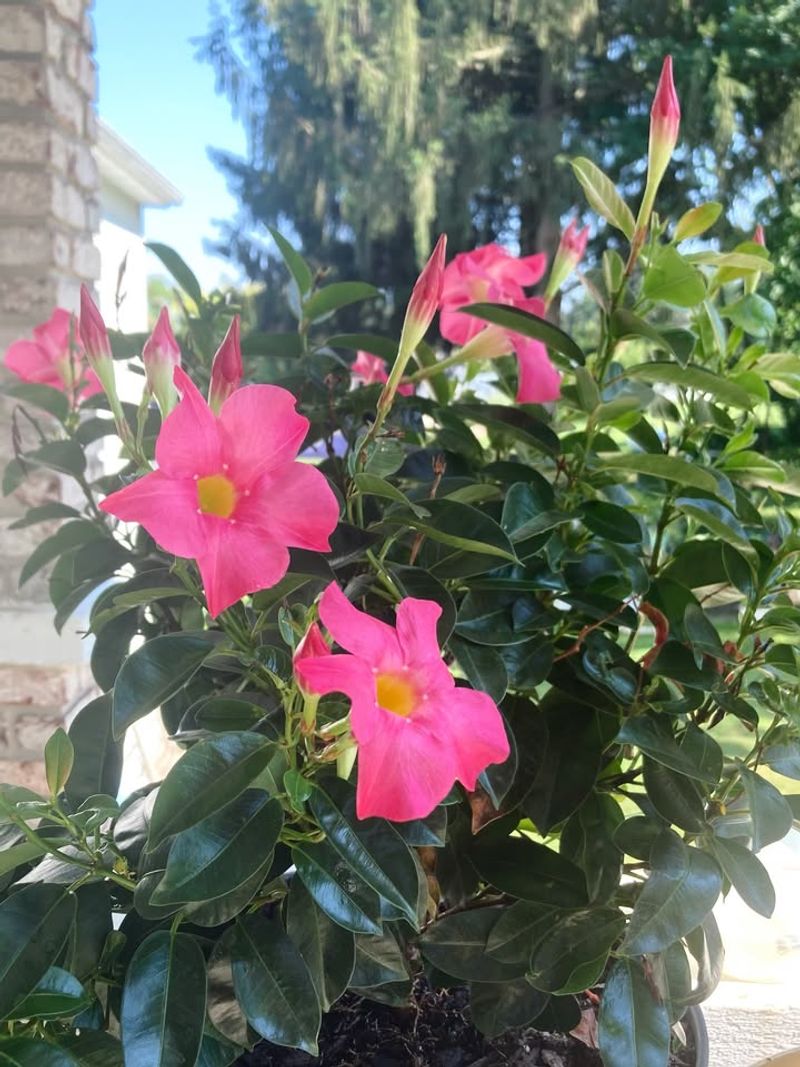
Mandevilla vines bring that vacation-in-the-tropics feeling right to your Georgia backyard. These stunners produce huge trumpet-shaped flowers in shades of pink, red, or white that keep coming from late spring straight through the first frost.
Each bloom can measure up to four inches across, creating an impressive display that neighbors will definitely notice.
Heat doesn’t slow this vine down one bit. While many flowering plants struggle during Georgia’s brutal July and August afternoons, mandevilla actually thrives in those conditions.
The glossy green leaves stay attractive even when temperatures climb into the 90s. Just make sure you plant it where it gets at least six hours of direct sunlight daily for the best flower production.
Your mandevilla will need a sturdy support structure because it can climb eight to ten feet in a single growing season. A wooden trellis, metal arbor, or even a porch column works perfectly.
The vine twines naturally, so you won’t spend your weekends tying it up constantly.
Water consistently during dry spells, especially when the plant is actively blooming. Mandevilla prefers soil that drains well but doesn’t dry out completely.
Feed it every two weeks with a balanced liquid fertilizer to keep those tropical flowers coming strong.
In most Georgia locations, treat this vine as an annual or bring container-grown plants indoors before the first freeze hits.
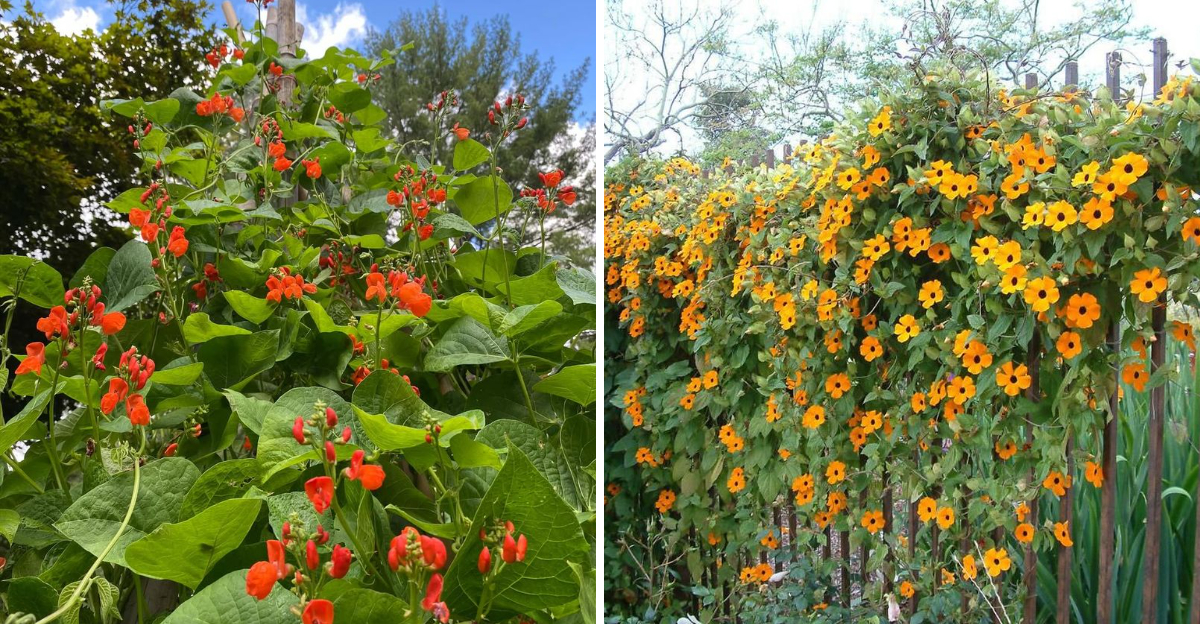
2. Black-Eyed Susan Vine Climbs Fast With Cheerful Sunset Blooms
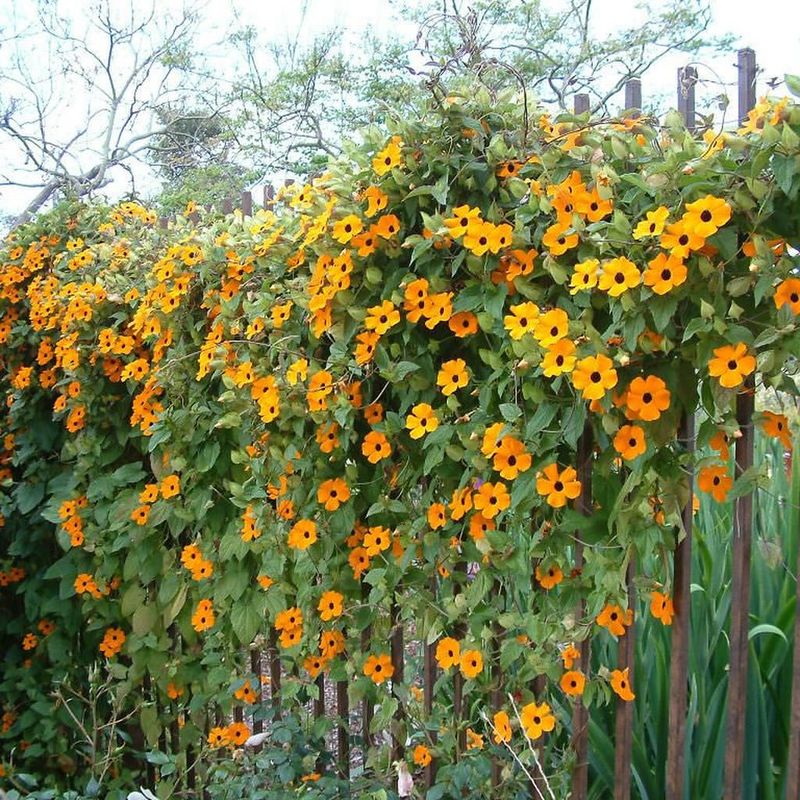
Speed matters when you want quick coverage, and black-eyed Susan vine delivers results fast. This energetic climber can cover a bare fence or trellis in just weeks once warm weather arrives in Georgia.
The flowers come in warm shades of orange, yellow, and cream, each with a distinctive dark center that gives the plant its memorable name.
Afternoon shade helps this vine perform better during Georgia summers. Morning sun with protection from the intense 2 to 5 PM heat keeps the flowers looking fresh and the leaves from getting stressed.
This makes it perfect for east-facing fences or spots under tall trees that filter harsh midday rays.
Each flower measures about one to two inches across, but the plant produces them in such abundance that you get a solid wall of color. The blooms attract butterflies and hummingbirds, adding movement and life to your vertical spaces.
Deadheading spent flowers isn’t necessary because new buds keep forming regardless.
Black-eyed Susan vine grows as an annual in Georgia, making it perfect for renters or anyone who likes changing their garden design each year.
Plant seeds directly in the ground after the last frost date, or start them indoors six weeks earlier for even faster coverage.
The vine reaches six to eight feet tall, creating a cheerful backdrop that brightens any outdoor space throughout the growing season.
3. Hyacinth Bean Vine Adds Purple Flowers And Dramatic Foliage
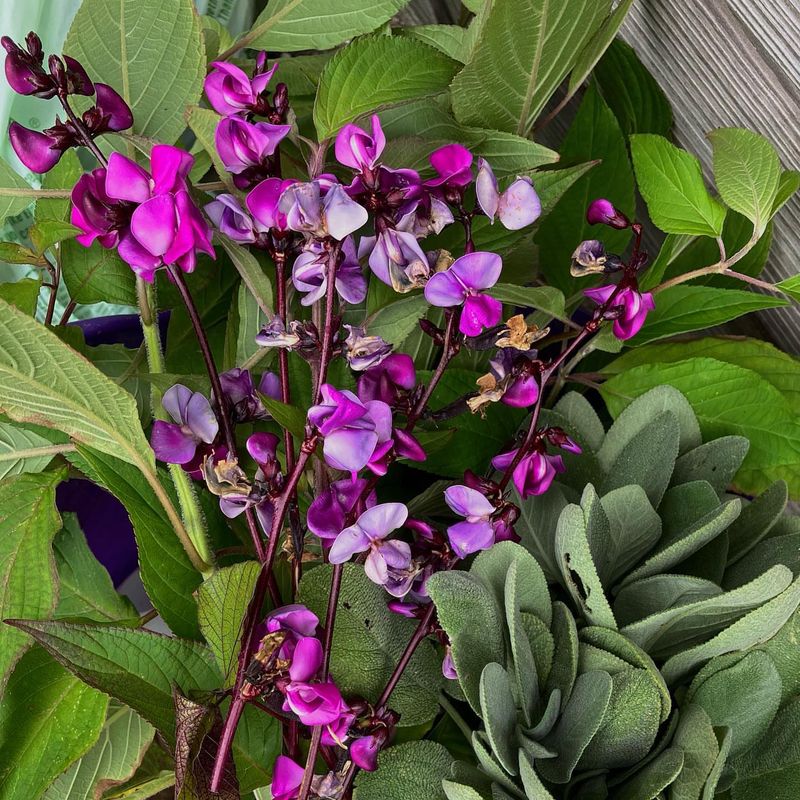
Purple takes center stage with hyacinth bean vine, and we’re not just talking about the flowers. The entire plant puts on a color show that includes magenta blooms, deep burgundy stems, and glossy purple-tinged leaves that look almost unreal.
Those showy seed pods that follow the flowers add another layer of visual interest that lasts well into fall.
Fast growth makes this vine ideal for Georgia gardeners who need privacy screening by mid-summer. Plant it in May, and by July you’ll have a dense curtain of foliage reaching ten to fifteen feet high.
The vine climbs by twining, so give it something vertical to wrap around like wire fencing, wooden lattice, or sturdy string supports.
Full sun brings out the deepest purple tones in both foliage and flowers. Georgia’s long, hot summers suit this vine perfectly because it actually originates from tropical regions.
Water regularly during establishment, then it becomes fairly drought-tolerant once the roots spread out. The flowers attract bees and butterflies, making your vertical garden a pollinator haven.
One important note about those gorgeous purple pods: they’re not edible despite the word “bean” in the plant’s name. Enjoy them purely for their ornamental value.
The vine reseeds enthusiastically in Georgia gardens, so you might find volunteers popping up next spring if you let some pods mature and drop.
Many gardeners consider this a bonus rather than a problem.
4. Cypress Vine Covers Trellises With Delicate, Starry Red Flowers
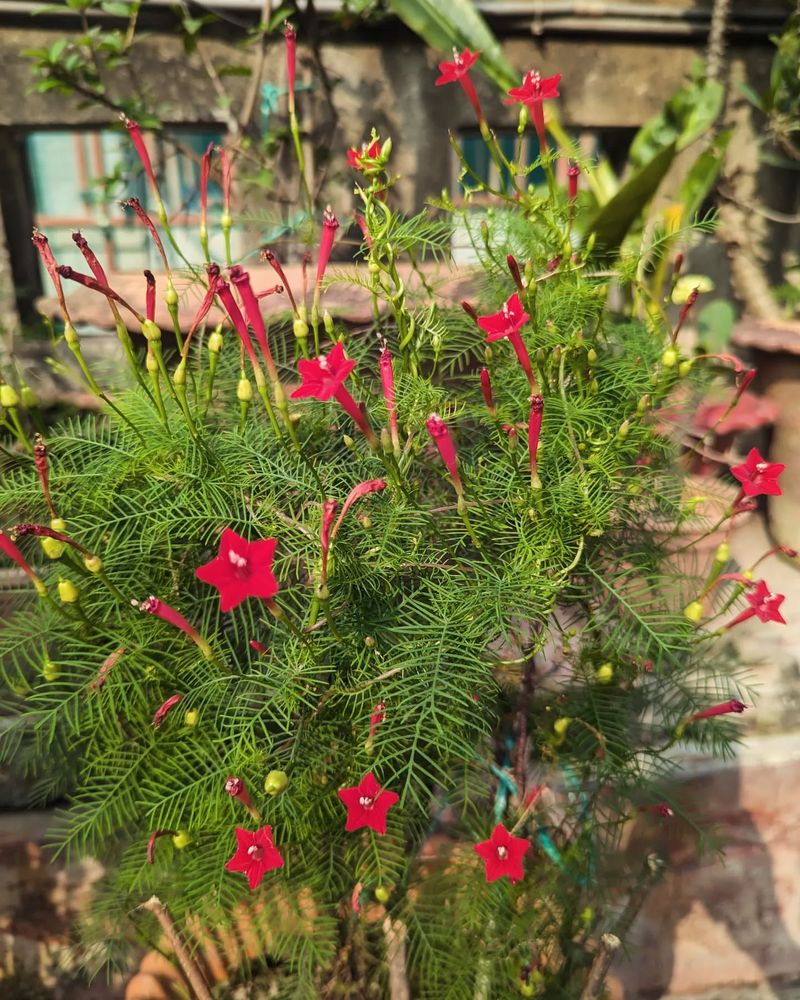
Feathery foliage gives cypress vine an airy, delicate appearance that contrasts beautifully with the bold, star-shaped red flowers. Each tiny bloom measures only about an inch across, but the plant produces hundreds of them throughout the summer months.
The effect resembles red stars scattered across a green cloud, creating a romantic, cottage-garden feel.
Hummingbirds go absolutely crazy for cypress vine flowers. The tubular shape and bright red color act like magnets for these tiny birds.
If you’ve been wanting to attract more hummingbirds to your Georgia yard, this vine delivers better results than most feeders. Position it where you can watch from a window and enjoy the constant aerial show.
The fernlike leaves stay neat and tidy, never looking coarse or overgrown even when the vine reaches its full twelve-foot height. This makes cypress vine perfect for more formal garden settings where you want vertical interest without a wild, uncontrolled appearance.
The delicate texture also works well mixed with bolder plants, providing contrast in combination plantings.
Cypress vine tolerates Georgia’s summer heat remarkably well, though consistent moisture helps it perform at its best. Plant it in full sun for maximum flowering, though it accepts a couple hours of afternoon shade without complaint.
The vine grows quickly from seed sown directly in the garden after the last frost.
Scarifying the hard seed coat with sandpaper before planting speeds up germination considerably.
5. Canary Creeper Brings Bright Yellow Movement To Fences
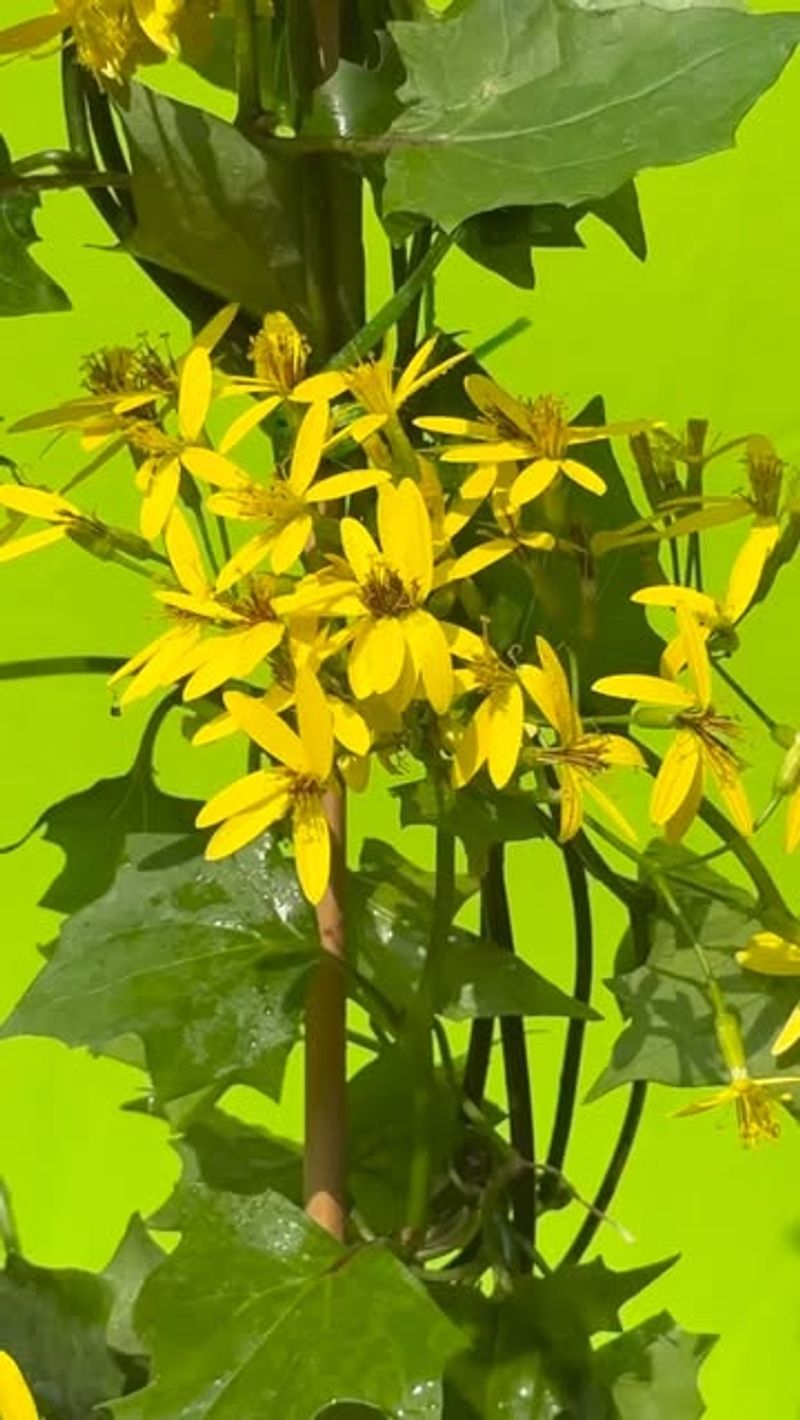
Unusual flower shapes make canary creeper a conversation starter in any Georgia garden. Each bright yellow bloom has fringed petals that really do resemble a tiny bird in flight, especially when they flutter in a breeze.
The fresh green leaves have an interesting lobed shape that adds texture even when flowers aren’t present.
Cooler weather suits this vine better than extreme heat. Spring planting in Georgia gives you the best results, with flowers appearing from April through early June.
You might get a second flush of blooms in fall when temperatures drop back into the comfortable range. Peak summer heat can slow down flowering, though the foliage remains attractive.
Partial shade becomes your friend with canary creeper, especially in middle and south Georgia where summer sun gets intense. A spot that receives morning sun and afternoon shade creates ideal conditions.
North-facing walls or areas under tall deciduous trees work perfectly. The vine reaches six to eight feet, making it manageable for smaller spaces.
Light, well-draining soil keeps canary creeper happy. Heavy clay common in many Georgia yards can cause problems, so amend with compost before planting.
Water regularly but don’t overdo it because soggy roots lead to poor performance. The vine climbs by twining leaf stalks rather than tendrils, so it needs a thin support like string, wire, or narrow lattice pieces.
Thick posts won’t work because the leaf stalks can’t wrap around them effectively.
6. Scarlet Runner Bean Combines Vivid Blooms With Garden Function
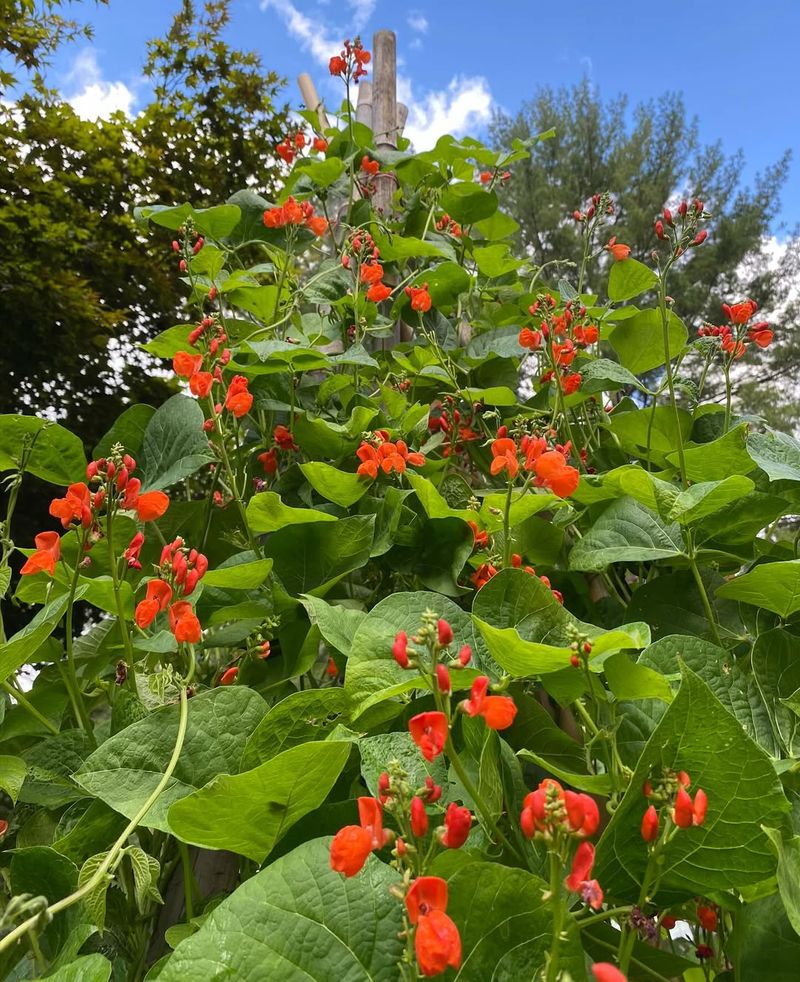
Bright red flower clusters make scarlet runner bean one of the showiest edible vines you can grow in Georgia. Each bloom spike holds multiple flowers that attract hummingbirds from across the neighborhood.
The bonus comes after flowering when long green bean pods develop, giving you both beauty and a harvest from the same plant.
Timing matters with this vine in Georgia gardens. Spring planting works beautifully, giving you flowers and beans before summer heat peaks.
A second planting in late July or early August produces a fall crop when cooler weather returns. Extreme summer temperatures can cause flowers to drop without setting beans, so work around Georgia’s hottest months for best results.
The beans taste delicious when picked young and tender, similar to regular green beans but with a meatier texture. Let them mature fully and you can shell them for colorful dried beans that store through winter.
Even if you never harvest a single pod, the ornamental value alone justifies growing this vine. It reaches eight to ten feet tall, creating a productive privacy screen.
Full sun in spring and fall works great, but provide some afternoon shade during any hot spells. Rich soil amended with compost produces the heaviest yields of both flowers and beans.
Support the vine with sturdy poles, a trellis, or traditional teepee structure.
Water consistently, especially during flowering and pod development, to prevent stress that reduces production.
7. Climbing Snapdragon Softens Structures With Elegant Trailing Flowers
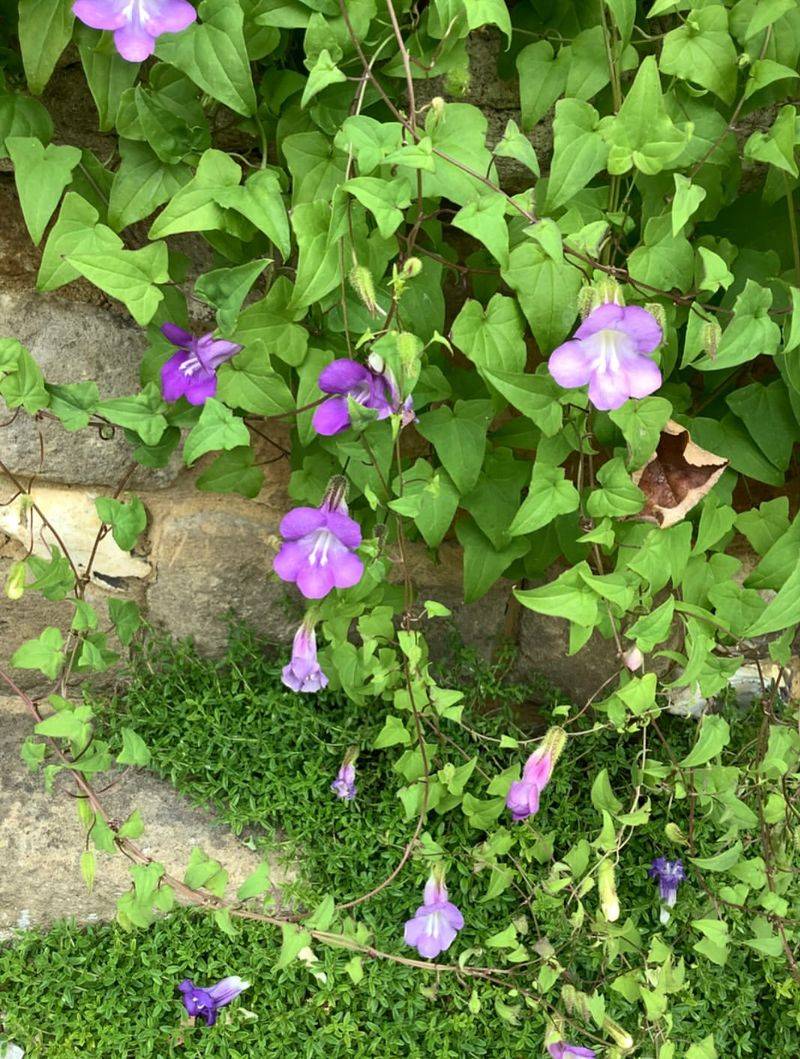
Romantic and flowing, climbing snapdragon creates a softer look than most vines. The flowers resemble traditional snapdragons but grow on long, trailing stems that drape gracefully over supports.
Colors range from soft pastels to deeper purples and reds, with many varieties showing two-tone combinations that add extra visual interest.
Cool-season performance makes this vine perfect for Georgia’s spring and fall gardens. Plant it in March for spring blooms, or in September for a fall display that lasts until hard frost arrives.
Summer heat causes climbing snapdragon to struggle in most Georgia locations, so treat it as a seasonal accent rather than a summer workhorse.
Afternoon shade extends the blooming period and keeps flowers looking fresh longer. Morning sun with protection from harsh afternoon rays creates ideal conditions.
This makes climbing snapdragon perfect for north and east-facing spots that other sun-loving vines won’t fill adequately. The vine reaches six to ten feet depending on growing conditions and variety.
Containers work exceptionally well for climbing snapdragon in Georgia. Plant it in a large pot with a small trellis or obelisk, then move it to a protected spot when weather turns unfavorable.
This flexibility lets you enjoy the vine’s elegant blooms without worrying about it suffering during extreme conditions. Deadhead spent flowers regularly to encourage continuous blooming.
Fertilize lightly every three weeks with a balanced formula to support the constant flower production.
8. Dutchman’s Pipe Creates Lush Coverage With Unusual Hidden Blooms
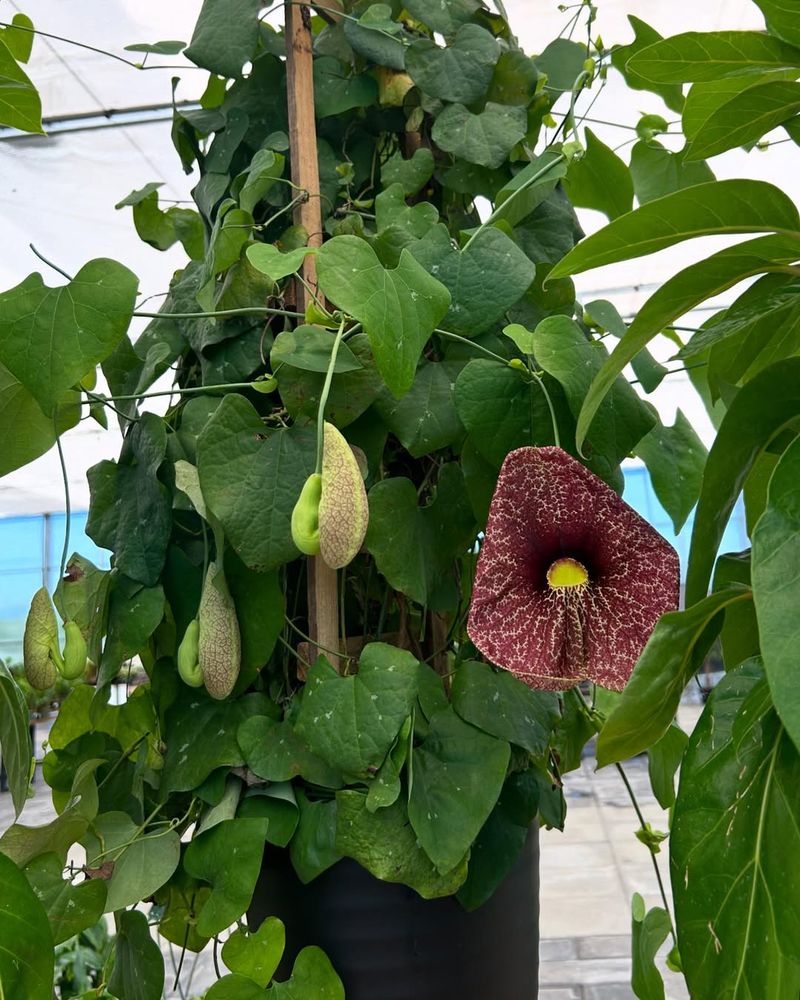
Massive heart-shaped leaves create the densest privacy screen of any vine on this list. Each leaf can measure up to twelve inches across, overlapping to form a solid green wall that completely hides whatever’s behind it.
Dutchman’s pipe grows vigorously once established, easily covering twenty feet or more of fence, arbor, or pergola.
The flowers hide beneath those huge leaves, which explains why many people grow this vine for years without realizing it blooms. The curved, pipe-shaped flowers grow close to the stems where foliage conceals them.
They’re fascinating up close, with a bent tube shape and mottled purple-brown coloring, but you’ll need to lift leaves to see them. Pipevine swallowtail butterflies find them anyway and use the plant as a host for their caterpillars.
North Georgia provides the best conditions for Dutchman’s pipe. The cooler temperatures and higher humidity in mountain regions suit this vine perfectly.
South Georgia’s intense heat and lower elevation can stress the plant, leading to disappointing results. Partial shade works better than full sun across all Georgia locations.
Established plants tolerate drought well, but consistent moisture during the first growing season ensures good root development. The vine climbs by twining stems, so provide sturdy support that can handle its substantial weight when fully grown.
Dutchman’s pipe comes back year after year, getting larger and more impressive with each passing season.
Prune it in late winter if it outgrows its space.