10 Flowers Arizona Gardeners Grow That Don’t Actually Help Bees
Bees are vital for pollination, but not every flower in an Arizona garden is doing them any favors.
Some popular blooms may look beautiful, but they provide little to no nectar or pollen, leaving bees hungry and your garden less environmentally friendly than you think. Your gorgeous flowers might be keeping bees from getting the food they need!
Arizona gardeners are learning that aesthetics alone aren’t enough—plant choice matters for supporting pollinators. From certain hybrid blooms to overly sterile varieties, these ten flowers are commonly grown but offer minimal benefits to bees.
Understanding which plants truly nourish pollinators ensures your garden is both stunning and ecologically responsible. Beauty without function isn’t enough when it comes to helping wildlife.
By choosing bee-friendly alternatives and avoiding these misleading blooms, Arizona gardeners can create landscapes that are vibrant, productive, and supportive of essential pollinators. Grow smart, help bees, and make your garden a true oasis!
1. Hybrid Tea Roses
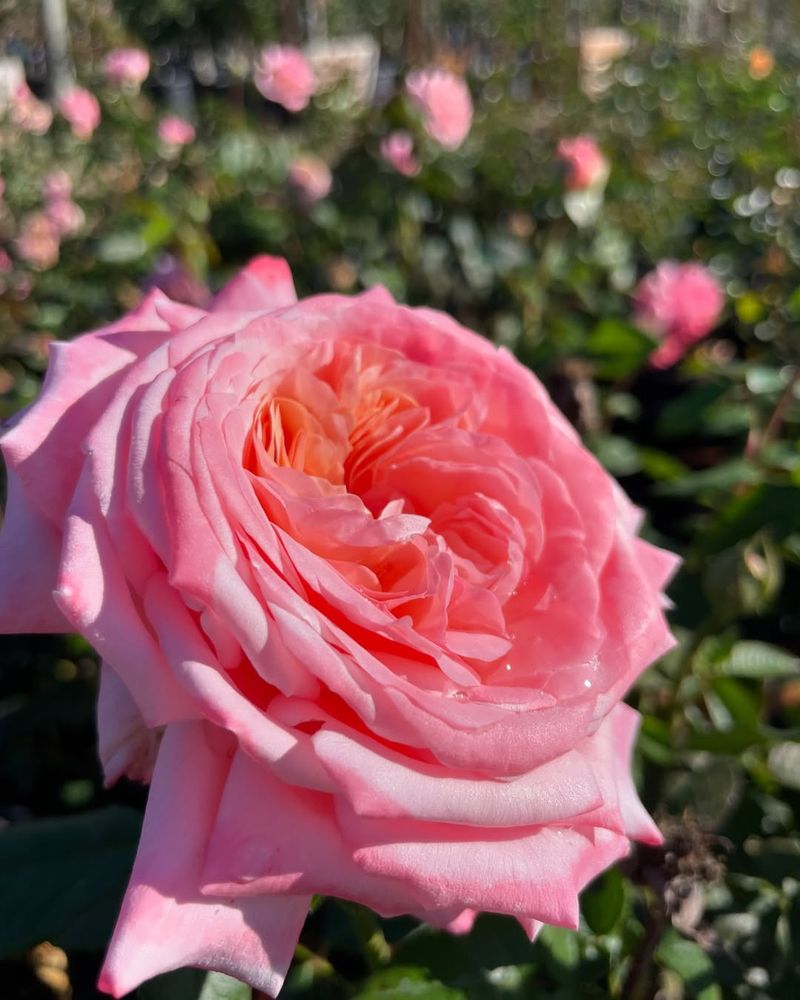
Hybrid tea roses stand as garden royalty with their elegant stems and perfectly formed blooms that grace countless Arizona landscapes.
Breeders have spent decades crafting these stunning flowers to achieve flawless petals, intoxicating fragrances, and colors that range from creamy whites to deep crimsons. Unfortunately, all that beauty comes at a cost that bees pay dearly.
The breeding process focused entirely on visual appeal and scent production, completely ignoring the nutritional needs of pollinators. Most hybrid tea roses produce little to no pollen, and their nectar reserves are virtually nonexistent.
The densely packed petals create a fortress that even the most determined bee cannot penetrate to reach whatever minimal resources might be hiding inside.
Arizona gardeners who plant hybrid tea roses thinking they are helping local bee populations are actually offering nothing more than pretty scenery.
While these roses certainly beautify yards and make excellent cut flowers, they function as botanical mirages in the pollinator world.
Bees may occasionally investigate these blooms out of curiosity, but they quickly move on when they discover the flowers offer no reward for their efforts.
Consider choosing old garden roses or species roses instead, as these varieties retain their original pollen and nectar production capabilities while still providing lovely blooms for your desert garden.
2. Double Petunias
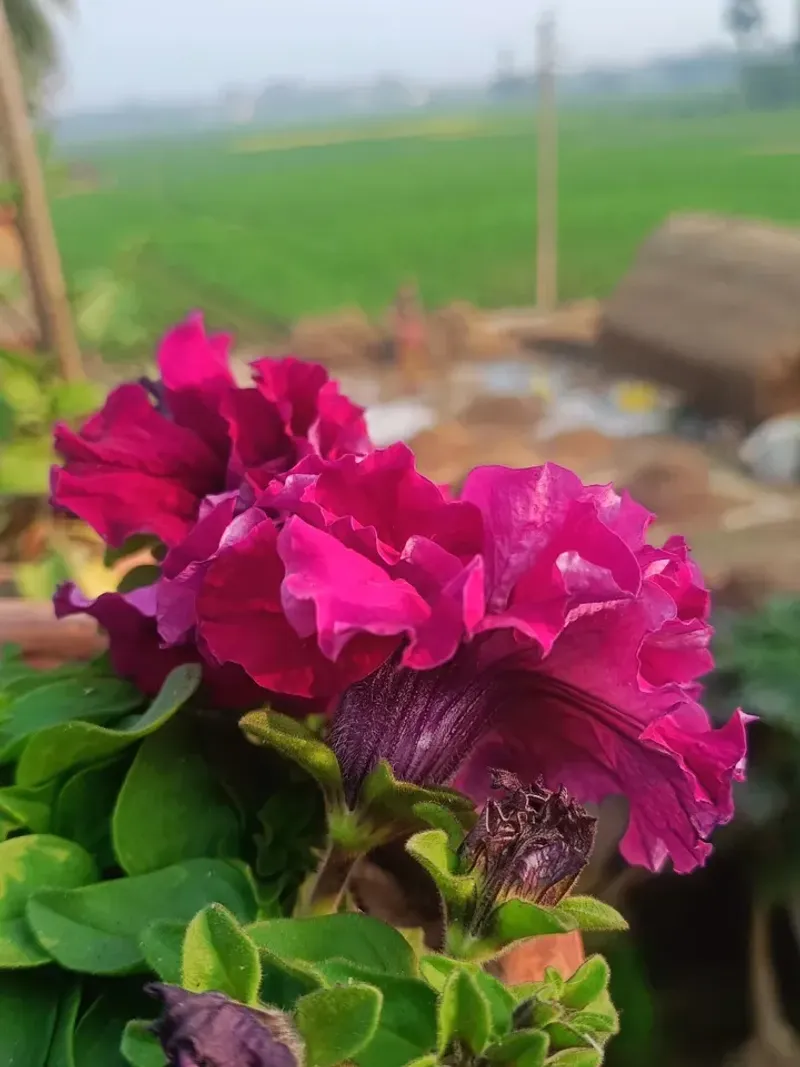
Walk through any Arizona garden center during spring, and you will find flats upon flats of double petunias bursting with ruffled, frilly blooms in every imaginable color. These showy annuals have become incredibly popular because they deliver non-stop color from spring through fall with minimal care required.
Gardeners love how the extra-full flowers create cascading displays in hanging baskets and containers that brighten patios and porches throughout the hot desert months.
The problem lies in those very characteristics that make double petunias so appealing to humans. Plant breeders created these multi-petaled wonders by transforming the reproductive parts of the flower into additional decorative petals.
What results is a bloom so densely packed that bees cannot physically access whatever pollen or nectar might remain inside the flower’s center.
Even when bees land on double petunias, they find themselves walking around on petal after petal with no way to reach the food sources they desperately need.
The extra petals act like a locked door, keeping out the very creatures that would normally pollinate the plant. Single-flowered petunias, by contrast, offer open faces that allow easy access to their reproductive structures.
If you adore petunias but want to support Arizona’s native bees, stick with single-flowered varieties that provide both beauty and sustenance for our hardworking pollinators.
3. Geraniums (Pelargoniums)
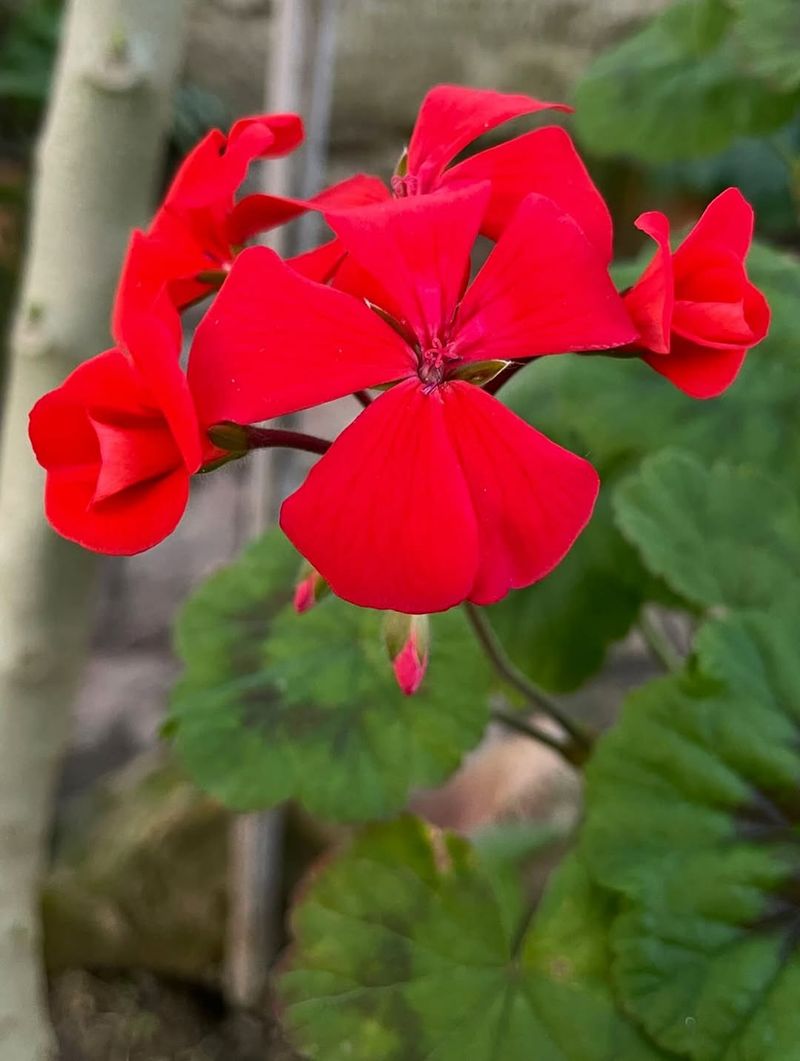
Bright red geraniums spilling from terracotta pots have become synonymous with Southwestern gardens, offering reliable color even during Arizona’s punishing summer heat.
These cheerful bedding plants require little water once established, making them seem like perfect candidates for water-wise desert landscaping.
Garden centers stock them year-round, and their ability to tolerate both sun and partial shade makes them incredibly versatile for various garden situations.
What most people call geraniums are actually pelargoniums, plants that originated in South Africa and have been heavily hybridized for the commercial flower market. Through generations of selective breeding, these plants have lost most of their appeal to pollinators.
The nectar production in common bedding geraniums is so minimal that native Arizona bees have learned to ignore them entirely, flying right past these colorful displays in search of more rewarding food sources.
True geraniums, which are an entirely different genus, do offer some value to pollinators, but the pelargoniums sold at nurseries provide almost nothing. Bees need substantial nectar and pollen to fuel their activities and feed their developing young.
When a flower offers neither in meaningful quantities, it essentially becomes irrelevant to the pollinator ecosystem, no matter how pretty it looks to human eyes.
Arizona gardeners serious about supporting bees should replace their pelargoniums with native plants like desert marigold or brittlebush, which provide abundant resources throughout the growing season.
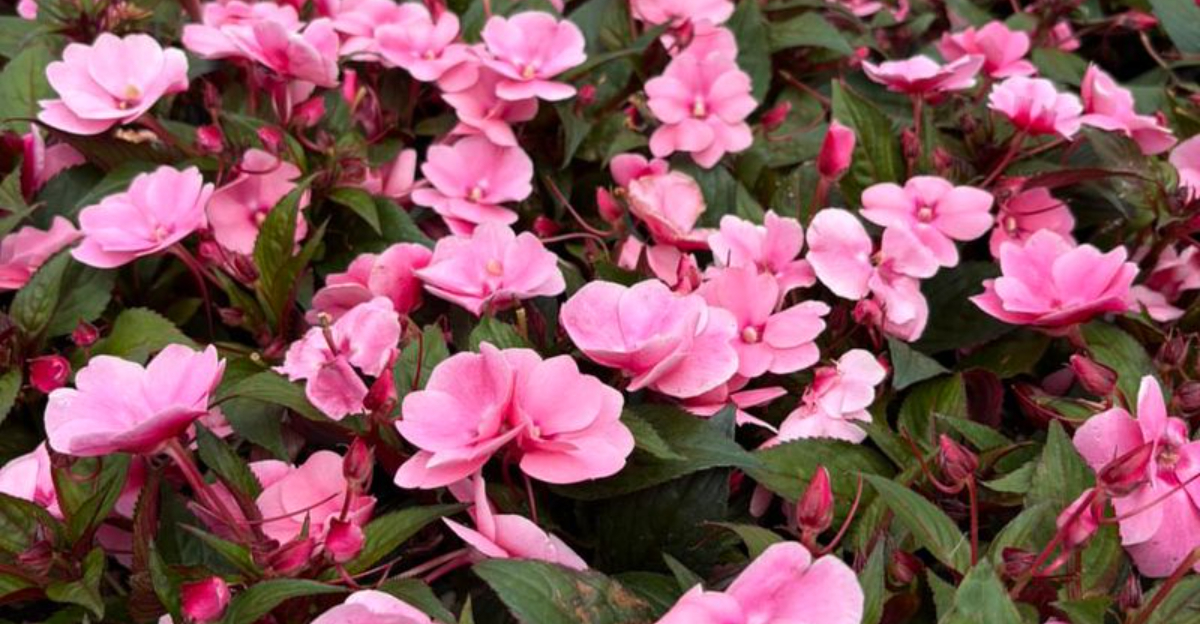
4. Impatiens
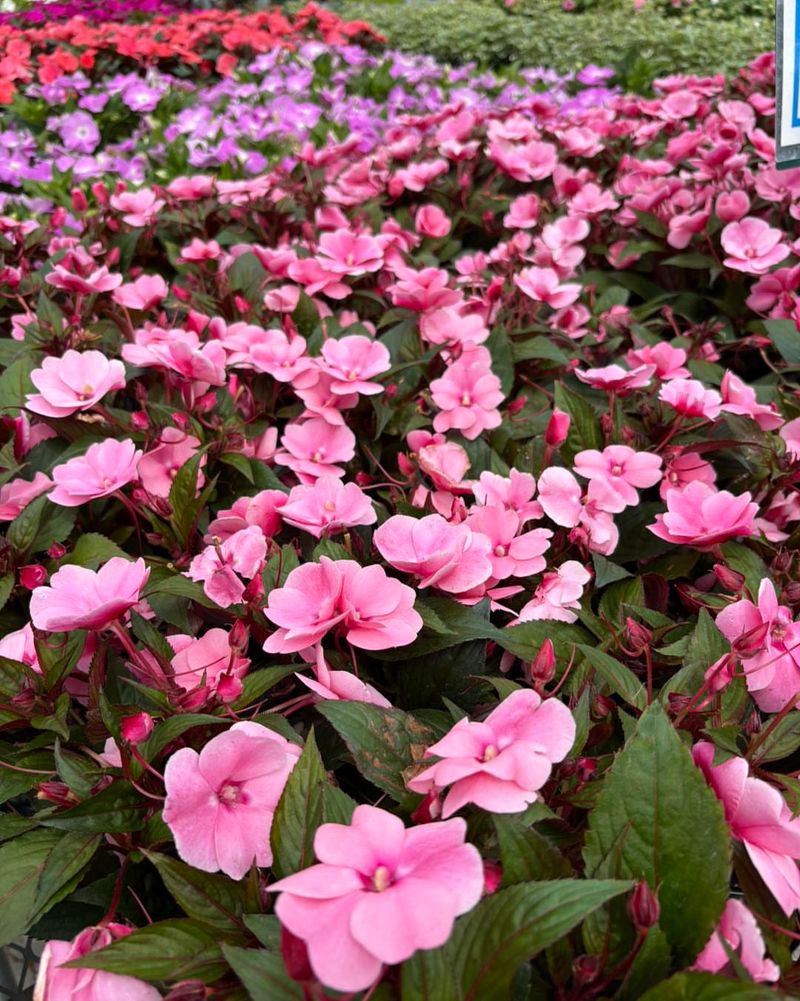
Impatiens bring welcome splashes of pink, orange, white, and coral to Arizona’s shadier garden spots where many other flowering plants struggle to perform. These shade-loving annuals have long been favorites for brightening up north-facing walls, covered patios, and areas beneath trees where direct sunlight rarely reaches.
Their continuous blooming habit and tidy growth pattern make them appealing choices for gardeners who want reliable color without constant deadheading or maintenance.
Despite their abundance of flowers, impatiens rank among the least valuable plants for supporting bee populations. The blooms produce extremely small amounts of nectar, and their pollen offering is equally disappointing.
Most bee species find impatiens so unrewarding that they do not even bother investigating the flowers after an initial disappointing visit or two.
The plant’s evolutionary strategy focused on attracting different pollinators in its native Asian and African habitats, not the bee species that populate Arizona gardens.
Modern hybrid varieties have been bred even further away from their wild ancestors, losing whatever minimal pollinator value they once possessed.
When bees visit a garden filled with impatiens, they are essentially flying through a food desert, surrounded by colorful blooms that offer them nothing of substance.
Shade gardeners who want to support pollinators should consider planting native alternatives like scarlet monkeyflower or cardinal flower, both of which thrive in partial shade and provide excellent nutrition for bees and other beneficial insects.
5. Double Marigolds
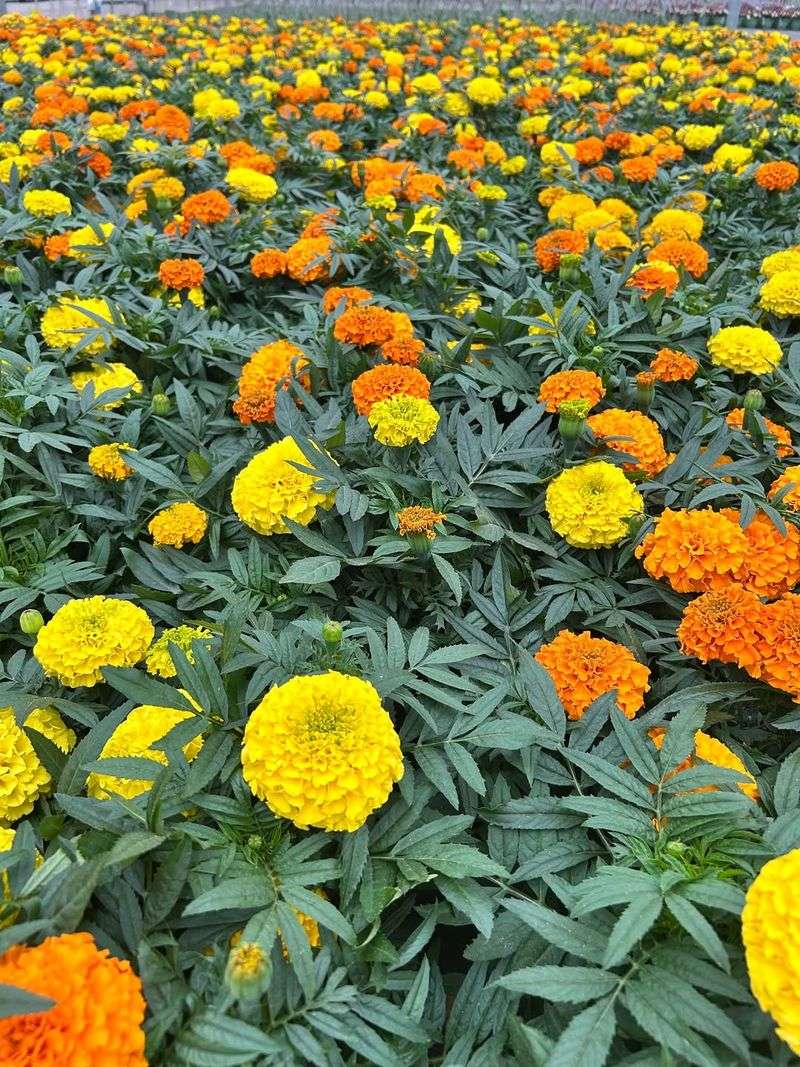
Marigolds have earned their reputation as one of the easiest and most reliable flowers for Arizona gardens, thriving in our intense heat and requiring minimal water once established.
The double-flowered varieties, with their pompom-like blooms packed with layers of golden, orange, or yellow petals, create stunning displays that last for months.
Many gardeners also plant them believing the old wisdom that marigolds repel pests and attract beneficial insects, making them seem like obvious choices for pollinator-friendly landscapes.
Single-flowered marigolds do indeed offer valuable pollen to bees, but the heavily bred double varieties tell a completely different story. Just like with double petunias, plant breeders created these extra-full flowers by converting the pollen-producing parts into additional decorative petals.
The result is a bloom that looks incredibly lush and full but contains little to no accessible pollen for visiting bees.
When a bee lands on a double marigold, it finds itself wandering across petal after petal with no reward for its effort. The flower’s reproductive structures are buried so deeply beneath layers of petals that they might as well not exist from a pollinator’s perspective.
This transformation means that despite their bright colors and abundance, double marigolds contribute nothing to feeding Arizona’s bee populations.
Gardeners who love marigolds but want to support pollinators should specifically seek out single-flowered varieties, which maintain open centers that allow easy access to their abundant pollen stores.
6. Begonias
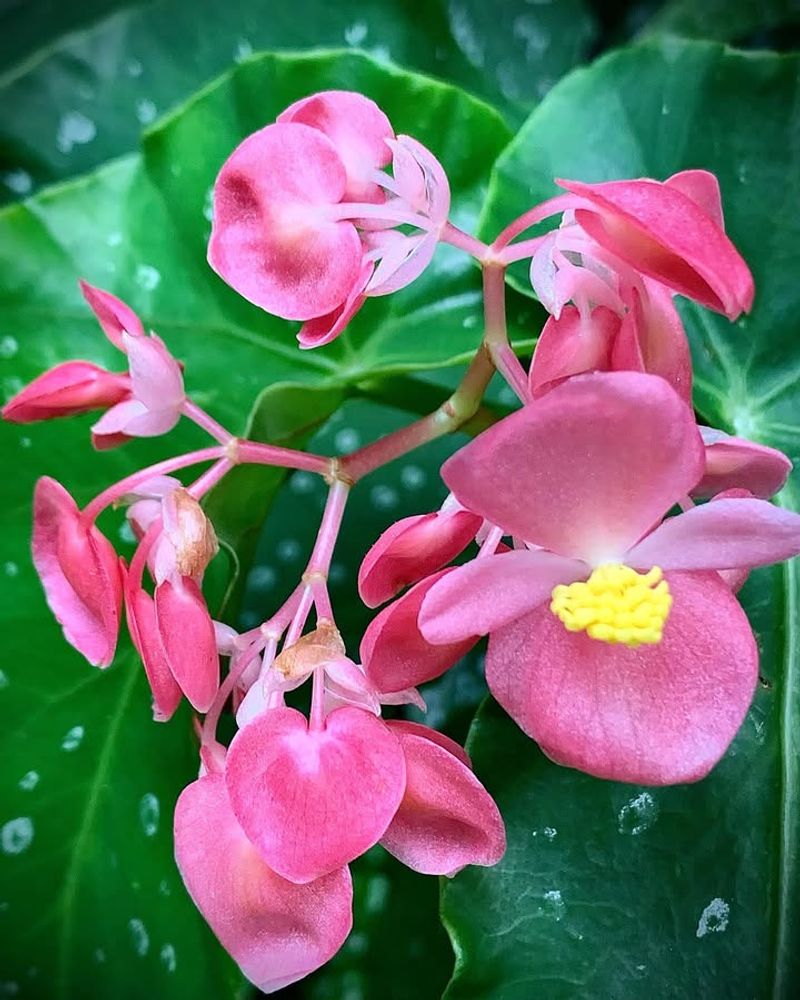
Begonias bring tropical flair to Arizona gardens with their glossy leaves and delicate flowers that seem almost too pretty for our harsh desert environment. These popular shade plants come in countless varieties, from wax begonias with their compact growth to tuberous types with enormous, showy blooms.
Gardeners appreciate how begonias tolerate Arizona’s dry air better than many other shade lovers, and their ability to bloom continuously makes them seem like generous contributors to the garden ecosystem.
Unfortunately, begonias rank among the poorest nectar producers in the entire plant kingdom, offering virtually nothing to hungry bees.
Their flowers evolved to attract different types of pollinators in their native tropical habitats, and they produce such minimal nectar that most bee species completely ignore them.
The flowers’ structure also makes accessing whatever tiny amounts of pollen might be present quite difficult for bees adapted to different flower shapes.
In the Arizona desert landscape, where every drop of nectar and grain of pollen matters to struggling bee populations, begonias function as empty calories at best.
Bees flying through a garden filled with begonias are essentially navigating a nutritional wasteland, no matter how lush and colorful the display appears.
The plants contribute almost nothing to supporting the complex web of pollinators that Arizona’s native ecosystems depend upon.
Desert gardeners looking for shade-loving alternatives should explore native options like columbine or coral bells, which provide both attractive foliage and meaningful nutrition for local bee populations.
7. Pansies And Violas
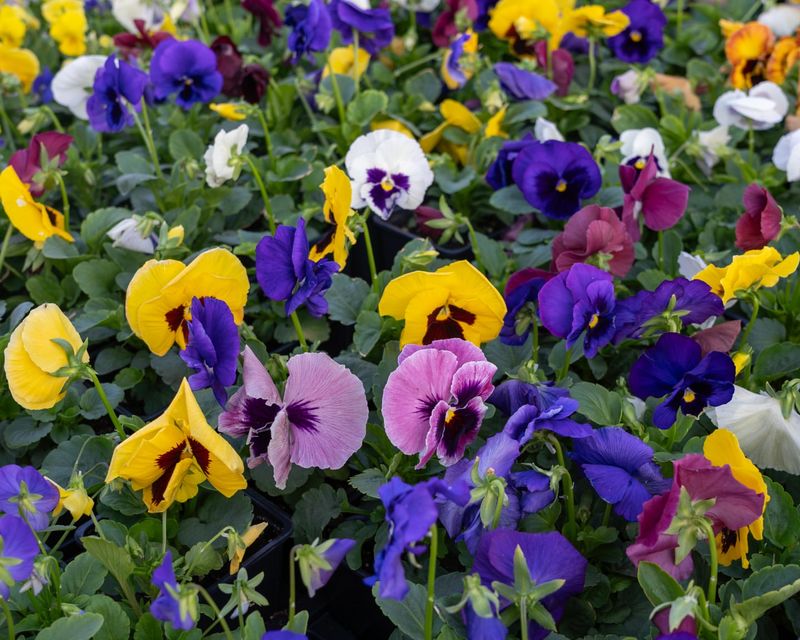
Pansies and violas bring cheerful faces to Arizona gardens during the cooler months, blooming reliably from fall through early spring when many other flowers take a break.
These cold-hardy annuals come in an astounding array of colors and patterns, from solid jewel tones to whimsical designs that look like tiny painted faces.
Garden centers stock them heavily during autumn, and Arizona gardeners eagerly plant them to add color during the milder desert winter season.
The timing of pansy and viola blooms creates a significant problem for bee support, as these flowers peak when Arizona’s bee activity naturally drops to its lowest levels.
Most native bee species are either dormant or significantly less active during the cooler months when pansies bloom most prolifically. Even if these flowers produced abundant nectar and pollen, which they do not, their bloom time means few bees would be around to benefit from those resources.
Making matters worse, modern pansy and viola hybrids have been bred primarily for appearance, with flower size, color patterns, and cold tolerance taking priority over nectar production.
The minimal nectar these flowers do produce is often inaccessible to many bee species due to the flower’s structure.
When a warm winter day brings a few bees out to forage, they typically bypass pansies entirely in favor of more rewarding options.
Gardeners wanting winter blooms that actually support pollinators should consider planting autumn sage or desert marigold, both of which bloom during cooler months and provide meaningful nutrition to active bees.
8. Knock Out Roses
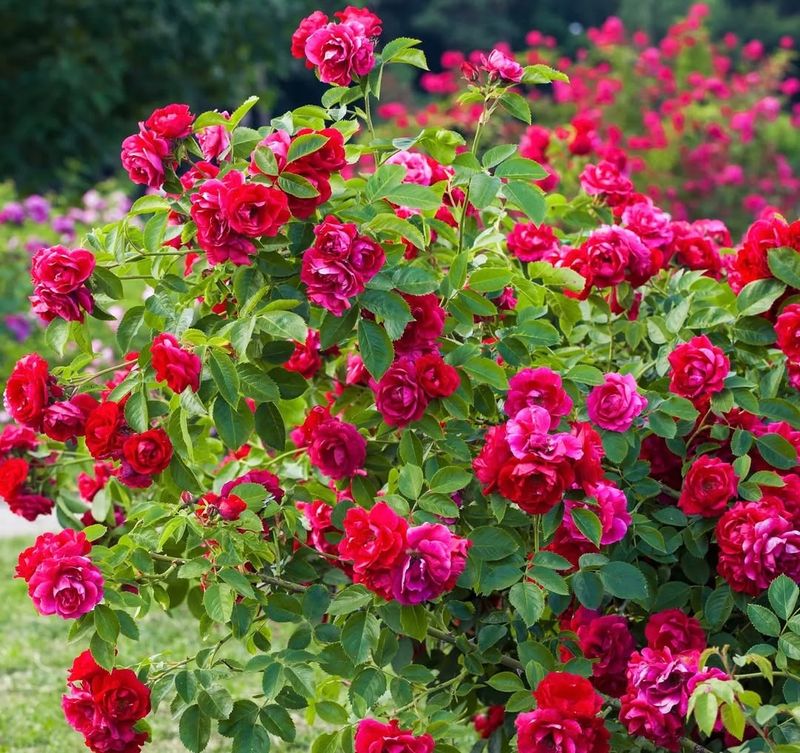
Knock Out roses revolutionized rose gardening when they burst onto the market, promising all the beauty of traditional roses without the fuss of constant care and chemical spraying.
Arizona gardeners embraced these tough, disease-resistant shrubs enthusiastically, appreciating how they bloom repeatedly throughout the warm season and tolerate heat that would stress many other rose varieties.
Their tidy growth habit and minimal maintenance requirements made them instant favorites for busy homeowners wanting colorful, reliable landscapes.
The very characteristics that make Knock Out roses so easy to grow also make them nearly worthless to bees.
Breeders developed these roses specifically to be almost completely pollen-free, eliminating the yellow pollen that traditionally dusted rose petals and sometimes stained clothing.
While this feature appeals to gardeners who prefer tidy, non-messy flowers, it means bees find absolutely nothing to collect when they visit Knock Out roses.
The nectar production in these roses is equally disappointing, offering little reward for any bee that might investigate the blooms.
Bees visiting a landscape filled with Knock Out roses are surrounded by what appears to be abundant food sources but are actually facing starvation conditions. The flowers function purely as ornamental features with zero contribution to supporting pollinator populations.
Rose lovers who want to help Arizona’s bees should seek out old garden rose varieties or species roses, which maintain their natural pollen production and offer meaningful nutrition alongside their beautiful blooms and often superior fragrance.
9. Zonal Geranium Hybrids
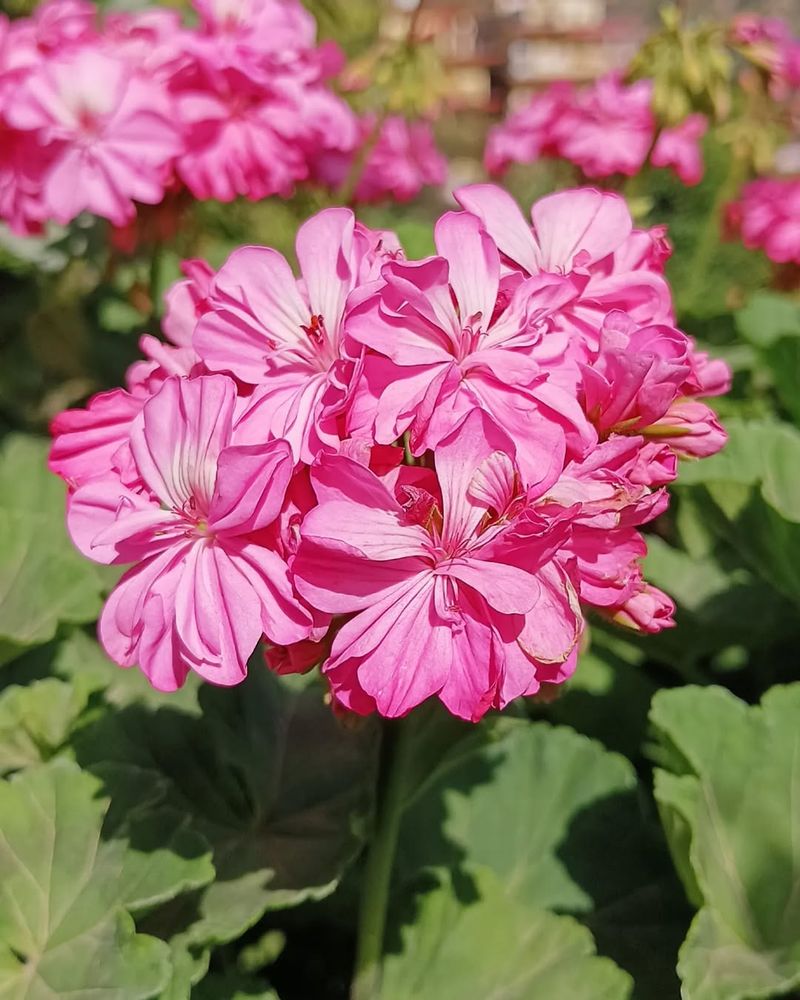
Zonal geraniums dominate garden center displays throughout Arizona, their distinctive horseshoe-marked leaves and clustered flower heads making them instantly recognizable.
These plants have become so ubiquitous in commercial landscapes and home gardens that many people consider them essential elements of desert gardening.
Their tolerance for heat, drought, and neglect makes them seem like perfect low-maintenance choices for Arizona’s challenging growing conditions, and their long blooming season keeps color in the garden for months on end.
Nearly all the zonal geraniums available at nurseries are sterile hybrids, bred specifically to channel all their energy into producing flowers rather than seeds.
While this characteristic means more blooms for gardeners, it also means these plants produce no viable pollen and minimal nectar.
Bees have learned through experience that zonal geraniums offer nothing worth their time and energy, so they fly right past these colorful displays without even landing.
The sterility of modern zonal geraniums represents a dead end in the garden ecosystem, contributing nothing to the complex web of interactions that support healthy pollinator populations.
Arizona’s native bees need gardens filled with plants that offer genuine nutritional value, not just visual appeal. When large portions of garden space get dedicated to sterile hybrids like zonal geraniums, the overall carrying capacity for bees in that landscape drops dramatically.
Gardeners should consider replacing zonal geraniums with native perennials like desert zinnia or globe mallow, which provide reliable color while genuinely supporting Arizona’s essential bee populations.
10. Highly Bred Double Zinnias
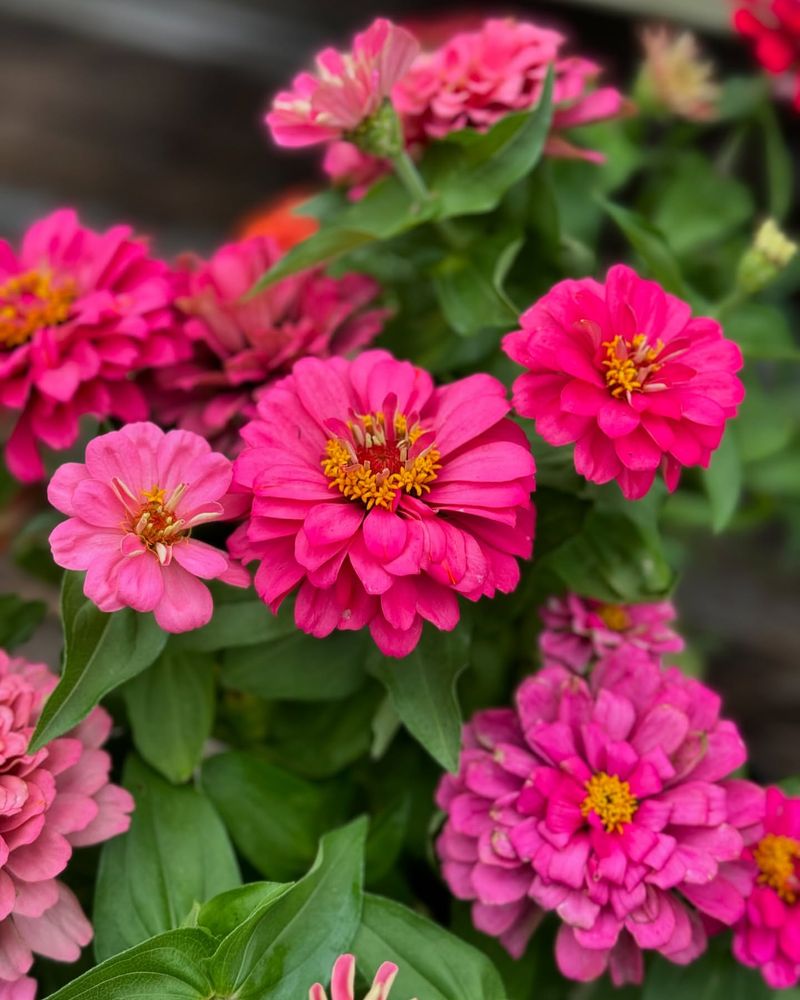
Zinnias have long been celebrated as bee magnets and pollinator powerhouses, making them seemingly perfect choices for Arizona gardeners wanting to support local bee populations.
These heat-loving annuals thrive in desert conditions, blooming prolifically from late spring through fall with minimal care.
However, not all zinnias are created equal, and the highly bred double varieties that dominate seed packets and garden centers tell a very different story from their single-flowered cousins.
Double zinnias feature densely packed petals that create full, rounded flower heads resembling dahlias or peonies. While these extra-full blooms certainly catch the eye and photograph beautifully, they create the same accessibility problems seen in double petunias and marigolds.
The excessive petals bury the flower’s reproductive structures so deeply that bees cannot reach whatever pollen might remain inside the bloom, effectively locking away any potential food sources.
Single-flowered and heirloom zinnia varieties offer wide-open centers loaded with accessible pollen that bees can easily collect, making them genuine pollinator favorites.
The contrast between these bee-friendly types and their double-flowered relatives could not be more dramatic.
A garden planted entirely with double zinnias might look lush and colorful but provides almost no support for bee populations compared to one filled with single-flowered varieties.
Arizona gardeners who want the beauty of zinnias along with their legendary pollinator benefits must specifically choose single-flowered cultivars or save seeds from heirloom varieties that maintain their open, accessible flower structure.