8 Flowers That Actually Perform Better In Pots Than In The Ground In Arizona
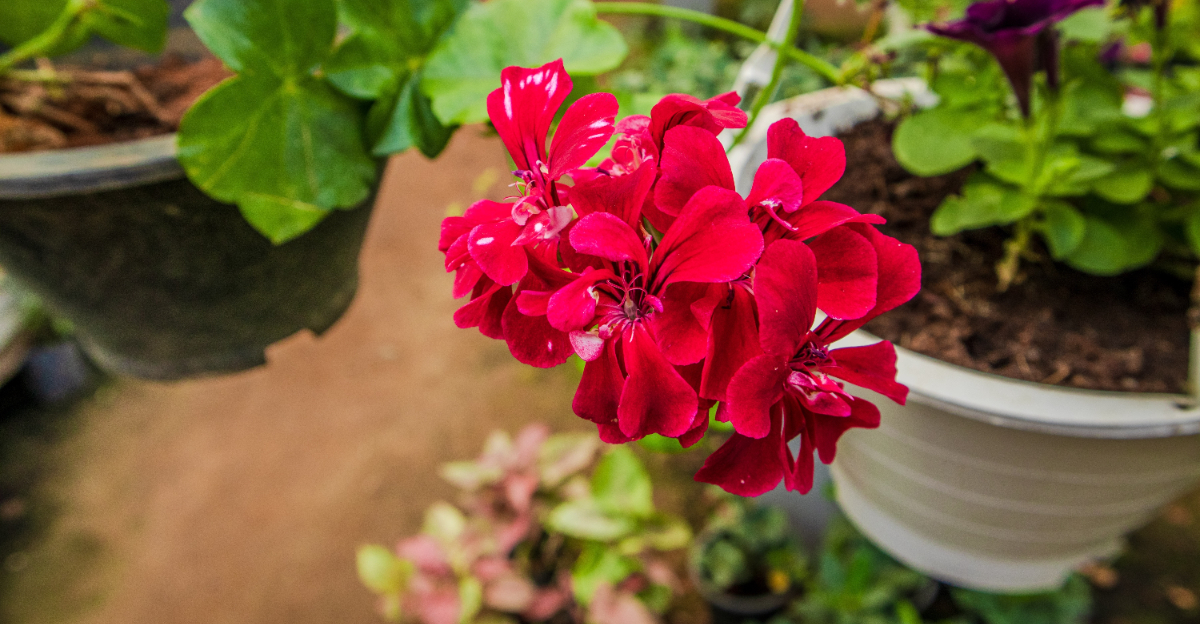
Pots can outperform the ground in Arizona more often than people expect, especially once soil conditions start to work against certain flowers.
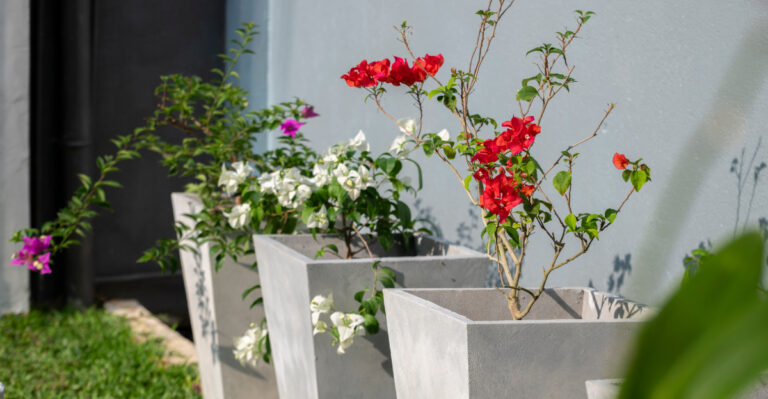
Heat, drainage, and control over placement all play a role, and containers can solve problems that garden beds cannot.
Some flowers struggle when planted directly in the ground but respond far better when roots stay contained and conditions stay more controlled.
Color holds longer, growth stays more balanced, and the overall look feels more consistent through the season.
Placement becomes easier to manage as well. Pots can shift into better light, avoid harsh exposure, and create a setup that supports healthier plants without constant adjustment.
With the right choices, containers do not limit growth at all and can actually lead to stronger, more reliable results in Arizona conditions.
1. Geranium Blooms Longer In Well-Drained Containers
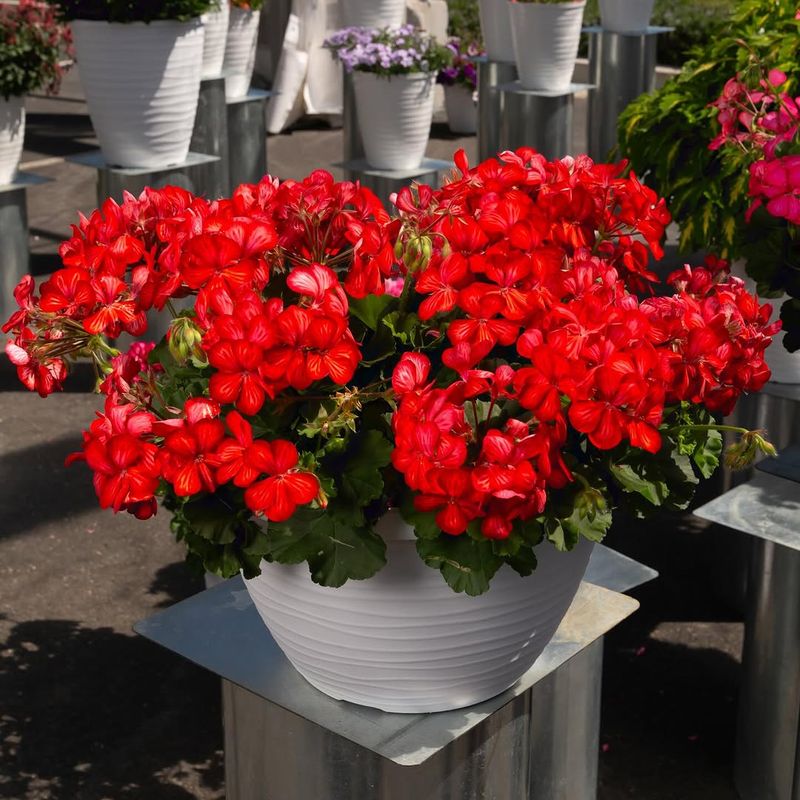
Ground soil in Arizona tends to hold moisture in unpredictable ways, and geraniums absolutely hate wet roots. In a container with fast-draining potting mix, you sidestep that problem almost entirely.
The roots stay aerated, and the plant focuses its energy on producing blooms instead of fighting off root problems caused by poor drainage.
Geraniums in pots also let you play with placement. During the brutal Arizona summer afternoons, sliding the pot into afternoon shade can add weeks to your bloom season.
Left in the ground with no shade option, geraniums often stop flowering by late May in the low desert. In a container, you have choices the ground simply does not offer.
Use a well-draining mix with some perlite added, and water deeply but only when the top inch of soil feels dry. Terracotta pots work especially well in Arizona because they breathe and help regulate soil temperature.
Fertilize every two to three weeks with a balanced liquid fertilizer during active growth. Geraniums in containers in Arizona can put on a solid show from late winter through early summer, and again in fall when temperatures drop back into a reasonable range.
Containers give geraniums the drainage and flexibility they need to handle Arizona’s heat without shutting down early. With the right watering and light adjustments, they can keep blooming far longer than plants left in the ground.
2. Lantana Thrives In Pots With Controlled Soil
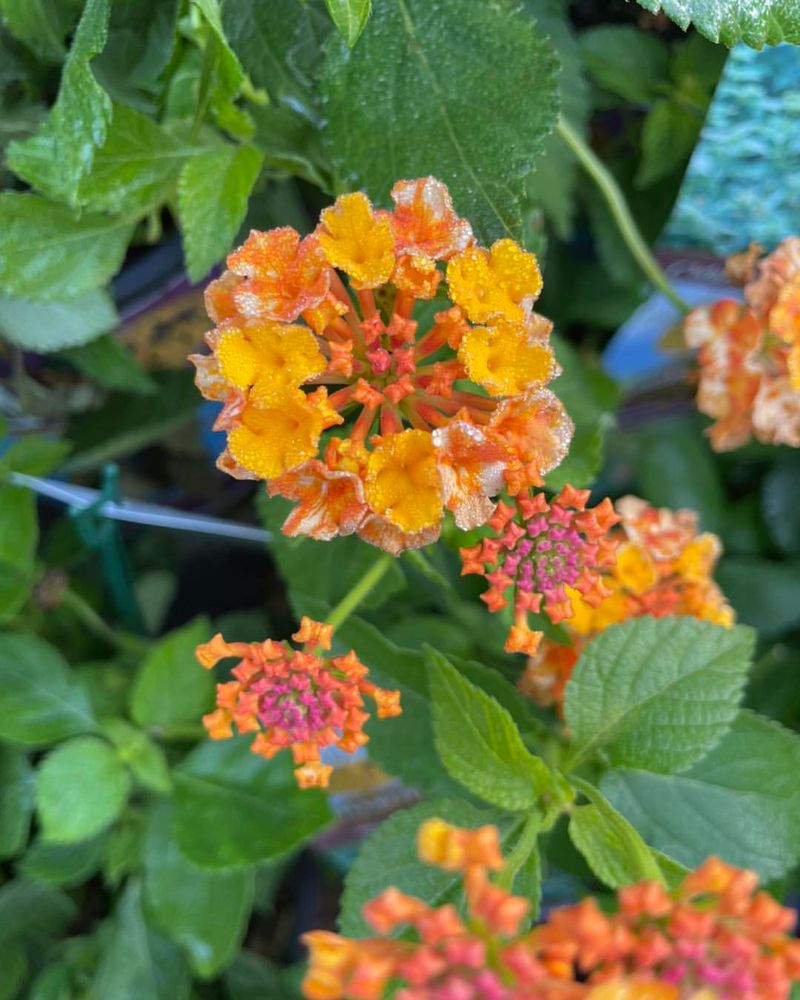
Lantana planted directly in Arizona ground can spread aggressively and become hard to manage within a single season. Put it in a pot, and you get all the color and heat tolerance without the sprawl.
Containment actually suits lantana well because you can direct its energy into blooming rather than spreading roots across a wide area.
Across Phoenix and Tucson, lantana in pots handles triple-digit heat better than almost any other flowering plant. It needs full sun and very little water once it gets going.
In the ground, overwatering is easy because you cannot always control what surrounding soil is doing. In a container, you set the watering schedule and stick to it, which lantana rewards with near-constant color from spring through fall.
Choose a pot that is at least 12 inches wide and deep. Lantana roots like room to spread slightly, and a cramped container will slow blooming.
A cactus and succulent mix blended with standard potting soil works well here. Skip heavy fertilizing since too much nitrogen pushes foliage over flowers.
In Arizona, lantana in containers is one of the most reliable ways to keep color going through the hottest months of the year without constant attention.
Keeping it slightly root-bound can actually push lantana to produce more flowers instead of excess growth. Refreshing the top layer of soil midseason helps maintain nutrients without overfeeding the plant.
3. Petunia Performs Better In Cool-Season Containers
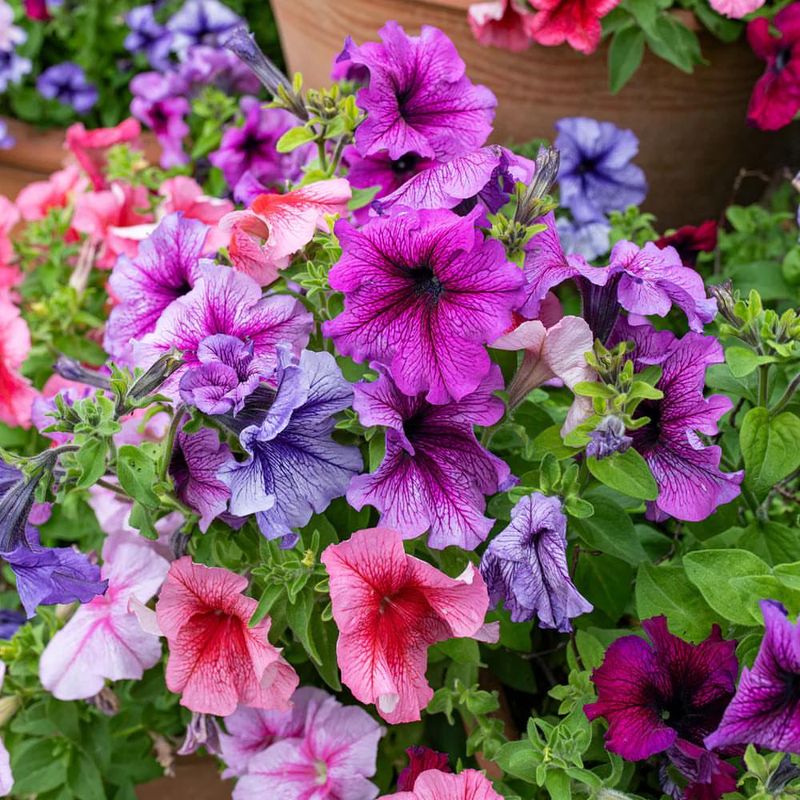
Petunias have a narrow window in Arizona, and working with that window instead of against it makes all the difference. In the ground, soil temperatures rise fast and petunias fade quickly as summer arrives.
In a container, you can move them to a cooler spot when needed and extend their season by several weeks.
Starting petunias in pots in late January or February in the low desert gives them a head start before heat arrives. By the time ground soil is warming up to unfriendly levels, container petunias have already put on a strong show.
You also avoid the compacted, alkaline ground soil that many Arizona yards have, which tends to stress petunias and reduce flower production.
Water petunias in containers consistently but avoid letting them sit in soggy mix. They prefer slightly moist soil, not wet.
A good-quality potting mix with some slow-release fertilizer worked in at planting gives them a solid foundation. Deadheading spent flowers regularly keeps new blooms coming.
In Arizona, petunias are not a summer plant, but as a cool-season container flower grown in fall and late winter through spring, they can look genuinely impressive on a porch or patio without much fuss.
Pinching back leggy growth early helps create fuller plants with more blooms instead of long, sparse stems. Once temperatures start climbing, shifting pots to bright morning sun with afternoon shade helps stretch their display a bit longer.
4. Begonia Grows Best In Shaded Pots
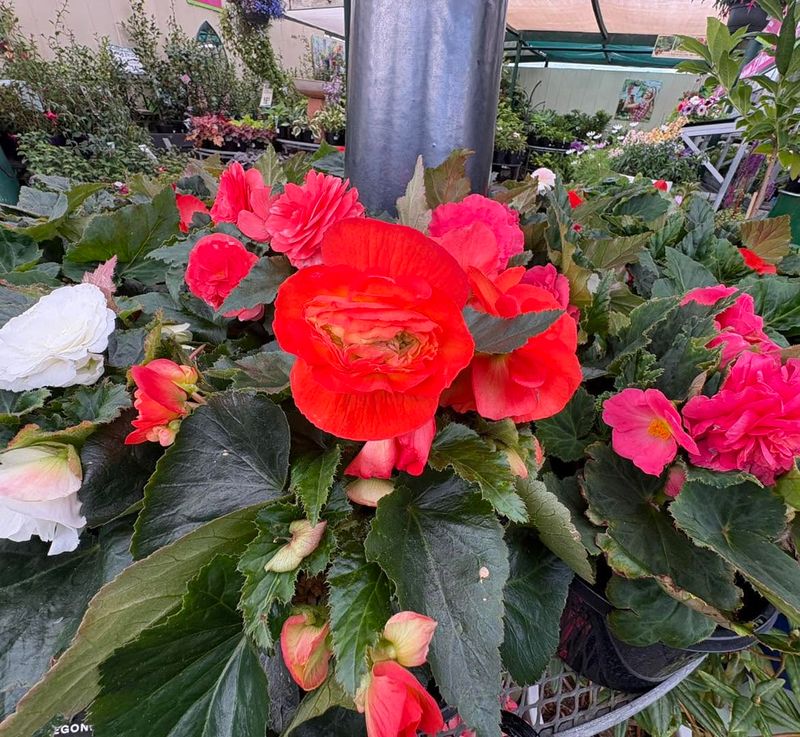
Begonias and direct Arizona sun are not friends. In the ground with no shade control, begonias typically scorch by mid-spring in the low desert.
Pots solve this by letting you position the plant exactly where filtered light or morning sun reaches without the brutal afternoon exposure that ground-planted begonias cannot escape.
Wax begonias in shaded containers can hold up surprisingly well through Arizona summers if kept out of direct afternoon sun.
They like humidity, which is admittedly hard to come by in the desert, but a regular misting or grouping pots together can help create a slightly more favorable microclimate around the plants.
In the ground, you have no control over those conditions.
Soil moisture management matters a lot with begonias. They want consistently moist but never waterlogged conditions.
A peat-based or coco coir potting mix holds moisture well without becoming dense. Make sure the pot has solid drainage holes because begonias are sensitive to standing water around their roots.
In Arizona, shaded patios, covered porches, and north-facing walls are ideal spots for begonia containers. Feed lightly every three weeks with a balanced fertilizer and remove spent blooms to keep the plant producing through the season.
Rotating the pots occasionally helps keep growth even and prevents the plants from leaning toward the light. Using lighter-colored containers can also help keep roots cooler during the hottest parts of the season.
5. Calibrachoa Trails Stronger In Hanging Containers
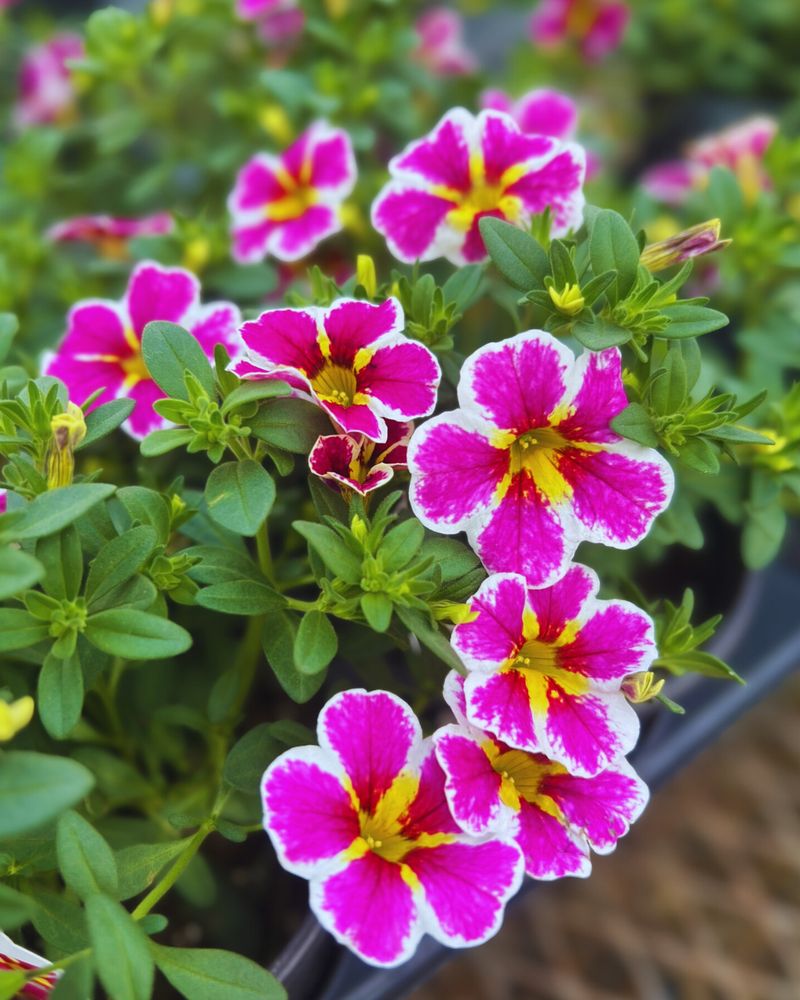
Calibrachoa, commonly called million bells, produces hundreds of tiny blooms that trail beautifully from hanging baskets and elevated containers. In the ground, those trailing stems get lost and the plant does not show off the way it should.
Elevation is the key, and a hanging container gives calibrachoa exactly what it needs to perform visually.
Arizona’s alkaline soil is another reason to keep calibrachoa in containers. It prefers a slightly acidic growing environment, which is almost impossible to achieve naturally in most Arizona ground soil without significant amendment.
Potting mix formulated for flowering annuals tends to sit at a better pH range, and calibrachoa responds with stronger growth and more consistent blooming.
Hang the basket in a spot that gets morning sun and afternoon shade, especially in the low desert from April onward. Calibrachoa needs regular watering since hanging baskets dry out faster than ground-level containers.
Check the basket daily during warm weather and water whenever the top of the mix feels dry. Feed every one to two weeks with a water-soluble fertilizer that includes micronutrients.
Iron deficiency can show up in alkaline conditions, so a fertilizer with chelated iron helps keep foliage green and blooms vibrant throughout the Arizona spring season.
Light trimming through the season helps keep the plant from getting leggy and encourages fuller trailing growth. Bringing baskets slightly closer to eye level also makes it easier to monitor moisture and catch early signs of stress before blooms start to fade.
6. Vinca Handles Heat Better In Fast-Draining Pots
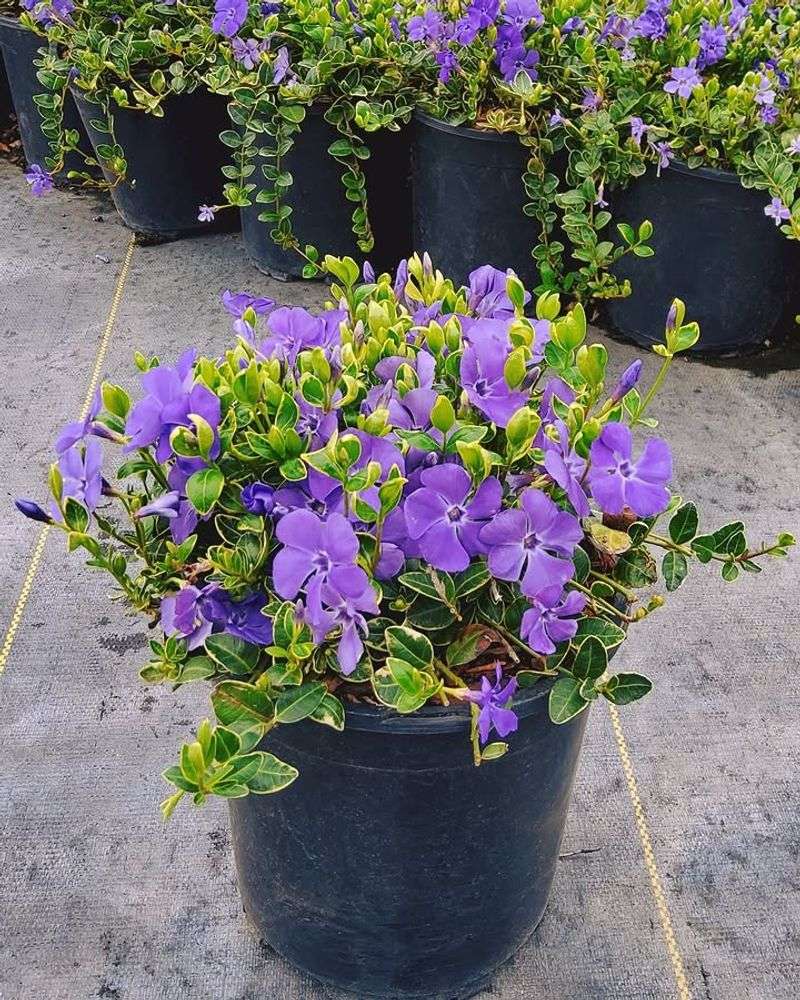
Vinca is one of the toughest flowering plants you can grow in Arizona, but even it has a weakness: soggy soil. Ground planting in areas with clay or caliche layers can trap water around vinca roots during monsoon season, leading to serious root issues.
A container with fast-draining mix eliminates that risk almost completely.
In a pot, vinca in Arizona can bloom from late spring straight through fall without much intervention. Full sun is fine, and the heat actually encourages more blooming rather than slowing it down.
The key is making sure water moves through the pot quickly. Mix standard potting soil with perlite at about a 3-to-1 ratio, and use a container with multiple drainage holes at the bottom.
Watering vinca in containers during Arizona summers means checking the pot every day or two. The soil should dry out slightly between waterings but not go bone dry for extended periods.
Feed monthly with a slow-release granular fertilizer rather than frequent liquid feeding, which can stress vinca in extreme heat. Pinching back leggy stems mid-season encourages the plant to branch out and produce more blooms.
In Arizona, vinca in containers is one of the more reliable ways to keep color going through the intense summer heat without replanting every few weeks.
7. Portulaca Thrives In Dry Pots With Full Sun
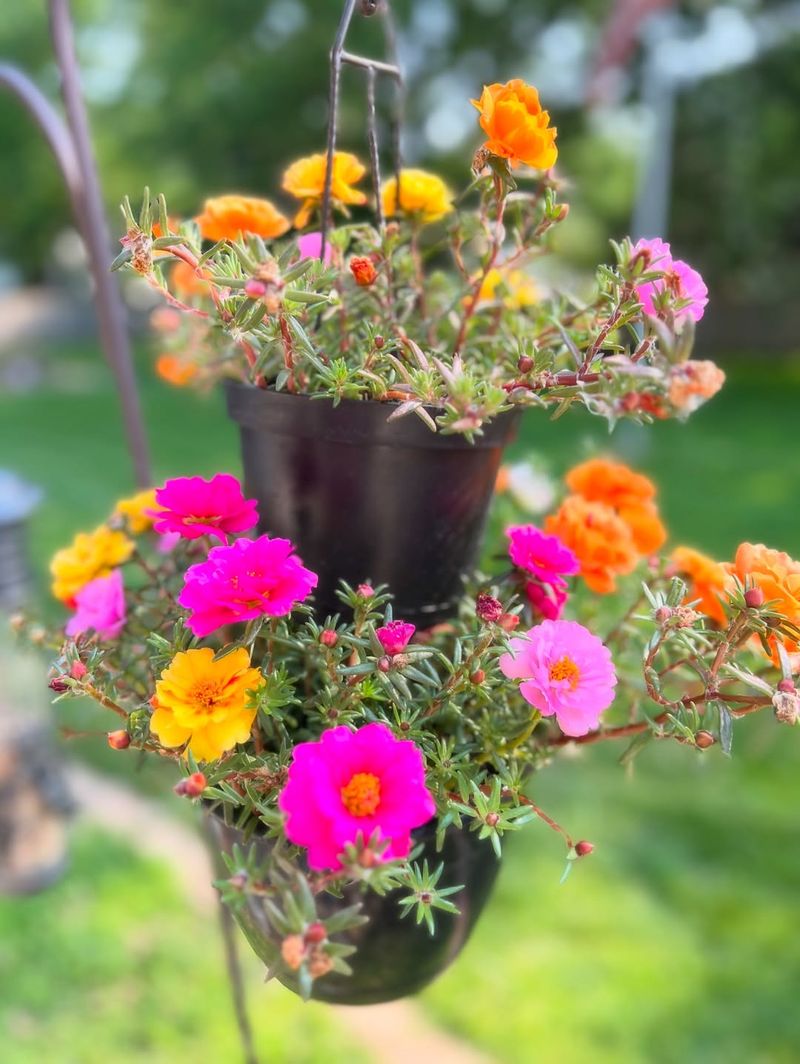
Portulaca was practically made for Arizona containers. Its succulent-like stems store water, it loves baking sun, and it actively prefers soil that dries out between waterings.
Most flowers struggle under those conditions. Portulaca treats them like an invitation to bloom harder.
In the ground, portulaca can do okay, but it tends to get lost in the landscape and the blooms do not stand out the way they do when the plant is elevated in a pot. A shallow container on a patio or step puts the flowers at eye level and lets you appreciate the daily show.
Portulaca flowers open in sunlight and close at night, so placing the pot where you will see it during daylight hours makes the most of what the plant offers.
Use a cactus and succulent potting mix or add significant perlite to regular potting soil to get the drainage right. Portulaca does not need fertilizer-heavy care.
A single application of slow-release fertilizer at planting is usually enough for the season. Overwatering is the most common mistake with portulaca in Arizona containers, so err on the side of dry rather than wet.
In Phoenix and Tucson, portulaca in pots can bloom reliably from April through September with minimal attention, making it a practical choice for busy gardeners.
Letting the soil dry out completely between waterings helps keep the plants compact and encourages more blooms. Trimming back overgrown stems midseason can refresh the plant and trigger a new wave of flowers.
8. Coleus Keeps Color Better In Shaded Containers
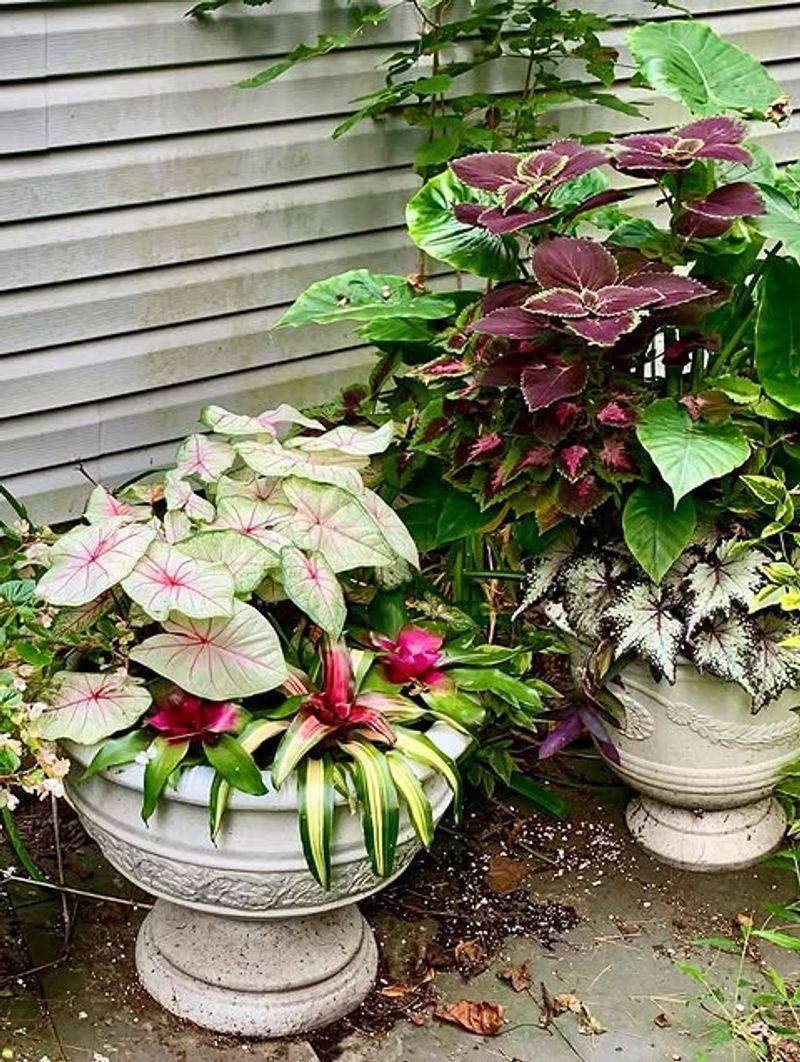
Coleus is grown for its foliage, not its flowers, and in Arizona that foliage can fade or bleach out fast when exposed to intense direct sun. Ground planting in open areas often leads to washed-out leaf color by midsummer.
A container placed in a shaded or partially shaded spot keeps those bold patterns vivid much longer.
Shade in Arizona is a resource worth managing carefully. North-facing walls, covered patios, and the shadow cast by larger plants or structures are all good spots for coleus containers.
The plant does not need direct sun to grow well, which is actually a relief in a state where shade can be hard to find. Coleus in a shaded pot can hold its color through summer in most parts of Arizona if watered consistently.
Keep the potting mix evenly moist but not saturated. Coleus is not drought-tolerant the way some desert-adapted plants are, so skipping waterings during hot weather will stress it quickly.
A peat or coco coir-based mix retains moisture without compacting. Pinch off any flower spikes that appear since flowering pulls energy away from the colorful leaves.
Feed every two to three weeks with a balanced liquid fertilizer. In Arizona, coleus in shaded containers adds a splash of tropical-looking color to spots where most sun-loving plants simply would not survive the season.