Flowers That Attract Hummingbirds In Southern Oregon
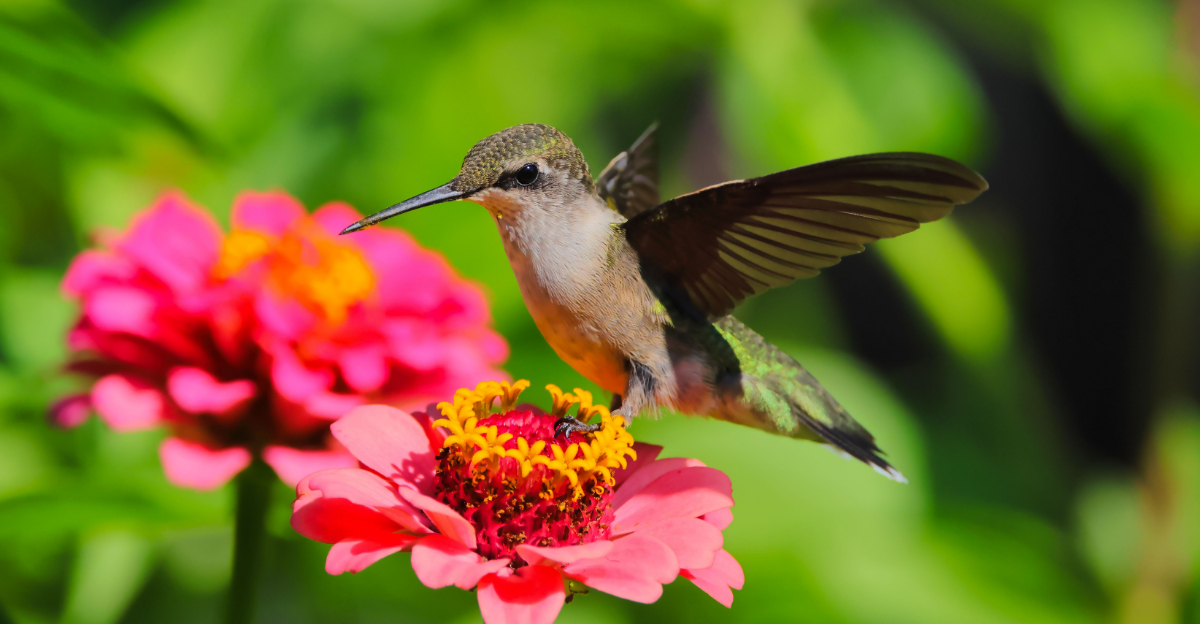
Right around early spring in Southern Oregon, there is that first moment when you spot a hummingbird hovering near the yard, almost like it showed up overnight. It is quick, easy to miss, and once you notice it, you start seeing them everywhere.
That is usually the sign that the season has officially begun.
These tiny birds are not just passing through. They are actively searching for reliable food sources, especially as natural blooms begin to appear across the region.
The earlier your garden offers something worth visiting, the more likely they are to return again and again.
Plant choice plays a bigger role than most people expect, and a few well-placed flowers can turn an ordinary yard into one they keep coming back to.
1. Red Flowering Currant Bursting With Early Spring Color
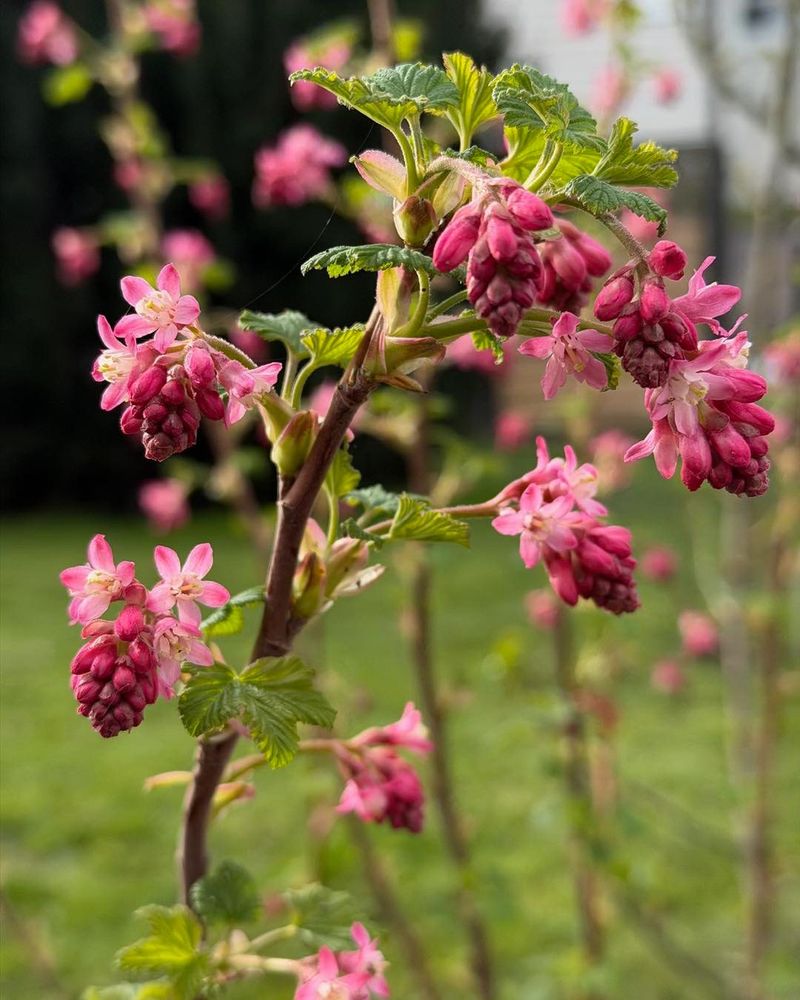
Few sights in a Southern Oregon garden are as exciting as a hummingbird zipping straight toward a Red Flowering Currant in full bloom. This native shrub is one of the earliest plants to flower each spring, often bursting into color before most other plants have even woken up from winter.
That early timing makes it a lifesaver for hummingbirds returning from their winter migration, giving them a reliable nectar source right when they need it most.
Red Flowering Currant grows clusters of small, tubular flowers in shades of deep pink to rich crimson, and hummingbirds are strongly attracted to those colors. The shrub can grow four to ten feet tall, making it a great backdrop plant for a pollinator garden.
It also handles Southern Oregon’s dry summers well once it gets established, so you won’t need to fuss over it too much after the first season.
Plant it in full sun to partial shade and give it well-drained soil for the best results. After the blooms fade, the plant produces small, dark berries that birds and other wildlife enjoy.
It’s a true multi-season performer that earns its place in any Southern Oregon garden focused on supporting local hummingbirds.
2. Honeysuckle Climbing And Blooming With Purpose
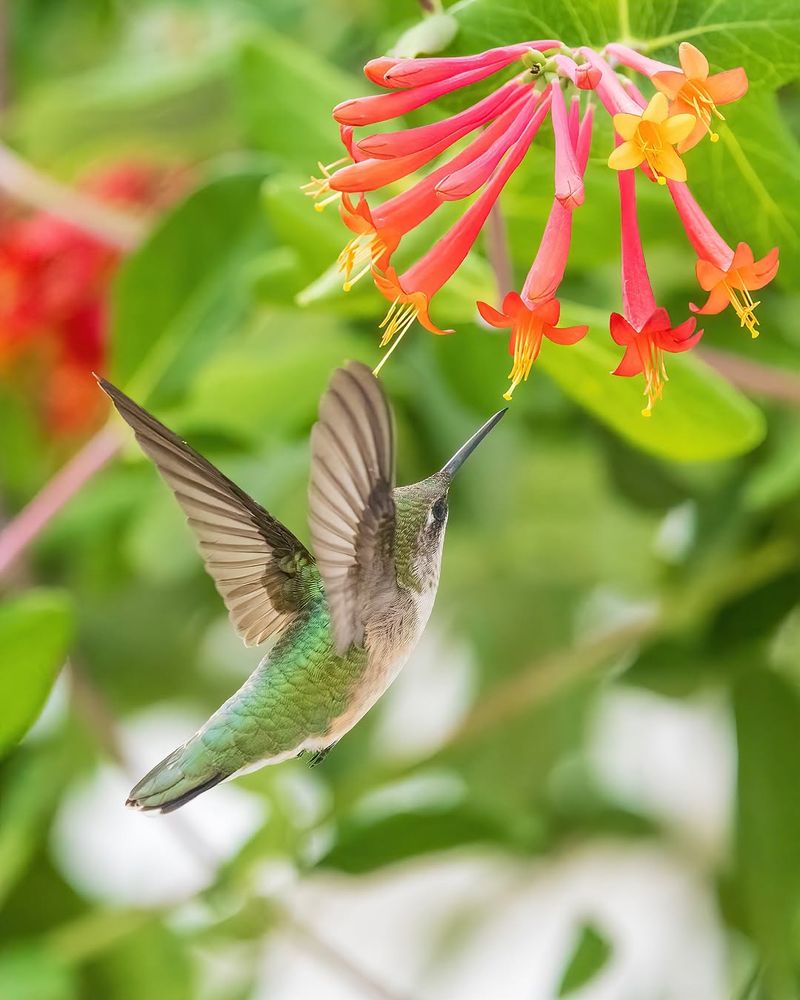
If you want a plant that hummingbirds will genuinely go out of their way to visit, Orange Honeysuckle, known scientifically as Lonicera ciliosa, is your answer. This native vine produces clusters of vivid orange-red tubular flowers that are practically engineered for a hummingbird’s long, slender beak.
It’s one of the most effective hummingbird attractors you can grow in Southern Oregon, and it doubles as a gorgeous climbing plant for fences, trellises, and arbors.
Unlike the invasive Japanese Honeysuckle that can cause problems in Pacific Northwest ecosystems, Lonicera ciliosa is a well-behaved native that plays nicely with the local environment. It blooms from late spring into summer, offering a consistent nectar supply during some of the busiest hummingbird feeding months.
The vine can climb ten to twenty feet, so give it a sturdy structure to work with and watch it take off.
Growing Lonicera ciliosa in Southern Oregon is relatively straightforward. It prefers partial shade to full sun and does well in moist, well-drained soil, especially near woodland edges.
After the flowers fade, bright red berries appear and attract other birds to the garden. Planting this native honeysuckle is one of the best single investments you can make if bringing hummingbirds to your Southern Oregon yard is the goal.
3. Western Columbine A True Native Hummingbird Favorite
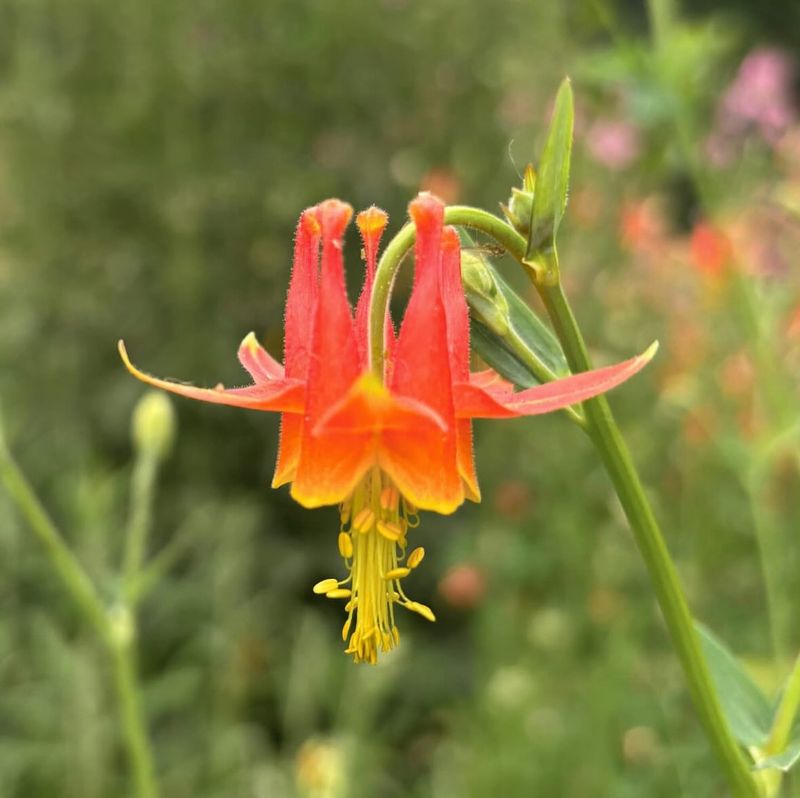
There is something almost magical about the way Western Columbine’s flowers look like tiny lanterns hanging from slender stems, and hummingbirds seem to feel the same way. Native to Oregon and much of the Pacific Northwest, this wildflower blooms from April well into midsummer, giving hummingbirds a long window to enjoy its nectar.
The flowers are a striking combination of red and yellow, which is practically a neon sign for hummingbirds looking for a meal.
Western Columbine thrives in partially shaded spots, making it a smart choice for garden areas that don’t get full sun all day. It pairs beautifully with ferns and other woodland plants, creating a natural, layered look that feels right at home in Southern Oregon’s landscape.
The plant typically reaches one to three feet tall, so it works well in the middle layer of a mixed flower bed.
One fun fact: hummingbirds are actually one of the primary pollinators for columbine flowers, and the plant’s long spurs evolved specifically to match the length of a hummingbird’s beak. Planting Western Columbine means you’re supporting a relationship between plant and bird that has developed over thousands of years.
It’s easy to grow from seed and will often self-sow, spreading naturally over time.
4. Penstemon Built For Feeding Visiting Birds
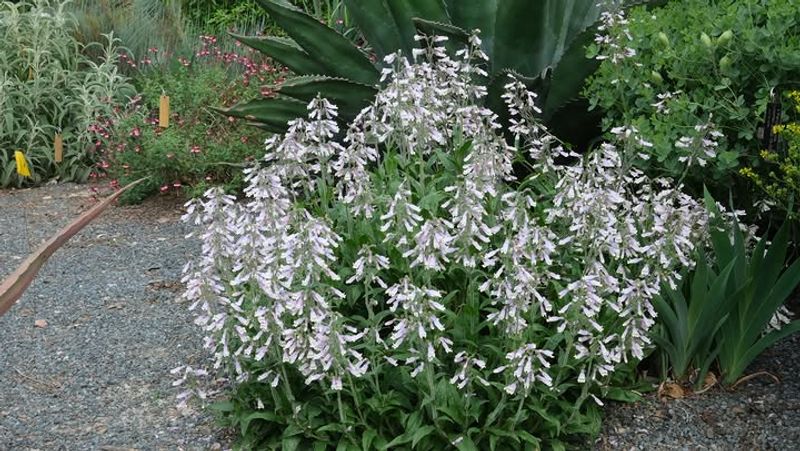
Ask any experienced Southern Oregon gardener which flower hummingbirds visit most reliably, and Penstemon will almost always come up in the conversation. Also known as beardtongue, this native perennial produces tall, elegant spikes of tubular flowers in shades of red, pink, purple, and white.
Hummingbirds are especially drawn to the red and pink varieties because those colors signal high nectar content in the bird’s natural instincts.
One of the biggest advantages of Penstemon for Southern Oregon gardeners is its drought tolerance once established. Once established, it handles the region’s warm, dry summers without needing constant watering.
That makes it a practical and beautiful choice for water-wise landscaping, which is increasingly important in the Pacific Northwest as summers grow warmer.
Penstemon blooms from late spring through summer, bridging the gap between early spring bloomers and late summer flowers. Planting several varieties with slightly different bloom times can keep hummingbirds returning to your garden for months.
The plants grow anywhere from one to four feet tall depending on the variety, and they look stunning when planted in groups or drifts. Deadheading spent flowers can encourage a second flush of blooms, giving hummingbirds in Southern Oregon even more reasons to stick around your yard all season.
5. Milkweed Offering More Than Just Monarch Appeal
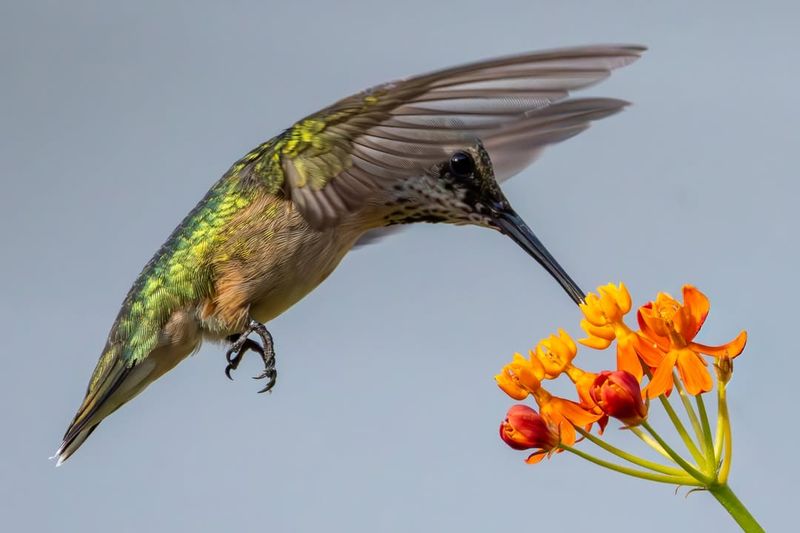
Most people know Milkweed as the essential food plant for monarch butterfly caterpillars, but here’s something that might surprise you: hummingbirds are big fans of milkweed flowers too. The blooms are packed with nectar and come in showy shades of orange, pink, red, and white depending on the variety.
In Southern Oregon, native milkweed species like Showy Milkweed (Asclepias speciosa) thrive in sunny, open areas and bloom throughout the summer months.
Planting milkweed in your Southern Oregon garden creates a buzzing, fluttering, hovering spectacle that draws in hummingbirds, butterflies, bees, and a whole community of beneficial insects. It’s one of the most impactful single plants you can add if your goal is a truly wildlife-friendly garden.
The flowers have a sweet fragrance that adds another sensory layer to the garden experience on warm summer afternoons.
Milkweed does best in full sun with well-drained soil and is very drought-tolerant once established, which suits Southern Oregon’s dry summer conditions perfectly. It spreads by underground rhizomes and can form colonies over time, so give it some room to roam or plant it in a dedicated pollinator bed.
The seed pods that form after flowering are also ornamentally attractive, adding visual interest well into fall.
6. Western Bleeding Heart Bringing Soft Woodland Charm
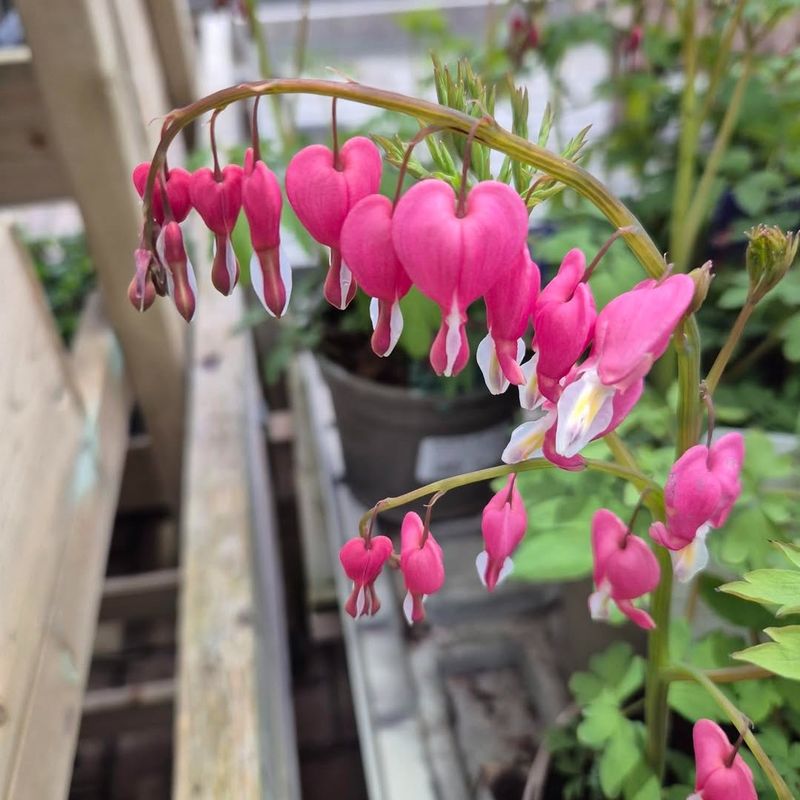
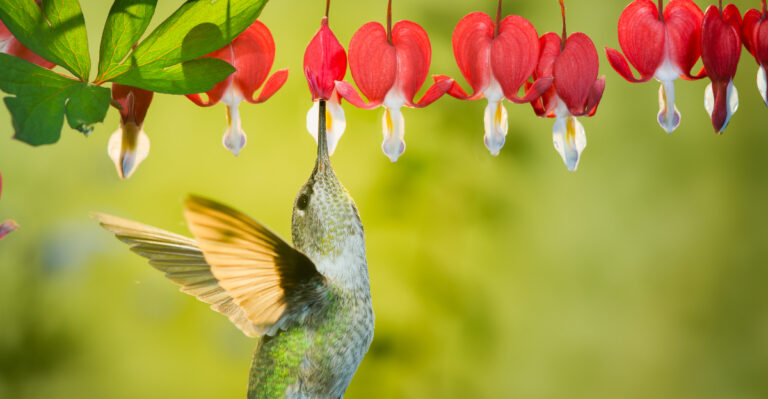
Western Bleeding Heart has one of the most charming flower shapes in the entire plant kingdom, and hummingbirds happen to love it just as much as gardeners do. Each bloom looks like a tiny, perfectly formed pink heart dangling from a graceful, arching stem.
The plant thrives in shaded and partly shaded spots, which makes it ideal for those tricky corners of a Southern Oregon garden where other sun-loving flowers struggle to grow.
Blooming from spring into summer, Western Bleeding Heart offers a relatively long flowering season among native Pacific Northwest plants. That extended bloom time means hummingbirds can count on it as a steady nectar source throughout much of spring and summer.
The feathery, blue-green foliage is attractive even when the plant isn’t flowering, adding texture and color to shaded garden beds.
This plant spreads gently by rhizomes, slowly filling in bare spots under trees and along shaded pathways. It pairs beautifully with ferns, wild ginger, and other shade-tolerant natives to create a lush, woodland-feel garden space.
Western Bleeding Heart is a low-maintenance gem for Southern Oregon gardeners who want to attract hummingbirds without spending hours on upkeep. Once planted in the right spot, it practically takes care of itself season after season.
7. Oregon Grape Kicking Off The Bloom Season Early
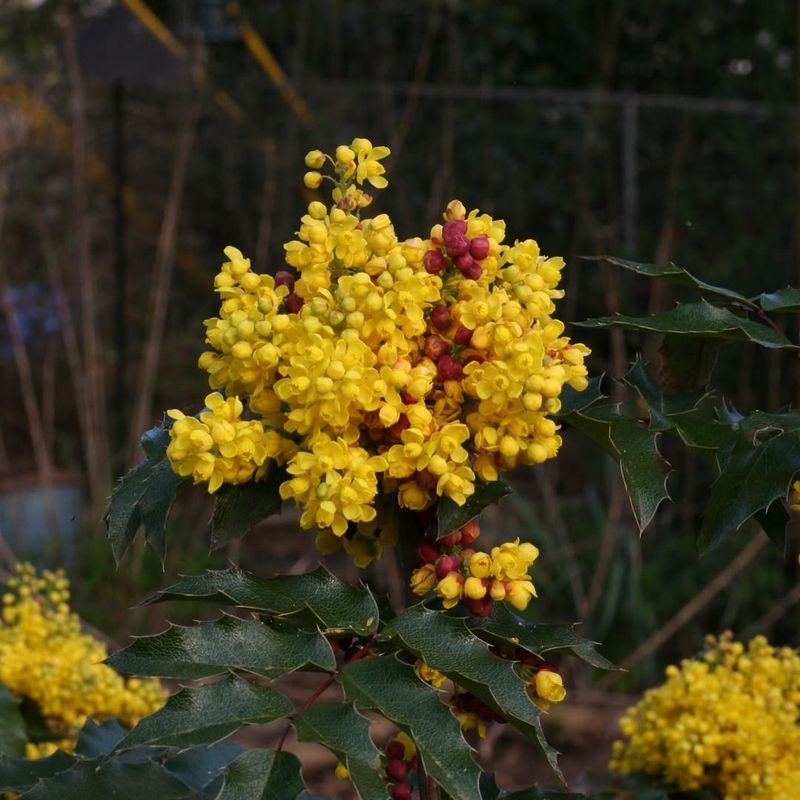
The state flower of Oregon for good reason, Oregon grape stands out for its beauty and resilience: it’s tough, beautiful, and incredibly useful to local wildlife, including hummingbirds. This evergreen shrub produces dense clusters of bright yellow flowers in early spring, often while snow is still possible in higher elevations around Southern Oregon.
That early bloom time makes it one of the first nectar sources available to hummingbirds each year, which is critically important for birds that arrive back in the region hungry after migration.
Beyond its value to hummingbirds, Oregon Grape is a powerhouse native plant that supports a wide range of pollinators and wildlife. After the flowers fade, it produces clusters of dark blue-purple berries that are tart but edible and beloved by many bird species.
The spiny, holly-like leaves stay green all year, providing structure and color in the garden even in the depths of winter.
Oregon Grape is well-suited to Southern Oregon’s climate, tolerating drought, a range of soil conditions, and both sun and partial shade. It ranges in size from low-growing ground cover varieties to large shrubs over six feet tall, giving gardeners plenty of options.
Whether you use it as a foundation plant, a hedge, or a woodland understory shrub, Oregon Grape consistently delivers beauty and wildlife value in equal measure throughout the year.
8. Zinnias Filling Gardens With Bright Summer Energy
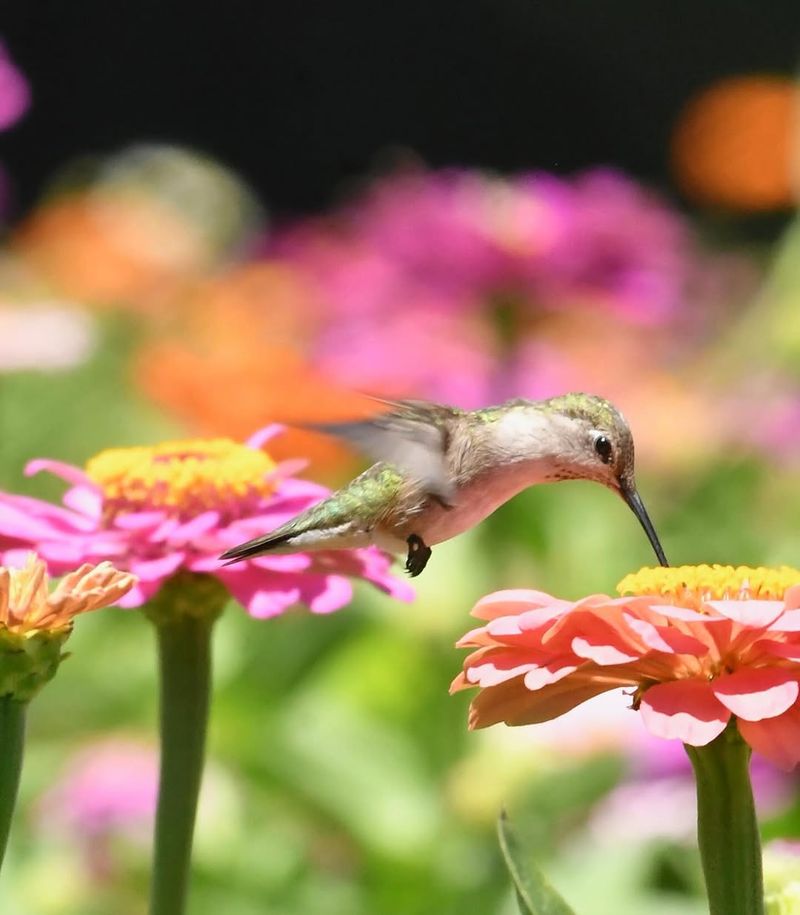
Zinnias are a lively addition to the summer garden, and they often attract hummingbirds. These cheerful, easy-to-grow annuals come in nearly every color of the rainbow, but hummingbirds in Southern Oregon show a clear preference for the red, orange, and hot pink varieties.
Zinnias bloom prolifically from early summer until the first frost, giving hummingbirds a reliable nectar buffet during the warmest months of the year.
What makes Zinnias especially appealing for gardeners is how forgiving they are. You can direct sow seeds right into the garden bed after the last frost, and they’ll sprout and bloom with very little fuss.
They love Southern Oregon’s warm, sunny summers and only ask for regular watering and occasional deadheading to keep the flowers coming. Even beginner gardeners find Zinnias almost impossible to mess up.
Planting Zinnias in large clusters rather than single plants will make your garden even more attractive to hummingbirds, since a big patch of color is easier for the birds to spot from a distance. They also work beautifully as cut flowers, so you can enjoy them indoors while the hummingbirds enjoy them outside.
For a low-cost, high-reward addition to any Southern Oregon hummingbird garden, Zinnias are absolutely hard to beat.
9. Russian Sage Adding Height And Airy Movement
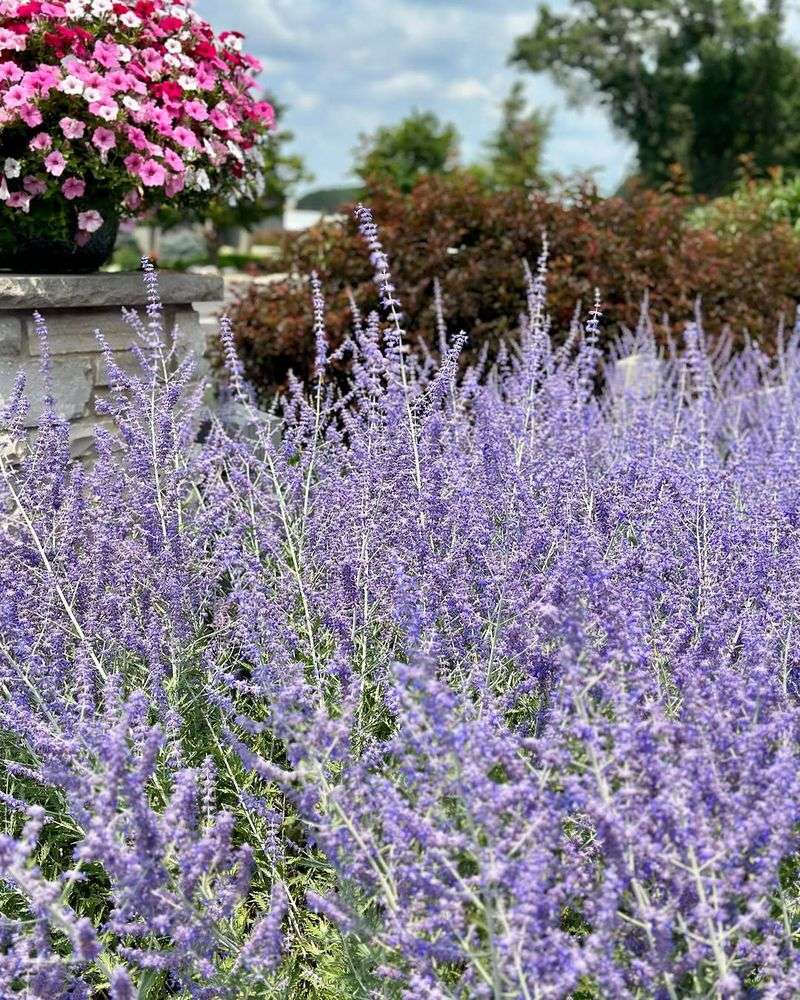
Despite its name, this plant is actually native to Central Asia, but it has found a very happy home in Southern Oregon’s sunny, dry climate. Hummingbirds are attracted to the dense flower spikes, which provide a large surface area of nectar-filled blooms to explore on a single visit.
One of the standout features of Russian Sage is its extreme toughness. It grows well in poor, well-drained soils and handles Southern Oregon’s hot, dry summers with minimal care once established.
Once established, it needs very little supplemental watering, making it an excellent choice for water-conscious gardeners who still want to support local hummingbirds through the long summer season.
Russian Sage typically blooms from midsummer through early fall, filling a gap in the garden calendar when some spring bloomers have already finished. It grows three to five feet tall and equally wide, creating an impressive, billowing presence in the landscape.
The silvery foliage has a pleasant, herby fragrance when brushed against, adding an extra sensory element to the garden. Pair it with Lavender, Penstemon, or Zinnias for a pollinator-friendly combination that looks stunning and keeps hummingbirds visiting your Southern Oregon garden well into autumn.
10. Lavender Blending Fragrance With Steady Nectar
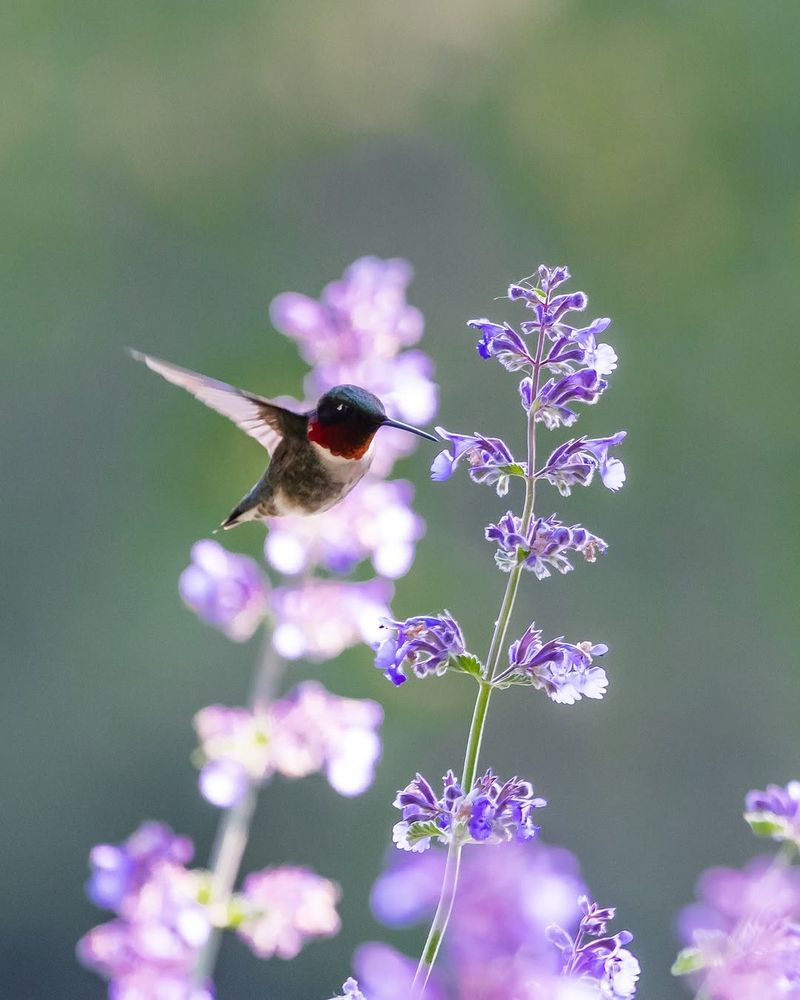
In Southern Oregon’s warm, sunny climate, Lavender grows well in Southern Oregon, often forming large, fragrant mounds that can scent the garden on a breezy afternoon. The long, slender flower spikes in shades of purple, blue, and violet are exactly the kind of tubular bloom structure that hummingbirds love to probe for nectar.
English Lavender varieties tend to be the most cold-hardy and longest-lived in Southern Oregon gardens, though Spanish and French types also perform well in the region’s milder areas. Lavender blooms primarily in early to midsummer, with some varieties reblooming later in the season if cut back after the first flush of flowers.
That second bloom gives hummingbirds another round of nectar just as they’re preparing for their southward migration in late summer.
Plant Lavender in full sun with very well-drained soil, and avoid overwatering since it strongly prefers dry conditions. It’s a fantastic border plant, a great companion for Russian Sage and Penstemon, and a genuinely rewarding plant to grow.
Few things beat sitting near a blooming Lavender patch on a warm Southern Oregon summer evening, watching hummingbirds dart from spike to spike in the golden light.