7 Flowers That Come Back Strong After Tough Michigan Winters
Michigan winters can be harsh, with freezing temperatures, deep snow, and frozen soil that lingers for months. Yet some plants handle these conditions with remarkable strength.
When spring finally arrives, they push through the soil again as if winter never happened. Across the Upper and Lower Peninsulas, hardy perennials are a favorite choice for gardeners who want beauty without replanting every year.
These plants settle into the landscape, survive the toughest cold, and return each season ready to grow stronger. Over time they create fuller garden beds and bring dependable color to Michigan yards.
Choosing the right perennials means less work and more reward in the long run. Once established, these plants can handle Michigan’s challenging climate while continuing to bloom year after year.
These tough and beautiful flowers are some of the best options for building a garden that truly lasts.
1. Purple Coneflower
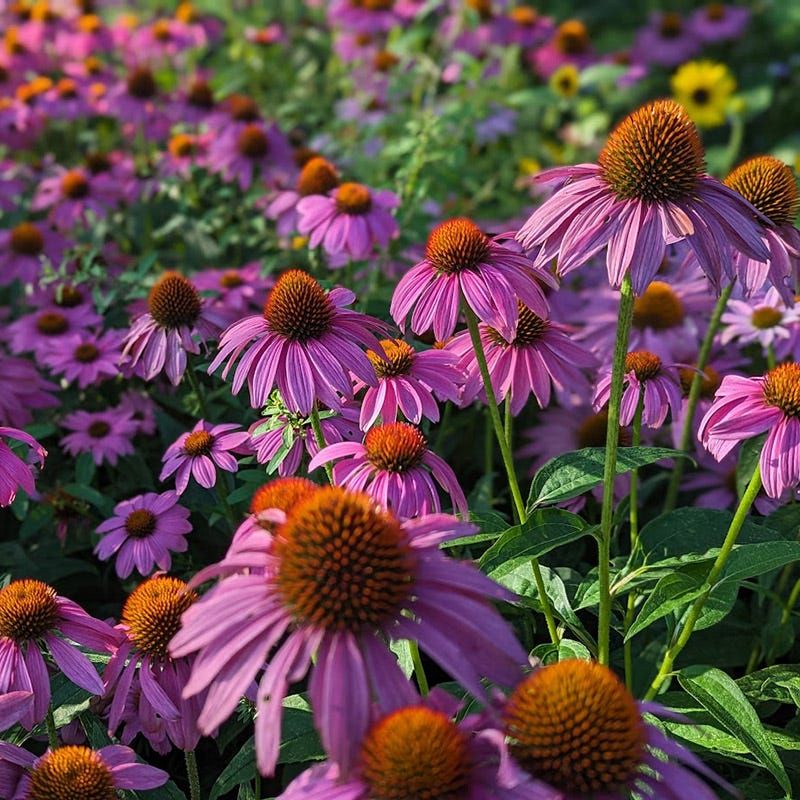
Few flowers wear Michigan’s brutal winters as confidently as the Purple Coneflower. Known scientifically as Echinacea purpurea, this native perennial has been thriving across the Midwest long before anyone called it a garden favorite.
Its deep, fibrous root system reaches well below the frost line, keeping the plant anchored and alive even when the ground turns to solid ice above.
Hardy in USDA Zones 3 through 9, Purple Coneflower handles freezing temperatures and heavy snow cover without any drama. Each spring, once Michigan’s soil begins warming up, new green shoots push through with impressive energy.
The plant rewards patient gardeners with bold, rosy-purple blooms that attract bees, butterflies, and even goldfinches throughout summer and into fall.
For best results, plant Purple Coneflower in full sun with well-drained soil. Avoid overwatering, since these plants actually prefer conditions that lean slightly dry.
One smart tip many Michigan gardeners swear by is leaving the seed heads standing through winter. Birds feed on them all season long, and the dried stems add quiet structure to an otherwise bare garden.
Come early spring, cut the old stems back to the ground and watch fresh growth take over. Within a few weeks, you will hardly believe the same spot looked empty just months before.
2. Black-Eyed Susan
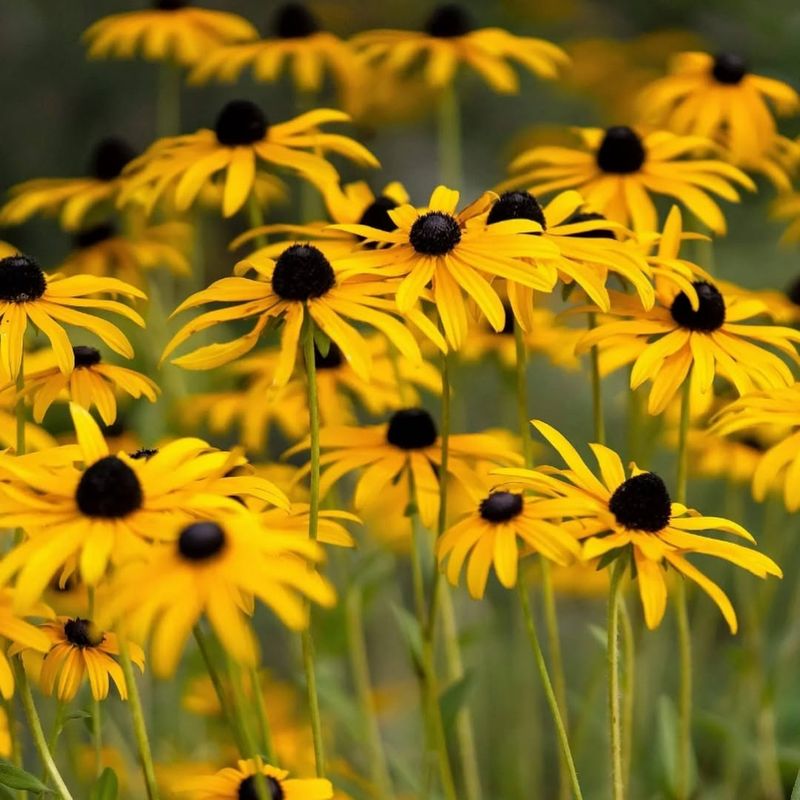
There is something genuinely cheerful about Black-Eyed Susans.
Their bold yellow petals and dark chocolate centers light up Michigan gardens from midsummer straight through early fall, and they manage to look that good after surviving one of the toughest winters in the Midwest.
Rudbeckia hirta is a native North American wildflower that has been brightening roadsides and meadows across this region for centuries.
What makes Black-Eyed Susan so reliable in Michigan is a combination of a tough crown and a clever backup plan. Even when an unusually harsh winter stresses the main plant, seeds that dropped the previous autumn sprout fresh new growth come spring.
You essentially get a self-renewing flower bed that keeps filling in year after year with very little effort on your part.
Plant Black-Eyed Susans in full sun for the strongest blooms. Well-drained soil is important since soggy roots through a Michigan freeze can cause real problems.
Leave some seed heads standing at the end of the season rather than cutting everything back at once. Birds enjoy the seeds, and the natural reseeding keeps your patch thick and healthy.
If the clump gets too crowded after a few years, divide it in early spring. Separating the roots gives each section more room to grow, and you end up with more plants to spread around your yard or share with neighbors.
3. Daylily
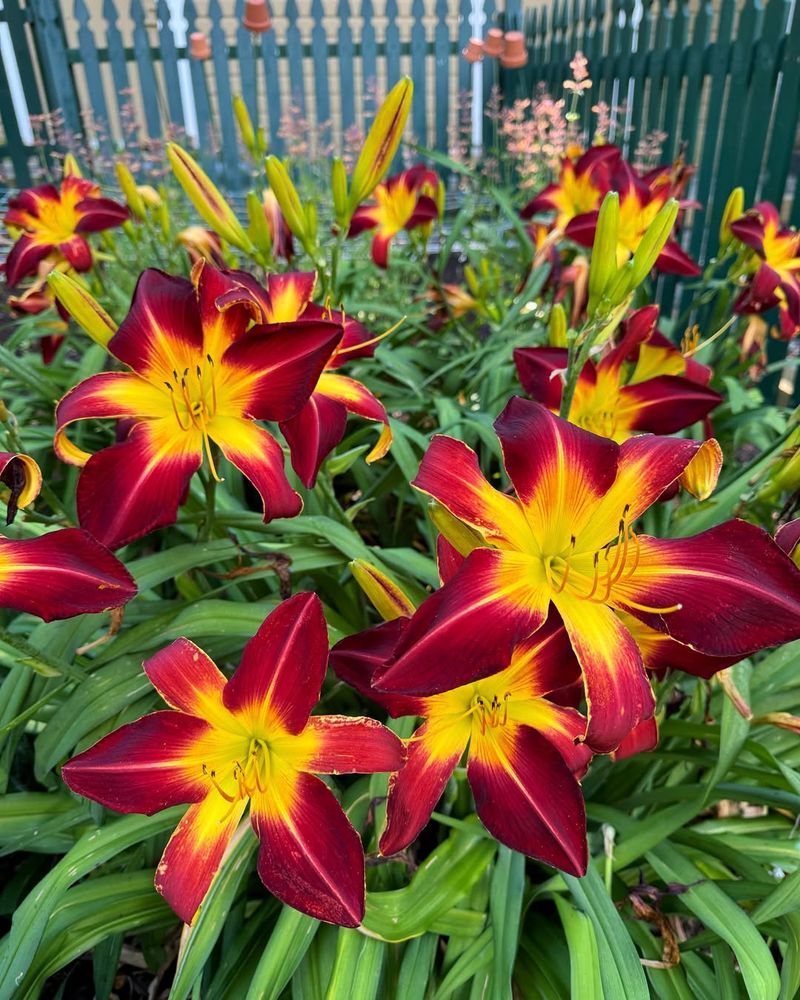
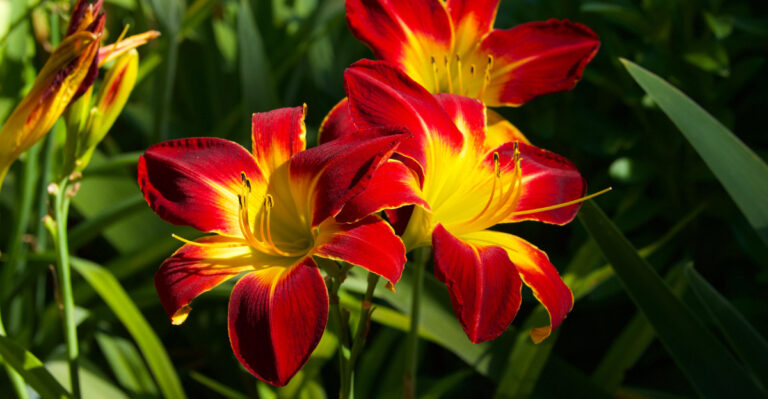
Ask any experienced Michigan gardener which perennial they trust most, and daylilies come up almost every single time. Hemerocallis varieties store energy in thick, fleshy roots and crowns that sit underground through even the coldest winters.
That underground storage system is basically the plant’s survival kit, keeping nutrients locked in until spring warmth signals it is safe to grow again.
What makes daylilies especially fun is the variety. Hundreds of cultivars exist in colors ranging from pale lemon yellow to deep burgundy red.
Some bloom early in the season, others peak in midsummer, and a few rebloom later in fall. Mixing a few different types means your Michigan garden gets a rolling display of color across the entire warm season rather than one short burst.
Daylilies grow well in full sun to partial shade, which makes them flexible for different spots around your yard. They adapt to most soil types, though they prefer something reasonably well-drained.
One important maintenance tip is dividing clumps every three to four years. Over time, the center of a large clump can become crowded and bloom less vigorously.
Digging up the clump, separating the roots, and replanting them with fresh spacing reinvigorates the whole group.
Michigan gardeners often find that divided daylilies bloom even more enthusiastically the very next season, making the small effort completely worth it.
4. Peony
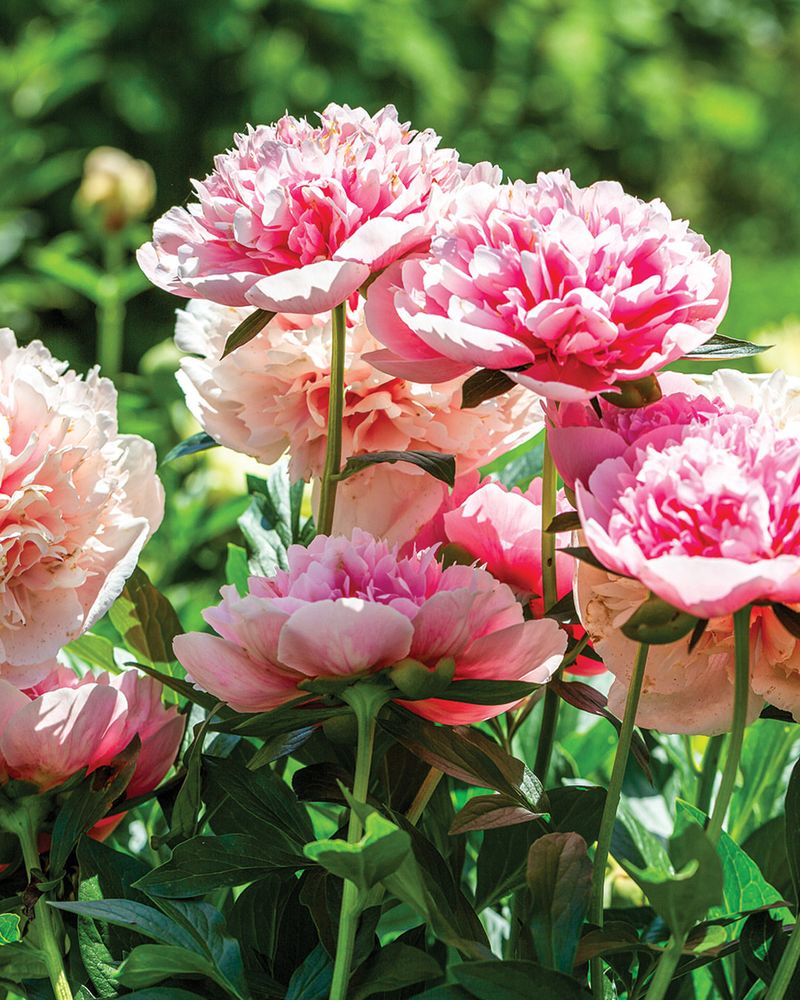
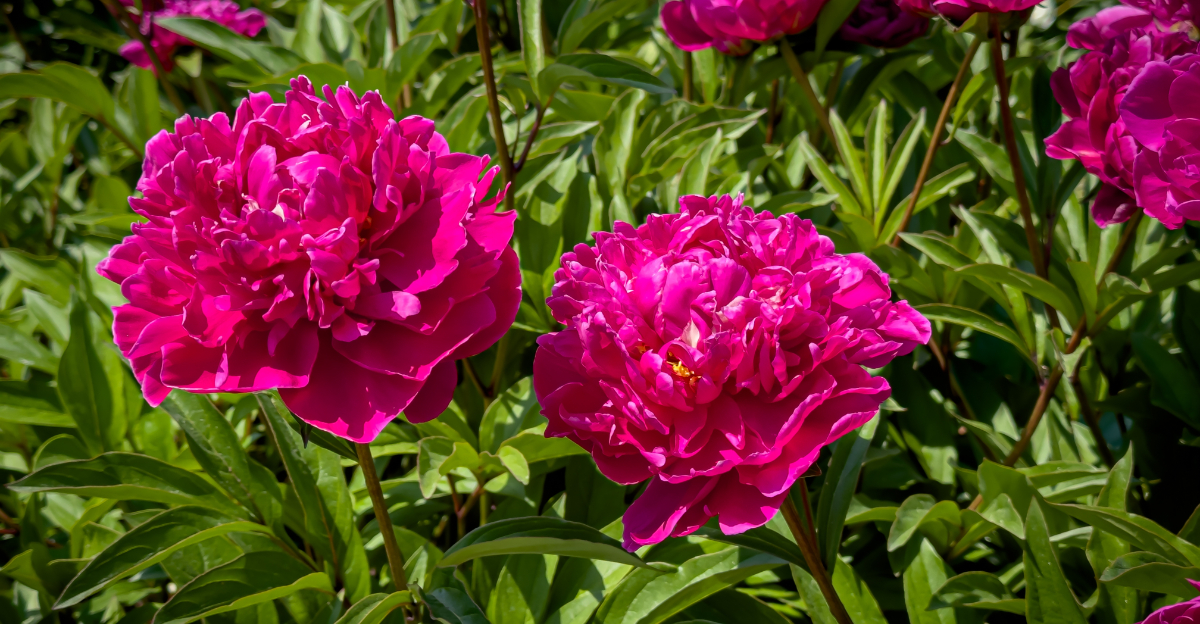
Peonies have been growing in Michigan gardens for generations, and there is a very good reason for that. These stunning plants are not just beautiful to look at every spring.
They are genuinely built for cold climates, and Michigan’s freezing winters are actually part of what makes them perform so well.
Paeonia lactiflora requires a period of chilling temperatures to trigger its bloom cycle, so the harsh winters here work in the plant’s favor rather than against it.
Some established peony clumps in Michigan have been blooming reliably for 50 years or more without being replanted. That kind of longevity is almost unheard of in the garden world.
Plant one in the right spot and it can outlast the fence, the shed, and possibly even the house. The large, fragrant blooms in shades of white, pink, and deep red are worth every year of patience it takes to get a young plant fully established.
Planting depth matters more with peonies than with almost any other perennial. Set the crown just one to two inches below the soil surface.
Planting too deep is the most common reason peonies refuse to bloom, so take a moment to get this right. Full sun is ideal, with at least six hours of direct light daily.
After blooming finishes, leave the foliage in place through summer since the leaves continue feeding the roots. Cut stems back in late fall before Michigan’s first hard freeze arrives.
5. Bee Balm
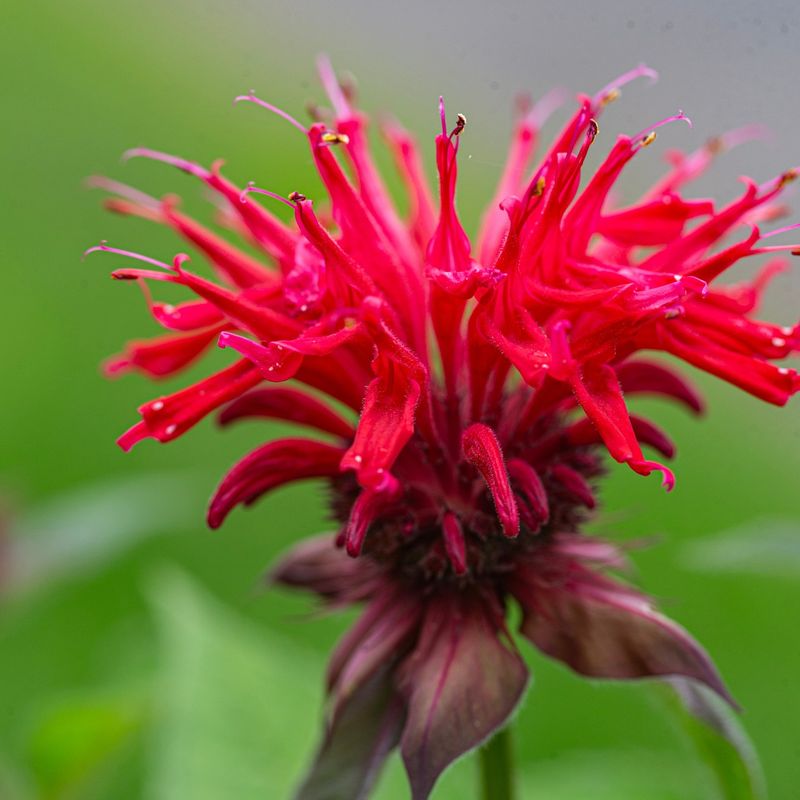
Bee Balm earns admiration from every direction. Hummingbirds hover around its blooms, bees swarm in from across the yard, and gardeners cannot stop photographing its wild, firework-shaped flower heads.
Native to eastern North America, Monarda didyma has strong roots in cold-climate gardening, and Michigan winters barely slow this vigorous perennial down at all.
The secret to Bee Balm’s winter survival is its underground rhizome system. While the stems above ground dry out and go dormant through the cold months, the spreading rhizomes stay protected beneath the soil and resprout with fresh energy each spring.
By early summer, the plant is back to full height and covered in blooms that range from deep red to soft lavender depending on the variety you choose.
Plant Bee Balm in full sun or partial shade for best results. Good air circulation around the plant is genuinely important because Bee Balm can develop powdery mildew when air flow is restricted.
Spacing plants properly and avoiding dense planting near walls or fences helps keep foliage healthy all season. Every few years, divide the clumps in early spring before new growth gets tall.
The center of an older Bee Balm plant tends to become woody and less productive over time, so splitting it up and replanting the outer sections keeps the whole patch blooming strongly. Michigan gardeners who do this regularly enjoy fuller, healthier Bee Balm year after year.
6. Columbine
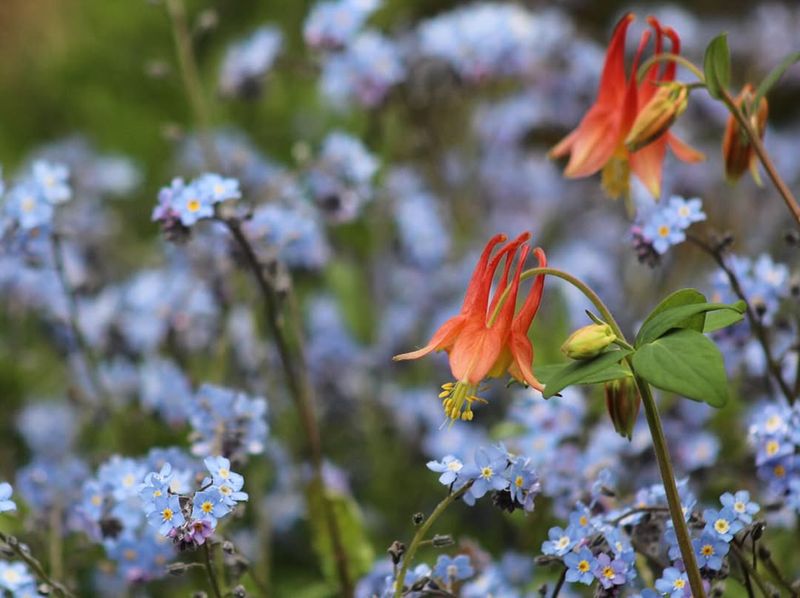
Columbine has a quiet kind of magic that is easy to fall in love with. The blooms are intricate and almost otherworldly, with long spurred petals that seem like something out of a fairy tale.
Aquilegia canadensis, the Wild Columbine native to Michigan, grows naturally in woodland settings across the state and has spent centuries proving it can handle whatever the local climate throws at it.
This plant survives Michigan’s freezing winters through a hardy root system that stays dormant underground until spring warmth arrives.
Once temperatures climb, Columbine is one of the earliest perennials to emerge, sending up fresh foliage and blooms in late April and May when most other flowers are still thinking about it.
Hummingbirds in Michigan absolutely love the tubular red and yellow flowers, making Columbine a great early-season food source for them.
Columbine grows best in partial shade with well-drained soil, which makes it perfect for spots under trees or along the north side of a fence where other sun-loving plants struggle. One of the most appealing qualities of this plant is its willingness to self-seed.
Allow the seed pods to mature and open naturally at the end of the season, and new seedlings will appear nearby the following spring.
Over a few years, a single plant can quietly spread into a lovely natural-looking colony that fills shaded corners of your Michigan garden with color and charm each spring.
7. Sedum
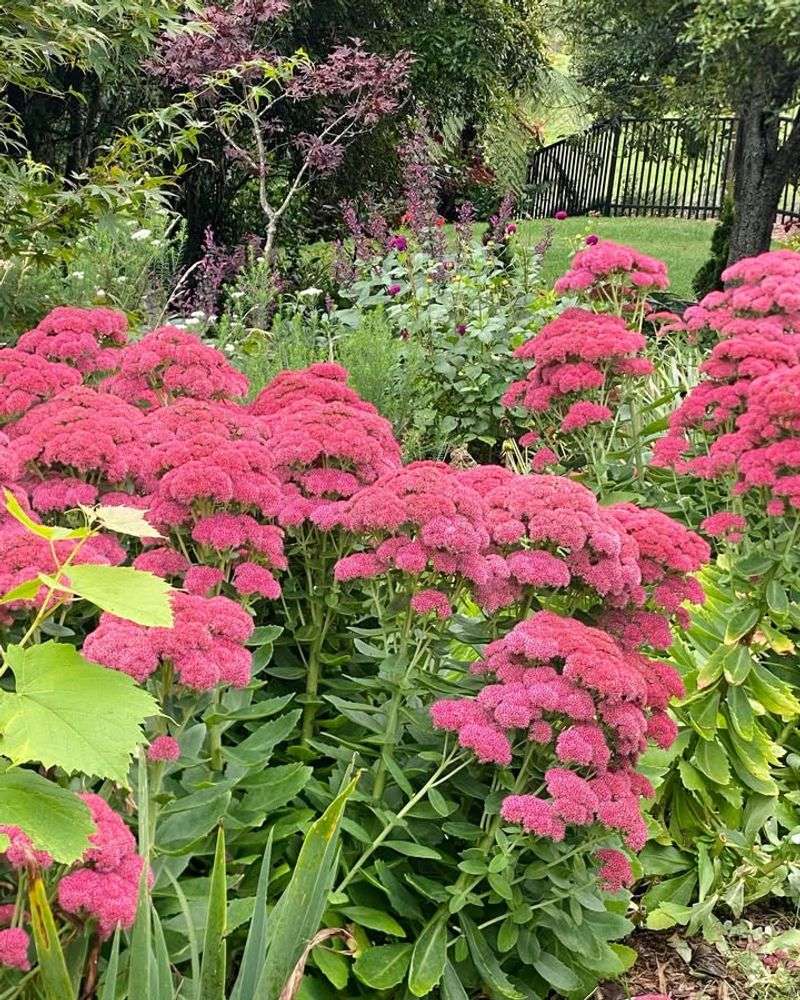
Sedum is the plant that laughs at bad weather. Showy Stonecrop, or Hylotelephium spectabile, handles Michigan winters with a kind of casual toughness that gardeners genuinely appreciate.
Its thick, succulent leaves store water efficiently, and its compact root system grips the soil firmly through the freeze-thaw cycles that stress most other perennials into giving up entirely.
What makes Sedum especially valuable in a Michigan garden is its late-season bloom time.
While most summer flowers are winding down in August and September, Sedum is just hitting its peak with wide, flat-topped clusters of pink and mauve flowers that attract butterflies and bees looking for late-season nectar.
The dried flower heads that remain after frost look beautiful dusted with snow, adding visual interest to your garden even in the depths of a Michigan winter.
Full sun and well-drained soil are the two most important things Sedum needs to perform at its best. Avoid planting in spots where water collects and sits, especially heading into winter.
Overly wet soil during freezing temperatures is one of the few things that can genuinely weaken this otherwise tough plant. In early spring, cut the dried stems back to just above the soil line before new growth emerges.
Fresh shoots appear quickly once the ground warms, and within a few weeks the plant looks lush and full again. Sedum truly earns its place in every Michigan perennial garden.