8 Flowers That Handle Poor Soil In Georgia Gardens
Georgia gardens do not always offer rich, easy soil, and flower beds often show that fast. Clay can stay dense, dry patches can form without warning, and blooms that looked promising at first can lose strength long before the season hits its stride.
That is usually the point where a flower bed starts to look uneven and far more work than expected.
Still, certain flowers hold up where others struggle. They settle into rough ground, keep color longer, and make those difficult spots feel far less limiting than they first seemed.
That matters more than most people expect because poor soil can shape the entire look of a garden.
Once the right flowers go in, bare areas start to feel more intentional, color looks steadier, and the bed stops feeling like a constant problem that needs another fix.
1. Black Eyed Susan Thrives In Dry Low Fertility Soil Conditions
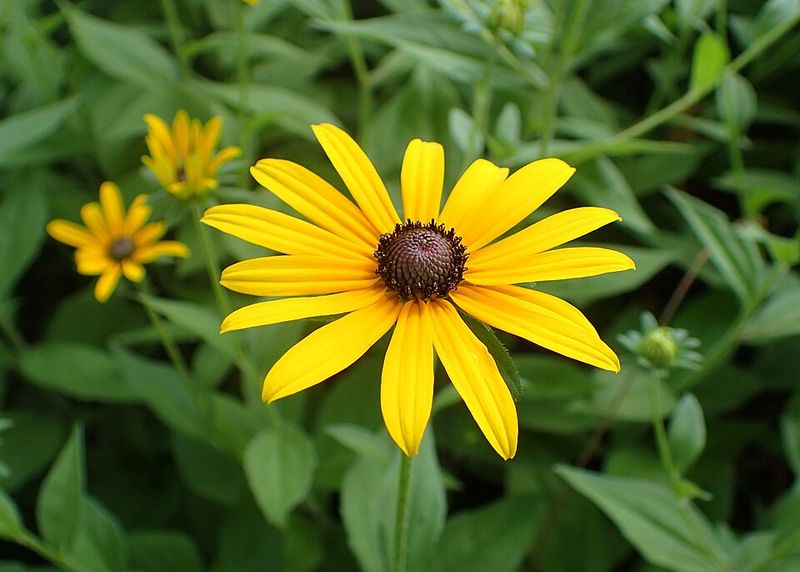
Yellow petals surrounding a dark chocolate center — Black-Eyed Susan has one of the most recognizable faces in any Georgia garden.
Rudbeckia hirta has been growing wild along roadsides and in open fields across the South for generations, and that toughness carries right over into home gardens.
Sandy soil, red clay, gravel mix — none of it slows this plant down much. It actually tends to get floppy and produce fewer blooms when soil is too rich, so holding back on amendments is genuinely the right call here.
Full sun is where it performs best, and it handles Georgia’s summer heat without much fuss.
Blooms typically run from late spring through early fall, giving you a long stretch of color without repeated effort. Deadheading spent flowers can encourage more blooms, but leaving some seed heads in place attracts birds and supports the plant’s natural spread.
Expect plants to reach roughly two to three feet tall depending on the specific variety and how dry conditions get. Black-Eyed Susan pairs well with purple coneflower and yarrow, creating a naturalistic planting that looks intentional without requiring constant upkeep.
A strong choice for anyone starting out with a difficult Georgia garden bed.
Black-Eyed Susan thrives in Georgia gardens with full sun, lean soil, and very little maintenance once established.
Long bloom periods, heat tolerance, and easy reseeding make it a reliable choice for steady color through the season.
2. Purple Coneflower Grows Strongly Without Rich Soil Or Amendments
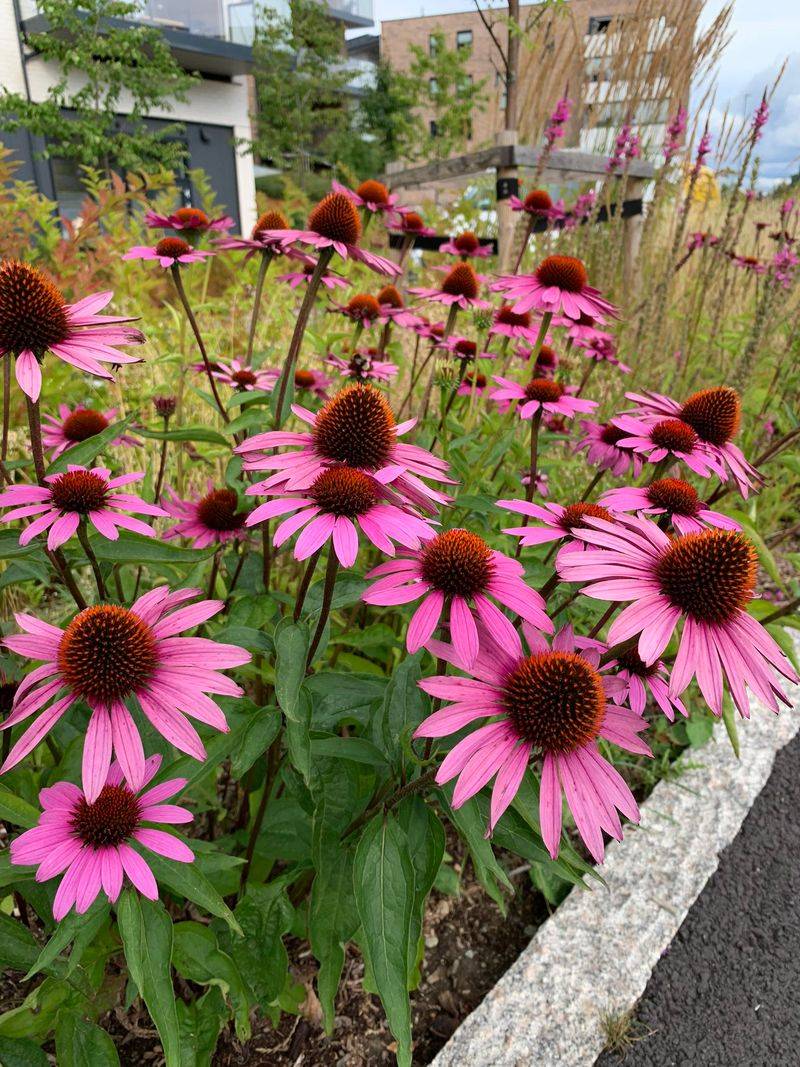
Echinacea purpurea is one of those plants that almost seems to resent being pampered. Add too much compost or fertilizer and you end up with tall, weak stems that flop over by midsummer.
Keep the soil lean and let it do its thing, and purple coneflower rewards you with sturdy upright growth and steady blooms from June into September across most of Georgia.
Plants typically reach two to four feet tall, with large pink-purple daisy-like flowers surrounding a spiky orange-brown cone.
Pollinators are drawn to them heavily — bumblebees, honeybees, and several butterfly species visit regularly throughout the bloom period.
Goldfinches and other small birds will work through the seed heads in fall and winter if you leave them standing.
Drainage matters more than soil quality with this plant. Sitting in waterlogged ground causes root problems faster than poor fertility ever would.
Sandy or loamy soil with decent drainage gives purple coneflower exactly what it needs. In Georgia’s hotter zones, a bit of afternoon shade can reduce stress during the peak of summer, though full sun generally produces the strongest plants.
Starting from transplants gives you blooms sooner, but direct seeding in fall is a cost-effective option that works reasonably well in most Georgia garden settings.
Once established, it comes back reliably each year and gradually forms a fuller, more natural-looking patch without much effort.
3. Coreopsis Handles Sandy And Poor Soil While Blooming Consistently
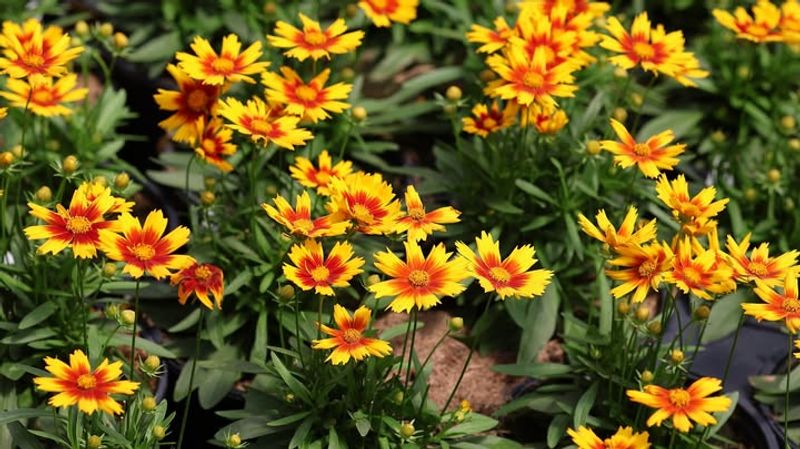
Few flowers commit to blooming as reliably through Georgia’s brutal summer heat as coreopsis.
Tickseed, as it’s commonly called, produces cheerful yellow flowers on wiry stems that keep coming back week after week without much encouragement from the gardener.
Sandy soil is practically ideal for this plant. Coreopsis has a low tolerance for wet feet, so the fast-draining, low-nutrient ground that frustrates many gardeners is genuinely a good fit here.
Full sun is non-negotiable — shaded spots lead to weak, stretched growth and fewer flowers. Spacing plants with enough room for air circulation helps reduce fungal issues during Georgia’s humid stretches.
Deadheading regularly keeps the bloom cycle going strong. Letting flowers go to seed too early slows production noticeably, so staying on top of spent blooms through midsummer pays off.
Some varieties, like Coreopsis verticillata, have finer, thread-like foliage that handles drought particularly well and holds up through late-season heat.
Heights vary by variety, ranging from about one foot to nearly three feet, so reading the plant tag before purchasing makes sense.
Coreopsis can be short-lived as a perennial in Georgia, sometimes behaving more like a biennial, but it self-seeds freely enough that gaps in the planting tend to fill back in without much effort on your part.
Over time, it settles into a steady cycle where new plants keep replacing older ones, maintaining color in the same spot with very little input.
4. Blanket Flower Tolerates Dry Soil And Heat Without Extra Feeding
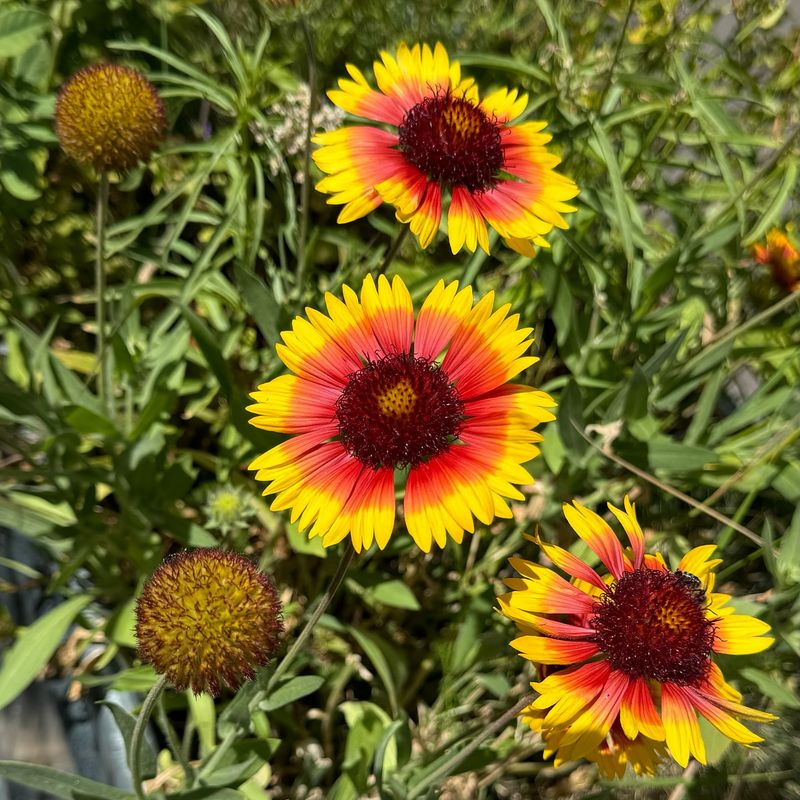
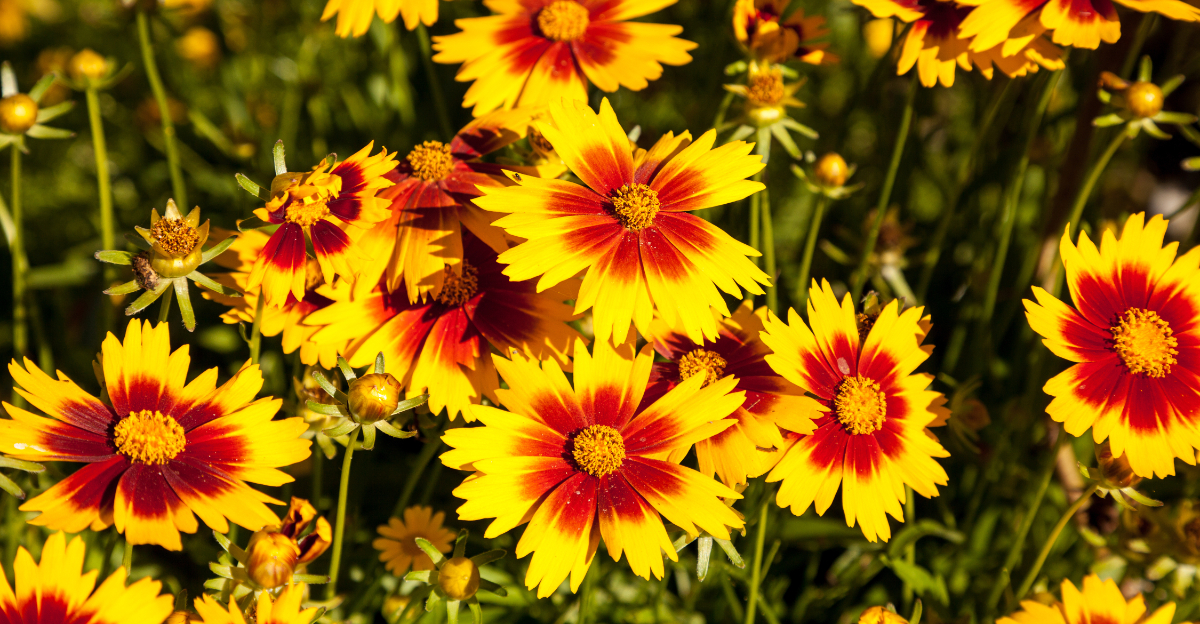
Blanket flower runs hot — bold red and orange petals banded with yellow, blooming from midsummer right up until the first hard frost in Georgia. Gaillardia x grandiflora was practically built for conditions that send other flowers into decline.
Overly rich soil is actually a problem for this plant. Too much nitrogen pushes leafy growth at the expense of flowers, and plants in heavily amended beds tend to flop and look ragged by late summer.
Dry, average-to-poor well-drained soil keeps blanket flower compact and productive. Red clay that has been loosened a bit works reasonably well as long as water doesn’t pool around the roots after rain.
Plants generally stay between one and three feet tall depending on variety, spreading about one to two feet wide. Full sun is essential — partial shade significantly reduces bloom count and weakens the overall plant structure.
Deadheading spent flowers extends the bloom season noticeably, and it only takes a few minutes per week during peak summer.
Blanket flower can be short-lived in Georgia’s humid conditions, sometimes lasting only two or three seasons, but it self-seeds readily enough to keep the planting going.
Transplants establish faster than direct seeding, and spring planting gives roots enough time to anchor before summer heat arrives in full force across the state.
As it reseeds and shifts slightly each season, it creates a looser, more natural patch that still holds strong color through the hottest part of the year.
5. Yarrow Performs Well In Lean Soil With Minimal Care Required
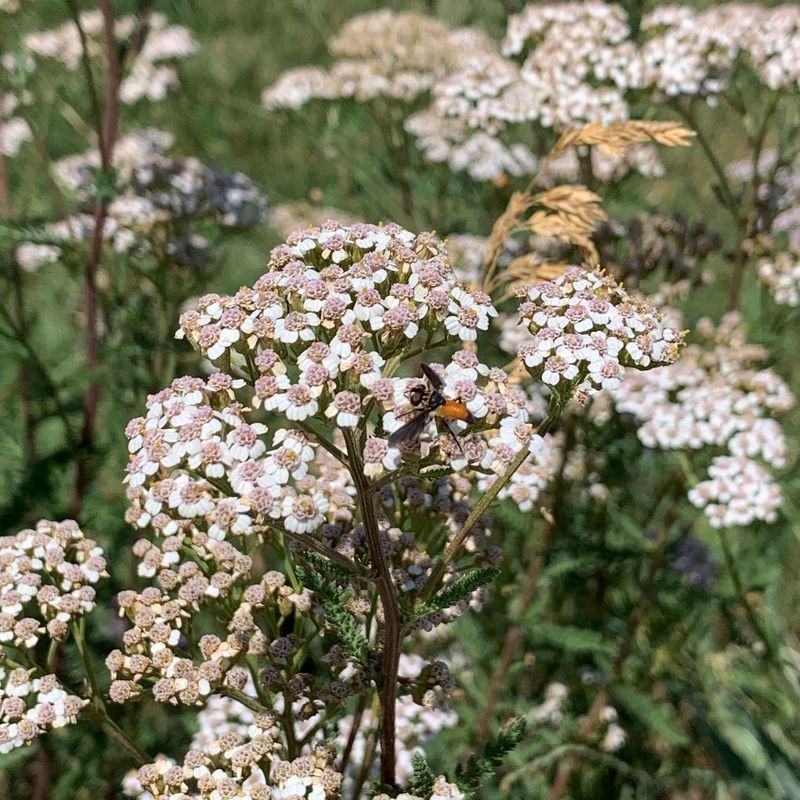
Yarrow has a reputation for being nearly indestructible, and gardening in Georgia’s tougher spots tends to confirm that pretty quickly.
Achillea millefolium produces flat-topped clusters of tiny flowers in white, yellow, pink, and red, sitting above ferny, aromatic foliage that holds up through dry spells without much visible stress.
Lean soil is where yarrow actually thrives. Rich soil causes the same problem here as with blanket flower — lush, heavy growth that flops over and looks messy by midsummer.
Gravel-mixed ground, sandy beds, or plain unimproved soil in full sun gives yarrow the conditions it prefers. Drainage is the key factor; standing water after rain is harder on yarrow than drought ever is.
Cutting plants back by about a third after the first flush of blooms often triggers a second round of flowering later in the season.
Division every few years keeps clumps vigorous and prevents the center from getting sparse, which is a common issue with older yarrow plantings.
Yarrow spreads moderately by rhizome, so placing it where it has room to expand works better than trying to confine it tightly. Pollinators, particularly native bees and beneficial wasps, visit the flat flower heads frequently during bloom.
In Georgia’s hotter southern counties, some afternoon shade can reduce heat stress without dramatically cutting into bloom production.
6. Gaura Blooms Continuously Even In Dry Poor Soil Conditions
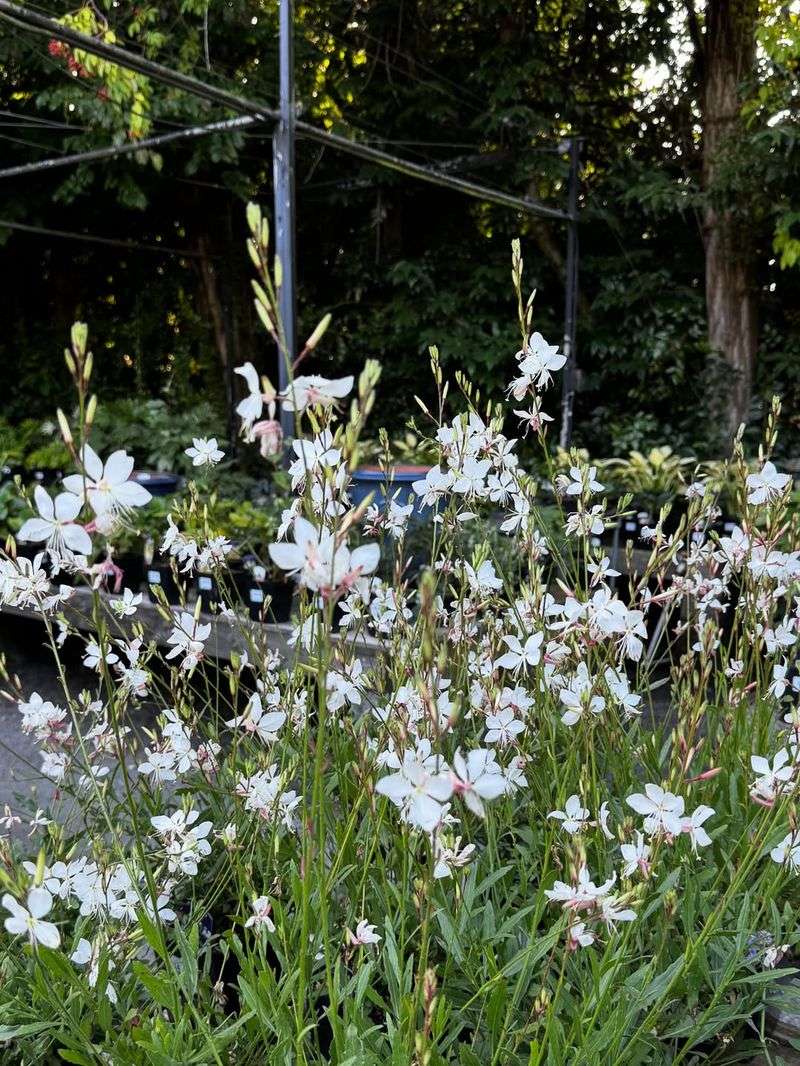
Wiry stems carrying small white and pink flowers that flutter in the slightest breeze — gaura has a lightness to it that makes it stand out in a summer garden.
Oenothera lindheimeri, now the accepted botanical name, handles Georgia’s heat and dry stretches better than most flowering perennials in its size range.
Poor, sandy, or rocky soil suits gaura well. Moisture retention actually works against it in Georgia’s humid summers, where consistently damp roots lead to crown rot faster than drought conditions would cause problems.
Raised beds or sloped ground with natural drainage gives gaura a real advantage. Full sun is ideal, though light afternoon shade in Georgia’s southernmost zones can reduce stress during the hottest weeks without stopping flower production.
Bloom period runs from late spring through fall, with plants producing flowers almost continuously through that stretch. Cutting plants back by roughly half in midsummer refreshes the foliage and encourages a strong flush of late-season blooms.
Heights range from two to four feet depending on variety, with some compact selections staying closer to eighteen inches. Gaura self-seeds moderately, so expect some seedlings around the base of established plants each spring.
It pairs visually well with purple coneflower and black-eyed susan, creating a layered, naturalistic look that suits Georgia’s informal cottage-style gardens without requiring precise maintenance schedules.
7. Tickseed Sunflower Grows In Tough Soil With Reliable Summer Color
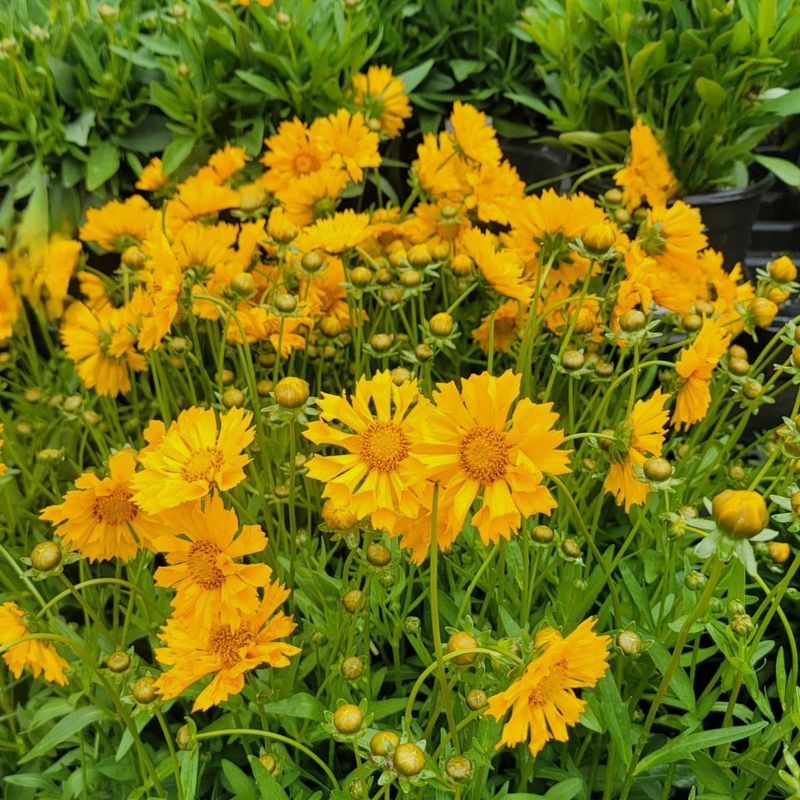
Tickseed sunflower — Bidens aristosa — is the scrappier, wilder cousin of the more polished coreopsis, and it earns its place in tough Georgia garden spots that other plants avoid.
Masses of small yellow daisy-like flowers cover the plant from late summer into fall, right when many other flowers are winding down from summer exhaustion.
Compacted soil, clay, sandy ground — tickseed sunflower handles the range without needing much intervention. Full sun brings out the best bloom production, though plants in partial shade still manage to flower with some consistency.
Soil fertility matters very little; plants in unamended, low-nutrient ground bloom just as freely as those in better conditions, sometimes more so.
Growth tends to be vigorous, with plants reaching three to five feet in height by peak bloom season. Staking taller specimens in exposed, windy spots helps prevent flopping during late summer storms, which are common across Georgia.
Tickseed sunflower self-seeds prolifically, so expect a strong return the following year without any replanting effort. Deadheading before seed set limits the spread if the naturalistic look isn’t what you’re after.
Pollinators respond strongly to the open flower structure — bees and butterflies visit regularly through the bloom period. For a low-effort, high-impact late-season display in a Georgia garden with challenging ground, this plant delivers consistent results.
8. Bee Balm Handles Average To Poor Soil While Supporting Pollinators
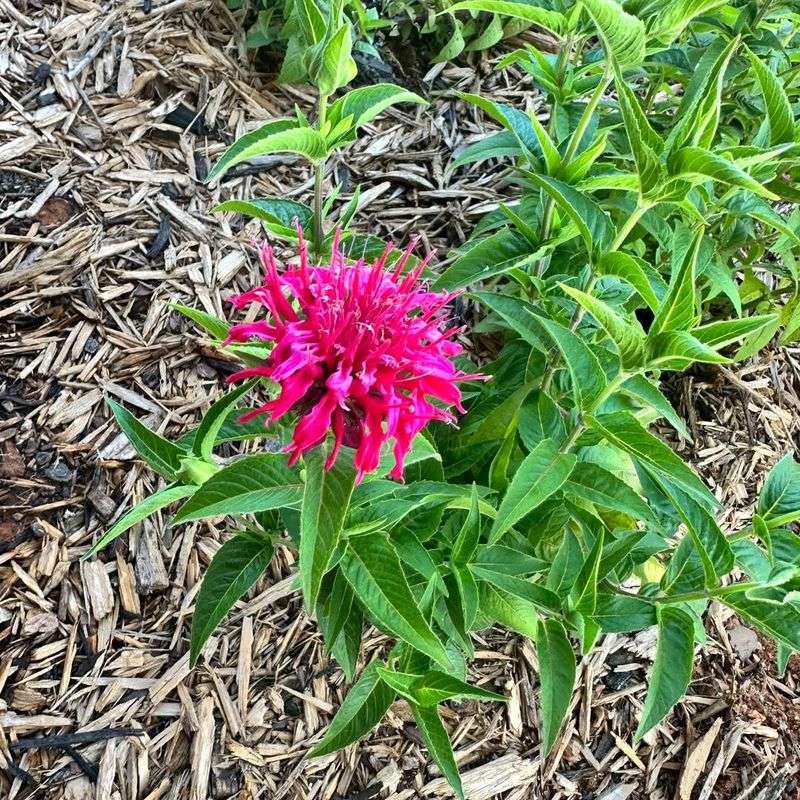
Bee balm brings something most poor-soil flowers can’t quite match — genuine drama.
Monarda’s shaggy, tubular flower heads in red, pink, purple, and lavender draw hummingbirds, bumblebees, and a wide range of native bees through summer in a way that’s hard to replicate with other plants.
Average to poor soil suits bee balm reasonably well in Georgia. Overly rich, nitrogen-heavy ground pushes aggressive vegetative growth that increases powdery mildew problems, which is already a common issue in Georgia’s humid summers.
Choosing mildew-resistant varieties — several are available from most regional nurseries — makes a noticeable difference in how plants look by late season. Good air circulation between plants also reduces mildew pressure significantly.
Full sun to light partial shade works for bee balm in Georgia. In the hotter central and southern parts of the state, afternoon shade can actually improve plant appearance through the peak of summer without dramatically reducing bloom count.
Plants spread by rhizome and can expand their footprint fairly quickly, so giving them space from the start saves effort later. Dividing clumps every two to three years keeps plants vigorous and prevents the center from becoming sparse.
Heights typically range from two to four feet. Bloom season runs roughly from June into August across most Georgia growing zones, providing a reliable mid-season anchor in pollinator-focused garden plantings.