9 Flowers To Plant In Early Spring In Michigan For Months Of Color
Michigan winters feel like they last forever. Just when you think you can finally put away the snow shovel, another frost hits. However, the moment that ground starts to thaw is actually the best time to outsmart the season.
Most people wait until June to start their garden, but that means they are missing out on weeks of vibrant color. The secret is choosing specific plants that do not mind the unpredictable March and April chill.
You need flowers that can survive a surprise morning frost and still look perfect by noon. Whether you have a green thumb or you are just trying to keep something alive for once, these nine varieties are the ultimate hack for a Michigan spring.
They are tough, beautiful, and ready to bloom while your neighbors are still waiting for the sun to show up. Use this list to get a massive head start on a yard that stays stunning all year.
1. Pansies
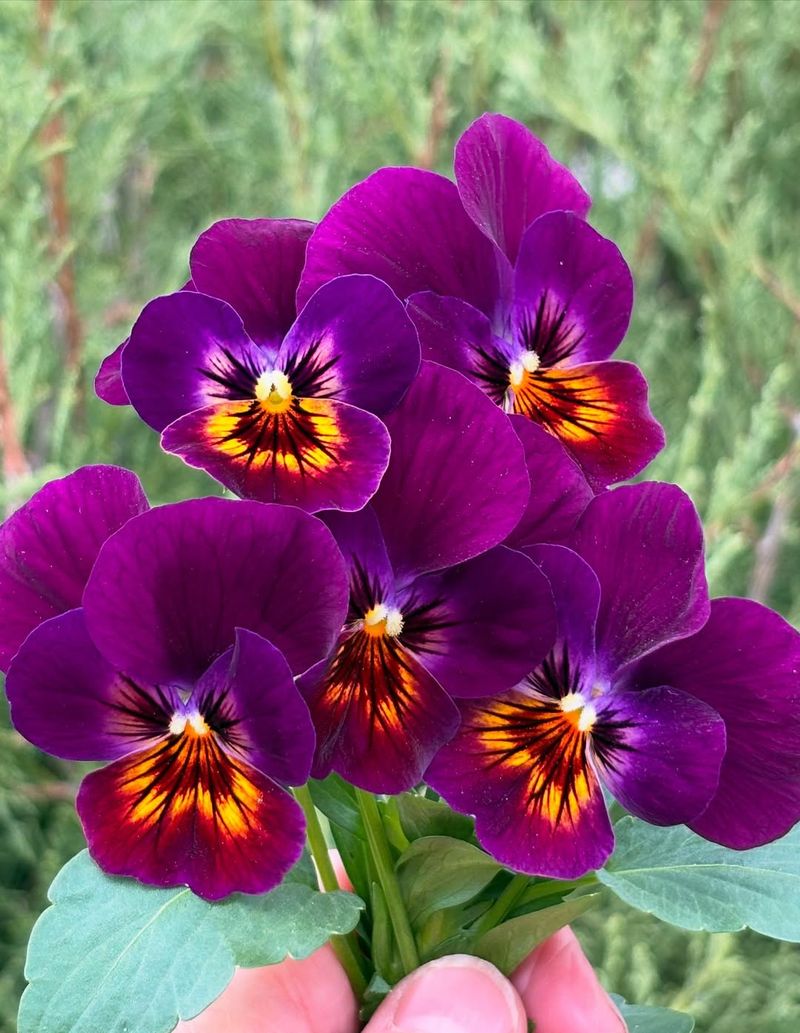
Few flowers show up as boldly and cheerfully in early spring as pansies. Viola x wittrockiana is one of the hardiest cool-season flowers Michigan gardeners can rely on, pushing out vibrant color even when temperatures dip below freezing overnight.
Their wide, round faces come in nearly every color imaginable, from deep purple to sunny yellow to soft white, making them a go-to choice for beds, borders, and containers across the state.
Pansies thrive in full sun to partial shade, which makes them flexible for almost any yard setup.
Plant them in well-prepared soil that drains well, and water consistently to keep the ground evenly moist without letting it get waterlogged.
One of the best tricks Michigan gardeners use is deadheading, which simply means pinching off spent blooms as soon as they fade.
Doing this regularly encourages the plant to keep producing fresh flowers instead of putting energy into seed production.
You can typically start planting pansies outdoors in Michigan as early as late March or early April, depending on your zone.
They actually prefer cooler weather and will bloom more vigorously when temperatures stay between 45 and 65 degrees Fahrenheit.
As summer heat arrives, blooming slows, but with proper care, pansies can keep going well into June. They are a fantastic way to fill your garden with color before most other flowers even wake up.
2. Snapdragons
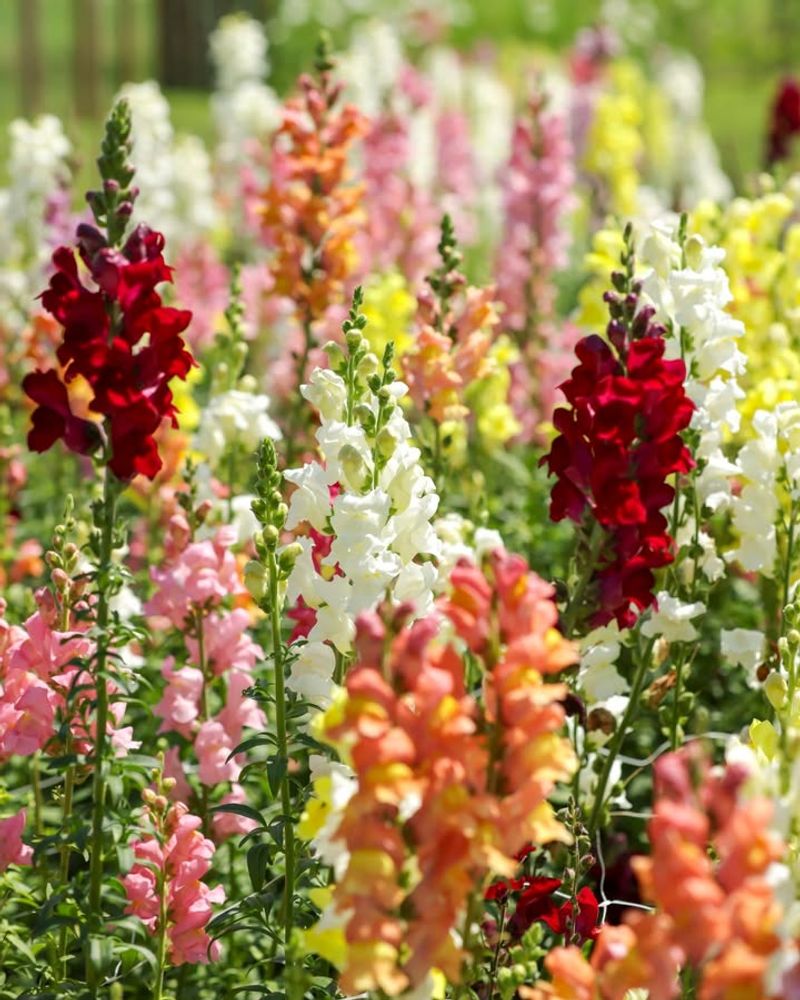
Snapdragons have a playful secret: if you gently squeeze the sides of a single bloom, the flower opens and closes like a tiny mouth.
Kids love them, but so do serious gardeners across Michigan who know that Antirrhinum majus is one of the most rewarding cool-season flowers you can grow.
These tall, colorful spikes bring vertical interest and a wide range of rich colors to any spring garden bed or border.
One of the best things about snapdragons is how well they handle the unpredictable weather that Michigan spring is known for.
Once established, they can tolerate a light frost without missing a beat, which makes early planting very practical here.
Plant them in full sun with well-drained soil to get the strongest stems and the most blooms. Good drainage is especially important because soggy roots can cause problems quickly.
To keep snapdragons blooming for as long as possible, cut back the main flower spike once it finishes blooming.
This signals the plant to send up new side shoots loaded with fresh buds, extending your color display significantly into the season.
Snapdragons tend to slow down during the hottest weeks of summer but often bounce back with renewed energy when temperatures cool again in late summer.
Starting them early in Michigan gives you the longest possible window to enjoy their tall, cheerful spikes of color throughout spring and beyond.
3. Dianthus
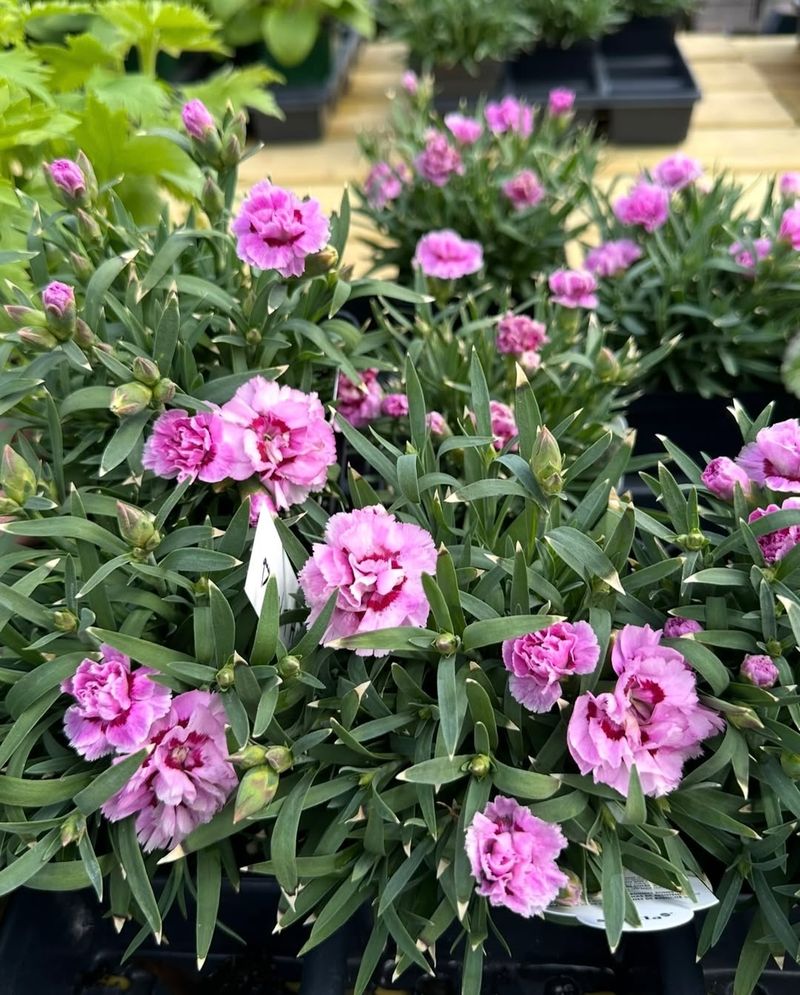
There is something undeniably charming about Dianthus barbatus, commonly known as Sweet William.
The flowers grow in dense, rounded clusters packed with small blooms in shades of red, pink, white, and bicolor patterns, creating a look that feels both old-fashioned and fresh at the same time.
Michigan gardeners have grown Sweet William for generations because it simply performs, delivering reliable color during the cool weeks of spring when other plants are still warming up.
Sweet William thrives in full sun and prefers soil that drains well, so avoid planting it in low spots where water tends to collect after rain.
The plants are naturally compact, usually reaching about 12 to 18 inches tall, which makes them excellent for front-of-border planting or mixing into containers.
Because they love cool weather, early spring in Michigan is practically their ideal moment to shine. Caring for Dianthus is straightforward once you get the hang of it.
Trimming off faded flower clusters encourages the plant to redirect its energy into producing more blooms rather than going to seed too quickly.
Keep the soil consistently moist but not soggy, and give the plants a light feeding with a balanced fertilizer early in the season to fuel strong growth.
The sweet, spicy fragrance that Sweet William produces is a bonus that many gardeners adore, filling the garden with a subtle, pleasant scent on warm spring afternoons throughout Michigan.
4. Alyssum
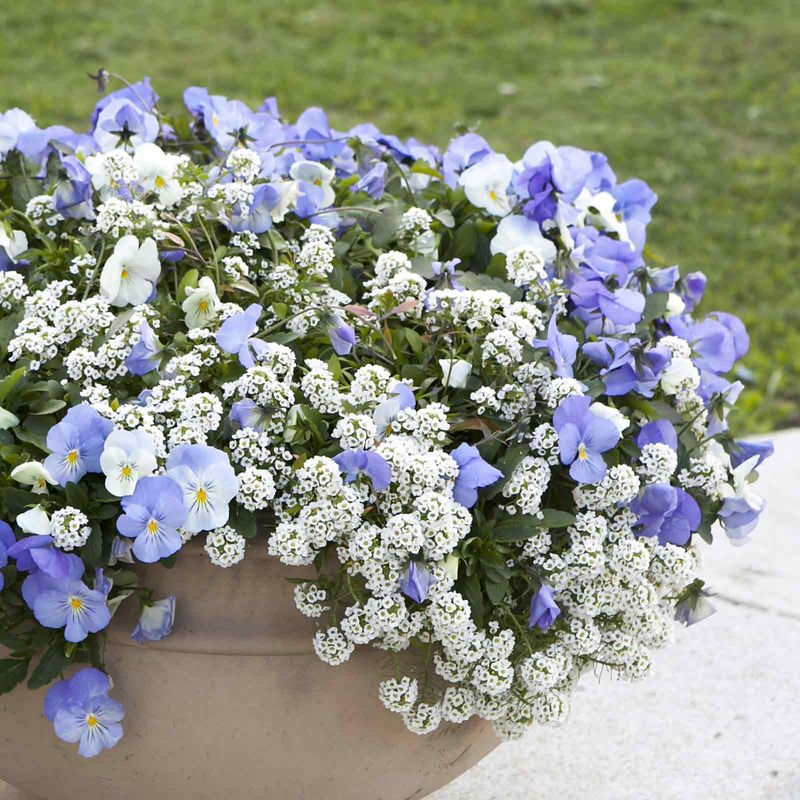
Sweet Alyssum might be small, but it punches well above its weight when it comes to garden impact.
Lobularia maritima produces masses of tiny, honey-scented flowers that form a soft, flowing carpet of color along borders, pathways, and the edges of containers.
In Michigan, planting Alyssum in early spring means you get weeks of fragrant blooms before summer heat even arrives, and the cool air actually intensifies that lovely sweet scent.
This low-growing annual stays close to the ground, usually only reaching four to six inches tall, which makes it a natural companion for taller spring flowers like snapdragons or dianthus.
It thrives in full sun to light shade and does well in a range of soil types as long as moisture stays consistent.
One important tip is to water regularly during dry spells, because Alyssum blooms most freely when it never fully dries out between waterings.
If blooming slows during a particularly warm stretch, give the plants a light trim and a small drink of diluted fertilizer.
They tend to rebound quickly once temperatures cool back down, which happens regularly in Michigan even through late spring.
Alyssum also self-seeds readily, meaning you may find it popping up in new spots around your garden the following year without any extra effort on your part.
That kind of low-maintenance charm is exactly what busy Michigan gardeners appreciate most about this sweet little flower.
5. Calendula
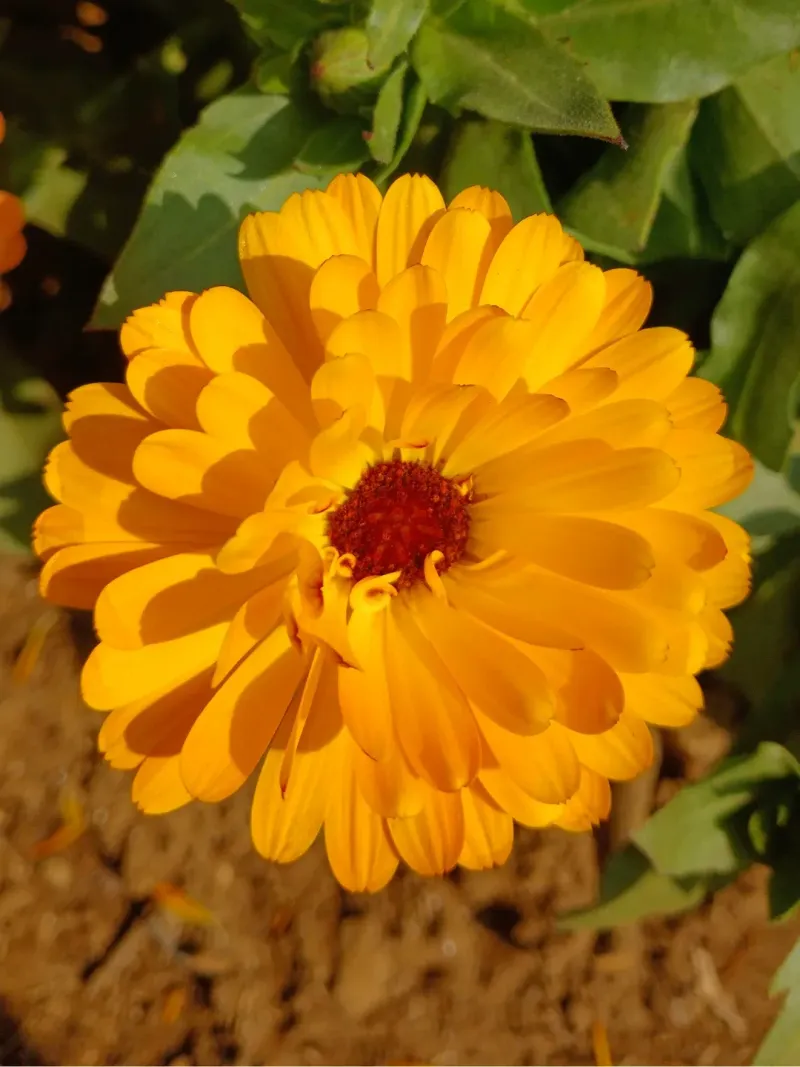
Calendula officinalis, sometimes called pot marigold, is one of those flowers that almost seems to glow from across the garden.
The blooms come in vivid shades of orange, yellow, and cream, and they open wide in full sun, creating a warm, cheerful display that feels like a little burst of sunshine even on a cloudy Michigan spring morning.
Calendula has been grown in gardens for centuries, and its long history speaks to just how reliable and rewarding it truly is.
One of the great advantages of Calendula is that you can direct sow seeds right into your Michigan garden as soon as the soil is workable in early spring, often as early as late March.
Sow seeds about half an inch deep in a sunny spot, and they will germinate quickly once soil temperatures reach around 50 degrees Fahrenheit.
Full sun is ideal, and well-drained soil keeps the plants healthy and productive throughout the season. Deadheading is the single most important maintenance task for Calendula.
Removing finished blooms consistently keeps the plant focused on producing new flowers rather than setting seed, which can dramatically extend your color display from spring well into early summer.
Calendula also has a practical bonus: the petals are edible and have traditionally been used to add color to salads and garnishes.
Growing it in Michigan gardens means you get beauty, history, and a little culinary creativity all in one easy-to-grow plant.
6. Violas
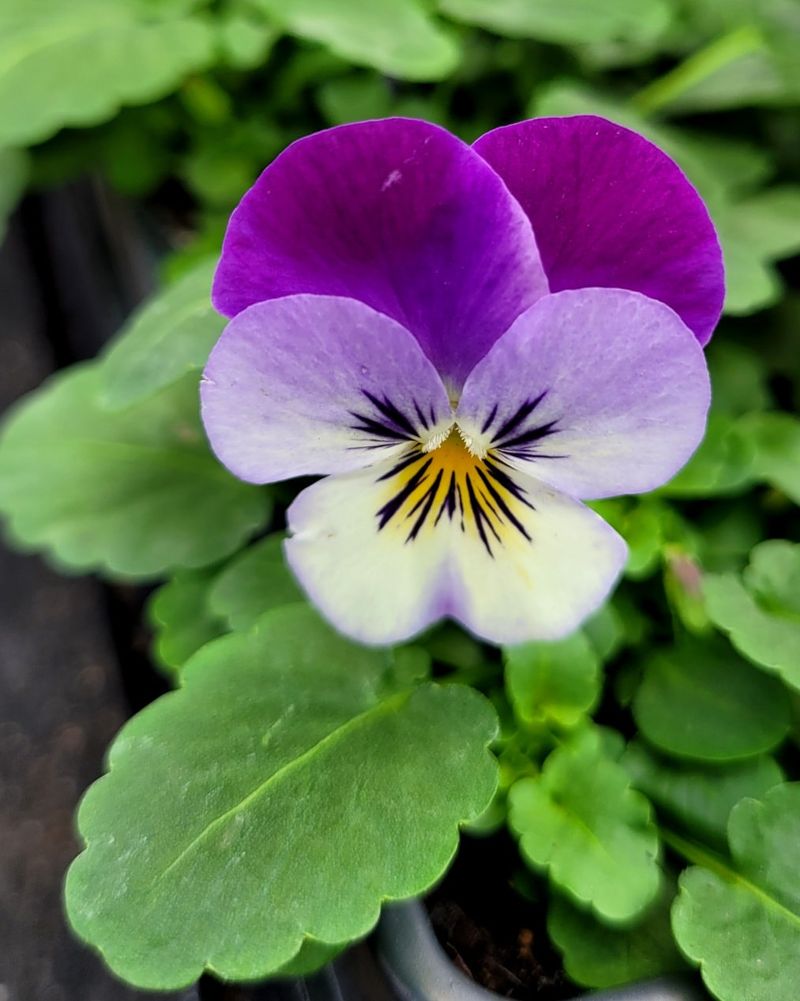
Violas and pansies are closely related, but viola cornuta has its own distinct personality worth celebrating.
The blooms are smaller and more delicate than pansies, but what violas lack in size they make up for in sheer cold-weather toughness.
Many Michigan gardeners are surprised to learn that violas can handle temperatures even lower than pansies can, making them one of the earliest flowers you can confidently put in the ground when spring is just getting started.
Plant violas in cool spring weather for the best results, ideally when daytime temperatures are still in the 50s and 60s.
They do well in full sun to partial shade, and keeping the soil moderately moist without overwatering helps them stay healthy and productive.
Violas are compact and tidy, rarely growing taller than eight inches, which makes them perfect for filling gaps in borders, edging pathways, or tucking into window boxes and pots around a Michigan porch or patio.
A light trim every couple of weeks keeps viola plants from getting leggy and encourages a fresh flush of blooms to replace spent flowers.
Unlike some spring flowers that fade quickly once temperatures climb, violas tend to hang on longer than expected when given a bit of afternoon shade during warmer days.
Their wide color range, from deep violet to soft lavender to bright yellow, means you can mix and match them endlessly for a garden that feels lively and full of personality throughout the entire Michigan spring season.
7. Columbine
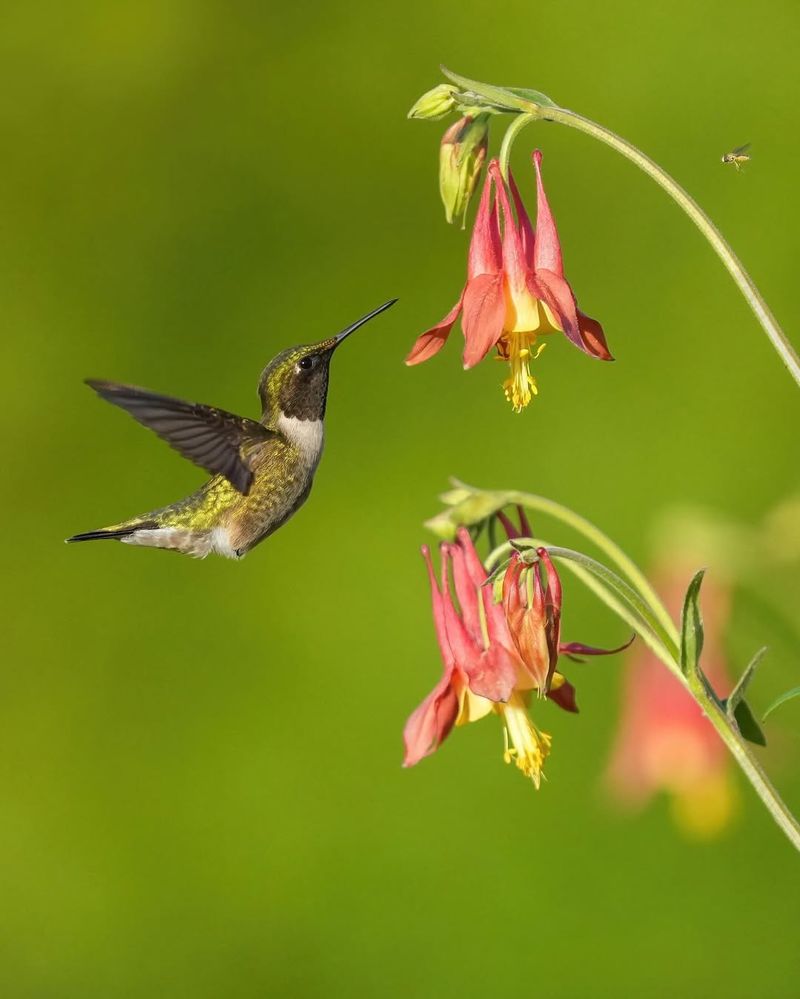
Aquilegia canadensis, the wild columbine, is one of Michigan’s own native wildflowers, and that connection to the local landscape makes it especially rewarding to grow.
The blooms are truly unlike anything else in the spring garden: nodding, bell-shaped flowers in red and yellow that look almost too intricate to be real.
Hummingbirds are strongly attracted to columbine, and planting it in your Michigan yard is one of the best ways to start seeing those tiny, spectacular visitors in early spring.
Wild columbine thrives in partial shade, which makes it a great option for garden spots that do not get full sun all day.
It prefers well-drained soil and moderate watering while the plants are getting established in their first season. Once settled in, columbine becomes quite resilient and requires very little fussing.
It also self-seeds generously, so a small planting can gradually spread and fill a shaded garden area with more color over time.
Early spring is the ideal time to plant columbine in Michigan, either from transplants or by direct sowing seeds outdoors.
The plants bloom in mid to late spring, typically peaking in May, which bridges the gap nicely between early cool-season flowers and summer perennials.
Because it is a true perennial, columbine comes back every year, rewarding your initial effort with beautiful blooms season after season.
Adding it to a Michigan shade garden creates a naturalistic, woodland feel that feels genuinely rooted in the local landscape.
8. Bleeding Heart
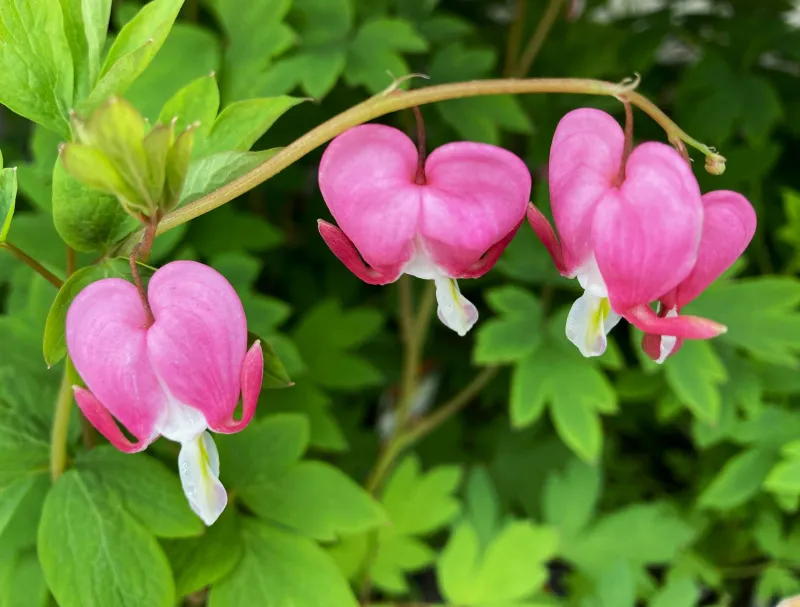
Bleeding Heart is one of those plants that stops people in their tracks the first time they see it.
Lamprocapnos spectabilis produces long, gracefully arching stems lined with rows of perfectly heart-shaped flowers in deep pink or white, hanging like tiny ornaments in the shade garden.
In Michigan, where shaded spots under trees can be tricky to fill with color, Bleeding Heart is an absolute gem that arrives right on time in early spring. This perennial loves partial shade and rich, moist soil with good drainage.
Planting it near the base of a large tree or along a north-facing fence gives it the sheltered, cool conditions it thrives in.
Water regularly during spring to keep the soil consistently moist, especially during dry stretches, because the roots do not appreciate drying out completely while the plant is actively growing and blooming.
One thing to know about Bleeding Heart is that the foliage naturally fades and goes dormant as summer heat builds, usually by midsummer in Michigan. This is completely normal and healthy for the plant.
A smart trick is to plant late-emerging perennials or ferns nearby to fill in the space as Bleeding Heart steps back for the season.
Because it returns faithfully every spring, each year brings a fresh display of those iconic heart-shaped blooms.
Few flowers create as much visual drama in a Michigan shade garden as this elegant, graceful perennial does during its spring peak.
9. Primrose
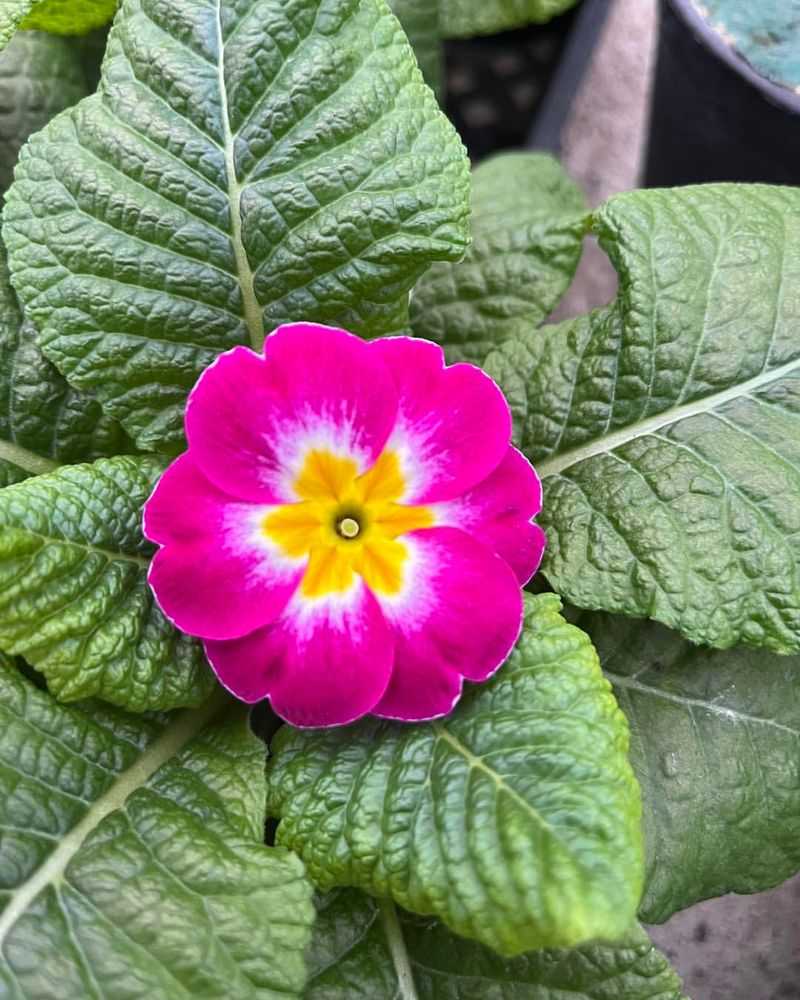
Primroses are one of those flowers that make you feel like spring has truly arrived.
Primula vulgaris bursts into bloom early in the season, producing clusters of bright, cheerful flowers in shades of yellow, pink, red, purple, and white, often with a contrasting yellow eye at the center of each bloom.
In Michigan, where early spring color is something to genuinely celebrate after a long winter, primroses feel like a reward for making it through the cold months.
These plants thrive in partial shade with moist, well-drained soil, making them a natural fit for woodland garden settings, shaded borders, or the dappled light beneath deciduous trees.
They also perform beautifully in containers placed on a shaded Michigan porch or patio, where their compact size and vivid colors create an eye-catching display.
Consistent moisture is key, so check the soil regularly and water before it has a chance to dry out completely.
Primroses bloom most vigorously during cool weather, which makes Michigan’s early spring conditions nearly perfect for them.
As temperatures warm through May and June, blooming naturally slows, but the plants remain attractive with their lush rosettes of green foliage.
Feeding them with a diluted balanced fertilizer once in early spring gives the plants a helpful boost right when they need it most.
For anyone looking to add rich, reliable color to a shaded Michigan garden spot from the very start of the season, primroses are an easy and deeply satisfying choice.