5 Flowers To Plant In Georgia During March And 4 That Prefer Warmer Soil

March is when many Georgia gardeners start feeling the pull to plant flowers again. After a long winter, garden centers begin filling up with colorful blooms, and the warmer days make it tempting to start planting everything right away.
But early spring in Georgia can still be unpredictable, with cool nights and soil that hasn’t fully warmed yet.
Some flowers handle these early spring conditions well and can be planted in March without much trouble. These varieties tolerate cooler soil and mild temperature swings, allowing them to settle in and start growing as the season progresses.
Other flowers are more sensitive to cold soil and cooler nights. Planting them too early can slow their growth or prevent them from establishing properly.
Waiting a little longer until the soil warms up can make a big difference in how well they grow and bloom later in the season.
1. Pansies Bring Reliable Color During Cool Spring Weather

Few flowers show up as dependably in a Georgia March garden as pansies. While most plants are still figuring out the season, pansies are already putting on a full show with bold purples, bright yellows, and deep oranges that pop against bare soil.
Cool soil is exactly what pansies prefer. Planting them in March across Georgia — whether in Columbus, Augusta, or anywhere in between — gives them the right conditions to settle in and bloom hard before summer heat arrives.
They actually slow down once temperatures climb past 75 degrees, so getting them in early is the whole game plan.
Pansies work well in containers, window boxes, or straight into the ground. Water them regularly but don’t let them sit in soggy soil.
A little balanced fertilizer every couple of weeks keeps the blooms coming. Deadhead spent flowers by pinching them off, and new buds will keep forming.
These are not fussy plants, but they reward you when you pay attention to them. For a quick, cheerful splash of color in early spring, pansies are hard to beat anywhere in Georgia.
As spring moves along, pansies keep blooming steadily and can carry color through much of April in many parts of Georgia.
Once real summer heat settles in, they usually fade out, but by then they have already done their job of brightening the early garden.
2. Snapdragons Handle Early Spring Temperatures With Ease
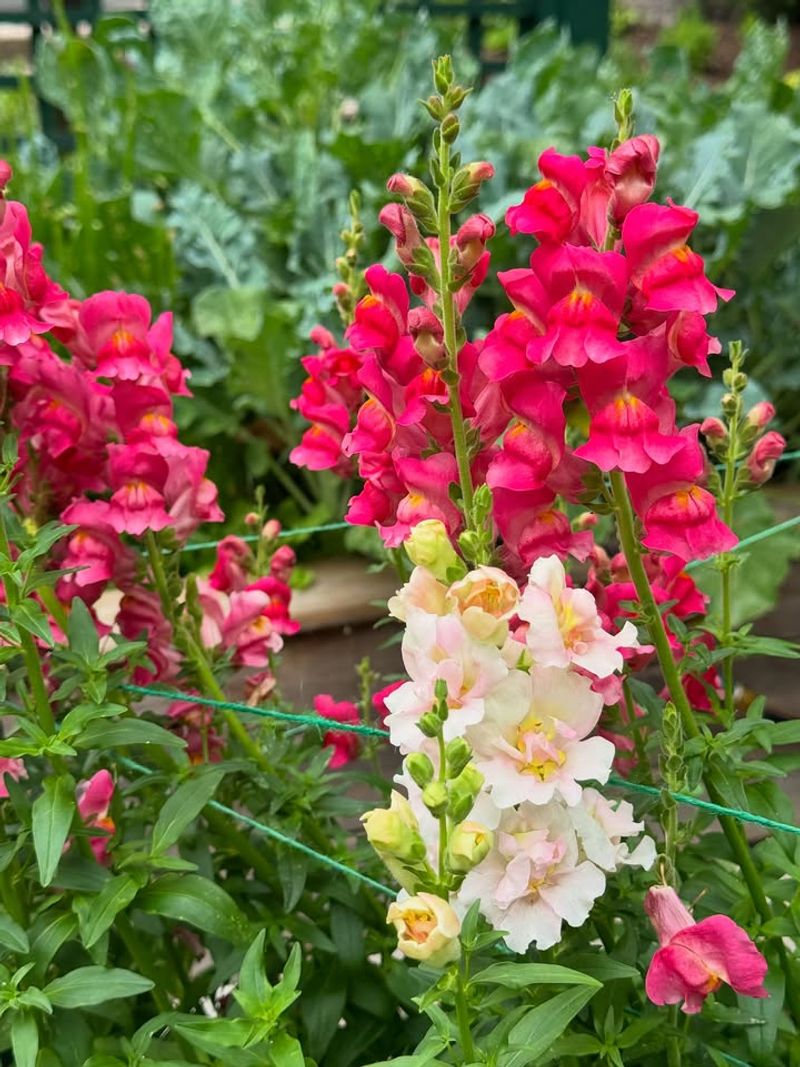
Snapdragons are tougher than they look. Most people see those tall, ruffled blooms and assume they need babying, but in Georgia, snapdragons planted in March can handle a late-season cold snap without missing a beat.
Soil temperatures in the low 50s are completely fine for snapdragons. They actually prefer it.
Plant transplants rather than seeds if you want faster results — nurseries across Georgia typically stock them in late February and early March.
Space them about 6 to 12 inches apart depending on the variety, and give them a spot with at least six hours of direct sun each day.
Pinching the top of young plants encourages bushier growth and more flower stems. Once they start blooming, keep up with watering during dry spells — Georgia springs can swing between rainy weeks and dry stretches without much warning.
Snapdragons bloom in a range of heights, so taller varieties work great at the back of a border while shorter types fill in the front nicely.
By the time summer heat rolls in, they will have already given you weeks of serious color and drama.
3. Calendula Thrives Even In Chilly Garden Soil
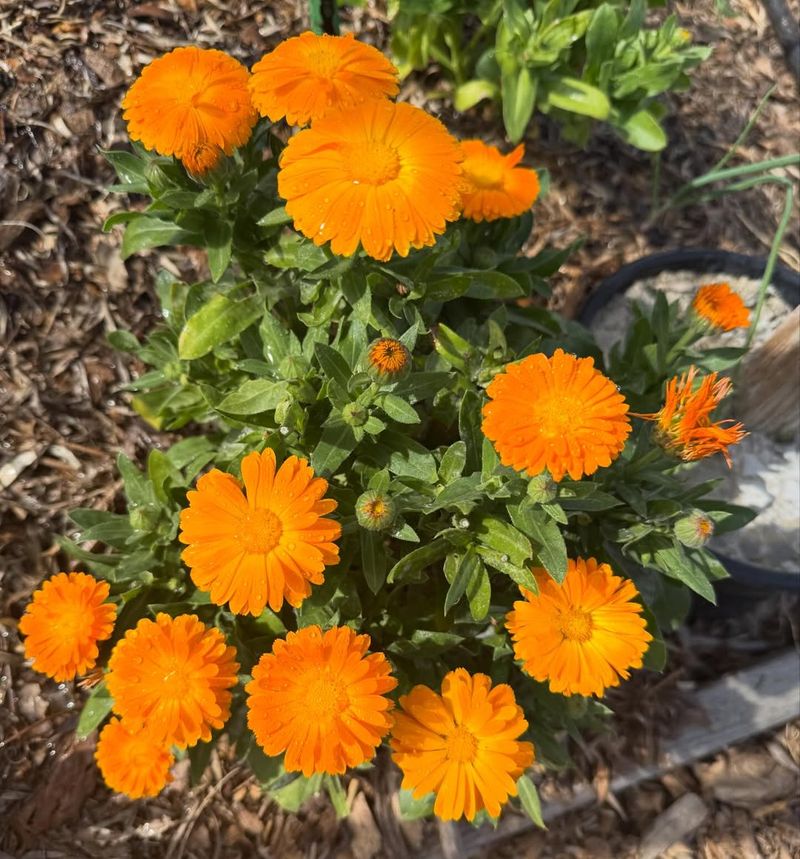
Calendula is one of those plants that genuinely does not mind chilly mornings. In Georgia, where March temperatures can drop into the 40s overnight and climb into the 60s by afternoon, calendula barely flinches.
It just keeps growing.
Direct sow seeds into garden beds as early as late February or plant transplants in March. Calendula prefers full sun but tolerates a bit of afternoon shade, which is useful in areas where buildings or trees block some light.
Rich, well-drained soil gives it the best start, though it handles average garden soil just fine without a lot of fuss.
Beyond its cheerful orange and yellow blooms, calendula has a long history as an edible and medicinal flower — petals are safe to toss into salads or use as a garnish.
Georgia gardeners who want something a little more interesting than a standard bedding flower tend to appreciate that added bonus.
Harvest blooms regularly to keep the plant producing. If you let flowers go to seed too early, production slows down.
Keep cutting, keep it watered, and calendula will reward you with color from March all the way through late spring.
4. Sweet Peas Quickly Climb Trellises In Early Spring
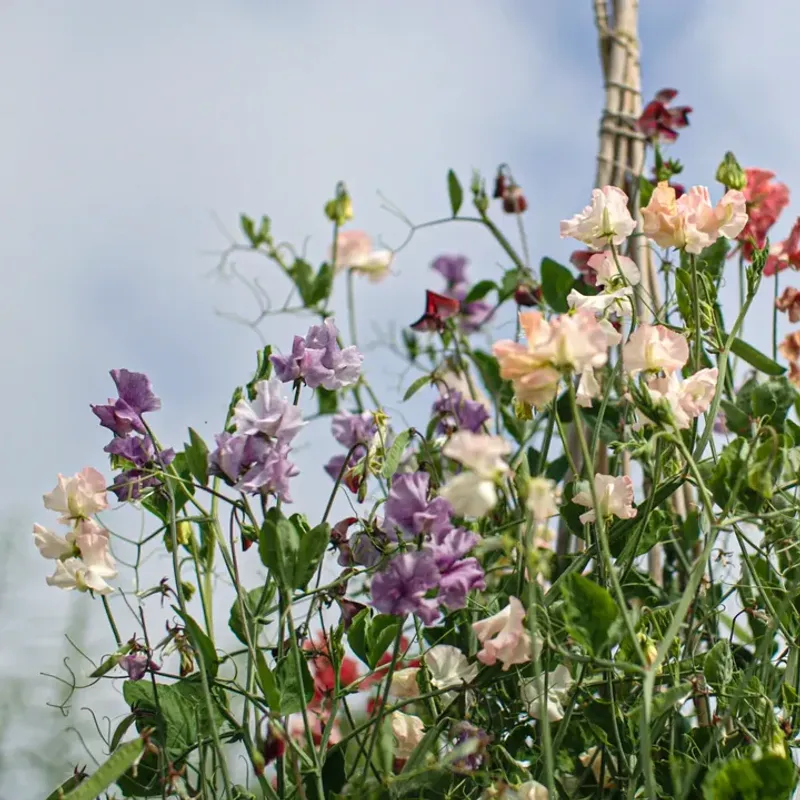
Sweet peas have a fragrance that stops people in their tracks. Plant them near a gate, a porch, or a mailbox in Georgia, and every person who walks by will notice.
That scent alone is reason enough to grow them.
March is actually the ideal window for getting sweet peas into Georgia soil. They want cool ground to get their roots established — once summer heat settles in, their season wraps up fast.
Sow seeds directly into the ground about an inch deep, and give them something to climb immediately. A simple trellis, a section of wire fencing, or even a few bamboo stakes tied together will do the job.
Soak seeds overnight before planting to speed up germination. Sweet peas can be slow starters, so patience matters in those first couple of weeks.
Once they get going, they grow fast and climb eagerly. Afternoon shade helps extend their bloom time as temperatures rise through April and May in Georgia.
Cut fresh stems regularly for indoor bouquets — the more you cut, the more flowers the plant produces.
Few spring flowers offer this combination of beauty and fragrance in such a compact, easy-to-grow package.
5. Larkspur Seeds Germinate Best In Cool Conditions

Larkspur is one of those flowers that actually needs cool soil to sprout properly. Scatter seeds into warm ground and they sit there, doing almost nothing.
Get them into cool March soil in Georgia, and germination happens on its own schedule without much intervention needed.
Direct sowing is the only practical way to grow larkspur — it does not transplant well because of its long taproot. Choose a spot with full sun and good drainage, then scatter seeds lightly and press them gently into the soil surface.
Do not bury them deep; larkspur seeds need some light to germinate. A light layer of fine compost over the top helps retain moisture without blocking light.
Larkspur grows tall — sometimes three to four feet — so place it toward the back of a border or along a fence line where it can stand out without blocking shorter plants. In Georgia, the bloom window typically runs from late April through May before heat shuts things down.
Letting a few flowers go to seed means larkspur will often return on its own the following year without any replanting.
That kind of self-sufficiency is a real bonus for busy gardeners across the state.
6. Zinnias Wait For Warm Soil Before Strong Growth Begins
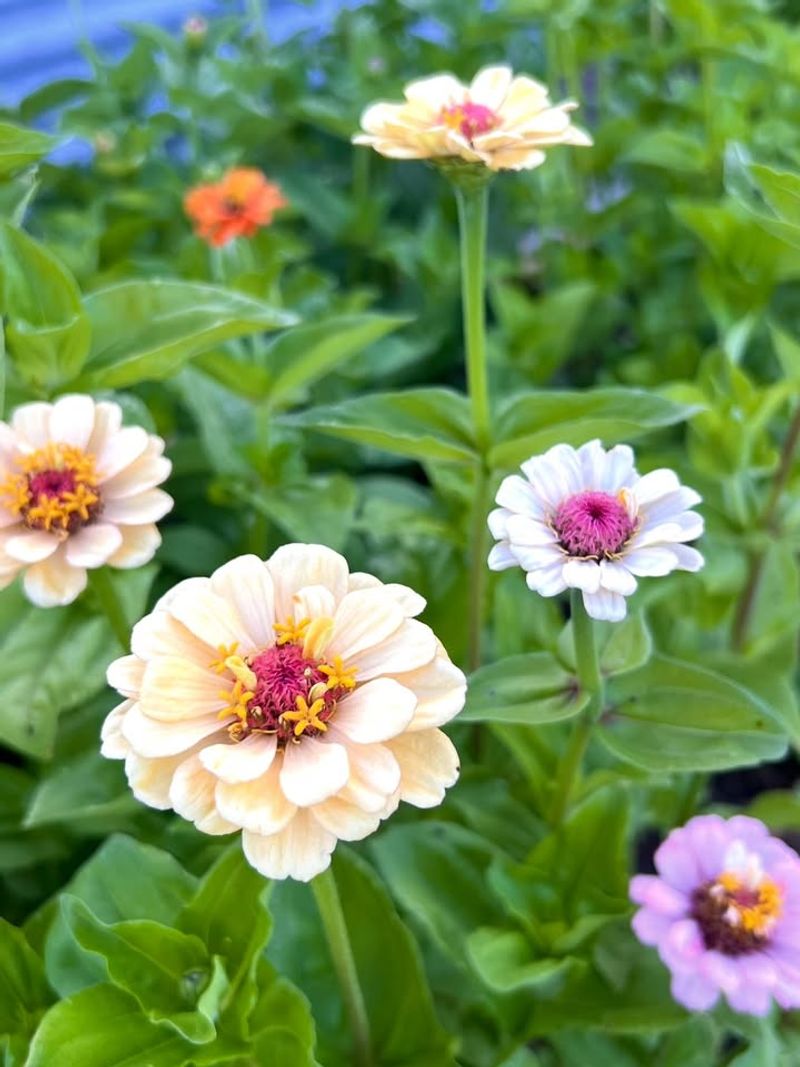
Zinnias are completely honest about what they need — warm soil. Plant them too early in Georgia and they just sit there, sulking in the cold ground, barely moving.
Wait until soil temperatures hit around 65 degrees, and they take off like they have somewhere important to be.
In most parts of Georgia, that warm soil window opens up toward the end of March or into early April depending on how the season runs. In south Georgia near Valdosta or Tifton, it can happen a bit earlier.
Direct sow seeds about a quarter inch deep in a sunny spot — zinnias are not fans of shade and will stretch awkwardly toward light if they don’t get enough direct sun each day.
Thin seedlings to about 12 inches apart once they’re a few inches tall. Crowded zinnias struggle with air circulation, which leads to powdery mildew on the leaves.
Keeping them spaced out and in full sun prevents most problems before they start. Cut blooms regularly throughout the summer to keep plants producing fresh flowers.
Zinnias are one of the most rewarding summer flowers you can grow in Georgia — bold, fast, and generous with their blooms all season long.
7. Cosmos Seeds Sprout Faster Once Temperatures Rise
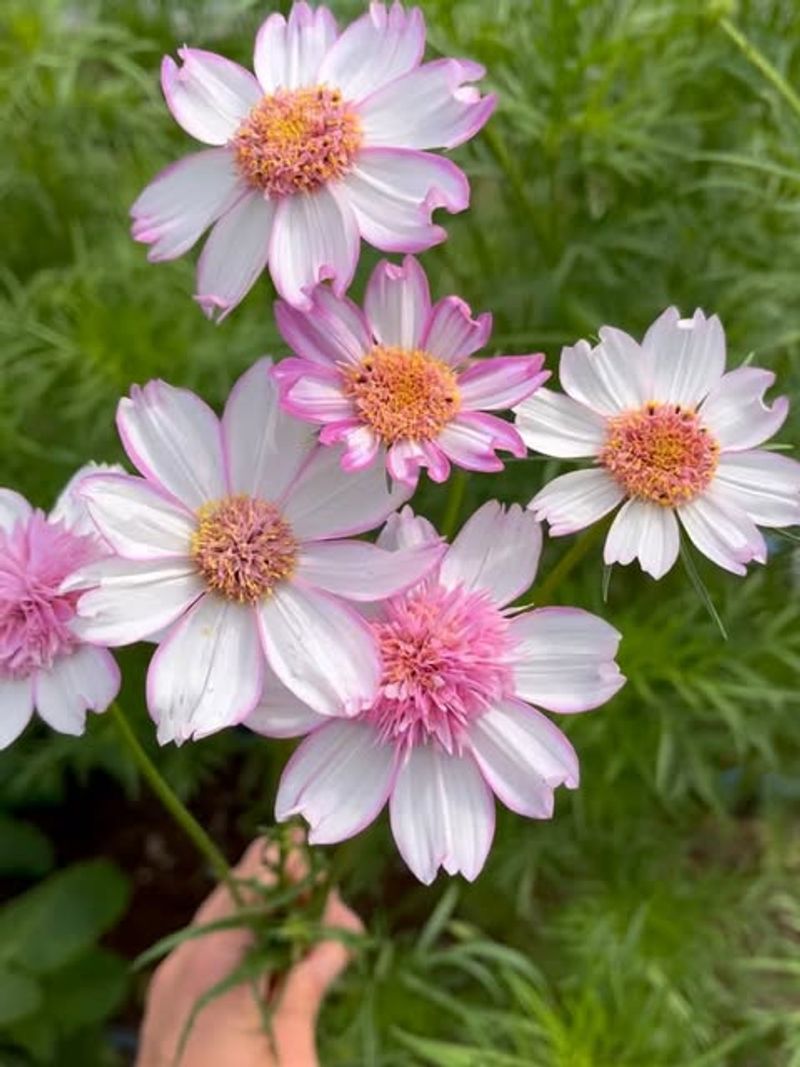
Cosmos look fragile but they are surprisingly tough once the soil warms up. Those wispy, feathery leaves and tissue-paper petals give the impression of a delicate plant, but in a warm Georgia garden, cosmos grow fast and handle summer heat without complaint.
Sow seeds directly into the garden once soil temperatures are consistently above 60 degrees. Cosmos do not like being moved, so skipping transplants and going straight to direct seeding saves time and avoids setbacks.
Scatter seeds thinly across a prepared bed, press them lightly into the soil, and water gently. Germination usually happens within a week when conditions are right.
One thing that trips people up with cosmos — too much fertilizer. Rich soil or heavy feeding produces tall, leafy plants with very few flowers.
Poor to average soil actually pushes cosmos to bloom more. If your Georgia garden soil is already amended and nutrient-rich, consider planting cosmos in a less pampered spot.
Full sun is non-negotiable. Cosmos planted in partial shade get leggy and floppy.
Stake taller varieties if your garden gets afternoon wind.
Once blooming starts, cut stems regularly and enjoy the long vase life these cheerful flowers offer through summer.
8. Marigolds Perform Best After Soil Warms
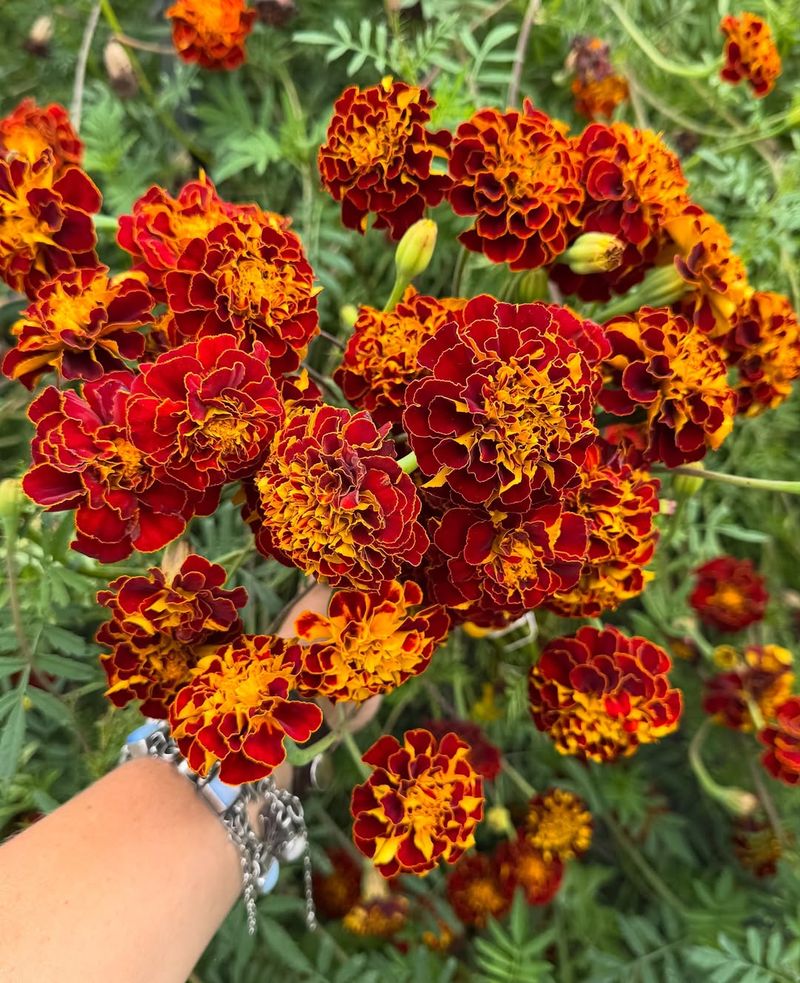
Marigolds have a reputation for being basic, but any Georgia gardener who has grown them in the right conditions knows they deliver season after season without drama.
The key is not rushing them into cold ground — marigolds planted in warm soil simply outperform those pushed in too early.
Aim for soil temperatures around 65 to 70 degrees before direct sowing or transplanting. In Georgia, that usually lines up with late March in the southern half of the state and early April farther north.
Pick a spot with full sun and decent drainage. Marigolds growing in soggy or shaded spots tend to produce fewer flowers and more problems with root rot.
French marigolds stay compact and work well along garden borders or tucked between vegetable rows. African marigolds grow taller and make a stronger visual impact at the back of a bed.
Both types thrive in Georgia’s long, hot summers and keep blooming into fall. Deadhead regularly to prevent the plant from focusing energy on seed production instead of new flowers.
Marigolds also have a natural pest-deterrent effect in the garden — their strong scent keeps certain insects from getting too comfortable around neighboring plants.
9. Sunflowers Grow Stronger When Planted In Warm Ground
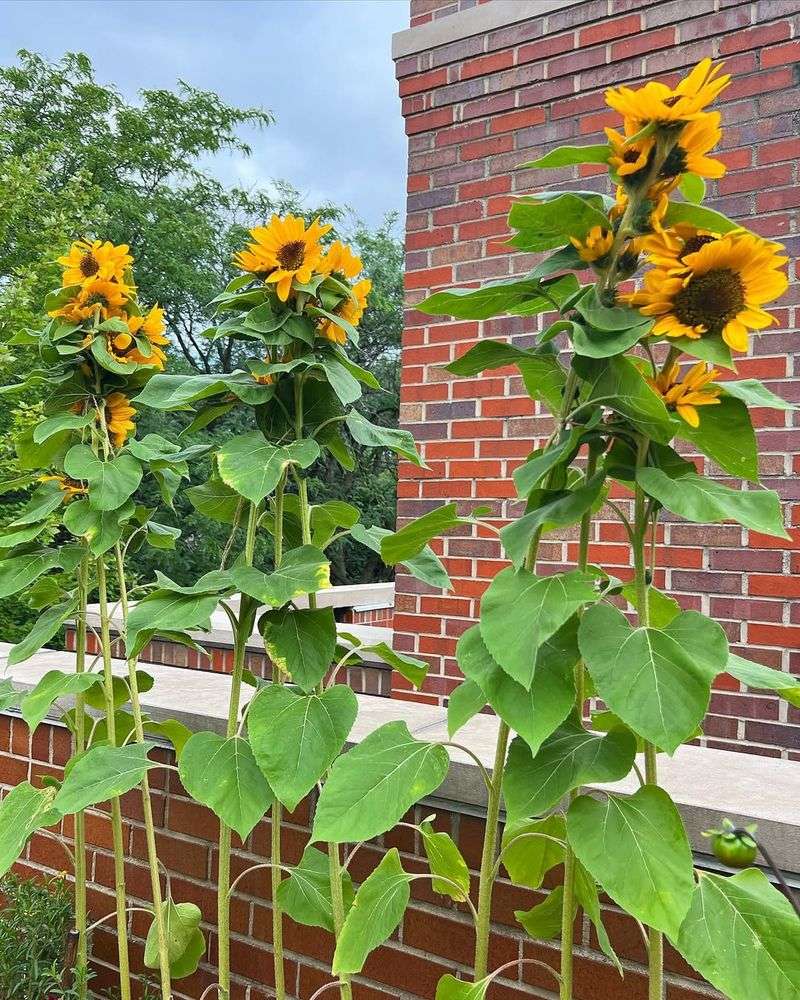
Sunflowers are not subtle. A row of them along a fence line in a Georgia backyard makes a statement from a block away.
But getting that dramatic payoff starts with one simple rule — plant them in warm soil, not cold.
Cold soil slows sunflower germination significantly and can cause seeds to rot before they ever sprout.
Wait until soil temperatures are reliably above 60 degrees, which in Georgia typically happens toward the end of March in the south and a bit later in the northern part of the state.
Direct sow seeds about an inch deep in a spot that gets full sun from morning to late afternoon.
Sunflowers grow fast once they get going — some varieties reach six feet or taller within a couple of months. Space seeds at least 12 inches apart for standard varieties or up to 24 inches for giant types.
They don’t need much fertilizing; too much nitrogen pushes leafy growth at the expense of flower production. Water deeply but infrequently rather than giving light daily sprinkles.
In Georgia’s warm climate, sunflowers planted at the right time often bloom by late May or June, giving you those big, cheerful heads right when summer is hitting its stride.