9 Flowers To Plant In Pennsylvania This March For Months Of Color
March mornings in Pennsylvania have a crisp, familiar bite that reminds gardeners winter isn’t quite done yet. But beneath the chill, the soil is slowly waking, and the first hints of green begin to appear.
Anyone who has tended a garden here knows that the right flowers planted at the right time can make all the difference in spring and summer beauty.
Planting hardy flowers now sets the stage for a garden full of color that lasts for weeks. From cheerful pansies to early-blooming perennials, choosing the right blooms ensures your beds go from bare to brilliant quickly.
With a little planning and care, each garden corner can transform into a vibrant display that carries through spring into summer. Learn which flowers are ready for March planting and how to make them thrive in Pennsylvania’s changing early-season weather.
1. Violas Bringing Delicate Early Blooms
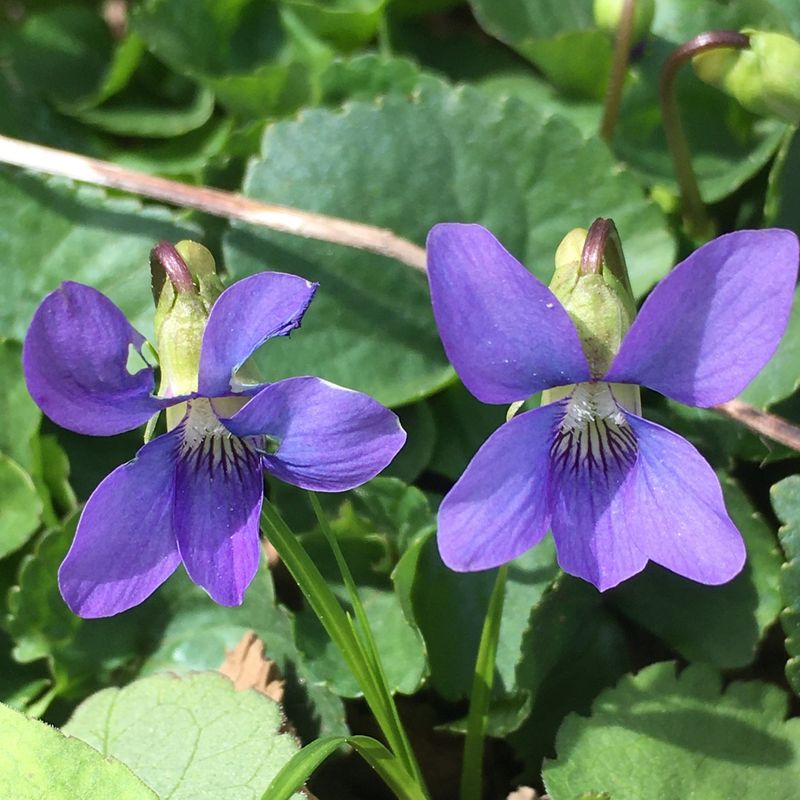
It’s easy to mistake violas for pansies, and honestly, that mix-up happens more often than you might think. Both belong to the same plant family, but violas tend to have smaller, more delicate flowers and an even tougher attitude when it comes to cold weather.
For Pennsylvania gardeners planting in March, violas are an absolute gem worth adding to any outdoor space.
One fun fact about violas is that they have been cultivated for centuries, with records of their use in gardens dating back to ancient Greece. Today, they remain one of the most popular cool-season flowers in the eastern United States.
In Pennsylvania, you can tuck them into borders, plant them along walkways, or mix them into containers for a charming early-season display.
Violas prefer cool, moist soil and will bloom most enthusiastically when temperatures stay below 70 degrees Fahrenheit. Plant them in a spot that gets at least four to six hours of sunlight per day.
They are relatively low-maintenance flowers, needing only regular watering and occasional feeding with a balanced fertilizer to keep them going strong. Unlike pansies, violas tend to self-seed, meaning they may surprise you by popping up in unexpected spots next year.
That kind of cheerful unpredictability makes them a favorite among gardeners across the Keystone State.
2. Pansies Bursting With Cheerful Color
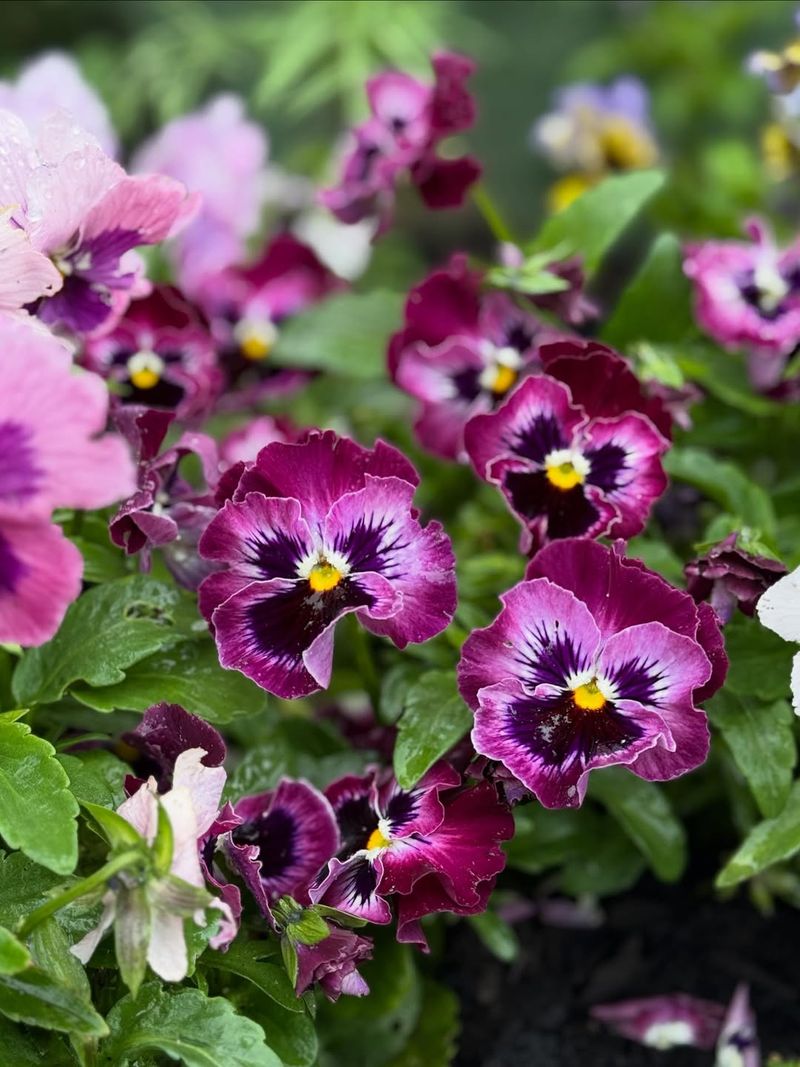
Few flowers are as cheerful and dependable as pansies when March rolls around in Pennsylvania. These tough little blooms have a reputation for shrugging off cold snaps that would send other flowers into hiding.
Pansies belong to the Viola family and are technically cool-season annuals, meaning they thrive when temperatures hover between 45 and 65 degrees Fahrenheit.
What makes pansies especially appealing for Pennsylvania gardeners is their ability to handle light frosts without skipping a beat. You can plant them in garden beds, window boxes, or containers as soon as the ground becomes workable in early March.
They come in an almost overwhelming range of colors, from deep purple and bright yellow to soft lavender and creamy white, often with those adorable face-like markings that kids and adults both love.
For best results, plant pansies in well-drained soil with plenty of organic matter mixed in. They prefer full sun but will tolerate partial shade, especially in warmer parts of Pennsylvania where afternoon sun can get intense later in spring.
Water them regularly but avoid soaking the roots. Deadhead spent blooms often to encourage continuous flowering.
With a little care, pansies planted in March can keep your garden colorful well into late spring and even early summer before the heat eventually slows them down.
3. Primroses With Jewel-Toned Spring Flowers
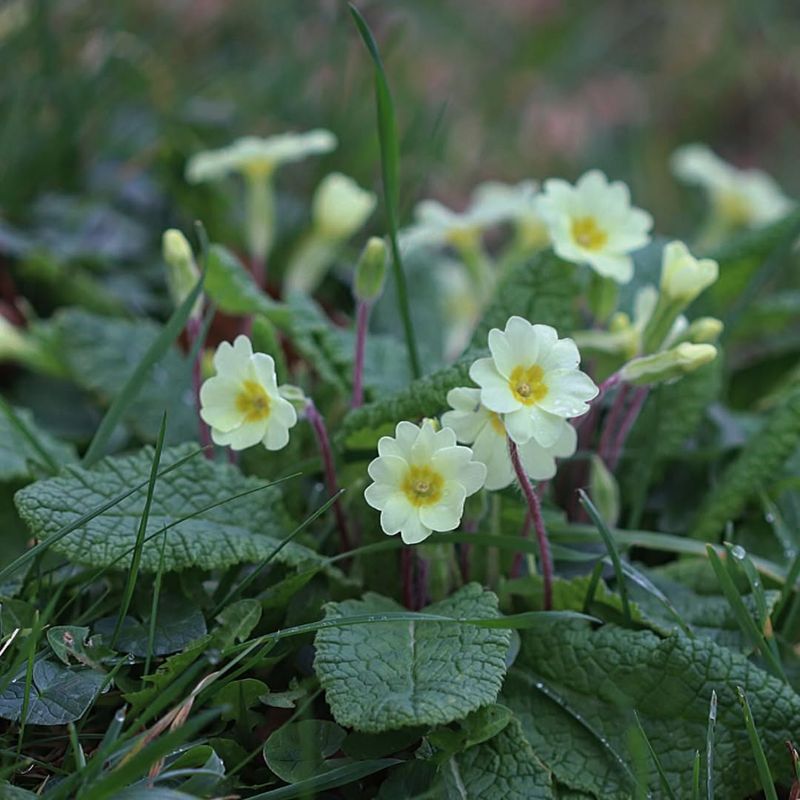
Walking past a cluster of primroses in early spring feels like stumbling upon a tiny treasure. Their bold, jewel-toned blooms in shades of red, pink, yellow, orange, and purple seem almost too vibrant for such an early time of year.
Primroses are one of the first flowers to bring serious color to Pennsylvania gardens after the long gray stretch of winter.
These plants love cool, moist conditions and prefer to grow in partial shade, making them perfect for spots under trees, along the north side of a house, or tucked into shady garden corners that other flowers tend to ignore. In Pennsylvania, March is an ideal time to get primroses into the ground, as they perform best when soil temperatures are still on the cooler side.
When planting primroses, amend your soil with compost to improve moisture retention and drainage. Keep the soil consistently moist but never waterlogged, as primroses can struggle with overly wet roots.
Feed them with a liquid fertilizer every two weeks during the blooming season to encourage a longer, more vibrant display. Primroses also do well in containers, making them a great option for Pennsylvania residents with limited garden space.
Their compact size and long blooming period make them one of the most rewarding choices for anyone looking to add color to their outdoor space this March.
4. Forget‑Me‑Nots Creating Dreamy Blue Tapestries
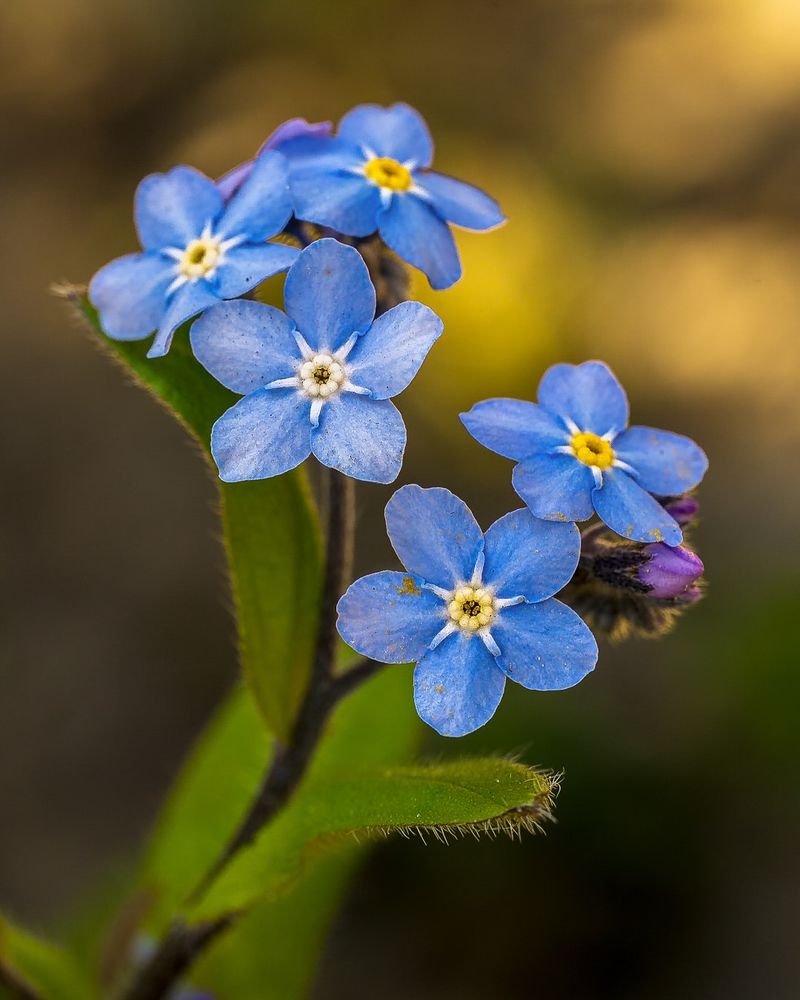
There is something almost poetic about a flower called forget-me-not. These dainty little plants produce clouds of tiny sky-blue flowers with yellow centers that create a dreamy, soft look in any garden.
In Pennsylvania, forget-me-nots planted in March will fill in gaps between larger plants and create a beautiful blue tapestry beneath spring-blooming shrubs and trees.
Forget-me-nots are biennial or short-lived perennial plants, depending on the variety. They thrive in cool, moist conditions and prefer partial shade, though they can handle full sun in areas where spring temperatures stay mild.
One of their most endearing qualities is their ability to self-seed freely, meaning once you plant them, they tend to come back year after year with minimal effort on your part.
To grow forget-me-nots in Pennsylvania, scatter seeds or transplant seedlings into garden beds with rich, well-drained soil. Water them regularly and avoid letting the soil dry out completely.
These plants pair beautifully with tulips, daffodils, and other spring bulbs, creating layered planting combinations that gardeners absolutely rave about. They also attract early pollinators like bees and butterflies, making them a wonderful ecological addition to your yard.
Their bloom period typically runs from mid-spring through early summer, giving Pennsylvania gardeners weeks of that signature soft blue color that makes every garden feel a little more magical.
5. Calendula Thriving In Cool Weather
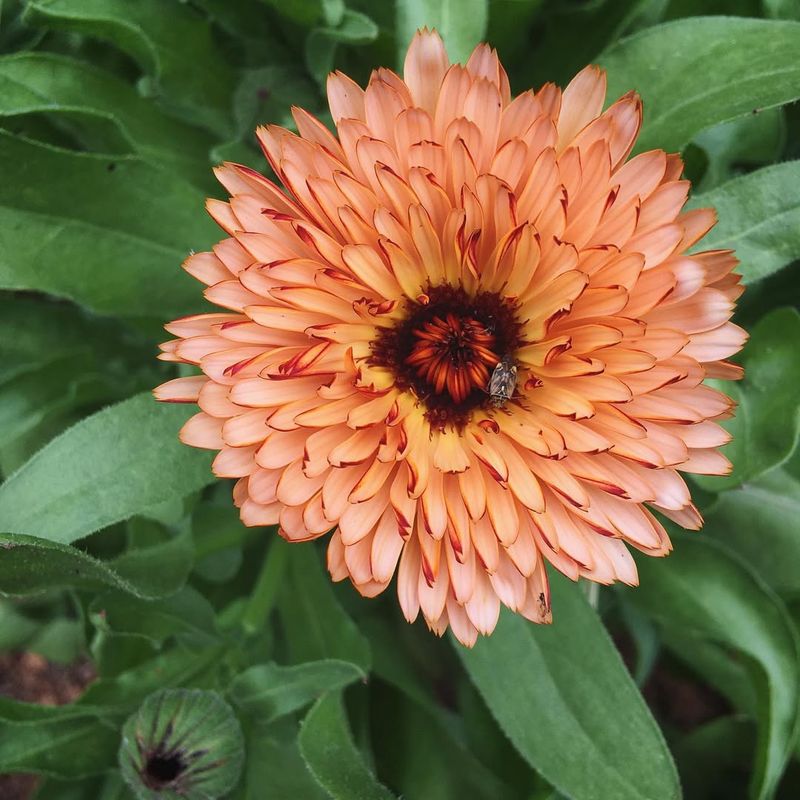
One of those flowers that earns its place in the garden by being almost ridiculously easy to grow is calendula. Also called pot marigold, calendula produces cheerful orange and yellow blooms that look like little suns scattered across your garden beds.
Planting calendula seeds directly in Pennsylvania soil in March is generally well-timed, as this flower prefers cool weather and can tolerate light frosts in most areas.
Beyond their good looks, calendula flowers have a long history of use in herbal medicine and cooking. The petals are edible and have been added to salads, soups, and teas for centuries.
Whether you want to harvest them for practical use or simply enjoy their vibrant color all season long, calendula delivers impressive value for the effort you put in.
Sow calendula seeds about a quarter inch deep in well-drained soil in a sunny spot. They germinate quickly in cool soil, often sprouting within a week or two.
Once established, they need very little fuss. Deadhead spent flowers regularly to keep new blooms coming, and you will enjoy color from spring well into summer and sometimes even fall in Pennsylvania.
Calendula also attracts beneficial insects, including ladybugs and parasitic wasps, that help manage garden pests naturally. For new gardeners across Pennsylvania looking for a rewarding and low-stress flower, calendula is a fantastic place to start.
6. Sweet Alyssum Filling Gardens With Honeyed Fragrance
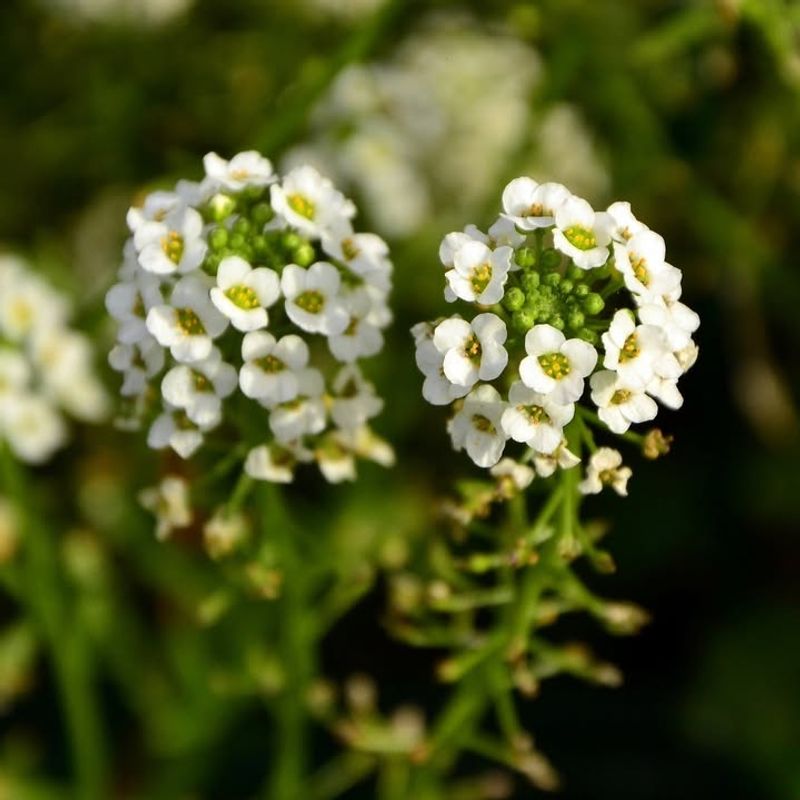
The kind of flower that quietly steals the show without demanding any attention is sweet alyssum. Its tiny blossoms cluster together in dense, carpet-like mounds that spill beautifully over garden edges, container rims, and between stepping stones.
What really sets sweet alyssum apart, though, is its fragrance. On a warm spring afternoon in Pennsylvania, the honey-sweet scent drifting from a patch of alyssum is absolutely unmistakable.
This fast-growing annual thrives in cool weather, making March the ideal time to get it started in Pennsylvania gardens. You can direct sow seeds into the garden as soon as the soil can be worked, or transplant seedlings from a nursery for quicker results.
Sweet alyssum prefers full sun but tolerates light shade, especially in warmer microclimates around Philadelphia and other urban areas of the state.
One of the best things about sweet alyssum is how effortlessly it fills in bare spaces. It works as a ground cover, a border edging plant, and a filler in mixed containers.
It also attracts hoverflies and other beneficial insects that prey on common garden pests, making it a smart companion plant for vegetable gardens. Water sweet alyssum consistently during dry spells, and shear it back lightly if it starts to look tired mid-season.
It will bounce back quickly with a fresh flush of blooms, keeping your Pennsylvania garden colorful for months on end.
7. Snapdragons Adding Vertical Drama And Color
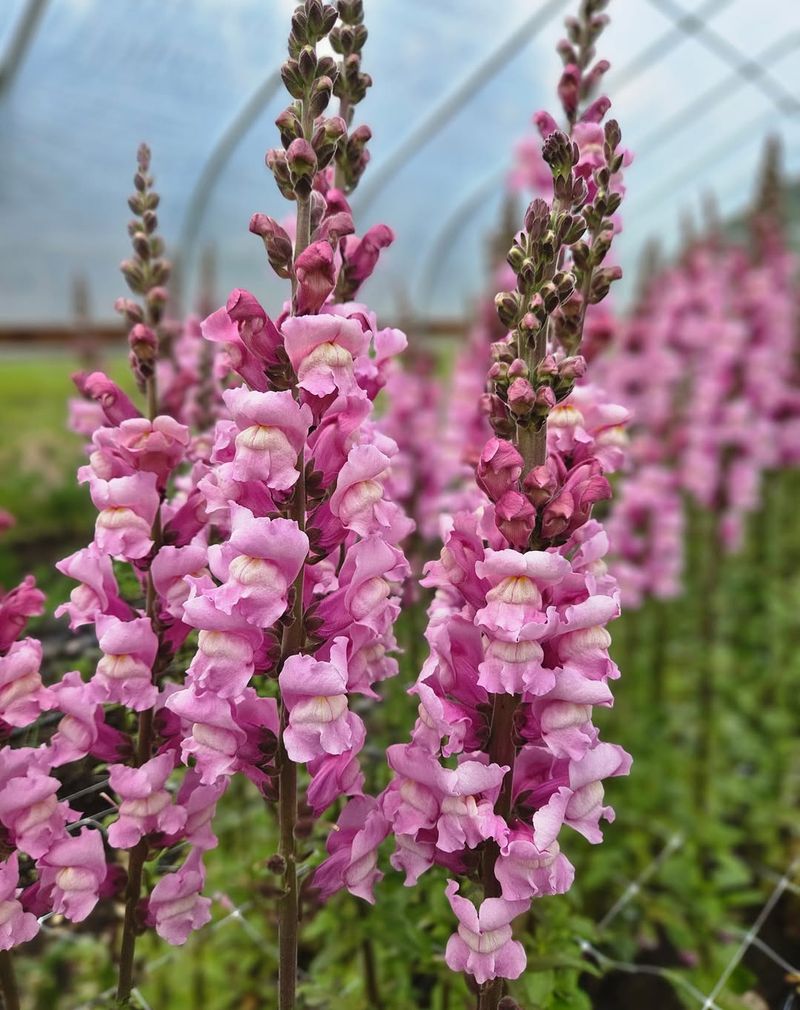
For generations, garden favorites have included snapdragons, and it is not hard to see why. Their tall, dramatic spikes of blooms in every color imaginable make them standout performers in any garden bed.
Kids especially love them for the way the individual flowers open and close like little mouths when you gently squeeze them, which is exactly how they got their memorable name.
In Pennsylvania, snapdragons are a good choice for March planting because they tolerate cool temperatures. They can handle light frosts in most areas, but gardeners should still monitor local frost risk before planting.
Plant snapdragons in a sunny spot with fertile, well-drained soil for the strongest growth and most abundant blooms.
Snapdragons come in dwarf, medium, and tall varieties, so you can choose a size that fits your garden design perfectly. Tall varieties make stunning cut flowers and add vertical interest to borders, while dwarf types work beautifully in containers and front-of-border plantings.
Pinch off the top growth of young plants to encourage bushier growth and more flower spikes. Feed them with a balanced fertilizer every few weeks during the growing season.
With proper care, snapdragons planted in March across Pennsylvania will reward you with months of vibrant, eye-catching color that brightens up the entire landscape.
8. Asters With Late-Season Bright Blooms
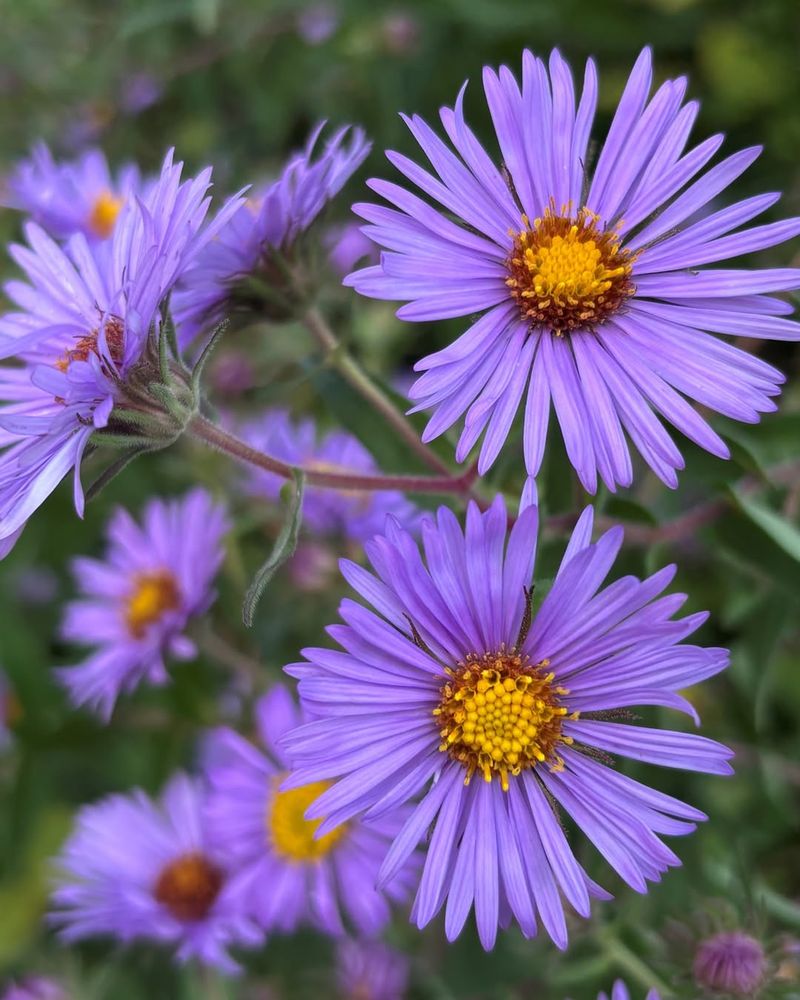
Starting asters from seed or transplant in March is a smart move for Pennsylvania gardeners who want their color to last well beyond summer. While many spring flowers begin to fade as the heat of July and August rolls in, asters are just warming up.
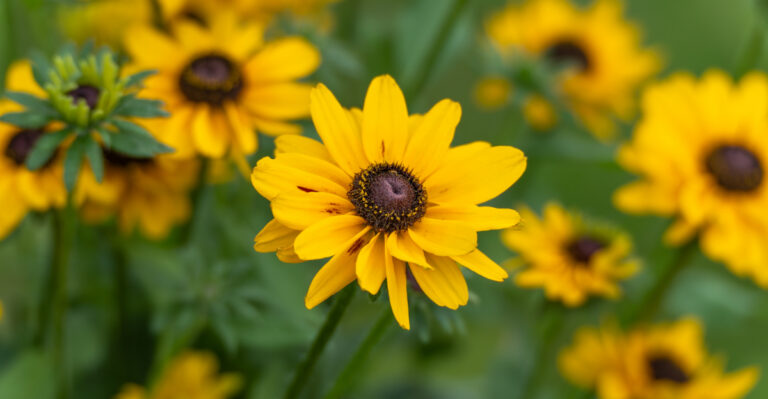
These daisy-like flowers with bright yellow centers burst into bloom in late summer and fall, carrying your garden’s color story through to the first hard frost.
Asters are native to North America, and several species grow naturally across Pennsylvania. They are beloved by pollinators, especially monarch butterflies and bumblebees that are searching for late-season nectar sources before winter arrives.
Planting asters is genuinely one of the most ecologically responsible choices a Pennsylvania gardener can make.
Give asters a spot in full sun with well-drained soil for the best performance. They are fairly drought-tolerant once established but appreciate consistent moisture during hot stretches.
Pinch back the stems in early summer to encourage compact, bushy growth and prevent the plants from flopping over under the weight of their blooms. Asters pair beautifully with ornamental grasses, goldenrod, and late-blooming rudbeckia for a stunning fall garden display.
Available in purple, pink, white, and lavender, they offer plenty of color variety to work with. Starting them early in March gives Pennsylvania gardeners a significant head start on one of the most rewarding fall-blooming plants available.
9. Daffodils Signaling The Arrival Of Spring
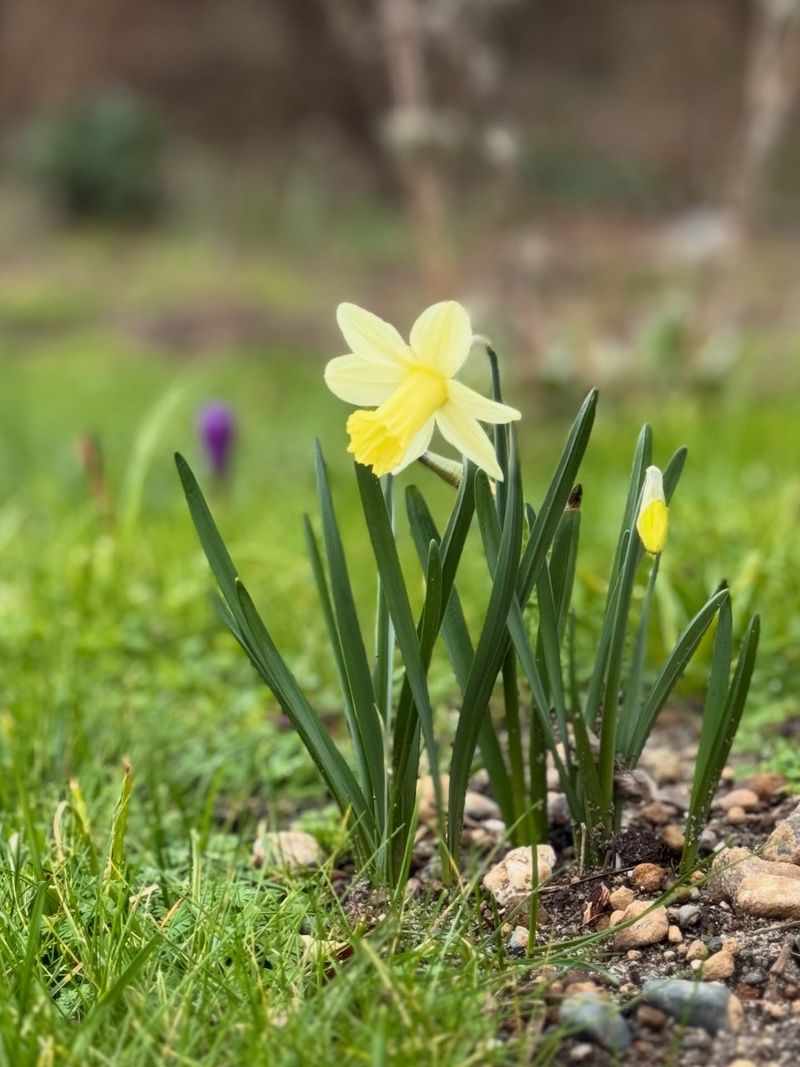
If there is one flower that truly signals the end of winter in Pennsylvania, it is the daffodil. Those bright yellow trumpets pushing up through cold soil in early spring feel like a personal message from the garden that warmer days are finally on their way.
Daffodils are classic for a reason, and planting them in March, whether as bulbs already in the ground or as potted transplants, can lead to a rewarding early spring display in most Pennsylvania gardens.
One of the biggest advantages of daffodils is that deer and rodents tend to avoid them, making them a reliable choice even in rural parts of Pennsylvania where wildlife pressure on gardens can be significant. They naturalize beautifully over time, meaning a small planting today can spread into a larger, more impressive display with each passing year.
Daffodils prefer well-drained soil and at least partial sun to perform at their best. Plant bulbs about six inches deep with the pointed end facing upward.
After blooming, allow the foliage to die back naturally rather than cutting it off early, as the leaves are busy storing energy for next year’s flowers. Daffodils work wonderfully in borders, under deciduous trees, and naturalized in lawns throughout Pennsylvania.
Their cheerful, unmistakable blooms and nearly zero-maintenance nature make them a must-have for any gardener looking to bring reliable, long-lasting color to their outdoor space starting this March.