11 Flowers With Ancient Lineages That Michigan Gardeners Can Grow Today
Some flowers growing in Michigan gardens today trace their roots back thousands of years, surviving long before modern gardening ever existed.
These plants aren’t just decorative, they’re living connections to ancient landscapes that endured ice ages, shifting climates, and centuries of change.
Michigan’s growing conditions may feel challenging at times, but they closely mirror environments these flowers already learned to survive.
Many gardeners walk past these blooms without realizing they carry histories far older than most cultivated plants.
What makes them fascinating is not just their age, but how naturally they still fit into present-day gardens.
These flowers combine resilience with beauty, proving that longevity often goes hand in hand with adaptability.
Their ancient traits quietly support strong growth, reliable blooming, and fewer seasonal setbacks.
Growing them today means planting something that has already stood the test of time.
1. Peony
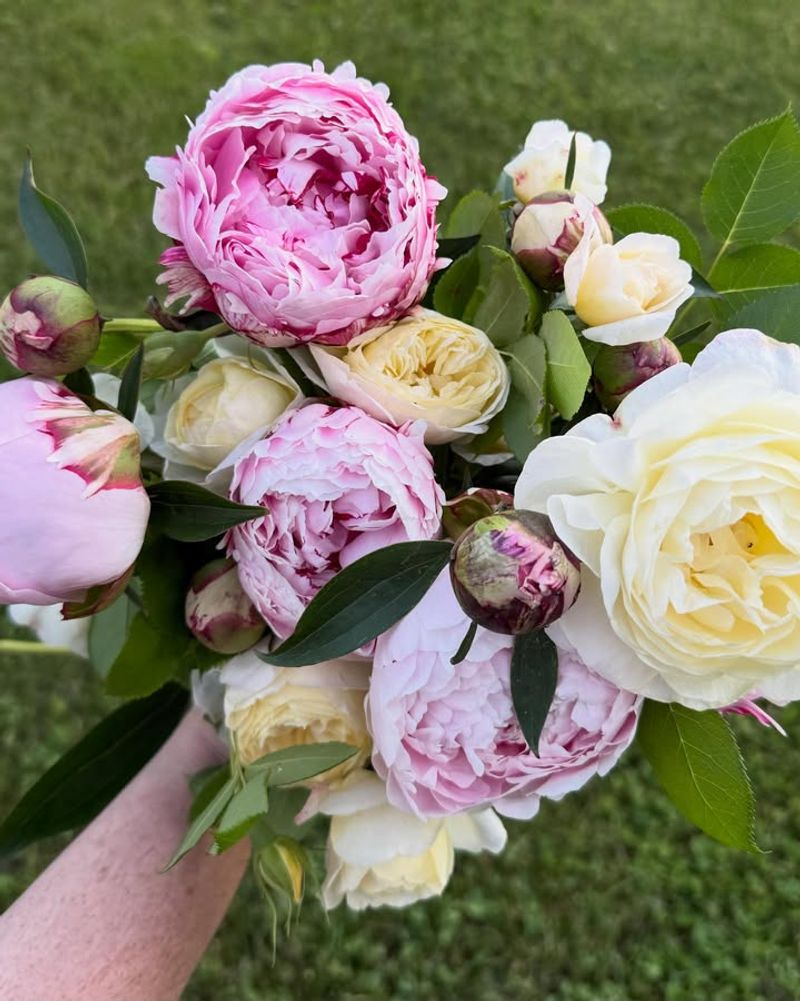
Fossils show that peonies existed more than 65 million years ago, making them one of the oldest flowering plants still thriving in gardens across the world.
Ancient Chinese emperors treasured these blooms so much they kept them exclusively in royal gardens for centuries. When you plant a peony in Michigan soil, you’re continuing a tradition that spans human civilizations and geological epochs.
Hardy varieties flourish beautifully throughout Michigan’s climate zones, from the Upper Peninsula down to the southern border. Spring frosts rarely damage their sturdy stems, and they actually need cold winters to produce their spectacular blooms.
Most gardeners find them incredibly low-maintenance once established in the ground.
Full sun locations with well-drained soil create the perfect environment for these ancient beauties to thrive. Plant them in fall for best results, making sure the eyes sit just an inch or two below the surface.
Deeper planting often results in lots of foliage but disappointingly few flowers.
Established plants can live for decades, sometimes outlasting the gardeners who originally planted them. Some Michigan homeowners inherit century-old peonies from previous owners, still blooming faithfully every spring.
Their longevity makes them a gift to future generations.
Ants crawling on peony buds are completely normal and actually help the flowers open properly. These insects feed on the sweet nectar without harming the plant at all.
Many Michigan gardeners initially worry about this partnership until they learn it’s been happening for millions of years.
2. Iris
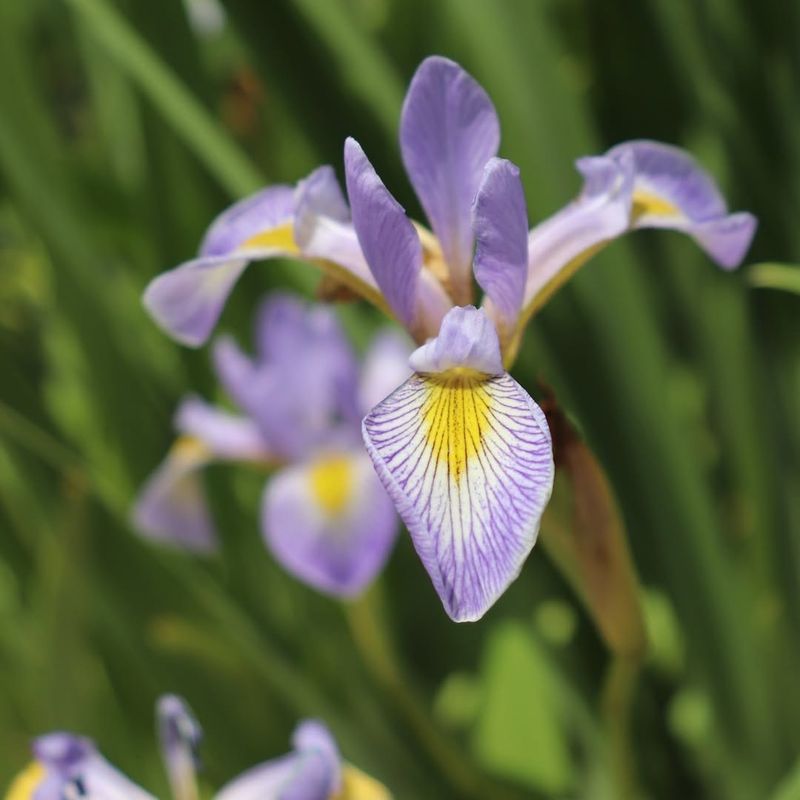
Archaeological evidence places iris cultivation back at least 4,000 years to ancient Egypt, where the flowers appeared in temple paintings and royal gardens. The three-petaled form has remained virtually unchanged through millennia of human history.
Growing irises in your Michigan yard connects you to pharaohs, Greek philosophers, and medieval herbalists who all admired these same blooms.
Bearded irises perform exceptionally well across Michigan’s diverse growing zones, tolerating both cold winters and hot summers. Their rhizomes store energy underground, allowing them to survive harsh conditions that would challenge less resilient plants.
Once established, they spread slowly to form impressive clumps of color.
Planting in late summer gives rhizomes time to establish roots before winter arrives in Michigan. Position them in sunny spots with excellent drainage, as soggy soil causes rhizomes to rot.
The top of each rhizome should sit partially exposed above the soil surface, not buried deep like bulbs.
Hundreds of color combinations exist, from pure white to nearly black, with every imaginable shade in between. Bicolored varieties feature contrasting standards and falls that create stunning visual effects.
Michigan gardeners can design entire rainbow gardens using nothing but different iris cultivars.
Siberian irises offer a more delicate appearance with grass-like foliage and smaller flowers. They tolerate wetter conditions than bearded types, making them perfect for Michigan gardens with heavier clay soils.
Their elegant form adds grace to perennial borders and pond edges.
3. Lily
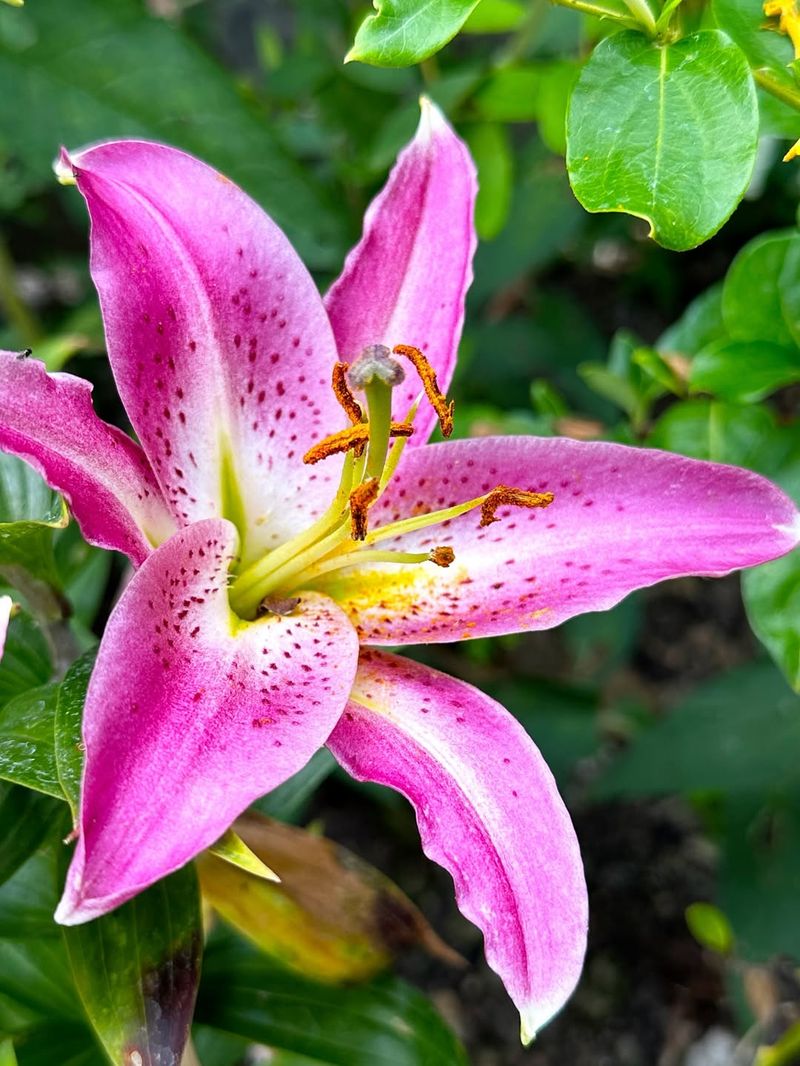
Fossil evidence dating back roughly 12 million years shows that these elegant blooms evolved long before humans walked the earth.
Ancient Minoan frescoes from around 1500 BCE feature them prominently, proving their appeal to early civilizations.
When Michigan gardeners grow them today, they’re cultivating flowers that have fascinated people across countless generations and cultures.
Asiatic lilies bloom earliest in Michigan gardens, typically appearing in June with upward-facing flowers in vibrant colors. They tolerate cold winters beautifully and rarely need special protection.
Their compact growth makes them perfect for smaller spaces or container plantings on patios.
Oriental lilies follow later in summer, filling Michigan gardens with their legendary fragrance that carries on evening breezes. Larger flowers and taller stems create dramatic impacts in borders and cutting gardens.
Their perfume can be overwhelming indoors, so many gardeners enjoy them primarily in outdoor settings.
Trumpet lilies offer huge blooms on substantial stems that sometimes reach six feet tall in rich Michigan soil. Their downward-facing or outward-facing flowers create elegant silhouettes against fences and walls.
These varieties often need staking in windy locations to prevent stems from breaking.
Plant bulbs in fall about six inches deep in well-drained soil with plenty of organic matter mixed in. Full sun on the flowers with cool, shaded roots creates ideal conditions for vigorous growth.
Many Michigan gardeners achieve this by planting shallow-rooted groundcovers around lily bulbs.
Mulching helps maintain the cool root zone lilies prefer while also suppressing weeds and conserving moisture. Apply two to three inches of shredded bark or compost around plants each spring.
This practice also adds organic matter to Michigan’s often clay-heavy soils over time.
4. Rose
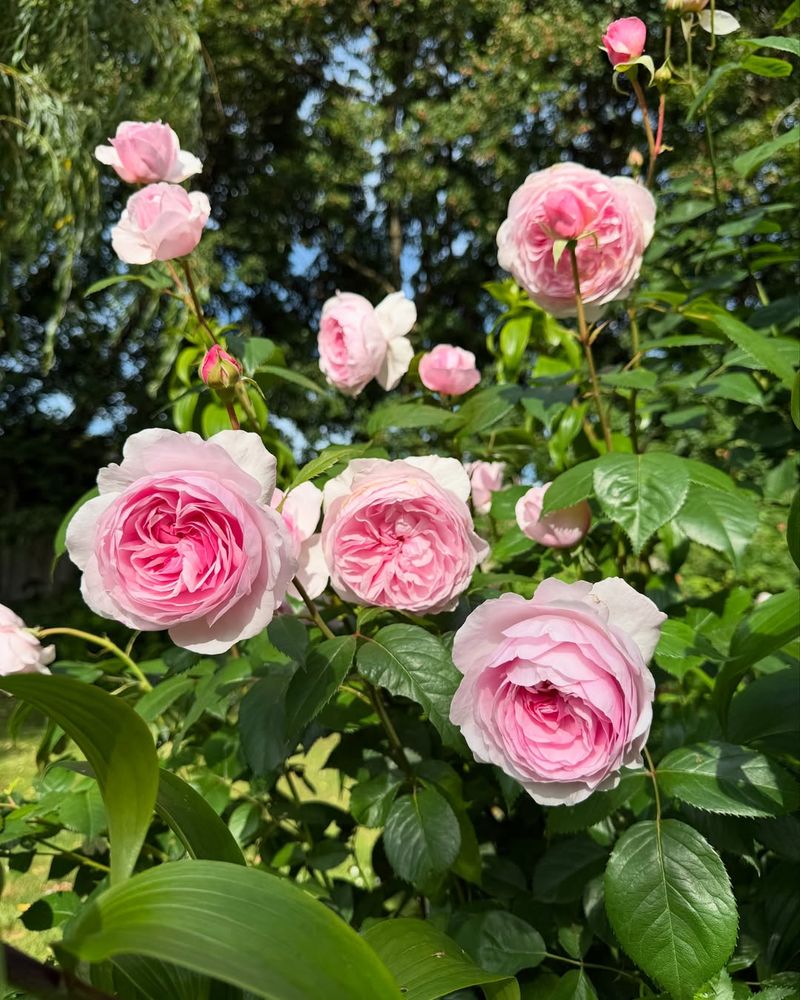
Ancient rock layers in Colorado show these flowers were already growing about 35 million years ago, long before humans existed to notice them.
Michigan gardeners today can grow descendants of these ancient species alongside modern hybrids in their landscapes.
Rugosa roses thrive particularly well throughout Michigan, tolerating cold, salt, wind, and poor soil with remarkable resilience. Their wrinkled foliage resists diseases that plague more finicky varieties.
Large orange hips persist through winter, providing food for birds and visual interest when little else looks attractive.
Shrub roses offer continuous blooms from June through October in Michigan gardens without demanding constant attention. Modern varieties combine old-rose charm with disease resistance and cold hardiness.
These workhorses fill borders with color while requiring far less maintenance than hybrid teas.
Climbing roses transform fences, arbors, and pergolas into spectacular floral displays throughout the Michigan growing season. Choose varieties bred for cold climates to ensure they survive winter temperatures.
Some climbers bloom once magnificently in spring, while others flower repeatedly until frost.
Planting bare-root roses in early spring gives them maximum time to establish before facing their first Michigan winter. Dig generous holes and amend soil with compost to improve drainage and fertility.
Position the bud union at ground level in southern Michigan, slightly below in colder northern regions.
Six hours of daily sun produces the most abundant flowering, though some varieties tolerate partial shade reasonably well. Good air circulation around plants helps prevent fungal diseases that thrive in humid Michigan summers.
Spacing plants properly from the start avoids crowding problems later.
5. Lotus
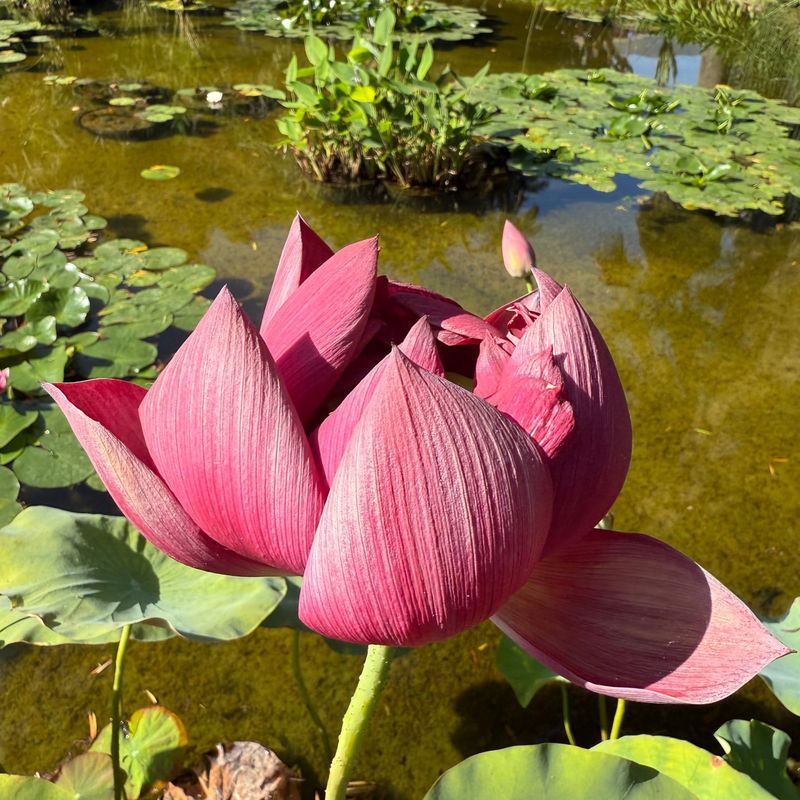
Fossil evidence shows lotus flowers have existed for at least 135 million years, placing them among the oldest flowering plants on earth.
Ancient Egyptian art prominently featured lotuses, while Buddhist and Hindu traditions consider them sacred symbols. Growing hardy lotus varieties in Michigan ponds creates a living connection to both prehistoric times and ancient spiritual practices.
American lotus grows wild in some southern Michigan wetlands, proving that hardy varieties can survive local winters. Their enormous leaves rise above water on tall stems, creating dramatic architectural effects.
Flowers emerge in midsummer, opening early in the morning and closing by afternoon for several days.
Container cultivation in large pots submerged in ponds works perfectly for Michigan gardeners without natural wetlands. Choose containers at least 18 inches wide and 10 inches deep to accommodate spreading rhizomes.
This method also prevents aggressive spreading that can occur when lotus rhizomes roam freely.
Plant rhizomes horizontally in heavy clay soil, covering them with just an inch or two of soil. Position containers so the soil surface sits 6 to 12 inches below the water surface once leaves emerge.
Starting them in shallow water and gradually lowering as growth progresses often produces the best results.
Ponds need at least six hours of direct sun for lotus to bloom abundantly in Michigan. Still water works better than moving water, as lotus prefer calm conditions.
Avoid placing them near waterfalls or fountains where constant water movement can damage delicate young leaves.
6. Daylily
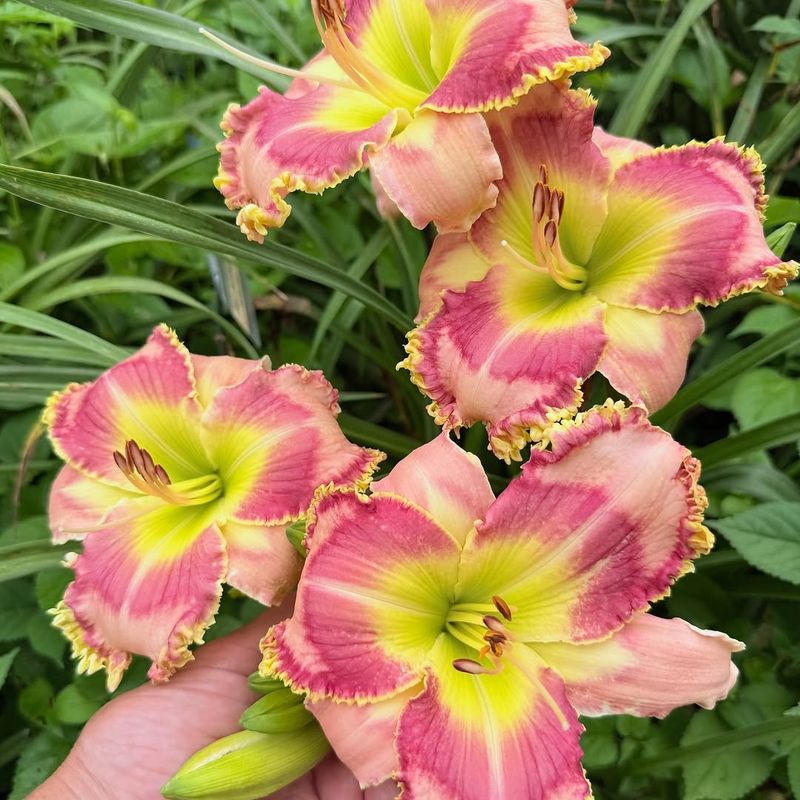
Long before modern gardens existed, daylily ancestors appeared roughly 70 million years ago during the age of dinosaurs.
Chinese gardens cultivated them at least 2,500 years ago for both beauty and food. Michigan gardeners can grow thousands of modern cultivars descended from these ancient species that still display remarkable toughness and adaptability.
Individual flowers last only one day, but each stem produces many buds that open sequentially for weeks. Planting different varieties with staggered bloom times creates continuous color from June through September in Michigan gardens.
This extended season makes daylilies incredibly valuable in perennial plantings.
Adaptability to various soil types and light conditions makes daylilies nearly foolproof for Michigan gardeners. They grow in clay, sand, or loam, tolerating both slightly wet and somewhat dry conditions.
Full sun produces the most blooms, but they flower acceptably in partial shade too.
Planting in spring or fall works equally well throughout Michigan, giving roots time to establish before stress periods. Dig holes wide enough to spread roots naturally without crowding or bending.
Position the crown at soil level, neither buried deep nor sitting too high above the ground.
Thousands of registered cultivars offer every color except true blue, from pale pastels to deep burgundies. Flower forms range from simple spiders to heavily ruffled doubles with twisted petals.
Michigan gardeners can spend years collecting favorites without ever running out of new varieties to try.
7. Magnolia
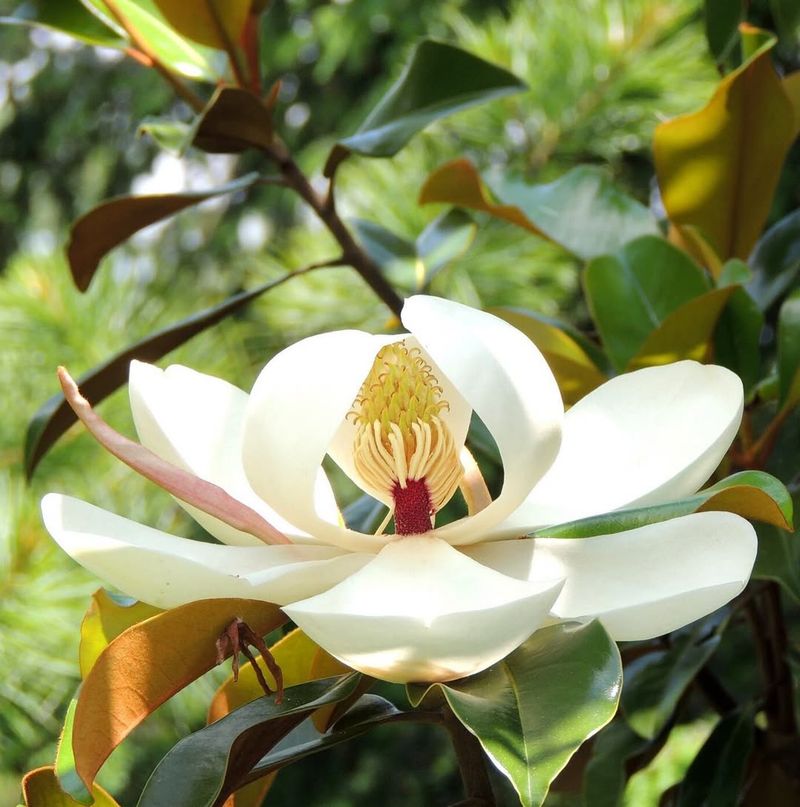
Long before bees existed, these trees evolved flowers designed for pollination by beetles nearly 95 million years ago.
That ancient lineage is still visible in their thick petals and unusual flower structure, which sets them apart from most modern blooms.
Cold-hardy cultivars now allow Michigan gardeners to grow magnolias despite winters that once restricted them to warmer southern regions.
Star magnolias bloom earliest in Michigan, often opening in late March or April before leaves emerge. White or pink flowers cover bare branches, creating spectacular early spring displays.
Late frosts occasionally damage blooms, but the show is worth the occasional disappointment.
Saucer magnolias produce larger tulip-shaped flowers in shades of pink, purple, and white. They bloom slightly later than star types, often avoiding the worst frost damage.
Mature specimens create stunning focal points in Michigan landscapes, especially when viewed against blue spring skies.
Planting in spring gives magnolias maximum time to establish roots before facing their first Michigan winter. Choose locations protected from harsh winds and late afternoon sun to minimize frost damage to early blooms.
Avoid southern exposures that encourage premature flowering during warm spells followed by hard freezes.
Acidic, well-drained soil enriched with organic matter creates ideal growing conditions for magnolias. Michigan’s often alkaline soils may need amendment with sulfur or peat moss to lower pH.
Mulching with acidic materials like pine needles helps maintain preferred soil conditions over time.
8. Columbine
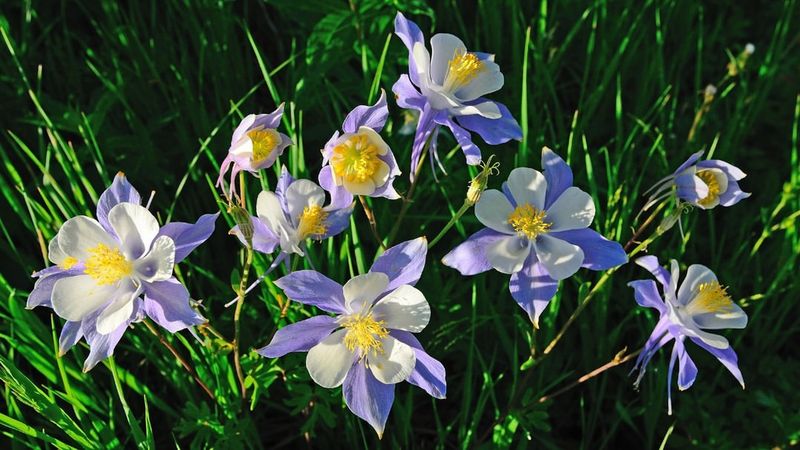
Evolving millions of years ago, wild columbines developed distinctive spurred flowers that attract very specific pollinators.
Both Native American and European species grow successfully in Michigan gardens, adapting well to local conditions.
Their delicate appearance hides a surprising toughness passed down from ancestors that endured ice ages and dramatic climate shifts.
Eastern red columbine grows wild throughout Michigan’s woodlands, producing nodding red and yellow flowers in spring. This native species adapts perfectly to local conditions and supports regional pollinators.
Growing it connects your garden directly to Michigan’s natural heritage and ancient plant lineages.
Garden hybrids offer larger flowers in extended color ranges, from pure white through pinks, purples, and blues. Many feature bicolored blooms with contrasting spurs and petals.
These cultivars bring the same ancient charm as wild types with extra visual impact.
Partial shade suits columbines perfectly in Michigan, especially afternoon shade in hotter regions. Morning sun with protection during the hottest part of the day prevents stress and extends bloom time.
Woodland edges or dappled shade under trees recreate their natural habitat conditions.
Well-drained soil prevents crown rot, which can affect columbines in heavy Michigan clay. Amending planting areas with compost improves drainage while adding organic matter.
Raised beds offer another solution for gardens with persistently wet soils.
Self-seeding produces volunteers that pop up throughout the garden, though seedlings from hybrids won’t match parent plants exactly. Michigan gardeners often enjoy the surprise colors that appear from these spontaneous seedlings.
Allowing some self-seeding ensures columbines persist even as individual plants age.
9. Poppy
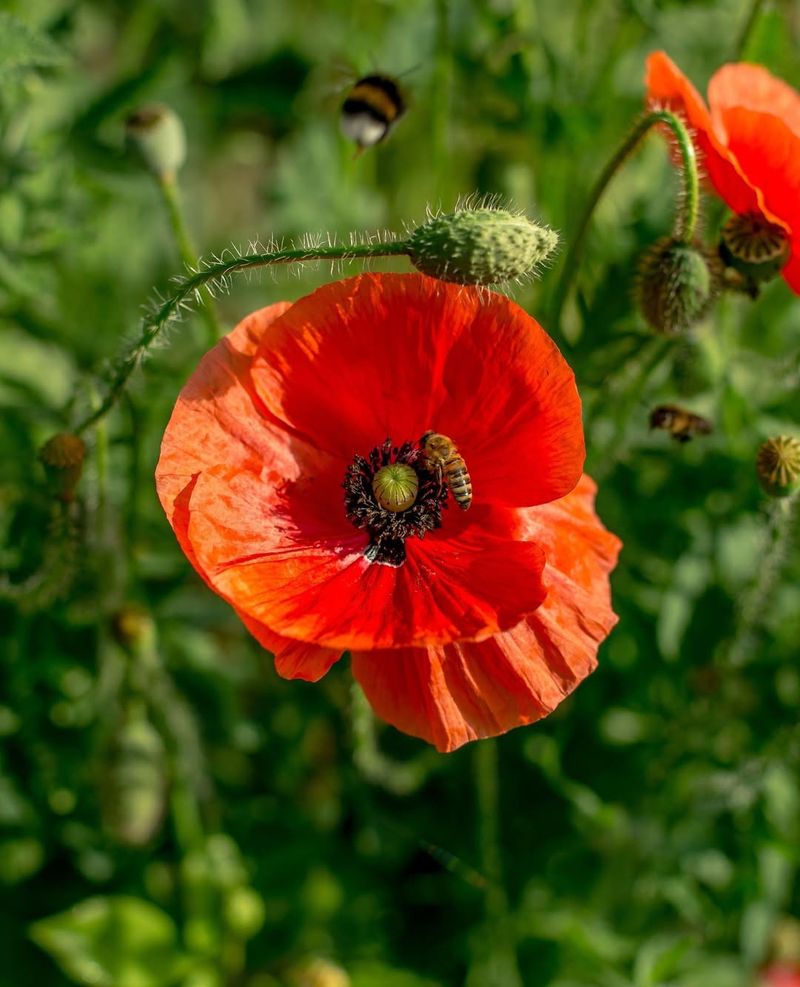
Seeds discovered at ancient archaeological sites show that humans have known poppies for at least 30,000 years.
Fossil records trace oriental poppies back millions of years, linking them to far earlier eras.
Michigan gardeners can grow these plants as living connections to both human prehistory and deep geological time.
Oriental poppies produce enormous crepe-paper flowers in late spring, often measuring six inches across. Brilliant oranges, reds, pinks, and whites create stunning focal points in Michigan perennial borders.
Their brief but spectacular bloom period makes them unforgettable when they perform.
Foliage goes dormant by midsummer in Michigan, disappearing completely until new leaves emerge in fall. Plant later-blooming perennials nearby to fill the gap left when poppies retreat.
This dormancy protects plants during hot, humid Michigan summers they’re not adapted for.
Planting in late summer or early fall gives poppies time to establish before winter dormancy. Bare-root plants transplant more successfully than container-grown specimens.
Handle fleshy roots carefully, as they break easily and resent disturbance once established.
Full sun and excellent drainage are essential for Oriental poppies in Michigan. Heavy, wet soils cause root rot and plant decline.
Raised beds or sloped locations provide ideal conditions where natural drainage is less than perfect.
Deep taproots make established poppies drought-tolerant and impossible to transplant successfully. Choose planting locations carefully, as moving them later rarely succeeds.
This permanence actually suits gardeners who want plants that persist for decades without fuss.
Seed pods develop after flowers fade, drying into attractive pepper-shaker shapes. Some Michigan gardeners leave them standing for architectural interest and self-seeding.
Others remove them to direct energy back into roots for next year’s display.
10. Coneflower
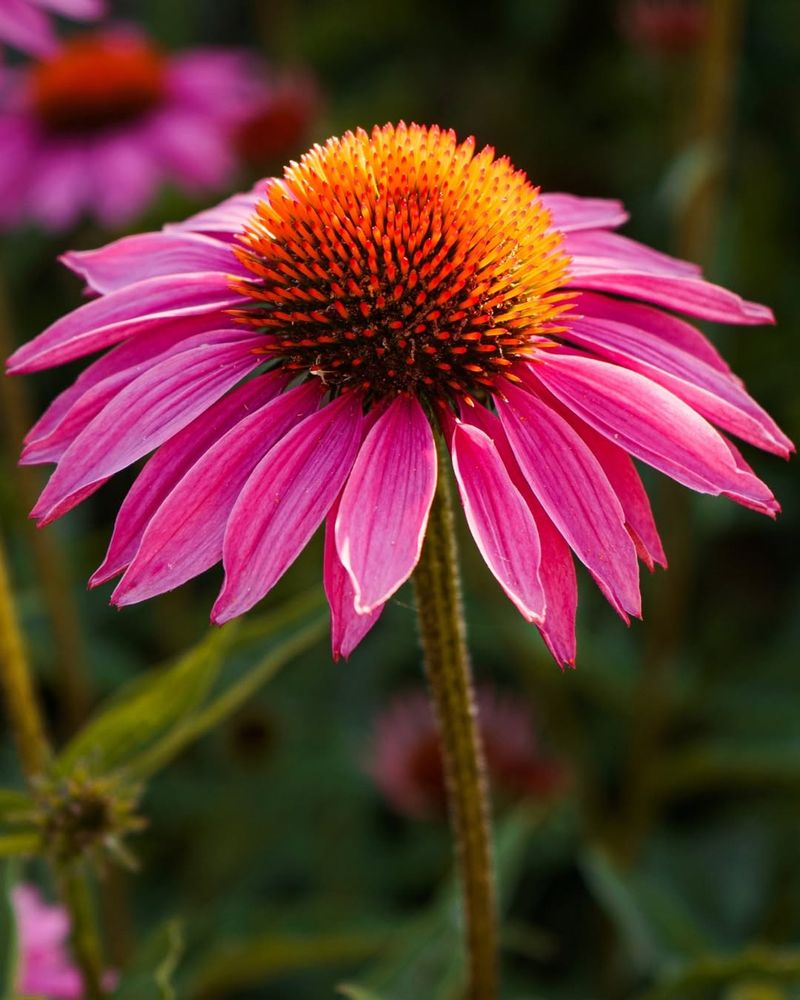
Evolving on North American prairies millions of years ago, purple coneflower ancestors adapted to wide open landscapes and shifting climates.
Native peoples used them medicinally for centuries long before European settlement.
Growing these plants in Michigan gardens supports a living connection to regional history while strengthening modern ecological health.
Purple coneflowers bloom from July through September in Michigan, providing crucial late-season nectar for pollinators. Their daisy-like flowers feature drooping petals surrounding prominent central cones.
Goldfinches devour seeds from dried seed heads through fall and winter.
Native to prairies, coneflowers tolerate heat, drought, and poor soil with remarkable resilience. Michigan’s summer weather rarely stresses them once roots establish.
They actually perform better in lean soils than in overly rich conditions that produce weak, floppy growth.
Full sun produces the most flowers and strongest stems in Michigan gardens. Plants grown in shade tend to stretch and flop, requiring staking.
Six or more hours of direct sunlight daily keeps them compact and self-supporting.
Starting from seed is easy and economical for Michigan gardeners wanting large drifts of coneflowers. Sow directly in fall or start indoors in late winter for first-year blooms.
Seedlings vary slightly in color and form, creating natural-looking plantings.
11. Yarrow
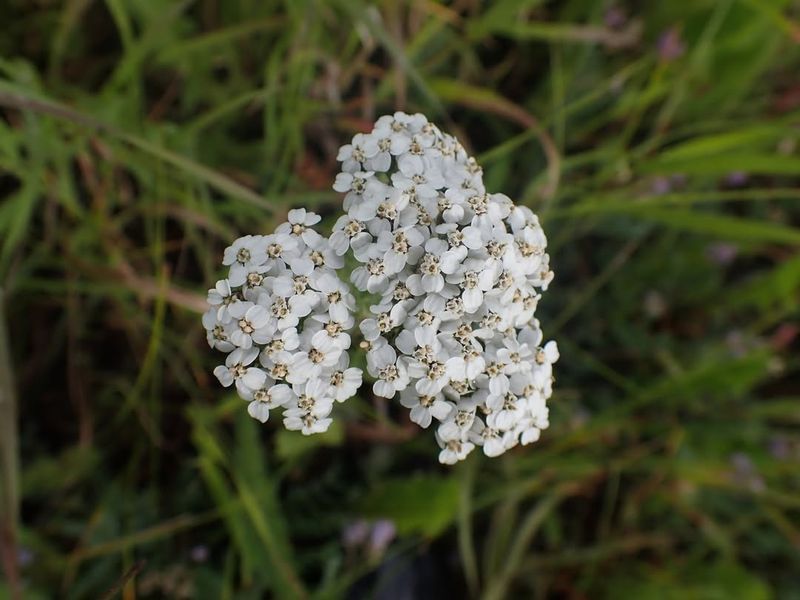
Archaeological evidence shows this plant has been used by humans for at least 60,000 years, while its presence on earth stretches back millions of years.
Ancient warriors reportedly relied on it to help control bleeding from battle wounds.
Michigan gardeners can still grow this same resilient plant today, carrying forward a species that has served humanity across countless generations.
Flat-topped flower clusters bloom from June through August in Michigan, attracting beneficial insects and butterflies. Traditional white flowers remain popular, but modern cultivars offer reds, pinks, yellows, and pastels.
Ferny foliage stays attractive even when plants aren’t flowering.
Extreme drought tolerance makes yarrow perfect for Michigan gardens with sandy soil or hot, dry exposures. Deep roots access moisture that shallow-rooted plants can’t reach.
Once established, they rarely need supplemental watering even during extended dry spells.
Full sun produces the most compact growth and abundant flowering throughout Michigan. Plants grown in shade stretch and flop, losing their neat form.
Poor soil actually suits yarrow better than rich soil, which causes weak, overly lush growth.
Aggressive spreading can become problematic in small Michigan gardens or rich soils. Divide clumps regularly to control their expansion, or choose less vigorous cultivars.
Their toughness becomes a liability when they crowd out more delicate neighbors.
Cutting back after the first flush of blooms encourages fresh foliage and sometimes repeat flowering in Michigan. Simply shear plants back by one-third when flowers fade.
This also prevents excessive self-seeding if you want to limit their spread.