9 Forgotten Winter Garden Tasks That Help California Gardens Thrive In Spring

Winter in California can feel like a pause button for the garden, but that quiet stretch is far from wasted time.
While plants may slow down, smart gardeners know the off season is when the groundwork gets laid.
Skip a few small tasks now, and spring can turn into a scramble. Stay ahead of the game, and the garden hits the ground running once warmer days roll in.
Many winter chores fall through the cracks because they do not feel urgent.
Pruning gets pushed aside, soil gets ignored, and tools sit where they last landed.
These forgotten tasks might seem minor, but they pack a punch.
They help plants grow stronger, keep pests in check, and make spring planting smoother from day one.
In a state where growing seasons overlap and weather can change fast, timing makes all the difference.
Taking care of these jobs during winter is like money in the bank.
A little effort now saves time, stress, and guesswork later.
When spring arrives, California gardens that got attention during the colder months are ready to shine, while others play catch up.
A few smart moves now can set the stage for a season full of healthy growth and strong blooms.
1. Test And Amend Your Soil For Optimal Spring Growth
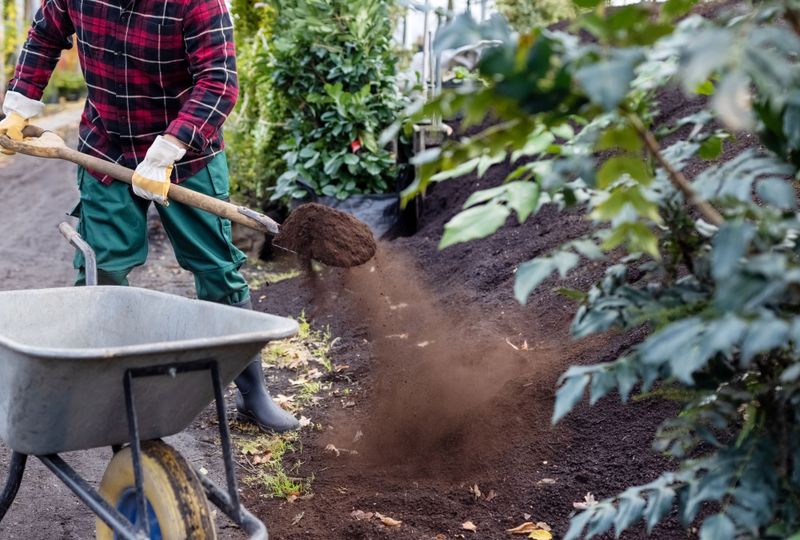
Soil testing might not sound exciting, but it ranks among the most valuable winter activities for California gardeners.
Your soil’s pH level and nutrient content directly affect how well your plants will grow when spring arrives.
Winter provides the perfect window to test your soil because amendments have time to break down and integrate before you plant anything new.
Most California soils tend toward alkaline, which can lock up essential nutrients that plants need.
You can purchase inexpensive soil test kits at garden centers or send samples to your local agricultural extension office for detailed analysis.
Once you know what your soil needs, you can add compost, sulfur to lower pH, lime to raise it, or specific nutrients like nitrogen, phosphorus, and potassium.
Mixing these amendments into your beds during winter gives them months to work their magic.
By the time you’re ready to plant tomatoes, peppers, and other warm-season crops in spring, your soil will be perfectly balanced and ready to support vigorous growth.
This simple step prevents nutrient deficiencies, improves drainage, and helps plants develop strong root systems that can better handle California’s dry summers.
2. Prune Dormant Fruit Trees For Better Spring Harvests
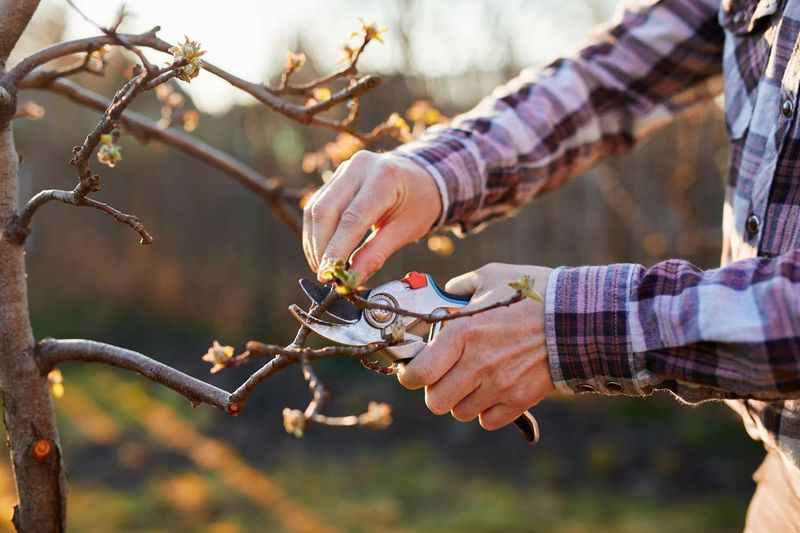
Fruit trees sleep during winter, making this the ideal season to shape them for maximum productivity.
Pruning while trees are dormant reduces stress and allows you to see the branch structure clearly without leaves blocking your view.
California gardeners often forget this task, then wonder why their fruit production declines over the years.
Removing diseased, or crossing branches improves air circulation and sunlight penetration, which helps prevent fungal problems when spring rains arrive.
Thinning out crowded growth also directs the tree’s energy toward developing larger, healthier fruit rather than supporting unnecessary branches.
Focus on creating an open center or vase shape that allows light to reach the interior branches.
Different fruit trees have specific pruning needs, so research your particular varieties before you start cutting.
Apples, pears, peaches, plums, and citrus all benefit from winter pruning, though citrus requires a lighter touch.
Always use clean, sharp tools to make smooth cuts that heal quickly.
This forgotten winter chore pays dividends in spring when your trees burst into bloom and later when you harvest abundant, high-quality fruit throughout the California growing season.
3. Apply Mulch To Protect Roots And Conserve Moisture
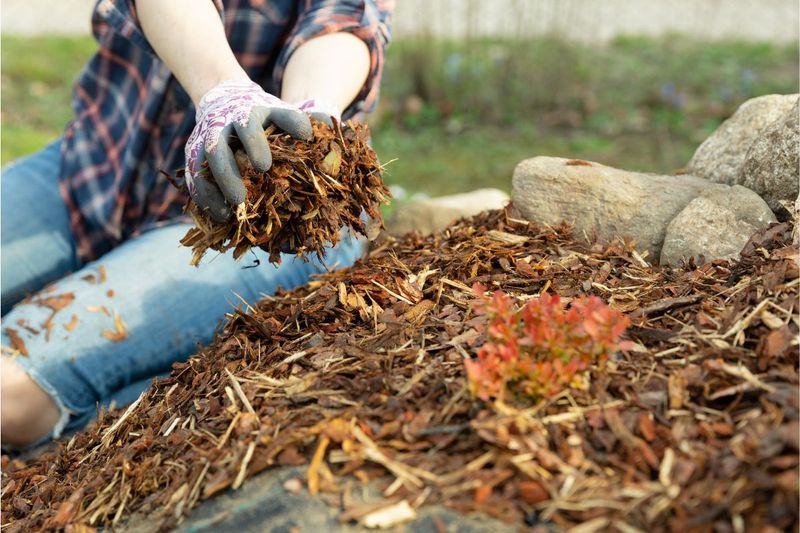
Mulching in winter might seem unnecessary in California’s mild climate, but it serves multiple critical functions.
A thick layer of organic mulch insulates plant roots from occasional cold snaps that can damage tender perennials.
More importantly, it begins breaking down slowly throughout winter, enriching your soil with organic matter by spring.
California gardens face water restrictions and drought conditions regularly, so building moisture-retentive soil now prepares you for dry months ahead.
Spread two to four inches of wood chips, shredded bark, or compost around trees, shrubs, and perennial beds.
Keep mulch a few inches away from plant stems and tree trunks to prevent rot and discourage pests from nesting too close.
Winter mulching also suppresses weed seeds that would otherwise germinate with the first warm days of spring.
Fewer weeds mean less competition for water and nutrients when your desirable plants start their spring growth spurt.
As the mulch decomposes, it feeds beneficial soil organisms that improve soil structure and nutrient availability.
This simple task reduces your spring workload significantly while giving your California garden a healthier foundation for the growing season ahead.
4. Clean And Sharpen Garden Tools For Spring Readiness
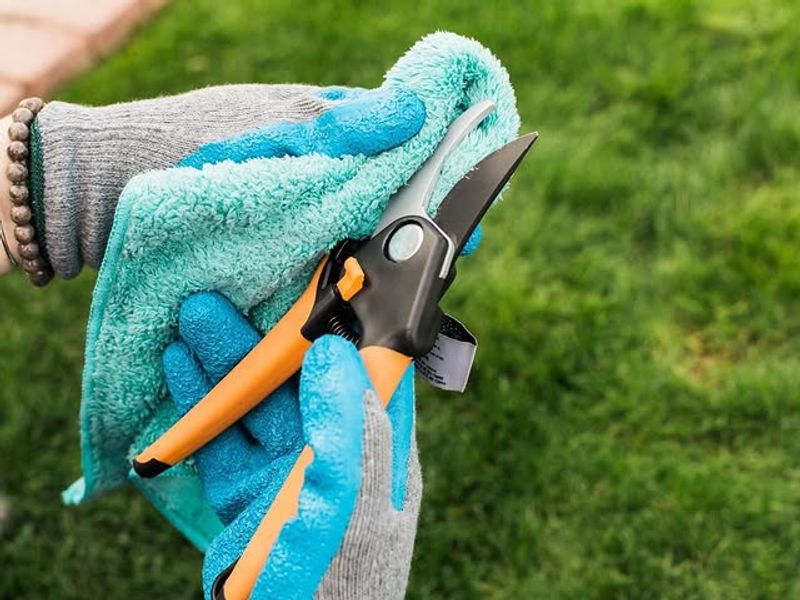
Garden tools work hard all year, and winter offers the perfect opportunity to show them some care.
Clean tools function better, last longer, and help prevent the spread of plant diseases throughout your California garden.
Start by removing caked-on dirt and plant residue with a stiff brush and soapy water.
Dry everything thoroughly to prevent rust, which can quickly ruin metal components in California’s occasional winter dampness.
Sharpen the blades on pruners, shears, hoes, and shovels using a file or sharpening stone.
Sharp tools make cleaner cuts that heal faster, reducing stress on plants and lowering the risk of infection.
They also make your work easier and more efficient when spring planting season arrives.
Rub wooden handles with linseed oil to prevent cracking and splintering.
Check for loose screws, damaged parts, or worn components that need replacement.
Organize your cleaned and sharpened tools in a dry storage area where you can easily find them when needed.
This forgotten winter task takes just a few hours but saves frustration and wasted time when you’re eager to get planting in spring.
Well-maintained tools are an investment in your California garden’s future success.
5. Plant Bare-Root Trees, Shrubs, And Roses
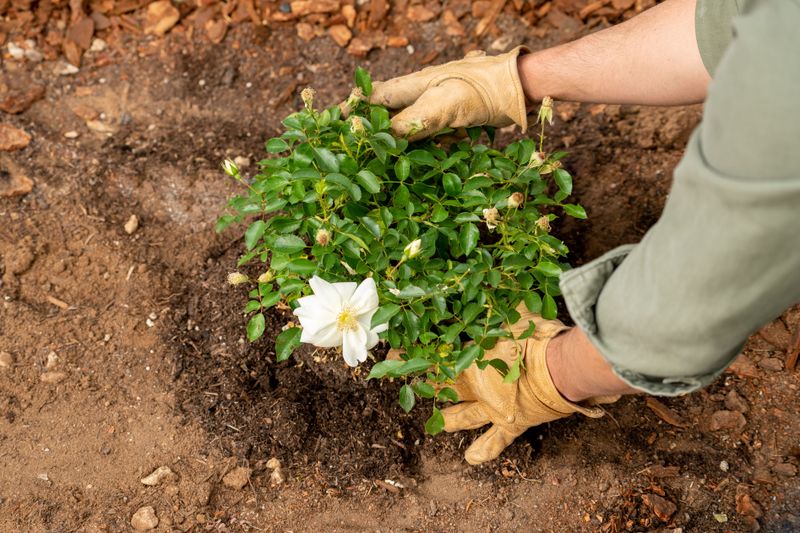
Bare-root planting season runs through California’s winter months, offering gardeners tremendous value and selection.
Nurseries stock bare-root fruit trees, roses, berries, and ornamental shrubs during this period at lower prices than container-grown alternatives.
Plants are harvested while dormant, shipped without soil, and sold with exposed roots ready for immediate planting.
Winter planting gives these bare-root specimens months to establish strong root systems before they must support spring foliage and flowers.
The cool, moist conditions typical of California winters help newly planted roots spread without the stress of supporting active growth.
By the time warm weather arrives, your bare-root plants will be well-established and ready to thrive.
Soak roots in water for several hours before planting, then dig holes wide enough to spread roots naturally without crowding or bending.
Position plants at the same depth they grew in the nursery, backfill with native soil, and water thoroughly.
Many gardeners skip this winter opportunity and then pay more for smaller container plants in spring.
Taking advantage of bare-root season means bigger, healthier plants that establish faster and perform better throughout the California growing season.
6. Control Weeds Before They Explode In Spring
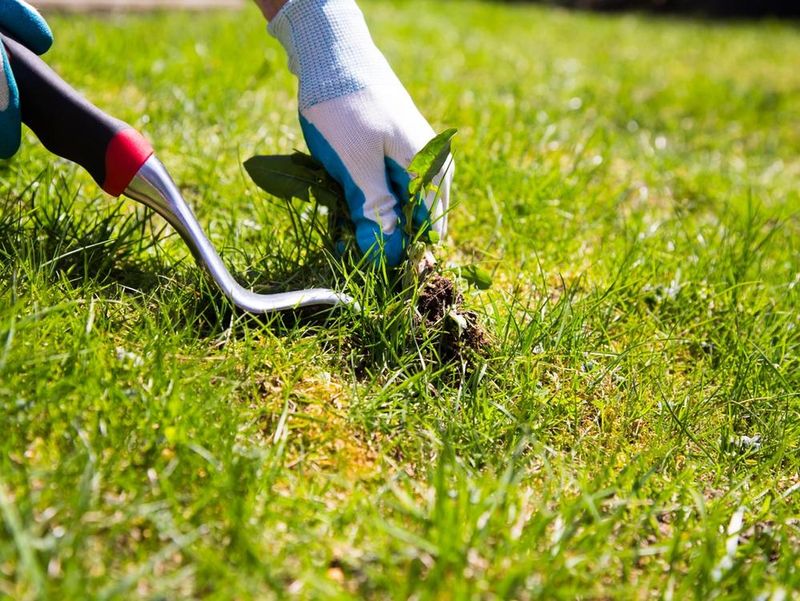
Weeds don’t take winter vacations in California’s mild climate, and ignoring them now creates massive problems later.
Many common California weeds germinate during winter rains, establishing deep root systems while gardeners aren’t paying attention.
Pulling or hoeing these young weeds takes minimal effort compared to battling mature plants with extensive roots in spring.
Focus especially on removing weeds before they flower and set seed, which can produce thousands of offspring.
Winter soil is often softer from rain, making it easier to extract entire root systems without leaving pieces that regenerate.
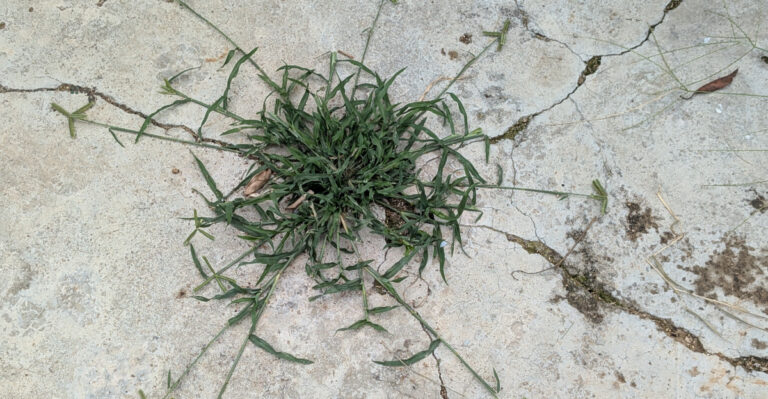
Pay particular attention to perennial weeds like Bermuda grass, bindweed, and oxalis, which spread aggressively if left unchecked.
Hand-pulling works well for small areas, while a sharp hoe efficiently clears larger spaces.
Add pulled weeds to your compost pile if they haven’t gone to seed, or dispose of seed-bearing plants separately.
Applying a pre-emergent herbicide in late winter can also prevent weed seeds from germinating when spring temperatures rise.
Spending a few hours on weed control during California’s winter saves countless hours of frustration when you’d rather be enjoying your spring garden instead of battling an invasion.
7. Inspect And Repair Garden Structures And Irrigation Systems
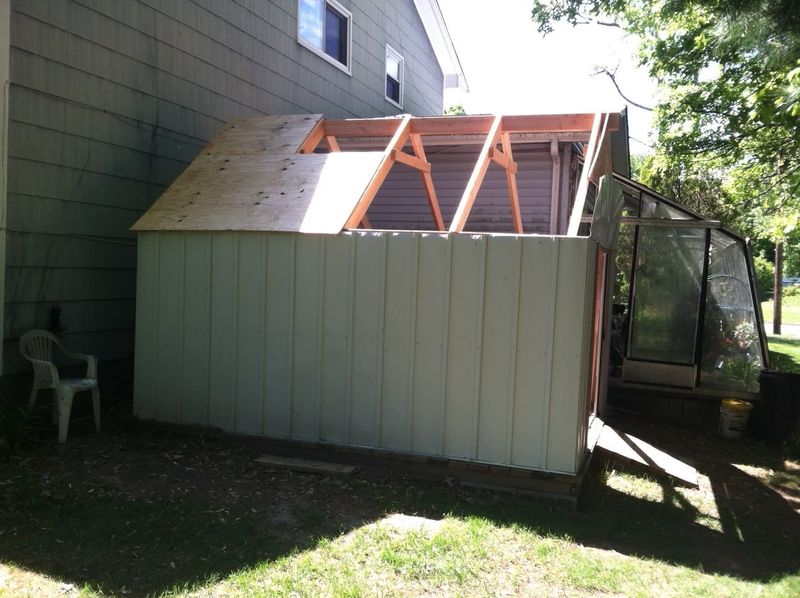
Garden infrastructure needs regular maintenance, and winter provides time to address repairs before spring planting begins.
Walk through your California garden and examine trellises, stakes, fences, raised beds, and other structures for damage or wear.
Wood can rot, metal can rust, and connections can loosen over time, especially after a year of supporting heavy plants.
Repair or replace damaged components now rather than discovering problems when you’re trying to support growing tomatoes or climbing beans.
Check your irrigation system thoroughly, since California gardens depend heavily on efficient watering during dry months.
Look for clogged emitters, cracked lines, broken sprinkler heads, and leaking connections.
Clean filters and flush lines to remove sediment buildup that reduces water flow.
Replace worn parts and upgrade to more efficient drip irrigation if you’re still using overhead sprinklers.
Test your system’s coverage to ensure every plant receives adequate water without waste.
Winter repairs prevent mid-season emergencies when plants are actively growing and can’t tolerate interruptions in water supply.
This forgotten task ensures your garden infrastructure is ready to support abundant spring growth without last-minute scrambling or plant stress from inadequate watering.
8. Add Compost To Garden Beds For Spring Nutrition
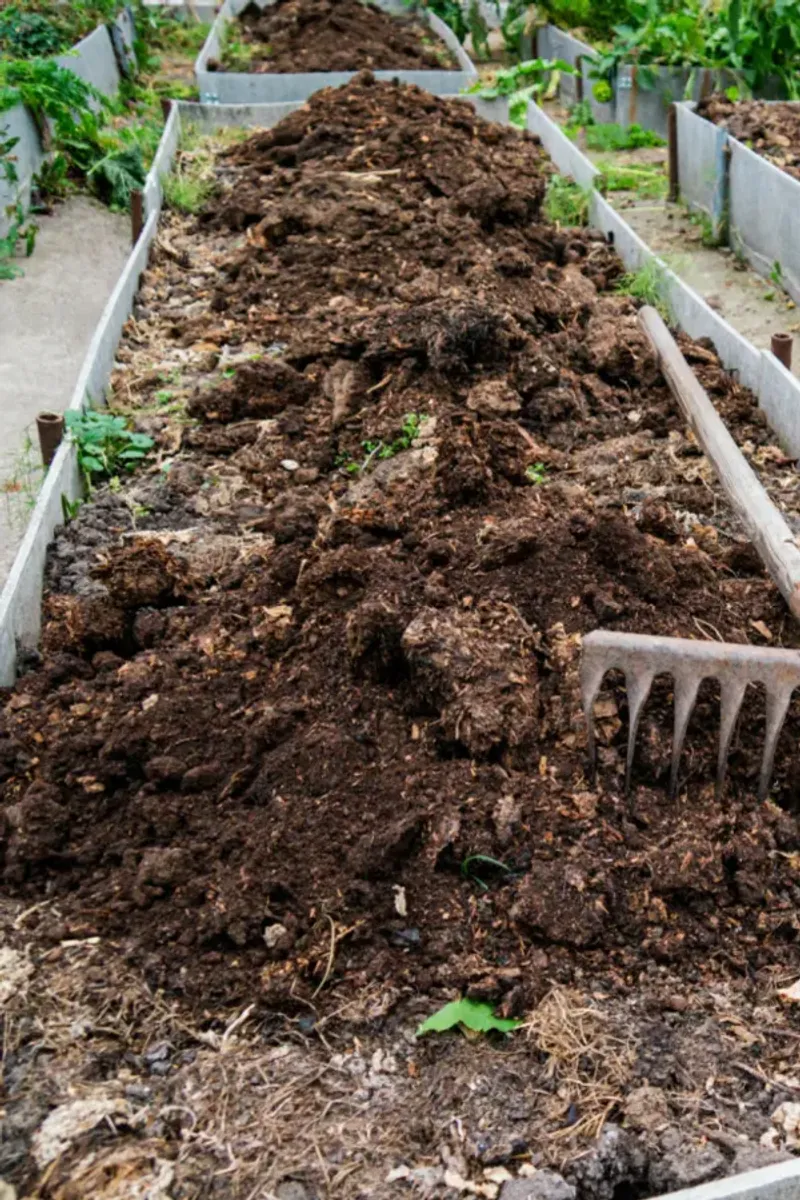
Compost is gardening gold, and winter is the perfect time to spread it generously throughout your California beds.
Adding compost during the dormant season gives it time to integrate with existing soil before spring planting.
Spread a two to four-inch layer over vegetable beds, around perennials, and beneath trees and shrubs.
Compost improves soil structure, helping clay soils drain better while helping sandy California soils retain more moisture.
It feeds beneficial microorganisms that break down organic matter and make nutrients available to plant roots.
Unlike synthetic fertilizers that provide a quick nutrient boost, compost releases nutrients slowly and steadily throughout the growing season.
You can use homemade compost from your own pile or purchase high-quality compost from local suppliers.
Mushroom compost, aged manure, and leaf mold all work wonderfully in California gardens.
Gently work the compost into the top few inches of soil, or simply spread it on the surface and let earthworms incorporate it naturally.
Winter rains help wash nutrients down to root zones where plants will access them in spring.
This simple addition dramatically improves plant health, increases yields, and reduces the need for supplemental fertilizers during the busy California growing season.
9. Monitor For Pests And Diseases While Populations Are Low
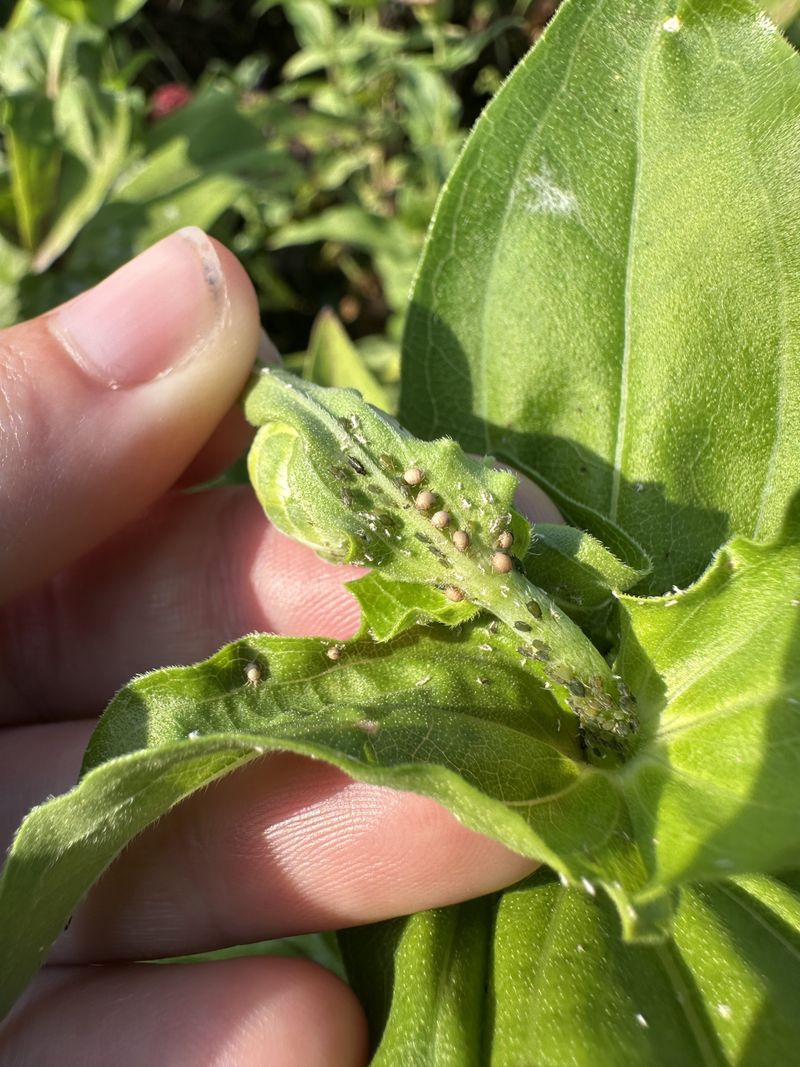
Pest and disease problems don’t disappear in winter, but their populations drop to manageable levels in California gardens.
Regular monitoring during these quieter months helps you catch problems early before they explode into infestations.
Check plants for aphids, scale insects, snails, and slugs that remain active during mild California winters.
Look for fungal diseases on leaves and stems, especially after periods of rain and fog.
Removing infected plant material now prevents spores from spreading when spring’s warmth and moisture create ideal conditions for disease development.
Inspect the undersides of leaves where pests often hide, and examine stems for unusual bumps or discoloration.
Hand-pick visible pests, prune out diseased branches, and dispose of affected material away from your garden.
Apply horticultural oil sprays to smother overwintering pest eggs and scale insects on fruit trees and ornamentals.
Clean up fallen leaves and debris where pests and disease organisms shelter during winter.
Keeping your California garden tidy and pest-free during winter means you’ll start spring with healthy plants rather than fighting established problems.
This proactive approach saves time, money, and plants while reducing the need for stronger interventions later.