14 Forgotten Winter Garden Tasks That Save Time In Spring In Virginia
Winter in Virginia often feels like downtime for gardeners, but smart planning now prevents chaos when spring arrives with full force.
Completing a few simple tasks during the cold months means less scrambling and more enjoyment when warm weather finally returns to your yard.
Many gardeners overlook these winter chores, yet they make an enormous difference in how smoothly your spring gardening season unfolds and progresses.
Tackling these forgotten jobs now saves precious hours later, letting you focus on planting and enjoying your garden instead of catching up.
1. Clean And Sharpen Your Garden Tools
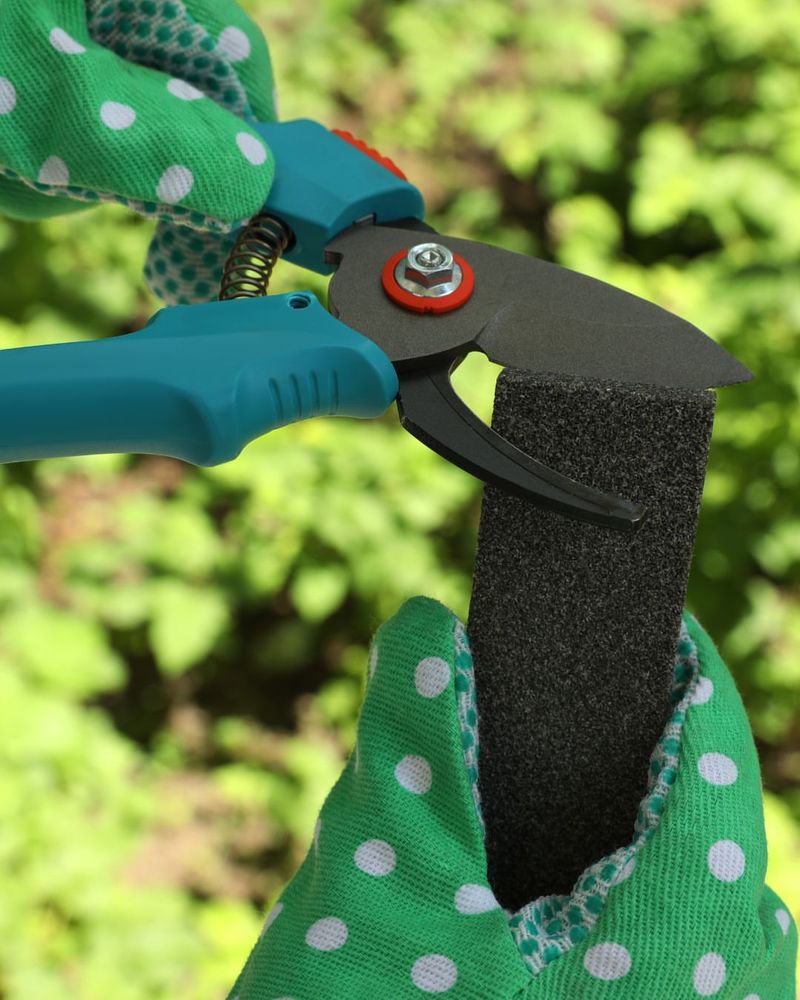
Rusty pruners and dull shovels slow you down considerably when spring planting season arrives, making every task feel twice as hard to complete.
Winter provides the perfect opportunity to scrub off dirt, remove rust with steel wool, and sharpen blades to restore their cutting power.
A sharp tool cuts cleanly through stems and roots, reducing plant stress and making your work faster and far more enjoyable overall.
Oiling metal parts prevents future rust formation, especially important in Virginia’s humid climate where moisture causes rapid deterioration of unprotected surfaces.
Wooden handles benefit from sanding and a coat of linseed oil, which prevents splintering and extends the lifespan of your favorite tools.
Organizing your tools in a dry shed or garage keeps them accessible and ready to use the moment spring weather finally arrives.
This simple winter chore saves countless hours of frustration when you’re eager to start planting but stuck wrestling with broken or ineffective equipment.
2. Test And Amend Your Soil
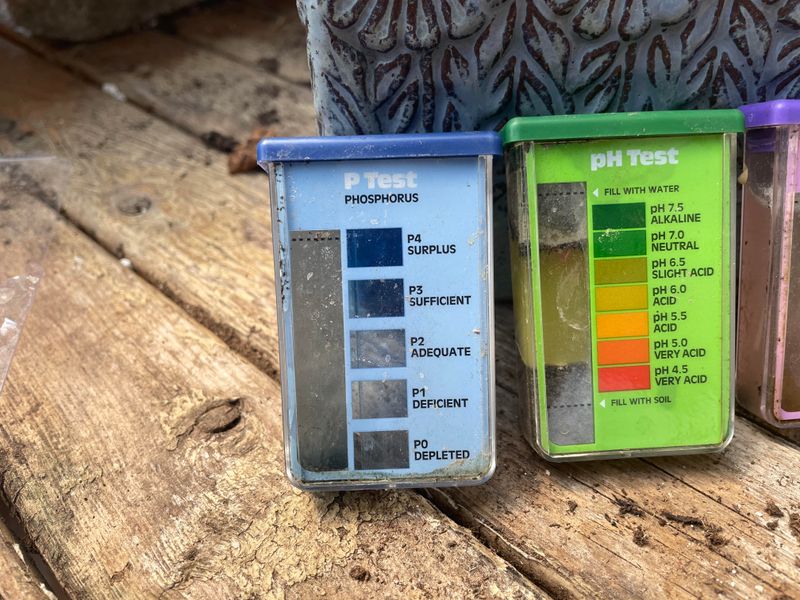
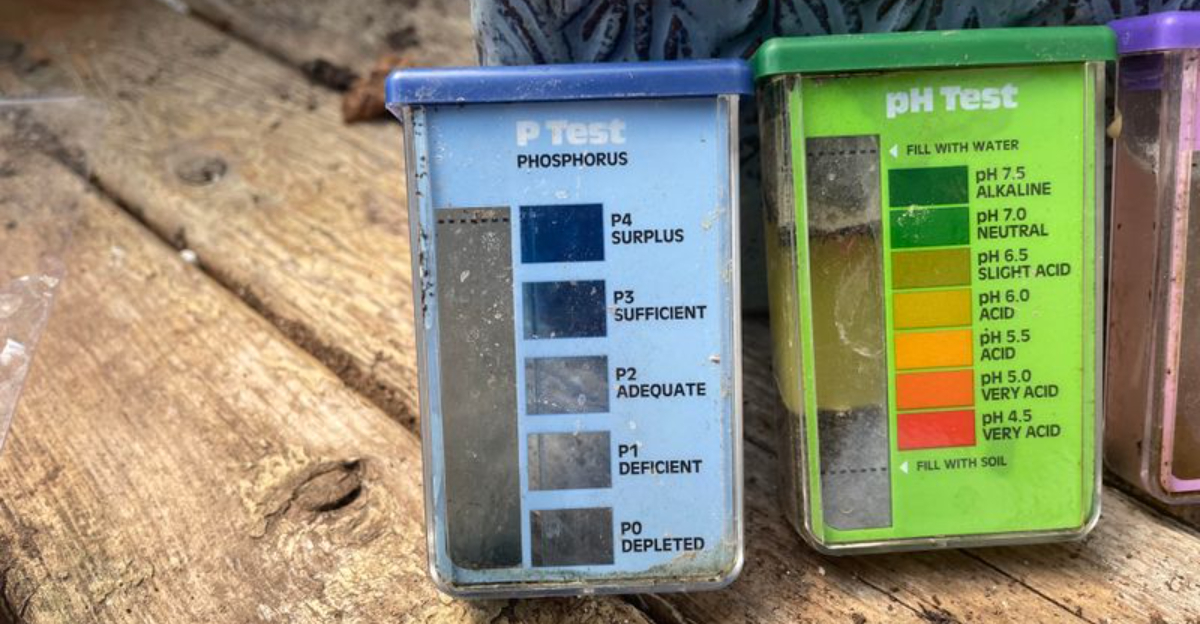
Most gardeners wait until spring to check soil conditions, but winter testing gives amendments time to integrate fully before planting season begins.
Virginia Cooperative Extension offers affordable soil testing kits that reveal pH levels, nutrient deficiencies, and organic matter content in your garden beds.
Knowing your soil’s needs now lets you add lime, sulfur, or compost during winter, allowing these materials months to break down properly.
Lime takes several weeks to adjust soil pH, so applying it in winter means your garden reaches optimal levels by early spring.
Compost spread over beds during cold months breaks down slowly, enriching soil structure and feeding beneficial microorganisms that support healthy plant growth.
Winter rains help work amendments into the soil naturally, saving you the effort of tilling or digging them in manually later on.
Starting spring with balanced, nutrient-rich soil means stronger seedlings, better germination rates, and healthier plants that require less troubleshooting and intervention throughout summer.
3. Prune Dormant Trees And Shrubs

Bare branches make it incredibly easy to spot crossing limbs, damaged wood, and poor growth patterns that need correction before spring growth begins.
Winter pruning causes less stress to plants because they’re dormant, and cuts heal quickly once warm weather triggers new growth in March.
Removing withered or diseased branches now prevents problems from spreading and improves air circulation, reducing fungal issues when humidity increases in spring.
Fruit trees especially benefit from winter pruning in Virginia, as proper shaping encourages better fruit production and makes harvesting much easier later.
Ornamental shrubs respond beautifully to winter trimming, developing fuller, more attractive shapes that enhance your landscape throughout the growing season ahead.
Pruning during dormancy also reduces sap flow, making the job cleaner and preventing attraction of insects that might damage fresh cuts unnecessarily.
Completing this task in winter means one less major chore competing for your attention when spring arrives with its overwhelming list of demands.
4. Organize And Inventory Your Seeds
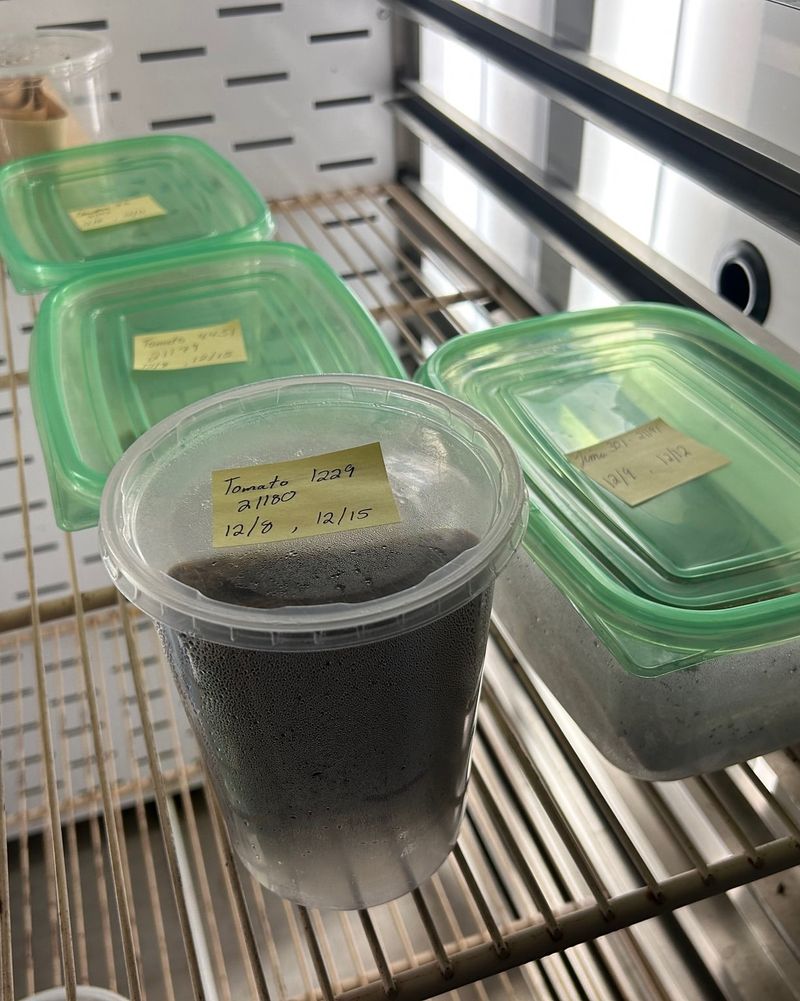
Seed packets scattered in drawers or forgotten in sheds lead to duplicate purchases and missed planting opportunities when spring planting windows open suddenly.
Taking inventory now reveals which seeds remain viable from previous years and which varieties need ordering before suppliers run out of stock.
Most vegetable seeds stay good for two to five years when stored properly, so checking expiration dates prevents wasting time planting duds.
Organizing seeds by planting date creates a simple system that tells you exactly what to plant when Virginia’s last frost passes safely.
Creating labeled containers for cool-season crops, warm-season vegetables, and flowers streamlines your spring workflow and eliminates confusion during busy planting days.
Winter is also ideal for researching new varieties suited to Virginia’s climate, reading reviews, and placing orders before popular selections sell out completely.
A well-organized seed collection saves hours of searching, prevents last-minute scrambles, and ensures you plant everything at the optimal time for success.
5. Build Or Repair Garden Structures
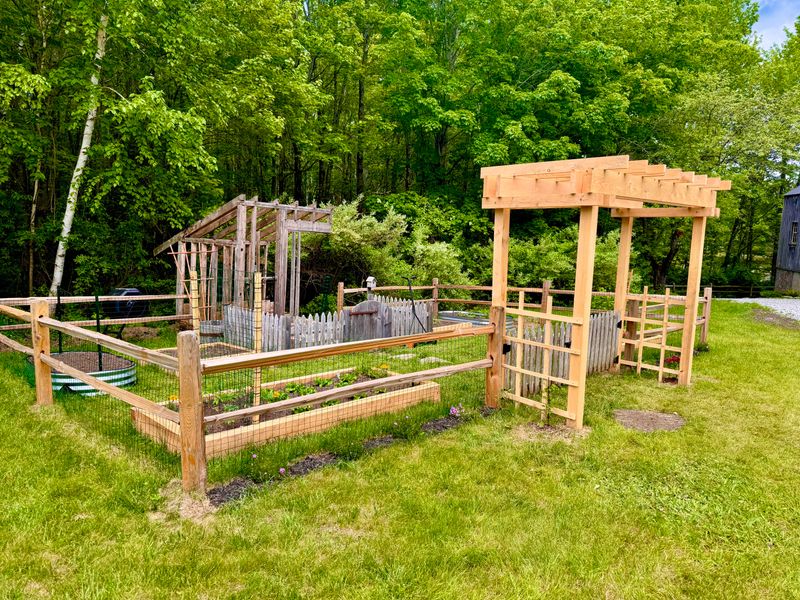
Constructing trellises, raised beds, or cold frames during winter means they’re ready for immediate use when planting season arrives without delay.
Spring’s hectic pace leaves little time for building projects, and trying to construct supports after plants need them often damages tender seedlings.
Winter weather in Virginia provides plenty of mild days perfect for outdoor carpentry without the sweltering heat that makes summer projects miserable.
Repairing wobbly fences, broken gates, or damaged raised bed sides now prevents bigger problems and ensures structures last through another growing season.
Treating wood with weatherproof sealant during dry winter days protects structures from Virginia’s humid summers and extends their lifespan significantly over time.
Building compost bins or potting benches in winter adds functionality to your garden space and makes spring tasks more efficient and enjoyable overall.
Having sturdy, well-built structures ready before planting begins eliminates stress and lets you focus on growing rather than construction when time matters most.
6. Plan Your Garden Layout
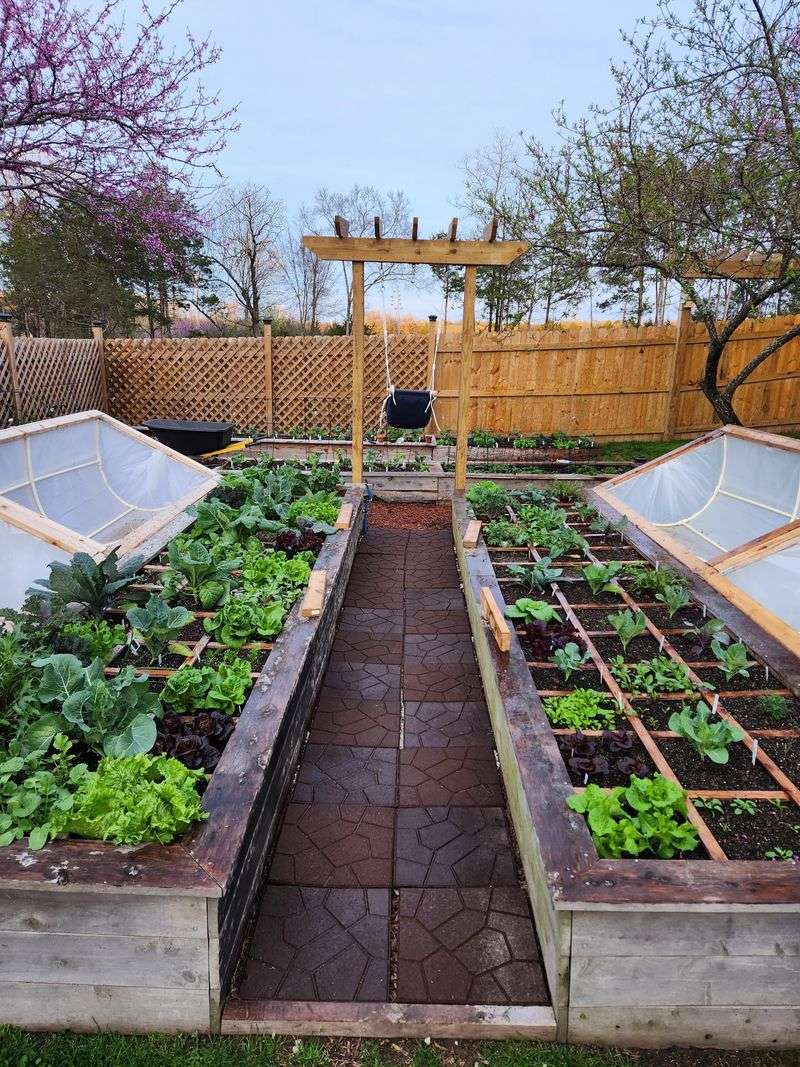
Drawing a detailed garden map during winter prevents the common spring mistake of planting incompatible crops too close together or overcrowding beds.
Planning crop rotation now improves soil health by ensuring you don’t plant the same vegetable families in identical spots year after year.
Companion planting strategies work best when planned ahead, allowing you to position beneficial plant combinations that deter pests and boost growth naturally.
Measuring your beds and calculating spacing requirements prevents buying too many or too few seedlings when nurseries open in early spring.
Sketching pathways, seating areas, and focal points creates a cohesive design that makes your garden both productive and beautiful throughout the season.
Winter planning lets you research which varieties thrive in Virginia’s climate zones, saving money on plants that would struggle or fail anyway.
A solid plan eliminates confusion during planting time, helps you work efficiently, and ensures every plant gets positioned for maximum success and yield.
7. Mulch Perennial Beds
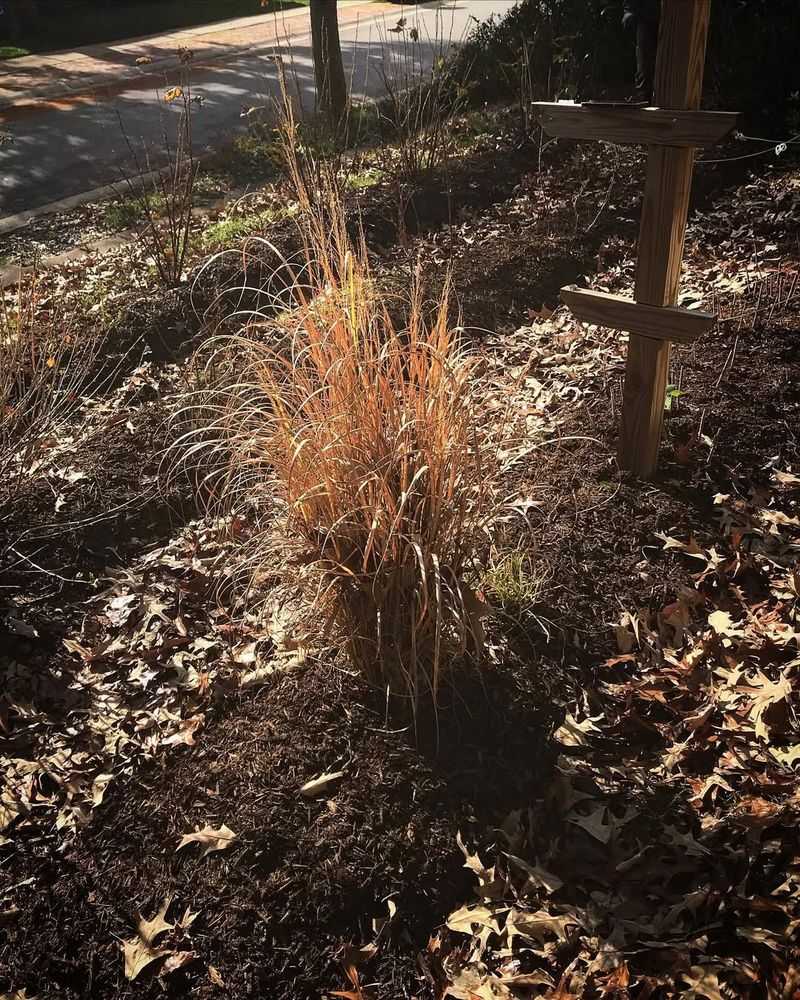
Applying fresh mulch over perennial beds during winter protects plant roots from Virginia’s freeze-thaw cycles that heave plants out of ground.
A three-inch layer of shredded leaves, straw, or wood chips insulates soil, maintaining more consistent temperatures that prevent root damage during fluctuations.
Winter mulch suppresses early weed germination, giving your perennials a head start in spring without competition from aggressive weeds stealing nutrients.
Organic mulches break down slowly over winter, adding valuable organic matter to soil and improving its structure for better water retention later.
Mulching now saves hours of spring weeding and reduces watering needs once warm weather arrives, making garden maintenance far less demanding overall.
Keeping mulch a few inches away from plant crowns prevents rot while still providing protection, a balance that’s easier to achieve now.
This often-forgotten winter task creates healthier perennials that emerge stronger in spring, bloom more abundantly, and require less intervention throughout the growing season ahead.
8. Service Your Lawn Mower And Equipment

Waiting until spring to service equipment often means missing the first mowing opportunities because your mower won’t start or runs poorly initially.
Changing oil, replacing spark plugs, and cleaning air filters during winter ensures machinery fires up immediately when grass begins growing in March.
Sharpening mower blades now creates clean cuts that keep grass healthy, while dull blades tear grass, leaving it vulnerable to disease and stress.
Draining fuel or adding stabilizer prevents carburetor gumming, a common problem that causes expensive repairs and frustrating delays in spring startup.
Inspecting belts, cables, and tires for wear lets you order replacement parts during winter when you have time to shop for deals.
Cleaning equipment thoroughly removes corrosive grass clippings and debris that cause rust and deterioration when left sitting through winter months undisturbed.
Properly maintained equipment starts reliably, runs efficiently, and lasts longer, saving you money and eliminating the stress of breakdowns during peak season.
9. Start A Compost System
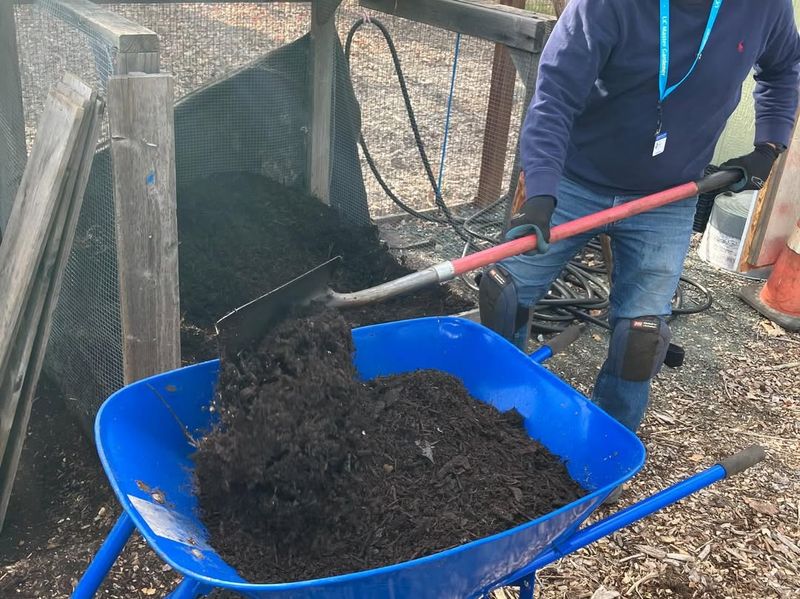
Establishing a compost pile during winter gives organic materials months to decompose into rich soil amendment ready for spring planting needs.
Winter composting works surprisingly well in Virginia’s moderate climate, with decomposition continuing slowly even during colder months when managed properly.
Kitchen scraps, fall leaves, and garden debris layered together create balanced compost that improves soil structure and provides essential nutrients for plants.
Setting up bins or designated areas now means you’re ready to compost continuously, reducing waste and creating free fertilizer for your garden.
Turning compost occasionally during mild winter days speeds decomposition and prevents unpleasant odors from developing in poorly aerated piles over time.
By spring, your winter-started compost will have broken down significantly, providing valuable material to mix into beds before planting begins in earnest.
Starting this sustainable practice during winter saves money on commercial fertilizers and soil amendments while reducing household waste sent to landfills annually.
10. Protect Container Plants
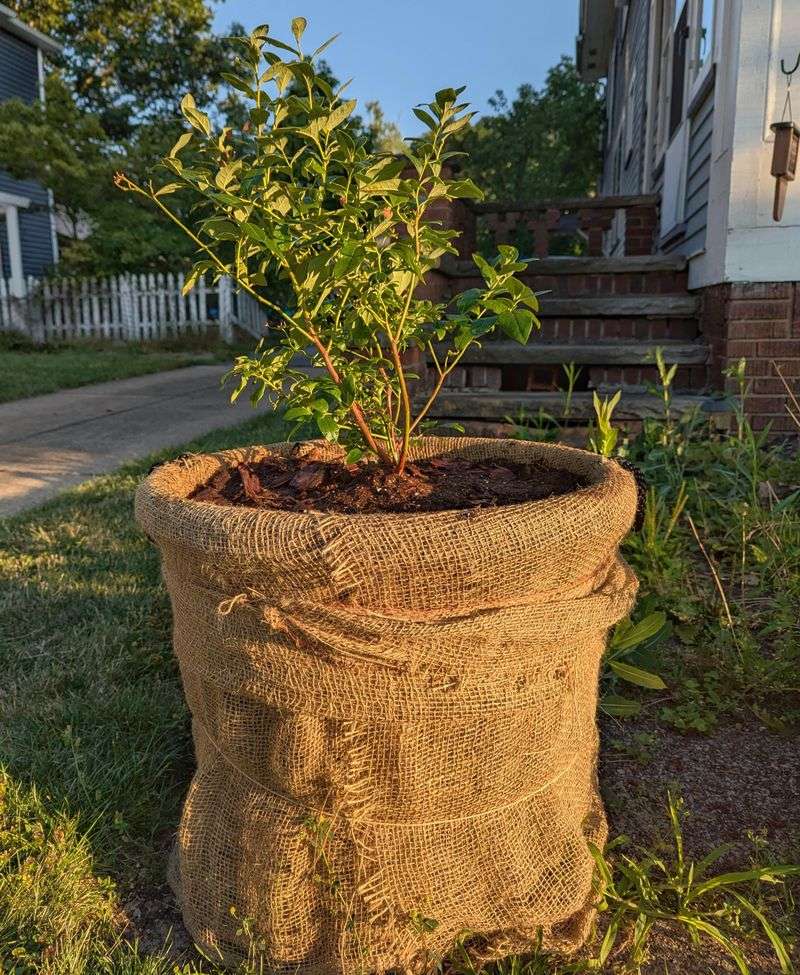
Containers freeze solid far faster than ground soil, putting roots at serious risk during Virginia’s occasional hard freezes throughout winter months.
Moving pots to sheltered locations near house walls or under eaves provides protection from harsh winds and extreme temperature drops overnight.
Wrapping containers with burlap or bubble wrap insulates roots, while elevating pots on bricks improves drainage and prevents water from freezing around bases.
Grouping containers together creates a microclimate where plants shelter each other, reducing individual exposure to damaging cold temperatures and drying winds.
Evergreen container plants need occasional watering during dry winter spells since their foliage continues losing moisture even when growth slows significantly.
Protecting containers now prevents cracked pots and lost plants, saving the expense of replacing both containers and specimens in spring.
Well-protected container gardens emerge from winter healthy and vigorous, ready to resume growth immediately when temperatures warm instead of recovering from damage.
11. Clean And Disinfect Pots And Trays
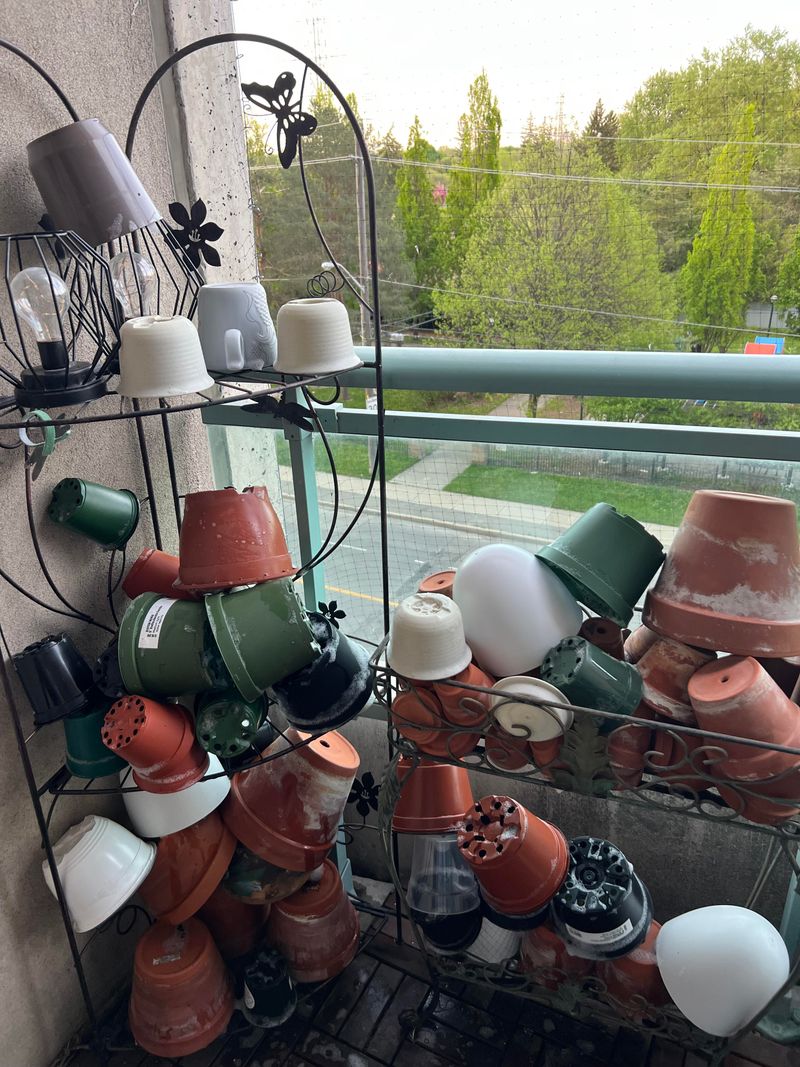
Disease pathogens and pest eggs overwinter in dirty containers, ready to infect new plants when you reuse pots without proper cleaning first.
Scrubbing pots with soapy water removes soil residue, while soaking in diluted bleach solution eliminates harmful bacteria and fungal spores completely.
Winter provides ample time for this tedious but essential task that’s easy to skip when spring planting urgency takes over your schedule.
Clean containers mean healthier seedlings with better germination rates and fewer mysterious problems that plague plants started in contaminated pots or trays.
Organizing clean pots by size after washing makes spring seed starting faster and more efficient, eliminating searching through jumbled stacks later.
Plastic pots last for years when properly cleaned and stored, saving money compared to buying new containers every season unnecessarily.
This simple winter chore prevents devastating seedling losses from damping-off disease and other problems that spread rapidly through contaminated starting containers and equipment.
12. Inspect And Repair Irrigation Systems

Hidden leaks, clogged emitters, and damaged hoses waste water and create dry spots that stress plants once you turn systems back on.
Checking irrigation equipment during winter reveals problems when you have time to order replacement parts and make repairs without rushing frantically.
Flushing lines removes sediment buildup that clogs emitters, ensuring even water distribution across all beds when growing season begins in spring.
Inspecting timer batteries and programming settings now prevents system failures during hot summer weeks when consistent watering becomes absolutely critical for survival.
Repairing or replacing damaged components during winter costs less than emergency fixes during peak season when suppliers charge premium prices for parts.
Properly functioning irrigation saves hours of hand-watering, conserves water through efficient delivery, and keeps plants healthier with consistent moisture levels throughout summer.
This overlooked winter task ensures your watering system works flawlessly from day one, eliminating stress and plant losses from irrigation failures later.
13. Order Bare-Root Plants Early
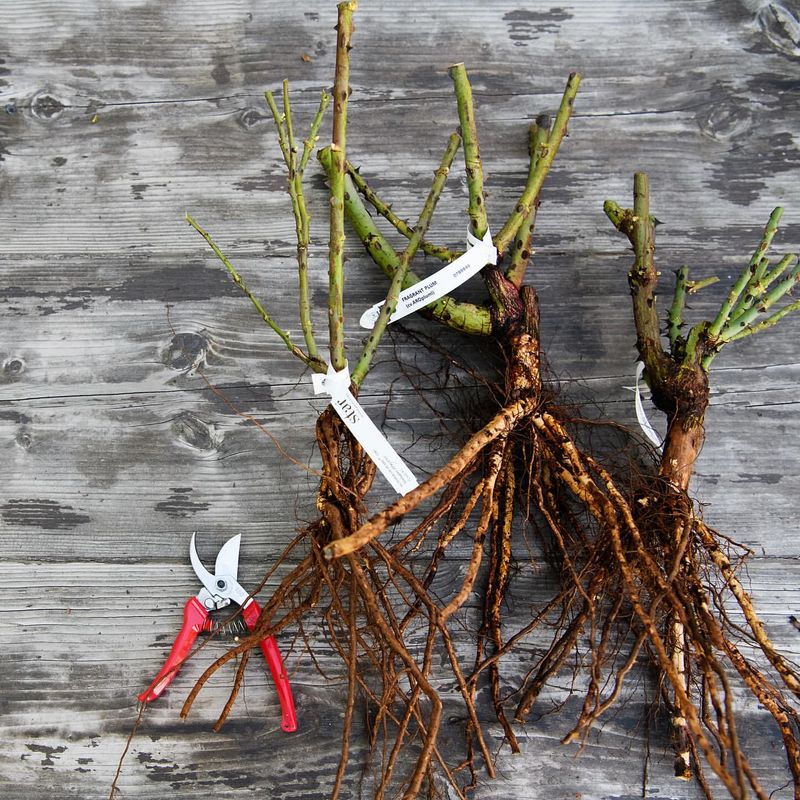
Bare-root trees, shrubs, and perennials offer excellent value and selection, but popular varieties sell out fast if you wait until spring arrives.
Ordering during winter guarantees you get exactly the varieties you want, delivered at the optimal planting time for your Virginia growing zone.
Bare-root plants establish faster than container-grown specimens because roots spread naturally without circling constraints that slow growth and development significantly.
Winter ordering lets you research varieties thoroughly, compare sources, and find the best prices without the pressure of immediate planting deadlines looming.
Many nurseries offer discounts on early orders, rewarding gardeners who plan ahead and helping you save money on quality plant stock.
Receiving plants in late winter or early spring means you can plant them immediately during dormancy, giving roots time to establish before foliage emerges.
Early ordering eliminates disappointment from sold-out favorites and ensures your garden includes exactly the plants you envisioned during your winter planning sessions.
14. Review Last Year’s Garden Journal
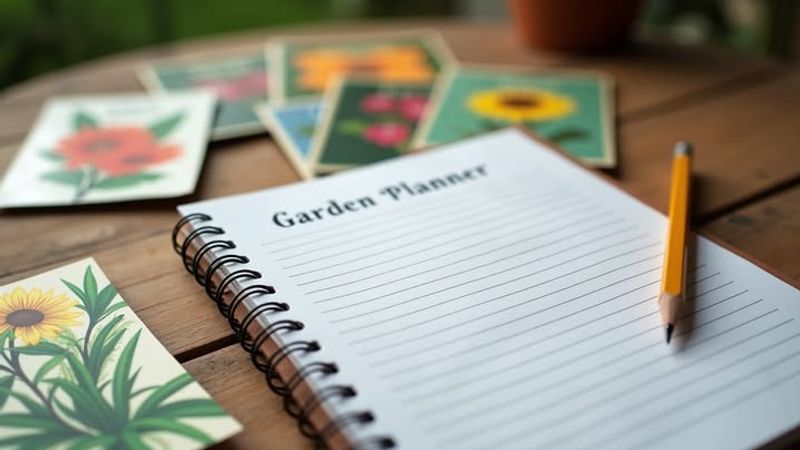
Memory fades quickly, but written records reveal which varieties thrived, which pests caused problems, and when plants reached peak production last season.
Reviewing notes from previous years helps you avoid repeating mistakes and guides decisions about which seeds to order and where to plant them.
Recording bloom times, harvest dates, and weather patterns creates valuable reference information that improves your gardening success year after year steadily.
Photos taken throughout last season remind you which areas looked sparse, which combinations worked beautifully, and where improvements would enhance your landscape.
Notes about pest problems help you plan preventive strategies now, like companion planting or beneficial insect habitats, before issues arise again.
Winter reflection time lets you celebrate successes, learn from challenges, and approach the new season with knowledge that makes you a better gardener.
A thorough journal review transforms random trial-and-error into informed decision-making, helping your Virginia garden improve dramatically with each passing growing season ahead.