9 Foundation Plants That Thrive In Michigan Soil
Michigan soil can be tough to work with, but the right foundation plants can thrive with minimal fuss, providing beauty and structure to your landscape.
Whether you’re looking to add some green around the base of your home or create a strong, low-maintenance border, certain plants are perfectly suited to the state’s soil and climate.
These hardy foundation plants can handle everything from clay-heavy soil to drought periods, all while keeping their shape and color throughout the year.
Choosing the right plants for the foundation of your garden is crucial for creating a solid, long-lasting landscape that doesn’t require constant attention.
With these 9 foundation plants, you can create a beautiful, sturdy base for your garden that thrives in Michigan’s unique growing conditions.
1. Boxwood
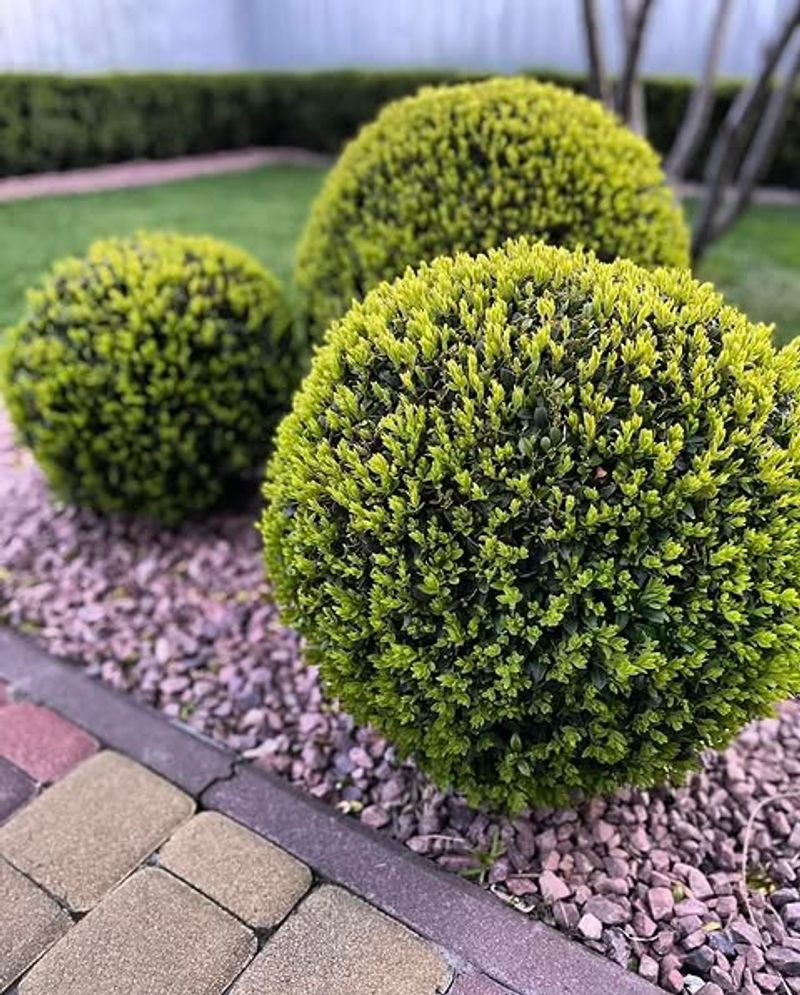
Few shrubs deliver the clean, polished look that boxwood brings to a Michigan home’s foundation.
Buxus sempervirens, commonly called Common Boxwood, is an evergreen shrub that holds its deep green color through every season, including Michigan’s famously harsh winters.
That year-round structure is exactly what many homeowners are looking for when designing a low-maintenance landscape.
Planting boxwood in well-drained soil is the single most important step you can take for long-term success. Michigan’s clay-heavy soils can hold too much water, so mixing in compost or planting on a slight slope helps drainage significantly.
Partial to full sun works best, and giving each shrub enough space for airflow reduces the risk of fungal problems, which boxwood can be prone to in humid conditions.
Winter burn is a real concern in Michigan, where cold winds can dry out evergreen leaves fast. Placing boxwoods in a sheltered spot near your home’s foundation naturally blocks harsh winds and keeps the plants looking their best through February.
Wrapping young plants in burlap during the first couple of winters gives them extra protection while they settle in.
Once established, boxwood is surprisingly tough and rewards minimal care with years of tidy, structured beauty along any Michigan foundation.
2. Arborvitae
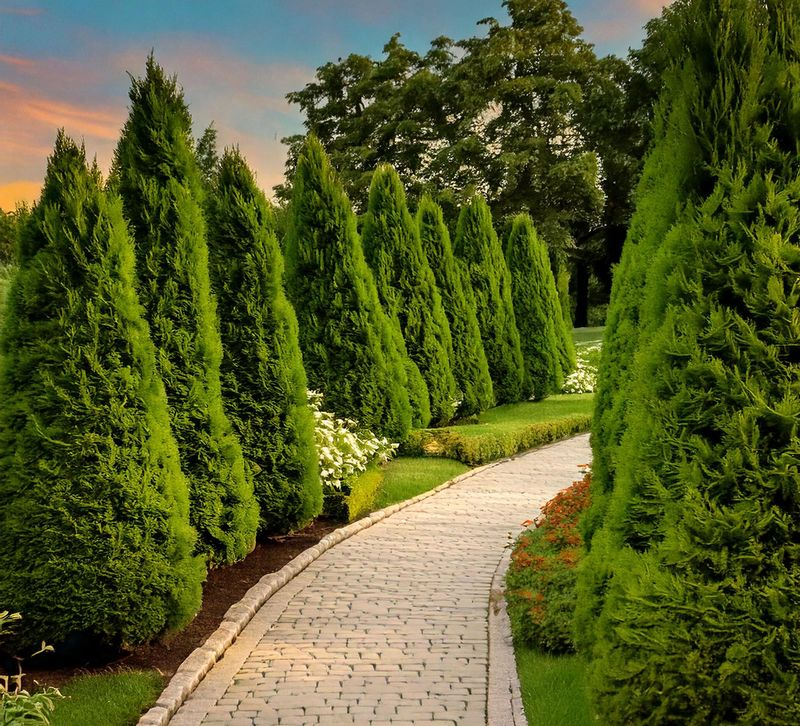
Arborvitae is practically a Michigan gardening classic, and for very good reason.
Thuja occidentalis, the American Arborvitae, is actually native to the Great Lakes region, which means it already knows how to handle Michigan winters without much help from you.
Its tall, columnar shape makes it a natural privacy screen and a strong visual anchor along any home’s foundation.
One of the best things about this tree is how forgiving it is when it comes to soil. It grows well in sandy soils, loamy soils, and even the heavier clay soils common across much of Michigan.
Planting in full sun gives arborvitae the energy it needs to grow dense and full, while proper spacing based on your chosen cultivar prevents crowding as the plants mature over the years.
Watering consistently during the first growing season is key to getting arborvitae established quickly and strongly.
Michigan summers can swing between wet and dry spells, so checking soil moisture every few days through the first year pays off in healthier, faster-growing plants.
Smaller cultivars like ‘Emerald Green’ stay compact and tidy without heavy pruning, making them ideal for foundation plantings near windows or entryways.
Once rooted in Michigan soil, arborvitae stands strong through ice, snow, and everything else the Great Lakes state throws at it.
3. Hydrangea
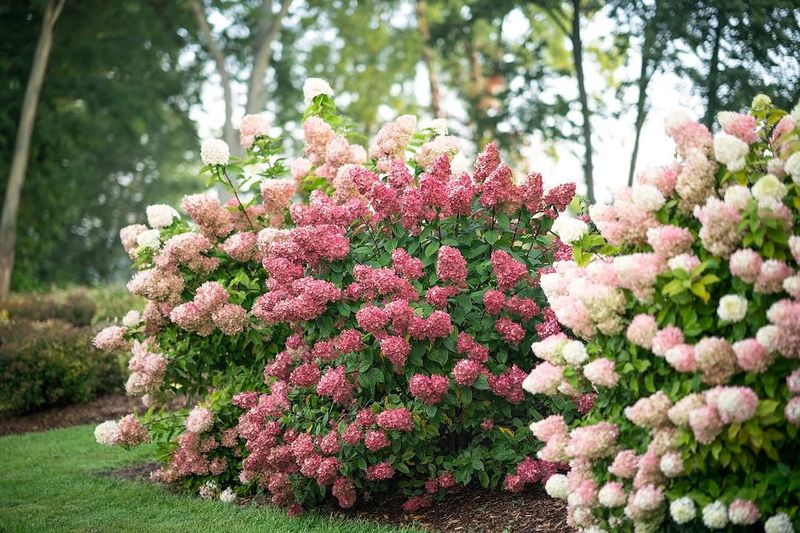
Big, dramatic flower clusters and serious cold hardiness make panicle hydrangea one of the most exciting foundation plants you can grow in Michigan.
Hydrangea paniculata blooms on new wood each year, which means even after a rough Michigan winter strips the old growth, the plant bounces back and produces gorgeous flowers come summer.
That reliability is something Michigan gardeners truly appreciate.
Choosing the right spot matters a lot with this shrub. Full sun to partial shade works well, and Michigan’s long summer days give panicle hydrangea plenty of light to fuel those massive flower heads.
The blooms typically start white or cream in July and gradually shift to soft pink or rose tones as fall approaches, giving your foundation a changing color show that lasts for months.
Pruning is simple and actually encourages better blooms the following season. Cut stems back in late winter or early spring before new growth begins, removing about one-third of the plant’s height to stimulate strong new shoots.
Panicle hydrangea tolerates a range of soil types found across Michigan, from sandy southern soils to heavier northern clay.
Popular cultivars like ‘Limelight’ and ‘Quick Fire’ have been proven performers in Michigan landscapes and bring an almost show-stopping quality to foundation beds throughout the warm season.
4. Ninebark
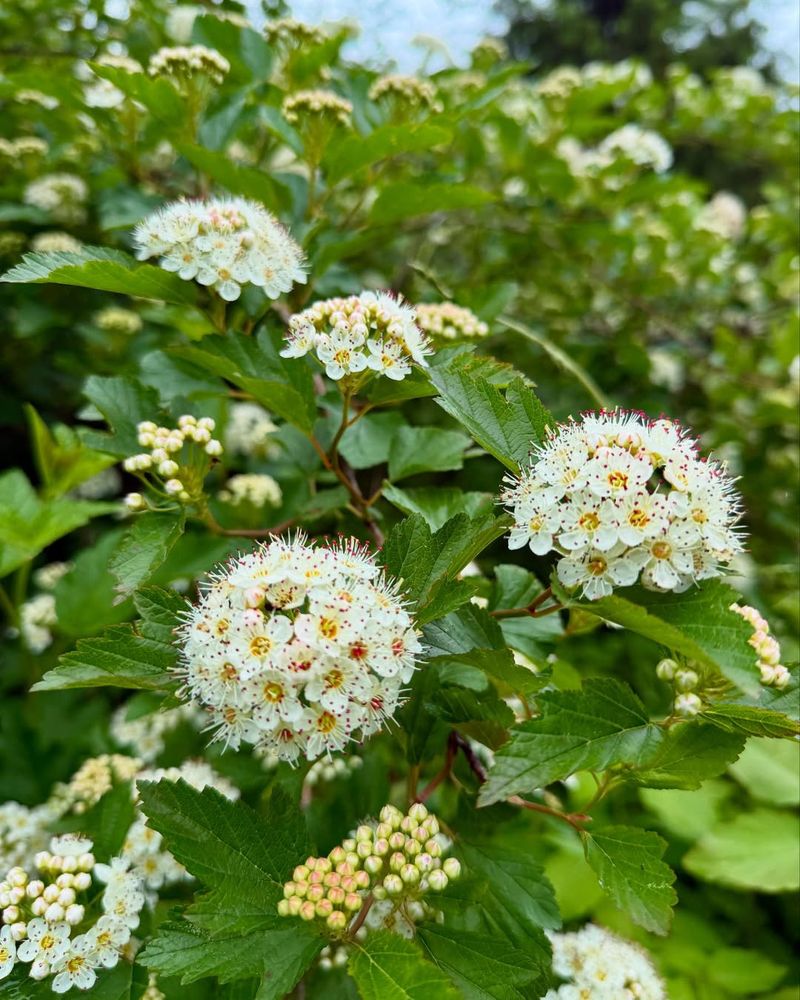
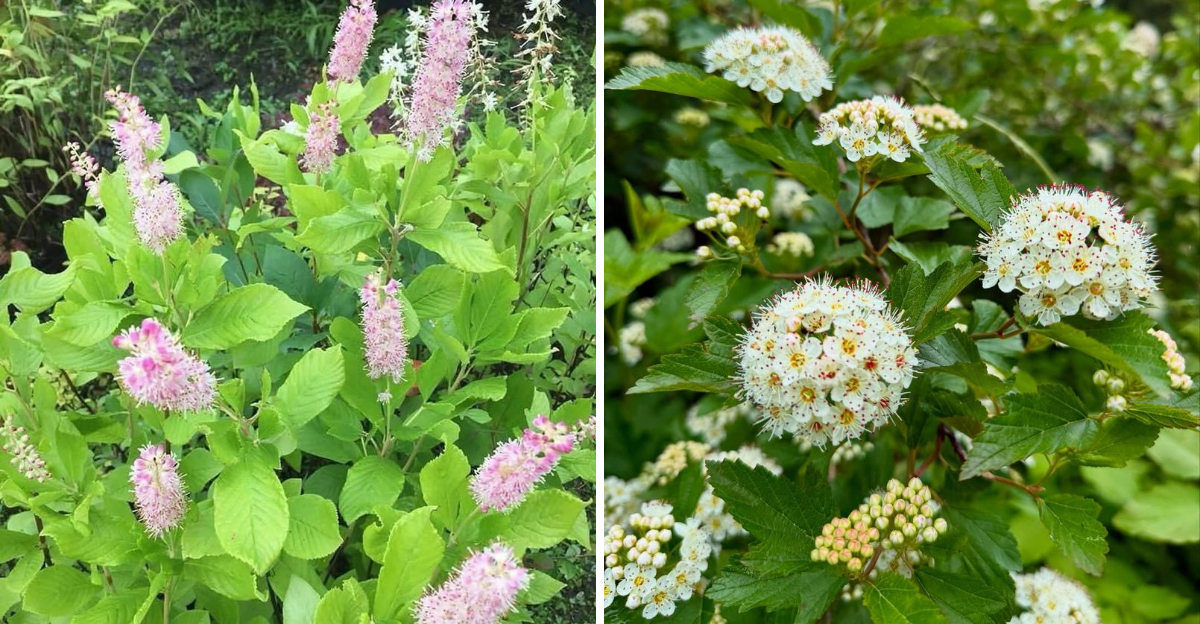
Ninebark is the kind of plant that makes Michigan gardeners feel like they found a secret weapon. Physocarpus opulifolius is a native shrub of the Midwest and Great Lakes region, so it evolved right alongside Michigan’s climate and soil conditions.
That native heritage translates directly into toughness, adaptability, and very low maintenance once the plant settles in.
Clay soil, drought, and cold winters are the three biggest challenges in many Michigan yards, and ninebark handles all three without complaint.
The shrub produces clusters of small white or pale pink flowers in spring that attract bees and butterflies, adding wildlife value along with visual interest.
After the flowers fade, the foliage takes center stage, with popular varieties like ‘Diablo’ and ‘Coppertina’ offering deep burgundy and copper tones that contrast beautifully against a home’s exterior.
Planting ninebark in full sun to partial shade gives it the best chance to develop rich, vibrant foliage color throughout the growing season. In shadier spots the color may be less intense, though the plant still grows well and provides solid structure.
Ninebark grows fairly quickly, reaching six to ten feet tall depending on the variety, so placing it thoughtfully relative to windows and entryways makes a big difference.
For Michigan homeowners who want a bold, colorful, and nearly indestructible foundation shrub, ninebark consistently delivers season after season.
5. Spirea
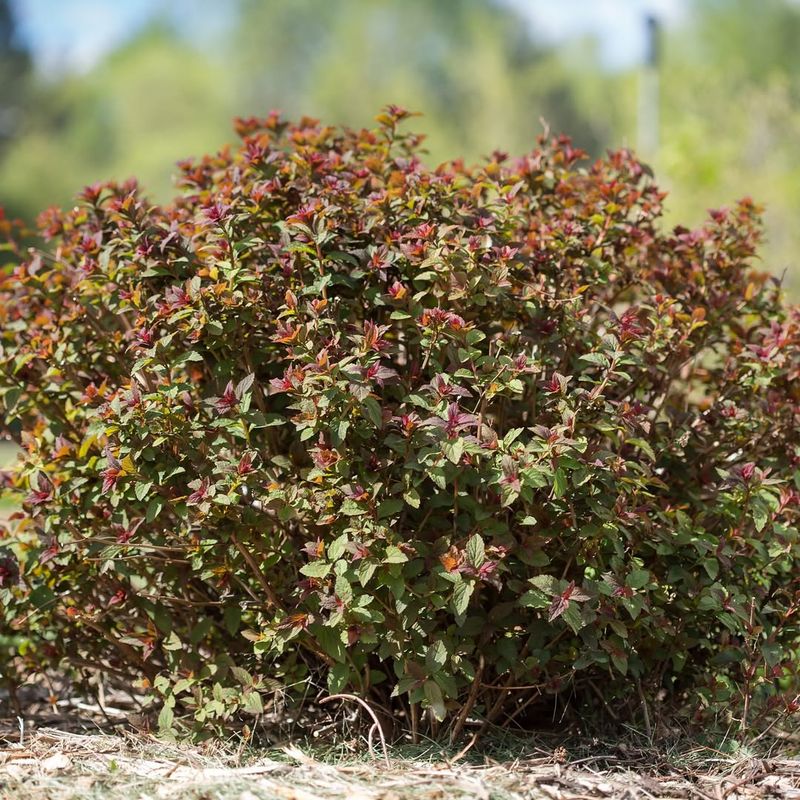
Spirea has earned its place in Michigan foundation gardens through decades of reliable performance.
Spiraea japonica, commonly called Japanese Spirea, is a compact, flowering shrub that produces cheerful clusters of pink, red, or white flowers through much of the summer.
It is the kind of plant that looks great in a photo and even better in person when it is blooming at full strength.
Michigan winters do not slow this shrub down at all. Japanese Spirea is cold hardy well into USDA Zone 4, which covers most of Michigan’s lower and upper peninsulas with room to spare.
Planting in full sun brings out the best flower production and keeps the foliage looking its most vibrant, while partial shade is tolerable if your foundation area does not get direct light all day.
Pruning in early spring, just before new growth emerges, keeps spirea tidy and actually encourages a flush of fresh foliage and heavier blooming.
Using spirea as a low hedge or continuous border along a foundation creates a cohesive, professional look that frames a home beautifully.
Varieties like ‘Gold Flame’ and ‘Little Princess’ stay naturally compact, reaching only two to three feet tall, which makes them ideal for planting beneath windows without blocking views.
For a Michigan gardener who wants color, ease, and reliability, spirea checks every box.
6. Inkberry Holly
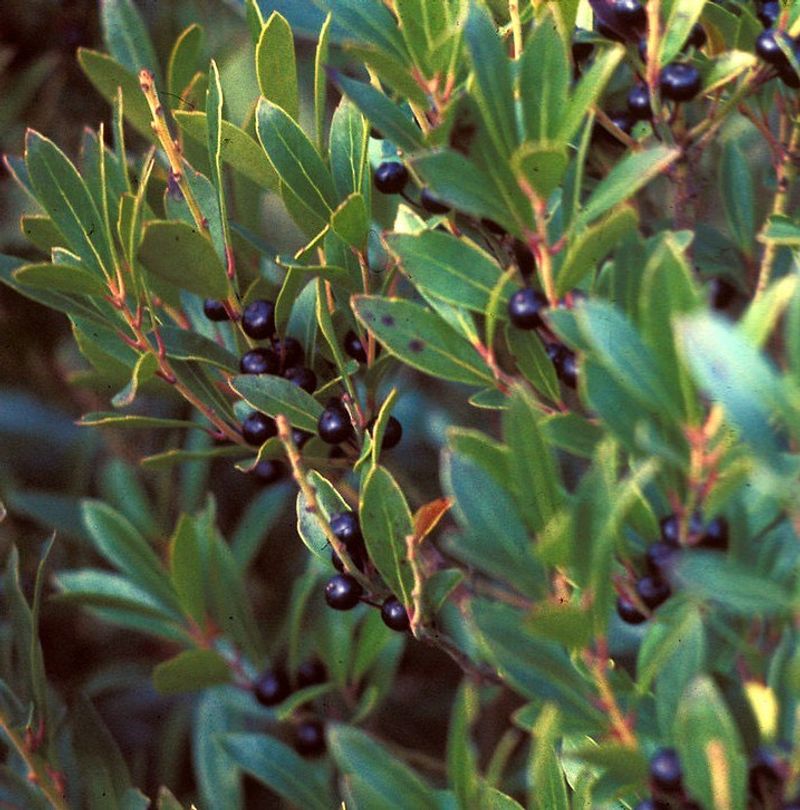
Not every foundation spot in Michigan gets full sun, and that is exactly where Inkberry Holly becomes a real standout.
Ilex glabra is a native evergreen shrub that thrives in the kind of moist, partially shaded conditions that challenge many other plants.
Its glossy dark green leaves stay attractive through all four seasons, providing consistent color and texture even during Michigan’s grey winter months.
Michigan landscapes often include low-lying areas or spots near downspouts where water collects, and inkberry actually welcomes those moist conditions rather than struggling with them.
It also tolerates acidic soils, which are common in many parts of the state, particularly in areas with sandy or organic-rich ground.
The small black berries that appear in fall and winter are a bonus, attracting birds like robins and cedar waxwings to your yard during the colder months.
Planting inkberry in full sun to partial shade gives you flexibility when working with tricky foundation spots. Light pruning in early spring helps maintain a neat, rounded shape without stressing the plant.
Compact varieties like ‘Compacta’ and ‘Shamrock’ stay in the three to four foot range, making them easy to manage near entryways and pathways.
For Michigan homeowners dealing with wet or shaded foundation areas, inkberry holly is one of the most practical and visually appealing solutions available in any nursery.
7. Summersweet
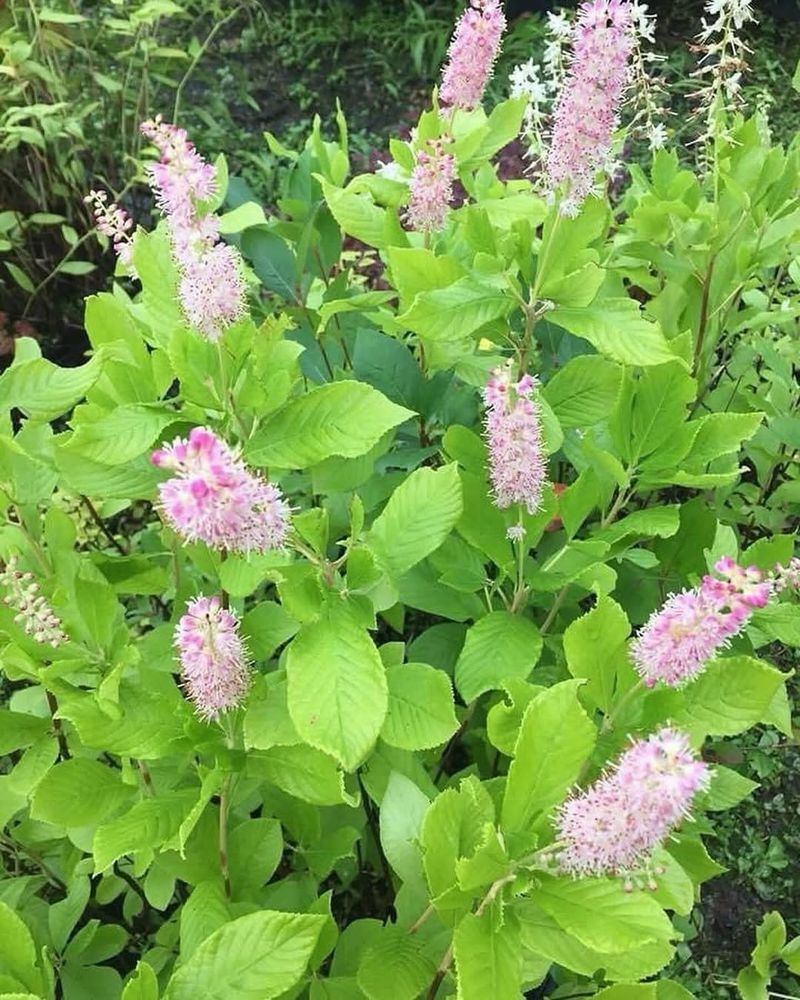
Walk past a blooming summersweet on a warm Michigan afternoon and the fragrance alone will stop you in your tracks.
Clethra alnifolia produces tall spikes of tiny white or pale pink flowers in mid to late summer, right when most other flowering shrubs have already finished for the season.
That late-season bloom window makes it incredibly valuable for keeping Michigan foundation beds interesting through August and into September.
Beyond the fragrance, summersweet is a pollinator magnet. Bees, butterflies, and hummingbirds visit the flowers regularly, turning your foundation planting into a lively, buzzing garden scene during the hottest weeks of the Michigan summer.
The shrub is a native North American species, so it is naturally adapted to the region’s rainfall patterns and temperature swings without needing extra coaxing.
Moist, well-drained soil is the sweet spot for summersweet, and Michigan’s higher rainfall years actually suit it very well.
Partial sun works best, though it tolerates more shade than many flowering shrubs, making it useful for north-facing or east-facing foundation areas.
The fall foliage turns a warm golden yellow before dropping, adding one more season of visual interest to the plant’s impressive resume.
Varieties like ‘Ruby Spice’ bring deeper pink flowers and a slightly more compact habit, fitting neatly into most Michigan foundation bed designs without overwhelming the space.
8. Red Twig Dogwood
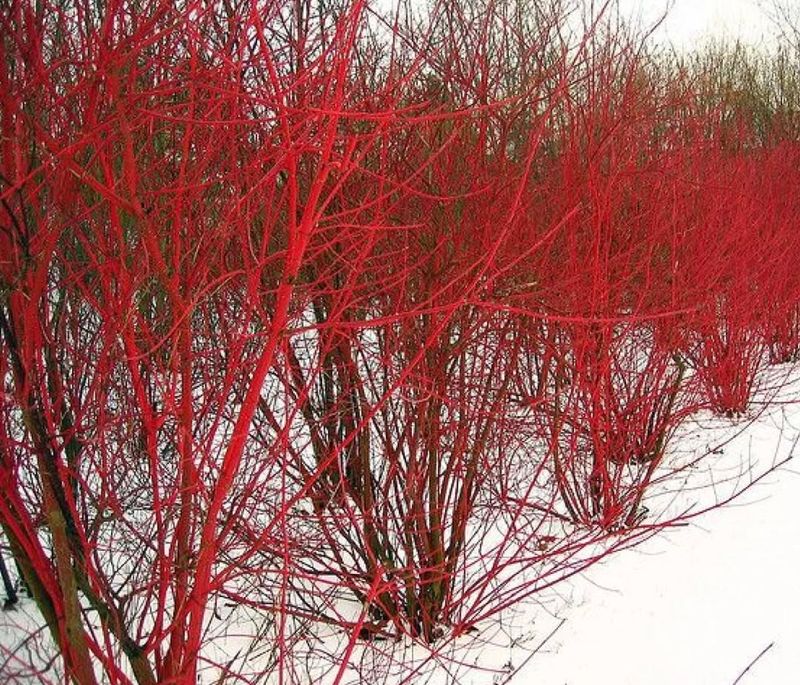
When Michigan winters strip most plants of their leaves and color, Red Twig Dogwood steps up and steals the show.
Cornus sericea is a native shrub whose younger stems turn a vivid, fire-engine red in the cold months, creating a striking contrast against snow-covered Michigan landscapes.
Honestly, it might be the most visually dramatic foundation plant you can grow once the temperatures drop below freezing.
During the warmer months, the plant earns its keep in a completely different way. Small clusters of white flowers appear in spring and attract pollinators, while the green foliage provides a lush, full backdrop throughout summer.
The shrub tolerates clay soils and moist conditions very well, which makes it an excellent fit for Michigan yards with drainage challenges or low spots near the foundation.
Planting in full sun to partial shade works for this shrub, though more sun generally means more intense red stem color in winter. The key to keeping that brilliant red color at its best is pruning out the older, darker stems each spring.
New growth produces the brightest color, so removing stems that are more than two or three years old encourages the plant to push out fresh, vivid shoots.
Varieties like ‘Cardinal’ and ‘Baileyi’ are proven performers in Michigan and stay manageable with regular seasonal attention.
9. Yew
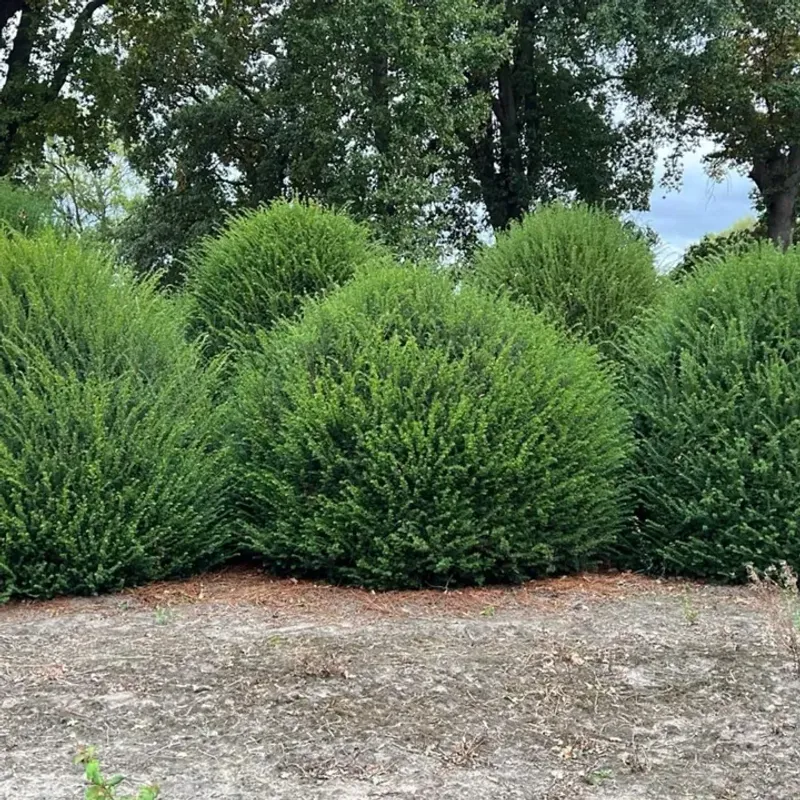
Yew has been a foundation planting staple in Michigan for generations, and its track record speaks for itself.
Taxus x media, the Anglo-Japanese Yew, is an evergreen shrub that holds its deep, rich green color through every Michigan winter without flinching.
Its dense, layered foliage gives any home’s foundation a polished, classic appearance that works with virtually every architectural style.
One of yew’s biggest advantages is its tolerance for shade. Many Michigan homes have north-facing or east-facing foundation areas that receive limited sunlight, and yew handles those conditions better than almost any other evergreen shrub.
It also adapts well to the areas directly next to buildings where roof overhangs reduce rainfall and reflected heat from walls can stress less durable plants.
Well-drained soil is the one condition yew truly insists on, since standing water around the roots causes serious problems over time.
Amending heavy Michigan clay with compost before planting significantly improves drainage and gives yew the best possible start.
Pruning is straightforward and can be done in late winter or early summer to maintain the desired shape, whether you prefer a formal hedge look or a softer, more natural mound.
Popular cultivars like ‘Densiformis’ and ‘Tauntonii’ are compact and cold hardy, making them ideal choices for Michigan foundation beds that need year-round structure and dependable evergreen beauty.