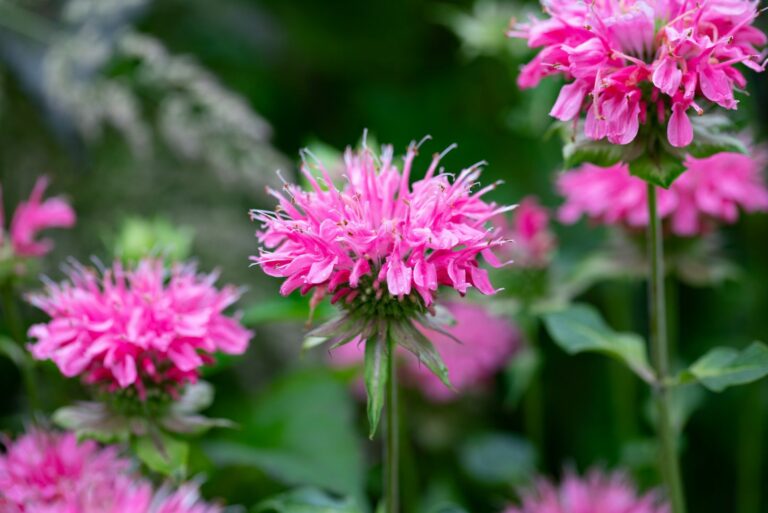
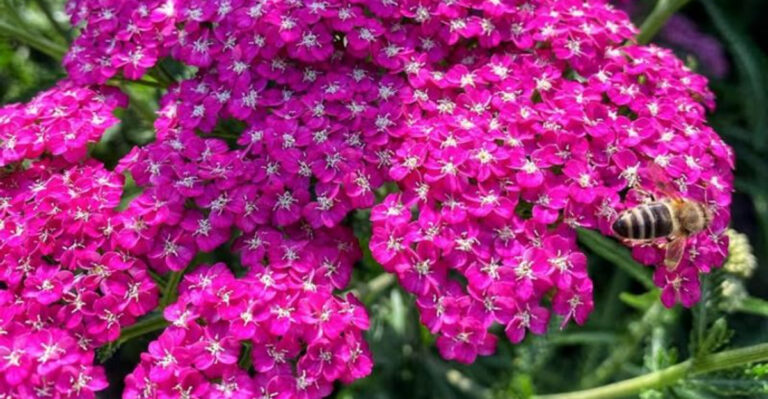
8 Fragrant Plants That Also Attract Pollinators To Your Pennsylvania Garden
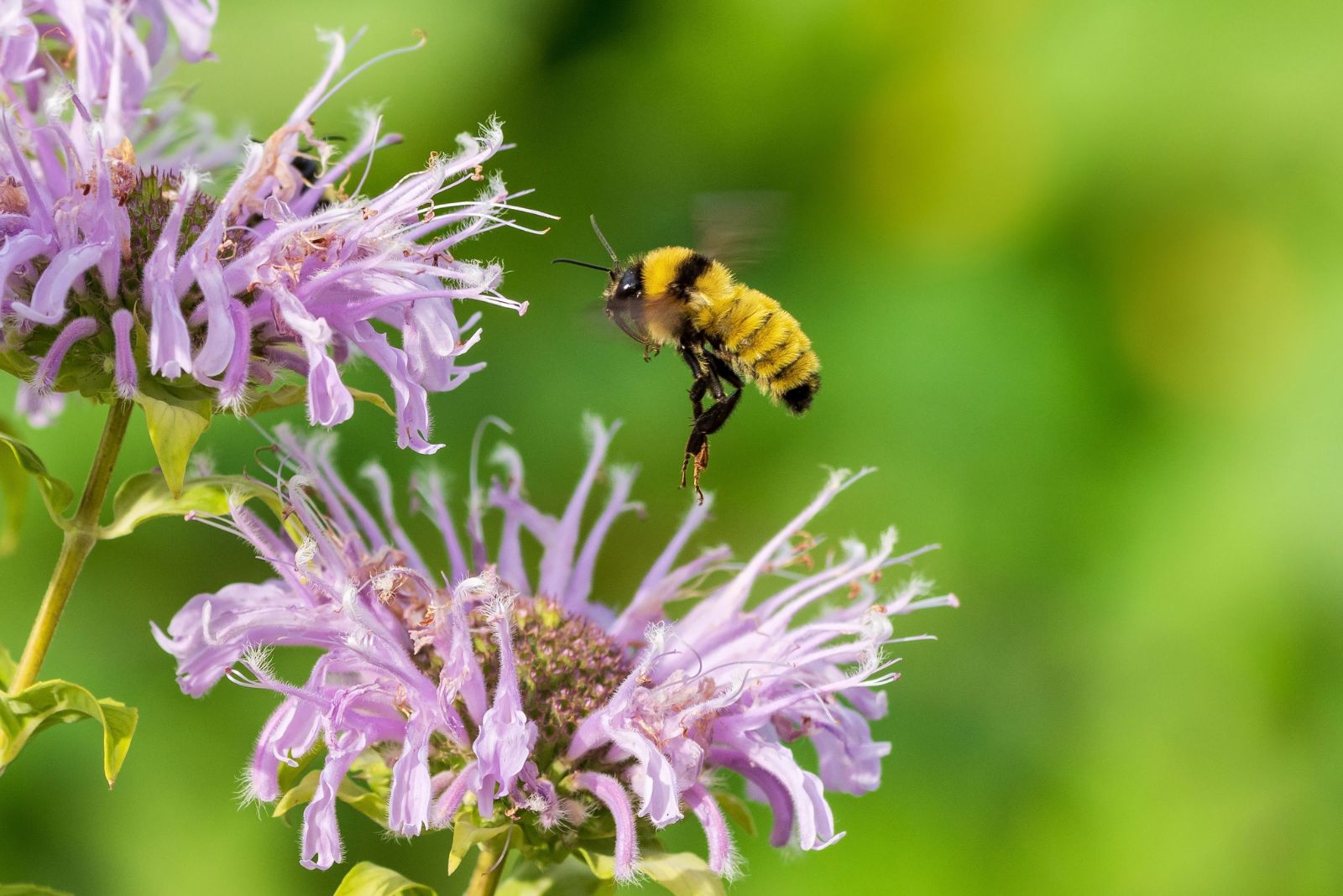
If you want your Pennsylvania garden to be as busy as it is beautiful, consider planting fragrant flowers that also attract pollinators.
These plants do more than just smell amazing – they’re a magnet for bees, butterflies, and other pollinators that play a crucial role in your garden’s health.
Not only will your garden be filled with delightful aromas, but it will also support a thriving ecosystem right in your backyard.
The best part? Fragrant plants are available in a variety of colors, shapes, and sizes, so you can create a stunning, aromatic landscape while giving your pollinators a feast.
From lavender to bee balm, these plants are not only visually appealing but also provide the nutrients that local pollinators need.
By adding these scent-filled, pollinator-friendly plants, you’re creating a garden that’s both vibrant and eco-friendly, all while helping to ensure the future of these important creatures.
1. Bee Balm
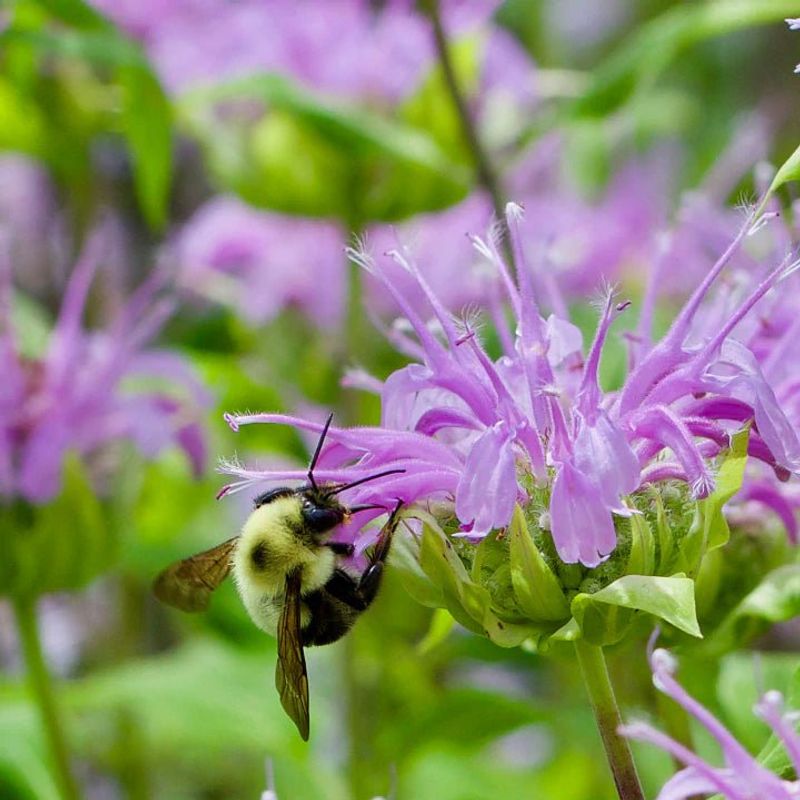
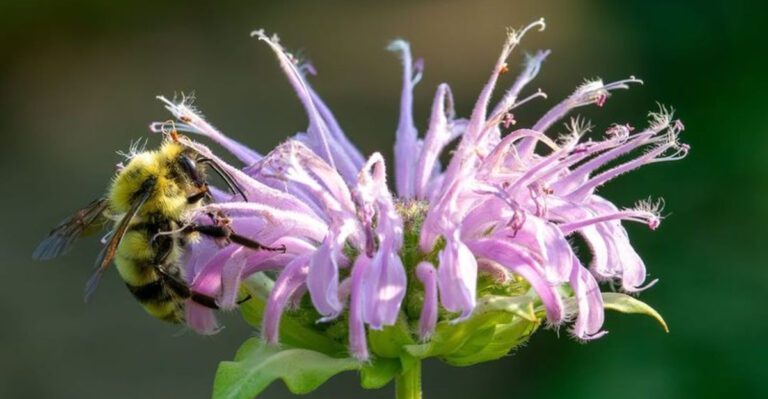
Walk past a patch of Bee Balm on a warm Pennsylvania afternoon and you will immediately catch its bold, minty fragrance drifting through the air.
This cheerful perennial is one of the best plants you can add to your garden if you want to attract bees, butterflies, and hummingbirds all season long.
The blooms come in striking shades of red, pink, and purple, making it a real showstopper in any garden bed.
Bee Balm thrives in full sun and prefers moist, well-drained soil. It grows well across Pennsylvania because the state’s warm summers and moderate rainfall create ideal conditions.
Plant it along garden borders or near a patio where you can enjoy both the fragrance and the constant parade of pollinators it brings in.
One fun fact: Native Americans used Bee Balm leaves to make a soothing tea, and the plant has been valued for its herbal properties for centuries. It spreads over time, so dividing clumps every few years keeps it looking full and healthy.
Water regularly during dry spells, and give it plenty of space to grow. With a little care, Bee Balm will reward you with weeks of fragrant, colorful blooms that turn your Pennsylvania garden into a lively hub for pollinators of all kinds.
2. Lavender
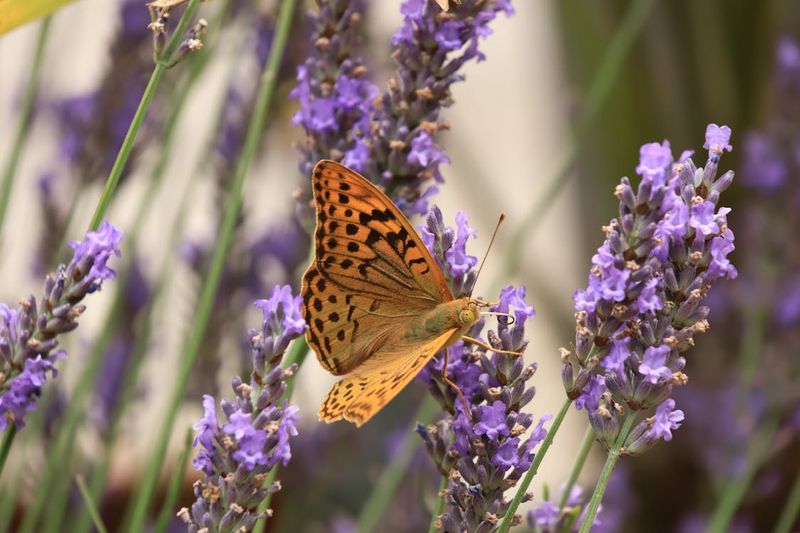
Few plants can match the calming, sweet scent of lavender on a breezy summer day. Gardeners across Pennsylvania love growing lavender because it smells incredible, looks gorgeous, and practically hums with bee activity when it is in full bloom.
Bees are especially drawn to lavender’s rich nectar, and you will often see several visiting a single plant at the same time.
Lavender loves full sun and well-drained soil, which makes it a natural fit for Pennsylvania’s climate, especially in areas with sandy or rocky ground. Avoid planting it in spots where water tends to collect, as soggy roots can cause problems.
Raised beds and sloped garden areas work especially well for keeping lavender healthy and productive year after year.
Beyond attracting pollinators, lavender has so many practical uses around the home. You can dry the flower stems and use them in sachets, wreaths, or even cooking.
Trimming spent blooms encourages new growth and keeps the plant tidy throughout the season. Lavender is also fairly resistant to deer, which is a welcome bonus for many Pennsylvania gardeners who deal with browsing wildlife.
Plant it near a walkway or garden entrance so you get a gentle whiff of its lovely fragrance every time you pass by. It is truly a plant that gives back in countless ways.
3. Coneflower
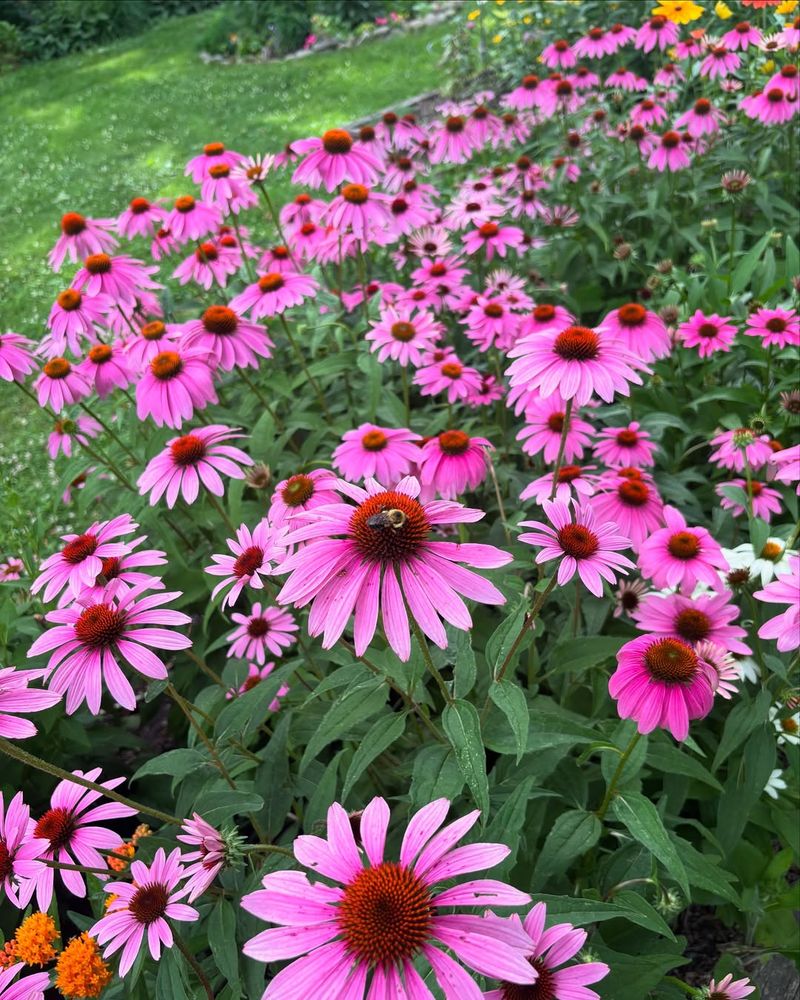
There is something almost magical about a garden full of purple coneflowers swaying in a late summer breeze. Coneflower, also known as Echinacea purpurea, is a tough, reliable perennial that thrives in Pennsylvania gardens with very little fuss.
Its earthy, mildly sweet fragrance may be subtle, but pollinators notice it right away. Bees and butterflies flock to the bold pink and purple blooms from midsummer all the way into fall.
One of the best things about coneflower is how easygoing it is. Plant it in a sunny spot with well-drained soil and it will come back stronger every year.
It handles dry spells better than many other garden plants, making it a smart choice for Pennsylvania summers when rainfall can be unpredictable. Once established, coneflower rarely needs much attention at all.
Leaving the seed heads standing through winter is a great idea because birds like goldfinches love to feed on them during the colder months. This makes coneflower a plant that supports wildlife well beyond the growing season.
It also works beautifully in cut flower arrangements, bringing that cheerful garden feel indoors. Native to North America, coneflower has a long history of use in herbal medicine, with its roots being valued for immune support.
Adding a cluster of coneflowers to your Pennsylvania garden is one of the easiest ways to boost pollinator activity all season long.
4. Sweet Peas
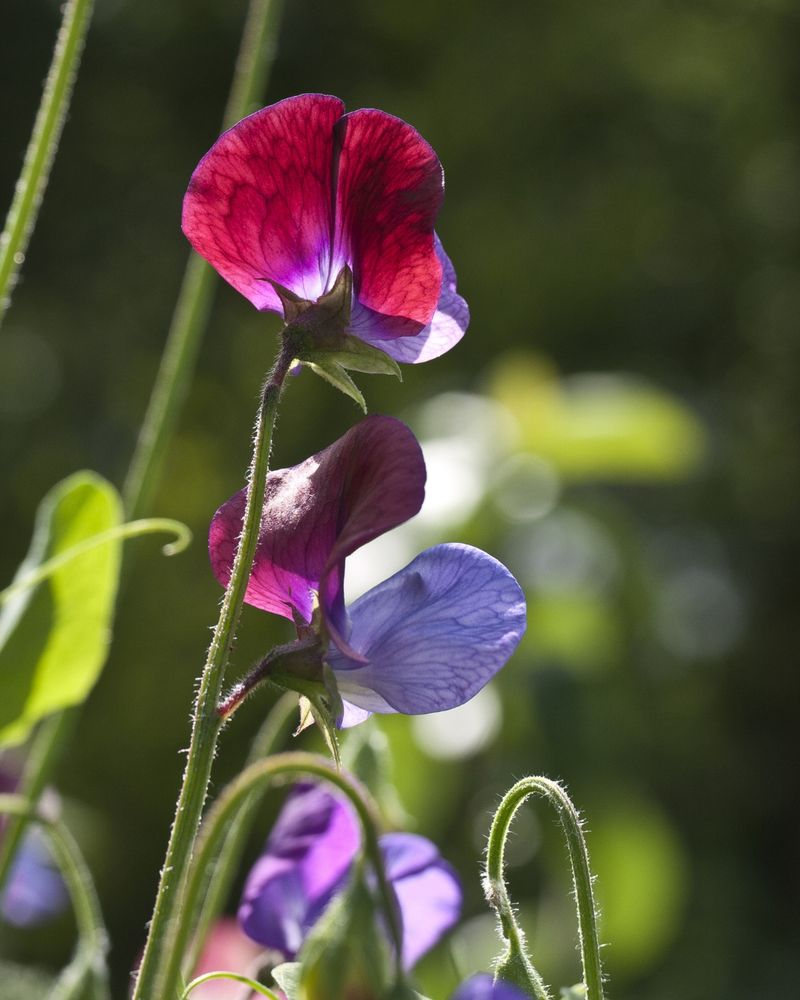
Sweet peas are the kind of flower that makes people stop and lean in for a closer smell. Their fragrance is light, floral, and utterly delightful, and it tends to be strongest in the cool morning hours.
Bees and butterflies absolutely love them, drawn in by both the scent and the cheerful clusters of pink, purple, and red blooms that appear from late spring into early summer in Pennsylvania.
Growing sweet peas on a trellis or fence is a fantastic way to add vertical interest to your garden while giving pollinators an easy place to land and feed.
They prefer cooler, moist conditions, which makes Pennsylvania’s spring weather ideal for getting them off to a strong start.
Sow seeds directly in the ground in early spring, as soon as the soil can be worked, for the best results.
Keep in mind that sweet peas are annual plants, meaning they complete their full life cycle in one growing season. But the good news is that they are easy and affordable to grow from seed each year.
Regular deadheading, which means removing spent flowers, encourages the plant to keep producing new blooms. Sweet peas also make stunning cut flowers with a fragrance that fills a whole room.
Placing a small vase of freshly cut sweet peas on a kitchen table is one of those simple joys that Pennsylvania gardeners look forward to every spring without fail.
5. Peonies
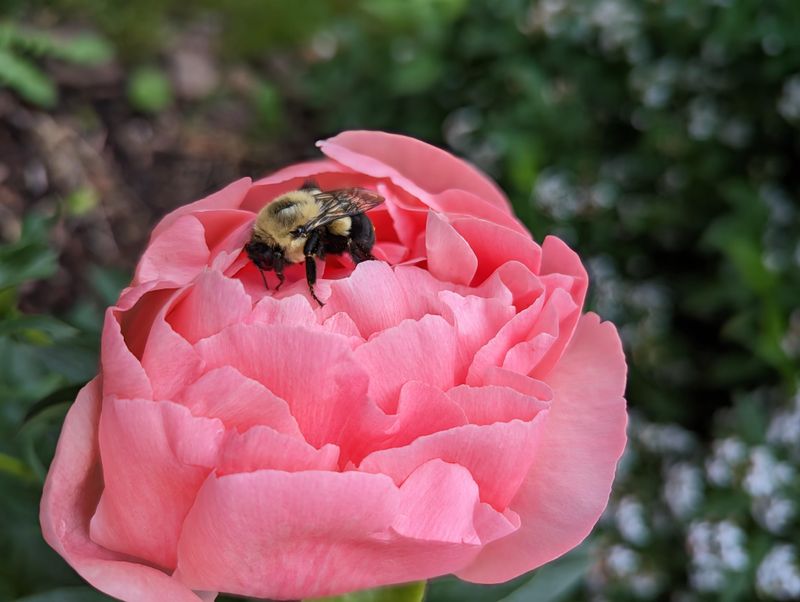
Peonies have been a beloved garden staple for generations, and it is easy to understand why. Their blooms are enormous, lush, and loaded with a sweet, rich floral fragrance that carries beautifully on a warm Pennsylvania breeze.
Bees are especially fond of peonies because the large, open flowers make it incredibly easy to access the pollen. You will often spot several bees happily working through a single bloom at once.
Planting peonies in a sunny spot with well-drained soil gives them the best chance to thrive. They are surprisingly long-lived perennials, with some plants known to bloom reliably for decades with minimal care.
Pennsylvania’s cold winters actually work in their favor, since peonies need a period of cold temperatures each year to set their flower buds properly. Once established, they are remarkably low-maintenance.
A fun gardening tip: avoid planting peonies too deep in the soil. The buds, called eyes, should sit no more than two inches below the surface.
Planting too deep is one of the most common reasons peonies fail to bloom. Stake taller varieties early in the season so heavy blooms do not weigh the stems down after rainfall.
Peonies also make absolutely stunning cut flowers that last well in a vase. Their combination of beauty, fragrance, and pollinator appeal makes them a true treasure in any Pennsylvania garden.
6. Salvia
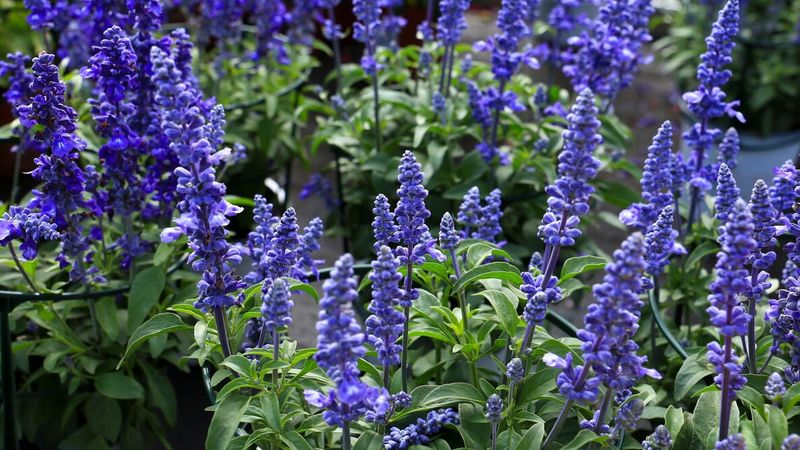
Bold, upright, and absolutely irresistible to pollinators, salvia is one of the hardest-working plants you can grow in a Pennsylvania garden. Its minty, herbal fragrance is refreshing rather than overpowering, and hummingbirds, bees, and butterflies all respond to it enthusiastically.
The tubular flower shape is especially well-suited to hummingbirds, whose long bills fit perfectly into the blooms to reach the nectar inside.
Salvia thrives in full sun and well-drained soil, and it handles the heat of Pennsylvania summers with impressive ease. There are many varieties to choose from, with flower colors ranging from deep blue and violet to bright red.
Annual salvias bloom continuously from late spring through the first frost, giving pollinators a reliable food source for months at a time.
Perennial salvias like Salvia nemorosa are also excellent choices for Pennsylvania gardens because they come back each year without replanting. Cutting plants back by about a third after the first flush of blooms often triggers a second round of flowering later in the season.
Salvia also pairs beautifully with other pollinator plants like lavender and coneflower, creating a layered garden bed that looks stunning and stays busy with wildlife.
If you are looking for a plant that is both easy to care for and genuinely exciting for pollinators, salvia belongs near the top of your planting list this season.
7. Catmint
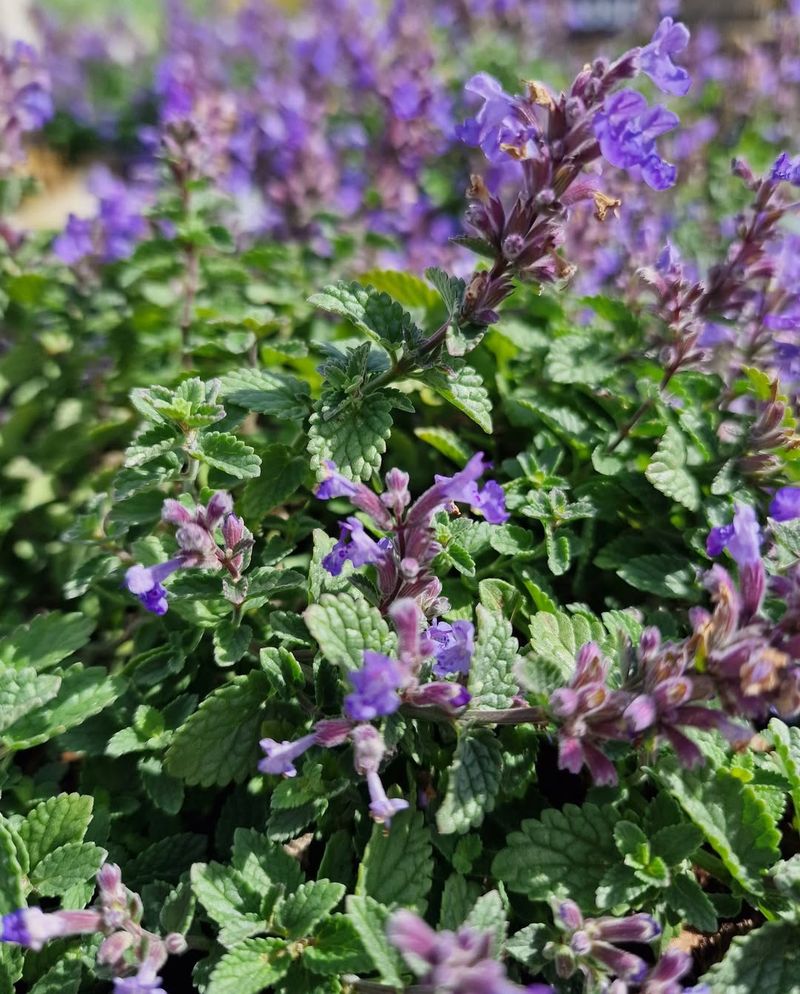
Catmint is the kind of plant that makes gardeners wonder why they did not try it sooner. It produces a soft cloud of lavender-blue flowers that look effortlessly beautiful spilling over the edges of garden borders, and its light minty fragrance is genuinely pleasant to walk past on a sunny day.
Bees and butterflies are completely drawn to it, often covering the plant so thickly during peak bloom that the flowers are barely visible underneath all the activity.
One of catmint’s greatest strengths is how low-maintenance it is. It thrives in full sun and tolerates a wide range of soil conditions, including the dry, rocky patches that challenge other plants.
Across Pennsylvania, gardeners appreciate catmint because it handles summer heat and humidity without complaint. It is also highly resistant to deer, which is a real advantage in many parts of the state.
After the first big flush of blooms in late spring, cutting the plant back by about half encourages a fresh round of flowering that can last well into fall. This extended bloom period gives pollinators a long-lasting food source throughout the growing season.
Catmint also works wonderfully as a ground cover or edging plant along pathways, where foot traffic gently releases its fragrance into the air.
For Pennsylvania gardeners who want maximum pollinator appeal with minimal effort, catmint is an absolute must-have addition to any garden plan.
8. Honeysuckle
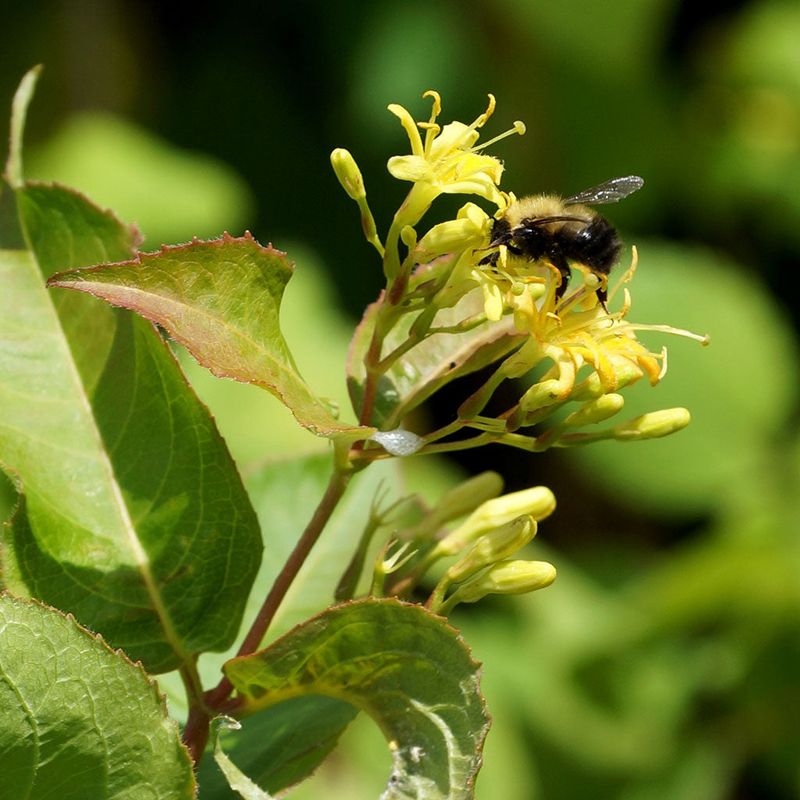
Few fragrances in the plant world are as instantly recognizable and deeply nostalgic as honeysuckle. That sweet, intoxicating scent drifting through a warm Pennsylvania evening is enough to stop anyone in their tracks.
Hummingbirds, bees, and butterflies are equally enchanted by it, making honeysuckle one of the most effective pollinator magnets you can grow in your garden. The long, tubular flowers are perfectly shaped for hummingbirds to hover and feed from with ease.
Honeysuckle vines grow vigorously and are happy in full sun to partial shade, which gives you flexibility when choosing where to plant them.
They look spectacular trained up a trellis, pergola, or fence, creating a lush, fragrant backdrop that makes any outdoor space feel like a retreat.
Native varieties like coral honeysuckle (Lonicera sempervirens) are especially recommended for Pennsylvania gardens because they support local wildlife without spreading aggressively like some non-native types.
Watering honeysuckle regularly during its first growing season helps it establish strong roots. After that, it becomes quite self-sufficient and requires very little ongoing care.
Pruning after flowering keeps the vine tidy and encourages healthy new growth the following season. The berries that form after the flowers fade also provide food for birds in late summer and fall.
Planting honeysuckle near a seating area or open window in your Pennsylvania garden means you get to enjoy its legendary fragrance every single day during the growing season.