10 Fragrant Plants That Fill Georgia Yards With A Beautiful Scent
In Georgia, a yard can do more than look good.
It can stop people in their tracks.
On warm afternoons and quiet evenings, the right plants carry sweet scents through the air, turning outdoor spaces into places that feel welcoming and alive.
A gentle breeze can roll through the garden and bring a hint of floral perfume that feels like a breath of fresh air after a long day.
Fragrant plants pull their weight in more ways than one.
They soften patios, line walkways, and make time spent outdoors feel special without lifting a finger.
Some release their scent in the heat of the day, while others shine after sunset, filling the yard when families gather or neighbors pass by.
In Georgia’s long growing season, these plants have plenty of time to show off.
Choosing the right fragrant plants is like striking gold.
They thrive in the local climate, stand up to summer heat, and keep the yard smelling inviting from spring through fall.
Once planted, they quietly do their job, creating an outdoor space that feels polished yet effortless.
When scent and scenery work together, a Georgia yard becomes a place people want to linger, not rush past.
1. Gardenia

Few scents in nature can match the intoxicating sweetness of a gardenia in full bloom.
This Southern classic has been gracing Georgia yards for generations, and its creamy white flowers release a perfume so rich it can fill an entire backyard.
Gardenias prefer acidic soil and partial shade, making them perfect companions for azaleas and camellias throughout the state.
The glossy, dark green leaves provide year-round interest even when the plant isn’t flowering.
Peak blooming happens in late spring and early summer, though some varieties offer sporadic flowers well into fall.
Georgia gardeners should water gardenias regularly and mulch around the base to keep roots cool during hot summers.
These shrubs grow best in zones 7-10, which covers most of Georgia perfectly.
Place them near patios, walkways, or windows where you can enjoy their heavenly fragrance daily.
The scent becomes especially strong during evening hours, creating a magical ambiance for outdoor gatherings.
With proper care including occasional feeding with acid-loving plant fertilizer, gardenias reward Georgia homeowners with unforgettable fragrance year after year.
2. Confederate Jasmine
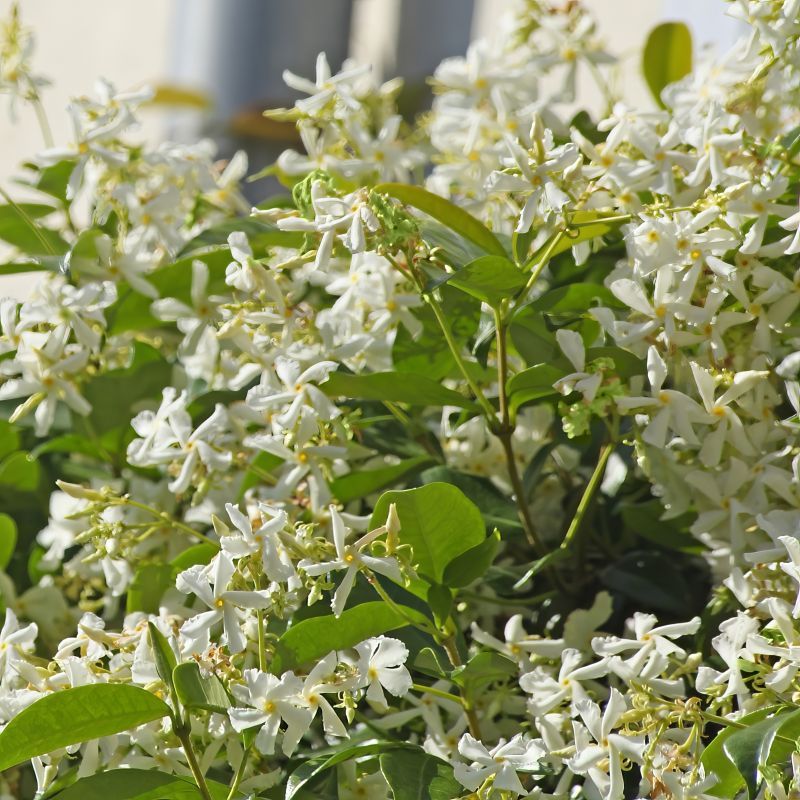
Climbing gracefully over fences and arbors, Confederate jasmine brings a sweet, romantic fragrance to Georgia landscapes each spring.
This evergreen vine produces masses of small, star-shaped white flowers that smell absolutely divine.
The blooms appear in April and May, blanketing the plant in creamy white petals that perfume the entire neighborhood.
Confederate jasmine isn’t actually a true jasmine but belongs to the genus Trachelospermum, though its scent rivals any jasmine variety.
Georgia’s warm climate suits this vine perfectly, and it thrives throughout the state with minimal fussing.
Once established, the plant tolerates drought fairly well and requires little maintenance beyond occasional pruning.
Homeowners often train it along mailbox posts, pergolas, or porch railings where the fragrance can be appreciated up close.
The glossy leaves stay attractive all year, providing privacy screening even in winter months.
This vigorous grower can reach 20 feet or more, so give it sturdy support and room to spread.
Atlanta and Augusta residents particularly love how this vine softens harsh architectural features while filling the air with its memorable perfume.
3. Tea Olive
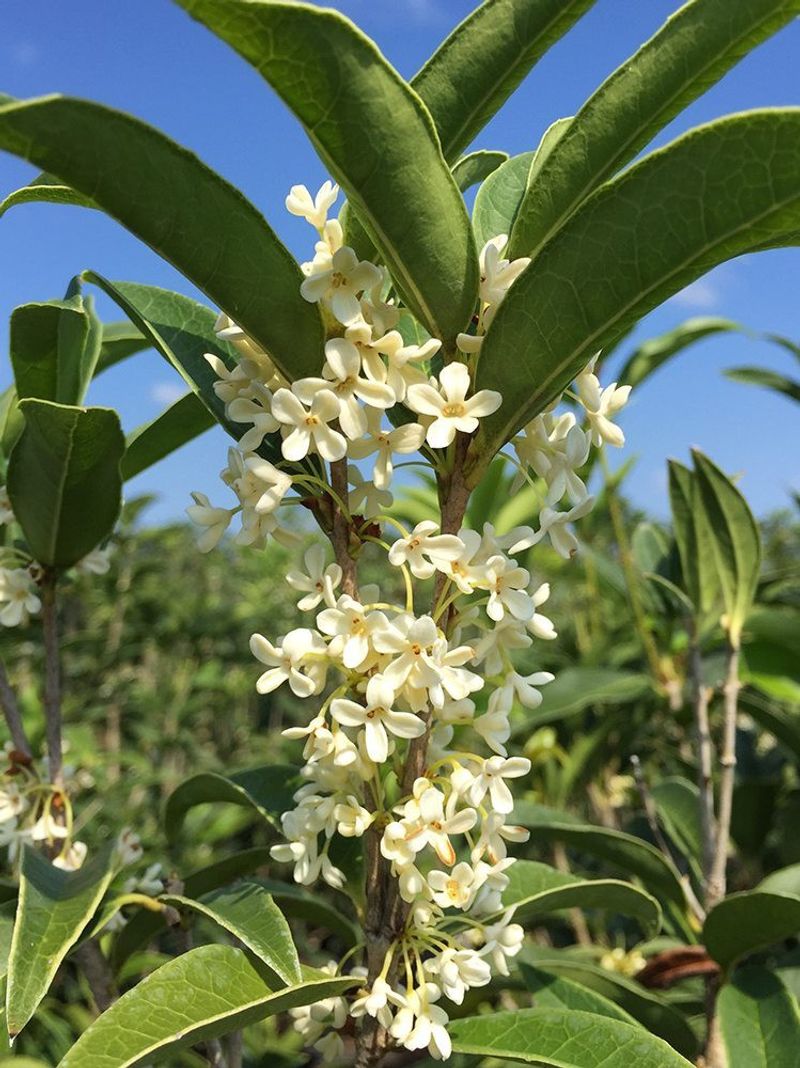
Walking past a tea olive in bloom feels like discovering a hidden treasure in your own backyard.
These unassuming shrubs produce tiny flowers that pack an enormous aromatic punch, often described as a blend of apricot, peach, and jasmine.
The fragrance can travel surprisingly far, sometimes perfuming an entire block in Georgia neighborhoods.
Tea olives bloom sporadically throughout fall and spring, with the most intense flowering happening in October.
Savannah homeowners especially appreciate how these evergreen shrubs provide structure and screening while delivering waves of sweetness.
The plant adapts well to various light conditions, growing happily in full sun to partial shade across Georgia.
Mature specimens can reach 15 feet tall, though regular pruning keeps them at a manageable size.
The small, creamy-white to pale yellow flowers hide among the dark green foliage, making the scent seem almost magical since blooms aren’t always immediately visible.
Tea olives require little special care once established and tolerate Georgia’s clay soil better than many fragrant alternatives.
Position them near outdoor living spaces or along frequently used pathways to maximize enjoyment of their incredible perfume throughout the cooler months.
4. Banana Shrub
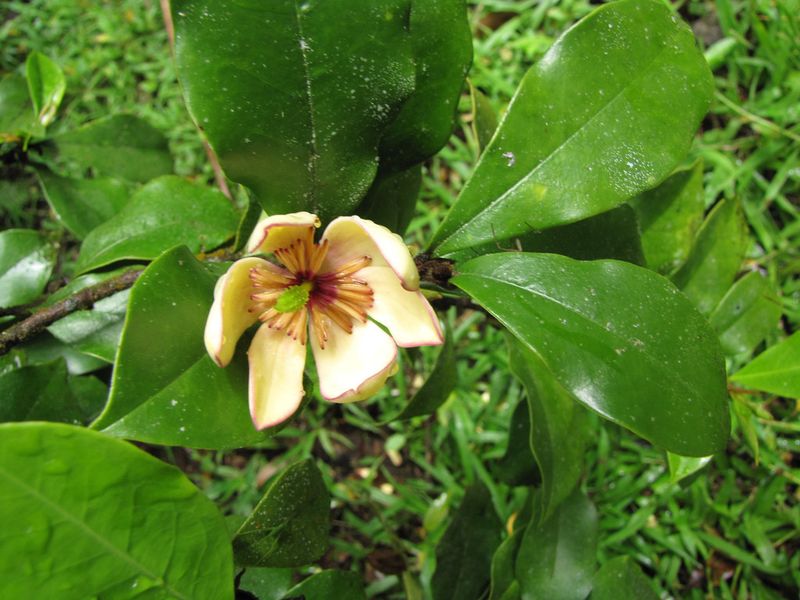
Imagine stepping outside on a spring morning and catching a whiff of ripe bananas mixed with bubblegum and magnolia.
That’s the delightful surprise banana shrub offers Georgia gardeners each year.
This quirky evergreen produces cream-colored flowers edged in maroon that smell exactly like their namesake fruit.
The blooms appear in March and April, creating conversation-starting fragrance that neighbors will definitely notice and ask about.
Banana shrub grows slowly and compactly, making it perfect for smaller Georgia yards where space comes at a premium.
Most plants stay under 10 feet tall, and they respond well to shaping if you prefer a more formal appearance.
The glossy, dark green leaves look attractive throughout all seasons, providing reliable evergreen interest.
This shrub prefers afternoon shade in Georgia’s hotter regions, particularly south of Macon where summer sun can be intense.
Regular watering during establishment helps banana shrub settle in, though mature plants tolerate brief dry spells reasonably well.
Place this unusual beauty near entryways or sitting areas where its fruity fragrance can be appreciated without overwhelming the senses.
Georgia gardeners who want something different from typical landscape plants absolutely love this fragrant gem.
5. Honeysuckle
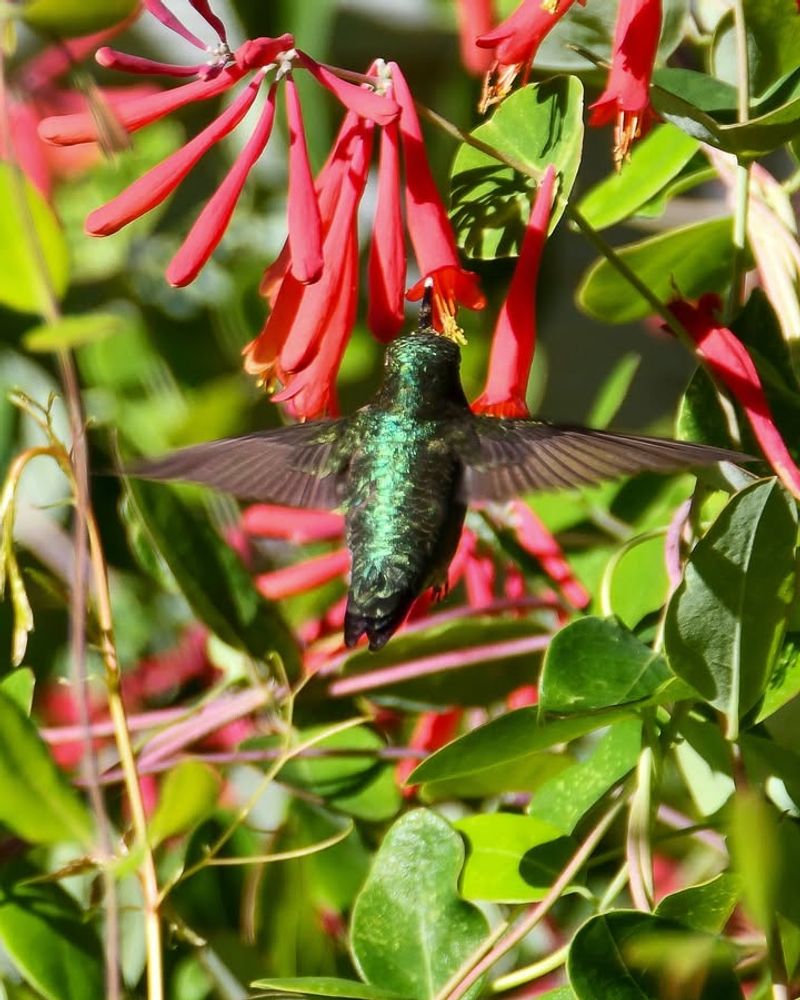
Nothing captures the essence of a Georgia summer quite like the sweet nectar scent of honeysuckle drifting through warm evening air.
This vigorous vine grows wild throughout the state, but cultivated varieties offer better manners and even more impressive flowers.
The tubular blooms come in shades of white, yellow, coral, and red, attracting hummingbirds and butterflies throughout the growing season.
Many Georgia children grow up pulling honeysuckle flowers to taste the tiny drop of nectar inside, creating memories that last a lifetime.
Japanese honeysuckle spreads aggressively and is considered invasive in some areas, so choose native coral honeysuckle or well-behaved hybrid varieties instead.
These alternatives provide the same wonderful fragrance without taking over your entire property or escaping into natural areas.
Honeysuckle thrives in full sun to partial shade and tolerates Georgia’s heat and humidity without complaint.
The vines grow quickly, covering fences, trellises, or arbors in just a season or two.
Blooming typically begins in late spring and continues sporadically through fall, especially if you remove spent flowers regularly.
Columbus and Athens residents particularly enjoy how honeysuckle softens chain-link fences while perfuming outdoor spaces with nostalgic sweetness.
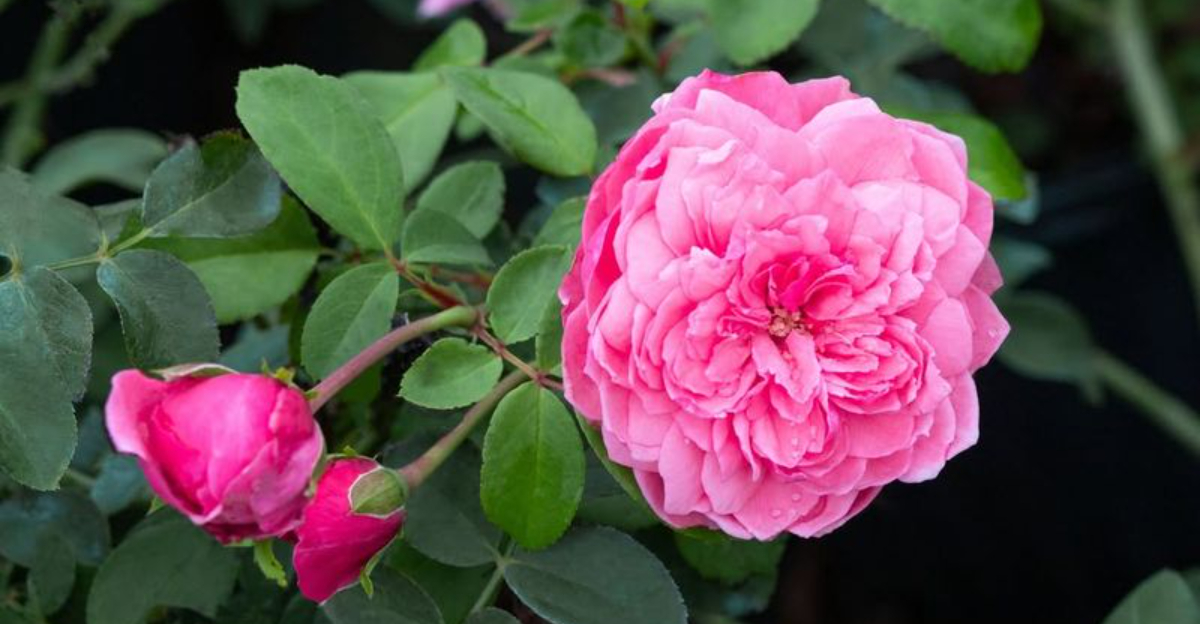
6. Rose
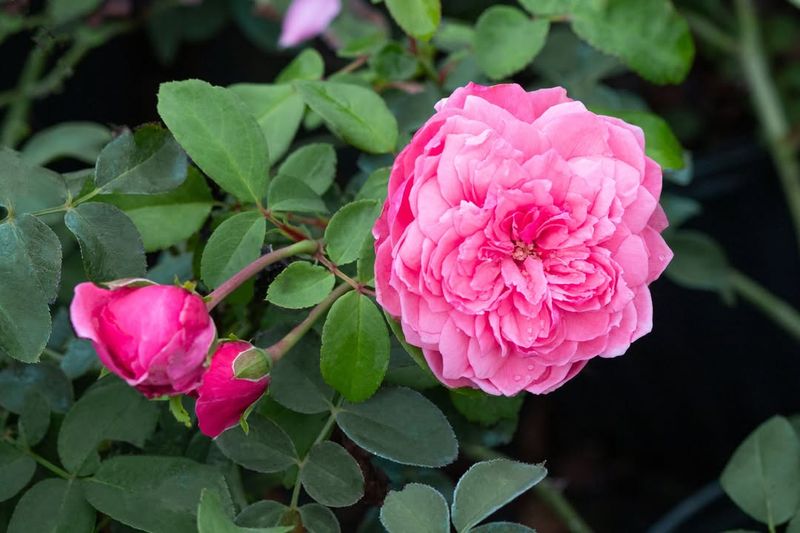
Roses have symbolized romance and beauty for centuries, and their classic fragrance remains unmatched in Georgia gardens.
While not all roses smell wonderful, many varieties deliver powerful perfumes ranging from fruity to spicy to deeply sweet.
Old garden roses and David Austin English roses typically offer the strongest scents, with fragrances that can fill entire sections of your yard.
Popular fragrant choices for Georgia include ‘Mr. Lincoln’ with its deep red blooms and rich damask scent, and ‘Fragrant Cloud’ with coral-orange flowers.
Roses need at least six hours of direct sunlight daily and benefit from regular feeding during the growing season.
Georgia’s long growing season means roses can bloom from April clear through November in many areas, especially if deadheaded regularly.
Choose disease-resistant varieties to reduce maintenance and avoid constant spraying for blackspot and powdery mildew.
The fragrance intensifies on warm days, making afternoon garden strolls particularly enjoyable.
Plant roses near outdoor seating areas, along walkways, or beneath bedroom windows where their perfume can be appreciated fully.
Marietta and Roswell gardeners find that mulching roses well and providing consistent water helps them thrive despite Georgia’s occasional summer droughts and clay soil challenges.
7. Lavender
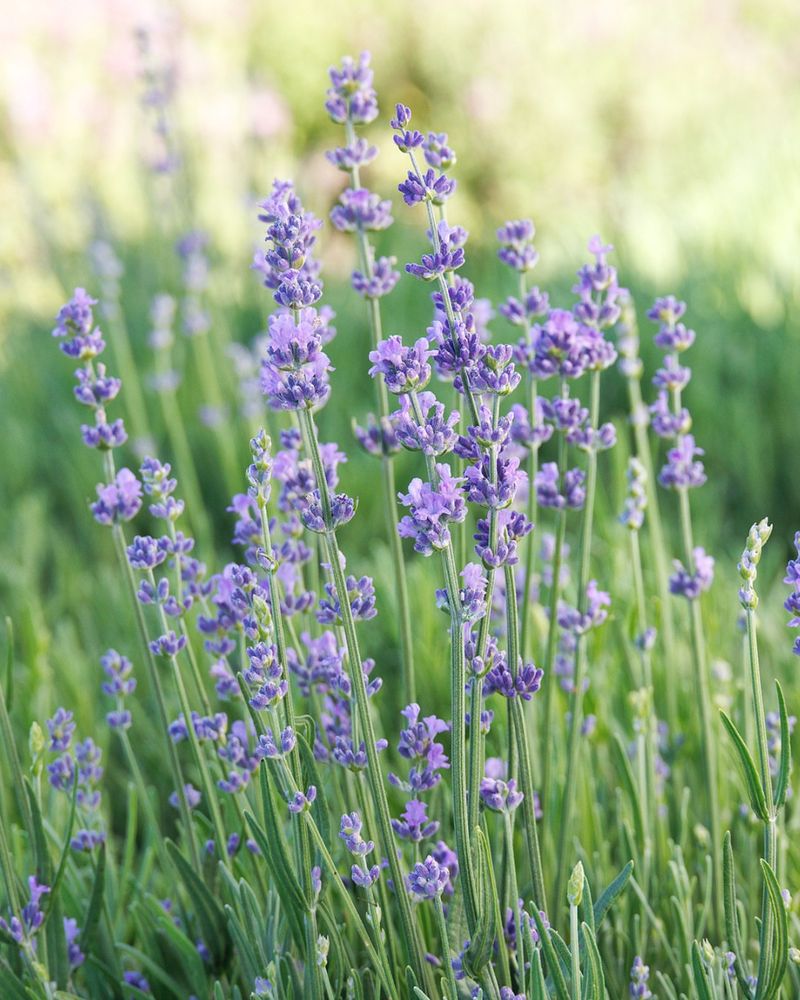
Brushing your hand across lavender spikes releases an instantly recognizable herbal fragrance that calms the mind and delights the senses.
This Mediterranean native adapts surprisingly well to Georgia gardens if given proper conditions, particularly excellent drainage.
English lavender struggles in Georgia’s humidity, but Spanish and French lavender varieties handle the climate much better.
The purple flower spikes appear in late spring and early summer, creating beautiful contrast against silvery-green foliage.
Lavender needs full sun and well-drained soil to thrive, making raised beds or amended planting areas ideal in Georgia’s heavy clay.
Sandy soils in coastal Georgia provide naturally good drainage where lavender can flourish with minimal soil improvement.
The plants stay compact, usually reaching 2-3 feet tall, and work beautifully in herb gardens, borders, or container plantings.
Besides smelling wonderful, lavender attracts beneficial pollinators including bees and butterflies throughout the blooming period.
Harvest the flower spikes just as they open for crafts, sachets, or culinary uses that bring the fragrance indoors.
North Georgia gardeners have particular success with lavender since cooler nights and lower humidity mimic its native climate more closely than southern regions of the state.
8. Sweet Alyssum
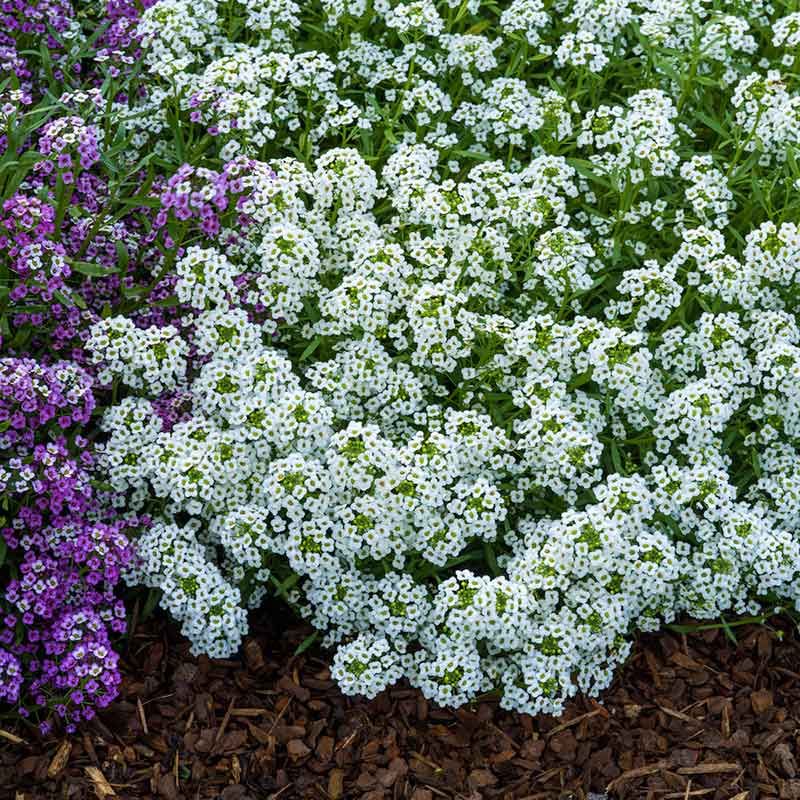
Tiny but mighty, sweet alyssum produces masses of miniature flowers that smell like honey with a hint of vanilla.
This low-growing annual spreads quickly to form fragrant carpets along walkways, in containers, or tucked between stepping stones.
The flowers come in white, pink, or purple and bloom continuously from spring through fall in Georgia gardens.
Sweet alyssum tolerates light foot traffic, releasing its sweet scent when brushed against or stepped on gently.
Georgia gardeners appreciate how this plant thrives in cooler weather, providing fragrance during spring and fall when many other annuals struggle.
The honey-like perfume becomes especially noticeable during evening hours, creating pleasant aromatherapy for outdoor dining or relaxation.
Alyssum self-seeds readily, meaning you’ll likely find volunteers popping up year after year in Georgia’s mild climate.
This makes it economical as well as beautiful, requiring minimal investment for maximum fragrant impact.
The plants prefer full sun but tolerate partial shade, and they need regular watering during dry spells to keep blooming abundantly.
Valdosta and Albany residents often use sweet alyssum to edge vegetable gardens, where its fragrance mingles pleasantly with herbs and the flowers attract beneficial insects that help pollinate crops.
9. Southern Magnolia
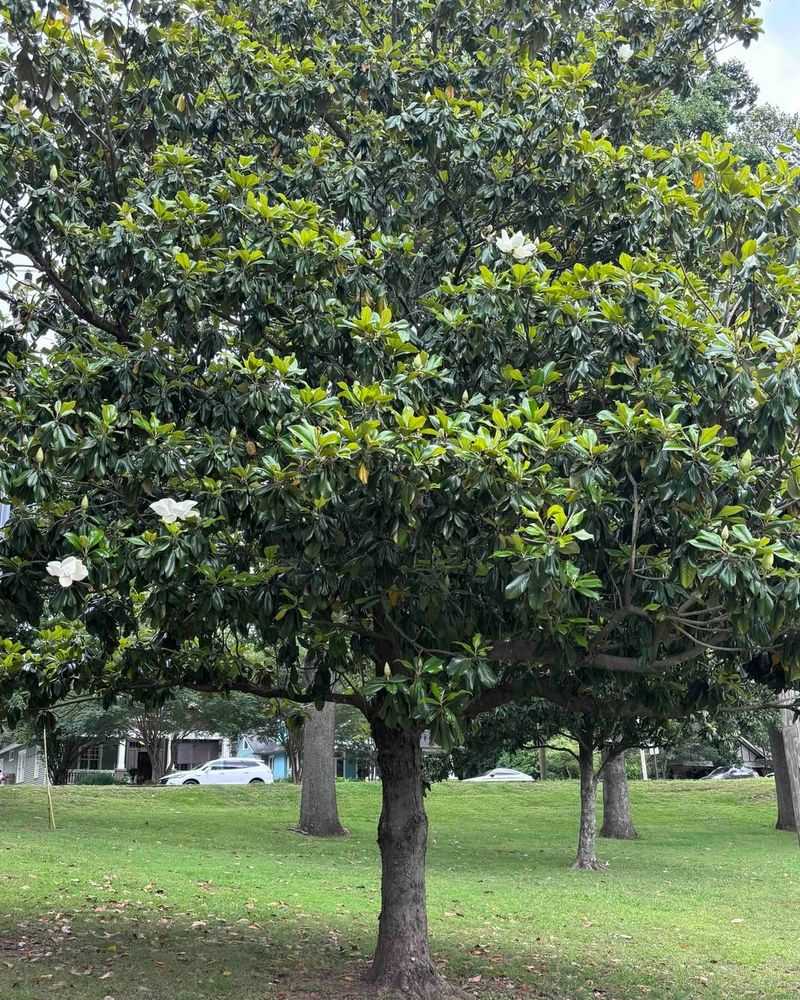
Majestic and unmistakably Southern, magnolia trees produce enormous white blooms with a lemony, sweet fragrance that defines Georgia summers.
These iconic trees can grow 60-80 feet tall, creating impressive specimens that become landscape focal points for generations.
The flowers measure 8-12 inches across and appear from May through June, though scattered blooms continue into summer.
Each blossom lasts only a few days, but trees produce them in succession so the fragrance lingers for weeks.
Southern magnolias thrive throughout Georgia, from the mountains to the coast, adapting to various soil types and conditions.
The glossy, dark green leaves with rusty-brown undersides stay on the tree year-round, providing evergreen screening and winter interest.
While magnolias need space to reach their full potential, dwarf varieties like ‘Little Gem’ work well in smaller Georgia yards.
The fallen petals and leaves create considerable cleanup, so position trees away from pools and high-maintenance areas.
Cutting a single bloom and floating it in a bowl of water brings the magnificent fragrance indoors for several days.
Augusta and Macon homeowners treasure these trees as living links to Georgia’s history and heritage, with their perfume evoking memories of gracious Southern living.
10. Lemon Balm
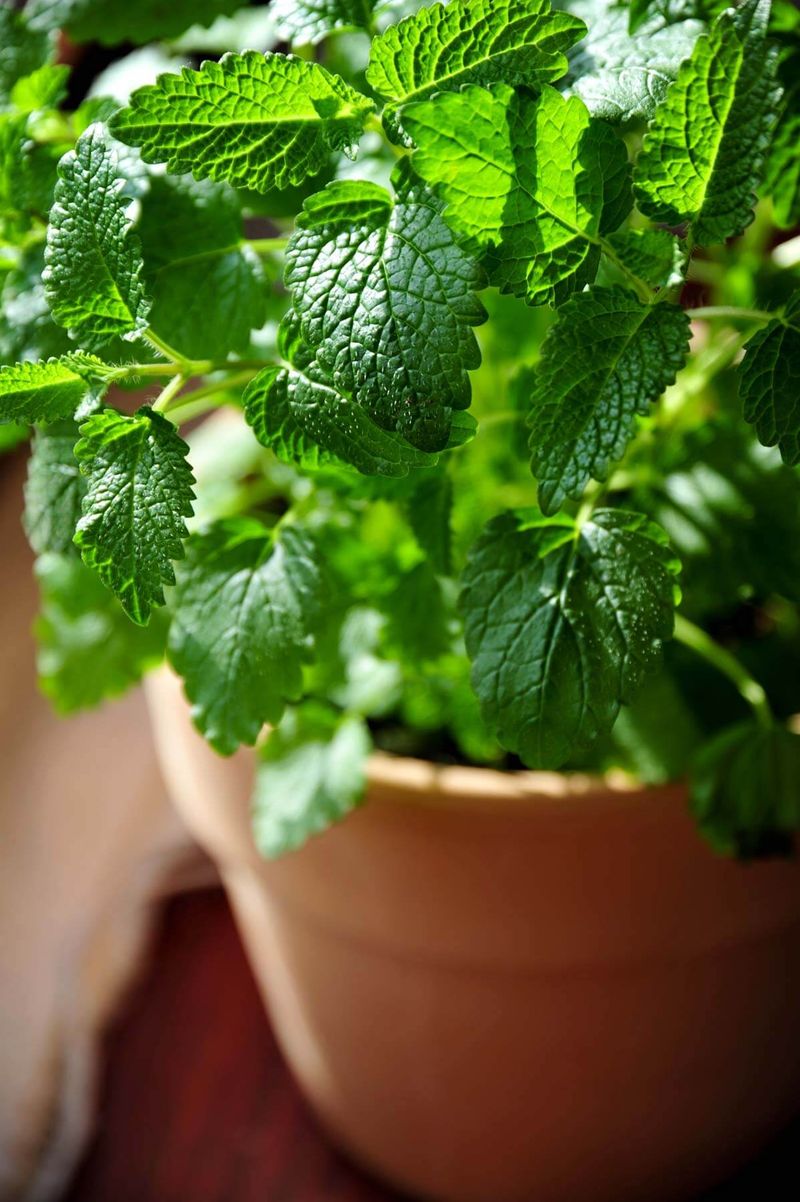
Crushing a leaf of lemon balm between your fingers releases a fresh, citrusy aroma that instantly energizes and refreshes.
This easy-growing herb thrives throughout Georgia with almost no care, making it perfect for beginning gardeners or those with busy schedules.
The bright green, textured leaves smell strongly of lemon and can be used fresh or dried for teas, cooking, or aromatherapy.
Lemon balm grows 12-24 inches tall and spreads readily, sometimes too readily, so consider planting it in containers to control its enthusiastic growth.
The plant prefers partial shade in Georgia, especially during hot afternoons when full sun can stress the foliage.
Small white flowers appear in summer and attract bees, giving this herb its other common name, bee balm.
Regular harvesting keeps plants bushy and productive while providing fresh leaves for culinary and medicinal uses.
The lemony fragrance intensifies on warm days, creating pleasant scent clouds around the plant that make garden work more enjoyable.
Lemon balm self-seeds freely in Georgia’s climate, so expect volunteers to appear in unexpected places throughout your yard.
Decatur and Alpharetta gardeners often plant lemon balm near outdoor sitting areas where brushing against the foliage releases its cheerful citrus perfume naturally throughout the growing season.