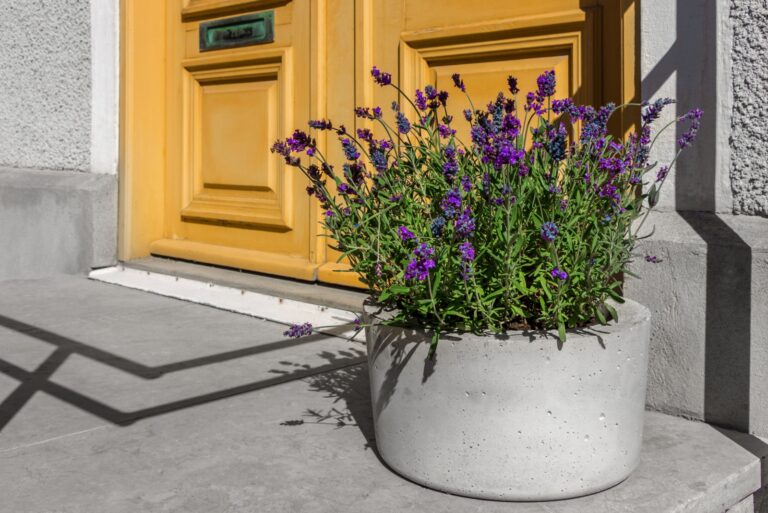
10 Fragrant Plants That Will Make Your Michigan Backyard Smell Amazing
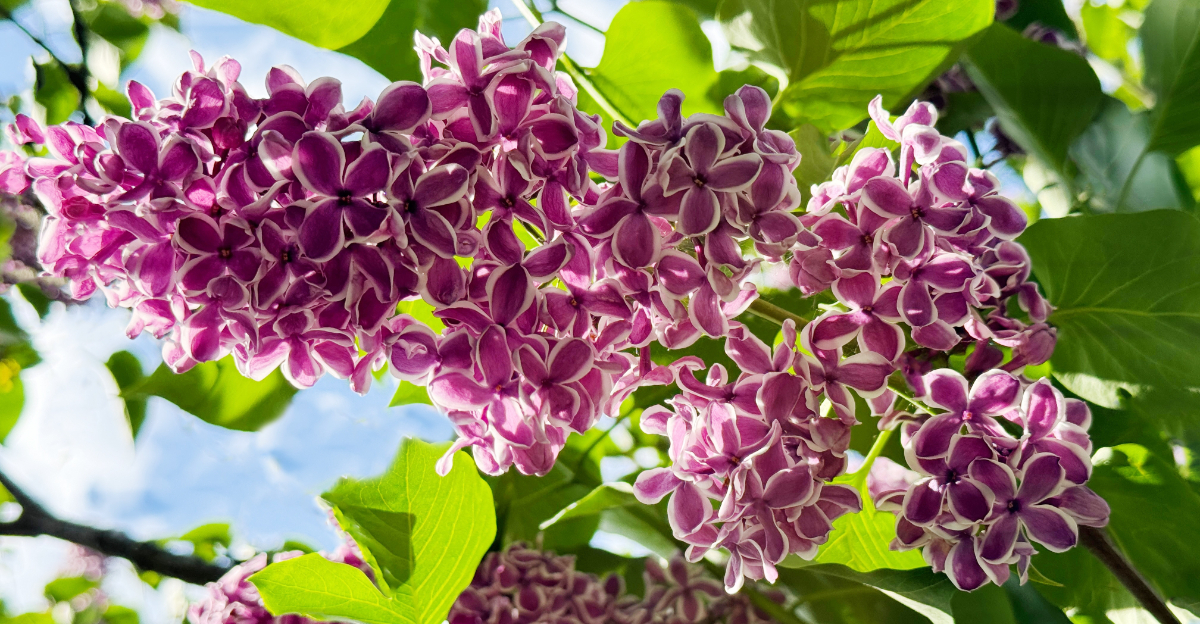
Michigan is the perfect place to create a backyard that smells like a dream during the warm summer months. Filling your outdoor space with sweet florals and refreshing herbs turns every afternoon into a relaxing escape.
While the local winters are cold, many of the most fragrant plants in the world actually love the unique climate of Michigan. You do not need a massive estate to enjoy these incredible scents in your own yard.
Whether you have a wide open lawn or just a small patio, these ten plants are built to thrive and fill the air with amazing aromas. We have found the best varieties that grow strong and stay healthy from the first spring breeze to the last warm day.
Your garden will quickly become the most inviting spot in the entire neighborhood. Get ready to transform your landscape into a sensory masterpiece.
1. Lavender (Lavandula angustifolia)
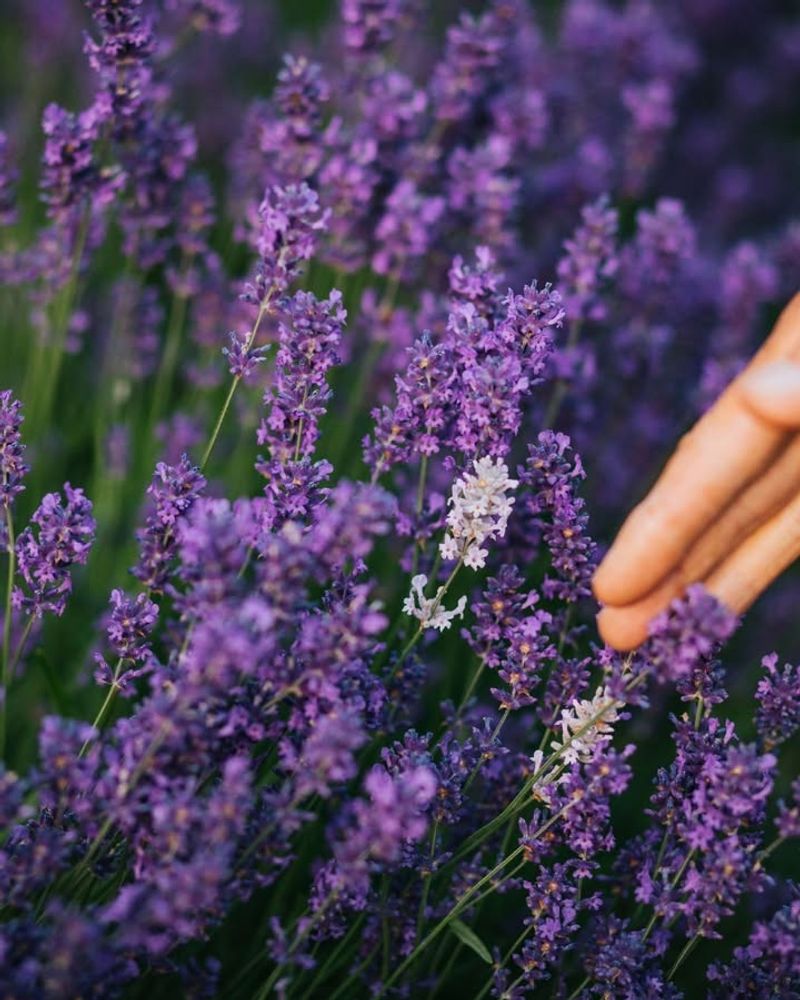
Few plants carry as much charm as lavender, with its silver-green leaves and tall purple spikes swaying in a warm summer breeze.
Lavandula angustifolia, commonly known as English lavender, is one of the most beloved fragrant plants you can grow in a Michigan backyard.
Its calming, floral scent is instantly recognizable and genuinely hard to resist when you step outside on a sunny afternoon.
Lavender thrives in full sun and well-drained, slightly alkaline soil, which makes raised garden beds or sandy spots in Michigan ideal growing locations. It does not love soggy roots, so avoid low areas where water tends to collect after rain.
Once established, lavender is surprisingly tough and handles Michigan summers with ease.
Pollinators absolutely love lavender, so expect bees and butterflies to visit regularly once it starts blooming. Harvesting the flower spikes and drying them indoors extends that beautiful fragrance well beyond the growing season.
You can tuck dried bundles into closets, place them on windowsills, or use them in homemade sachets. Growing lavender in Michigan also works wonderfully in containers on patios, giving you flexibility to move plants as needed.
With minimal care and maximum reward, lavender earns its reputation as a garden superstar every single year.
2. Lilacs (Syringa vulgaris)
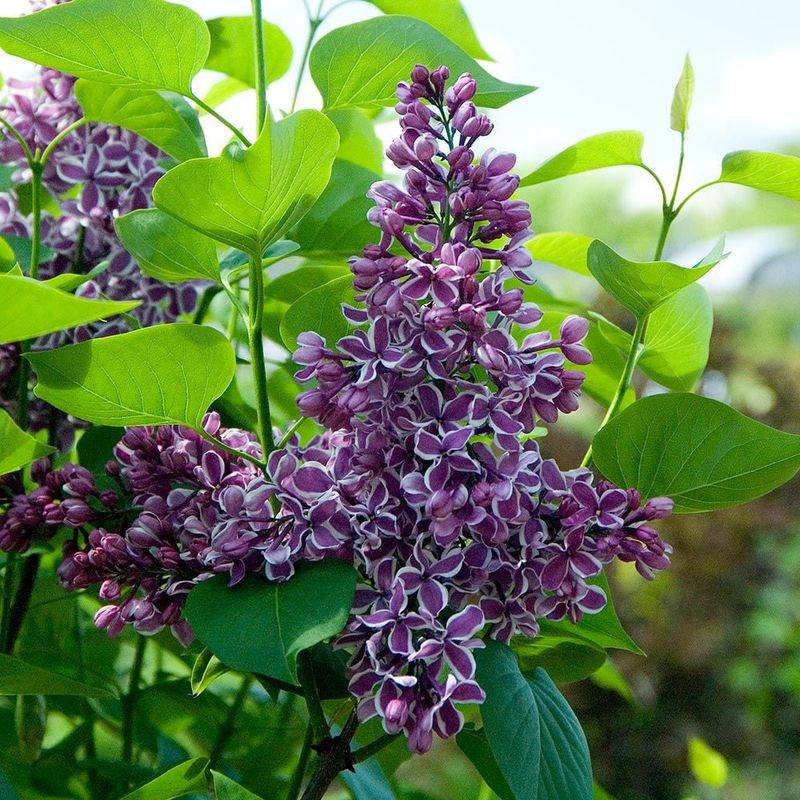
There is something deeply nostalgic about the scent of lilacs drifting through a Michigan neighborhood in May.
Syringa vulgaris has been a backyard favorite for generations, and once you experience that rich, sweet fragrance on a warm spring evening, it is easy to understand why.
Lilacs bloom in late spring to early summer, producing dense clusters of tiny flowers in shades of purple, white, lavender, and pink.
Michigan’s cold winters are actually a bonus for lilacs, since these shrubs need a good chill period to bloom their best. They prefer full sun and well-drained soil, and once established, they are remarkably low-maintenance.
A mature lilac bush can grow quite large, making it a fantastic natural privacy screen along a fence or property line.
One thing to keep in mind is that lilacs bloom for only a few weeks each year, but the show they put on is absolutely worth the wait. Cutting a few branches and bringing them inside fills your entire home with that signature fragrance.
Pruning right after blooming keeps the shrub healthy and encourages strong growth for the following season.
For Michigan gardeners who want a reliable, cold-hardy plant that delivers serious fragrance impact every spring, lilacs are an obvious and wonderful choice that never disappoints.
3. Peonies (Paeonia spp.)
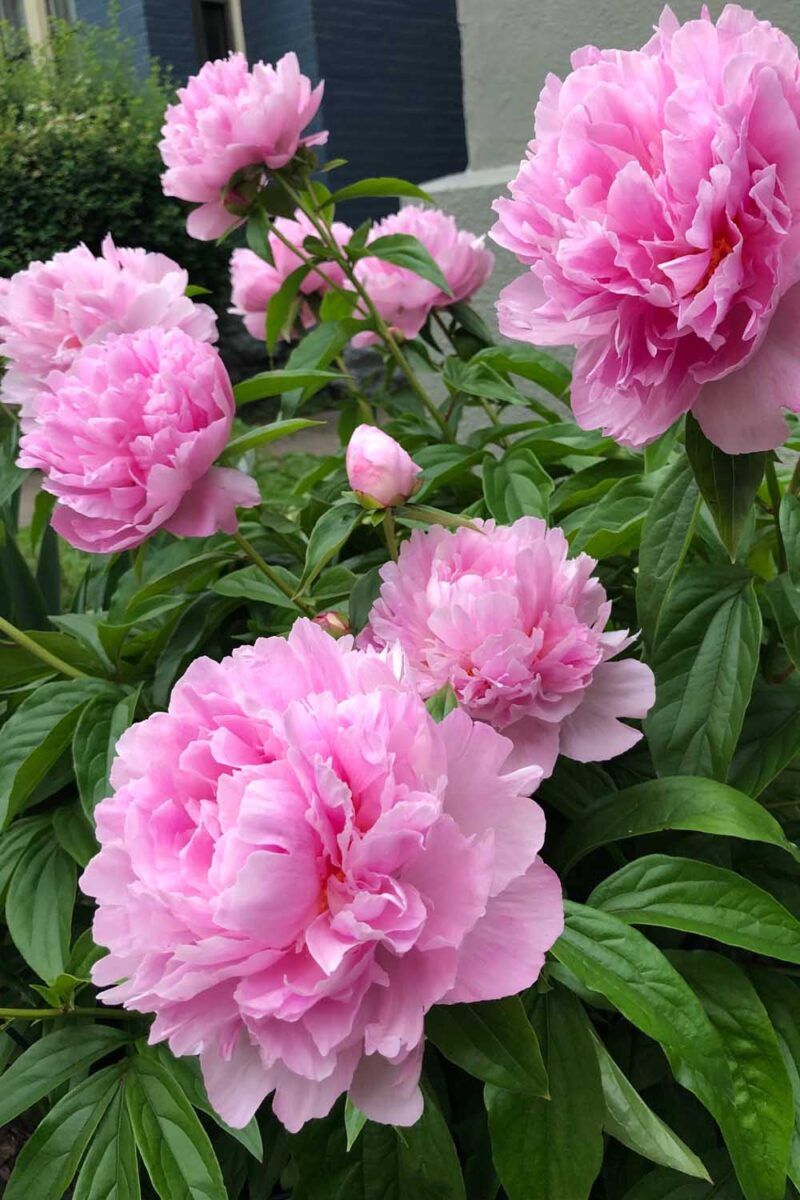
Peonies are the kind of flowers that stop people in their tracks. Big, fluffy blooms packed with layers of petals and a sweet, rosy fragrance make them one of the most stunning plants you can add to a Michigan backyard.
Paeonia spp. includes both herbaceous varieties and tree peonies, and many of them perform beautifully in Michigan’s zone 4 to 5 climate without much fuss.
These plants love full sun and well-drained soil, and they actually benefit from Michigan’s cold winters because the freeze helps them set buds for the next blooming season.
Planting depth matters a lot with peonies, so make sure the eyes, which are the pink buds on the root, sit no more than one to two inches below the soil surface. Plant them too deep and they may not bloom at all.
Peony blooms arrive in late spring to early summer, filling the air with a fragrance that is both sweet and slightly spicy. Many gardeners describe it as one of the best natural perfumes in the plant world.
Cut blooms last beautifully in a vase indoors, bringing that gorgeous scent right into your living space.
Once established in a Michigan garden, peonies can thrive and bloom for decades with very little attention, making them one of the best long-term investments you can make for your yard.
4. Roses (Rosa spp.)
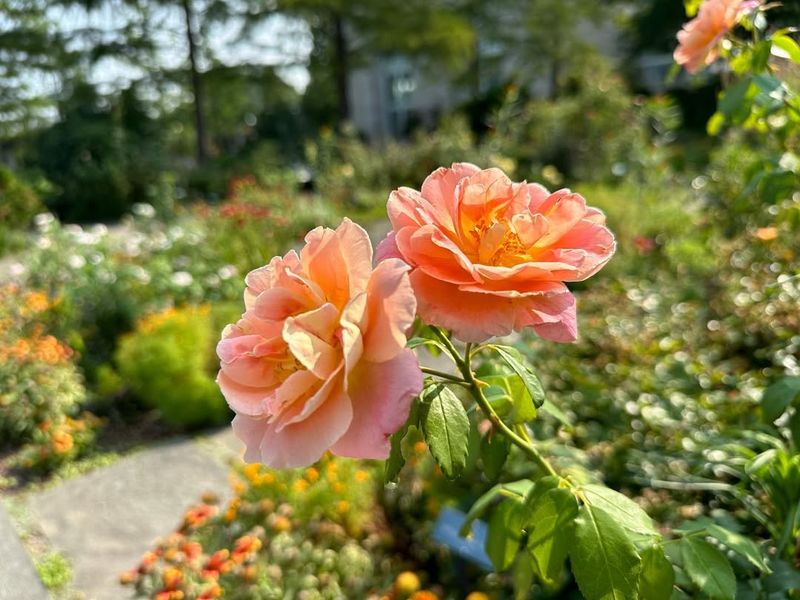
Roses have been celebrated for their fragrance for thousands of years, and they remain one of the most popular plants in Michigan backyards for very good reason.
Rosa spp. covers an enormous range of varieties, but if fragrance is your goal, old-fashioned types like damask roses, hybrid musks, and certain climbing varieties are the ones to seek out.
Modern hybrid tea roses are beautiful, but many have lost the powerful scent that made roses famous in the first place.
Michigan summers provide the warm, sunny conditions roses need to produce their best blooms and strongest fragrance. Full sun, at least six hours per day, and well-drained soil are the two most important requirements.
Adding compost to your garden bed before planting gives roses a nutrient-rich start that pays off all season long.
One thing that surprises many new gardeners is just how much fragrance varies between rose varieties. Visiting a local Michigan nursery in person and smelling before you buy is the smartest approach.
Some roses smell like classic perfume, others carry hints of fruit, spice, or even tea. Deadheading spent blooms encourages the plant to keep producing new flowers throughout summer.
With the right variety and basic care, roses reward Michigan gardeners with wave after wave of color and intoxicating scent from June all the way through early fall.
5. Jasmine (Jasminum spp.)
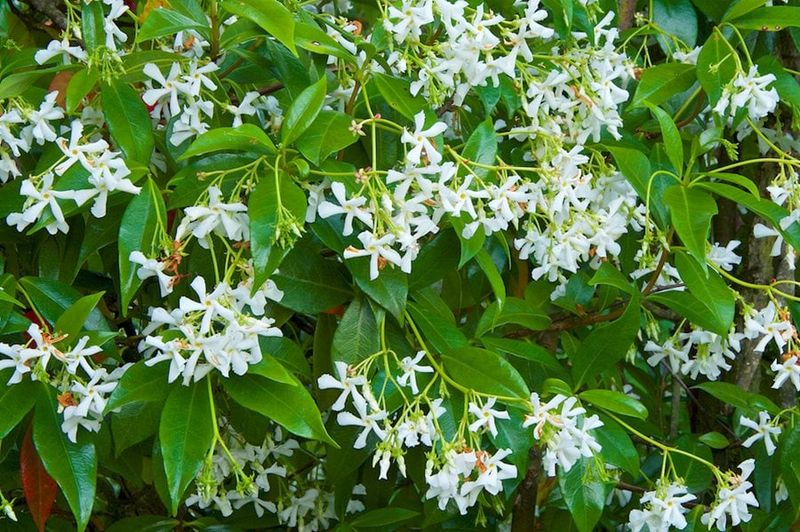
Jasmine has one of the most exotic and instantly recognizable fragrances in the entire plant world. Just a few open blooms can perfume a large outdoor space, making Jasminum spp. a powerful choice for Michigan gardeners who want maximum scent impact.
The sweet, heady fragrance is especially strong in the evening, which makes jasmine a wonderful plant near a patio or outdoor seating area.
Growing jasmine in Michigan requires a bit of planning since most varieties are not fully cold-hardy in the northern parts of the state.
Winter jasmine, known as Jasminum nudiflorum, is a standout exception because it blooms on bare stems in late winter and handles Michigan’s colder zones surprisingly well.
For summer-blooming varieties, growing jasmine in a container that can be brought indoors before frost is a popular and practical solution.
Jasmine vines are natural climbers and look stunning when trained up a trellis, fence, or arbor. Regular watering during dry spells and a sunny spot with good air circulation keeps the plant healthy and blooming strong.
Fertilizing once in spring with a balanced fertilizer gives it a great seasonal boost. For Michigan gardeners willing to give jasmine a little extra attention, the payoff is a backyard filled with one of the most romantic and intoxicating natural fragrances you will ever experience outdoors.
6. Sweet Peas (Lathyrus odoratus)
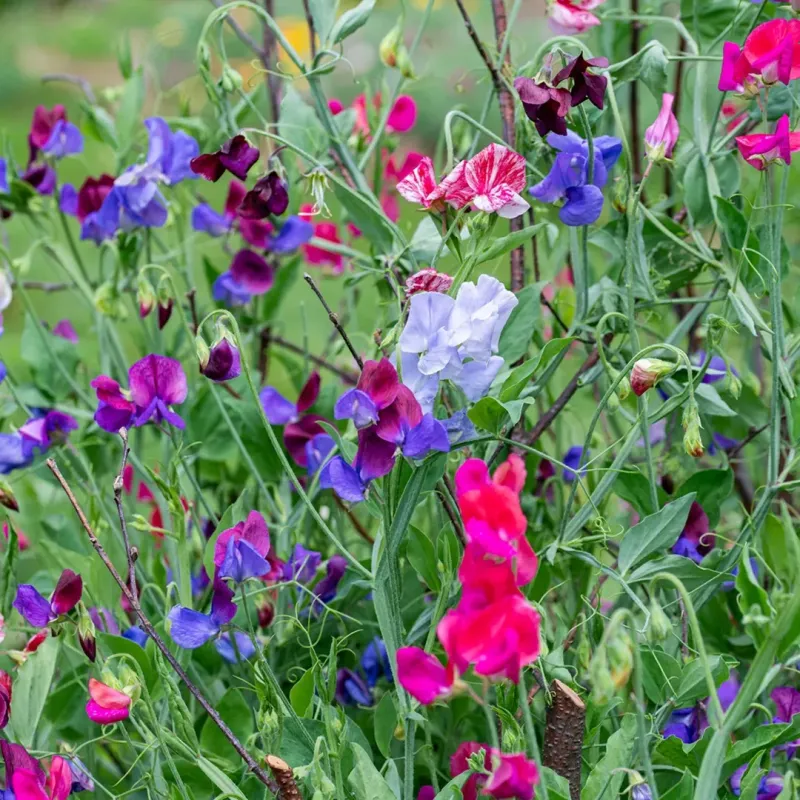
Sweet peas are one of those old-fashioned garden flowers that feel like a warm hug every time you walk past them.
Lathyrus odoratus produces delicate, butterfly-shaped blooms in a rainbow of colors, from soft blush pink to bold magenta and rich purple, and every single one carries that signature sweet, powdery fragrance that has made this flower a cottage garden classic for centuries.
In Michigan, sweet peas perform best when planted early in spring since they love cool weather and actually slow down once summer heat kicks in.
Sowing seeds directly into the garden in April, as soon as the soil can be worked, gives them the cool start they need to thrive.
Full sun and moist, well-drained soil are the ideal conditions, and adding a trellis or some twine gives the climbing vines the support they need to grow upward and show off their blooms.
One of the most rewarding things about sweet peas is how picking the flowers actually encourages more blooms. The more you cut, the more the plant produces, so do not hesitate to bring bunches inside and fill a small vase on your kitchen table.
Their fragrance indoors is absolutely lovely. Michigan gardeners who have never grown sweet peas are often amazed by how much scent such a delicate-looking flower can produce.
They are a seasonal treasure worth planting every single spring without exception.
7. Mock Orange (Philadelphus spp.)
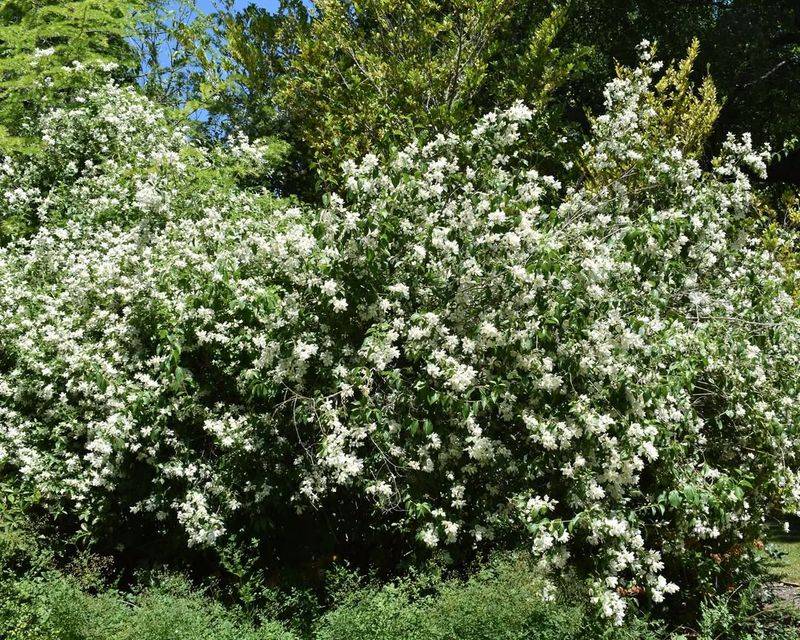
If you have ever walked past a mock orange shrub in full bloom, you already know how powerfully beautiful its fragrance is.
Philadelphus spp. produces masses of small, pure white flowers that smell remarkably like fresh orange blossoms, which is exactly where the name comes from.
That clean, citrusy sweetness drifting through a Michigan backyard on a warm June evening is genuinely hard to beat.
Mock orange is a deciduous shrub that adapts well to Michigan’s climate, handling cold winters without complaint and bouncing back strong each spring. It grows happily in full sun or partial shade, which gives gardeners flexibility when choosing a planting spot.
Mature shrubs can reach six to ten feet in height depending on the variety, making them excellent choices for hedgerows, borders, or as a fragrant backdrop along a fence.
Pruning mock orange right after it finishes blooming keeps the shrub tidy and encourages healthy new growth for the following year. Avoid pruning in fall or early spring since that removes the flower buds that are already forming.
Compact varieties like Dwarf Snowflake are perfect for smaller Michigan yards and still deliver that incredible fragrance in a more manageable size.
This shrub is low-maintenance, cold-hardy, and absolutely stunning during its bloom period, making it one of the most underrated fragrant plants any Michigan gardener can add to their outdoor space.
8. Honeysuckle (Lonicera spp.)
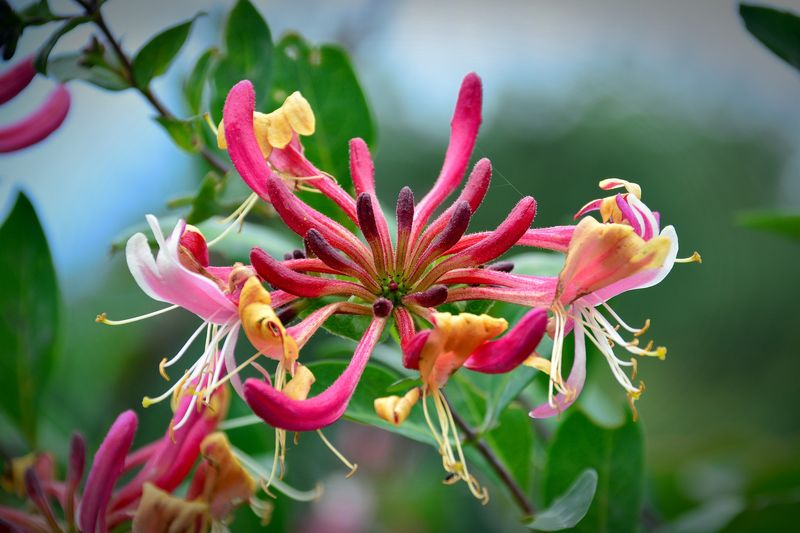
Honeysuckle is one of those plants that takes you straight back to childhood summers. Lonicera spp. produces tubular flowers in shades of yellow, white, and pink that release one of the sweetest natural fragrances you will find in any Michigan garden.
The scent intensifies in the evening, making it a perfect plant near a backyard sitting area where you can enjoy long summer nights outdoors.
Native honeysuckle varieties, like Lonicera sempervirens, are excellent choices for Michigan gardeners because they are well-adapted to the local climate and support native pollinators and hummingbirds.
These vines grow vigorously and thrive in full sun with moderate soil moisture. Training them up a trellis, pergola, or fence gives them structure and turns them into a stunning vertical focal point in the yard.
One important note for Michigan gardeners is to choose native or non-invasive varieties carefully, since some non-native honeysuckle types can spread aggressively and crowd out other plants.
Checking with a local nursery before purchasing ensures you pick a variety that plays nicely with your existing garden.
Regular watering during dry spells keeps the vine healthy and blooming consistently through early summer.
Once established, honeysuckle is a tough, rewarding plant that fills your Michigan backyard with a fragrance that feels like pure summer in every single breath.
9. Gardenia (Gardenia jasminoides)
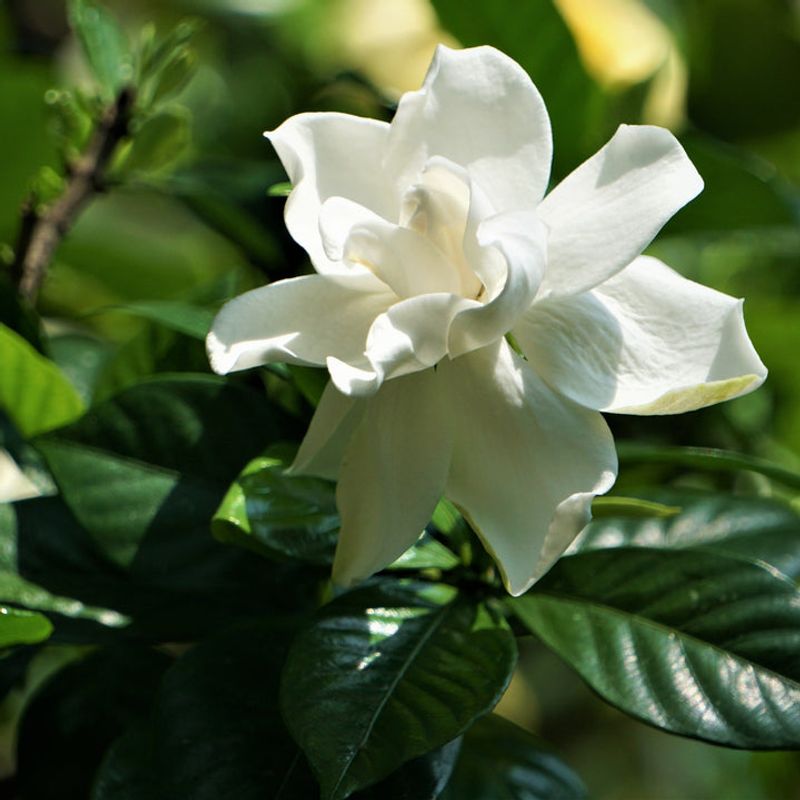
Gardenias are famous for producing one of the most intensely beautiful fragrances in the plant world, and yes, you absolutely can enjoy them in Michigan with the right approach.
Gardenia jasminoides is not fully cold-hardy in most Michigan zones, but growing it in a container makes it completely manageable.
You can move the pot outdoors in summer to enjoy that incredible creamy, sweet scent on your patio, then bring it inside before temperatures drop in fall.
Gardenias need bright, indirect light, consistent moisture, and humid conditions to bloom their best.
Indoor growing during Michigan winters works well near a south-facing window, especially if you run a humidifier nearby or place the pot on a tray filled with pebbles and water to boost humidity around the plant.
Acidic, well-draining potting mix is essential since gardenias are sensitive to soil pH. Feeding gardenias with an acid-formulated fertilizer every few weeks during the growing season encourages lush foliage and more blooms.
Yellow leaves are usually a sign of pH imbalance or overwatering, both of which are easy to fix once identified.
The reward for this extra care is absolutely worth it. When a gardenia opens a fresh bloom, the fragrance fills an entire room or patio space instantly.
For Michigan gardeners who love bold, exotic scents, gardenias are a container plant worth every bit of the attention they require.
10. Lemon Balm (Melissa officinalis)
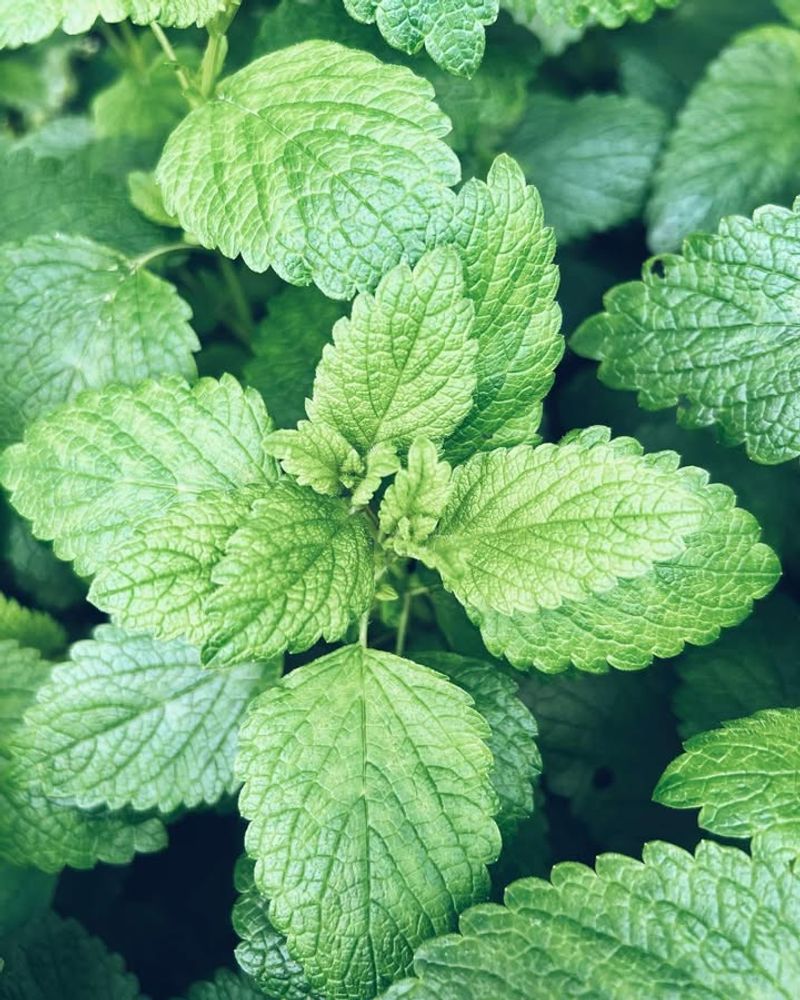
Brushing your hand across a lemon balm leaf and catching that bright, citrusy scent is one of the most refreshing small moments a garden can offer.
Melissa officinalis is a hardy perennial herb that grows enthusiastically in Michigan, producing dense mounds of crinkled green leaves that release a clean lemon fragrance whenever they are touched or lightly crushed.
It is simple, cheerful, and genuinely useful in so many ways. Lemon balm thrives in full sun to partial shade and adapts well to a wide range of soil types, which makes it very forgiving for beginner Michigan gardeners.
Once established, it becomes quite drought-tolerant and keeps growing back year after year with minimal effort.
Planting it in containers is a smart strategy since lemon balm can spread enthusiastically if left unchecked in open garden beds.
Beyond fragrance, lemon balm has a long history of use in teas, cooking, and natural remedies. Steeping fresh leaves in hot water makes a calming herbal tea that smells and tastes like sunshine.
You can also tuck sprigs into flower arrangements or use fresh leaves as a garnish for summer drinks. Bees love the tiny white flowers that appear in summer, adding pollinator activity to your Michigan yard.
Lemon balm is one of those rare plants that looks good, smells amazing, tastes great, and practically takes care of itself season after season.