7 Fragrant Shrubs That Make Arizona Backyards Smell Amazing
If you’ve spent even one summer evening in Arizona, you already know that desert air has its own kind of magic – warm breezes, distant bird calls, and the way the light softens after sunset.
But when the right shrubs are planted near patios and walkways, that evening air can take on an extra layer of charm: delicious fragrance that greets you before you even step outside.
Arizona’s climate might seem unforgiving at first glance but there are shrubs that thrive here and reward gardeners with noticeable scent throughout their bloom cycles.
Whether it’s a plant that perfumes the air with sweet blossoms in spring or one that adds herbal notes in summer, a well‑chosen selection brings another layer of delight to desert landscapes.
Some perform well with minimal water once established and offer enjoyable fragrance during quiet moments after work or while hosting friends on the patio. Ahead you’ll find choices that are both landscape smart and wonderfully aromatic.
1. Creosote Bush With Iconic Desert Aroma
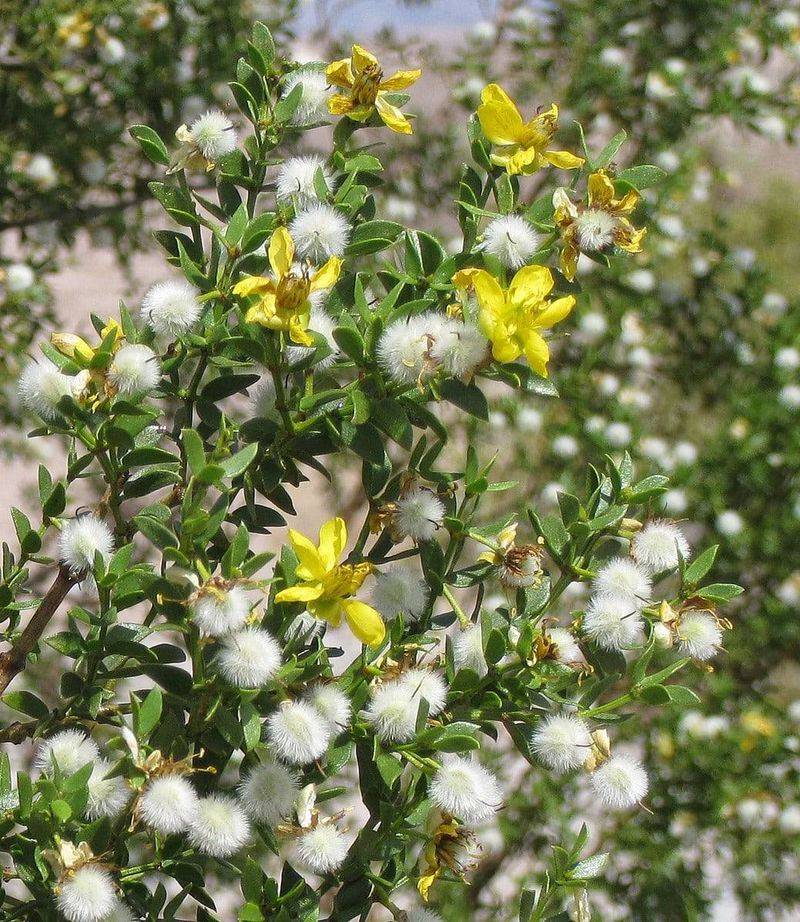
Walk outside after a summer rainstorm in Arizona, and you will immediately recognize that unmistakable, earthy smell hanging in the warm desert air. That scent belongs to the Creosote Bush, one of the most iconic and fragrant native plants in the entire Southwest.
It has been a fragrant part of the Sonoran Desert ecosystem for a very long time, contributing to the region’s unique scent, though it is not among the oldest living plants on Earth.
Creosote Bush releases a resinous oil from its small, waxy leaves whenever moisture hits them. This creates that famous petrichor-meets-desert smell that so many Arizona residents absolutely love.
The fragrance is strongest right after rain, but on hot, sunny days, the plant still releases a mild, medicinal scent that fills the air around it.
Beyond its amazing smell, Creosote Bush is incredibly tough. It thrives in full sun, rocky or sandy soil, and survives on very little water once established.
For Arizona gardeners who want a low-maintenance, drought-tolerant shrub that also smells fantastic, this native plant is a no-brainer. It grows between three and ten feet tall, giving your backyard a natural, wild desert feel.
Creosote Bush also attracts native bees and other pollinators, especially during its spring bloom when tiny yellow flowers dot the branches. Planting several together creates a fragrant hedge that looks right at home in any Arizona landscape.
If you want an authentic, deeply aromatic plant that celebrates the beauty of the desert Southwest, Creosote Bush is the perfect place to start.
2. Desert Lavender Filling Air With Sweet Scent
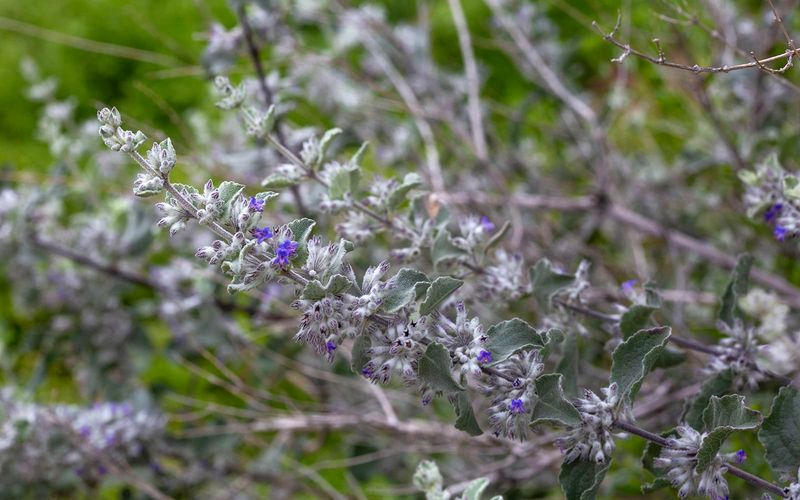
Imagine stepping outside on a warm Arizona afternoon and being greeted by a wave of soft, floral perfume drifting across your backyard. That is exactly what Desert Lavender delivers, and it does it with very little effort on your part.
Known scientifically as Hyptis emoryi, this native Sonoran Desert plant is one of the most rewarding fragrant shrubs you can grow in Arizona.
Desert Lavender features beautiful silvery-green leaves that shimmer in the sunlight and delicate purple flower spikes that bloom in spring. After summer monsoon rains, it often pushes out a second flush of blooms, which means you get two rounds of fragrance in a single year.
The scent is warm, herbal, and deeply soothing, similar to traditional lavender but with a slightly more exotic, desert-inspired twist. Its aromatic foliage also releases subtle fragrance when lightly brushed or pruned, adding another layer of sensory enjoyment.
One of the best things about this shrub is how well it handles Arizona’s brutal heat and dry conditions. It is extremely drought-tolerant once established, making it a smart and sustainable choice for water-conscious gardeners across the state.
Plant it in a spot with full sun and good drainage, and it will reward you for years without much fuss.
Butterflies and hummingbirds are drawn to Desert Lavender like magnets, so you get the bonus of wildlife activity alongside the lovely fragrance. It typically grows six to eight feet tall, making it a great backdrop plant or informal hedge.
For anyone looking to create a sensory garden experience in Arizona, Desert Lavender is an absolute must-have shrub.
3. Rosemary Offering Evergreen Fragrance
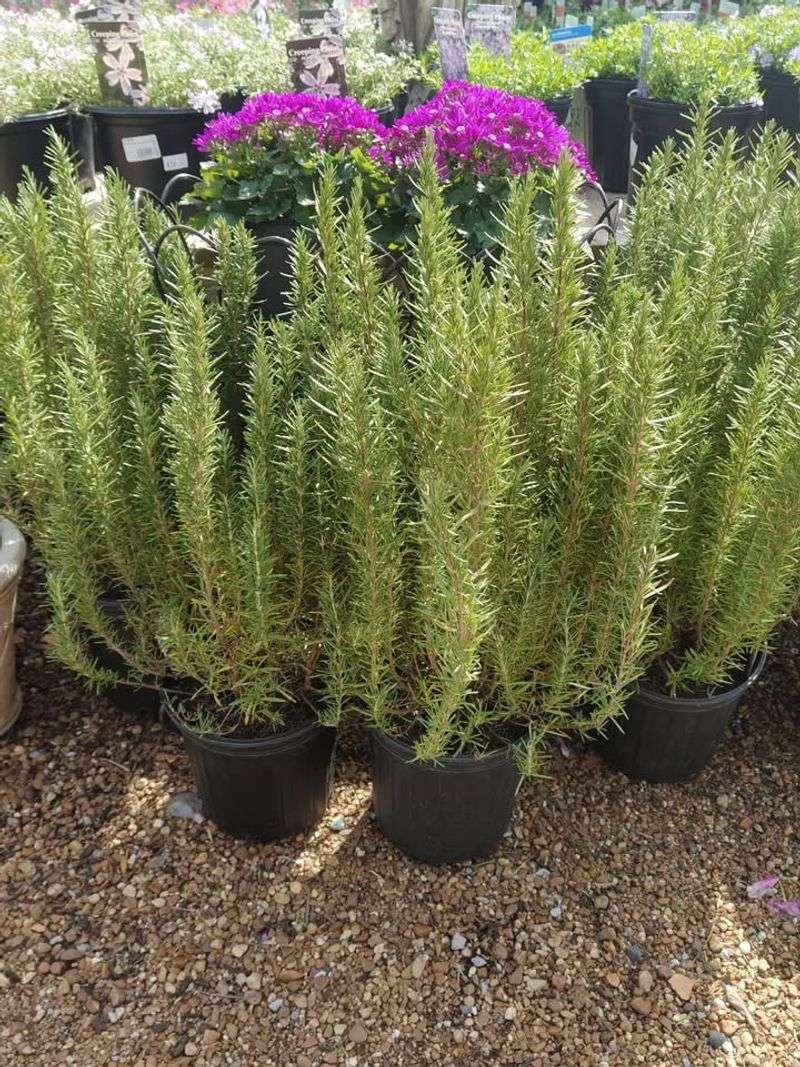
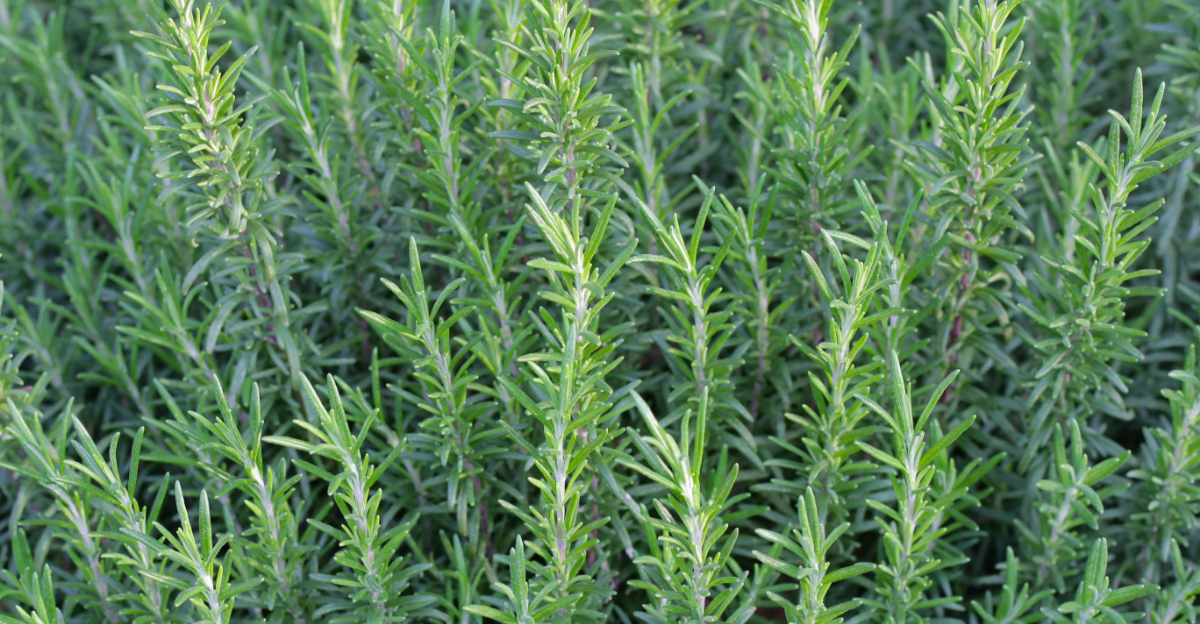
Few plants in the world carry as much personality as Rosemary. The moment you brush your hand against its needle-like leaves, that sharp, clean, piney fragrance rushes up and instantly wakes up your senses.
In Arizona, Rosemary is not just a kitchen herb sitting in a pot on the porch. It is a full-blown landscape shrub that can grow several feet tall and wide, filling an entire garden bed with its incredible scent.
Rosemary does well in Arizona’s hot, sunny climate. It prefers well-drained soil, tolerates drought once established, and maintains green foliage and fragrance through most of the year.
There are upright varieties that grow into tall, bushy hedges, and trailing varieties that spill over walls or raised beds in a graceful, spreading carpet. Both are equally aromatic and equally tough.
During the cooler months, Rosemary produces small but pretty blue or purple flowers that attract bees and other beneficial insects. The fragrance actually intensifies on warm days, which means Arizona summers turn your Rosemary bush into a natural fragrance diffuser right in your backyard.
Many homeowners in the Phoenix and Tucson areas use Rosemary as a living border along walkways so that every time someone brushes past, the scent is released.
Beyond its beauty and smell, Rosemary is endlessly useful. You can clip fresh sprigs for cooking, toss them on the grill, or dry them for seasoning.
It is a plant that earns its place in any Arizona backyard by being both gorgeous and genuinely practical every single day of the year.
4. Desert Sage With Bold, Herbal Notes
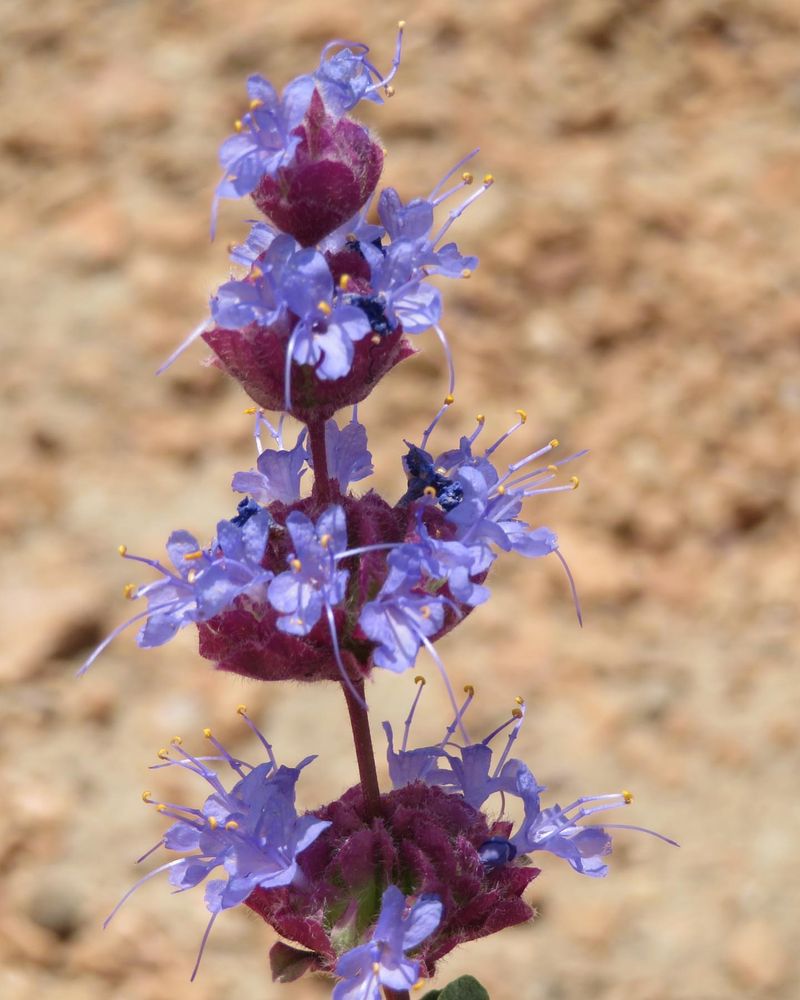
There is something almost magical about the smell of Desert Sage. It is earthy, clean, and slightly sweet all at once, and in Arizona, that scent is practically part of the culture.
Walk through any natural desert area after a monsoon rain, and Desert Sage will hit you with a wave of fragrance that feels ancient and deeply connected to the land.
Desert Sage, sometimes called White Sage, is a rugged native plant that thrives in Arizona’s arid conditions, though Big Sagebrush is a distinct species better suited to other regions. It has soft, silvery-gray leaves covered in tiny hairs that help reflect sunlight and reduce water loss, which is a brilliant natural adaptation for surviving the intense Arizona heat.
The fragrance comes from aromatic oils stored in those leaves and is released whenever the air heats up or moisture touches the plant.
This shrub is surprisingly easy to grow in Arizona backyards. It prefers full sun and sandy or rocky, well-drained soil, and it needs very little supplemental watering once it gets established.
Over time, it can grow three to five feet tall and wide, creating a soft, rounded mound of silvery foliage that looks stunning against desert landscape rocks or adobe walls.
Desert Sage also produces tall, slender spikes of small purple or blue flowers in late spring that attract native bees and butterflies. The combination of its striking appearance, incredible fragrance, and low water needs makes it one of the smartest choices for any Arizona homeowner looking to add serious sensory appeal to their outdoor space.
5. Butterfly Bush Attracting Pollinators
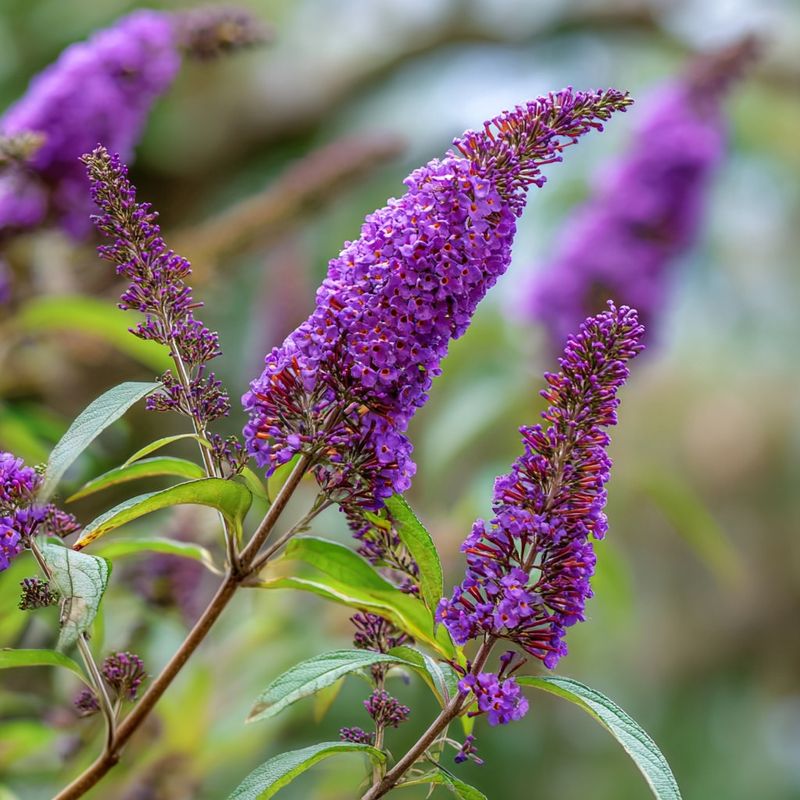
If your backyard could use a little more life, color, and fragrance all at the same time, Butterfly Bush is the shrub that delivers all three with zero hesitation. Named for its incredible ability to attract butterflies, this fast-growing plant produces long, cone-shaped clusters of tiny flowers in shades of purple, pink, white, and lavender.
Up close, each flower spike carries a sweet, honey-like fragrance that is hard to resist.
In Arizona, Butterfly Bush performs beautifully in the summer heat, blooming from late spring through fall and keeping the garden buzzing with activity the entire time. It loves full sun and handles dry conditions well, though it does appreciate a bit of regular watering during the hottest months to keep those blooms going strong.
Plant it near a seating area so you can enjoy both the fragrance and the parade of butterflies up close.
Butterfly Bush grows quickly and can reach six to ten feet tall if left unpruned. Most gardeners in Arizona trim it back in late winter or early spring to keep it compact and encourage even more vigorous blooming in the warm months ahead.
Cutting it back also helps prevent it from spreading beyond where you want it in the garden.
Beyond butterflies, this shrub attracts hummingbirds and native bees, turning your Arizona backyard into a lively wildlife habitat. The sweet fragrance wafts through the air on warm evenings, creating the kind of outdoor experience that makes you want to linger outside long after the sun goes down.
It is genuinely hard to find a more rewarding shrub for Arizona landscapes.
6. Honeysuckle Draping Spaces With Sweet Perfume
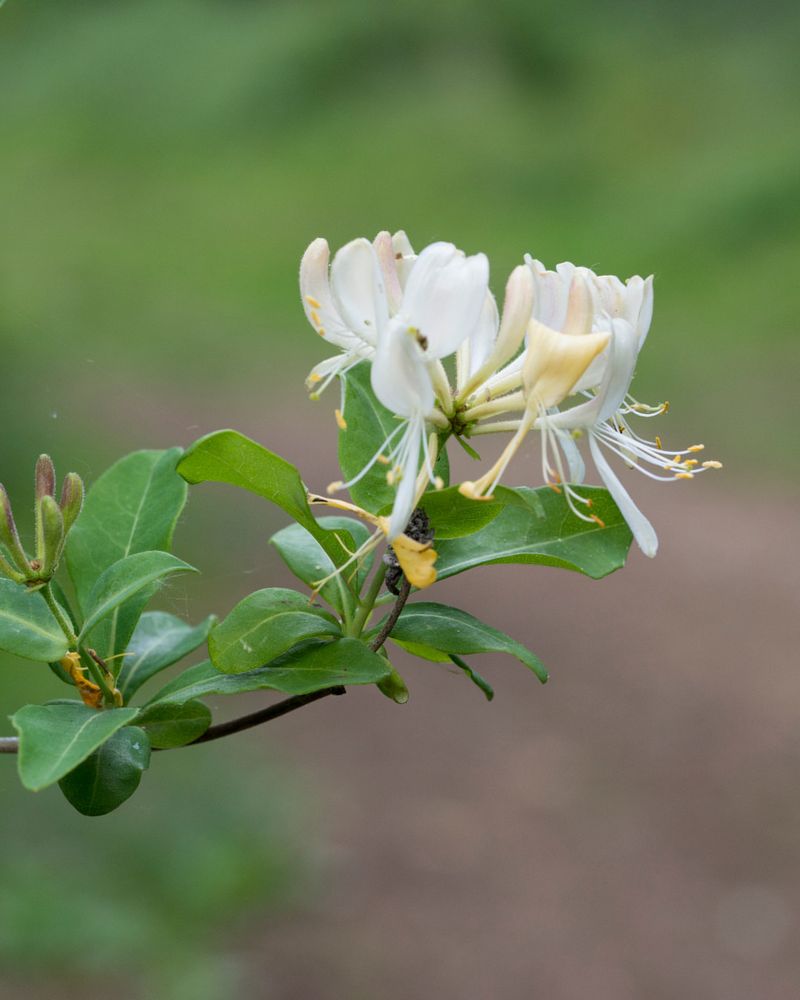
Sweet, rich, and unmistakably nostalgic, the fragrance of Honeysuckle is the kind of scent that stops you in your tracks and takes you somewhere wonderful. Many people in Arizona grow Honeysuckle as a climbing vine, but it can also be trained and trimmed to grow as a sprawling, fragrant shrub that adds serious charm to any backyard setting.
Arizona-friendly Honeysuckle varieties, like the native Arizona Honeysuckle or the popular Coral Honeysuckle, handle heat and drought surprisingly well once they get established. They produce clusters of tubular flowers in bright shades of orange, red, yellow, or pink throughout the warmer months.
The fragrance is strongest in the early morning and evening hours, which makes sitting outside during those times an especially pleasant experience.
Honeysuckle is also a hummingbird magnet. The long, nectar-filled flowers are perfectly shaped for hummingbird beaks, so planting Honeysuckle near a window or patio means you will have regular visits from these tiny, energetic birds all season long.
Butterflies and bees also love the blooms, making it a fantastic plant for supporting local pollinators in Arizona.
Growing Honeysuckle in Arizona is relatively straightforward. It prefers a spot with full sun to partial shade and soil that drains well.
Once established, it needs only moderate watering and occasional trimming to stay in shape. Whether you let it climb a fence, sprawl over a wall, or grow as a rounded shrub, Honeysuckle adds a romantic, fragrant dimension to Arizona backyards that is truly hard to beat.
7. Desert Honeysuckle Bringing Color And Nectar
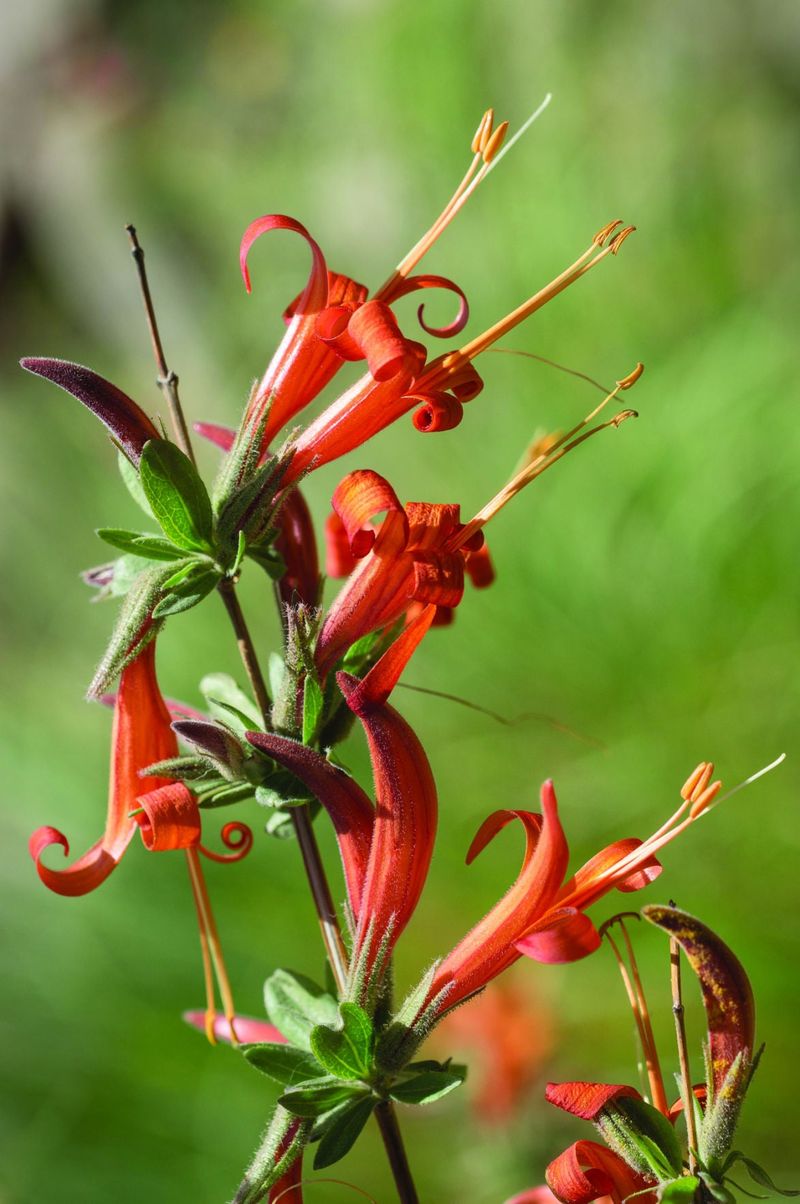
Bright, bold, and buzzing with hummingbirds, Desert Honeysuckle is one of those plants that earns a permanent spot in any Arizona backyard the moment you see it in full bloom. Known scientifically as Anisacanthus thurberi, this native desert shrub produces long, tubular orange-red flowers from spring through fall that are absolutely irresistible to hummingbirds and butterflies alike.
The fragrance of Desert Honeysuckle is light and sweet, more of a gentle background scent than an overwhelming perfume. On warm Arizona afternoons, the flowers release a soft, nectar-like aroma that mingles pleasantly with the dry desert air.
It is the kind of fragrance you notice when you slow down and pay attention, subtle but genuinely enjoyable when you are sitting nearby on a patio or garden bench.
Desert Honeysuckle is incredibly well-suited to Arizona’s tough growing conditions. It handles intense summer heat, alkaline soils, and limited water availability with ease.
Once established, it is very drought-tolerant, though it blooms more abundantly with occasional deep watering during the dry months. It typically grows three to five feet tall and wide, forming a loose, airy mound of bright green foliage dotted with cheerful orange blooms.
Planting Desert Honeysuckle near a seating area or along a garden path is a great idea for Arizona yards. The combination of its lovely fragrance, striking flower color, and the constant activity of visiting hummingbirds creates a backyard experience that feels genuinely alive and vibrant.
It is a tough, beautiful, and rewarding shrub that any Arizona homeowner can feel proud to grow.