8 Fragrant Shrubs That Make Georgia Backyards Smell Amazing
There’s something about stepping into a Georgia backyard in spring that feels like visiting an old friend – azaleas blooming, birds chattering, and that hint of perfumed blossoms carried on the breeze.
Shrubs with aromatic flowers or foliage can turn that feeling up a notch, wrapping outdoor spaces in memorable scents that are hard to ignore and easy to enjoy at any time of day.
Georgia’s climate supports a wide range of shrubs that produce noticeable fragrance. Some bloom in late spring, offering waves of sweet perfume, while others add scent throughout the growing season.
From classic Southern favorites to dependable landscape performers, these shrubs have earned their spots in gardens where fragrance matters.
Enjoying wonderful scent isn’t just about planting the right shrub; placement near patios, walkways, and outdoor seating areas makes the experience even richer.
Ahead is a list of fragrant shrubs suited to Georgia yards, selected for their ability to contribute both beauty and delightful aroma to outdoor living spaces.
1. Gardenia With Classic Southern Perfume
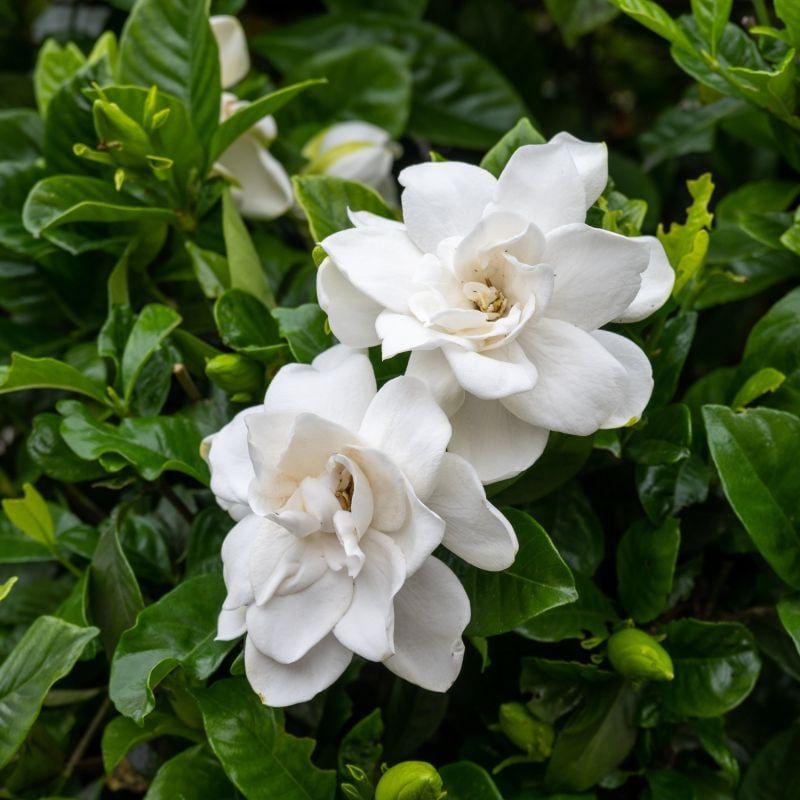
Few things in a Southern garden are as instantly recognizable as the rich, sweet scent of a gardenia in bloom. Gardenia jasminoides has been a popular fixture in Georgia yards, and once you catch a whiff of those waxy white flowers on a warm summer evening, it is easy to understand why.
The fragrance is bold, almost perfume-like, and can drift across an entire yard with ease.
Gardenias thrive in Georgia’s warm climate, preferring acidic, well-draining soil and a spot with morning sun and afternoon shade. They bloom most heavily in late spring through early summer, though some varieties will push out another round of flowers in the fall.
Keeping the soil pH between 5.0 and 6.5 is key to keeping your gardenia happy and producing those gorgeous blooms.
One smart tip for Georgia gardeners is to mulch heavily around the base of the plant to retain moisture during hot summer months. Gardenias do not love drought, so consistent watering matters, especially in the first couple of years.
Watch for common issues like yellowing leaves, which usually signal a need for iron or a pH adjustment.
Planting gardenias near a porch, patio, or bedroom window is a popular move in Georgia because the scent is strongest in the evening. Varieties like ‘August Beauty’ and ‘Kleim’s Hardy’ are especially well-suited to the region.
With a little attention and the right location, gardenias reward you with one of the most memorable fragrances a backyard can offer.
2. Tea Olive Filling Yards With Sweet Fragrance
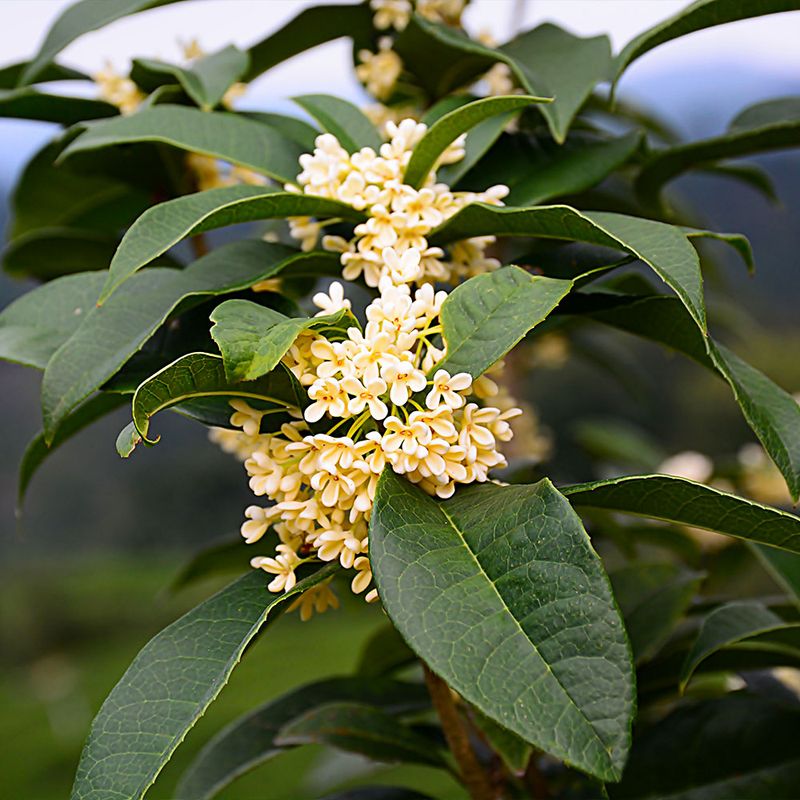
Walk past a tea olive on a crisp fall morning in Georgia and you might think someone nearby is baking something sweet. Osmanthus fragrans produces tiny, almost invisible flowers that pack a surprisingly powerful apricot-like fragrance.
It is one of those plants that makes you look around wondering where the incredible smell is coming from before you finally spot the modest little blooms tucked among the glossy leaves.
Tea olives are evergreen shrubs, which means they keep their good-looking foliage year-round, making them a reliable choice for Georgia landscapes. They bloom in fall and again in spring, offering two seasons of that signature sweet scent.
Once established, they tolerate periods of dryness, which is helpful during Georgia’s sometimes dry summer stretches.
These shrubs are adaptable when it comes to light. They can handle full sun, partial shade, or even mostly shaded spots, though blooming is most generous with at least a few hours of direct sunlight each day.
Tea olives can grow quite large over time, reaching anywhere from 10 to 30 feet if left unpruned, so planting them where they have room to spread is a good idea.
In Georgia, tea olives are often used as privacy hedges or specimen plants near entryways. Their low-maintenance nature and long blooming seasons make them a favorite among both beginner and experienced gardeners.
If you want a shrub that works hard, looks great all year, and fills your yard with a scent that stops people in their tracks, the tea olive is hard to beat.
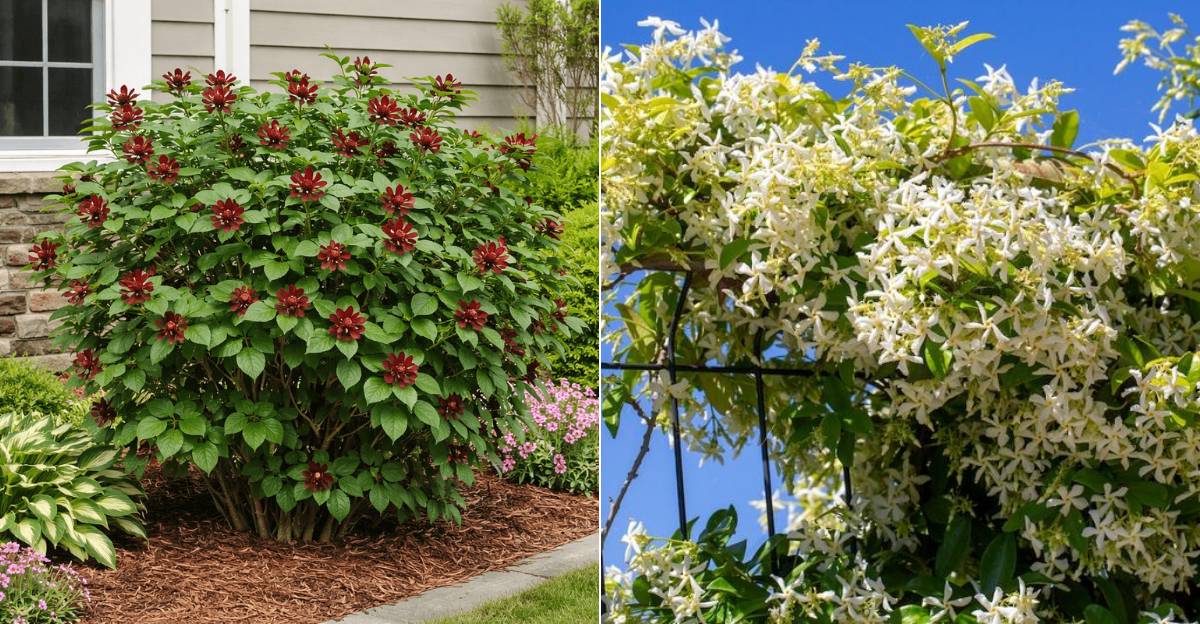
3. Sweetshrub Bringing Spicy-Sweet Aroma
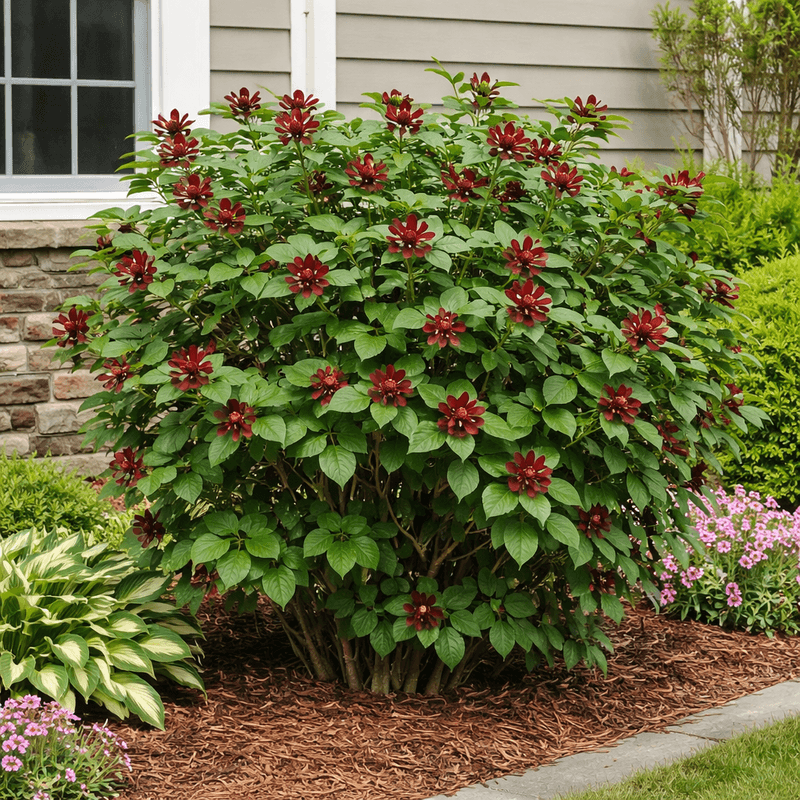
There is something wonderfully old-fashioned about sweetshrub. Calycanthus floridus is a native plant found in Georgia’s woodlands, and its spicy, fruity fragrance has long appealed to gardeners.
Some people say the flowers smell like strawberries, others say it is more like a mix of banana and cloves. Either way, the scent is unique and surprisingly pleasant.
Unlike many fragrant shrubs, sweetshrub does not rely on showy, colorful blooms to make an impression. The flowers are a deep burgundy-red and somewhat unusual looking, almost like something out of a botanical illustration from another era.
They appear in spring and early summer, and the fragrance is most noticeable when you gently crush a leaf or flower between your fingers.
One of the best things about sweetshrub for Georgia gardeners is how well it handles shade. While many flowering shrubs demand full sun, sweetshrub performs beautifully in partial to full shade, making it perfect for spots under trees or along shaded fence lines.
It also tolerates a range of soil types, including clay, which is common across much of Georgia.
Sweetshrub typically grows 6 to 10 feet tall and wide, so it works well as a naturalistic hedge or a background plant in a mixed border. Birds love the seeds it produces in the fall, adding extra wildlife value to your yard.
If you want a plant with deep roots in Georgia’s natural landscape and a scent that surprises everyone who encounters it, sweetshrub deserves a spot in your garden.
4. Virginia Sweetspire With Cascading Fragrant Blooms
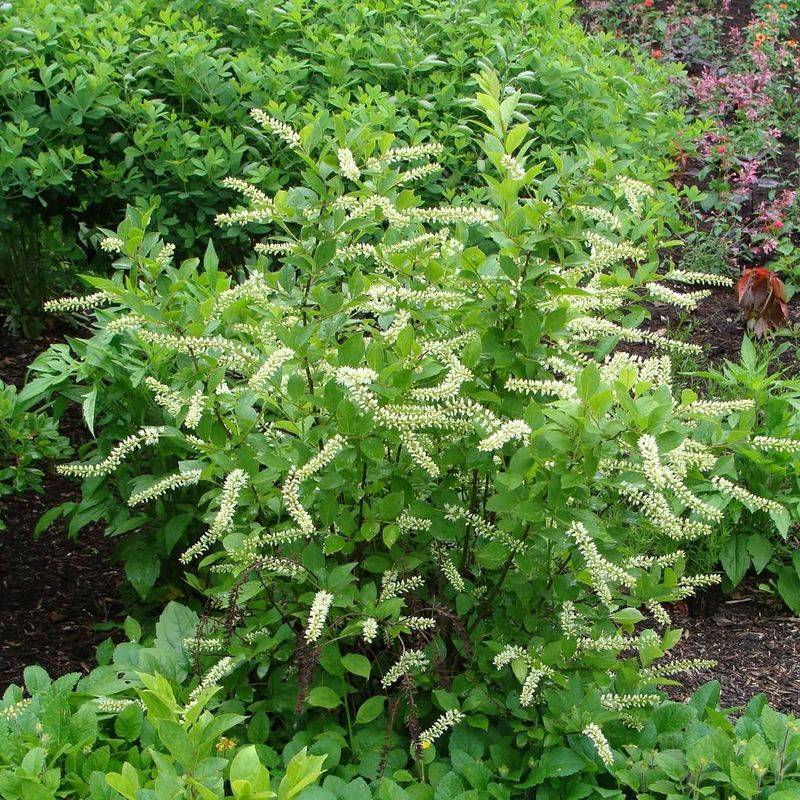
Virginia sweetspire might not have the most famous name on this list, but gardeners across Georgia who have grown it tend to become its biggest fans. Itea virginica is a native shrub that produces long, arching clusters of small white flowers in early summer.
The fragrance is soft and sweet, like a gentle floral honey, and it hangs in the air on warm afternoons in a way that feels almost dreamlike.
Beyond the scent, Virginia sweetspire earns serious points for its fall color. The leaves turn brilliant shades of red, orange, and purple as temperatures cool, giving the shrub a second season of standout beauty.
Not many fragrant shrubs can also double as a fall foliage showstopper, which makes this one especially valuable in a Georgia landscape.
This shrub is incredibly adaptable. It handles wet conditions better than most, making it a smart choice for low spots in the yard or areas near ponds and drainage areas, which are common in many parts of Georgia.
It also grows well in full sun or partial shade, and it is generally resistant to pests and disease.
Virginia sweetspire grows 3 to 5 feet tall and spreads slowly through suckers, eventually forming a tidy, rounded clump. It works beautifully as a foundation planting, a low hedge, or massed along a slope for erosion control.
The combination of fragrant summer blooms, brilliant fall color, and low-maintenance habits makes Virginia sweetspire one of the most underrated shrubs you can plant in a Georgia backyard.
5. Confederate Jasmine Draping Spaces With Sweet Scent
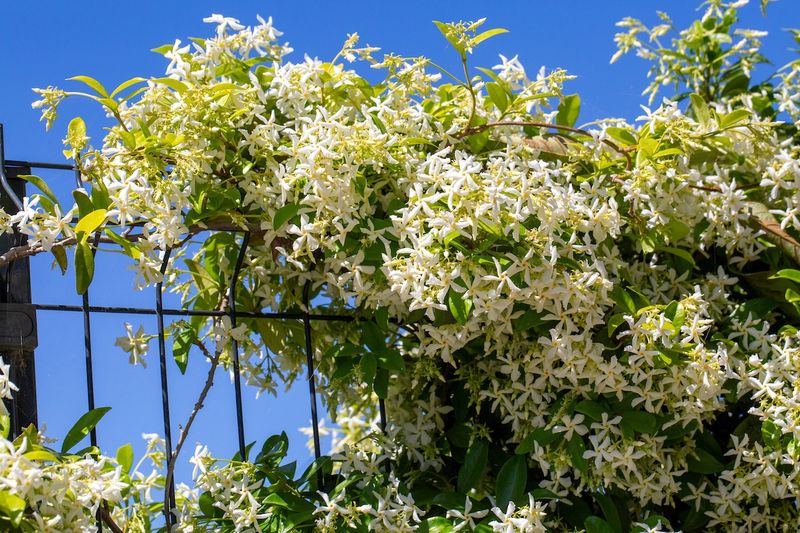
Spring in Georgia would not be complete without the sweet, slightly vanilla-tinged fragrance of Confederate jasmine drifting through the air. Trachelospermum jasminoides is technically a vine rather than a traditional shrub, but it is widely grown and deeply embedded in Georgia garden culture, earning its place on this list.
When it blooms in late spring, the clusters of small, star-shaped white flowers can cover a fence, trellis, or arbor in a blanket of fragrance that carries for yards in every direction.
Confederate jasmine is an evergreen plant, so it keeps its attractive, glossy green leaves throughout the year. This makes it a popular choice for covering unsightly fences or walls in Georgia yards while also providing a natural privacy screen.
It grows vigorously once established and can handle full sun to partial shade without much fuss.
One of the reasons this plant is so beloved in Georgia is its toughness. It handles the state’s hot, humid summers remarkably well and is also fairly drought-tolerant once it gets its roots established.
Pruning after the spring bloom helps keep it tidy and can encourage a denser, more attractive growth habit over time.
Confederate jasmine pairs beautifully with brick walls, wooden pergolas, and garden gates, which are common features in Georgia’s traditional landscape style. The fragrance is strongest in the morning and early evening, making it perfect near outdoor seating areas.
Plant it where you spend time, and it will reward you with one of the most intoxicating scents a Georgia garden can produce.
6. Fragrant Viburnum Bursting With Spring Aroma
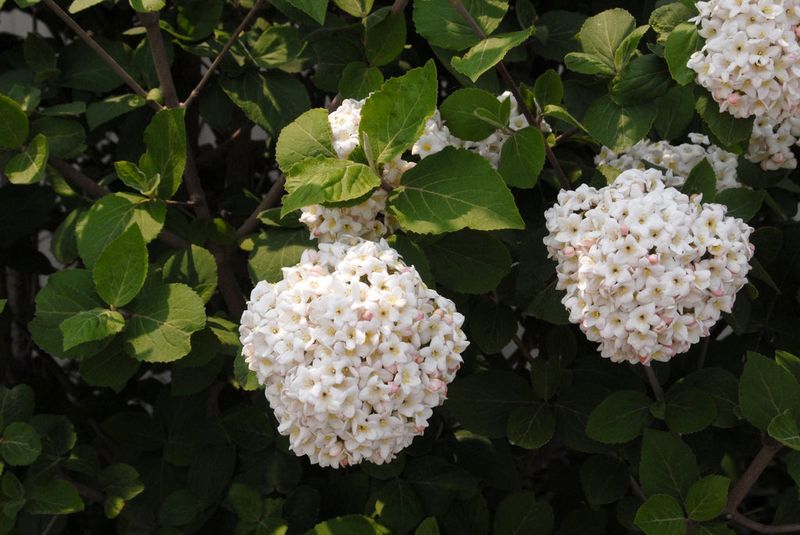
Imagine stepping outside on a late winter morning in Georgia, when most of the garden is still quiet and bare, and being greeted by a rich, spicy-sweet fragrance you were not expecting. That is exactly what fragrant viburnum delivers.
Viburnum farreri and its popular hybrid Viburnum x bodnantense are among the earliest bloomers in the Georgia garden, often pushing out their pink-tinged white flower clusters while there is still a chill in the air.
The fragrance of fragrant viburnum is often compared to a mix of cloves and vanilla, warm and slightly exotic. Because it blooms early in the season, it provides a welcome burst of both color and scent when the yard is still coming to life.
The blooms appear on bare branches before the leaves emerge, giving the plant a striking, almost sculptural look.
Fragrant viburnum grows best in full sun to partial shade and prefers well-drained soil. It typically reaches 8 to 10 feet tall, making it a solid choice for a background shrub or an informal hedge in larger Georgia yards.
Once established, it is relatively low-maintenance and tolerates Georgia’s summer heat with reasonable grace.
For best fragrance impact, plant fragrant viburnum near a path or entryway where you will walk past it regularly during late winter and early spring. Pairing it with early spring bulbs like daffodils creates a stunning seasonal display.
Few shrubs can match the morale boost of a fragrant viburnum in full bloom when the rest of the Georgia garden is just waking up from winter.
7. Swamp Azalea Adding Lovely Fragrance
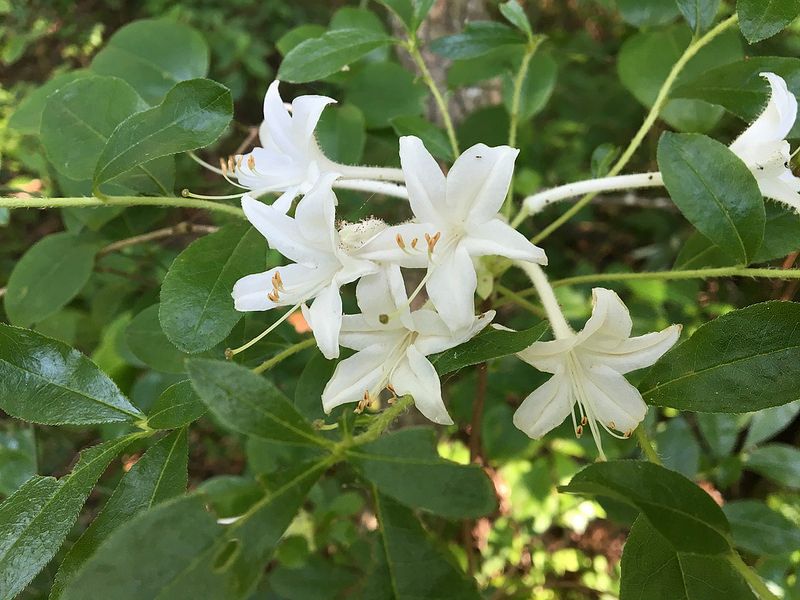
Most people think of azaleas as a spring show, all bright pinks and reds bursting out in March and April across Georgia yards. Swamp azalea, however, has a slightly later bloom period.
Rhododendron viscosum is a native species that blooms in late spring to early summer and offers a strong, appealing fragrance. The white, tubular flowers carry a sweet, spicy scent that is often compared to cloves or cinnamon, and it is strong enough to fill a corner of the yard with ease.
As the name suggests, swamp azalea naturally grows in wet, boggy areas, which makes it one of the few fragrant shrubs that actually thrives in poorly drained spots. If you have a low area of your Georgia yard that stays wet after rain, swamp azalea is one of the best plants you can put there.
It also grows well along stream banks, pond edges, and rain gardens.
Swamp azalea prefers acidic soil, which is very common across much of Georgia, and does well in partial shade, especially under the canopy of tall pines or oaks. It grows 5 to 8 feet tall and has an open, airy structure that feels natural and relaxed in the landscape.
Beyond its fragrance, swamp azalea is valuable for wildlife. Hummingbirds and native pollinators are drawn to the flowers, and the shrub provides cover for small birds and insects.
Choosing a native plant like swamp azalea means you are supporting Georgia’s local ecosystem while also making your backyard smell absolutely wonderful during the early summer months.
8. Banana Shrub With Tropical, Sweet-Scented Blooms
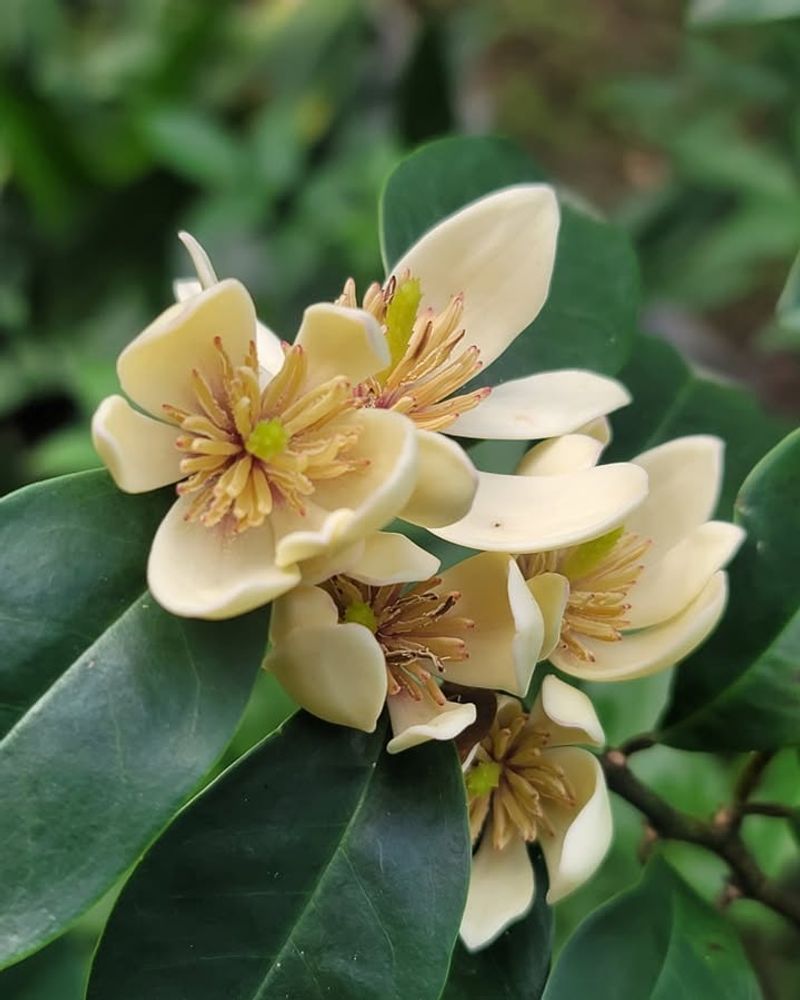
Here is a fun one that surprises almost every first-time visitor to a Georgia garden. Banana shrub, known botanically as Magnolia figo, earns its name honestly.
The small, creamy yellow flowers that appear in spring and early summer have a fragrance reminiscent of bananas, creating a playful and pleasant effect. Children especially love discovering that a plant can smell like their favorite fruit.
Banana shrub is an evergreen with attractive, glossy dark green leaves that give it a polished, formal look year-round. It tends to grow slowly, eventually reaching 6 to 15 feet tall depending on the variety and conditions.
Because of its dense growth habit, it works well as a privacy screen, a foundation planting near a house, or a standalone specimen in a Georgia garden bed.
This shrub prefers partial shade and well-drained, slightly acidic soil, conditions that are easy to find in many Georgia yards. It handles the state’s humidity well and is reasonably drought-tolerant once established, though it appreciates regular watering during its first year in the ground.
Mulching the root zone helps keep moisture consistent and roots cool during Georgia’s intense summer heat.
One thing to keep in mind is that banana shrub’s flowers are somewhat hidden among the leaves, so you often smell it before you see it. Planting it near a walkway or outdoor seating area takes full advantage of that surprising, cheerful fragrance.
It is the kind of plant that becomes a conversation starter every time guests visit your Georgia backyard for the first time.