10 Free Garden Ideas North Carolina Homeowners Can Use To Improve Their Yards Without Spending A Penny
Transforming your outdoor space doesn’t have to drain your wallet or require expensive trips to the garden center every single weekend in North Carolina.
Many homeowners overlook simple tricks that cost absolutely nothing but can make their yards look more beautiful and healthier than ever before.
North Carolina’s climate and natural resources offer unique opportunities for gardeners willing to get creative with what they already have around their homes.
These ten free garden ideas will help you create a stunning yard using only your time, effort, and the natural materials already available.
1. Start Composting Kitchen Scraps And Yard Waste
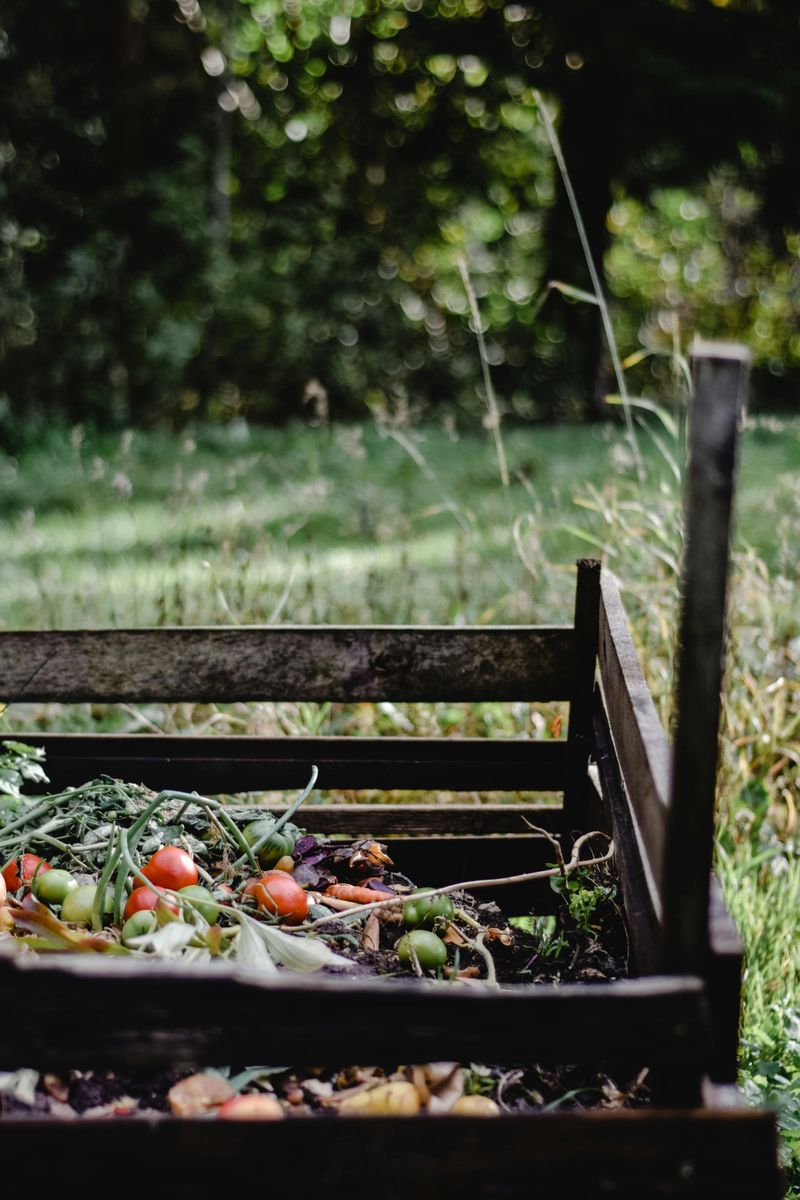
Your kitchen produces valuable fertilizer every single day that most people simply throw away without realizing its incredible potential for garden health.
Vegetable peels, coffee grounds, and eggshells break down into nutrient-rich compost that feeds plants better than many store-bought fertilizers you’d pay for.
North Carolina’s warm climate speeds up decomposition, meaning your compost pile will produce usable material faster than in colder northern states across America.
Grass clippings, fallen leaves, and small twigs from your yard add carbon to balance the nitrogen from kitchen scraps in your pile.
Layer green materials with brown materials in a corner of your yard, and nature does the rest of the work for free.
Turn your pile occasionally with a shovel or pitchfork to introduce oxygen, which helps beneficial bacteria break down organic matter into black gold.
Within a few months, you’ll have rich, crumbly compost to spread around flowers, vegetables, and shrubs without spending a single dollar at stores.
This sustainable practice reduces household waste while improving soil structure, water retention, and plant health throughout your entire North Carolina garden space.
2. Collect Rainwater In Containers For Free Garden Irrigation
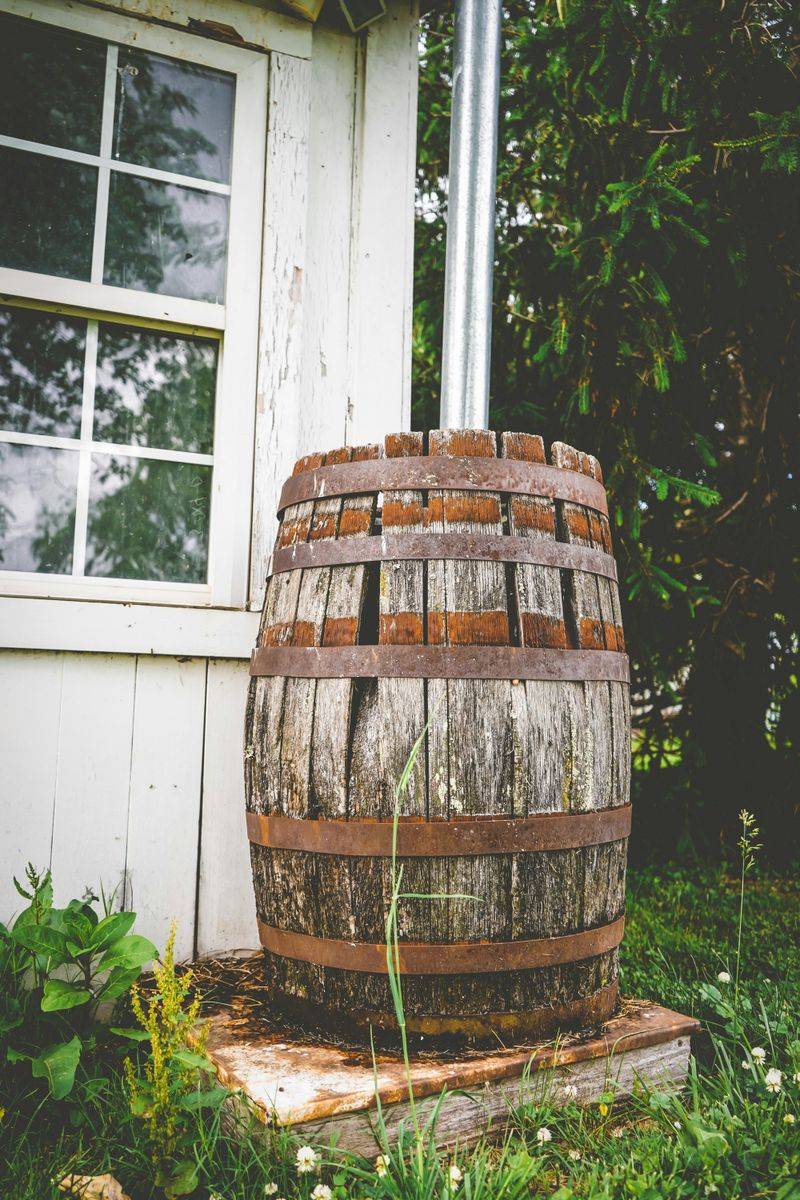
North Carolina receives an average of forty to fifty inches of rainfall annually, and most of it flows straight into storm drains unnecessarily.
Positioning buckets, barrels, or old containers under downspouts captures this free water resource that would otherwise disappear from your property completely forever.
Rainwater lacks the chlorine and chemicals found in tap water, making it gentler on sensitive plants and beneficial soil microorganisms living underground.
Even a modest rain shower can fill a five-gallon bucket quickly, providing enough water for several days of plant care during drier periods.
Use collected rainwater during North Carolina’s occasional summer dry spells to keep vegetables, flowers, and new plantings hydrated without increasing your water bill.
Make sure containers have tight-fitting lids or fine mesh screens to prevent mosquitoes from breeding in standing water around your home area.
This simple practice reduces your environmental footprint while keeping your garden lush and green during times when rainfall becomes unpredictable or insufficient.
Homeowners who collect rainwater often discover they can maintain beautiful gardens even during water restrictions imposed by local municipalities across the state.
3. Save Seeds From Vegetables And Flowers For Next Season
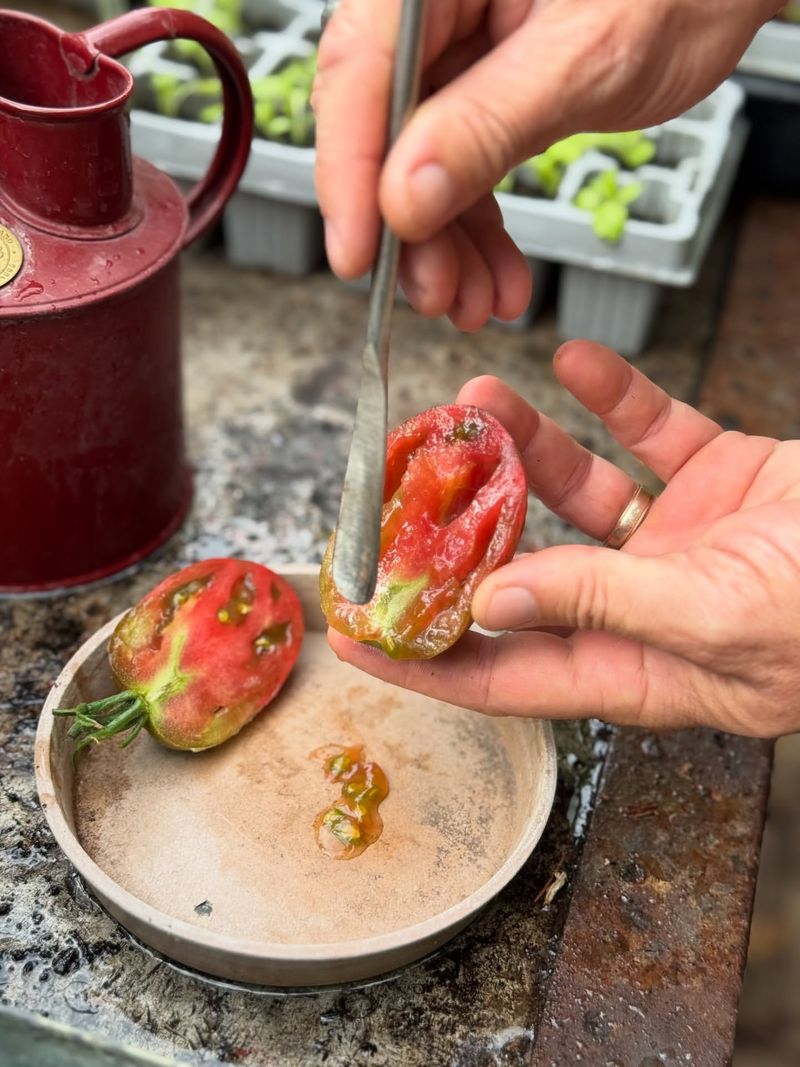
Every tomato, pepper, and flower in your garden contains dozens of seeds that represent free plants for next year’s growing season ahead.
Allowing some vegetables and flowers to fully mature and dry on the plant produces viable seeds you can harvest and store properly.
Tomatoes, beans, marigolds, and zinnias are especially easy for beginners to save because their seeds require minimal processing before storage in envelopes.
Scoop out tomato seeds, rinse away the gel, dry them on paper towels, and store in labeled envelopes in cool, dark places.
Bean and pea pods left on plants until completely dry and brown contain ready-to-plant seeds that need no additional preparation whatsoever.
North Carolina’s long growing season allows many plants to produce mature seeds before frost, giving gardeners excellent opportunities for seed-saving success rates.
This practice connects you to traditional gardening methods used for thousands of years before commercial seed companies existed in modern agriculture.
Next spring, you’ll have free seeds to plant without purchasing packets from stores, and you can share extras with neighbors and friends.
4. Divide Existing Perennials To Create More Plants
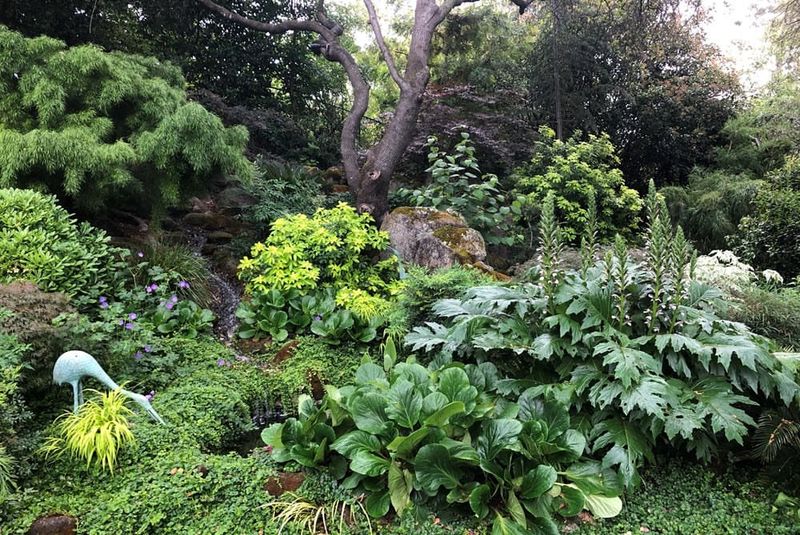
Perennial plants like hostas, daylilies, and ornamental grasses naturally expand over time, creating perfect opportunities to multiply your plant collection for free.
Every three to five years, many perennials become crowded and benefit from division, which simultaneously rejuvenates the parent plant and creates new ones.
Spring or fall are ideal times in North Carolina to divide perennials when temperatures are moderate and plants aren’t stressed by extreme heat.
Simply dig up the entire plant, use your hands or a sharp spade to separate the root ball into sections with healthy roots attached.
Replant divisions immediately in new locations around your yard, water them well, and watch them establish as completely independent plants within weeks.
This technique works wonderfully with irises, coneflowers, black-eyed Susans, and many other common North Carolina garden favorites that grow vigorously here.
You can fill empty spaces in your landscape, create borders, or share divisions with friends and family without spending money at nurseries.
Dividing perennials keeps your garden looking fresh and full while preventing plants from becoming overgrown, woody, or less productive over multiple seasons.
5. Use Fallen Leaves As Free Mulch And Soil Amendment
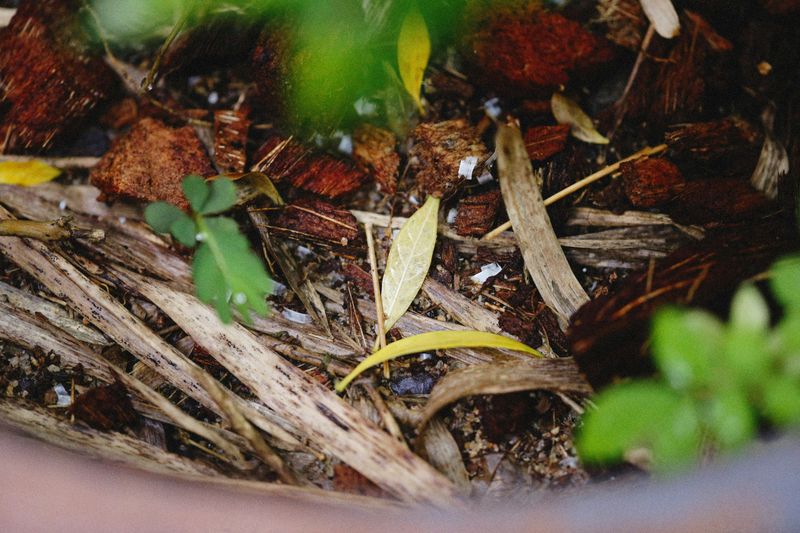
Autumn brings an abundance of fallen leaves that most homeowners bag up and send to landfills, wasting a valuable free resource unnecessarily.
Shredded leaves make excellent mulch that suppresses weeds, retains soil moisture, and breaks down slowly to add organic matter to your garden beds.
Run your lawn mower over piles of leaves to chop them into smaller pieces that decompose faster and stay in place better.
Spread a two to three inch layer of shredded leaves around perennials, shrubs, and trees to protect roots during North Carolina’s occasional winter freezes.
As leaves decompose, they feed earthworms and beneficial microorganisms that improve soil structure, drainage, and nutrient availability for plant roots below.
Oak, maple, and other hardwood leaves work best because they break down at a moderate pace and don’t mat down too densely.
You can also add whole leaves directly to compost piles as brown material or till them into vegetable gardens in fall or spring.
This free mulch alternative saves money on bagged products while recycling nutrients back into your landscape in a completely natural and sustainable way.
6. Propagate Shrubs And Plants From Cuttings
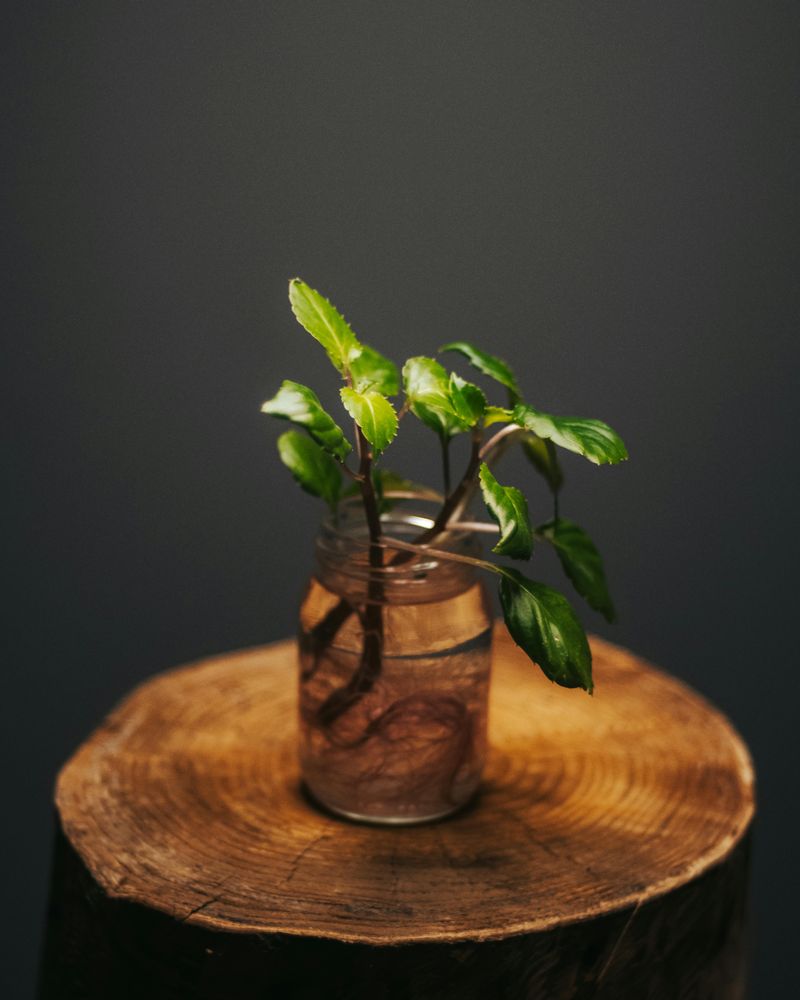
Many common landscape plants can be easily reproduced from stem cuttings placed in water or soil until roots develop successfully enough.
Hydrangeas, roses, forsythia, and many herbs root readily from cuttings taken during the growing season when plants are actively producing new growth.
Cut four to six inch sections from healthy stems, remove lower leaves, and place cuttings in water or moist potting soil mixtures.
North Carolina’s warm weather encourages faster root development, often producing plantable specimens within just a few weeks of taking the original cuttings.
Change water every few days if rooting in jars, or keep soil consistently moist but not waterlogged to prevent rot problems.
Once roots are one to two inches long, transplant cuttings into your garden or containers where they’ll grow into full-sized plants eventually.
This method lets you create exact clones of favorite plants without purchasing new ones from garden centers or nurseries around the state.
Share rooted cuttings with neighbors and friends, or use them to fill bare spots in your landscape with varieties you already know thrive.
7. Relocate Volunteer Seedlings To Desired Garden Spots
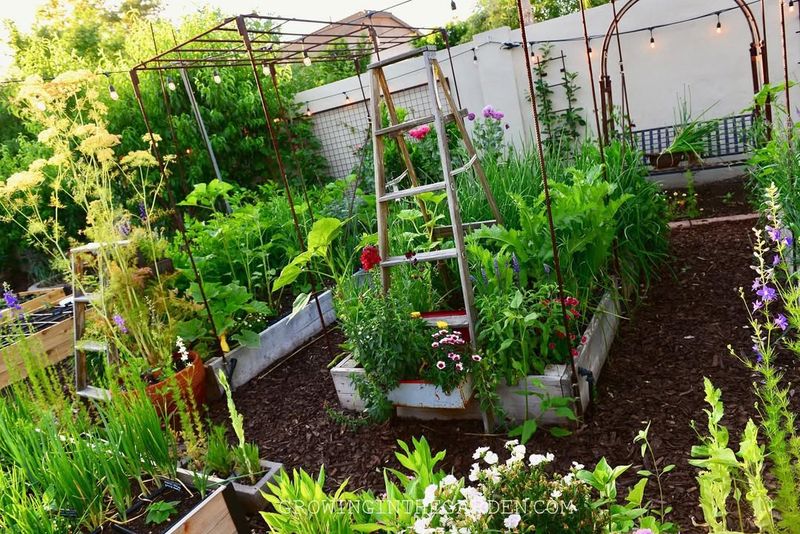
Gardens naturally produce volunteer seedlings from dropped seeds that sprout in unexpected places, offering free plants if you recognize and relocate them.
Tomatoes, squash, sunflowers, and many herbs frequently appear as volunteers in mulch, compost areas, or between pavers where seeds fell previously.
Carefully dig up these surprise seedlings with a trowel, keeping as much root and soil intact as possible during the transplanting process.
Move volunteers to appropriate garden spots where you actually want them growing, water them well, and they’ll usually establish successfully within days.
North Carolina’s relatively mild spring weather gives volunteer seedlings excellent survival rates when transplanted early before heat stress becomes an issue later.
This free source of plants can fill vegetable gardens, flower beds, or containers without requiring you to purchase seeds or starter plants.
Some gardeners intentionally allow certain plants to go to seed specifically to encourage volunteers that provide continuous free plants year after year naturally.
Learning to identify volunteer seedlings takes practice, but it’s a rewarding skill that maximizes your garden’s productivity without any additional financial investment.
8. Create Natural Pest Control With Companion Planting
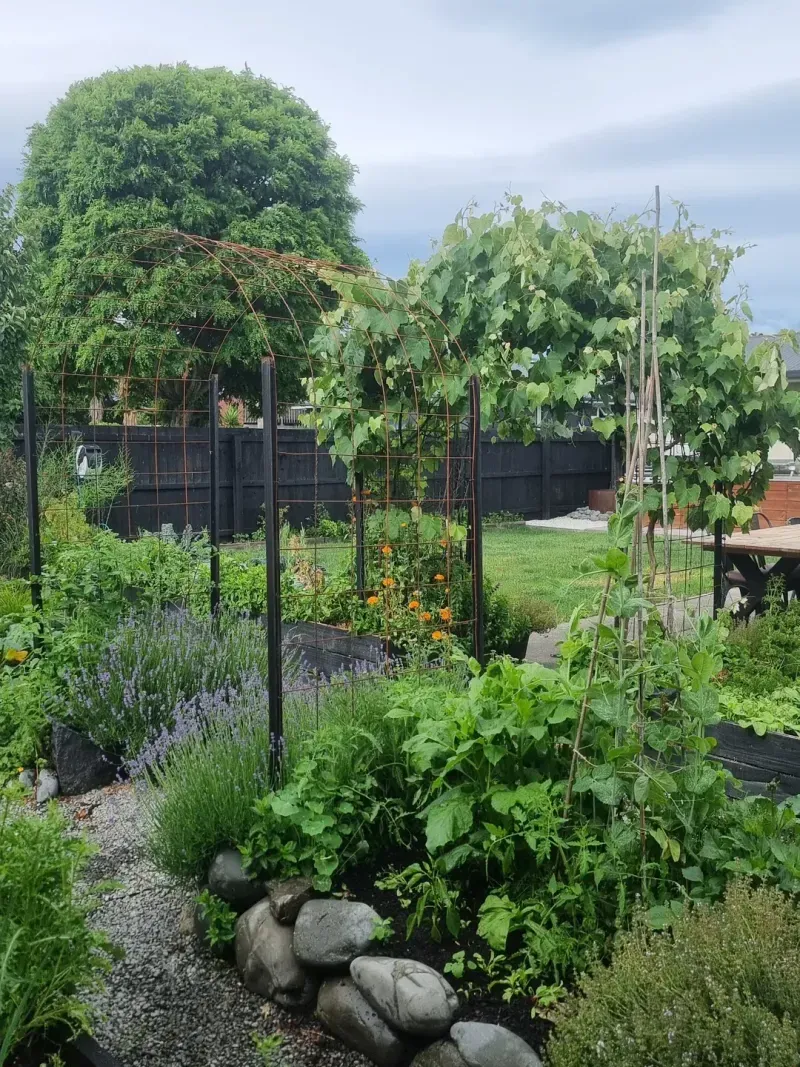
Strategically arranging different plants together creates natural pest deterrents without purchasing chemical sprays or expensive organic pest control products from stores.
Marigolds planted near tomatoes and peppers repel aphids, while basil near the same plants improves growth and discourages certain harmful insect species.
Strong-smelling herbs like rosemary, sage, and thyme confuse pests searching for their preferred host plants by masking familiar scents they follow.
Nasturtiums act as trap crops, attracting aphids away from vegetables you want to protect, sacrificing themselves for the greater garden good.
North Carolina’s diverse growing season allows for extended companion planting combinations that provide pest protection from early spring through late fall harvests.
Interplanting flowers with vegetables also attracts beneficial insects like ladybugs and lacewings that naturally prey on common garden pests throughout summer.
This approach requires only rearranging plants you already have or plan to grow anyway, making it completely free to implement effectively.
Companion planting reduces pest damage while creating more visually interesting gardens that blend ornamental and edible plants together in beautiful, functional arrangements.
9. Build Garden Borders With Found Rocks And Branches
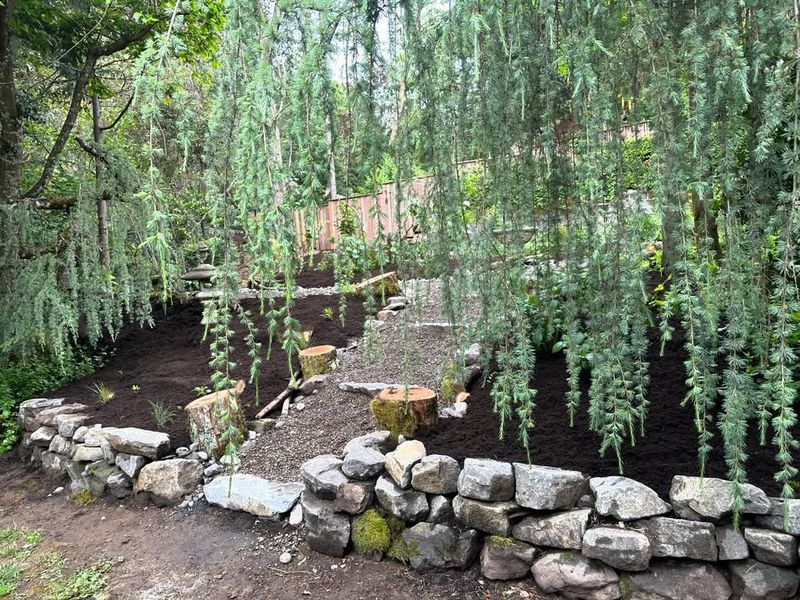
Every North Carolina property has natural materials like rocks, stones, and fallen branches that can define garden beds without purchasing expensive edging materials.
Collecting rocks from your property or nearby woods creates attractive borders that prevent grass from creeping into flower and vegetable beds over time.
Arrange rocks in single or double rows along bed edges, pressing them slightly into soil for stability and a more natural appearance.
Larger branches and logs can edge woodland-style gardens, creating rustic borders that decompose slowly while adding organic matter to surrounding soil areas.
This approach works especially well in North Carolina’s piedmont and mountain regions where rocks naturally occur in yards and wooded areas nearby.
Natural borders complement any landscape style while providing free solutions that look intentional and attractive rather than haphazard or temporary in appearance.
Unlike plastic or metal edging that deteriorates or looks artificial, natural materials blend seamlessly with surrounding landscapes and improve with age and weathering.
Spending a few hours gathering and arranging natural materials gives you permanent garden borders that cost absolutely nothing but your time.
10. Improve Soil By Planting Cover Crops In Off-Season
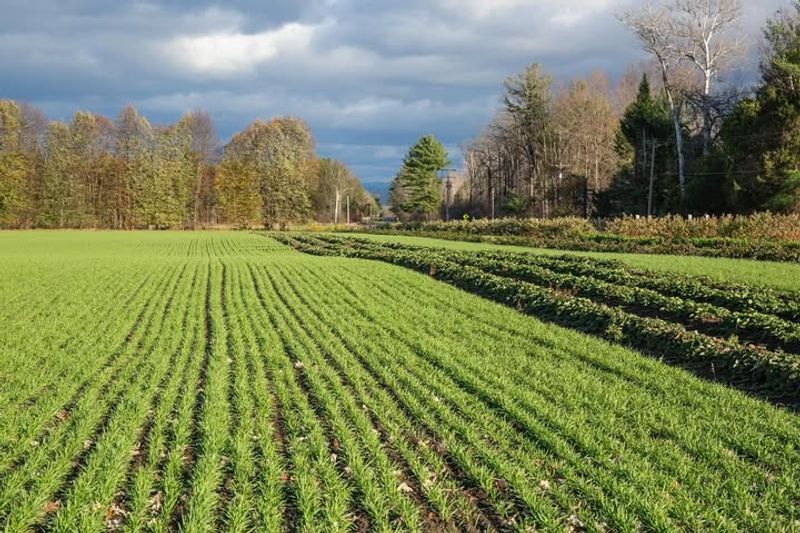
Empty garden beds during North Carolina’s mild winters provide perfect opportunities to grow cover crops that improve soil without purchasing fertilizers or amendments.
Clover, winter rye, and hairy vetch grow vigorously during cooler months, preventing erosion while adding nitrogen and organic matter when turned under.
Many gardeners have leftover seeds from previous plantings or can obtain free seeds from local agricultural extension offices and gardening groups around town.
Broadcasting cover crop seeds over bare soil in fall protects ground from winter rains that would otherwise wash away valuable topsoil layers.
Come spring, simply cut down cover crops and turn them into soil a few weeks before planting vegetables or flowers in prepared beds.
As cover crops decompose, they release nutrients slowly, improve soil structure, and increase beneficial microbial activity that helps future plants thrive and grow.
This traditional farming technique requires no special equipment or expertise, just willingness to plant something during months when gardens typically sit empty.
North Carolina’s relatively warm winters allow cover crops to establish well and provide maximum benefit before spring planting season arrives each year.