9 Front Yard Features That Reduce Ongoing Maintenance In California
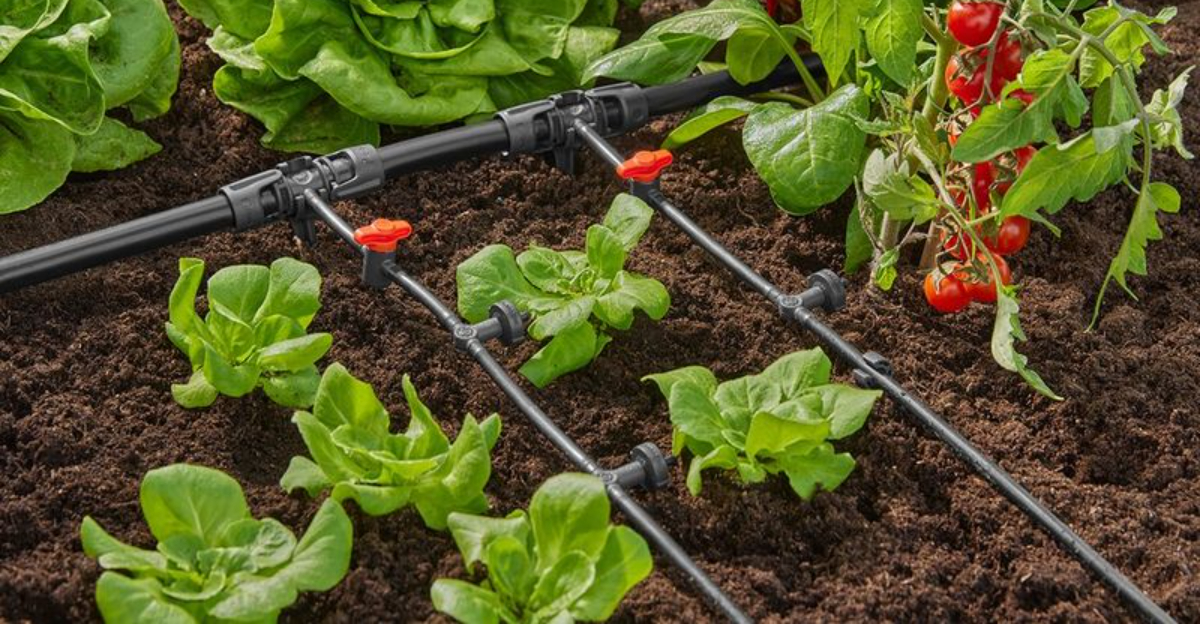
California front yards are changing as homeowners look for designs that stay attractive without demanding constant time and effort. Water limits, heat, and busy routines are pushing many people to rethink traditional lawn-heavy layouts.
Instead of weekly mowing and endless watering, more California properties are focusing on features that quietly handle harsh conditions year after year.
Low-maintenance front yard choices reduce stress by cutting down on chores that never seem to end. They also help outdoor spaces feel intentional rather than overworked or neglected.
Gravel, stone, and drought-tolerant surfaces perform especially well in California climates.
These materials hold up through heat waves while keeping maintenance routines simple.
Thoughtful layout decisions can eliminate the need for constant trimming, edging, and seasonal replacements.
Front yard features designed for durability often look better over time instead of wearing down. That long-term payoff makes them especially appealing to California homeowners juggling multiple priorities.
Once high-effort elements are replaced, front yards become easier to manage without losing curb appeal.
The result is an outdoor space that stays clean, stable, and visually appealing with far less ongoing attention.
1. Native Drought-Tolerant Plants
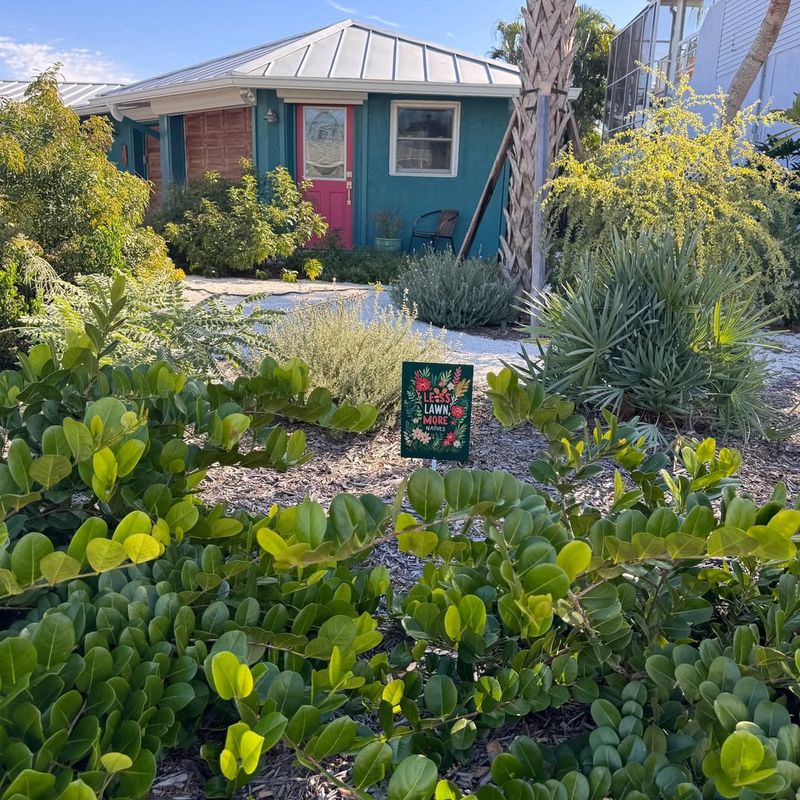
California landscapes benefit enormously from plants that evolved right here in the region. Indigenous species like California poppies, manzanita, and sage require minimal watering once their roots establish themselves.
Your water bill drops significantly while your garden thrives without constant attention.
These plants already know how to handle local soil conditions and temperature swings.
They resist common pests naturally because they developed alongside local insects and wildlife. Forget about applying chemical treatments or fighting constant infestations that plague non-native varieties.
Maintenance becomes refreshingly simple with native selections throughout your California property. Most species need pruning just once or twice yearly to maintain their shape.
Fertilizing is rarely necessary since these plants adapted to local nutrient levels over thousands of years.
Your front yard stays colorful across seasons without demanding weekend after weekend of your time.
Native wildflowers bloom brilliantly in spring, while evergreen shrubs provide year-round structure.
Choosing plants suited to California means working with nature instead of fighting against it constantly.
These selections allow California homeowners to enjoy attractive landscapes without constantly adjusting watering schedules or worrying about seasonal stress.
Once established, native plants tend to settle into a steady rhythm that keeps yards looking intentional with very little hands-on effort.
2. Artificial Turf or Synthetic Grass
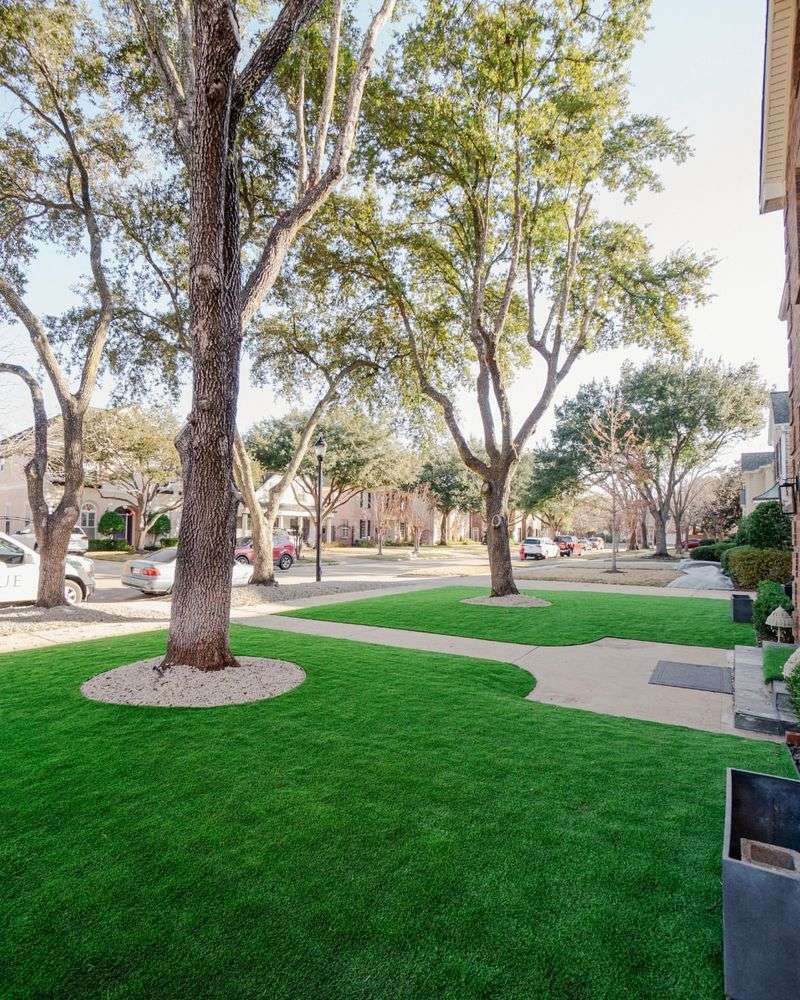
Lawns traditionally demand enormous amounts of water, fertilizer, and weekly mowing sessions. Synthetic grass eliminates all those chores while maintaining that lush green appearance homeowners love.
Modern products look remarkably realistic compared to older versions that screamed “fake” from a distance.
Installation costs get recovered within a few years through reduced water usage across California properties. No more paying for lawn service or spending Saturday mornings pushing a mower around.
Rain or shine, your grass stays perfectly even and ready for guests.
Quality artificial turf withstands heavy foot traffic without developing bare patches or muddy spots. Families with kids and pets particularly appreciate how durable these surfaces prove over time.
Cleaning requires nothing more than occasional rinsing with a garden hose.
The environmental benefits extend beyond water conservation in drought-prone California regions. Gas-powered mowers contribute significantly to air pollution, which synthetic grass completely eliminates.
You also avoid chemical runoff from fertilizers and pesticides that would otherwise enter local waterways and harm ecosystems.
Homeowners often appreciate the consistency synthetic grass provides, especially in areas where maintaining a natural lawn feels like a constant struggle.
This option removes many seasonal worries while keeping outdoor spaces visually clean and usable year-round.
3. Decorative Rock and Gravel Beds
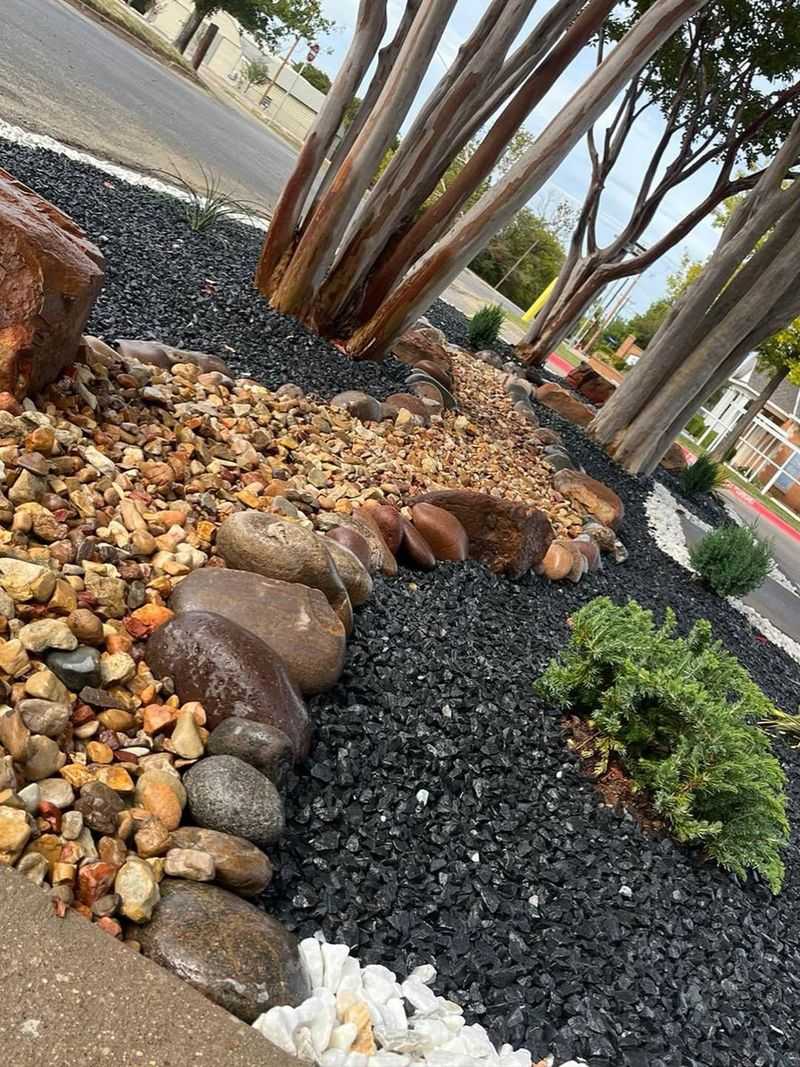
Rocks never need watering, trimming, or replacing like living plants do. Covering large sections of your front yard with attractive stone creates instant visual interest.
River rocks, decomposed granite, and decorative pebbles come in dozens of colors and sizes to match any home style.
Weeds struggle to push through properly installed rock beds, especially when landscape fabric goes underneath.
Maintenance drops to nearly zero compared to traditional planted areas across California yards.
An occasional pass with a leaf blower keeps the surface looking tidy.
Gravel beds drain quickly during winter rains, preventing muddy messes near walkways and entryways. Stone retains heat during cool evenings, creating comfortable microclimates around seating areas.
These features work beautifully in California’s Mediterranean climate where water conservation matters most.
Design possibilities expand dramatically when combining different rock types and sizes. Create meandering pathways, dry creek beds, or zen garden aesthetics with minimal effort.
Adding a few strategically placed boulders or accent plants prevents the space from feeling too stark while keeping maintenance requirements incredibly low.
Stone features bring structure and clarity to landscapes that might otherwise feel busy or uneven.
When planned thoughtfully, these beds create balance while dramatically reducing the need for ongoing upkeep.
This approach allows homeowners to enjoy a polished, intentional landscape that holds its shape through changing seasons without demanding constant attention or resources.
4. Mulched Planting Areas
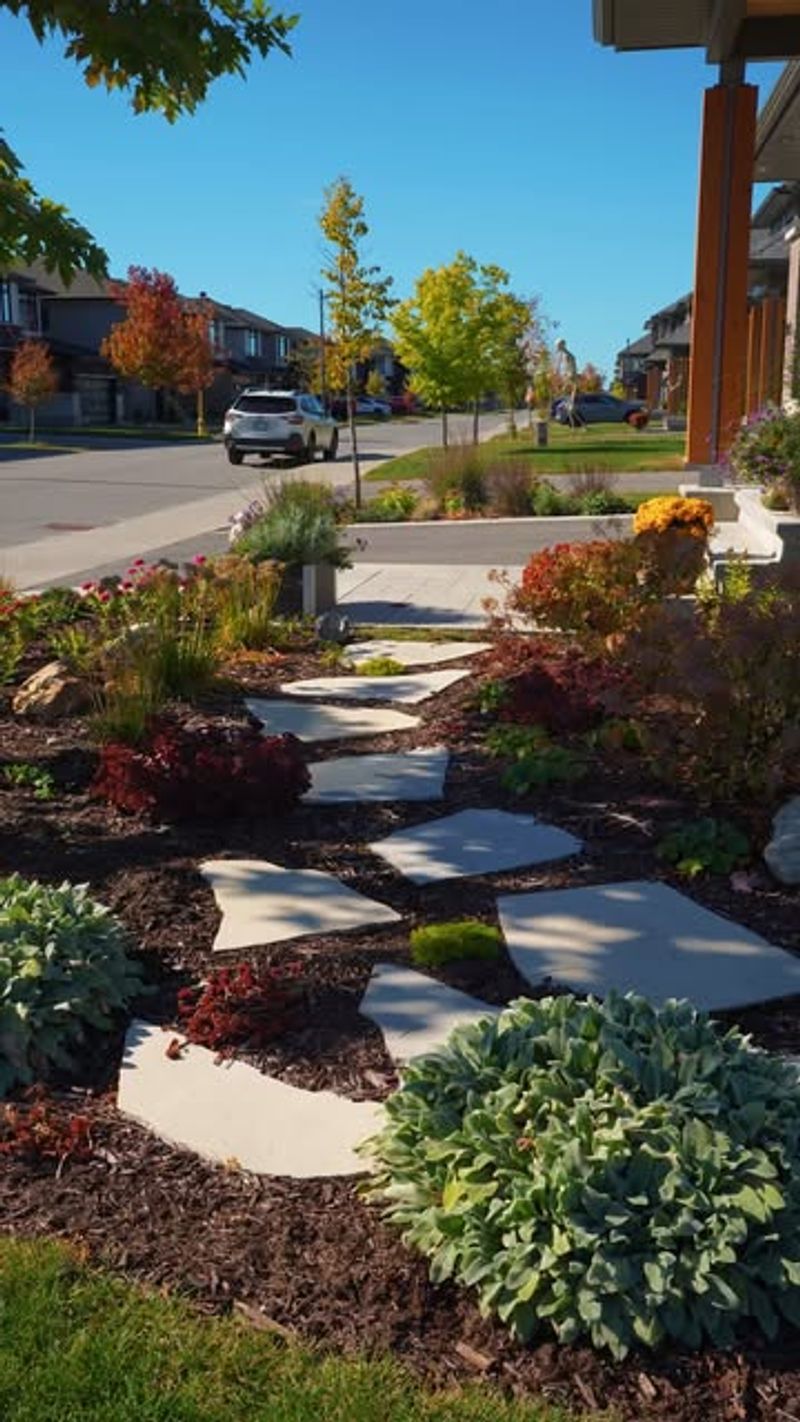
Bare soil invites weeds, dries out quickly, and looks unfinished in front yard spaces. Spreading a thick layer of mulch solves all three problems while reducing your workload.
Organic options like wood chips or bark decompose slowly, enriching soil as they break down.
Water evaporation decreases dramatically when mulch covers the ground around plants in California gardens. Roots stay cooler during scorching summer days and warmer during chilly winter nights.
Plants grow healthier with less supplemental watering needed throughout the year.
Weed seeds struggle to germinate beneath several inches of quality mulch material. The few that manage to sprout pull out easily from the loose surface.
Spend minutes instead of hours fighting unwanted growth in your planting beds.
Refreshing mulch once or twice annually keeps everything looking neat and functioning properly. As lower layers decompose, they feed beneficial soil organisms and improve overall earth quality.
California homeowners appreciate how this simple feature delivers multiple benefits while demanding very little ongoing attention or expense over time.
Mulch quietly supports plant health by stabilizing soil moisture, reducing temperature swings, and limiting weed growth that would otherwise demand constant attention.
This simple layer keeps planting beds looking intentional and well cared for even during long hot stretches when California landscapes are under the most stress.
5. Succulent Gardens
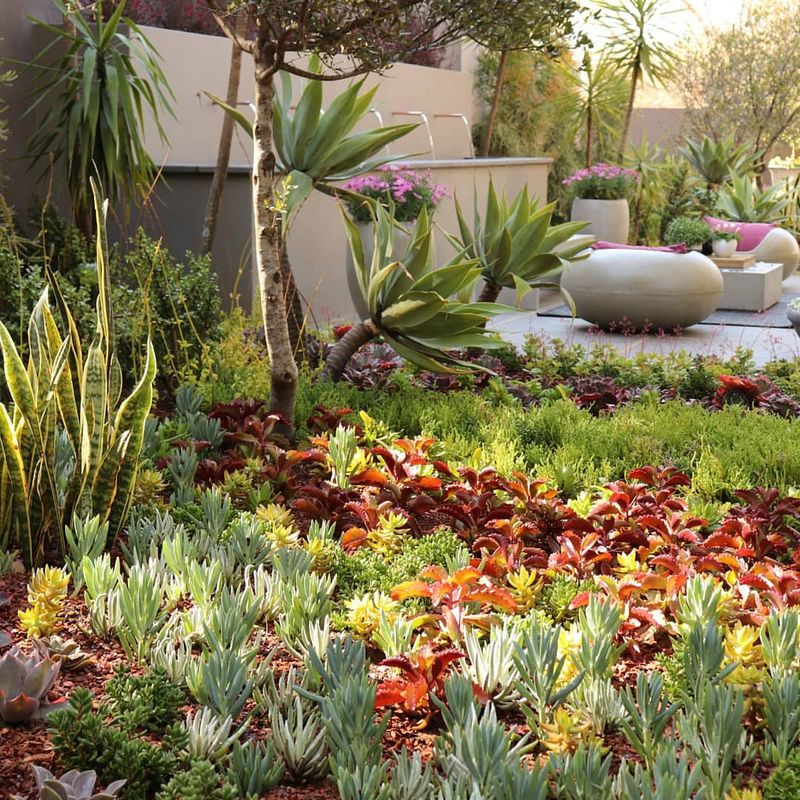
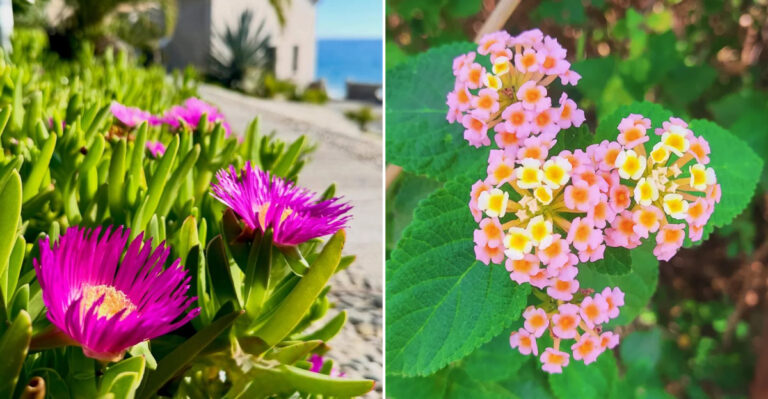
Few plant categories handle neglect as gracefully as succulents do in California conditions. These fleshy-leaved beauties store water in their tissues, allowing them to survive weeks without irrigation.
Varieties like echeveria, sedum, and aeonium offer stunning colors from deep purple to bright chartreuse.
Arranging succulents in creative patterns transforms front yards into living art installations.
Vertical gardens, geometric designs, and flowing arrangements all work beautifully with these adaptable plants. Their slow growth means your design stays intact for years without constant replanting.
Pests rarely bother succulents, and diseases seldom take hold in well-draining soil. Overwatering causes more problems than underwatering for these hardy specimens.
California’s dry climate suits them perfectly, making them practically foolproof for busy homeowners.
Propagating new plants from cuttings costs nothing and takes minimal skill or time. Simply break off a piece, let it dry for a day, and stick it in soil.
Sharing extras with neighbors or expanding your own collection becomes an enjoyable hobby rather than an expensive investment.
Succulents provide striking visual variety through color, shape, and texture while requiring very little hands-on correction once established.
Their sculptural forms make it easy to experiment with creative layouts without committing to designs that need frequent pruning, watering, or replacement.
6. Drip Irrigation Systems
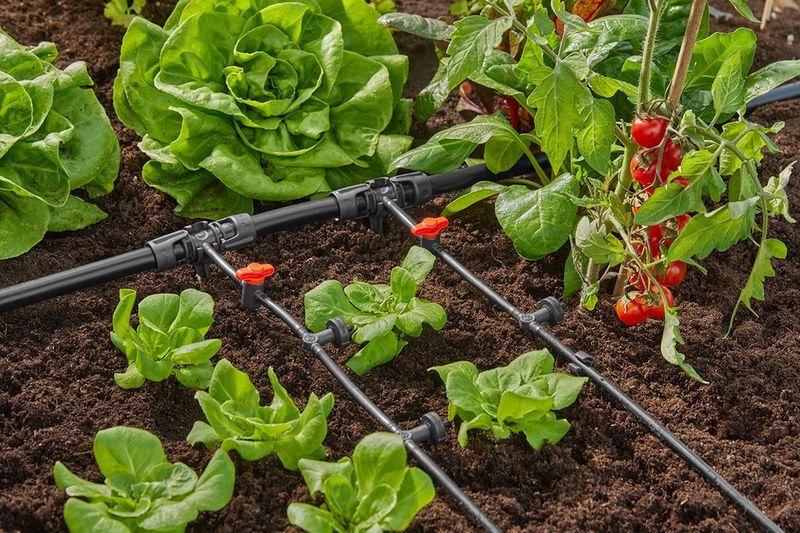
Hauling hoses around or standing with a sprinkler wastes water and your valuable time. Drip systems deliver moisture directly to plant roots with remarkable efficiency.
California water regulations increasingly favor these setups because they reduce waste dramatically compared to traditional sprinklers.
Programmable timers handle watering schedules automatically, even when you travel or forget. Plants receive consistent moisture without the feast-or-famine cycle that stresses them and increases maintenance needs.
Healthier plants naturally resist pests and diseases better than stressed ones.
Installation is straightforward enough for DIY enthusiasts, though professionals can design complex systems.
Tubing runs along the ground or slightly below the surface, staying mostly invisible. Adjusting water flow to individual plants becomes simple as their needs change through seasons.
System checks take just minutes every few months to ensure emitters stay clear and functioning. Winterizing is unnecessary in most California regions where freezing temperatures rarely occur.
The time saved on watering chores alone pays for the system within the first growing season for most homeowners.
Targeted watering delivers moisture exactly where plants need it, encouraging deeper root systems and more consistent growth without wasted runoff.
Once installed and adjusted, these systems quietly maintain plant health while removing the daily responsibility of manual watering.
7. Hardscape Pathways and Patios
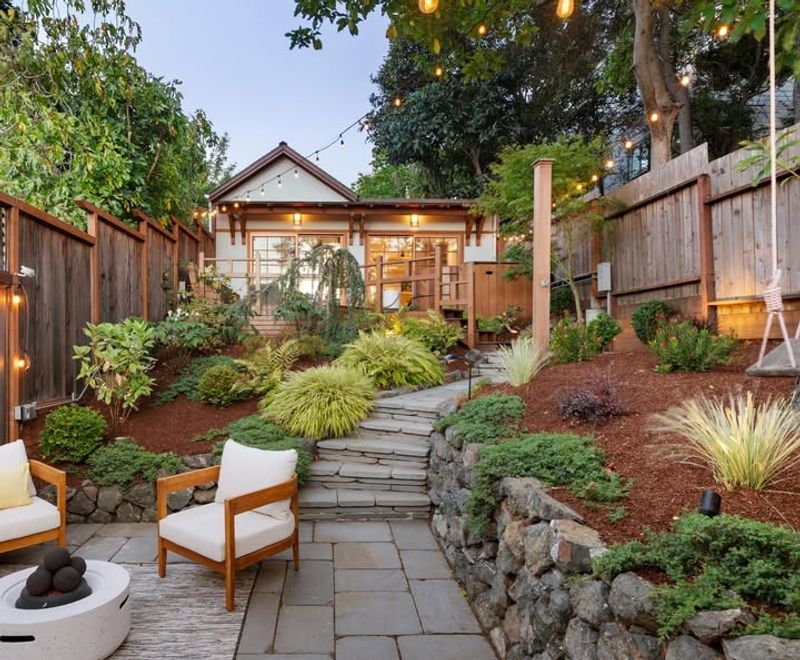
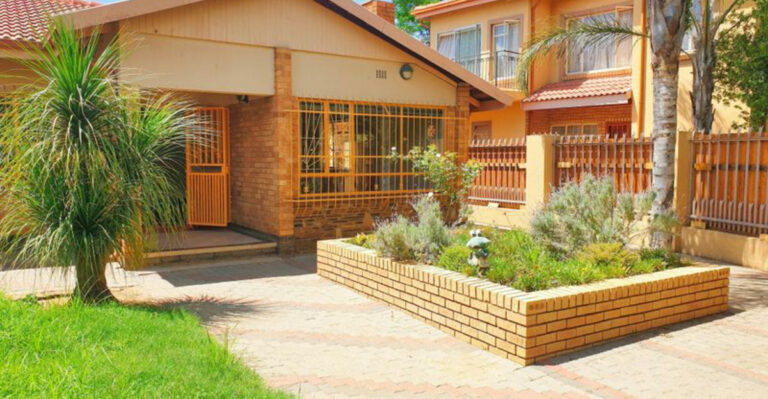
Replacing grass or planting beds with pavers, flagstone, or concrete reduces maintenance square footage significantly.
Pathways guide visitors while creating defined spaces that feel intentional and designed. California homeowners gain usable outdoor living areas that need virtually no upkeep.
Materials range from budget-friendly concrete to luxurious natural stone, all offering decades of service.
Weeds occasionally sprout between pavers but pull out easily or get eliminated with quick spot treatments. Sweeping or blowing debris takes minutes compared to lawn care or plant maintenance.
Permeable paving options allow rainwater to soak through rather than running off into storm drains. This approach satisfies increasingly strict California water management requirements while preventing erosion.
Gravel-filled joints between stones create visual softness without planting high-maintenance groundcovers.
Outdoor furniture transforms hardscaped areas into functional extensions of your living space.
Entertaining becomes easier when you have stable, level surfaces that stay clean and dry. The initial investment pays dividends through reduced weekly chores and increased property value over time.
Hardscaping reduces the amount of planted space that requires regular upkeep while turning underused areas into functional parts of the yard.
Defined walkways and patios bring structure and flow to outdoor spaces, helping the landscape feel planned rather than pieced together.
Hardscape surfaces also handle heavy foot traffic without wearing down, making them especially useful for households that frequently host gatherings or move furniture around.
By reducing the need for watering, mowing, and seasonal plant care, these features simplify outdoor maintenance while keeping the yard visually cohesive and inviting.
8. Ornamental Grasses
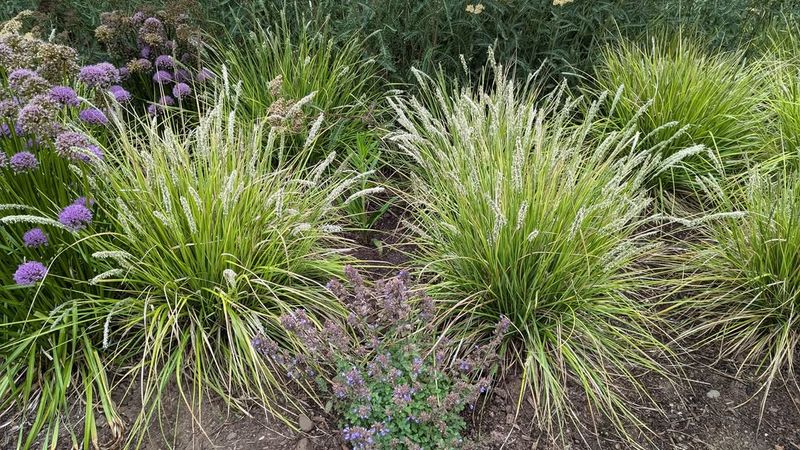
Graceful, swaying grasses add movement and texture without demanding constant care.
Species like blue fescue, deer grass, and Mexican feather grass thrive in California’s climate.
Their wispy seed heads catch light beautifully and provide year-round interest even when dormant.
Most ornamental varieties need cutting back just once annually, typically in late winter.
This single pruning session takes minutes per plant and promotes fresh, vigorous growth. Unlike traditional lawns, these grasses never require mowing during the growing season.
Drought tolerance ranks extremely high for many ornamental grass species adapted to California conditions. Established clumps survive on rainfall alone in many regions, eliminating irrigation needs entirely.
Their deep root systems prevent erosion on slopes while improving soil structure over time.
Wildlife benefits include shelter for beneficial insects and seeds for songbirds. Grasses soften hard edges around rock features or architectural elements without overwhelming the space.
They combine beautifully with succulents and native plants to create layered, dynamic landscapes that practically maintain themselves throughout the seasons.
Ornamental grasses add movement, texture, and seasonal interest without introducing demanding maintenance routines.
Their ability to thrive with minimal watering and limited pruning makes them especially valuable in landscapes designed for long-term simplicity.
9. Automated Landscape Lighting
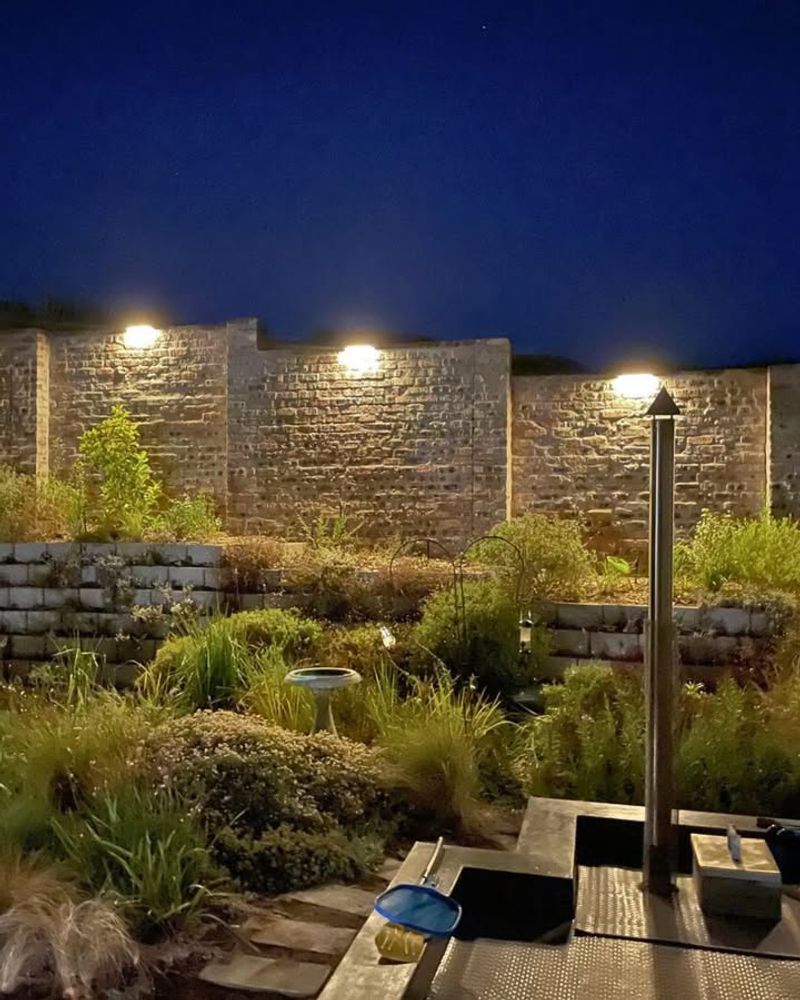
Outdoor lighting extends enjoyment of your front yard while boosting security and curb appeal. Modern LED systems use minimal electricity and last for years without bulb replacements.
Automated timers or smart controls eliminate the need to remember switching lights on and off.
Low-voltage systems are safe and simple enough for homeowners to install without hiring electricians.
Fixtures highlight architectural features, illuminate pathways, and showcase your best plants after dark. California evenings become more inviting when your landscape glows beautifully without effort.
Solar-powered options eliminate wiring entirely while reducing energy costs to zero.
Batteries charge during sunny California days and power lights automatically at dusk. Maintenance involves little more than occasionally wiping dust from solar panels.
Strategic lighting placement deters potential intruders by eliminating dark hiding spots around your property.
Motion sensors add another layer of security while conserving energy when nobody is outside. Quality fixtures withstand weather exposure for many years, making this a truly set-it-and-forget-it feature that enhances your home’s appearance and functionality.
Automated lighting extends the usefulness of outdoor spaces while improving visibility and security without adding daily tasks.
Thoughtfully placed fixtures highlight key features and create a finished look that continues working quietly every night.