Front-Yard Gardening Decisions That May Violate Rules In Illinois
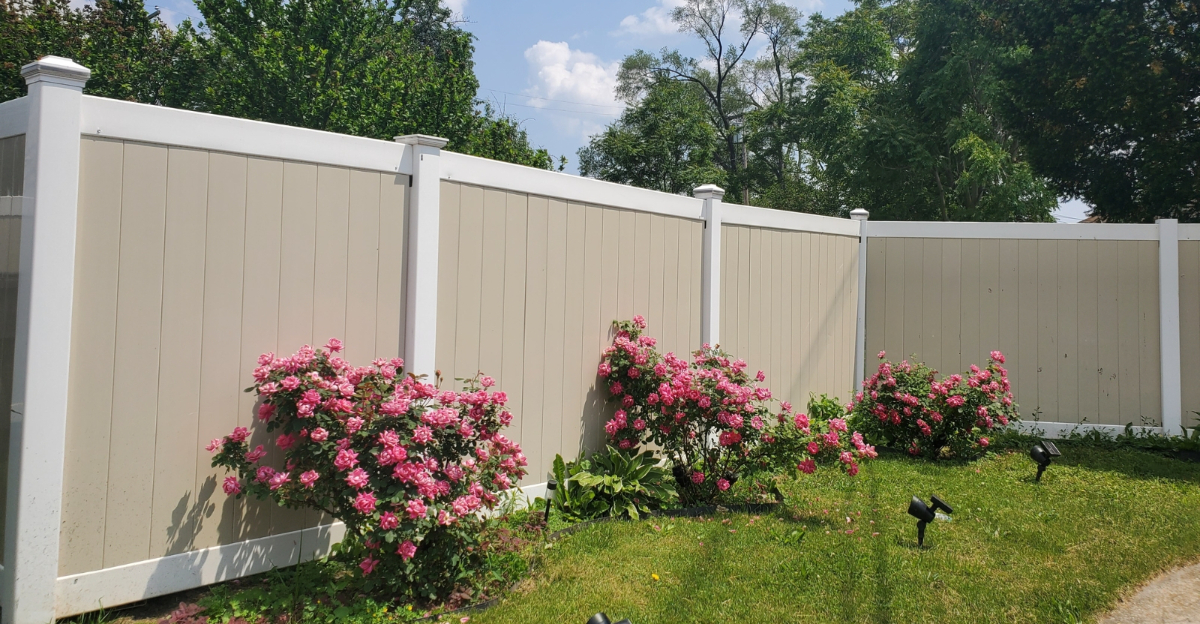
Front-yard gardening is a great way to enhance your Illinois home, but it’s important to be aware of local rules that might impact your planting decisions.
What may seem like a harmless addition to your yard could unintentionally run into city ordinances or neighborhood guidelines that have specific restrictions in place.
I’ve seen homeowners excited about their front-yard gardens, only to realize later that certain plants or features aren’t allowed by local codes or HOA rules.
From height limitations to the types of materials you can use, these regulations are in place to help maintain safety, aesthetics, and uniformity in neighborhoods.
While you may have the best intentions in creating a beautiful outdoor space, understanding what’s allowed can save you from unnecessary frustration or fines.
Some common gardening choices, like planting tall flowers or adding borders, can conflict with these guidelines, so it’s important to do your research first.
Even small changes, like the style of fencing or paths, could unintentionally violate the rules if they don’t meet the set standards.
Being aware of these restrictions can help you avoid having to redo your work or face legal issues down the road.
These rules are there for a reason, but with a little planning, you can still create a stunning front-yard garden that works within the guidelines.
Let’s take a look at some common front-yard gardening decisions in Illinois that could lead to violations, and how you can avoid them while still bringing beauty to your home.
1. Growing Vegetables in Front Lawns
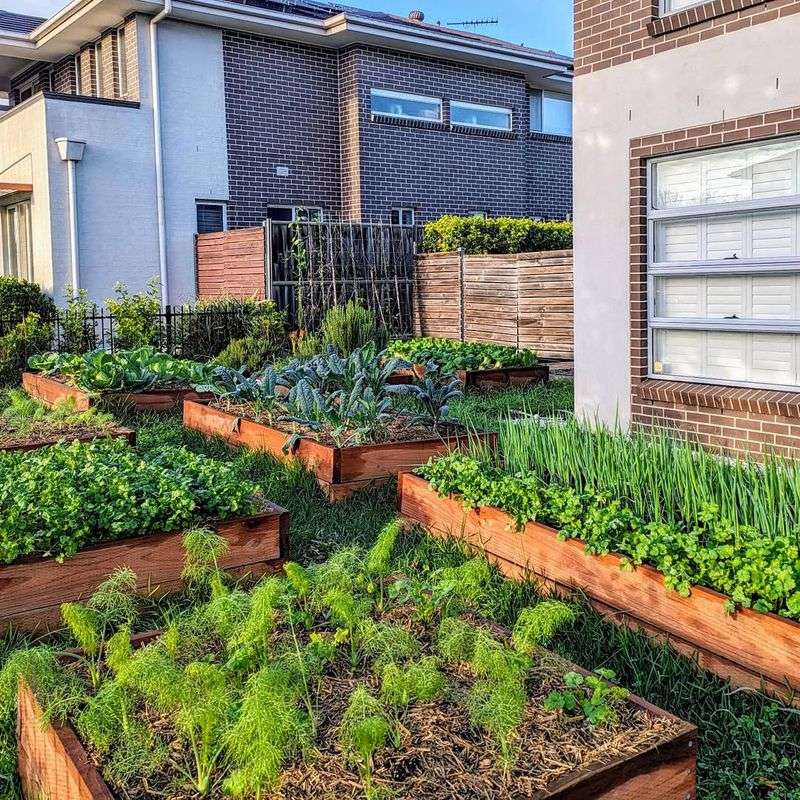
Many Illinois municipalities have strict rules about growing edible plants in front yards because they consider vegetables less aesthetically pleasing than traditional landscaping.
Some towns require homeowners to keep vegetable gardens in backyards only, while others limit the percentage of front-yard space dedicated to food production.
Zoning laws often classify front yards as areas meant for decorative purposes, making vegetable patches potential code violations.
Certain communities allow small herb gardens but prohibit larger crops like corn, tomatoes, or squash from being visible from the street in Illinois.
Homeowner associations frequently enforce stricter standards than city codes, sometimes banning all edible plants regardless of how neat they appear.
Before planting that tomato patch, check your local ordinances and HOA covenants to understand what food-growing activities are permitted in your area.
Some progressive Illinois towns have updated their codes to allow front-yard gardens if they meet specific aesthetic standards and maintenance requirements.
Violating these rules can result in daily fines until you remove the offending plants, so researching regulations beforehand saves considerable trouble later.
By knowing the rules, you can avoid costly fines and make sure your garden complies with your area’s standards.
Check with local zoning officials or HOA representatives before planting to ensure your edible garden won’t cause any issues.
2. Exceeding Height Restrictions for Plants
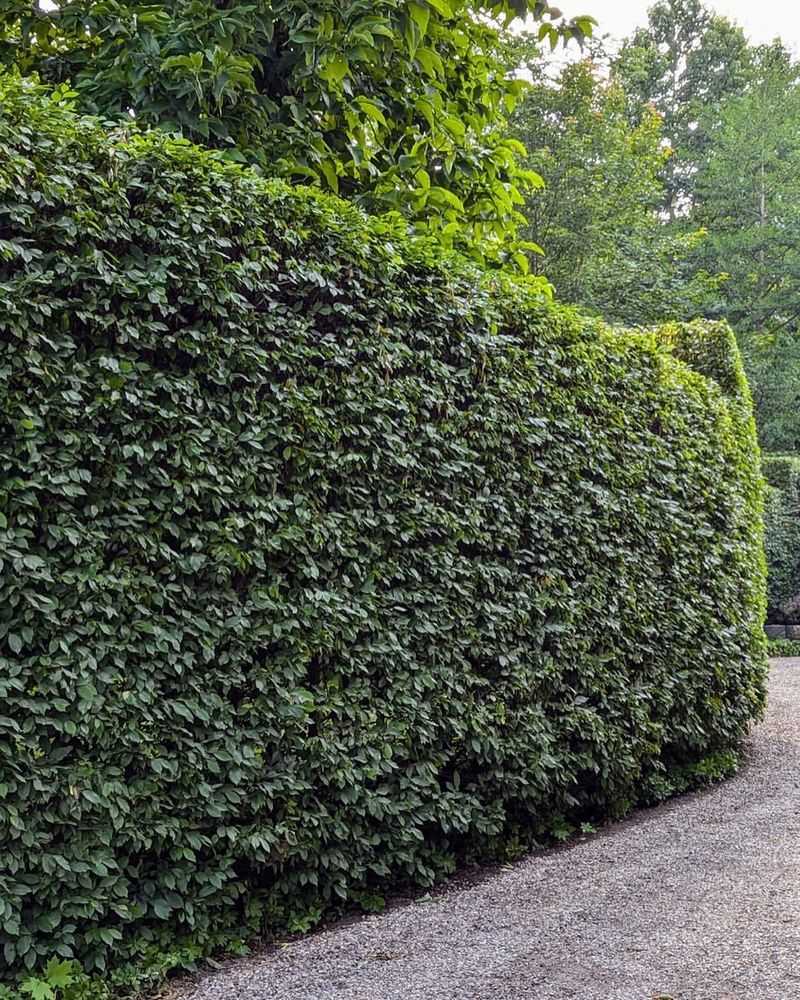
Illinois communities often impose height limits on front-yard plants to maintain clear sightlines at intersections and preserve neighborhood character throughout residential areas.
Corner lots face especially strict regulations because tall plantings can create dangerous blind spots for drivers and pedestrians navigating busy intersections.
Most municipalities restrict plants within visibility triangles to thirty-six inches or less, ensuring motorists can see oncoming traffic without obstruction.
Even properties not on corners may have maximum heights for hedges, shrubs, and ornamental grasses to maintain uniform streetscape appearance in Illinois.
Allowing plants to grow beyond permitted heights can trigger complaints from neighbors or automatic citations from code enforcement officers conducting routine patrols.
Some homeowners plant fast-growing species without realizing they will quickly exceed legal limits, requiring constant trimming or complete removal down the road.
Different plant zones within your front yard may have varying height allowances based on their distance from sidewalks and property lines.
Always verify your local height restrictions before selecting plants, and choose species that naturally stay within compliant dimensions to minimize maintenance efforts.
Failing to follow height restrictions can lead to legal trouble and costly removals.
Be proactive and select plants that stay within the allowable height range to avoid potential fines and issues with your neighbors.
3. Installing Fences Without Permits
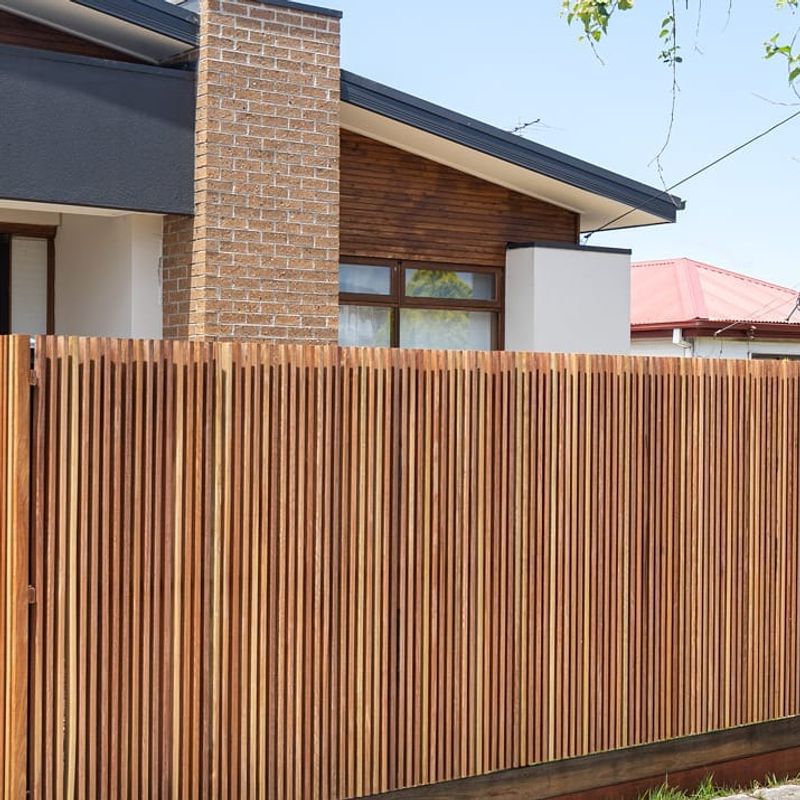
Adding a fence to your front yard seems straightforward, but Illinois law requires permits for most fencing projects to ensure compliance with setbacks.
Many homeowners skip the permitting process to save money and time, only to face expensive fines and mandatory fence removal later on.
Building codes specify acceptable fence heights, materials, and locations, with front yards typically having stricter limitations than backyards in most Illinois communities.
Front-yard fences often cannot exceed forty-two inches in height, while side and rear fences may reach six feet or higher legally.
Permit applications allow city inspectors to verify that your planned fence meets setback requirements and does not encroach on utility easements or rights-of-way.
Some neighborhoods ban front-yard fences entirely to maintain open, welcoming streetscapes that enhance property values and community aesthetics throughout the area.
Even decorative borders and low garden edging might require approval if they meet the legal definition of a fence under local ordinances.
Obtaining proper permits protects you from costly violations and ensures your fence installation proceeds smoothly without legal complications or neighbor disputes later.
Check your local zoning and permit regulations to ensure your fence complies with local laws before installation.
Obtaining the necessary permits can save you a lot of time, money, and hassle down the road.
4. Planting Prohibited or Invasive Species
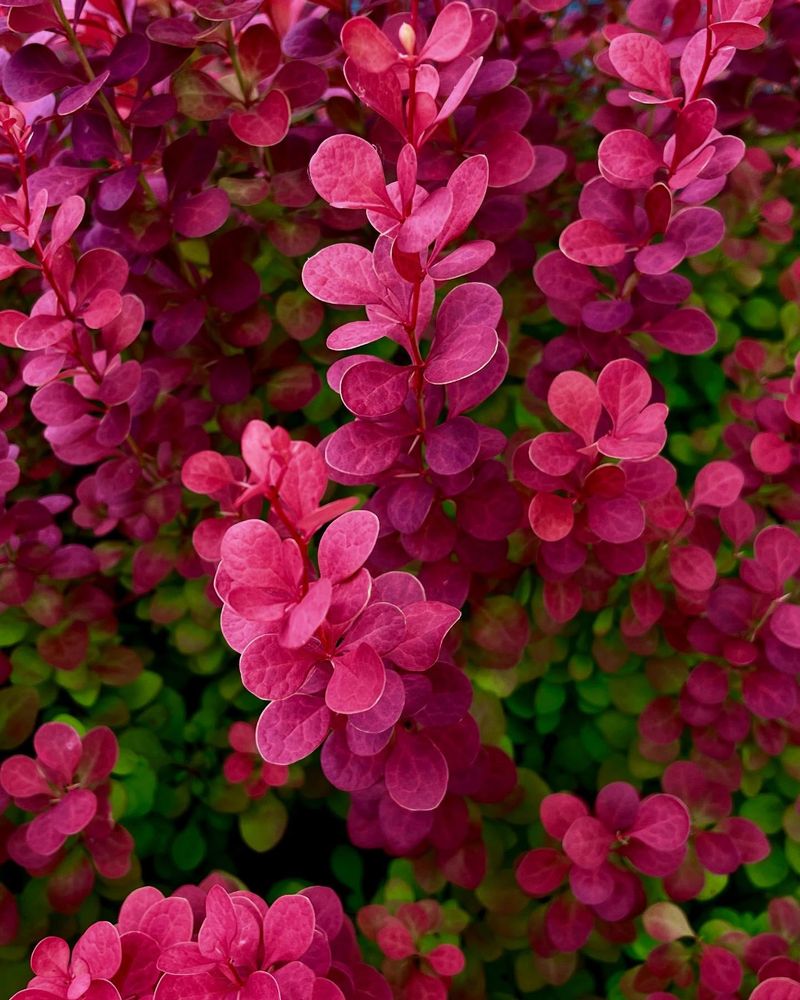
Illinois has banned numerous invasive plant species that threaten native ecosystems, and growing them in your front yard violates state environmental regulations.
Common ornamental plants like burning bush, Japanese barberry, and certain honeysuckle varieties appear on prohibited lists because they spread aggressively into natural areas.
These invasive species outcompete native plants, reduce biodiversity, and alter habitats in ways that harm wildlife populations throughout Illinois and neighboring states.
Some municipalities maintain additional lists of restricted plants beyond state bans, targeting species that cause problems specific to their local environments and conditions.
Nurseries still sell some invasive plants because enforcement remains inconsistent, making it your responsibility to research before purchasing any new garden additions.
Planting prohibited species can result in mandatory removal orders and fines, plus you may be held responsible for eradication costs on neighboring properties.
Native plant alternatives often perform better in Illinois conditions anyway, requiring less water, fertilizer, and maintenance while supporting local pollinators and birds.
Always consult your state and local invasive species lists before adding new plants to ensure your garden choices benefit rather than harm the environment.
By opting for native plants, you can create a healthier garden that supports local wildlife.
Researching invasive plant lists before you plant helps protect the ecosystem and avoid violations.
5. Creating Drainage Problems for Neighbors

Modifying your front-yard landscape can alter water flow patterns, potentially directing runoff onto neighboring properties and violating Illinois drainage laws effectively.
Installing raised beds, berms, or hardscaping without considering drainage consequences may cause flooding, erosion, or standing water on adjacent lots during storms.
Illinois property owners have legal obligations not to increase water discharge onto neighboring lands, and violations can lead to lawsuits and mandatory corrections.
Even well-intentioned rain gardens can create problems if improperly designed, especially when they overflow and send water cascading across property boundaries during events.
Some communities require drainage plans and permits for significant landscaping changes to prevent conflicts and ensure stormwater management standards are met properly.
Your front-yard garden might need French drains, swales, or other water management features to keep runoff on your property in Illinois legally.
Neighbors experiencing new drainage problems after your landscaping project can file complaints with code enforcement or pursue civil action for property damage.
Consulting with a landscape professional about proper grading and drainage before starting major garden projects protects you from expensive legal troubles and neighborly disputes.
6. Blocking Sidewalks with Plantings
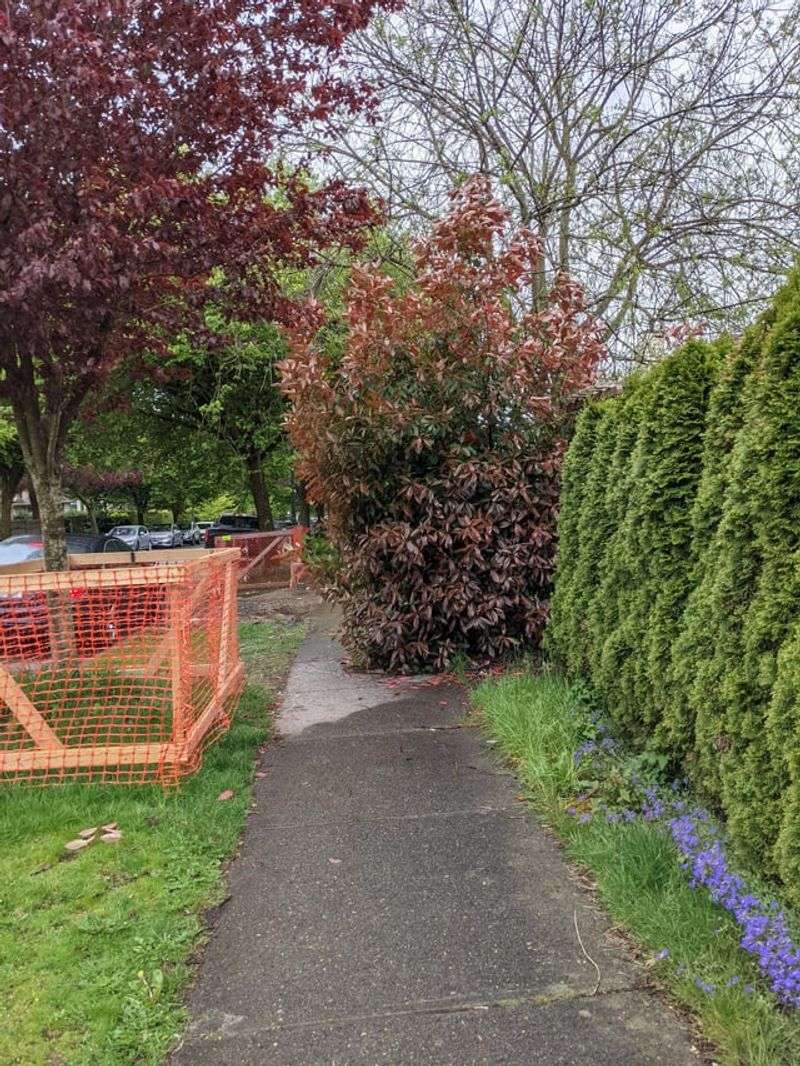
Illinois law requires property owners to keep public sidewalks clear, and allowing plants to grow over walkways creates accessibility violations and liability risks.
Shrubs, perennials, and ground covers that spread onto sidewalks force pedestrians into streets, creating dangerous situations especially for wheelchair users and parents with strollers.
Municipal codes typically require clearance zones extending from sidewalk edges, with vertical space also needing to remain unobstructed by overhanging branches or vines.
Americans with Disabilities Act guidelines mandate minimum sidewalk widths, and your encroaching plants might reduce passage below legal standards in Illinois communities.
Code enforcement officers can issue citations requiring immediate trimming, and repeat violations may result in escalating fines or city crews performing work at cost.
If someone trips over your plants or gets injured avoiding sidewalk obstructions, you could face personal injury lawsuits and significant financial liability.
Regular maintenance keeps your garden within property boundaries and demonstrates responsible ownership that respects public rights-of-way and pedestrian safety throughout the neighborhood.
Choosing plants with controlled growth habits and staying vigilant about trimming prevents sidewalk encroachment problems before they start causing legal or safety issues.
7. Ignoring Homeowner Association Landscaping Rules
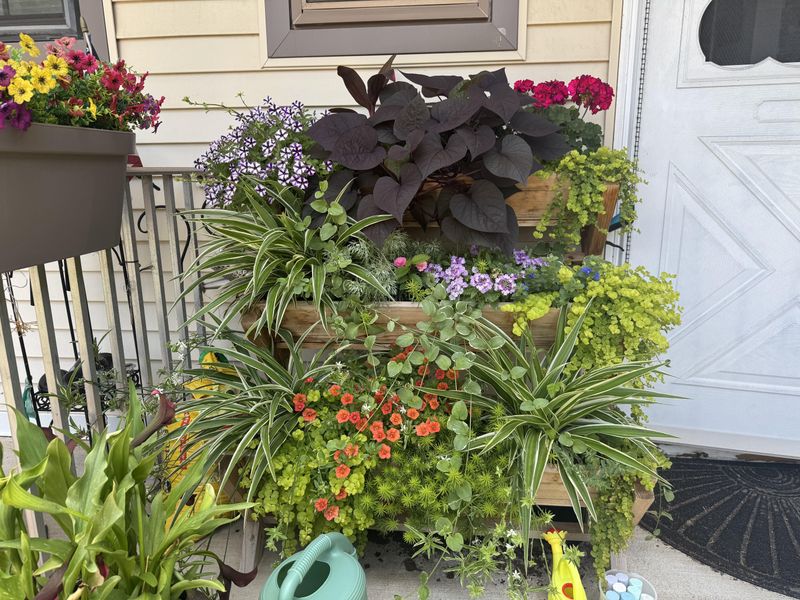
Homeowner associations in Illinois enforce landscaping standards that often exceed municipal codes, and violating these covenants can result in serious financial consequences quickly.
HOAs regulate everything from grass height and mulch color to approved plant lists and garden ornament styles to maintain uniform neighborhood aesthetics.
Many associations require pre-approval for any front-yard changes, meaning you must submit plans and wait for architectural committee decisions before planting anything.
Ignoring these requirements can lead to fines, mandatory removal of non-compliant plants, and even liens against your Illinois property if violations remain uncorrected.
Some HOAs prohibit specific plants that are otherwise legal, like ornamental grasses they consider too wild or colorful flowers they deem inappropriate.
Reading your covenants before purchasing plants saves frustration, and maintaining good communication with your HOA board prevents misunderstandings about what is acceptable.
Violating HOA rules repeatedly can strain relationships with neighbors and board members, making your living situation uncomfortable beyond just the financial penalties.
While HOA restrictions may seem excessive, they are legally enforceable contracts you agreed to when purchasing your Illinois home and must be followed.
8. Neglecting Weed Control and Maintenance
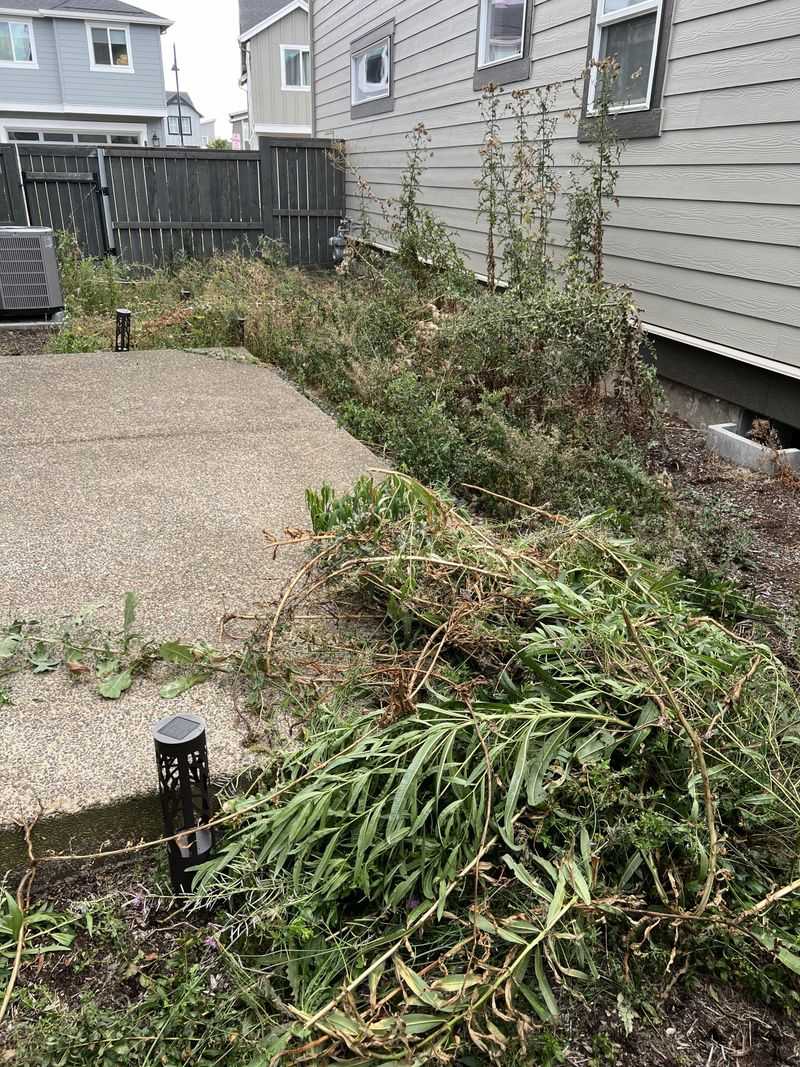
Illinois municipalities enforce property maintenance codes that require homeowners to control weeds and keep front yards neat to preserve neighborhood appearance and values.
Allowing noxious weeds like thistles, ragweed, or giant hogweed to flourish violates health and safety ordinances because these plants cause problems for neighbors.
Overgrown gardens with weeds exceeding certain heights trigger automatic violations, even if you consider the wild look part of your landscaping aesthetic design.
Code enforcement officers can issue citations after receiving complaints or during routine patrols, with fines increasing if you fail to address problems promptly.
Some Illinois communities define weeds broadly to include any plant growing where it is not wanted, giving officials wide discretion in enforcement actions.
If you ignore violation notices, cities may hire contractors to clear your property and bill you for services plus administrative fees and penalties.
Natural or meadow-style gardens sometimes get mistaken for neglect, so communicating your intentional design to neighbors and officials prevents unnecessary complaints and citations.
Regular maintenance demonstrates that your front yard is a deliberate garden rather than abandoned property, keeping you compliant with Illinois maintenance standards.
To keep your garden looking great and avoid fines, it’s important to stay on top of weeds, no matter how wild your design may seem.
A little effort in regular maintenance goes a long way in maintaining a healthy garden and avoiding unnecessary stress down the line.
9. Installing Unapproved Hardscaping Features

Adding patios, walkways, retaining walls, or other hardscaping to your front yard typically requires permits in Illinois to ensure safety and code compliance.
Many homeowners install these features without authorization, unaware that improper construction can cause drainage issues, structural failures, and property damage over time.
Building permits allow inspectors to verify that hardscaping meets engineering standards, especially for retaining walls that could collapse if built incorrectly and dangerously.
Illinois municipalities also use permits to ensure hardscaping does not exceed impervious surface limits designed to manage stormwater runoff and prevent flooding problems.
Front-yard patios and extensive paving can violate lot coverage ratios, requiring you to remove portions or face ongoing fines until compliance is achieved.
Some communities restrict front-yard hardscaping entirely or limit it to specific areas and percentages to maintain green space and neighborhood character throughout.
Unpermitted work can complicate future property sales when inspections reveal code violations that must be corrected before closing can proceed successfully.
Always check permit requirements before starting hardscaping projects, and hire licensed contractors who understand Illinois building codes and proper construction techniques for lasting results.
Consult with local authorities or professionals to understand specific local guidelines, as they may differ significantly between neighborhoods.
Following the proper procedures can save you time, money, and legal headaches, ensuring that your hardscaping projects go smoothly and meet all legal requirements.
10. Displaying Inappropriate Garden Ornaments

While garden ornaments add personality, Illinois communities and HOAs often regulate their size, number, and appropriateness to maintain neighborhood standards and property values.
Some municipalities classify large or numerous ornaments as visual blight, especially if they are poorly maintained, offensive, or inconsistent with surrounding properties.
Restrictions might limit statue heights, prohibit certain themes, or cap the total number of decorative items allowed in front yards throughout Illinois.
Religious displays sometimes receive special protections, but even these may face reasonable time, place, and manner restrictions that courts have upheld as constitutional.
Holiday decorations usually get temporary exemptions, though leaving them up year-round can trigger violations once seasonal display periods officially end in communities.
HOAs frequently ban specific ornament types like gnomes, pink flamingos, or political signs to enforce aesthetic uniformity that protects property values and appeal.
Before installing that charming garden sculpture, review local ordinances and association rules to ensure your decorative choices comply with all applicable standards.
Violations can result in removal orders and fines, so selecting tasteful ornaments that enhance rather than detract from your landscape keeps everyone happy.
Choosing ornaments that blend with your landscaping ensures harmony, keeping your yard’s overall appeal intact.
Being mindful of your neighbors’ preferences and the community’s aesthetic guidelines can prevent unnecessary disputes over decoration styles.