Front Yard Landscaping Ideas With Native Plants That Grow Well In Michigan
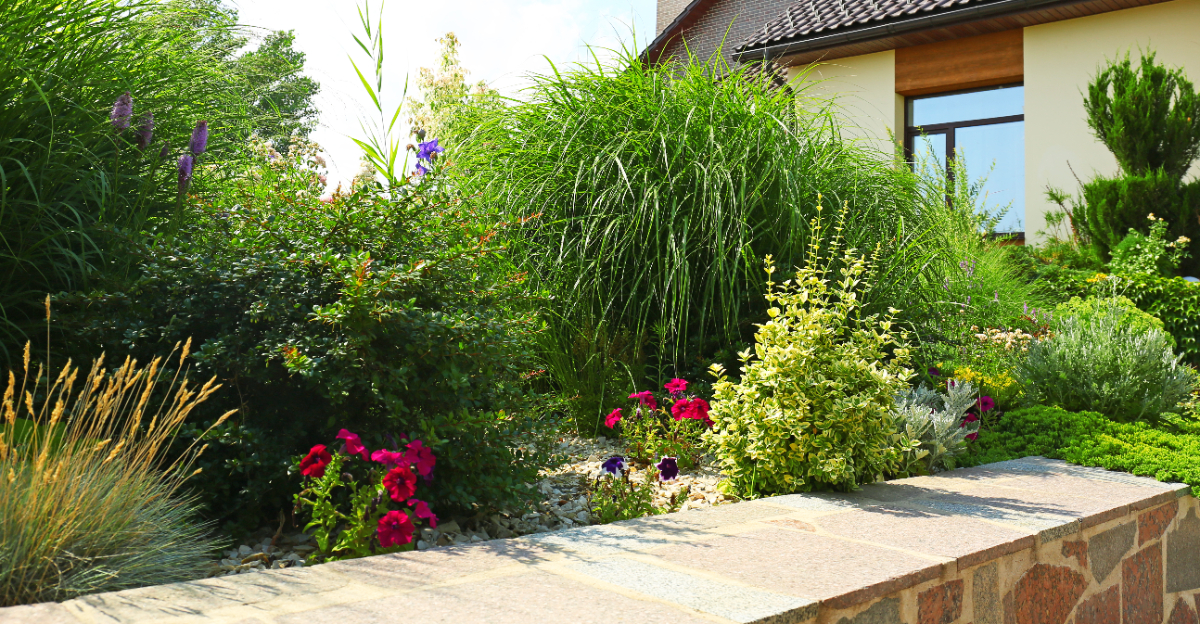
A front yard can do more than look neat. In Michigan, it can become a space full of color, texture, and local beauty when native plants take the lead.
These plants are already suited to the state’s weather, which means they often need less fuss once they settle in.
They can handle cold winters, support pollinators, and give the yard a more natural look without making it feel messy or wild.
That makes them a smart choice for homeowners who want something attractive and easier to manage. The best part is that native landscaping does not have to feel plain or boring.
With the right mix of flowers, grasses, shrubs, and small trees, a front yard can look polished while still feeling alive and welcoming.
In Michigan, native plants give you the chance to build a landscape that looks good and works with nature instead of against it.
1. A Sunny Pollinator Border
Bright, buzzing, and full of life, a sunny pollinator border might be the most rewarding thing you can plant in a Michigan front yard.
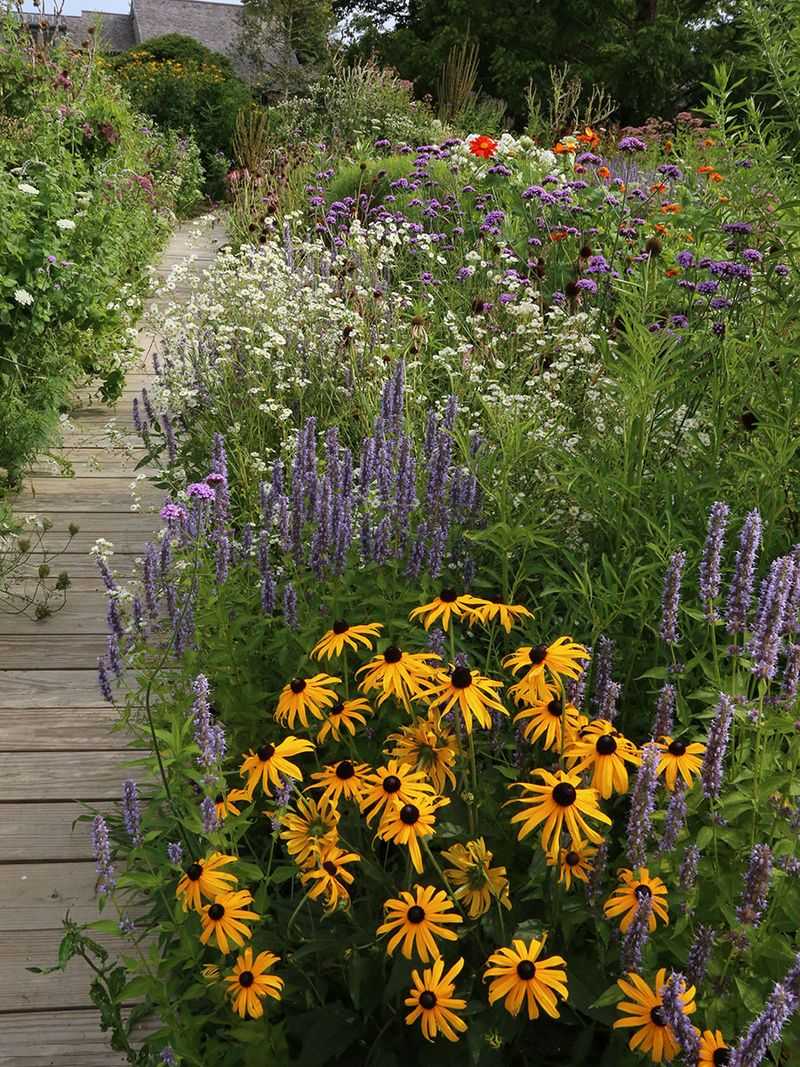
Purple Coneflower, known by its scientific name Echinacea purpurea, is one of the most reliable native perennials in the state.
Its bold pink-purple blooms show up in midsummer and last for weeks, pulling in bees, butterflies, and even goldfinches that snack on the seed heads later in the season.
Pair it with Rudbeckia hirta, commonly called Black-Eyed Susan, which blooms a little earlier and adds a cheerful golden-yellow color to the mix.
Together, these two plants create a long window of bloom time that keeps your front yard looking full and colorful from June through September.
Space them about 18 inches apart so each plant has room to fill out naturally without crowding.
Add Liatris spicata, or Dense Blazing Star, for a vertical accent that shoots up tall purple spikes in late summer.
This plant is especially attractive to monarch butterflies making their seasonal journey through Michigan.
Once established after the first season, all three of these natives handle dry stretches without extra watering.
Planting them along a foundation bed or beside a front walkway gives your home strong curb appeal while doing real good for local pollinators.
2. A Low-Growing Lawn Alternative Edge
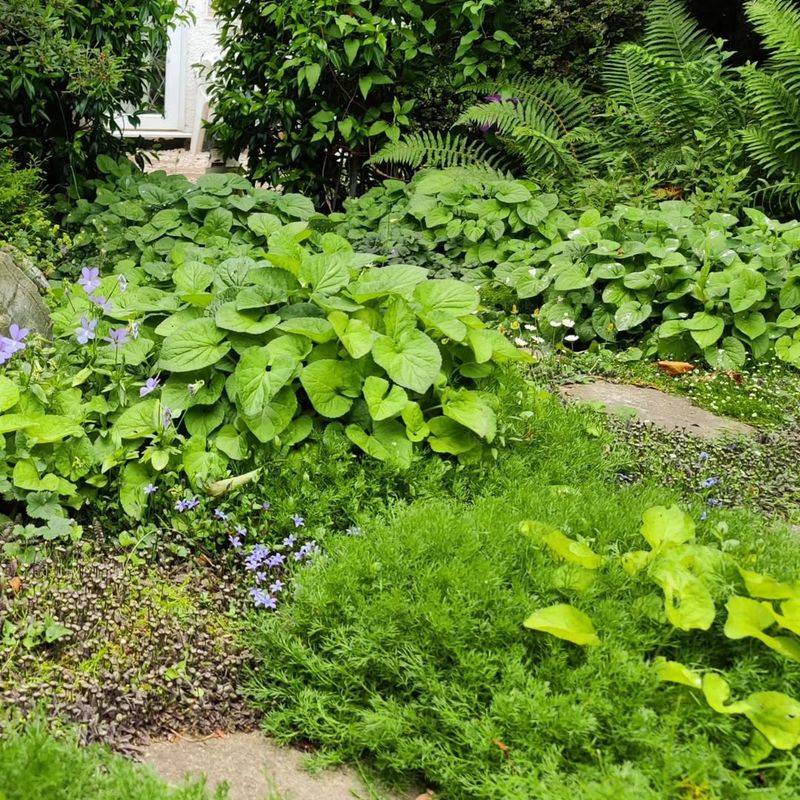
Mowing, watering, fertilizing, and still ending up with patchy grass along the front yard edge is a frustration many Michigan homeowners know well.
Swapping that high-maintenance strip for native ground-layer plants is a smart move that saves time and looks far more natural.
Carex pensylvanica, commonly called Pennsylvania Sedge, is a fine-textured, low-growing grass-like plant that works beautifully in dry to lightly shaded spots.
It stays around 8 to 12 inches tall, spreads slowly by underground runners, and stays green well into fall in Michigan conditions.
Unlike turfgrass, it rarely needs mowing, never needs irrigation once rooted, and handles the dry shade under street trees with ease.
The soft, arching leaves give a yard a relaxed, cottage-like feel that looks intentional rather than neglected. For sunnier spots along the front edge, Fragaria virginiana, or Wild Strawberry, is a charming option.
It spreads by runners to fill gaps, produces small white flowers in spring, and occasionally offers tiny edible berries that birds absolutely love.
The two plants can even work together in a partly shaded bed, with Pennsylvania Sedge anchoring shadier corners and Wild Strawberry filling the brighter patches.
This kind of planting softens the hard line between lawn and landscape in a way that feels perfectly suited to Michigan’s natural character.
3. A Small Native Shrub Foundation Planting
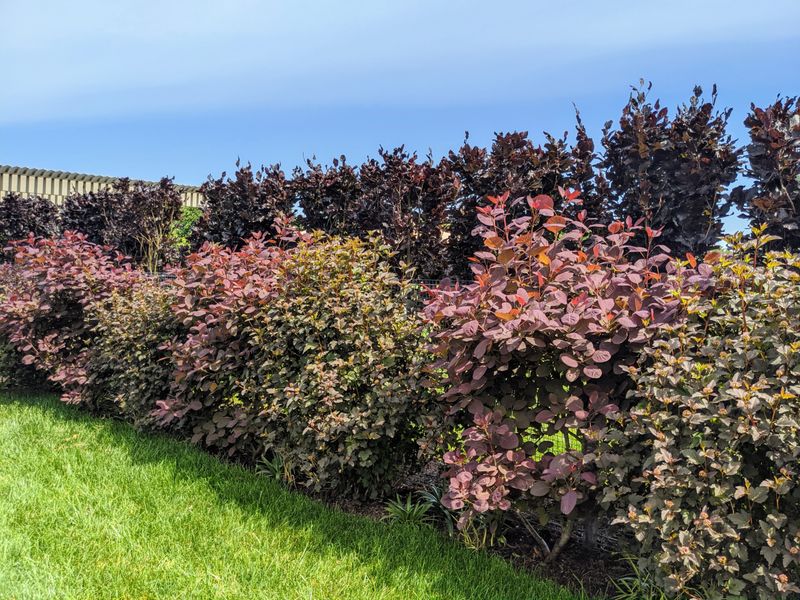
Foundation beds around Michigan homes are often filled with the same tired non-native shrubs that outgrow their space, need constant trimming, and offer nothing to local wildlife.
Replacing them with native shrubs is one of the most impactful landscaping upgrades you can make.
Aronia melanocarpa, or Black Chokeberry, is a compact native shrub that stays 3 to 5 feet tall and wide, making it a great fit for foundation beds where space is limited.
It blooms with clusters of white flowers in spring, develops glossy dark berries in late summer, and then puts on a stunning red and orange fall color show that rivals any ornamental.
Physocarpus opulifolius, known as Ninebark, is another Michigan-tough native that adds bold texture with its peeling bark, white flower clusters, and reddish seed pods.
It comes in several cultivated sizes, so you can choose one that fits your space without aggressive pruning.
Where you have a bit more room, Cornus sericea, or Red Osier Dogwood, brings bright red winter stems that look striking against Michigan snow.
All three of these shrubs handle cold winters without protection and bounce back reliably each spring.
Knowing the mature size of each plant before you put it in the ground is the key to a foundation bed that looks great for years without turning into a crowding problem.
4. A Native Shade Garden Under Trees
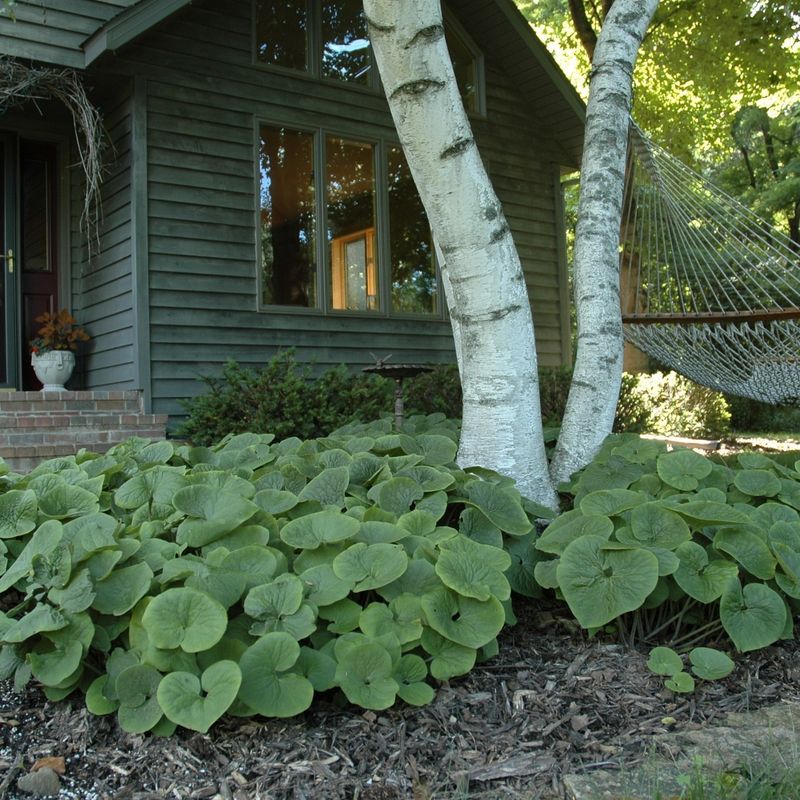
Struggling with thin, scraggly grass under the big trees in your Michigan front yard is a common problem, and native woodland plants are the answer most people never think of.
Shade-tolerant natives are perfectly built for exactly these conditions because they evolved in Michigan’s forest understory over thousands of years.
Asarum canadense, or Wild Ginger, is one of the best ground covers for deep shade, spreading steadily to create a lush carpet of large, heart-shaped leaves.
It is slow to establish but incredibly tough once rooted, and it handles dry summer shade under maples and oaks without complaint.
Aquilegia canadensis, commonly called Wild Columbine, adds a completely different look with delicate, nodding red and yellow flowers that appear in early spring before the tree canopy fully leafs out.
Hummingbirds are especially drawn to it, and watching them visit your front yard in April and May is a real treat.
Geranium maculatum, or Wild Geranium, fills in the mid-spring gap with soft lavender-pink blooms and attractive lobed foliage that holds up well through summer.
Layering these three plants together creates a shade garden that has something interesting happening from early spring through fall.
This kind of planting feels completely at home in Michigan’s natural landscape and gives a shady front yard a polished, intentional look without fighting the conditions that already exist.
5. A Four-Season Front Yard With Native Structure
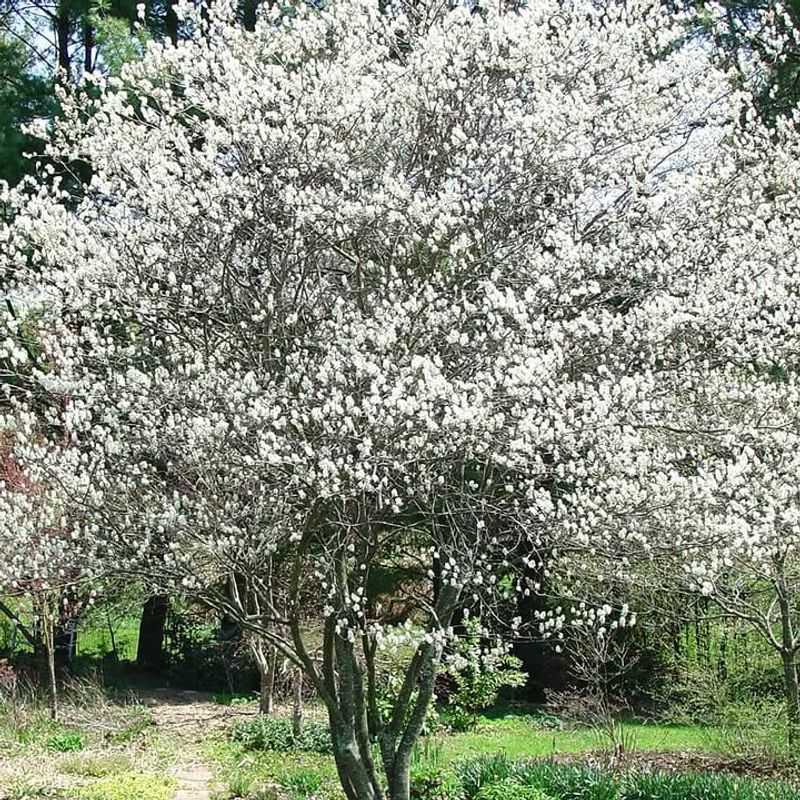
A front yard that only looks good in summer is a missed opportunity, especially in Michigan where the seasons shift so dramatically.
Building a planting that offers something beautiful in every season takes a little planning, but native plants make it surprisingly straightforward.
Start with Amelanchier canadensis, or Serviceberry, a small native tree that earns its keep from the very first warm days of Michigan spring with a burst of white blossoms before most other plants even wake up.
By early summer it produces small, sweet berries that birds flock to, and by fall the leaves turn shades of orange and red that rival any ornamental tree you could buy at a garden center.
Under or beside the Serviceberry, Viburnum trilobum, known as American Cranberrybush Viburnum, adds a strong shrub layer with white flower clusters in late spring and brilliant clusters of red berries that hang on through winter.
Those berries are a critical food source for birds during Michigan’s coldest months.
Weave in Schizachyrium scoparium, or Little Bluestem, as a perennial grass that turns a rich copper-red in fall and holds its feathery seed heads through winter, adding movement and texture even in January.
Together, these three plants create a front yard that never looks bare or boring, no matter what Michigan’s weather is doing outside. Structure, color, and wildlife value come built right in.
6. A Rain-Friendly Bed For Tough Spots
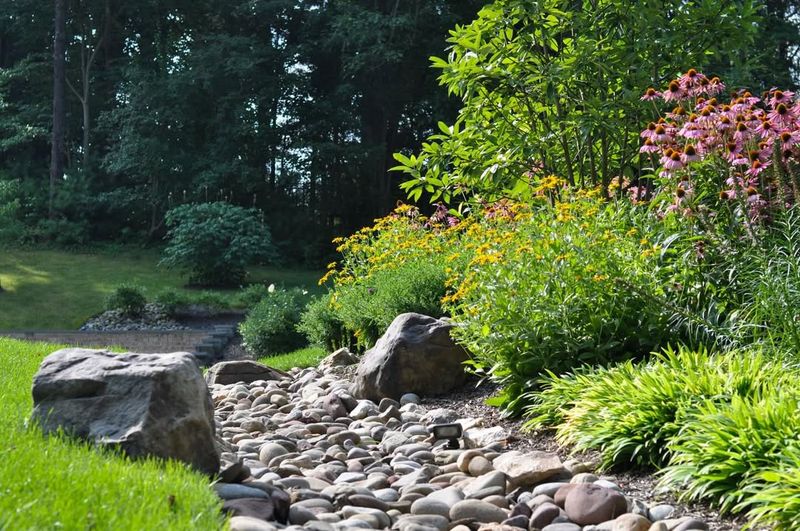
Every Michigan neighborhood has that one yard with a soggy low spot that never quite dries out after a rainstorm.
Instead of fighting it with drainage fixes or watching grass struggle year after year, the smarter move is to plant natives that actually love wet feet.
Iris versicolor, or Blue Flag Iris, is a striking Michigan native that thrives in moist to wet soil and produces gorgeous blue-violet blooms in late spring that stop people in their tracks.
It grows 2 to 3 feet tall and spreads into a handsome clump over time, making it a natural focal point in a wet front yard area.
Eutrochium maculatum, commonly called Spotted Joe-Pye Weed, is a tall, bold native that takes over the back of the bed in late summer with large, dusty-pink flower heads that pollinators swarm.
It can reach 4 to 6 feet in height, so placing it near a downspout or at the back of a wet bed gives it room to show off without blocking sight lines.
Carex stricta, or Tussock Sedge, fills the lower layer with dense, arching clumps of fine green foliage that look attractive even when nothing else is blooming.
Together, these three plants turn a problem drainage area into a natural-looking feature that handles Michigan’s heavy spring rains with ease. Neighbors will be asking what you planted before the summer is over.
7. A Simple Native Front Walk Planting
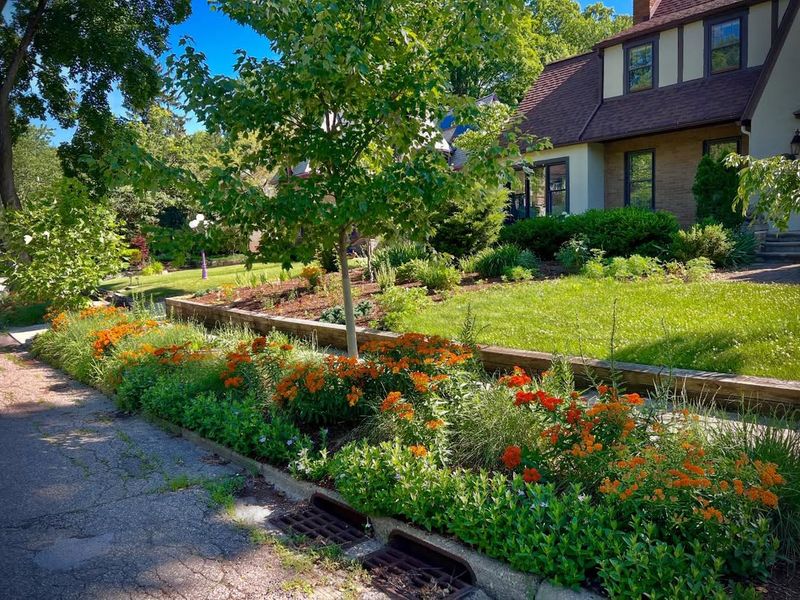
Lining a front walkway with plants that look neat, stay tidy, and come back stronger every year without much fuss is the kind of gardening win everyone wants.
Native plants along a Michigan front walk can do exactly that, and they do it while supporting local insects and birds at the same time.
Coreopsis lanceolata, or Lanceleaf Coreopsis, is a cheerful, sunny-yellow native wildflower that starts blooming in late May and keeps going well into summer.
It stays relatively compact at 1 to 2 feet tall, making it an ideal front-of-border plant that will not flop over the walkway or block your view of the front door.
Symphyotrichum oblongifolium, commonly known as Aromatic Aster, picks up right where Coreopsis leaves off, covering itself in small lavender-blue flowers from late summer through October.
This late-season bloom is especially valuable in Michigan because it gives monarchs and native bees a critical nectar source just before cold weather arrives.
Bouteloua curtipendula, or Side-oats Grama, weaves between them as a native grass that adds fine texture and subtle movement throughout the growing season without ever becoming aggressive or weedy.
The combination of these three plants gives a front walkway a polished but relaxed look that feels right at home in Michigan’s natural landscape.
Minimal maintenance, maximum charm, and genuine ecological value all in one simple planting.