8 Frost Recovery Mistakes That Hurt Louisiana Gardens
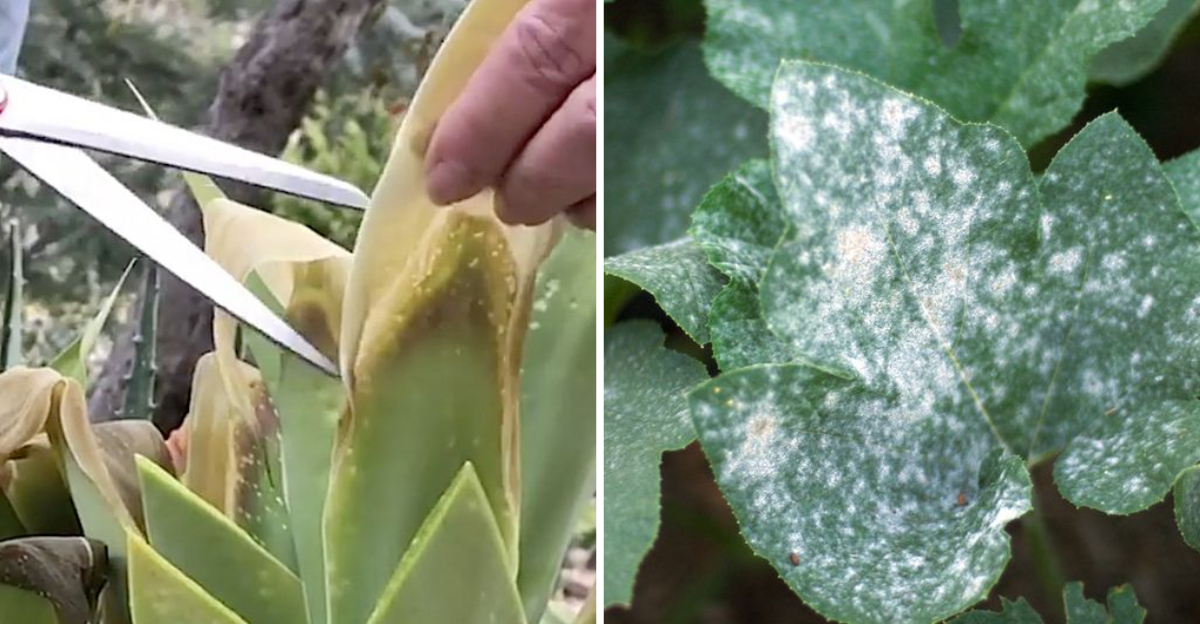
Frost can strike Louisiana gardens when you least expect it. Hard freezes are rare along the Gulf Coast, but when they hit, tropical and subtropical plants suffer.
How you react matters because your reaction can mean the difference between plants that bounce back and those that never recover. The hours and days after a freeze are critical for plant recovery.
Many gardeners rush the process without understanding what the plants really need. Giving plants time to recover naturally and responding with the right care makes all the difference.
From French Quarter in New Orleans to backyards in Baton Rouge, understanding the recovery steps protects plants and keeps your landscape thriving through Louisiana’s unpredictable winters.
Cutting Damaged Leaves Too Soon
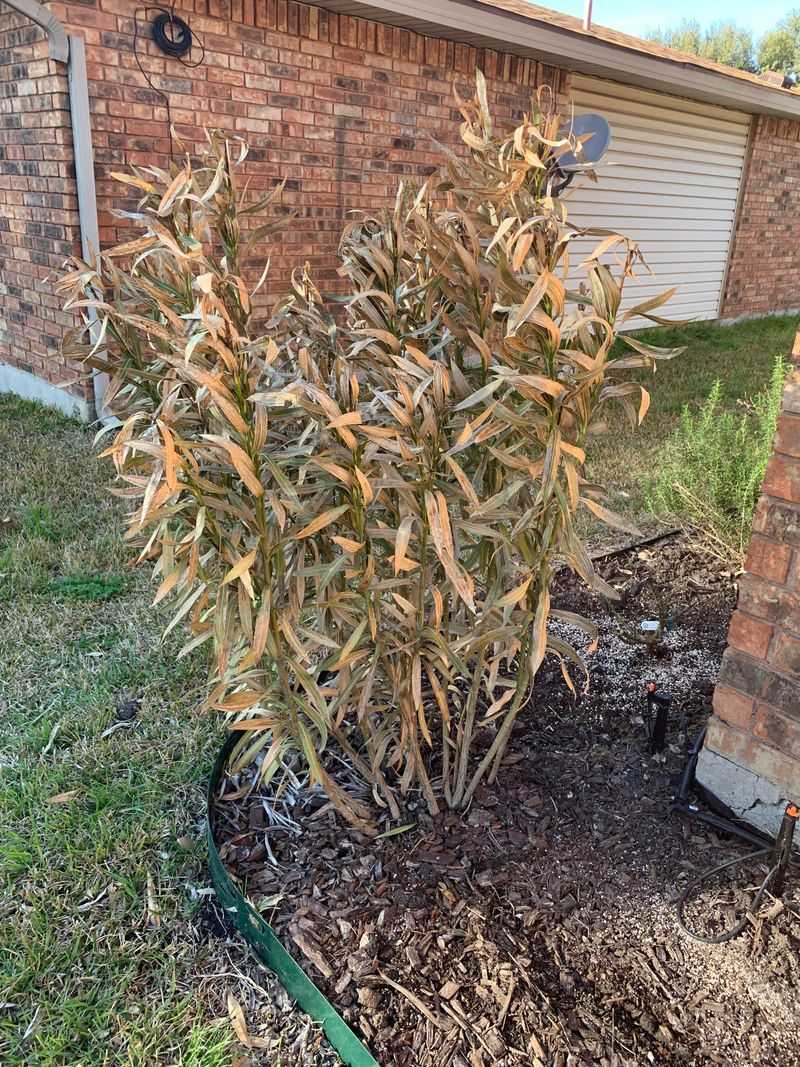
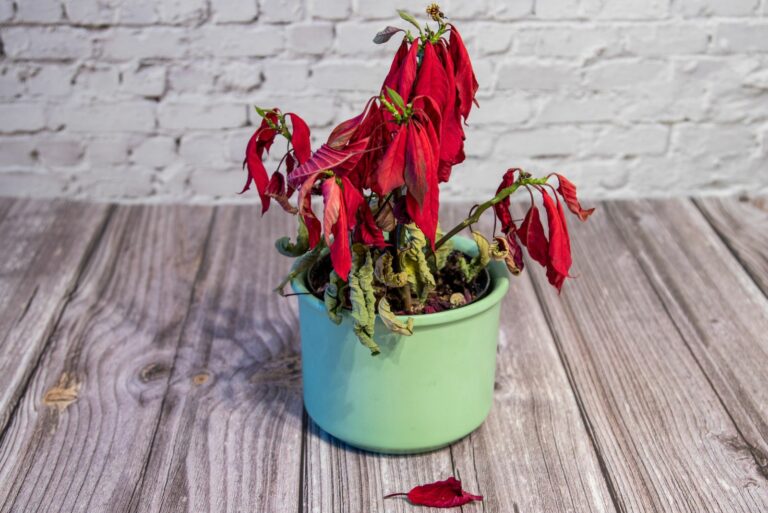
It’s tempting to grab your pruning shears the morning after a freeze. But in Louisiana gardens, patience almost always pays off.
Damaged leaves and stems aren’t just unsightly leftovers from the cold. In our unpredictable Gulf Coast climate, they actually act as natural insulation.
Those brown leaves help shield the healthy tissue underneath from wind, sun exposure, and sudden temperature swings. Removing that protection too early can do more harm than good.
Tender growth points, which are already stressed, become exposed and vulnerable. What looks like “cleaning up” the garden can actually set plants back weeks — or even months.
That’s why experienced Louisiana gardeners typically wait until late March or April before doing pruning after a freeze. By then, the danger of frost has usually passed.
The waiting period also allows plants to focus energy on strengthening their root systems instead of forcing emergency top growth during unstable weather.
When it’s finally time to prune, cut back only to healthy green tissue and make clean cuts just above a leaf node or bud.
This approach works well for tropical favorites in New Orleans landscapes like hibiscus, plumeria, which often look completely gone after a freeze but rebound once the warmth returns.
Overwatering After Cold Damage
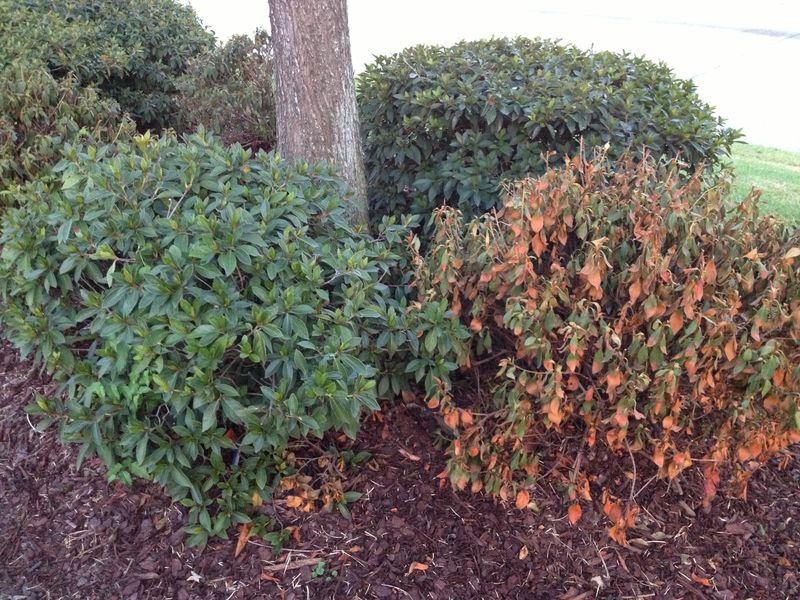
Think pouring extra water will save your frost-hit plants? Think again because too much can actually hurt them.
Cold-damaged plants actually need less water because their root systems slow down dramatically after freezing temperatures. When roots are not actively growing, they cannot absorb moisture efficiently, which leads to waterlogged soil conditions.
Soggy soil creates the perfect environment for root rot and fungal diseases that spread quickly in our humid Louisiana climate. Damaged plant tissue is already vulnerable, and excess moisture around the roots compounds the problem.
Think of it like a small wound that heals faster when it stays clean and dry rather than constantly soaked.
Check soil moisture by sticking your finger two inches deep before watering. If it feels damp, wait several more days.
Frost-damaged plants in Baton Rouge and surrounding areas need time to assess their damage and begin internal repairs before resuming normal water uptake.
During recovery, water only when the top few inches of soil feel completely dry. Use room-temperature water in the morning so any excess moisture evaporates during the day.
This schedule prevents fungal growth while still providing necessary hydration. Container plants need especially careful monitoring since they cannot drain as naturally as in-ground plantings.
Remember that dormant or semi-dormant plants require minimal water through winter months. Your irrigation needs will increase naturally as temperatures warm and new growth emerges in spring.
Applying Fertilizer To Stressed Plants
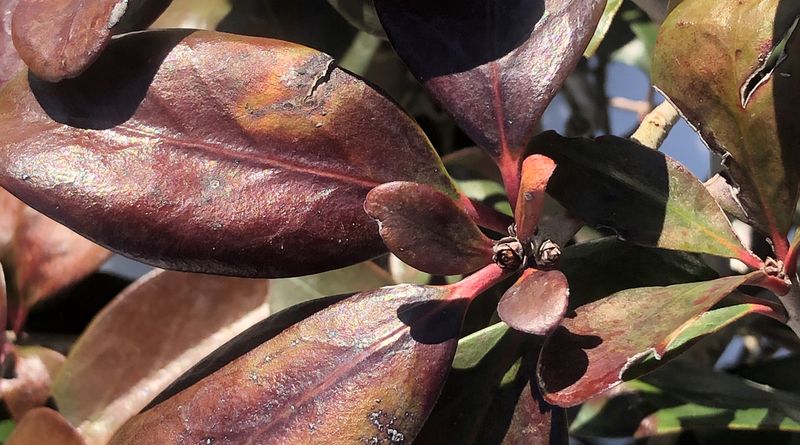
Fertilizer seems like plant medicine, but feeding frost-damaged plants is actually one of the worst things you can do during recovery.
Stressed plants cannot process nutrients properly, and fertilizer forces them to put energy into new growth when they should focus on healing. This misguided effort exhausts plants further and can actually worsen their condition significantly.
After cold damage, roots and stems need time to repair cellular damage before they can support fresh leaves and branches. Pushing fertilizer into this delicate process is like asking someone with a broken leg to run a marathon.
Chemical fertilizers are particularly harsh on compromised root systems. The concentrated salts in synthetic products can burn damaged roots and prevent water uptake.
Organic fertilizers should wait until you see definite signs of active new growth, which usually appears six to eight weeks after the last frost.
Watch for emerging leaf buds and lengthening stems as signals that your plants are ready for gentle feeding. Start with half-strength liquid fertilizer applied to the soil, not the foliage.
Gradual nutrient introduction supports recovery without overwhelming stressed plants.
In New Orleans and throughout Louisiana, the best approach is waiting until consistent warm weather arrives in late April or May before resuming regular fertilization schedules for your landscape.
Ignoring Soil Drainage Problems
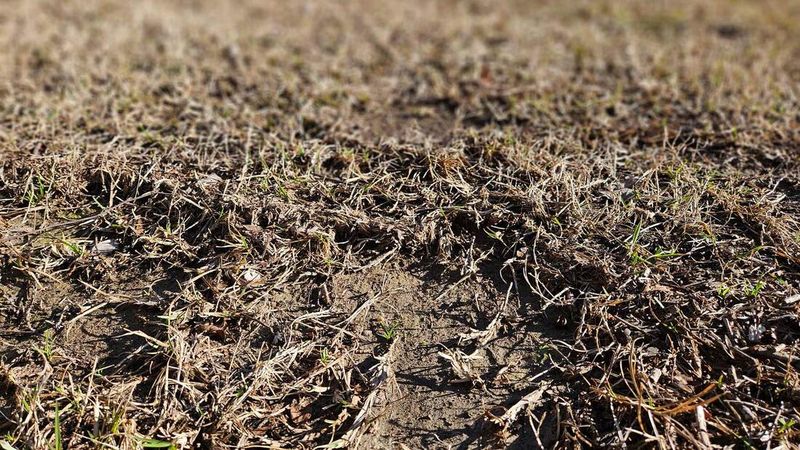
Think frost is the worst your garden can face? Add poor drainage, and things get ugly fast.
Heavy clay soils, common throughout Baton Rouge hold water, and this becomes problematic after cold weather weakens roots. When damaged roots sit in waterlogged soil, they cannot recover and often develop rot that spreads throughout the plant.
Frost causes ice crystals to form inside plant cells, rupturing delicate membranes and tissue. Roots affected by this damage need oxygen-rich soil to heal and regenerate.
Standing water drives oxygen out of the soil, creating anaerobic conditions where beneficial microbes cannot survive but harmful pathogens thrive.
Check your garden beds after heavy winter rains by observing how quickly water drains away. Puddles that remain for more than a few hours indicate serious drainage issues that need correction.
This is especially critical for raised beds and container gardens popular in New Orleans courtyards where proper drainage makes or breaks plant survival.
Improve drainage by incorporating organic matter like compost or aged pine bark into heavy clay soils. Creating slight mounds or berms also helps water flow away from plant crowns.
For severe drainage problems, consider installing French drains or relocating plants to better-drained areas.
Good drainage becomes even more important as plants push new growth in spring. Fresh roots need both moisture and oxygen to establish properly after winter stress.
Exposing Plants To Direct Sun Too Quickly
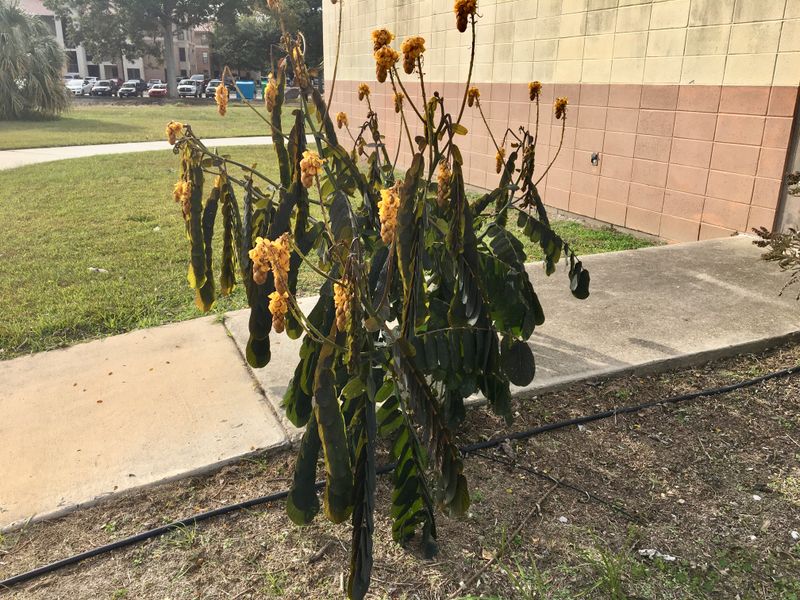
Sunlight normally fuels plant growth, but intense rays become harmful to foliage recovering from frost damage.
Frozen plant tissue loses its ability to regulate water and protect itself from ultraviolet radiation. Exposing these vulnerable leaves to full Louisiana sun, which grows quite strong even in late winter, causes additional stress that slows recovery considerably.
Think of frost-damaged leaves like sunburned skin that needs gentle treatment rather than more sun exposure. The cellular damage from freezing temperatures leaves foliage unable to photosynthesize efficiently or cool itself through normal transpiration.
Temporary shade cloth or even old bedsheets draped over damaged plants provide crucial protection during the recovery period. This filtered light allows some photosynthesis while preventing additional stress.
Gardens throughout Louisiana benefit from this simple protective measure, especially for tropical plants that normally love our abundant sunshine.
Position shade protection on the south and west sides where afternoon sun hits hardest. Remove coverings during overcast days to maximize light exposure when intensity is lower.
This balanced approach gives plants the energy they need without overwhelming their damaged systems.
As new growth emerges and temperatures warm, gradually remove shade protection over several weeks. This acclimation period helps fresh foliage develop proper sun tolerance.
By late spring, most plants can handle full sun exposure again as they return to normal growth patterns.
Not Taking Care Of The Mulch
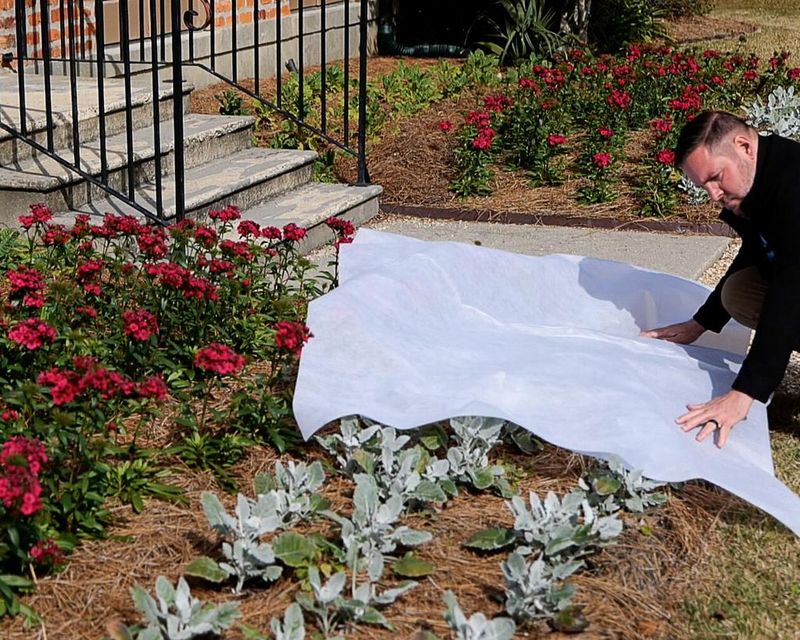
Mulch does more than make gardens look tidy. A proper mulch layer insulates soil, moderates temperature swings, and retains moisture at levels that help plants recover from frost stress.
Many Louisiana gardeners let their mulch thin out over winter, not realizing this leaves plant roots vulnerable to additional cold snaps and temperature fluctuations that delay recovery.
Soil temperature stability matters tremendously for root health after frost damage. Bare soil heats up quickly on sunny winter days, then plummets when cold fronts move through our region.
These wild swings stress roots that are already working hard to repair freeze damage. A three to four inch mulch layer buffers these changes and creates more consistent conditions for healing.
Pine bark, pine straw, and shredded leaves all work well as mulch materials throughout Louisiana. These organic options break down gradually, improving soil structure while providing insulation.
Avoid piling mulch directly against plant stems, which can trap moisture and encourage rot. Leave a small gap around the base of each plant.
Check mulch depth monthly and replenish as needed, especially after heavy rains that can wash material away. This simple maintenance step protects recovering plants and reduces water needs as weather warms.
Well-mulched beds in New Orleans and beyond show faster spring recovery than bare-soil plantings.
Fresh mulch also suppresses weeds that compete with stressed plants for water and nutrients during the critical recovery period.
Replacing Plants Before Assessing Recovery
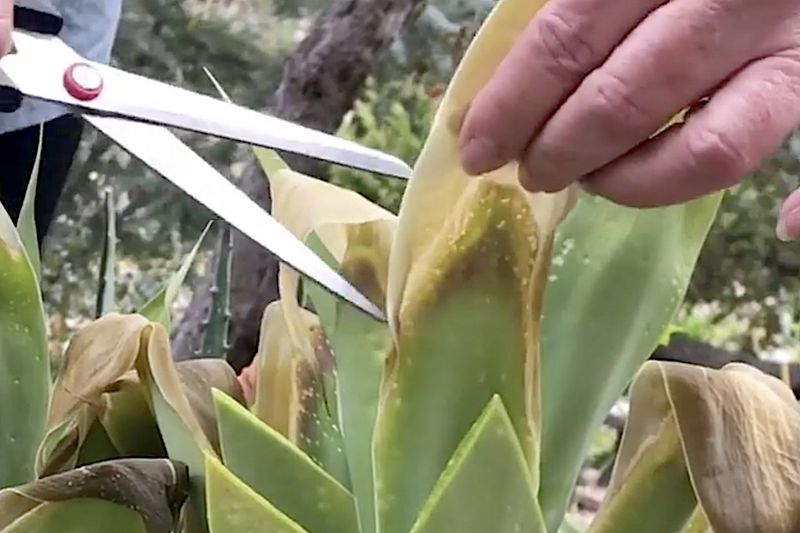
Patience challenges every gardener after frost turns their beautiful Louisiana landscape brown. The urge to rip everything out and start fresh is strong, but many plants that look gone will surprise you with vigorous regrowth once warm weather returns.
Replacing plants too quickly wastes money and removes specimens that have established root systems capable of rapid recovery.
Plants native to warm climates often have remarkable survival strategies. They may look terrible above ground while their roots remain perfectly healthy below the soil line.
Tropical hibiscus, lantana, and many other Louisiana favorites regularly resprout from the base even after tops freeze completely. These established root systems give plants a huge advantage over new transplants.
Wait at least eight to ten weeks after the last frost before making replacement decisions. Scratch the bark on stems with your fingernail to check for green tissue underneath.
Green means the stem is still alive and capable of producing new growth. Brown all the way through indicates that particular branch is gone, but the plant base may still be viable.
Watch for small green shoots emerging from the soil around the plant crown. These signals indicate the root system survived and is pushing new growth.
Even if the entire top growth is lost, these shoots will develop into a full plant much faster than starting over with a small nursery transplant.
Give your Baton Rouge and New Orleans gardens time to show their resilience before spending money on replacements.
Skipping Fungal Disease Prevention
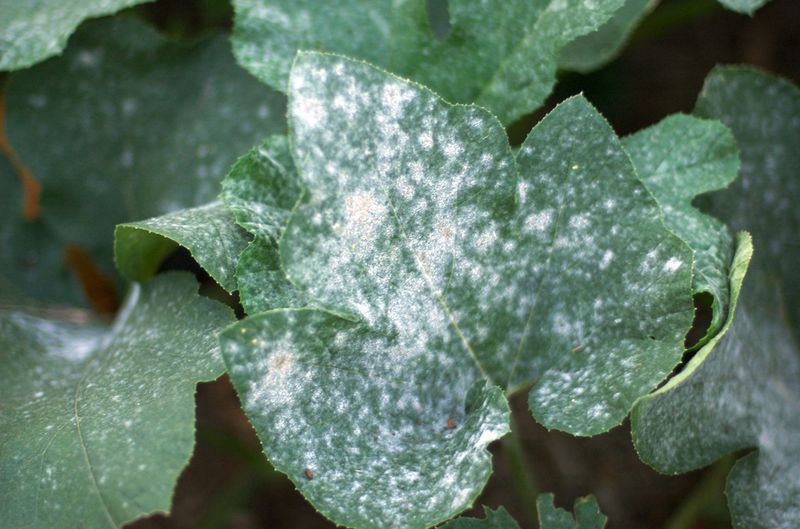
Frost-damaged plants are prime targets for disease. In Louisiana’s wet climate, fungi spread fast.
Damaged plant tissue cannot defend itself against pathogens and our warm, moist springs create perfect conditions for fungal problems to explode. Many gardeners focus only on cold damage and miss the secondary infections that cause more harm.
Botrytis, powdery mildew, and various leaf spot diseases love attacking compromised plants. These fungi enter through wounds created by ice crystal formation and spread quickly through weakened tissue.
Once established, fungal infections prevent proper healing and can spread to healthy parts of the plant or neighboring plants in your landscape.
Prevention starts with good sanitation practices. Remove any severely damaged leaves or branches that show signs of fungal growth, which appears as fuzzy gray mold, white powder, or dark spots with yellow halos.
Dispose of this material in the trash, not your compost pile, to prevent spreading spores throughout your New Orleans or Louisiana garden.
Improve air circulation around plants by spacing them properly and removing excess growth. Avoid overhead watering, which keeps foliage wet and encourages fungal development.
Water at the soil level in the morning so any splash on leaves dries quickly.
Organic fungicides containing neem oil or copper can protect vulnerable plants during the recovery period. Apply according to label directions when conditions favor disease development.