7 Fruit Plants Perfect For Pennsylvania Backyards In 2026
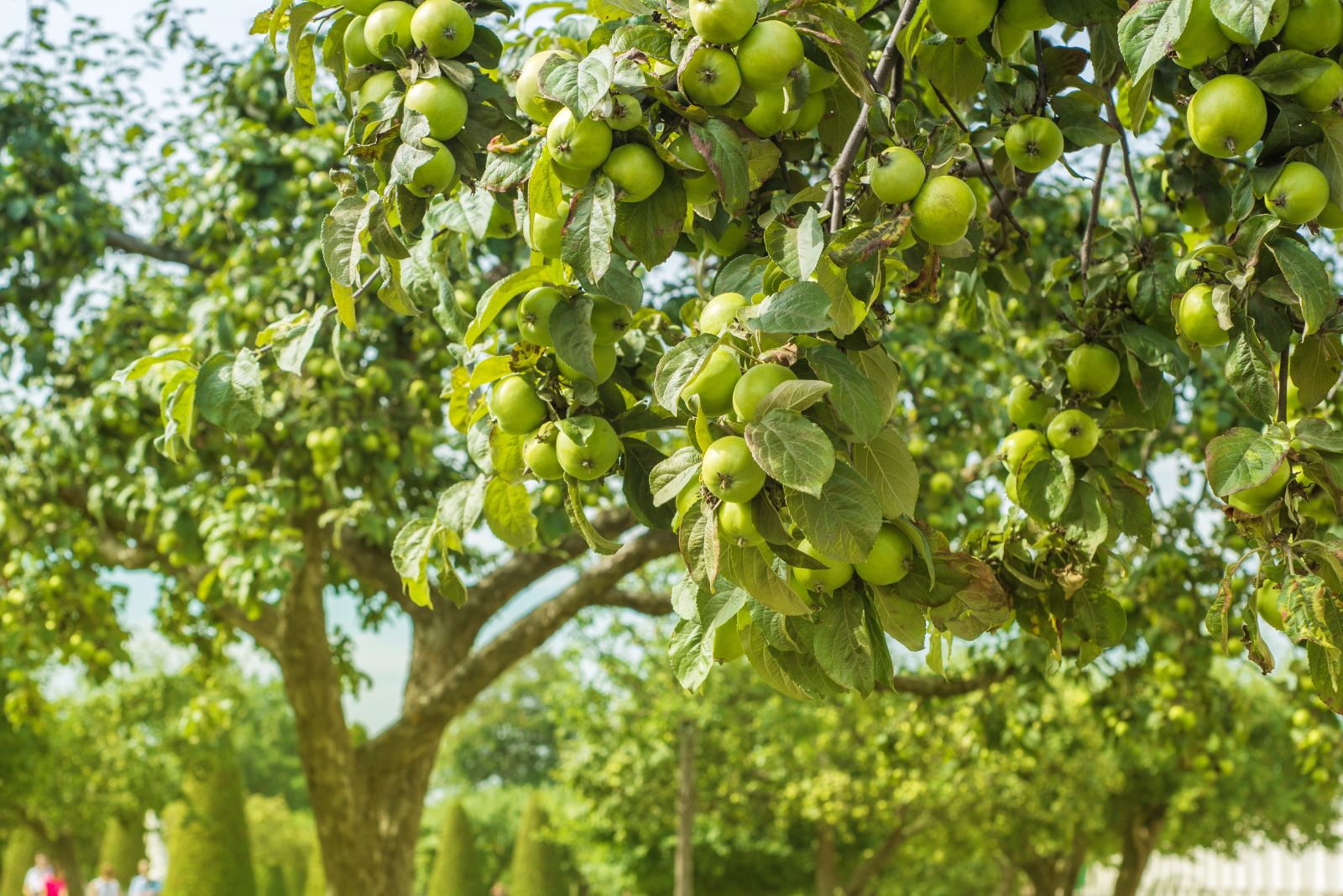
Growing fruit in your own backyard in Pennsylvania feels both practical and rewarding. There is something satisfying about stepping outside and picking fresh produce straight from your garden.
With the state’s mix of cold winters and warm summers, many fruit plants actually thrive when given the right spot and a little care.
Pennsylvania’s climate supports a wide range of options, from classic orchard favorites to smaller shrubs that fit neatly into compact yards.
Some plants handle chilly temperatures with no trouble, while others take advantage of the long summer days to produce sweet, flavorful harvests.
Choosing varieties suited to local conditions makes the process smoother and far more enjoyable.
Backyard fruit plants can turn an ordinary space into something productive and inviting. They add seasonal interest with blossoms in spring and colorful harvests later on. With smart planning and a bit of patience, your yard can offer fresh flavors year after year.
1. Apple (Malus Domestica)
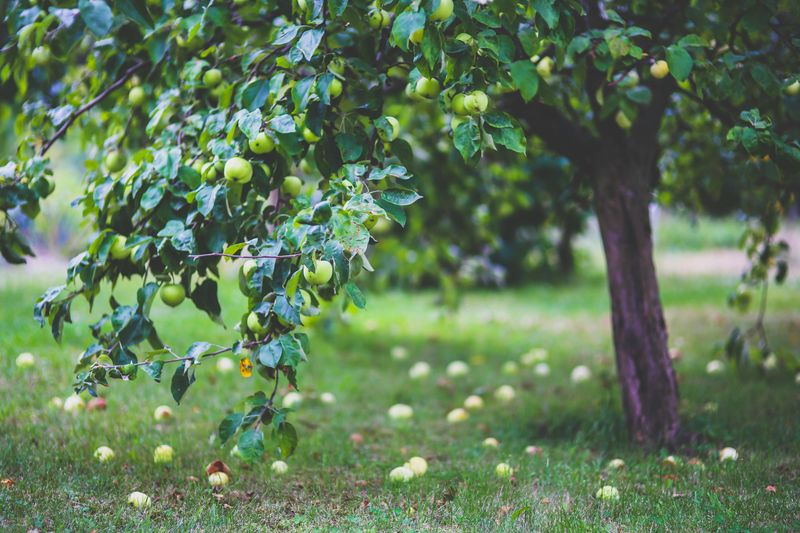
Few things say “home” quite like biting into a crisp apple that you grew yourself. Apple trees are one of the best choices for Pennsylvania backyards, and for good reason.
The state’s cold winters actually help apple trees thrive because they need what gardeners call “chill hours,” which are hours of cold temperatures during winter that help the tree wake up properly in spring.
Pennsylvania easily delivers those chill hours every single year. That means your apple tree will bloom reliably and produce fruit season after season.
There are also many disease-resistant varieties available today, which makes growing apples much less stressful than it used to be.
One important thing to know is that apple trees need cross-pollination. That means you should plant at least two compatible varieties near each other so the trees can pollinate one another and produce fruit.
Without a second tree nearby, you may end up with very few apples.
Some of the most reliable varieties for Pennsylvania include ‘Honeycrisp,’ ‘Liberty,’ and ‘Enterprise.’ ‘Liberty’ and ‘Enterprise’ are especially good choices because they resist common diseases like apple scab and fire blight.
‘Honeycrisp’ is a crowd favorite for its amazing sweet-tart flavor and satisfying crunch. Apple trees do best in full sun and well-drained soil.
Give them room to grow and prune them each year to keep the branches healthy. With a little care, your Pennsylvania apple tree can produce fruit for decades.
2. Pear (Pyrus Communis)
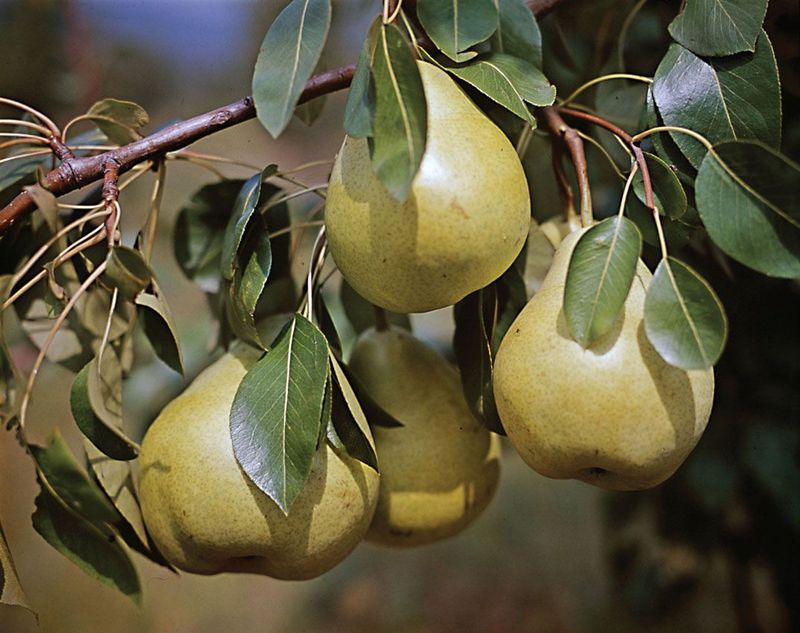
Pears are a seriously underrated fruit tree for Pennsylvania backyards. They are cold hardy, adaptable to different growing conditions, and generally easier to manage than many other fruit trees.
If you have struggled with other fruits in the past, pears might be exactly what you need to try next.
One big advantage pears have over apples is that they tolerate heavier, clay-like soils much better. Pennsylvania has a lot of areas with heavier soil, so pears can actually do well in spots where other fruit trees might struggle.
They still prefer decent drainage, but they are far more forgiving when conditions are not perfect.
Pears are also more disease-resistant than many fruits. Fire blight can still be a concern, but choosing resistant varieties helps a lot. ‘Bartlett,’ ‘Bosc,’ and ‘Seckel’ are all excellent choices for Pennsylvania growers.
‘Bartlett’ is the classic sweet pear that most people recognize from grocery stores. ‘Bosc’ has a rich, honey-like flavor, and ‘Seckel’ is a small but incredibly sweet variety that kids tend to love.
Like apples, most pear varieties benefit from having a second tree nearby for cross-pollination.
Planting two different varieties close together will boost your fruit production significantly. Make sure both varieties bloom at around the same time for the best results.
Pear trees prefer full sun and need regular pruning to stay healthy and productive. With proper care in Pennsylvania’s climate, a pear tree can reward you with delicious fruit for many years to come.
3. Peach (Prunus Persica)
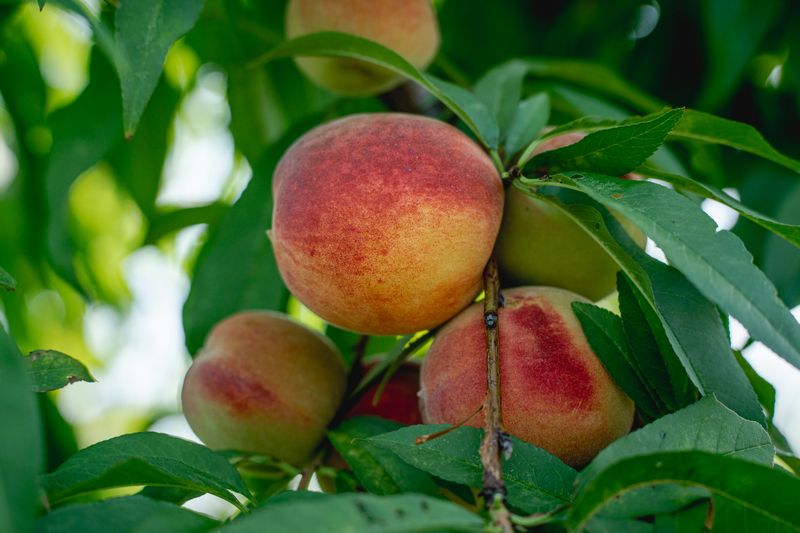
There is nothing like a perfectly ripe, juicy peach straight from your own tree on a hot summer day.
Peaches grow surprisingly well in Pennsylvania, especially in the southern and central parts of the state where temperatures are a bit warmer and the growing season is a little longer.
Adams County in south-central Pennsylvania is actually famous for its peach orchards, which shows just how well this fruit does here.
Peach trees need full sun, which means at least six to eight hours of direct sunlight every day. They also need well-drained soil because their roots do not like sitting in wet conditions.
If your soil tends to hold water, consider planting your peach tree on a slight slope or raised area to improve drainage.
One thing to watch out for is late spring frosts. Peach trees bloom early, and a hard frost after blooming can wipe out your fruit for the entire year.
Planting your tree in a spot that is sheltered from cold north winds can help protect it. Some gardeners also use frost blankets to cover young trees during unexpected cold snaps.
For Pennsylvania, two of the hardiest and most dependable peach varieties are ‘Reliance’ and ‘Redhaven.’
‘Reliance’ is especially cold-tolerant and can handle tougher winters better than most peach varieties. ‘Redhaven’ produces beautiful, flavorful fruit and is widely loved by home gardeners across the state.
Peach trees are not as long-lived as apples or pears, but with good care they will produce abundantly for ten to fifteen years.
4. Plum (Prunus Domestica Or Prunus Americana)
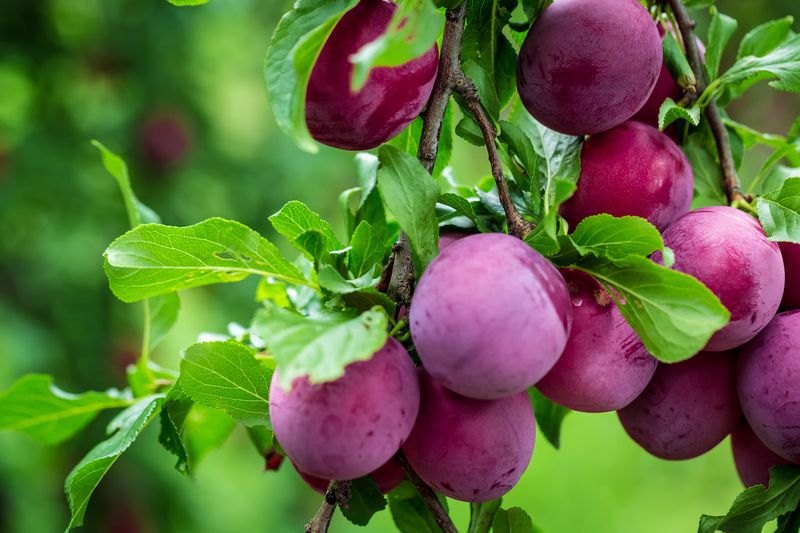
Plums are one of those fruits that many Pennsylvania gardeners overlook, but they absolutely should not be ignored. Both European plums and American plums grow well in this state, and each has its own set of advantages worth knowing about.
European plums, like the popular ‘Stanley’ variety, are very cold hardy and well-suited to Pennsylvania’s Zone 5 and Zone 6 regions. They produce large, sweet, oval-shaped fruit that is great for eating fresh, baking, or making jam.
Many European plum varieties are also self-pollinating, which means you can get fruit from just one tree without needing a second one nearby. That is a real bonus for gardeners with limited space.
American plums are actually native to Pennsylvania, which makes them a fantastic choice for supporting local wildlife and pollinators.
They tend to be smaller and tarter than European varieties, but they are incredibly tough and can handle cold, tough conditions that would stress other fruit trees.
Birds and deer love them too, which can be a good thing or a challenge depending on your perspective.
For gardeners in protected Zone 7 areas of southeastern Pennsylvania, there are even more plum varieties to explore. The key is choosing a variety that matches your specific hardiness zone and soil type.
Plum trees do best with full sun and well-drained soil. Prune them every year in late winter to keep the canopy open and the fruit production strong.
With the right variety, plums can be one of the most productive and low-maintenance fruit trees in your Pennsylvania backyard.
5. Sour Cherry (Prunus Cerasus)
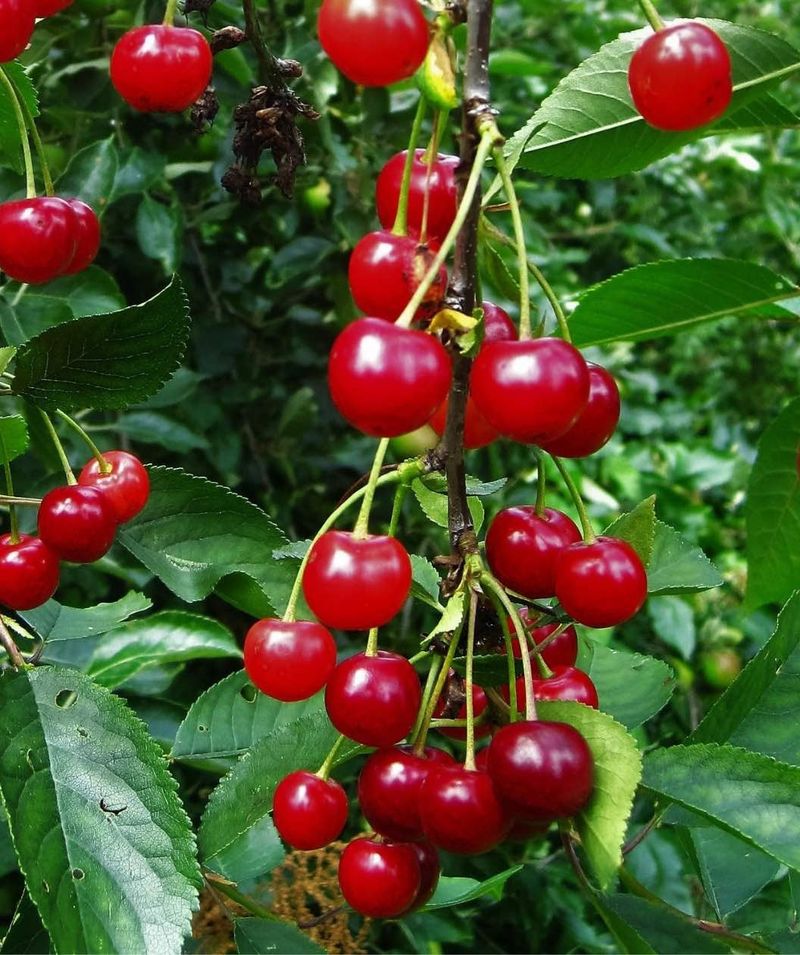
Ask any seasoned Pennsylvania gardener about sour cherries, and you will likely get an enthusiastic response. Sour cherries, also called tart cherries, are one of the most reliable and rewarding fruit trees you can plant in this state.
They are tougher than sweet cherries, easier to grow, and they produce generous crops year after year.
One of the biggest advantages of sour cherries is that they are self-pollinating. You only need one tree to get a full harvest, which makes them perfect for smaller backyards where space is tight.
Plant one tree in a sunny spot with good drainage, and you are already well on your way to homegrown cherries.
The undisputed champion of sour cherry varieties for Pennsylvania is ‘Montmorency.’ It is the most widely grown tart cherry in North America and for good reason.
‘Montmorency’ produces bright red, flavorful cherries that are perfect for pies, preserves, juice, and even dried snacks. The tree itself is compact, easy to manage, and extremely cold hardy, making it a natural fit for Pennsylvania winters.
Sour cherry trees prefer full sun and well-drained soil. They are also less prone to the diseases that sometimes trouble sweet cherry trees, which makes them a lower-stress option for home gardeners.
Regular pruning helps keep the tree healthy and the fruit production high. Harvest time for ‘Montmorency’ in Pennsylvania is typically in late June or early July. The cherries ripen all at once, so be ready to pick them quickly before the birds get there first.
6. Sweet Cherry (Prunus Avium)
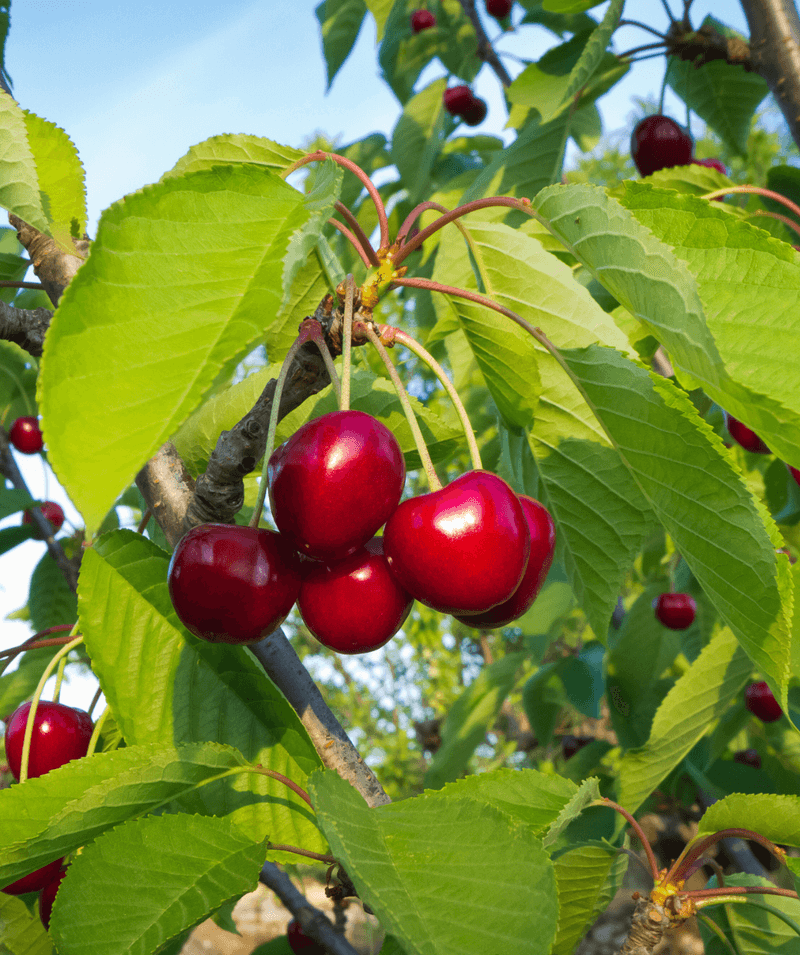
Sweet cherries are the ones you see piled high at farmers markets in early summer, and growing your own in Pennsylvania is absolutely possible if you plan carefully.
These trees do best in southern and southeastern Pennsylvania, where the climate is slightly milder and the risk of late spring frosts is a bit lower than in the northern parts of the state.
Good drainage is non-negotiable for sweet cherry trees. They do not tolerate wet feet at all, and soggy soil can cause serious root problems.
If your yard tends to stay damp, consider building a raised bed or planting on a gentle slope. Sandy loam soil works beautifully for sweet cherries and gives them the drainage they need to flourish.
Unlike sour cherries, most sweet cherry varieties require cross-pollination from a second compatible tree. That means you will need to plant at least two different varieties close together to get a good fruit set.
Popular choices that do well in Pennsylvania include ‘Stella,’ ‘Lapins,’ and ‘Rainier.’ ‘Stella’ and ‘Lapins’ are actually self-fertile, which makes them a more practical option if you only have room for one tree.
Sweet cherries are more sensitive to diseases like brown rot and bacterial canker than tart cherries are. Keeping the canopy open through regular pruning improves airflow and reduces disease pressure significantly.
Applying a layer of mulch around the base of the tree also helps regulate soil moisture and temperature.
The reward for all that care is a crop of incredibly sweet, delicious cherries that taste far better than anything you can buy at the store.
7. Pawpaw (Asimina Triloba)
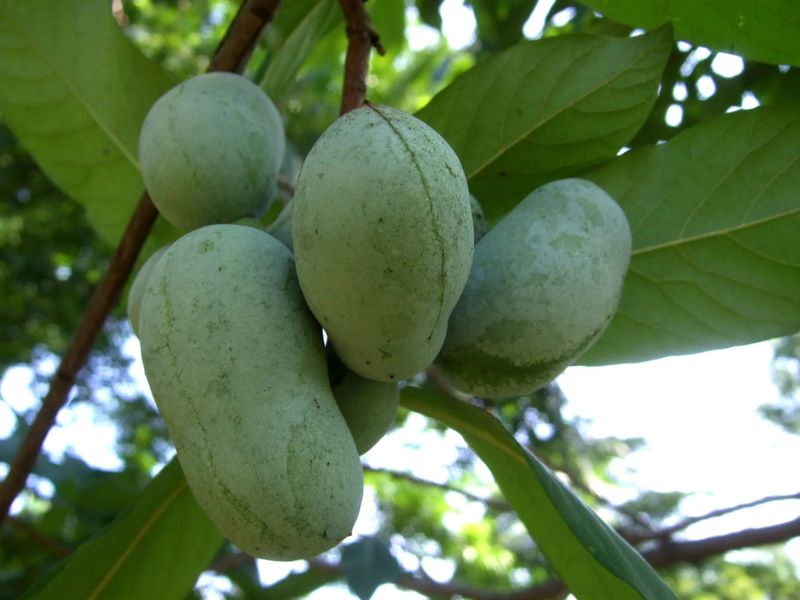
Meet the pawpaw, Pennsylvania’s best-kept secret in the fruit world. This remarkable tree is actually native to Pennsylvania and much of the eastern United States, yet most people have never tasted its fruit.
Pawpaws produce large, greenish-yellow fruits with a soft, custard-like flesh that tastes like a blend of banana, mango, and vanilla. Once you try one, you will never forget it.
Pawpaws are extremely cold hardy, which makes them a natural fit for Pennsylvania’s winters. They have been growing wild in Pennsylvania forests for thousands of years, long before anyone thought about planting them in backyards.
That deep history means they are well-adapted to the state’s soil types, rainfall patterns, and temperature swings.
Young pawpaw trees actually prefer partial shade, especially in their first year or two. Planting them under the filtered light of taller trees mimics their natural woodland habitat and helps them get established without stress.
Once they mature, they can handle more sun and will produce more fruit in sunnier spots.
One thing to keep in mind is that pawpaws require two different trees for pollination. Unlike self-pollinating fruits, pawpaw flowers need pollen from a genetically different tree to produce fruit.
Plant at least two seedlings or named varieties within about thirty feet of each other for the best results.
Pawpaws have very few pest or disease problems, which makes them one of the most low-maintenance fruit trees you can grow in Pennsylvania. For anyone looking for something unique, native, and delicious, the pawpaw is a truly special addition to any backyard.