7 Fruit Tree Thinning Mistakes Arizona Gardeners Make In April
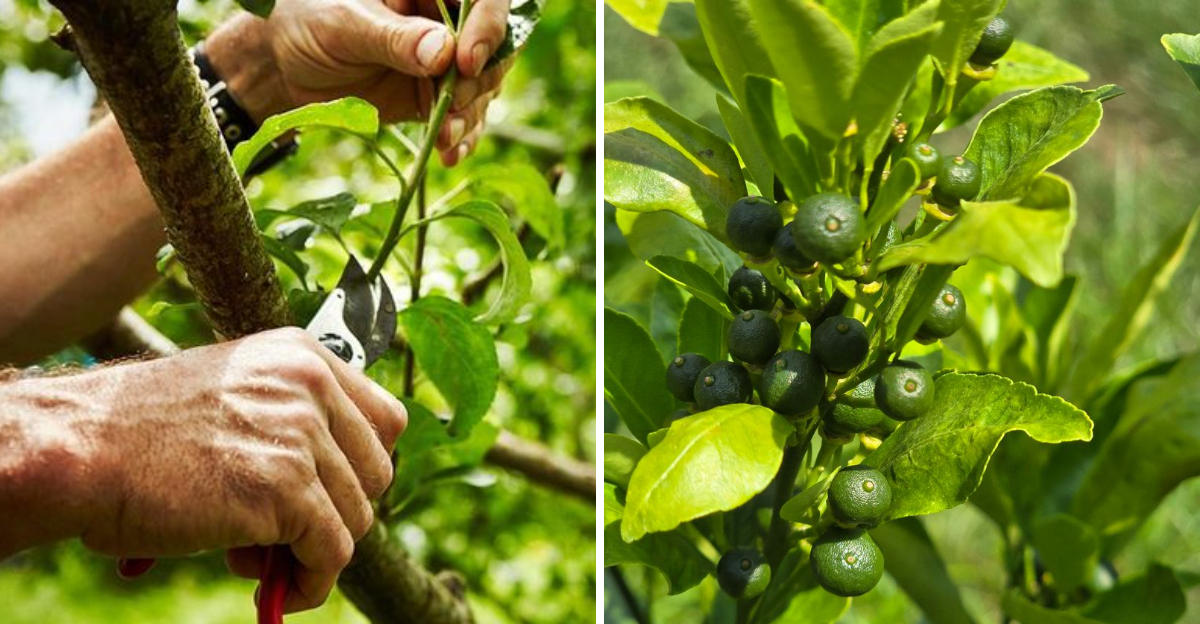
Fruit trees can look packed with developing fruit in April, and it is easy to think that means a great harvest is on the way. This is where many gardeners get misled.
Too much fruit early on often leads to smaller size, weaker branches, and trees that struggle once heat builds.
April is the point where a few early choices start shaping the entire season, and thinning plays a bigger role than most expect.
It is not just about taking fruit off the tree. How much stays, how evenly it is spaced, and when it gets done all affect how the tree responds.
Miss the balance, and the results show up later in ways that are hard to fix. The difference comes down to small decisions that seem minor now but end up deciding how well everything finishes.
1. Skipping Thinning Leads To Smaller And Lower Quality Fruit
Skipping thinning entirely is probably the single fastest way to end up with a tree full of fruit that looks impressive from a distance but disappoints up close.
Arizona gardeners often feel reluctant to remove fruit they worked hard to grow, but leaving too many on the branch actually works against the tree.
When a tree carries more fruit than it can properly support, it spreads its energy thin. Every peach, plum, or apple on that tree is competing for the same water and nutrients.
The result is usually a large number of undersized fruits with weak flavor and poor texture.
In Arizona’s climate, this problem gets amplified quickly. Once April shifts into May and the heat builds, the tree’s resources get stretched even further between fruit development and just managing the temperature stress.
Fruit that didn’t get enough energy early rarely catches up later.
Thinning is not about removing fruit as punishment. It’s about redirecting the tree’s energy toward fewer fruits so each one can actually develop properly.
Gardeners who thin consistently tend to notice better fruit size, improved color, and stronger flavor compared to years when they skipped it.
A good rule of thumb for most stone fruits grown in Arizona is to leave roughly one fruit every four to six inches along each branch. It feels like a lot to remove, but the remaining fruit will show the difference by harvest time.
Start early in April before the fruit gets too large.
2. Removing Fruit Too Late Reduces The Benefits Of Thinning
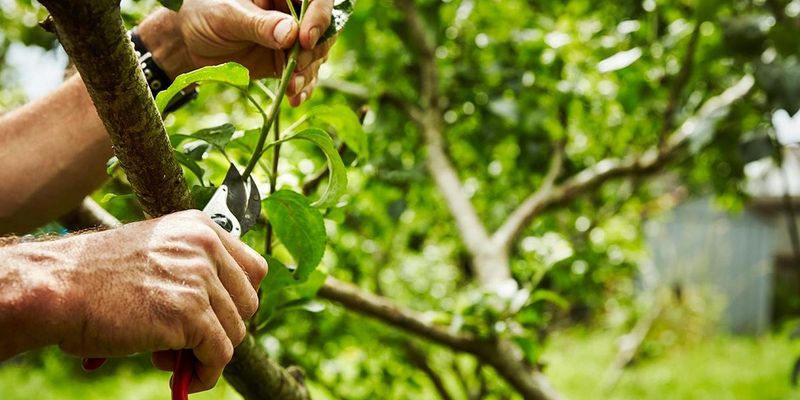
Timing matters more than most people realize when it comes to fruit thinning, and waiting too long is one of the most common missteps in Arizona gardens every April.
Many gardeners wait until they can clearly see which fruits look the healthiest before deciding what to remove, but by then the window for maximum benefit has already narrowed.
Thinning works best when fruits are still small, roughly around three-quarters of an inch in diameter. At that stage, the tree can redirect its energy efficiently toward the fruits that remain.
Waiting until fruits are golf ball sized or larger means the tree has already invested significant resources into everything on the branch.
Arizona’s spring moves fast. Temperatures that feel mild in early April can jump dramatically within a few weeks, and heat speeds up fruit development in ways that shorten your effective thinning window.
What feels like plenty of time can shrink quickly once warm nights start rolling in across the desert.
Gardeners who thin on time tend to see noticeably better results than those who get to it late. Early thinning allows the remaining fruit to size up more evenly and develop stronger cell structure before the summer heat puts additional stress on the tree.
A practical approach is to check your trees around the first week of April and plan to thin before mid-month. Mark your calendar if needed.
In Arizona, early action almost always beats a well-intentioned but delayed effort when it comes to fruit development.
3. Leaving Clusters Causes Branch Stress And Breakage Risk
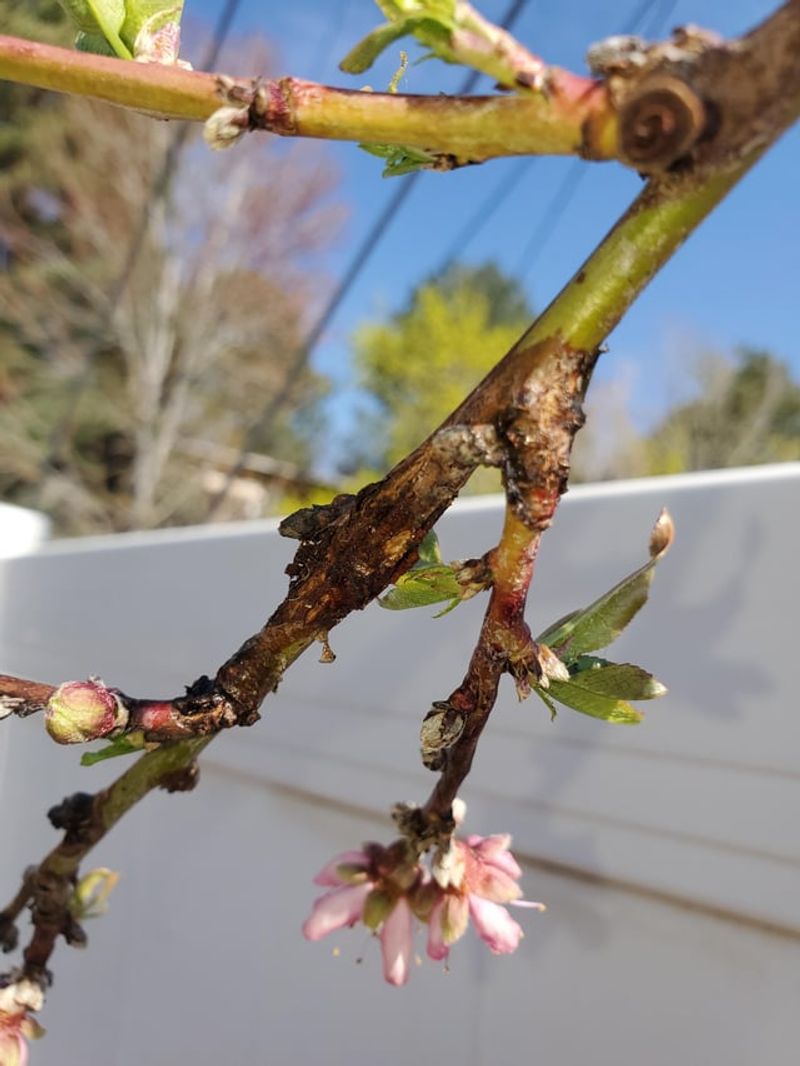
Clusters of fruit growing tightly together might look like a sign of a productive season, but they create real structural problems for your tree.
When multiple fruits develop side by side on the same spur or short branch section, the combined weight adds up faster than most gardeners expect.
Stone fruit trees grown in Arizona, especially peaches and plums, are particularly prone to this issue because they tend to set fruit heavily in good years. A branch that looks sturdy in early April can become dangerously overloaded by late spring as fruit weight increases.
Breakage does not just cost you fruit. It creates open wounds that take energy to heal and can leave the tree unbalanced for the following season.
Breaking up clusters during thinning should be a priority, not an afterthought. When you find two or three fruits growing in a tight group, remove all but the strongest one.
Choose the fruit that sits in the best position, usually the one with the most space around it and the straightest attachment angle to the branch.
Gardeners across Arizona’s central and southern regions often deal with wind events in spring that make branch stress even more dangerous. A branch already bent from fruit weight becomes far more vulnerable when afternoon gusts hit.
Addressing clusters early in April reduces that risk considerably.
Spacing fruit properly along each branch distributes weight more evenly and keeps the tree’s structure intact through the growing season. It is a straightforward step that pays off in both fruit quality and tree health over time.
4. Thinning Too Lightly Limits Size And Proper Development
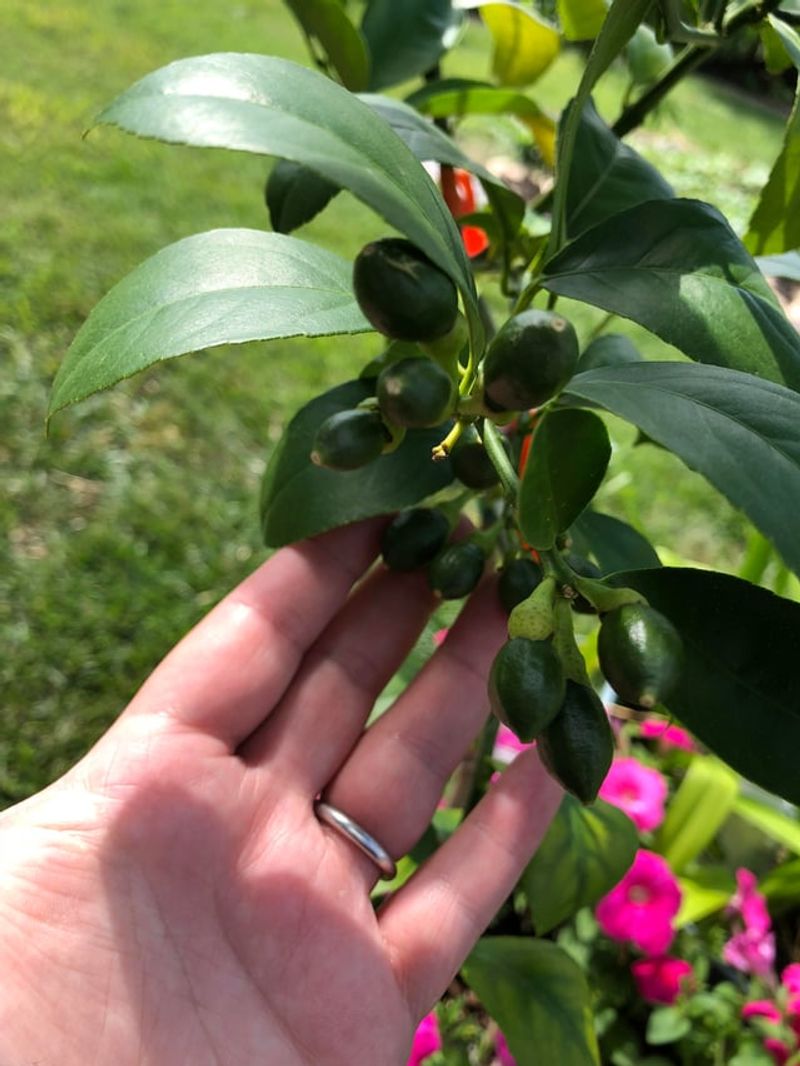
Light thinning feels like a reasonable compromise, but it often produces results that are barely better than not thinning at all.
Removing just a handful of fruits when dozens need to go is one of those mistakes that feels careful in the moment and disappointing by harvest time.
A lot of Arizona gardeners pull back on thinning because they worry about removing too much. The tree looks full of promise in April, and taking off fruit feels counterproductive.
But under-thinning means the tree still carries more than it can properly feed, and the remaining fruit pays the price in size and flavor.
Proper thinning for most peaches and nectarines in Arizona means leaving about four to six inches between fruits. For larger varieties, spacing closer to six inches is more appropriate.
If you finish thinning and the branch still looks heavily loaded, you probably need to go back and remove more.
One useful check is to step back and look at the branch after you thin. If the remaining fruits are still clearly visible at a glance and sitting close together, they are likely too crowded.
A well-thinned branch should look somewhat sparse compared to what you started with.
Gardeners who push themselves to thin more aggressively than feels comfortable often report better results. It takes a season or two of experience to build confidence, but the feedback from your harvest is honest.
Bigger, better-tasting fruit is usually the reward for committing to a thorough job rather than a cautious one.
5. Over Thinning Can Reduce The Overall Harvest
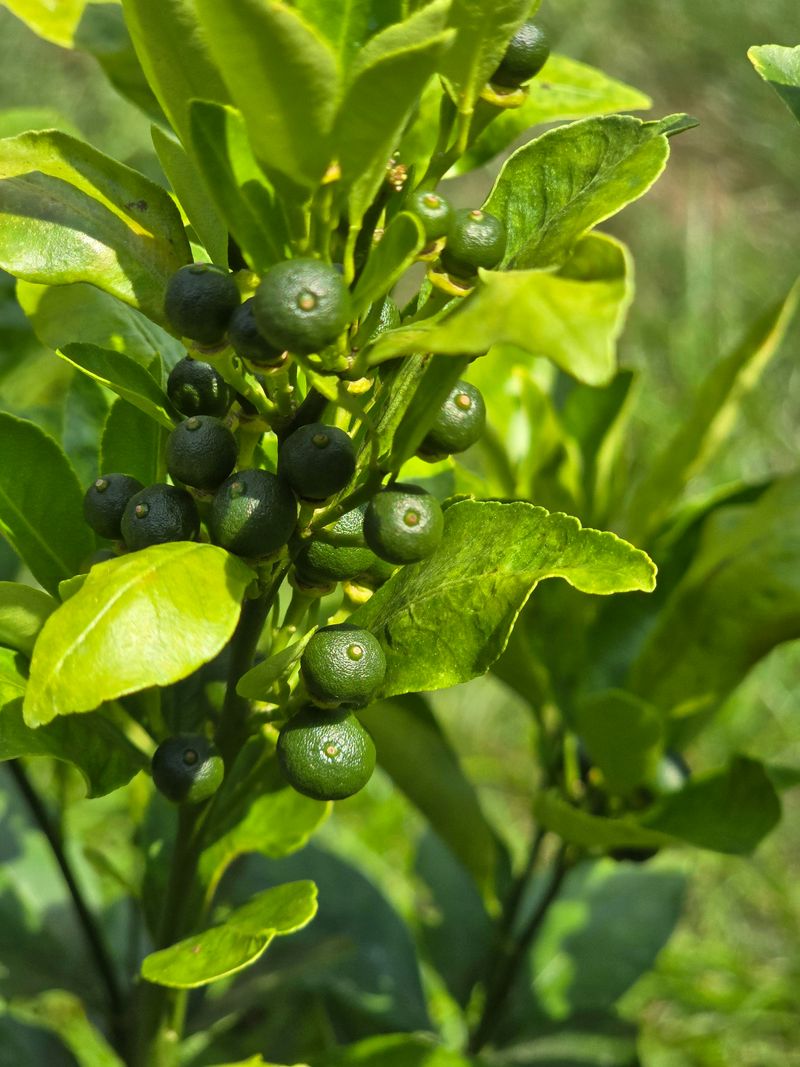
Thinning is necessary, but there is a point where removing too much fruit creates its own set of problems.
Over-thinning is less common than under-thinning, but it does happen, especially among gardeners who are new to the process or who got burned by overcrowding in a previous season and overcorrected.
When too many fruits are removed, the tree ends up with fewer items to show for the season than it could have supported.
Some varieties also respond to extreme thinning by pushing excessive vegetative growth, meaning the tree puts energy into shoots and leaves rather than the remaining fruit.
That shift can affect the balance of the tree going into the next year as well.
In Arizona, where the growing season is already compressed by heat, losing harvestable fruit to over-thinning stings more than it might in cooler climates.
You want to find a balance that gives each fruit enough room to develop without leaving the branches so bare that you have significantly reduced your total yield.
A reasonable target for most stone fruits is one fruit every four to six inches, as mentioned earlier. Going beyond that spacing without a specific reason, such as a weak branch or a very young tree, is usually unnecessary.
Trust the spacing guideline rather than thinning until the tree looks empty.
Young trees in their first or second fruiting year in Arizona do benefit from heavier thinning to protect branch structure, but established trees with good form can handle a fuller crop when thinned to proper spacing rather than stripped down aggressively.
6. Ignoring Tree Strength Leads To Uneven Fruit Distribution
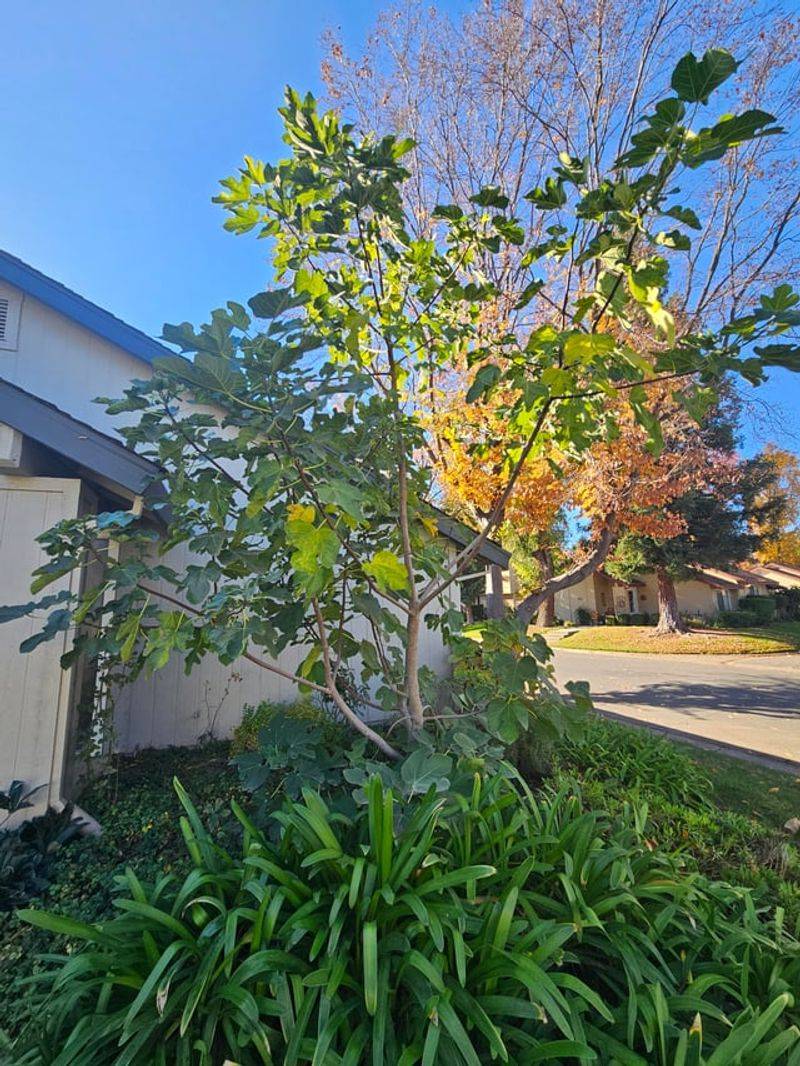
Not all branches on a fruit tree are equal, and treating them as if they are leads to uneven results across the whole tree. Some limbs are thicker, better angled, and more capable of supporting fruit than others.
Thinning without paying attention to branch strength is a mistake that shows up clearly by late spring.
Weaker branches, younger growth, and narrow-angled limbs that attach sharply to the trunk are all less capable of handling fruit weight.
Leaving a heavy fruit load on those sections while thinning more aggressively on strong branches creates an imbalance that stresses the tree unevenly and increases breakage risk in specific spots.
Arizona gardeners dealing with older trees or trees that have had limbs removed in previous seasons need to be especially aware of this.
A tree with an uneven canopy already has structural quirks, and thinning without accounting for those puts extra pressure on sections that may not be equipped to handle it.
When thinning, walk around the tree and assess each branch individually rather than working through it quickly from one side. Thinner or downward-angling branches should carry less fruit than the strong upward or horizontal ones.
A branch that flexes noticeably when you press it lightly should carry fewer fruits than a rigid, well-supported one.
Spreading fruit distribution thoughtfully across the tree also helps with sunlight exposure, which matters a lot in Arizona where fruit on shaded interior branches can lag behind in ripening.
Even distribution supports more consistent ripening across your harvest and reduces the chance of localized branch failure.
7. Using Rough Handling Can Damage Spurs And Future Growth
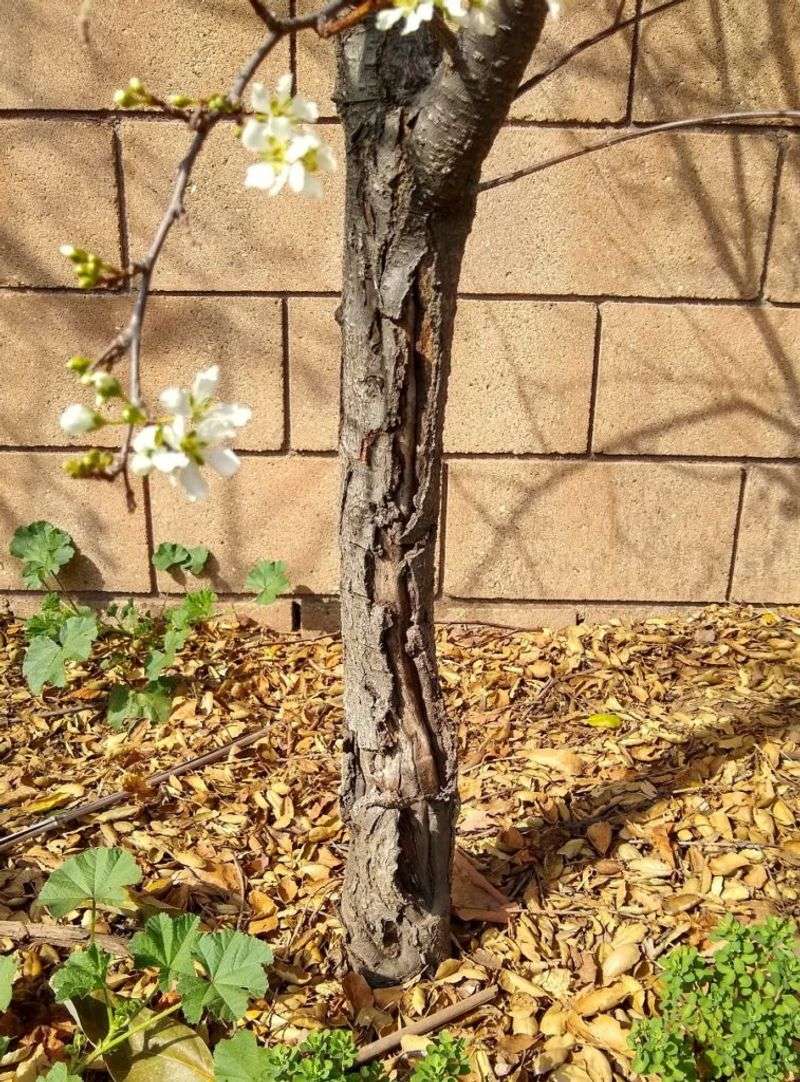
Spurs are small, stubby woody growths on fruit tree branches where flowers and fruit develop year after year. Damaging them during thinning is a mistake that can affect your harvests well beyond the current season, and rough handling is usually the cause.
Yanking fruit off a branch without supporting the spur is one of the most common ways this happens. When you pull a fruit straight out without twisting it carefully or holding the spur steady, the force can tear or crack the spur itself.
A damaged spur may produce fewer flowers the following year or stop producing entirely.
In Arizona, where gardeners are often working quickly to get thinning done before the heat of late April sets in, rushing through the process increases the risk of accidental spur damage.
Taking an extra second per fruit to handle it gently is worth the time investment when you consider that each spur represents multiple seasons of future production.
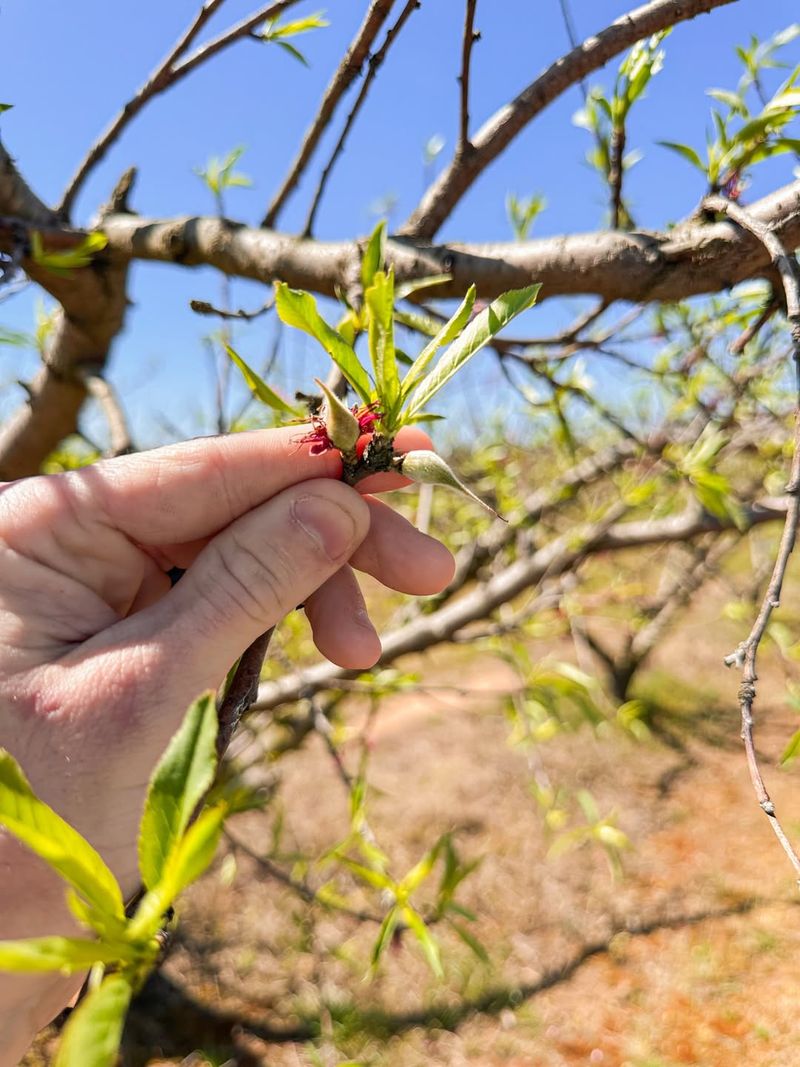
The correct technique is to hold the branch or spur lightly with one hand while using the other to twist and lift the fruit free. Alternatively, small pruning snips work well for removing fruit cleanly without disturbing the attachment point.
Either method is more reliable than pulling with force.
Tools used for thinning should be clean and sharp. Dull blades require more pressure and are more likely to slip or crush tissue rather than cut cleanly.
Wiping blades with a diluted bleach solution between trees is a simple precaution that reduces the chance of spreading any fungal or bacterial issues between your Arizona garden trees.