10 Fruit Trees And Berry Bushes You Should Plant In Late Winter In Georgia
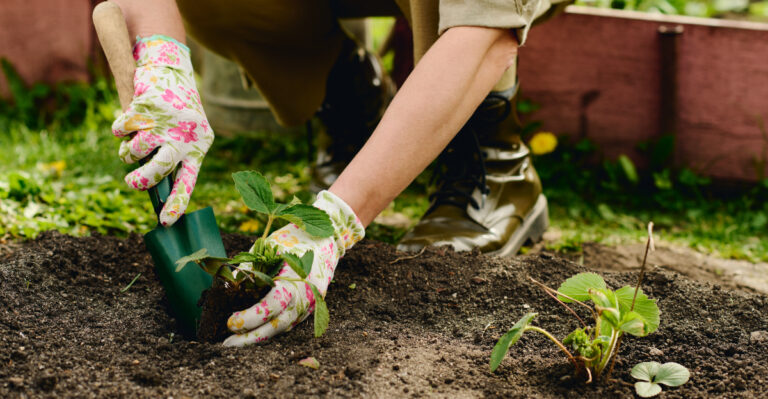
Late winter might feel too early to think about planting in Georgia, but it’s actually one of the smartest times to get started.
While trees and berry bushes are still dormant, they handle the move into the ground with less stress and more focus on root growth.
The garden may look quiet on the surface, yet beneath the soil, important work can begin.
Getting plants in early helps them settle before spring warmth and sudden growth kick in.
Georgia’s mild winters give gardeners a valuable window that many people overlook.
Fruit trees and berry bushes planted now have time to adjust and prepare for the busy growing season ahead.
Waiting too long can mean rushing during spring when weather, pests, and schedules all compete for attention.
Late winter planting spreads the work out and sets up stronger, healthier plants.
With the right timing, you’re not just planting for this year, but investing in seasons of future harvests.
A little planning now can lead to sweeter rewards later.
1. Fig Trees
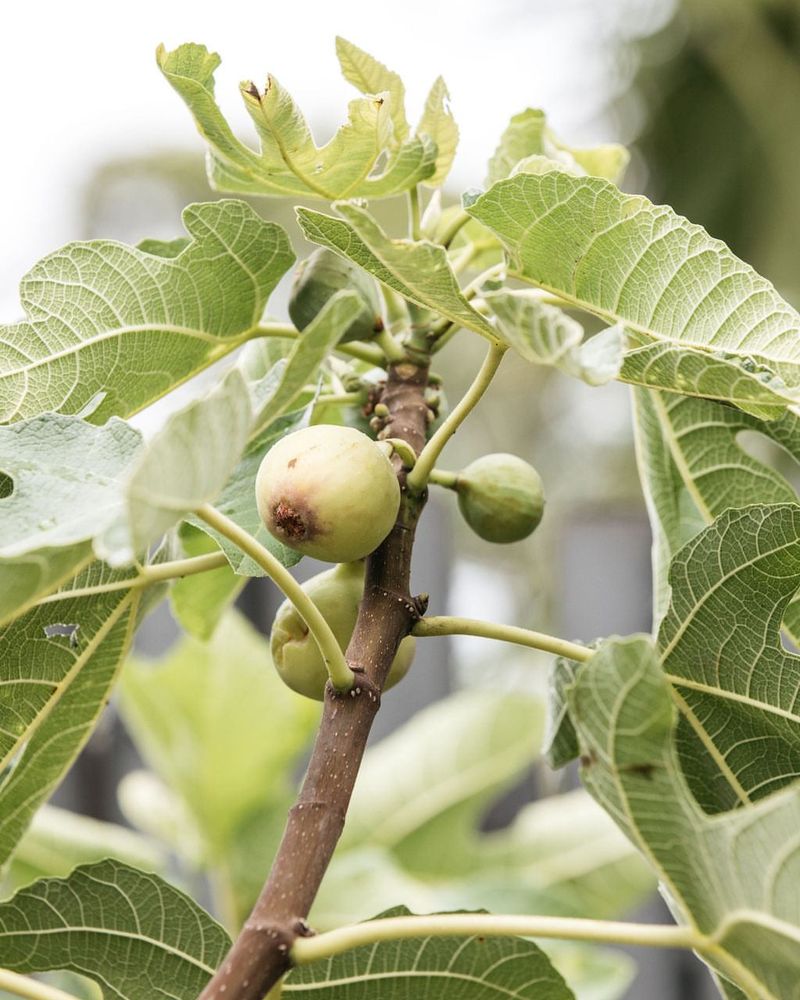
Few fruit trees adapt as beautifully to Georgia’s climate as the humble fig, which thrives in the warm summers and mild winters that characterize much of the state.
Varieties like Brown Turkey and Celeste have been Georgia favorites for generations because they produce reliably sweet fruit and rarely encounter serious pest problems.
Planting during late winter allows the tree to establish roots before leafing out in spring.
Fig trees prefer full sun but can tolerate partial shade, though fruit production may decrease in shadier spots.
They’re not particularly fussy about soil type as long as drainage is adequate.
Space them at least ten feet from buildings or other trees since they can spread quite wide as they mature.
Most varieties begin producing fruit within one to two years, which is remarkably fast compared to many other fruit trees.
Some types even produce two crops per year in Georgia’s long growing season.
The first crop ripens in early summer on old wood, while a second crop develops on new growth in late summer or fall.
Minimal pruning keeps fig trees productive and manageable in size.
They rarely need fertilizer and can tolerate drought once established, making them perfect for busy Georgia gardeners who want fresh fruit without constant maintenance.
2. Blueberry Bushes

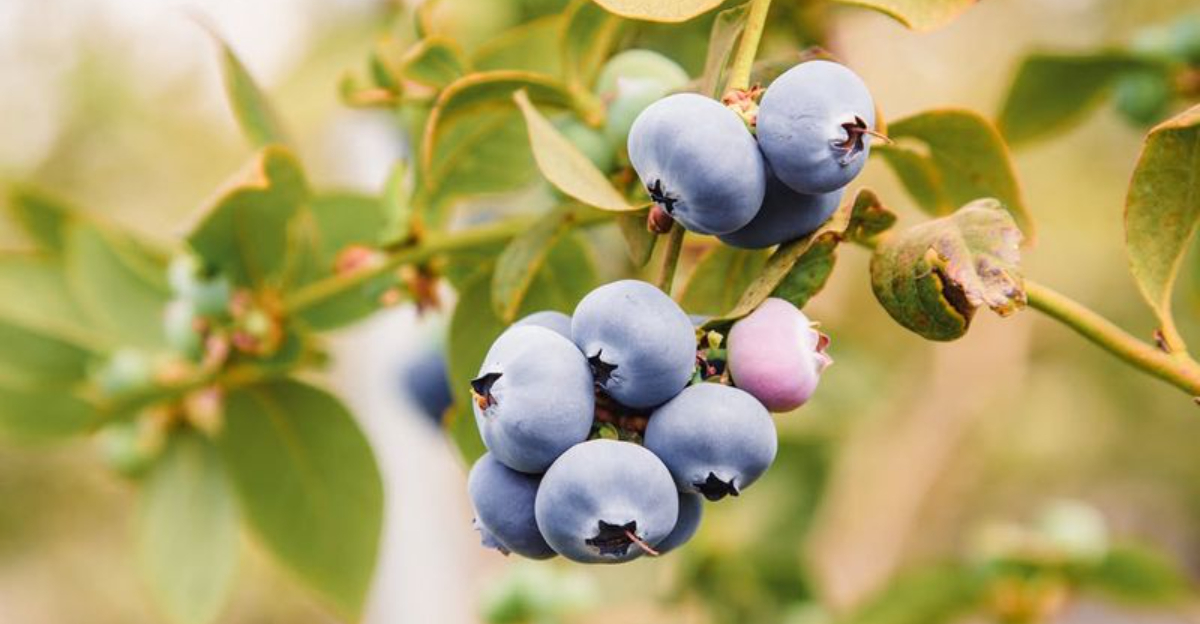
Blueberries grow exceptionally well throughout Georgia because they love the acidic soil that naturally occurs in many parts of the state.
Rabbiteye varieties are particularly well-suited to Georgia’s climate and can handle the hot summers better than other types.
Late winter planting gives these bushes time to settle in before the growing season kicks into high gear.
Your blueberry bushes will need full sun and well-drained soil with a pH between 4.5 and 5.5 for best results.
Plant at least two different varieties to ensure proper cross-pollination, which leads to bigger berries and heavier yields.
Space them about four to six feet apart so they have room to spread as they mature.
These bushes can produce fruit for decades when properly cared for, making them an excellent long-term investment for your Georgia garden.
Water them regularly during their first year to help establish strong root systems.
Adding pine bark mulch around the base helps maintain soil acidity and keeps moisture levels consistent.
Georgia gardeners can expect their first small harvest within two to three years after planting.
By year five, mature bushes often produce several pounds of berries each season, providing fresh fruit for eating, baking, and freezing throughout the summer months.
3. Peach Trees
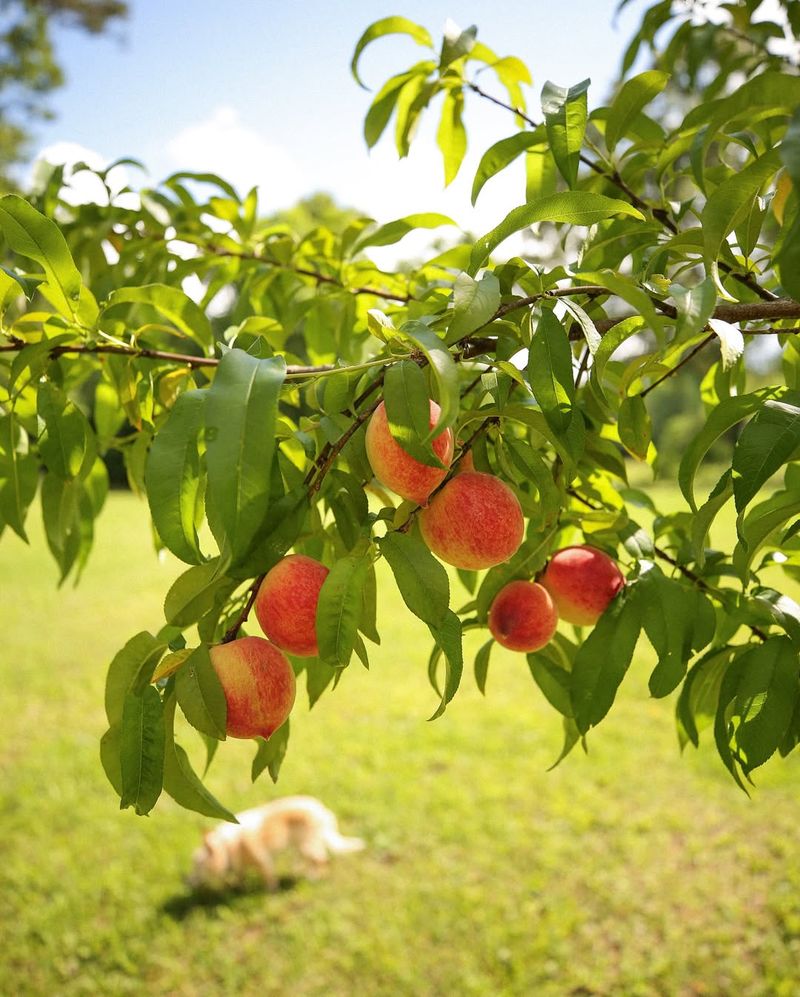
Georgia earned its reputation as the Peach State for good reason, and planting peach trees in late winter continues this proud tradition in home gardens across the region.
Varieties bred specifically for Georgia’s climate, such as Elberta and Georgia Belle, offer exceptional flavor and reliable production year after year.
The dormant season provides ideal conditions for transplanting bare-root or container-grown peach trees.
Choose a planting site with full sun exposure and excellent drainage since peach trees cannot tolerate wet feet.
Slightly elevated areas or gentle slopes work wonderfully because cold air drains away, reducing frost damage to early spring blossoms.
Space trees at least fifteen feet apart to allow for proper air circulation, which helps prevent fungal diseases common in humid Georgia summers.
Peach trees typically begin bearing fruit in their third or fourth year after planting.
Regular pruning maintains an open center shape that allows sunlight to reach all branches and improves fruit quality.
Thinning developing fruit to about six inches apart ensures larger, sweeter peaches at harvest time.
Georgia peach growers should monitor for common pests like plum curculio and apply appropriate organic or conventional controls as needed.
With proper care, a peach tree can provide abundant harvests for fifteen to twenty years, filling your kitchen with the unmistakable aroma of fresh Georgia peaches each summer.
4. Blackberry Bushes
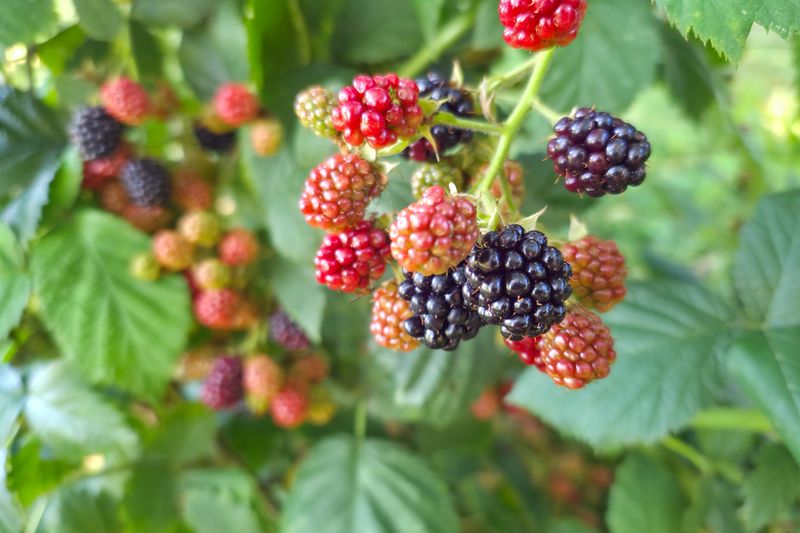
Wild blackberries grow naturally throughout Georgia, but cultivated varieties offer much larger berries, better disease resistance, and more manageable growth habits for home gardens.
Thornless varieties have become increasingly popular because they make harvesting a pleasure rather than a painful chore.
Late winter planting gives blackberry canes time to establish before they put energy into producing fruit.
Blackberries need full sun and well-drained soil with plenty of organic matter mixed in.
They spread through underground runners, so many Georgia gardeners plant them along fence lines or use raised beds to contain their enthusiastic growth.
Installing a simple trellis system helps support the canes and makes picking berries much easier.
Most varieties produce fruit on second-year canes, so patience pays off after the initial planting.
Once established, blackberry patches can produce heavily for ten years or more with minimal care.
Prune out old canes after they finish fruiting to make room for new growth that will bear next season’s crop.
Georgia’s long growing season allows some everbearing varieties to produce two crops annually, extending your fresh berry season from late spring through early fall.
Fresh blackberries taste incredible straight from the bush, and any extras freeze beautifully for winter pies, smoothies, and jams.
5. Apple Trees
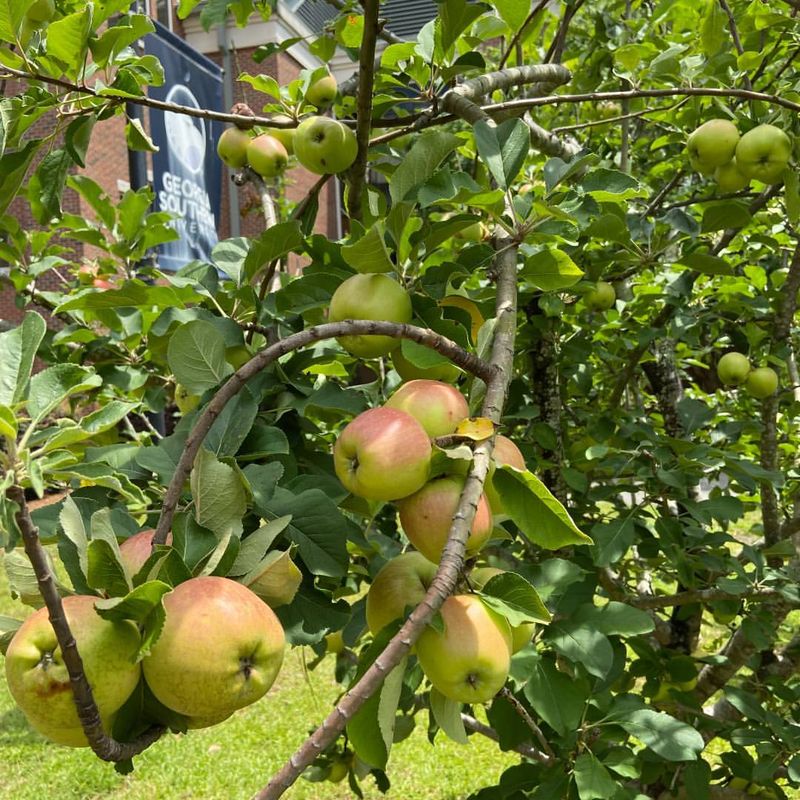
Apple trees can flourish in Georgia when you select low-chill varieties specifically bred for southern climates.
Varieties like Anna, Dorsett Golden, and Gala require fewer cold hours than traditional apple varieties, making them perfect for Georgia’s relatively mild winters.
Planting bare-root trees during late winter dormancy gives them the best start possible.
Full sun exposure is essential for apple trees, along with well-drained soil that doesn’t stay waterlogged after heavy rains.
Most apple varieties need a pollination partner, so plan to plant at least two different varieties that bloom around the same time.
Space them about fifteen to twenty feet apart to accommodate their mature canopy spread.
Georgia apple growers should expect their first small crop three to five years after planting, with production increasing as trees mature.
Regular pruning maintains tree health and encourages better fruit production by allowing sunlight and air to reach all branches.
Thinning developing fruit prevents branch breakage and results in larger, higher-quality apples.
Common challenges include fire blight and various insect pests, but choosing disease-resistant varieties reduces problems significantly.
Proper spacing, good air circulation, and regular monitoring help keep trees healthy throughout Georgia’s humid growing season.
Homegrown apples taste remarkably different from store-bought fruit, with complex flavors that reflect your local soil and climate conditions.
6. Pear Trees

Pear trees offer Georgia gardeners an often-overlooked opportunity to grow delicious fruit with less maintenance than many other tree fruits.
Varieties such as Orient, Kieffer, and Ayers perform exceptionally well in Georgia’s climate and show good resistance to fire blight, a bacterial disease that can plague pear trees in humid regions.
Late winter remains the optimal planting time for establishing healthy pear trees.
Select a planting location with full sun and good air circulation to minimize disease pressure.
Pear trees tolerate a wider range of soil types than many fruit trees but still require adequate drainage.
Like apples, most pear varieties need cross-pollination from a different variety to produce fruit, so plan to plant at least two trees.
Patience is required since pear trees typically take four to six years before producing their first significant harvest.
However, once they begin bearing fruit, they can continue producing for decades with minimal care.
The upright growth habit of many pear varieties makes them suitable for smaller yards where space is limited.
Harvest pears when they’re still firm and allow them to ripen indoors for the best texture and flavor.
Georgia pear growers can enjoy fresh fruit from late summer through fall, depending on the varieties planted.
Pears store well in cool conditions, extending your harvest enjoyment for several weeks or even months after picking.
7. Raspberry Bushes
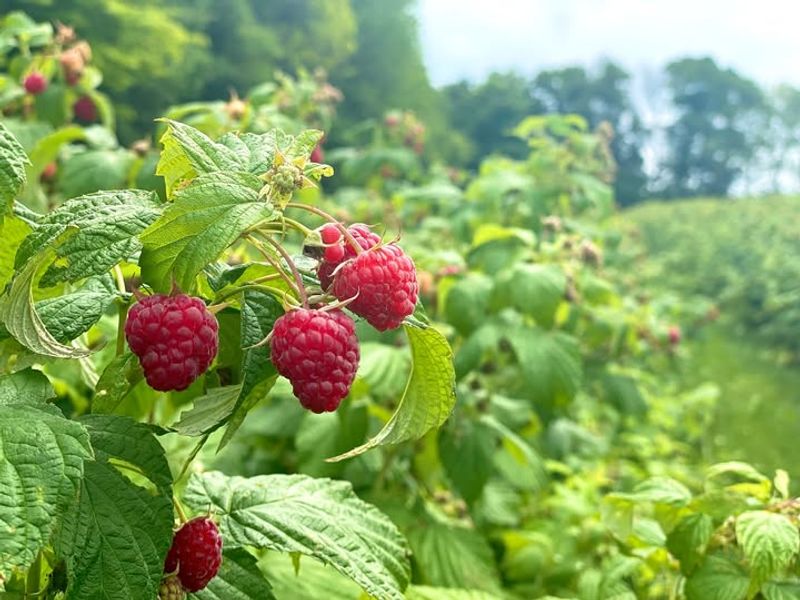
Raspberries present a slightly greater challenge in Georgia than in cooler climates, but selecting heat-tolerant varieties makes successful cultivation entirely possible.
Dorman Red and Caroline are two varieties that handle Georgia’s hot summers reasonably well while still producing flavorful berries.
Planting during late winter gives raspberry canes the cool establishment period they prefer before heat arrives.
Choose the coolest spot in your Georgia garden for raspberries, ideally with morning sun and afternoon shade to protect plants from the most intense heat.
Raised beds with plenty of compost improve drainage and help keep roots cooler during summer months.
Installing a trellis system supports the canes and improves air circulation, which reduces fungal disease problems.
Summer-bearing varieties produce one large crop on second-year canes, while everbearing types offer smaller harvests in both early summer and fall.
In Georgia’s climate, everbearing varieties often perform better because they avoid producing during the hottest part of summer.
Prune spent canes after harvest to direct plant energy toward producing next season’s fruiting wood.
Consistent watering becomes critical during Georgia’s hot, dry periods since raspberries have shallow root systems that dry out quickly.
Mulching heavily around plants helps retain moisture and keeps roots cooler.
Fresh raspberries rarely make it from garden to kitchen in many Georgia households because they taste so incredible eaten straight from the bush.
8. Plum Trees
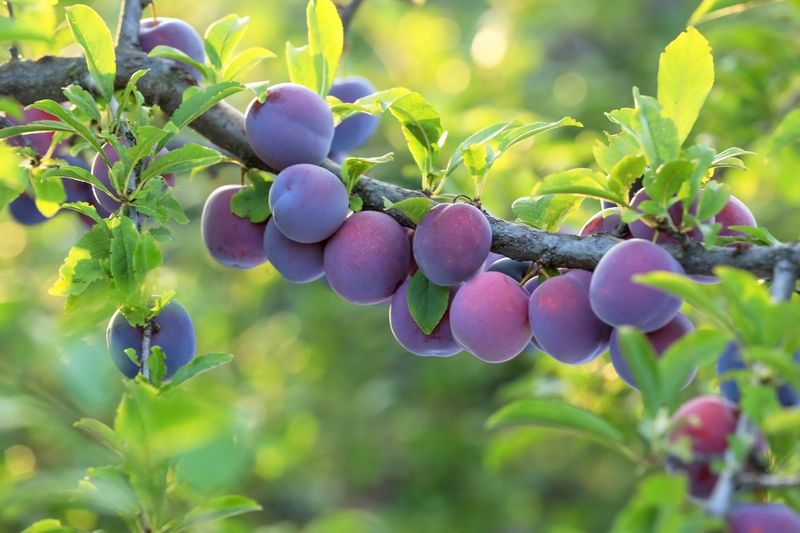
Plum trees bring beautiful spring blossoms and delicious summer fruit to Georgia landscapes with relatively little fuss.
Japanese plum varieties like Methley and AU-Rubrum are particularly well-adapted to Georgia’s climate and begin producing fruit at a younger age than European plum types.
Late winter planting during the dormant period helps trees establish strong root systems before spring growth begins.
Full sun and well-drained soil create ideal growing conditions for plum trees throughout Georgia.
Most varieties require cross-pollination, so planting two or three different types ensures good fruit set and larger harvests.
Space trees about fifteen feet apart to allow adequate room for their spreading canopy shape.
Georgia plum growers can often harvest their first fruit just two to three years after planting, which is impressively fast compared to many tree fruits.
The trees bloom early in spring, creating a stunning floral display before leaves emerge.
However, this early blooming can sometimes result in frost damage to flowers in north Georgia, so site selection matters.
Thinning developing fruit to about three inches apart produces larger, sweeter plums and prevents branch breakage from heavy fruit loads.
Common pests include plum curculio, which can be managed with appropriate timing of organic or conventional sprays.
Fresh plums taste wonderful eaten out of hand, and they also make excellent jams, preserves, and baked goods that showcase Georgia’s abundant summer harvest.
9. Muscadine Grapes
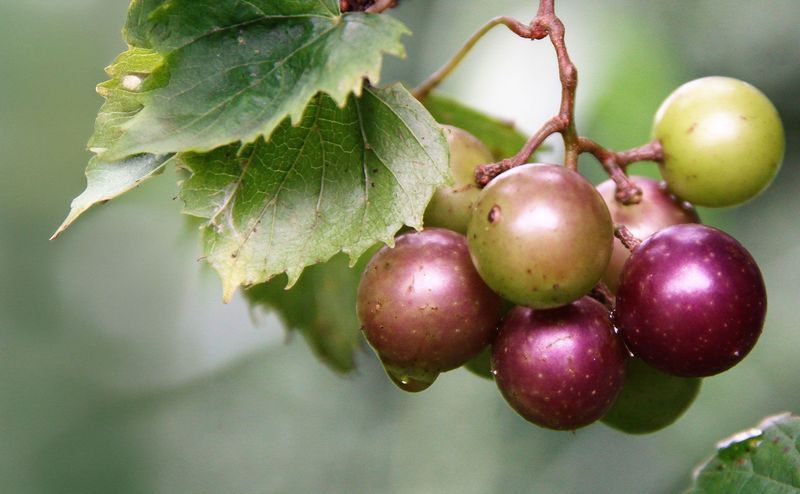
Muscadine grapes are native to the southeastern United States and absolutely thrive in Georgia’s hot, humid climate where many other grape varieties struggle.
These tough vines produce unique-tasting grapes with thick skins that some people love and others find takes getting used to.
Late winter is the perfect time to plant dormant muscadine vines before spring growth begins.
Muscadines need sturdy support structures since mature vines become quite heavy with foliage and fruit.
Many Georgia gardeners train them on arbors, pergolas, or substantial wire trellis systems.
Full sun and well-drained soil produce the best results, though muscadines tolerate a wider range of conditions than most fruit crops.
Unlike many grape varieties, muscadines are either male or female, so you need at least one male vine for every eight female vines to ensure pollination and fruit production.
Self-fertile varieties are available and simplify things for gardeners with limited space.
Bronze and dark purple varieties offer different flavor profiles, so consider planting both types.
Muscadines typically begin producing fruit in their second or third year after planting.
Established vines can produce twenty pounds or more of grapes annually with minimal care.
They resist most diseases and pests that trouble other grape varieties, making them exceptionally low-maintenance for Georgia gardeners.
Fresh muscadines make delicious juice, jelly, and wine that captures the essence of southern summers.
10. Strawberry Plants
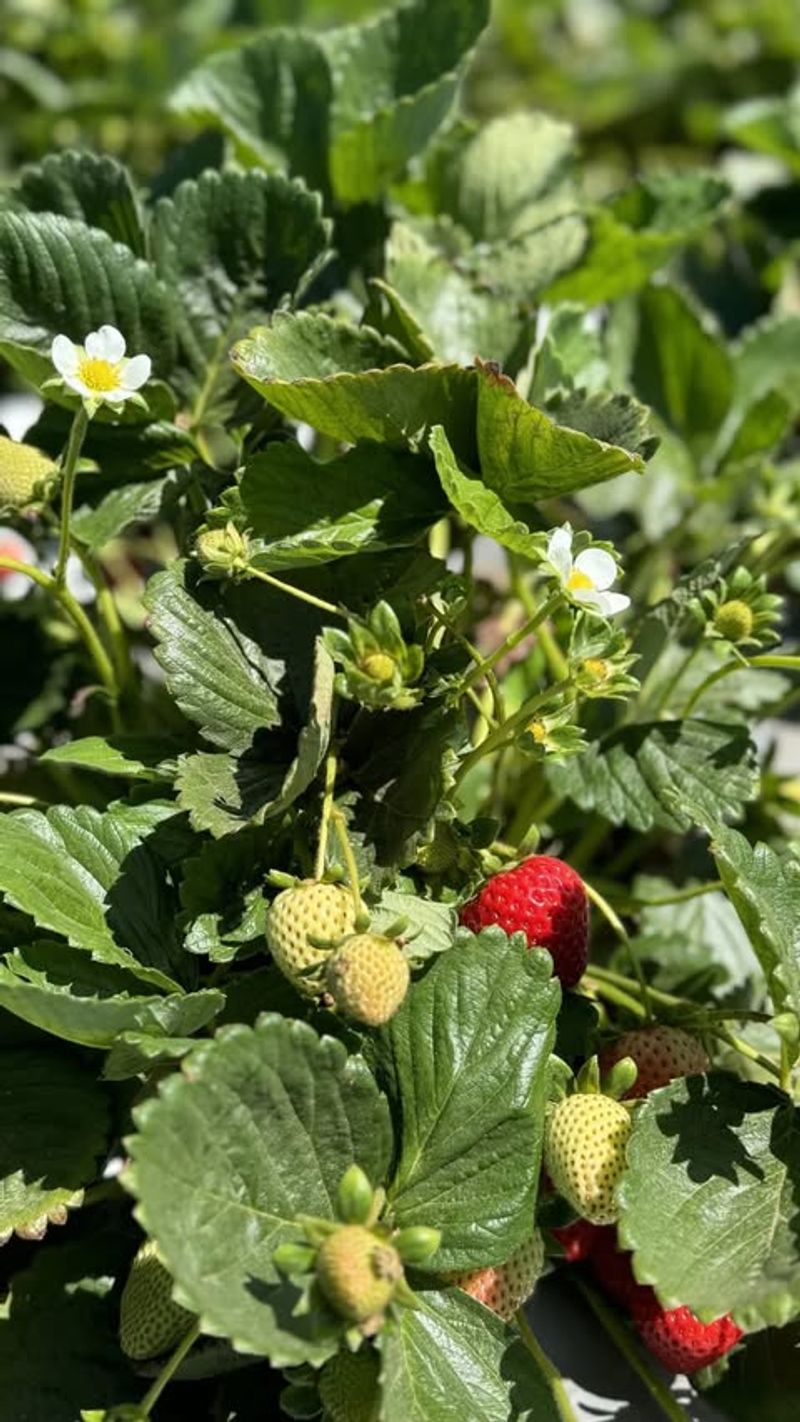
Strawberries grow beautifully in Georgia when planted during late winter, producing sweet berries by late spring before summer heat becomes too intense.
Short-day varieties like Chandler and Camarosa are specifically suited to Georgia’s climate and day length patterns.
Planting dormant crowns or transplants in February gives plants time to establish before flowering begins.
Raised beds work wonderfully for strawberries in Georgia because they provide the excellent drainage these plants require.
Mix plenty of compost into the soil before planting to improve fertility and moisture retention.
Space plants about twelve inches apart in rows, setting crowns at just the right depth so the central growing point sits at soil level.
Georgia strawberry growers can expect a modest harvest the first spring after planting, with production increasing significantly in subsequent years.
Remove flowers during the first few weeks after planting to encourage stronger root development, which pays off with better yields later.
Mulching around plants with straw keeps berries clean and reduces disease problems.
Most strawberry plants remain productive for three to four years before declining yields suggest it’s time to establish a new bed.
Renovate plantings after harvest by removing old leaves and runners to rejuvenate plants for next season.
Nothing compares to the flavor of sun-warmed strawberries picked fresh from your Georgia garden on a beautiful spring morning.