10 Fruit Trees Beginners Can Grow Without Struggling In Arizona
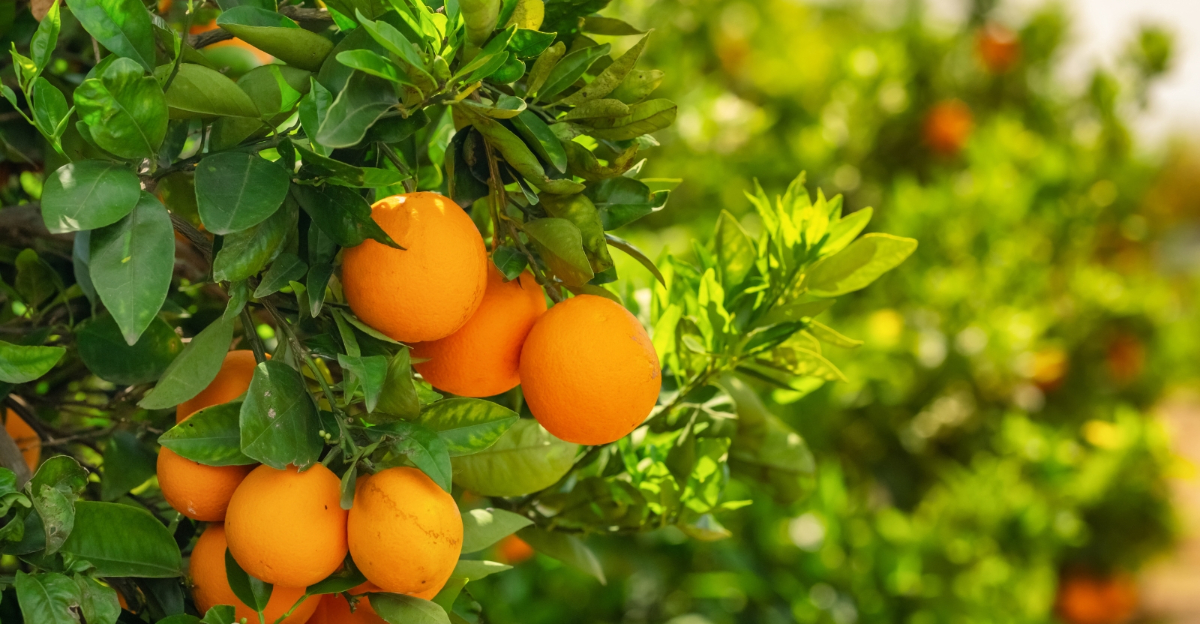
Growing fruit trees in Arizona can feel intimidating at first, especially when heat, sun exposure, and watering rules seem stacked against beginners.
Many new gardeners assume fruit trees demand expert skills, constant adjustments, and years of trial and error before anything worthwhile happens.
In reality, success often depends more on choosing the right trees than mastering complicated care routines.
Arizona’s climate favors fruit trees that tolerate heat, establish quickly, and forgive small mistakes along the way. When beginners start with those options, the experience changes fast.
Early wins matter, because nothing builds confidence like seeing healthy growth instead of constant stress.
The right fruit trees settle into desert conditions without fighting them, using deep roots and steady growth habits to stay balanced.
Watering becomes more predictable, pruning feels less risky, and progress becomes easier to read.
Instead of struggling through setbacks, beginners start noticing consistency from season to season. That steady rhythm makes fruit growing feel manageable instead of overwhelming.
With smart choices from the start, Arizona gardeners can enjoy fruit trees as a long-term success rather than a constant challenge.
1. Orange
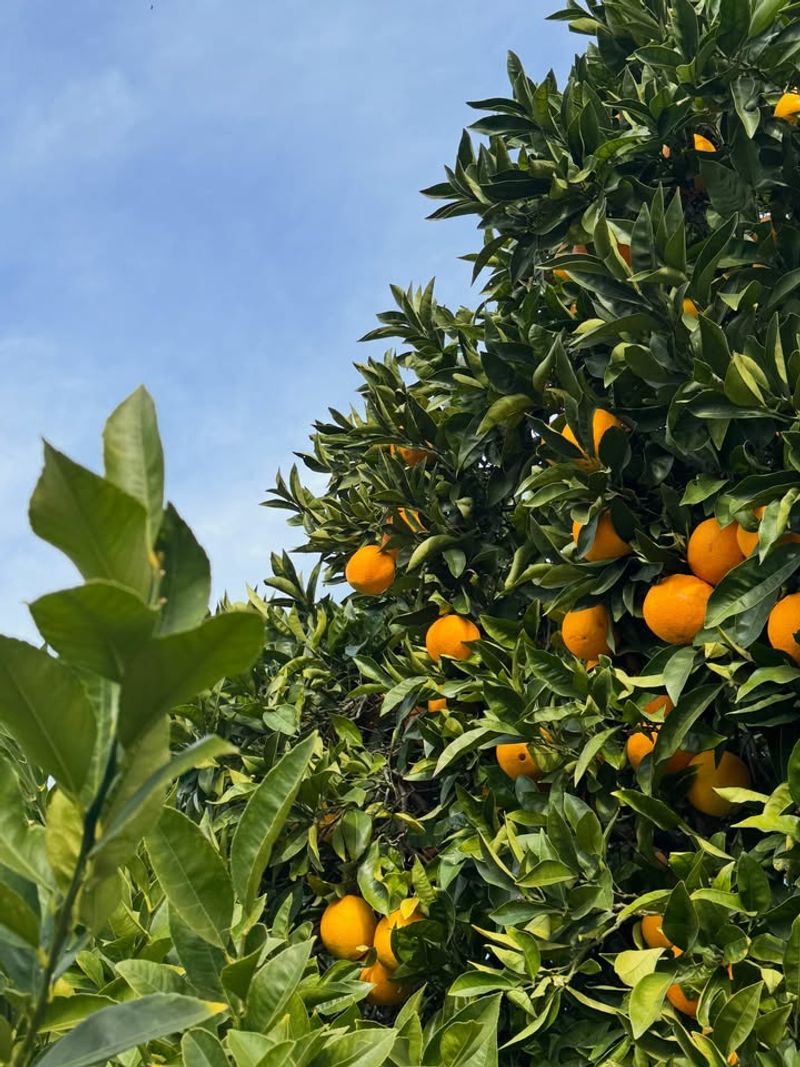
Citrus lovers across Arizona have discovered that orange trees thrive beautifully in backyard gardens throughout the state. Most varieties handle the intense summer sun remarkably well, making them ideal for beginners who want delicious results without constant fussing.
Your tree will reward you with fragrant blossoms in spring and juicy fruit that tastes infinitely better than anything from a grocery store.
Arizona’s climate suits sweet oranges perfectly, especially in the lower desert regions where winters stay mild. Valencia and navel varieties both grow strong here, adapting quickly to local conditions.
Plant your tree in a sunny spot with good drainage, and you’ll watch it flourish year after year.
Watering becomes second nature once you establish a routine during the warmer months. Deep soaking every week or two keeps roots healthy without overdoing it.
Young trees need more frequent attention, but established ones become quite self-sufficient.
Fertilizing three times yearly gives your orange tree the nutrients it craves. Use citrus-specific formulas in early spring, late spring, and late summer.
Arizona soil often lacks certain minerals, so this feeding schedule makes a real difference.
Pruning stays minimal with orange trees, which beginners really appreciate. Remove any branches that cross or grow inward to maintain good air circulation.
Light shaping keeps the canopy manageable and encourages better fruit production.
2. Lemon
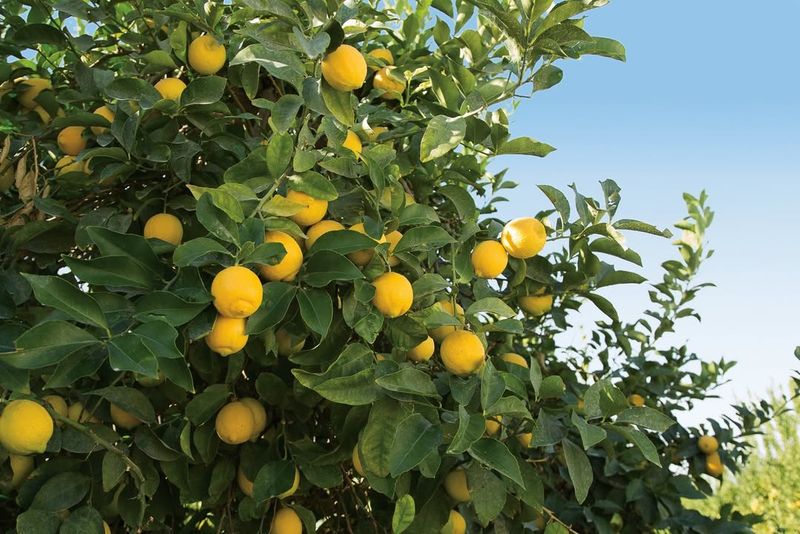
Bright yellow lemons hanging from your own tree create one of the most satisfying sights any Arizona gardener can experience. These citrus champions adapt wonderfully to desert conditions, producing fruit almost year-round in many parts of the state.
Beginners find them forgiving and generous, offering abundant harvests without demanding expert-level attention.
Meyer lemons have become incredibly popular among Arizona homeowners for good reason. Their sweeter, less acidic flavor makes them perfect for cooking, baking, and fresh lemonade.
Lisbon and Eureka varieties also perform excellently here, giving you options based on your taste preferences.
Planting location matters more than you might think for long-term success. Choose a spot that gets full sun throughout the day, ideally with some afternoon shade during brutal summer months.
Well-draining soil prevents root problems that plague trees in heavy clay.
Arizona’s low humidity actually benefits lemon trees by reducing fungal diseases common in wetter climates. Your main job involves consistent watering during hot weather, which typically means deep soaking twice weekly in summer.
Mulching around the base helps retain moisture and keeps roots cooler.
Flowering happens multiple times per year, filling your yard with an incredible fragrance. Bees love lemon blossoms, and you’ll notice increased pollinator activity around your tree.
This natural process means you’ll have lemons in various stages of ripeness simultaneously.
Feeding your lemon tree follows the same schedule as oranges—three applications of citrus fertilizer annually. Arizona’s alkaline soil sometimes causes yellowing leaves, which iron supplements can correct.
3. Grapefruit
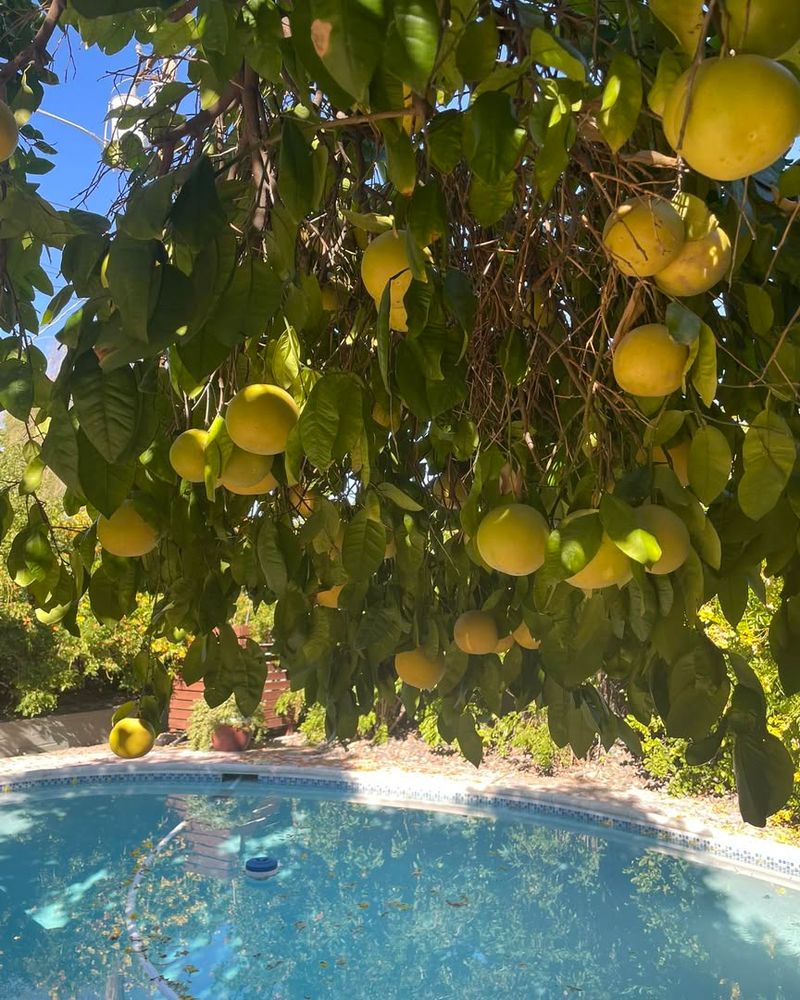
Few breakfast experiences match cutting into a perfectly ripe grapefruit from your own Arizona backyard tree. These substantial citrus trees produce impressive yields once established, and they handle desert heat like champions.
Newcomers to fruit growing appreciate how grapefruit trees forgive minor mistakes while still delivering delicious results.
Pink and red varieties have overtaken white grapefruit in popularity across Arizona gardens. Ruby Red and Star Ruby both thrive in the state’s climate, producing sweet-tart fruit with gorgeous colored flesh.
The trees grow larger than other citrus, so plan for their eventual size when choosing a planting spot.
Arizona’s long, hot summers actually improve grapefruit sweetness and reduce bitterness. Fruit needs warmth to develop its best flavor, making the desert climate ideal.
Lower elevation areas around Phoenix and Tucson provide perfect growing conditions.
Establishing a young grapefruit tree requires patience, but the wait proves worthwhile. Plan on three to five years before significant fruit production begins.
During this time, focus on building a strong root system and healthy branch structure through proper watering and feeding.
Deep watering encourages roots to grow downward, making your tree more drought-tolerant over time. Shallow, frequent watering creates weak root systems that struggle during hot weather.
Adjust your schedule seasonally, increasing frequency when temperatures soar above 100 degrees.
Fruit hangs on the tree for months after reaching maturity, gradually sweetening as winter progresses. Arizona growers typically harvest from December through May, depending on variety.
Taste-testing different fruits helps you learn your tree’s optimal picking time.
Nitrogen-rich fertilizer supports the vigorous growth grapefruit trees naturally display. Three yearly applications keep foliage dark green and fruit production strong.
Yellow leaves often signal iron deficiency in Arizona’s alkaline soil, requiring supplemental treatments.
4. Mandarin
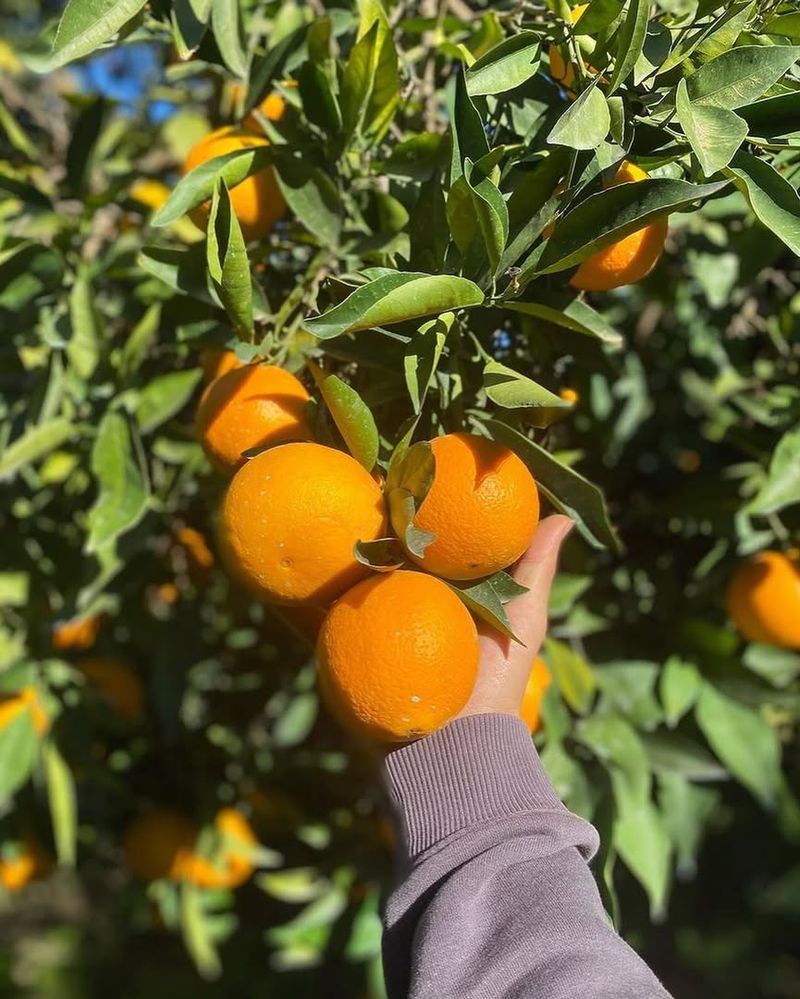
Easy-to-peel mandarins bring pure joy to Arizona gardeners who love snacking on fresh citrus straight from the tree. These smaller citrus varieties pack incredible sweetness into compact packages, and the trees themselves stay manageable in size.
Beginners discover that mandarins require less space than other citrus while producing generous crops of irresistible fruit.
Clementines, tangerines, and satsumas all fall under the mandarin umbrella, each offering slightly different flavors and growing habits. Arizona growers find that most varieties adapt beautifully to desert conditions.
Pixie and Gold Nugget mandarins have earned devoted followings across the state for their exceptional taste and reliable production.
Compact growth habits make mandarin trees perfect for smaller Arizona yards or even large containers. Most varieties reach 8 to 12 feet tall, easily maintained at comfortable heights through light pruning.
This manageable size means harvesting never requires ladders or special equipment.
Arizona’s climate produces some of the sweetest mandarins anywhere, with intense sunshine concentrating natural sugars. Fruit ripens from late fall through early spring, providing fresh citrus during cooler months.
The thin, loose skin makes peeling effortless, even for young children.
Watering requirements mirror other citrus, with deep soaking preferred over frequent shallow applications. Established mandarin trees handle Arizona’s dry air remarkably well once their root systems mature.
Mulch helps conserve moisture and moderates soil temperature fluctuations.
Fertilizing three times annually with citrus-specific formulas keeps mandarin trees healthy and productive. Arizona’s alkaline soil sometimes requires additional iron and zinc supplements to prevent nutrient deficiencies.
Watching leaf color provides clues about your tree’s nutritional needs.
5. Kumquat
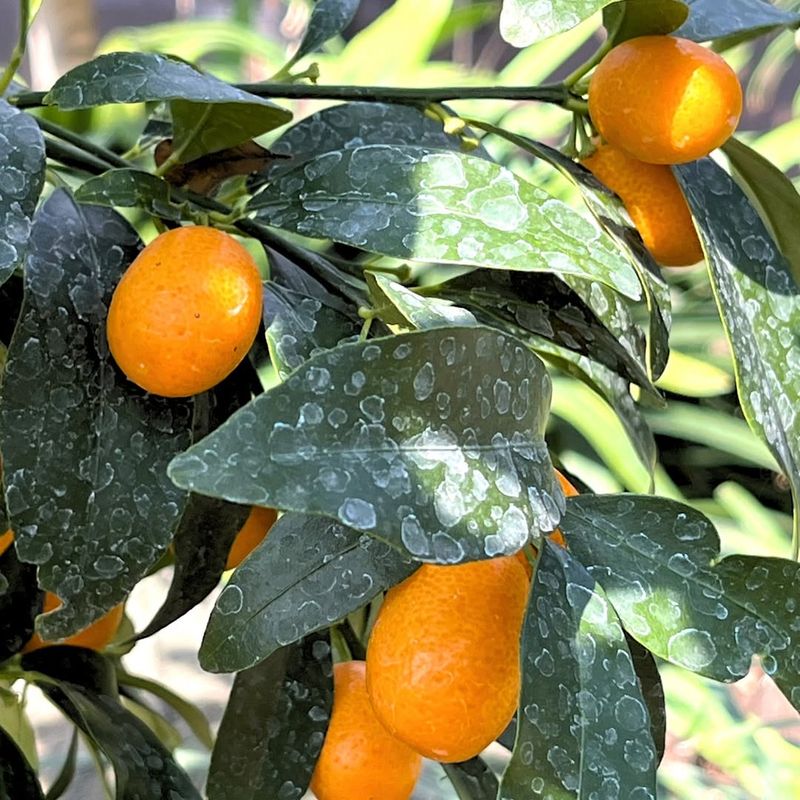
Tiny but mighty, kumquats surprise Arizona gardeners with their unique eat-the-whole-fruit appeal and incredible cold hardiness. These miniature citrus gems grow on small, ornamental trees that fit anywhere, making them perfect for beginners with limited space.
The sweet rind and tart flesh create an addictive flavor combination you won’t find in typical grocery store citrus.
Nagami kumquats dominate Arizona plantings for their oval shape and balanced flavor. Meiwa kumquats offer rounder fruit with extra sweetness that appeals to those who prefer less tartness.
Both varieties thrive in the state’s climate, producing abundant crops on trees that rarely exceed 8 feet tall.
Arizona’s desert environment suits kumquats surprisingly well, despite their Asian origins. These tough little trees handle temperature extremes better than most citrus, tolerating brief cold snaps that would damage other varieties.
Their resilience makes them excellent choices for higher elevation areas where frost occurs occasionally.
Ornamental appeal adds bonus value beyond the edible harvest. Kumquat trees maintain attractive, dense foliage year-round, serving double duty as landscape plants.
The small, bright orange fruits create eye-catching displays that spark conversations with visitors.
Container growing works exceptionally well for kumquats throughout Arizona. Their compact size and moderate root systems adapt perfectly to pot culture.
Patios, courtyards, and even sunny balconies become productive citrus orchards with minimal effort.
Watering needs stay moderate compared to larger citrus trees. The smaller root systems require less water overall, though consistency remains important during Arizona’s scorching summers.
Well-draining soil prevents root problems that occasionally affect container-grown specimens.
6. Fig
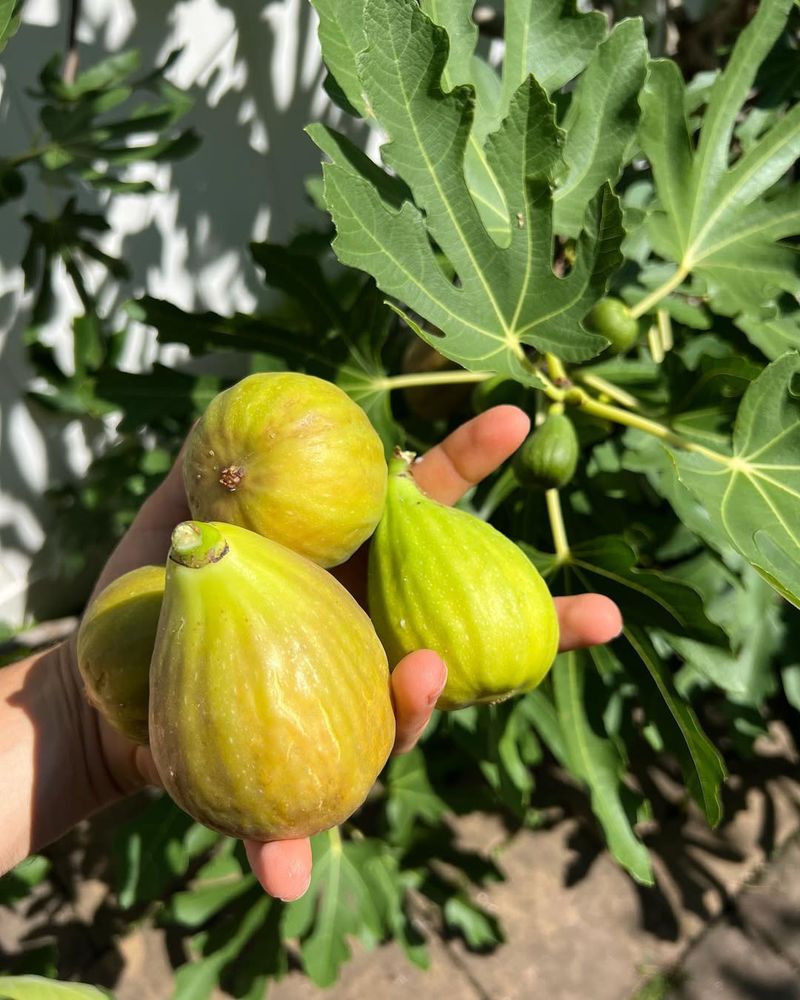
Ancient and reliable, fig trees have fed people for thousands of years, and they adapt beautifully to modern Arizona gardens. These Mediterranean natives actually prefer hot, dry summers, making them naturals for desert cultivation.
Beginners love how figs forgive neglect while still producing sweet, jammy fruit that grocery stores can’t match.
Black Mission and Brown Turkey figs both excel across Arizona, producing two crops annually in many locations. Desert Gold, a variety developed specifically for the Southwest, handles extreme heat even better than traditional types.
The trees grow quickly, often producing fruit within two years of planting.
Arizona’s climate mirrors the Mediterranean conditions where figs originated, creating ideal growing situations. Long, hot summers ripen fruit to perfection, developing complex sweetness and rich flavor.
Lower humidity prevents many fungal problems that plague fig growers in wetter regions.
Planting location should provide full sun and protection from strong winds that can damage the broad leaves. Figs tolerate various soil types found throughout Arizona, from sandy to clay-heavy, as long as drainage stays adequate.
Their adaptability makes site selection easier than with fussier fruit trees.
Watering requirements increase during fruit development, when trees need consistent moisture to produce plump, juicy figs. Deep soaking encourages strong root systems that access water deep underground.
Once established, fig trees handle Arizona’s dry conditions with minimal supplemental irrigation.
Fertilizing needs stay modest compared to citrus or stone fruits. A single spring application of balanced fertilizer provides sufficient nutrition for the entire growing season.
Over-fertilizing actually reduces fruit production while encouraging excessive leafy growth.
Pruning maintains manageable size and encourages productive fruiting wood. Arizona growers often shape fig trees as multi-trunked specimens or even espalier them against sunny walls.
Winter pruning removes old wood and opens up the canopy for better air circulation.
7. Pomegranate
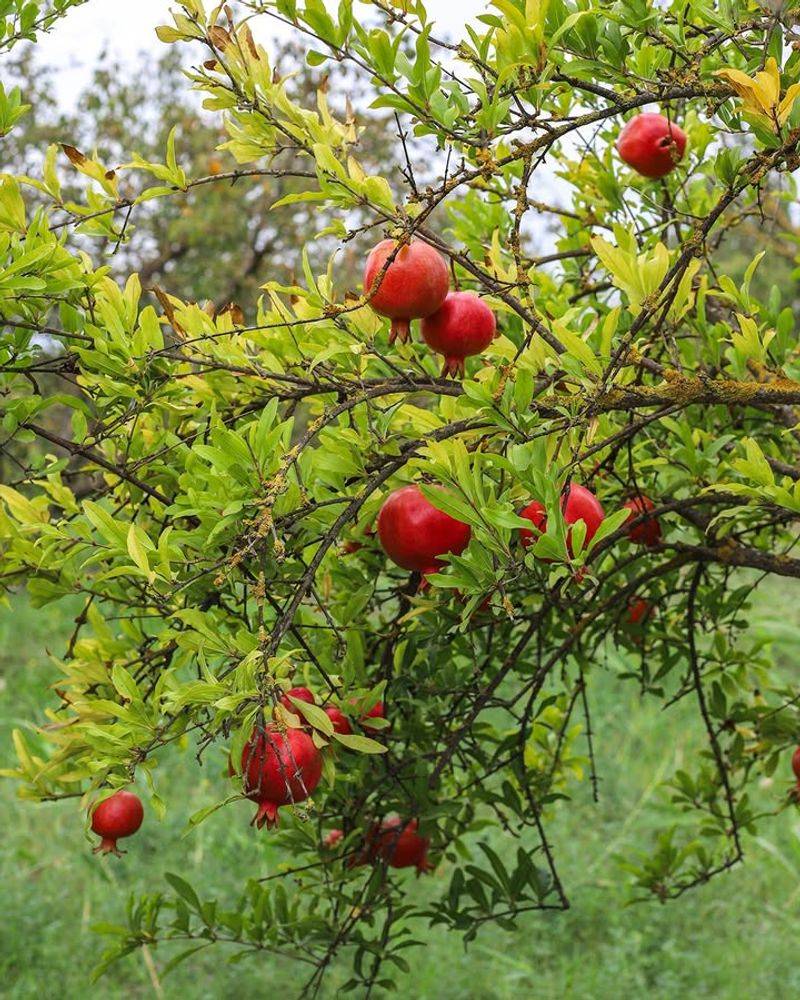
Jewel-toned seeds bursting with tart-sweet juice make pomegranates one of Arizona’s most rewarding fruit trees for beginners. These tough, drought-tolerant plants practically thrive on neglect once established, asking little while giving generously.
The ornamental orange-red flowers create stunning spring displays before transforming into the distinctive round fruits everyone recognizes.
Wonderful pomegranates dominate commercial production and home gardens throughout Arizona for good reason. This variety combines excellent flavor, large fruit size, and reliable production in the state’s climate.
Other varieties like Ambrosia and Angel Red also perform well, offering slightly different flavor profiles for adventurous growers.
Arizona’s hot, dry summers create perfect conditions for pomegranates to develop their characteristic sweet-tart flavor balance. These Middle Eastern natives actually prefer desert climates, making them better suited to the state than many other fruit trees.
Lower humidity prevents fruit splitting and reduces disease pressure significantly.
Planting can happen almost anywhere with full sun and reasonable drainage. Pomegranates tolerate poor soil better than most fruit trees, often thriving in rocky or sandy ground that would challenge other species.
Their adaptability makes them foolproof choices for beginners still learning about soil requirements.
Watering needs stay minimal once trees establish strong root systems, typically after the first year. Deep monthly soaking during summer maintains healthy growth without encouraging excessive vegetative development.
Arizona’s pomegranate growers appreciate how these trees handle water shortages without suffering permanent damage.
Fertilizing remains optional for pomegranates growing in decent soil, though light spring feeding encourages better fruit production. Over-fertilizing creates excessive leafy growth at the expense of flowers and fruit.
Many Arizona gardeners skip fertilizer entirely, letting trees produce moderate crops naturally.
8. Peach
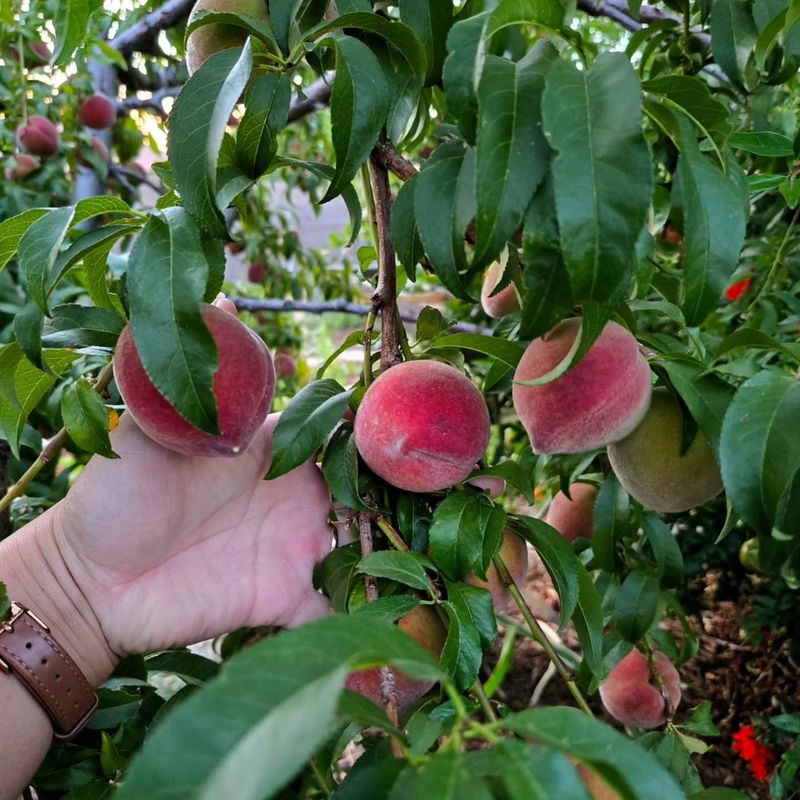
Fuzzy-skinned peaches dripping with juice represent summer perfection, and Arizona gardeners can grow them successfully with proper variety selection. Low-chill peach varieties require minimal winter cold, making them ideal for the state’s mild climate.
Beginners discover that these stone fruits reward basic care with abundant harvests of fruit that grocery stores can’t touch for flavor.
Tropic Snow and Desert Gold peaches were specifically bred for low-chill regions like Arizona. These varieties need only 200 to 300 hours below 45 degrees, which most areas of the state easily provide.
Traditional high-chill peaches fail here, so choosing adapted varieties makes the difference between success and disappointment.
Arizona’s dry climate actually benefits peach growers by reducing fungal diseases that plague trees in humid regions. Peach leaf curl and brown rot cause fewer problems here than in wetter states.
This natural disease resistance makes organic growing more achievable for beginners.
Planting should happen in winter while trees remain dormant, giving roots time to establish before spring growth begins. Choose sites with full sun and excellent drainage, as peaches won’t tolerate wet feet.
Raised beds work well in areas with heavy clay soil common throughout Arizona.
Watering becomes critical during fruit development, when trees need consistent moisture to produce juicy peaches. Deep soaking twice weekly during hot weather prevents stress and supports healthy fruit sizing.
Mulching conserves moisture and keeps roots cooler during brutal summer heat.
Fertilizing in early spring with balanced formulas supports vigorous growth and good fruit production. Arizona’s alkaline soil sometimes requires sulfur amendments to lower pH for optimal nutrient uptake.
Yellowing leaves between green veins signal iron deficiency, a common issue easily corrected with chelated iron.
Thinning young fruits improves final peach size and prevents branch breakage from excessive weight. Remove small fruits when they reach marble size, leaving 4 to 6 inches between remaining peaches.
This extra step pays off in larger, sweeter fruit at harvest time.
9. Apricot
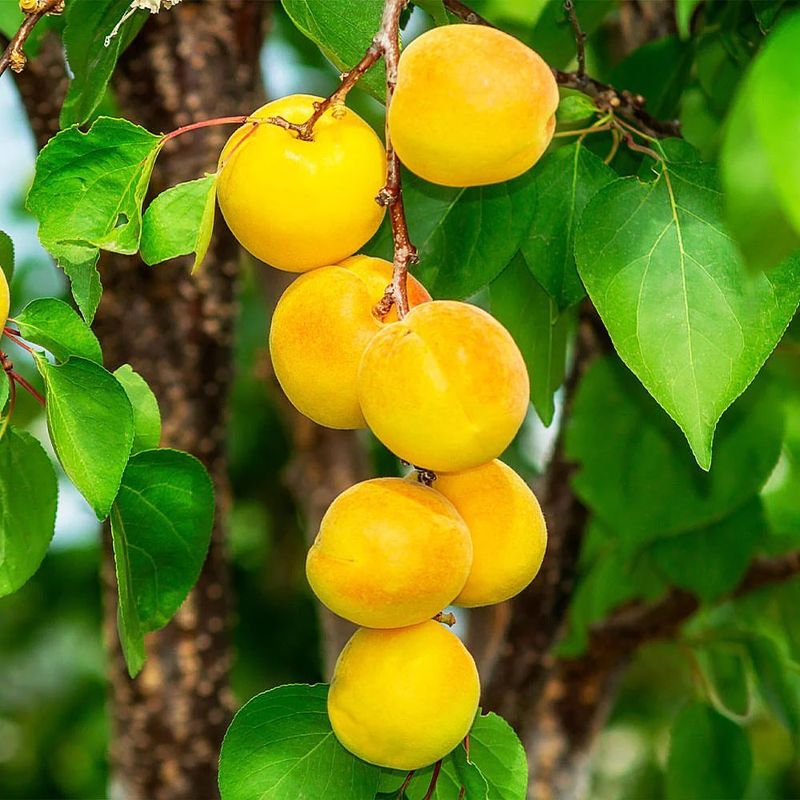
Golden apricots glowing on backyard trees signal early summer in Arizona gardens lucky enough to have these beautiful fruit producers. These stone fruits ripen weeks before peaches, providing fresh eating when little else is ready.
Beginners appreciate how apricot trees handle heat stress better than many other fruit trees while maintaining generous production.
Gold Kist and Katy apricots both thrive in Arizona’s climate, requiring minimal winter chill to set fruit. These low-chill varieties bloom later than traditional types, helping them avoid occasional late frosts that damage early flowers.
The trees stay relatively compact, making them suitable for smaller yards throughout the state.
Arizona’s intense sunshine develops exceptional sweetness in apricots, concentrating sugars to levels rarely achieved in cooler climates. The dry air prevents many diseases that trouble apricot growers elsewhere.
This combination of factors makes the state surprisingly well-suited for these temperamental fruits.
Planting location should offer full sun exposure and protection from strong winds that can knock off developing fruit. Well-draining soil prevents root problems, especially important during summer monsoon season when sudden heavy rains occur.
Raised planting areas work perfectly in locations with drainage concerns.
Watering demands increase dramatically once fruit begins sizing, requiring consistent moisture to prevent stress. Deep soaking two or three times weekly during hot weather supports healthy fruit development.
Irregular watering causes fruit splitting and drop, reducing your harvest significantly.
Fertilizing follows the same schedule as peaches, with spring applications of balanced formulas providing necessary nutrients. Avoid excessive nitrogen, which encourages leafy growth at the expense of fruit production.
Arizona’s alkaline soil may require periodic amendments to maintain optimal growing conditions.
Thinning becomes essential for quality apricot production, as trees naturally set far more fruit than they can properly mature. Remove excess fruits when they reach dime size, spacing remaining ones 3 to 4 inches apart.
10. Loquat
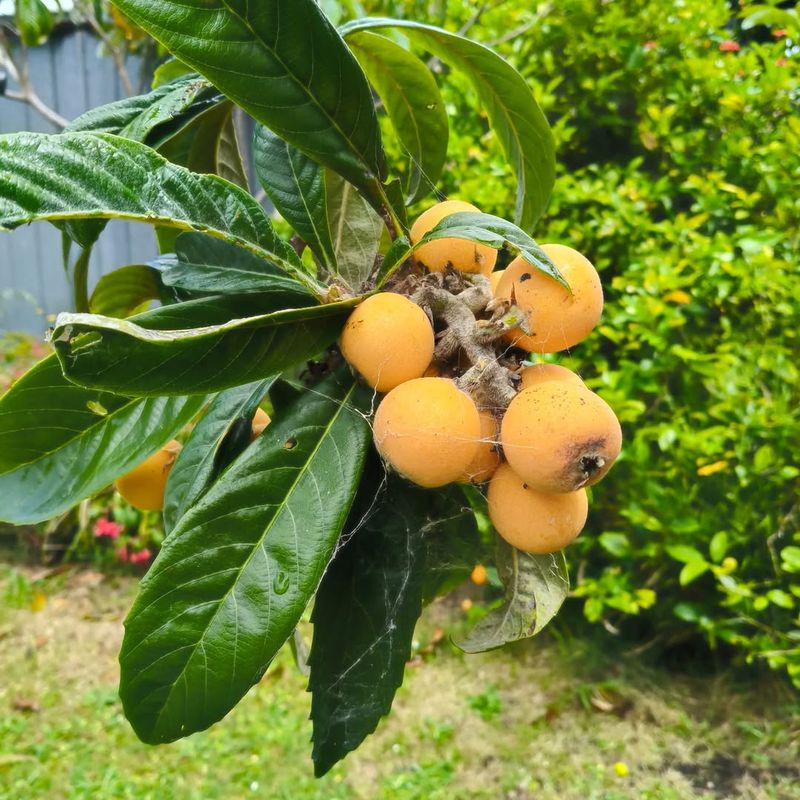
Unusual and underappreciated, loquat trees deserve far more attention from Arizona gardeners seeking something different. These evergreen beauties produce clusters of golden-orange fruit with a unique tropical flavor reminiscent of mango and peach combined.
Beginners find them remarkably easy to grow, asking little while providing year-round visual interest plus delicious spring harvests.
Large, textured leaves create bold landscape statements even when trees aren’t fruiting. Loquats maintain attractive foliage throughout Arizona’s year, never going dormant or losing their leaves.
The architectural form adds tropical flair to desert gardens, making these trees valuable ornamentals beyond their edible offerings.
Arizona’s climate suits loquats perfectly, with hot summers and mild winters matching their preferred growing conditions. These Asian natives handle heat exceptionally well once established, rarely showing stress even during brutal summer days.
Lower elevation areas throughout the state provide ideal environments for consistent production.
Planting should happen in spring, giving trees maximum time to establish before their first winter. Choose locations with full to partial sun, as loquats tolerate more shade than most fruit trees.
Well-draining soil remains important, though these adaptable trees handle various soil types found across Arizona.
Watering requirements stay moderate, with established trees handling dry periods better than many fruit producers. Deep weekly soaking during summer maintains healthy growth and supports fruit development.
Loquats rarely suffer from drought stress, making them perfect for water-conscious gardeners.
Fertilizing three times yearly with balanced formulas keeps loquat trees vigorous and productive. These heavy feeders appreciate regular nutrition, showing their gratitude through abundant fruit set.