10 Fruit Trees New Gardeners Have The Best Luck With In North Carolina
Choosing fruit trees sounds simple until North Carolina’s heat, humidity, and surprise cold snaps start testing every decision you make. Some trees thrive here almost effortlessly, while others quietly struggle no matter how much care they get.
New gardeners often blame themselves when fruit fails, not realizing the tree itself was the wrong match from the start.
There’s a small group of fruit trees that consistently do well across much of the state. They handle North Carolina’s seasons with far less stress and far more reliability.
These trees don’t need perfect timing or constant attention to settle in and grow.
Once they start producing, the confidence boost is real, especially for gardeners just getting started.
That early success changes how gardening feels and makes sticking with it much easier.
1. Fig
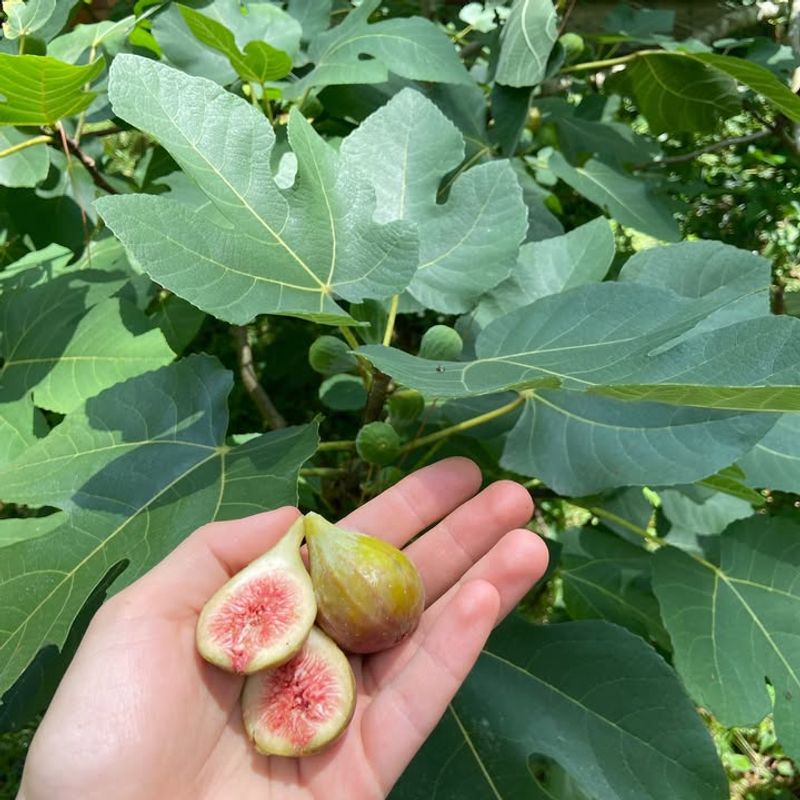
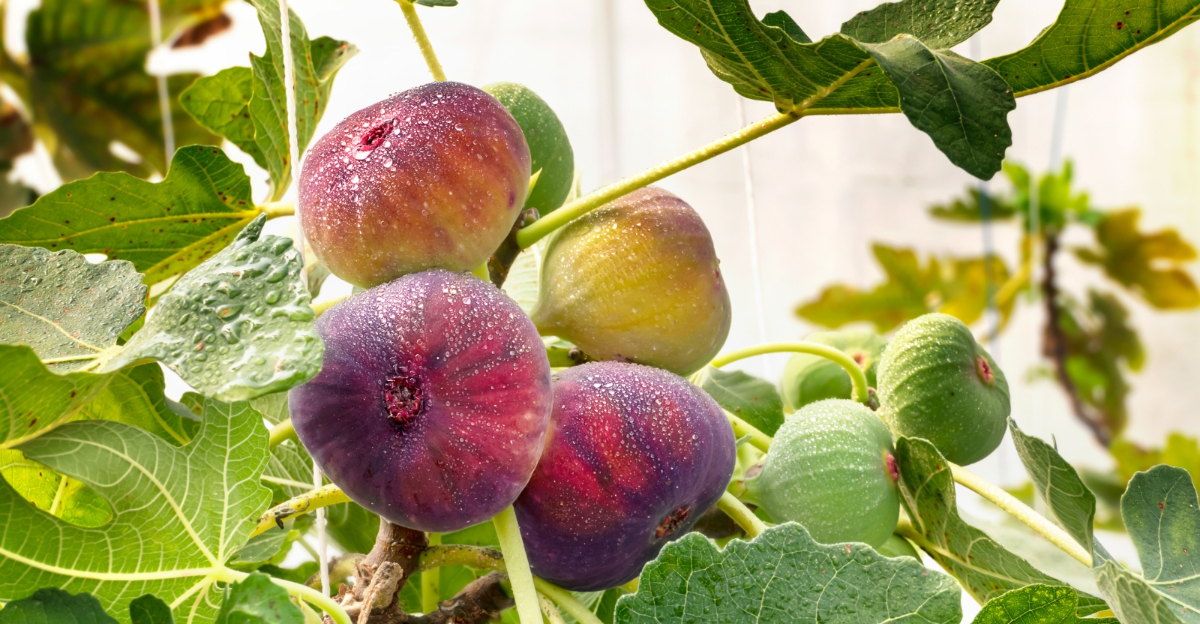
Most gardeners in North Carolina find that figs are surprisingly low-maintenance compared to other fruit trees. These Mediterranean natives have adapted beautifully to the state’s climate, especially in the piedmont and coastal regions where winters stay relatively mild.
You won’t need to worry about complicated pruning schedules or constant pest monitoring with these hardy plants.
The main crop ripens in late summer and continues into autumn, providing fresh fruit for weeks. Some varieties even handle cold snaps better than you might expect, making them suitable for gardeners across the state.
Brown Turkey and Celeste are two varieties that beginners in North Carolina absolutely love. They’re both self-pollinating, which means you only need one tree to get fruit.
These varieties tolerate the state’s occasional temperature swings without much fuss.
Container growing works wonderfully for figs if you have limited space or live in the cooler mountain regions of North Carolina. You can move potted trees to protected spots during harsh winter weather.
This flexibility makes figs an excellent choice for apartment dwellers or those with small yards.
The trees themselves grow relatively quickly, often producing fruit within the first or second year after planting. New gardeners appreciate seeing results so soon after starting their fruit-growing adventure.
Watching your first figs ripen brings genuine excitement to the whole process.
Watering needs are moderate, and figs actually prefer slightly drier conditions once established.
2. Peach
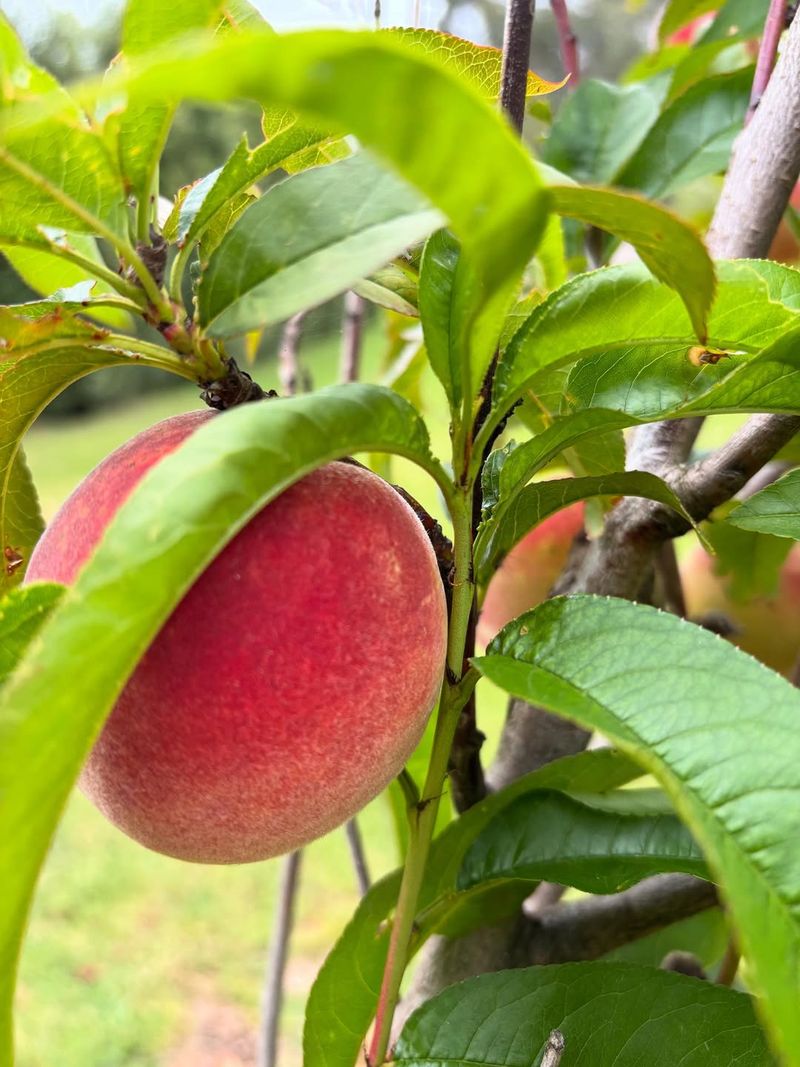
North Carolina’s reputation as a peach-growing state isn’t just marketing hype. The climate here suits peach trees remarkably well, particularly in the central and eastern counties where conditions mirror those of traditional peach country.
Beginners often succeed with peaches because the trees communicate their needs fairly clearly through leaf color and growth patterns.
Choosing the right variety makes all the difference for new gardeners in North Carolina.
Peach trees bloom spectacularly in early spring, covering themselves in pink flowers before leaves emerge. This stunning display adds ornamental value to your landscape while promising future fruit.
The blossoms also attract beneficial pollinators to your entire garden.
Fruit production starts relatively quickly, often within two to three years of planting. You’ll need to thin the young peaches when they’re marble-sized to ensure the remaining fruit grows large and sweet.
This simple task prevents branches from breaking under excessive weight and improves overall fruit quality.
Proper spacing and air circulation help prevent common fungal issues in North Carolina’s humid summers. Planting in full sun with good drainage sets your peach tree up for success from the start.
Most problems arise from poor site selection rather than difficult care requirements.
3. Apple
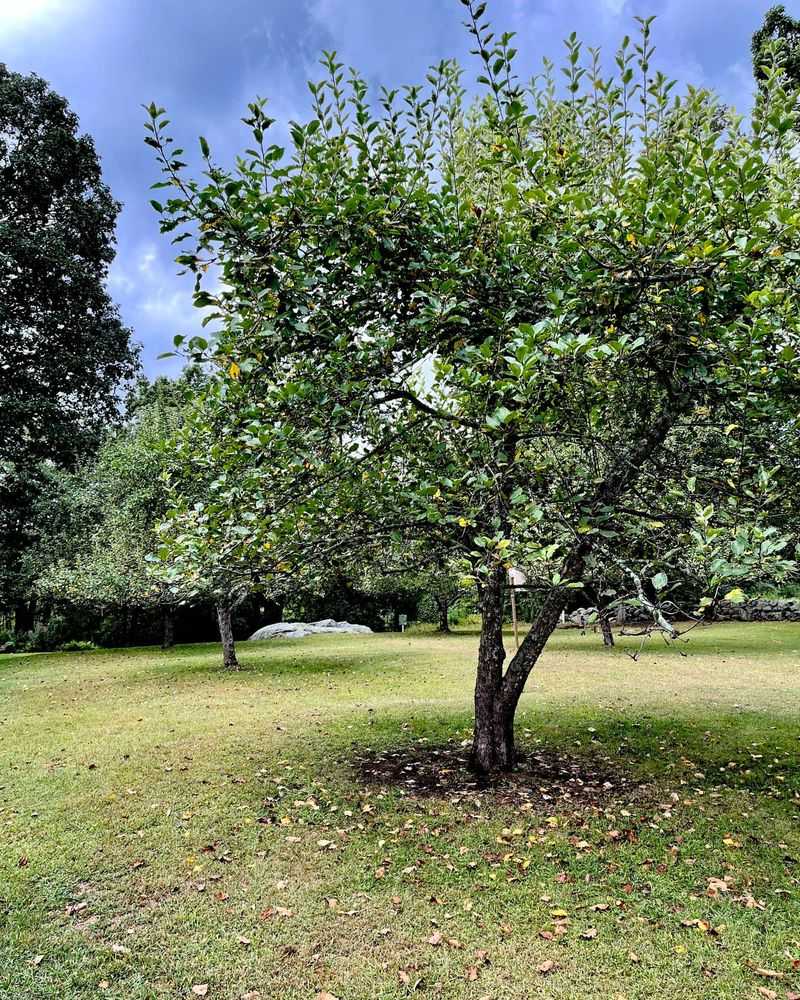
Apple trees have been growing successfully in North Carolina for generations, particularly in the mountain and piedmont regions where cooler temperatures benefit fruit development. Beginners appreciate that apples are generally predictable and respond well to basic care.
The state’s apple-growing tradition also means plenty of local expertise is available when you have questions.
Variety selection is especially important for North Carolina gardeners since apples need specific chill hours to produce fruit. Gala, Fuji, and Arkansas Black work wonderfully across much of the state.
These varieties tolerate the climate variations you’ll encounter from the mountains to the coastal plain.
Most apple varieties require cross-pollination, meaning you’ll need at least two different cultivars planted nearby. This requirement actually benefits beginners by extending your harvest season and providing variety in your apple crop.
Crabapples also serve as excellent pollinators if space is limited.
Training young apple trees into a central leader shape creates strong, productive trees that are easier to manage long-term. This structure allows sunlight to reach developing fruit while keeping the tree at a harvestable height.
The initial training takes minimal effort but pays dividends for years.
Apple trees in North Carolina typically begin bearing fruit three to five years after planting. The wait feels longer than with some other fruits, but the productivity of a mature apple tree makes patience worthwhile.
Established trees can produce bushels of fruit annually for decades.
4. Pear
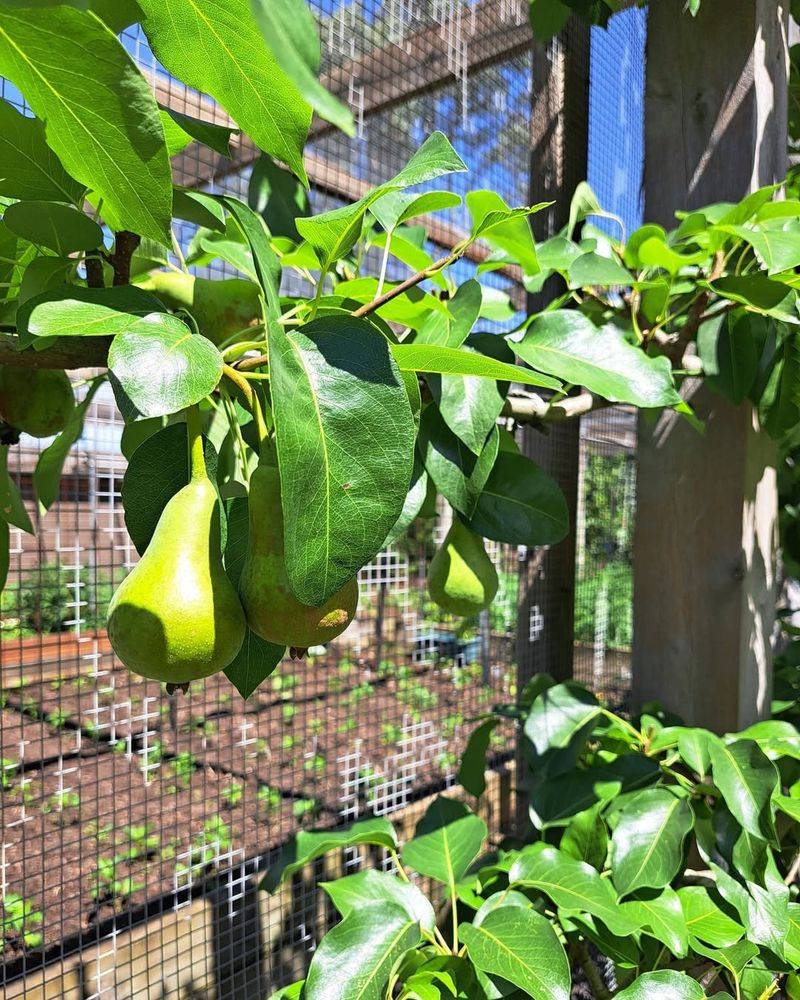
Pear trees offer North Carolina gardeners a wonderful alternative to apples with slightly different growing requirements and flavors. These elegant trees adapt well to various soil types found throughout the state, from the red clay of the piedmont to the sandier soils of the coastal regions.
Their upright growth habit makes them particularly suitable for smaller yards where space comes at a premium.
Fire blight resistance is the most important consideration when selecting pear varieties for North Carolina. Kieffer and Orient show excellent resistance to this bacterial disease that thrives in the state’s warm, humid conditions.
Choosing resistant varieties from the start saves beginners from frustrating setbacks and lost trees.
Pears require cross-pollination just like apples, so planting at least two compatible varieties ensures good fruit set. The spring bloom is beautiful but happens early enough that late frosts occasionally damage flowers in some North Carolina locations.
Fortunately, pear trees typically produce abundant blossoms, so even partial frost damage still allows for a decent crop.
These trees are notably drought-tolerant once established, making them excellent choices for gardeners who can’t provide constant irrigation. North Carolina’s typical rainfall patterns usually provide adequate moisture for healthy growth.
This resilience makes pears more forgiving than many other fruit trees for busy or traveling gardeners.
5. Persimmon
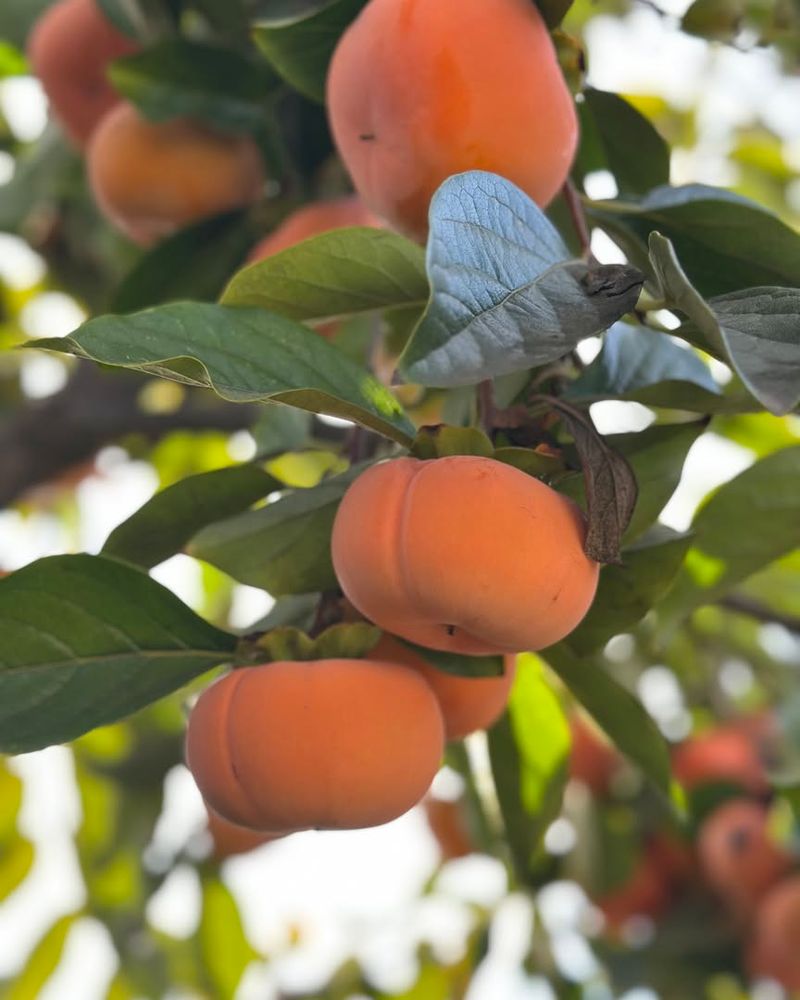
American persimmons grow wild throughout much of North Carolina, which tells you immediately that they’re well-suited to the state’s conditions. These native trees are incredibly tough and adaptable, thriving in conditions that would stress many other fruit trees.
Beginners often overlook persimmons, but they’re actually among the easiest fruit trees you can grow in the region.
The trees tolerate poor soil, drought, and neglect better than almost any other fruit-bearing species. Native persimmons have deep taproots that seek out water during dry periods, making them remarkably self-sufficient once established.
This resilience is perfect for gardeners who want fruit without constant maintenance.
Asian persimmon varieties like Fuyu also perform well in North Carolina, particularly in the piedmont and coastal areas. These produce larger fruit than native types and are non-astringent when firm, meaning you can eat them like apples.
The combination of native and Asian varieties gives beginners interesting options to explore.
Persimmon trees are either male or female, so you’ll need both for fruit production unless you purchase a grafted self-fertile variety. This requirement is important to understand before planting, though many nurseries now offer varieties that don’t need a pollinator.
Checking with your supplier prevents disappointment down the road.
The trees grow at a moderate pace and often begin producing within three to five years. Native persimmons tend to take slightly longer than Asian varieties but eventually become very productive.
Patience in the early years rewards you with decades of fruit from these long-lived trees.
6. Plum
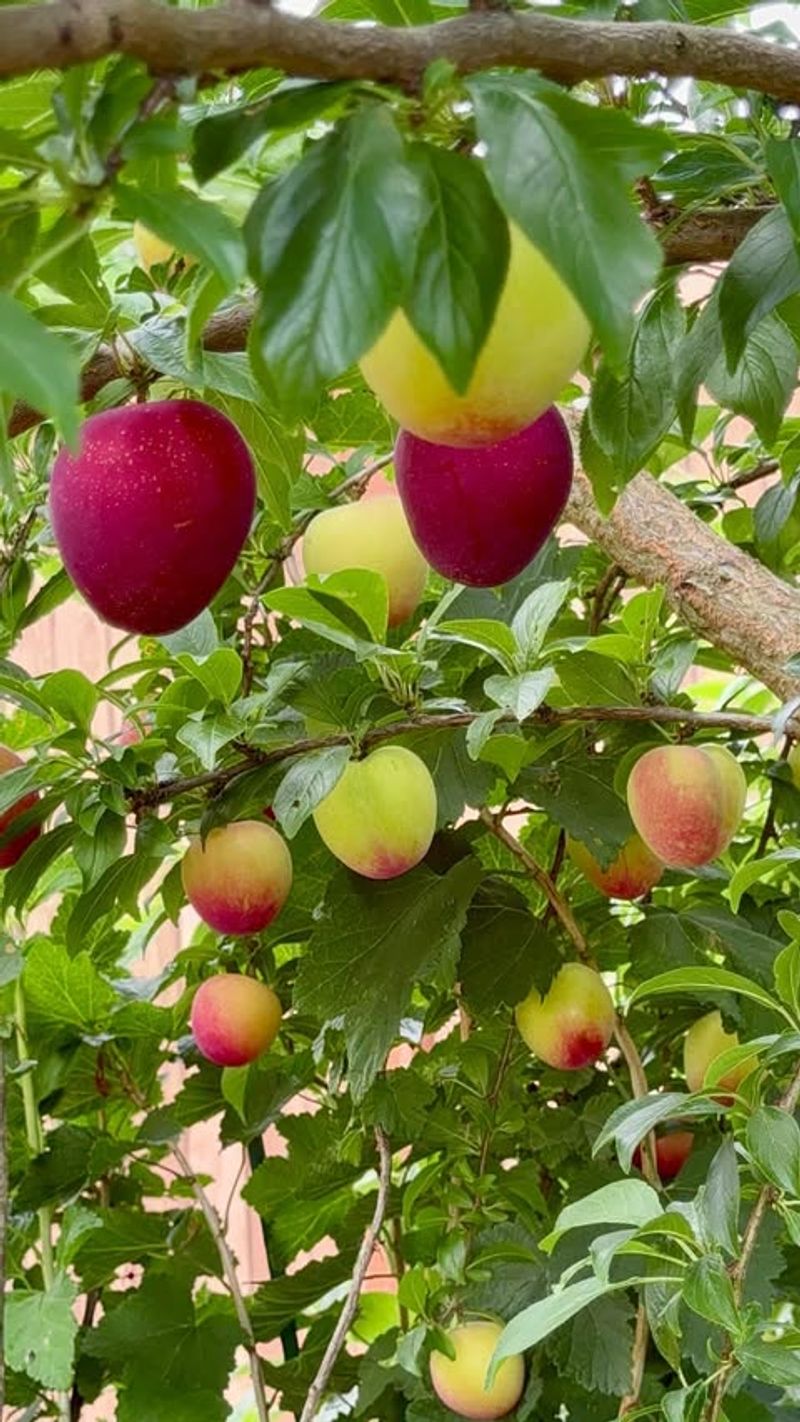
Plum trees bring incredible diversity to North Carolina gardens since both European and Japanese types grow successfully across the state. Japanese plums tend to perform better in warmer areas, while European plums favor the cooler mountain regions.
This variety means virtually every gardener in North Carolina can find a plum suited to their specific location.
Methley and AU Rosa are two Japanese plum varieties that beginners in the state find particularly rewarding. Both are partially self-fertile, though planting two varieties increases fruit production significantly.
These cultivars handle North Carolina’s climate fluctuations without excessive fussiness.
Plum trees bloom early in spring, covering themselves in white or pale pink flowers that brighten the landscape. This early bloom means frost occasionally damages flowers in some years, but plums typically produce enough blossoms that partial damage still allows for good fruit set.
The spectacular spring display makes these trees valuable ornamentals even in years when frost reduces the crop.
Fruit ripens in early to mid-summer across most of North Carolina, providing fresh eating when few other fruits are ready. The timing fills a nice gap between strawberry season and peach harvest.
Plums also make excellent preserves, allowing you to extend your enjoyment well beyond the fresh eating season.
Japanese plums have a juicy, somewhat firm texture that holds up well for fresh eating and cooking. European plums are typically smaller with denser flesh that’s ideal for drying into prunes.
Growing both types provides wonderful variety in your fruit harvest.
7. Mulberry
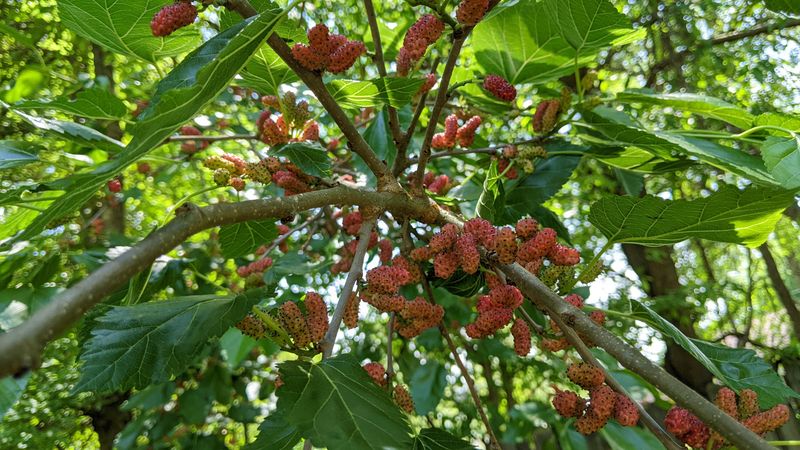
Mulberry trees are absolute champions for beginner gardeners in North Carolina who want abundant fruit with minimal effort. These fast-growing trees adapt to virtually any soil type found across the state and tolerate both wet and dry conditions.
The ease of growing mulberries makes them almost foolproof for those just starting their fruit-growing journey.
Illinois Everbearing is a variety that performs exceptionally well throughout North Carolina. This cultivar produces large, sweet berries over an extended season rather than all at once.
The prolonged harvest means you can enjoy fresh mulberries for weeks instead of being overwhelmed with fruit all at once.
Mulberry trees grow vigorously, often reaching fruiting size within just two years of planting. This rapid production gratifies impatient gardeners who want to see results quickly.
The fast growth also means trees quickly provide shade and ornamental value to your landscape.
The fruit resembles elongated blackberries and ripens gradually from white or red to deep purple-black. Berries are incredibly sweet when fully ripe, with a mild flavor that appeals to most palates.
Children especially love picking and eating mulberries fresh from the tree.
Harvesting mulberries is unique since the fruit doesn’t have stems to pick. Most people spread a sheet under the tree and shake branches gently, causing ripe berries to fall.
This method makes harvesting quick and easy, though it does mean you need to process or eat the fruit promptly.
8. Pomegranate
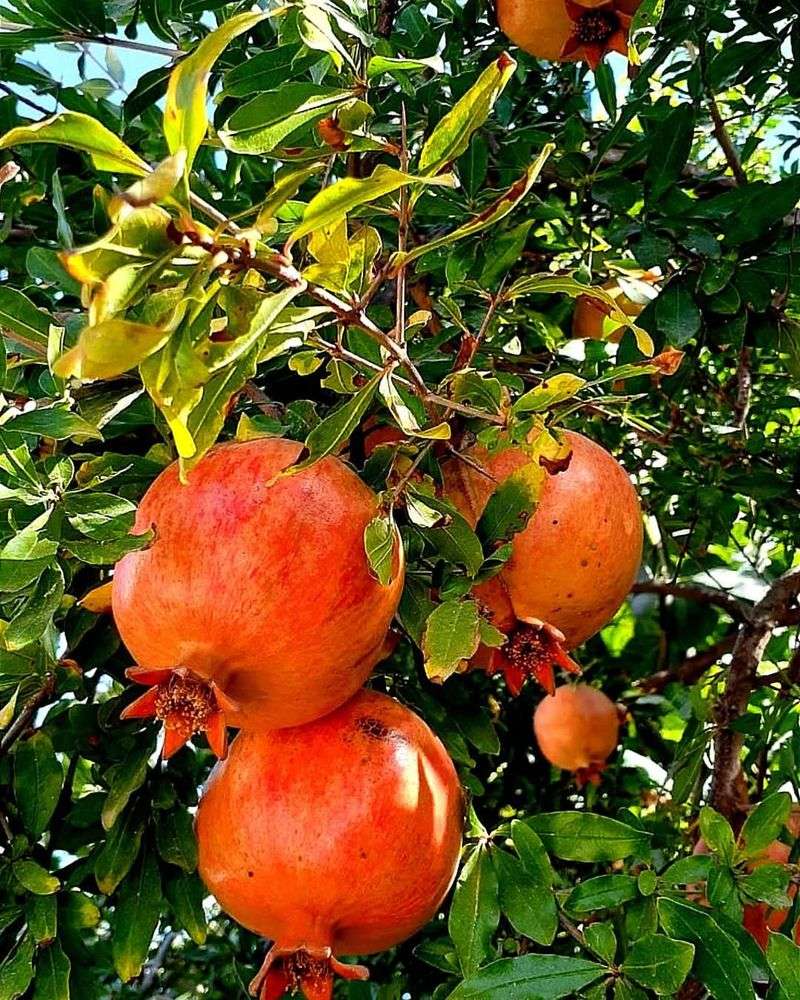
Pomegranates might surprise you as a successful fruit tree for North Carolina, but they actually thrive in much of the state, especially the piedmont and coastal regions. These ancient fruits have become increasingly popular as gardeners discover their adaptability and beautiful ornamental qualities.
The shrubby trees handle North Carolina’s hot summers exceptionally well and tolerate brief cold snaps better than many expect.
Wonderful is the variety most commonly grown in the state and for good reason. This cultivar produces large, flavorful fruit and shows good cold tolerance for a pomegranate.
The name accurately describes both the fruit quality and the growing experience for beginners in North Carolina.
Pomegranates bloom with stunning orange-red flowers in late spring and early summer. These showy blossoms attract hummingbirds and add brilliant color to your landscape.
The ornamental value continues through fall when the fruit develops its characteristic reddish-orange color.
The trees naturally grow as large shrubs with multiple trunks, though you can train them into a single-trunk tree form if preferred. The multi-trunk form is actually more cold-hardy since damage to one trunk doesn’t compromise the entire plant.
This flexibility lets you choose the shape that works best for your North Carolina landscape.
Fruit production typically begins in the third or fourth year after planting. Pomegranates ripen in fall, usually October in most of North Carolina.
The fruit doesn’t continue ripening after picking, so leaving it on the tree until fully mature ensures the best flavor.
Drought tolerance is exceptional once pomegranates are established, making them excellent choices for water-wise gardens.
9. Loquat
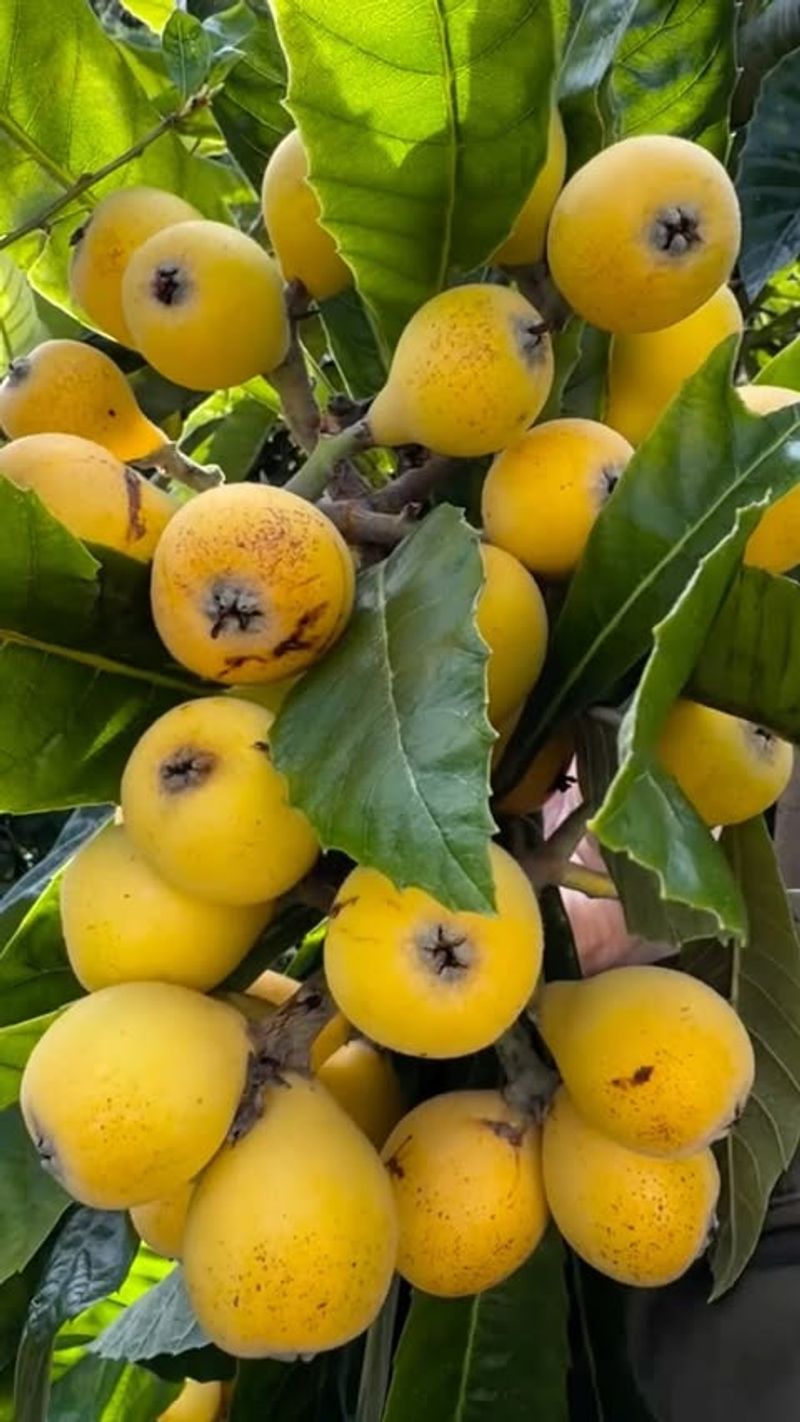
Loquat trees bring a touch of the exotic to North Carolina gardens while remaining surprisingly easy to grow. These evergreen trees originate from Asia but have adapted beautifully to the state’s coastal and southern piedmont regions.
The large, tropical-looking leaves create a bold landscape statement year-round, making loquats as valuable for ornamental purposes as for their fruit.
The trees bloom in fall and winter, producing clusters of fragrant white flowers during months when few other plants are flowering. This unusual timing means you’ll enjoy blossoms when your garden needs them most.
The flowers fill the air with a sweet scent that brightens cold North Carolina days.
Fruit ripens in spring, typically April or May across much of the state. This early harvest timing is wonderful since few other fruits are ready so early in the season.
Fresh loquats provide a taste of summer before summer actually arrives in North Carolina.
Loquats have a unique flavor that combines elements of peach, citrus, and mild mango. The golden-orange fruit grows in clusters and is typically one to two inches long.
The taste appeals to adventurous eaters who enjoy trying unusual fruits.
Cold hardiness limits loquats to the warmer parts of North Carolina, though established trees tolerate brief dips into the low twenties. Coastal gardeners have the most success, while mountain gardeners should probably choose other fruits.
Knowing your local climate helps you decide if loquats are suitable for your specific location.
10. Pawpaw
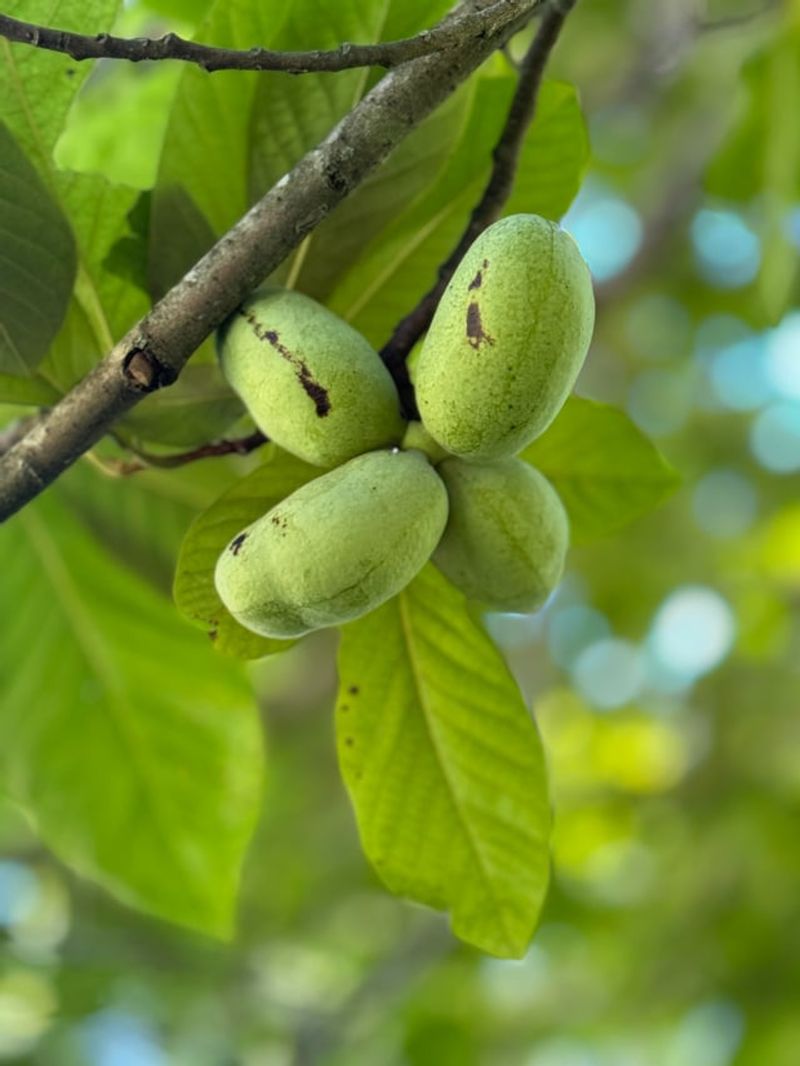
Pawpaw trees are North America’s largest native fruit and grow wild in forests throughout much of the state. These understory trees thrive in conditions that would challenge many other fruit trees, particularly partial shade and moist soil.
Beginners often find pawpaws fascinating because they’re so different from typical orchard fruits.
The fruit tastes like a tropical blend of banana, mango, and custard despite being completely cold-hardy in North Carolina. This unexpected flavor combination surprises first-time tasters.
The creamy texture is unlike any other temperate-climate fruit you can grow in the state.
Pawpaws require cross-pollination from a genetically different tree, so you’ll need to plant at least two seedlings or two named varieties. This requirement is important to understand before planting since a single tree won’t produce fruit.
The pollination is performed by flies and beetles rather than bees, which is another unusual characteristic.
Young pawpaw trees need shade protection for their first couple of years but tolerate full sun once established. This shade tolerance makes them perfect for planting under larger trees or in woodland garden settings.
The adaptability to shade expands planting options in your North Carolina landscape.
The trees grow slowly compared to many other fruits, often taking five to seven years before significant fruit production begins. This extended juvenile period tests patience but results in long-lived, productive trees.
Understanding the timeline prevents disappointment during the early years.