8 Fruit Trees Ohio Gardeners Should Prune Before April
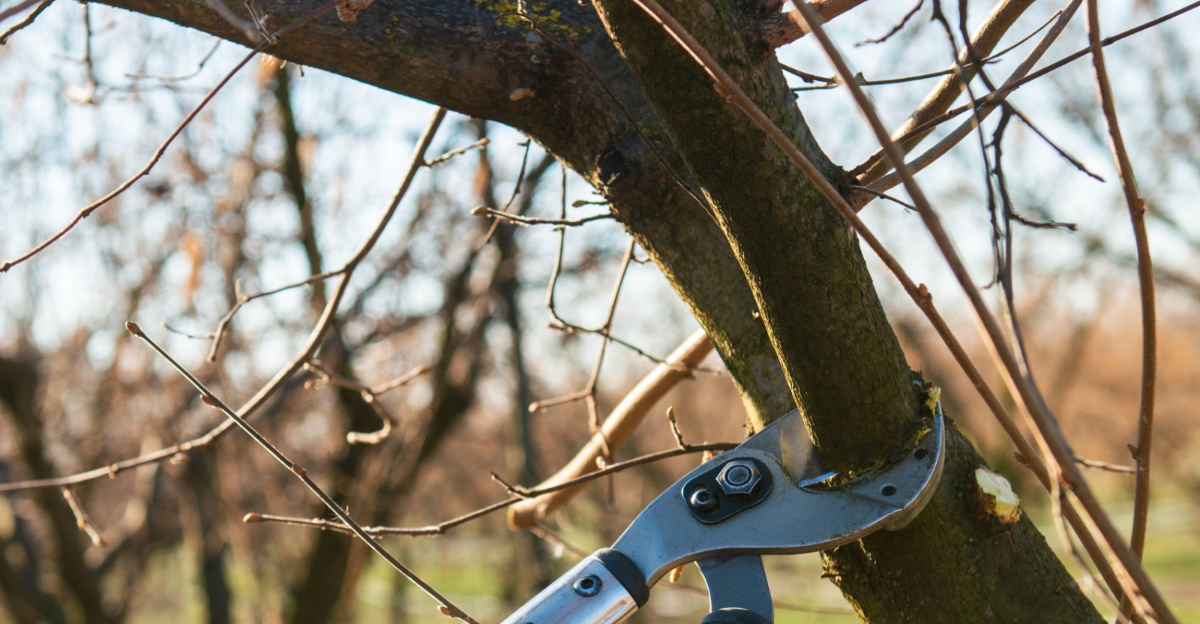
Late winter might not feel like gardening season in Ohio, but it is actually one of the most important moments for fruit tree care.
While the branches are still bare and the trees are resting, smart gardeners take advantage of this quiet window to do one simple job that can make a huge difference later in the year.
A well timed trim before spring helps fruit trees grow stronger, produce better fruit, and stay easier to manage for years to come.
It opens up the canopy for sunlight, improves air circulation, and removes weak or crowded branches before the tree starts pushing out new growth. In Ohio, the weeks leading up to April are often the ideal time to get this work done.
Temperatures are warming, but most fruit trees are still dormant, making pruning easier on both the gardener and the tree. The key is knowing which trees benefit most from this late winter attention.
These fruit trees are among the best candidates for pruning before April in Ohio gardens and backyard orchards.
1. Apple Trees Need Late Winter Pruning For Stronger Harvests
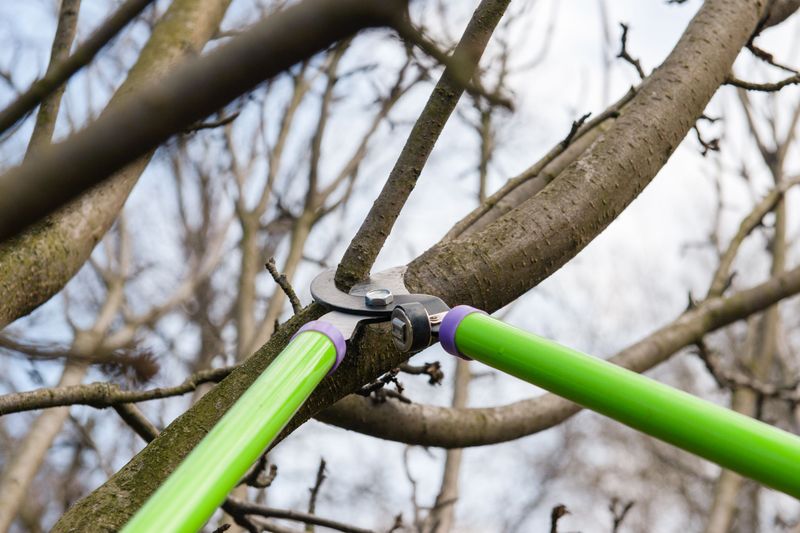
Walk out to your apple tree on a cold February morning in Ohio, and it might look like it needs nothing at all. But beneath that quiet, bare exterior is a tree that will reward every careful cut you make right now.
Late winter pruning is one of the most impactful things you can do for your apple harvest this year.
According to Ohio State University Extension, apple trees should be pruned while fully dormant, ideally between late February and early March before any buds begin to swell. The goal is to create an open canopy that allows sunlight to reach the interior branches.
More sunlight means better fruit color, improved sweetness, and stronger overall production.
Start by removing any branches that cross or rub against each other. Then thin out crowded areas near the center of the tree.
Aim for a modified central leader or open vase shape depending on your variety. Remove any water sprouts, which are the fast-growing vertical shoots that waste the tree’s energy without producing fruit.
Sharp, clean tools make a real difference. Disinfect your pruning shears between cuts if you notice any signs of disease.
Keeping wounds small and cuts clean helps Ohio apple trees heal quickly and stay productive for many seasons ahead.
2. Peach Trees Produce Better Fruit With Early Spring Pruning
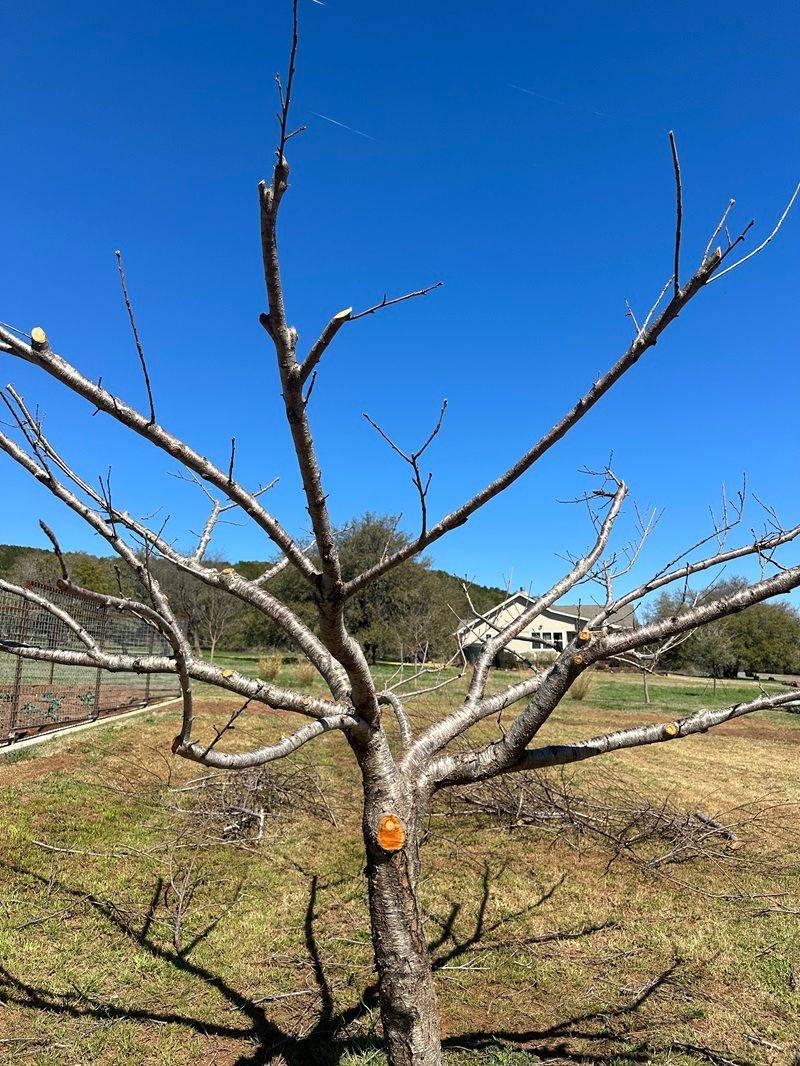
Peach trees are a little more demanding than other fruit trees, and they genuinely need to be pruned every single year to stay productive. Skip a season, and you will quickly end up with a tangled mess of branches competing for sunlight and producing smaller, lower-quality fruit.
In Ohio, late February is the sweet spot for getting this done.
Peach trees bloom early, so timing matters more than it does with some other species. Pruning in late winter, just before bud swell, reduces the risk of cold injury to fresh cuts while still giving the tree time to respond before growth kicks in.
The open-center pruning method works especially well for peaches grown in Ohio’s Midwest climate.
To achieve this structure, remove the central leader and select three to five outward-growing scaffold branches. This opens the canopy to sunlight and air circulation, both of which are critical for reducing fungal disease pressure.
Remove any shoots growing straight up or toward the center of the tree.
Peach trees produce fruit on one-year-old wood, so leave plenty of healthy shoots from last season in place. Cutting back those shoots by about one-third encourages strong new growth and better fruit set throughout the Ohio growing season.
3. Pear Trees Benefit From Careful Dormant Season Pruning
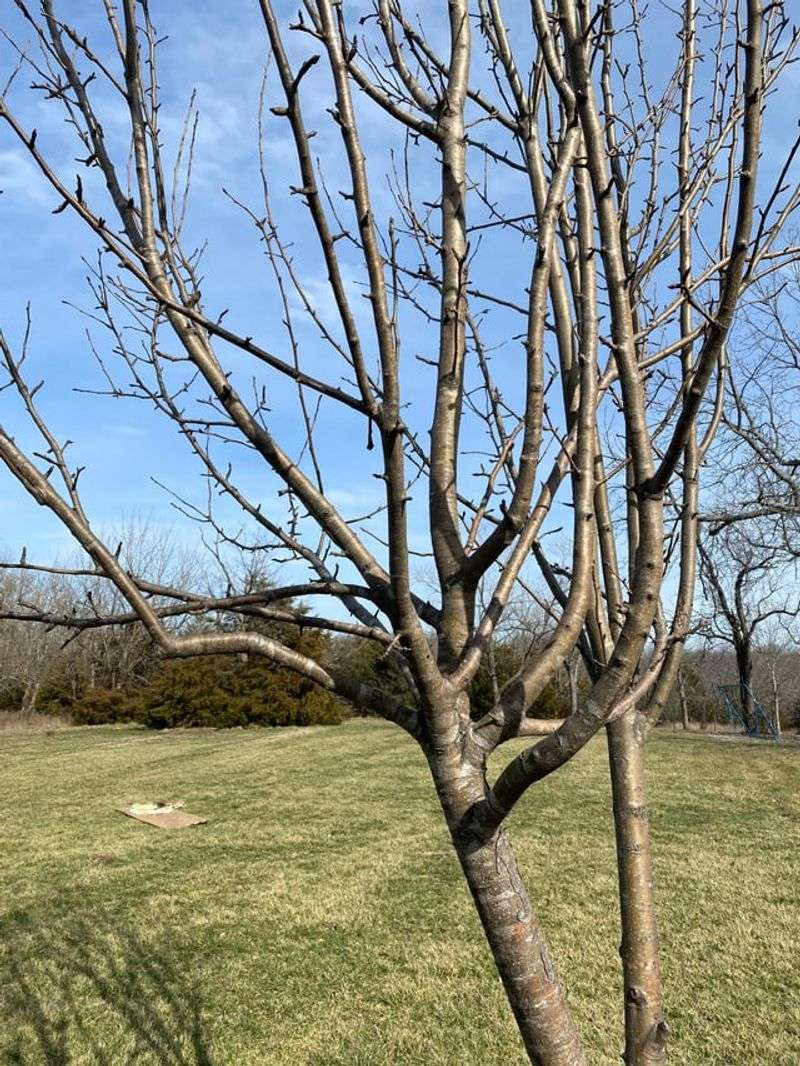
Pear trees have a reputation for being low-maintenance, but that does not mean they thrive without any attention. Left unpruned for too many years, pear trees develop dense, overcrowded canopies that trap moisture and reduce fruit quality.
Catching up on pruning during the dormant season is the most effective strategy for Ohio gardeners.
Late winter pruning of pear trees focuses mainly on maintaining structure rather than heavy reshaping. Ohio State University Extension advises a light hand with pears, since aggressive pruning can actually stimulate excessive vegetative growth at the expense of fruit production.
The goal is to remove only what is necessary to keep the tree balanced and well-ventilated.
Remove any branches that grow inward toward the center of the tree, as well as any crossing limbs that create friction. Eliminate water sprouts and suckers near the base.
If the tree has not been pruned in a while, spread the corrective work over two or three seasons rather than doing it all at once.
Fire blight is a serious concern for pear growers in Ohio. Make sure your tools are sanitized with a diluted bleach solution between each cut to avoid spreading the bacteria.
Keeping the canopy open and airy is one of the best long-term defenses against this common disease in Midwest orchards.
4. Sweet Cherry Trees Need Light Pruning Before Spring Growth
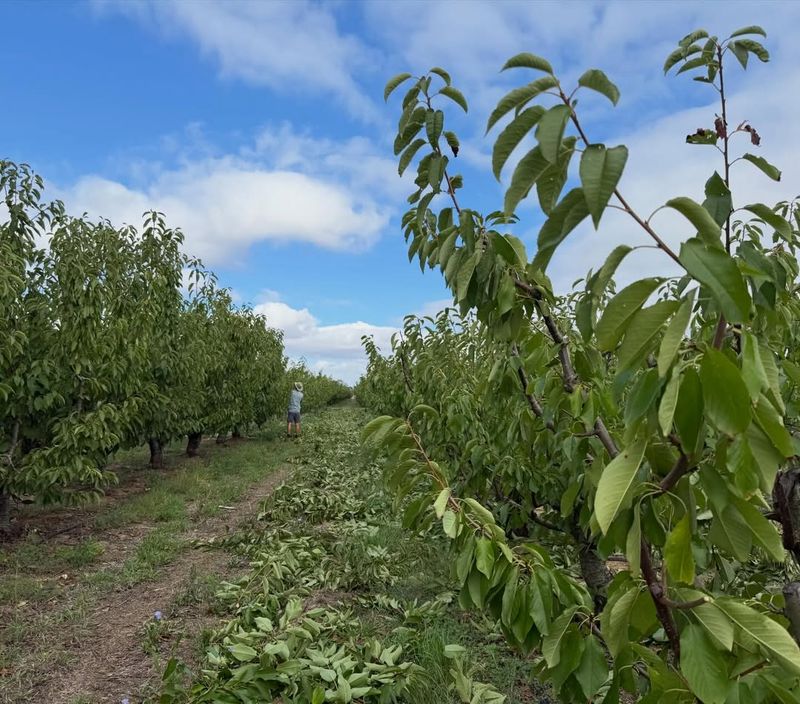
Sweet cherry trees can be a little finicky when it comes to pruning, and Ohio gardeners quickly learn that less is often more with this species. Heavy pruning exposes large wounds that are slow to heal, leaving the tree vulnerable to fungal infections and bacterial canker.
A lighter, more selective approach gets better results every time.
Prune sweet cherries in late winter before bud break, aiming to remove only what is clearly necessary. Focus on branches that are damaged by Ohio’s winter weather, limbs that cross and rub against each other, and any shoots growing straight up through the center of the canopy.
These targeted cuts improve airflow without stressing the tree.
Sweet cherry trees naturally grow quite large, so training young trees into a modified central leader shape early on saves a lot of corrective work later. Established trees mainly need maintenance pruning to keep the canopy open and accessible for harvest.
Try to keep cuts small, ideally under two inches in diameter, to encourage faster healing.
Always use sharp, clean pruning tools and make smooth cuts just outside the branch collar. Jagged cuts and stubs invite disease and insect pressure.
Ohio sweet cherry growers who take a careful, patient approach to annual pruning consistently enjoy healthier trees and more reliable harvests over the long run.
5. Sour Cherry Trees Respond Well To Late Winter Pruning
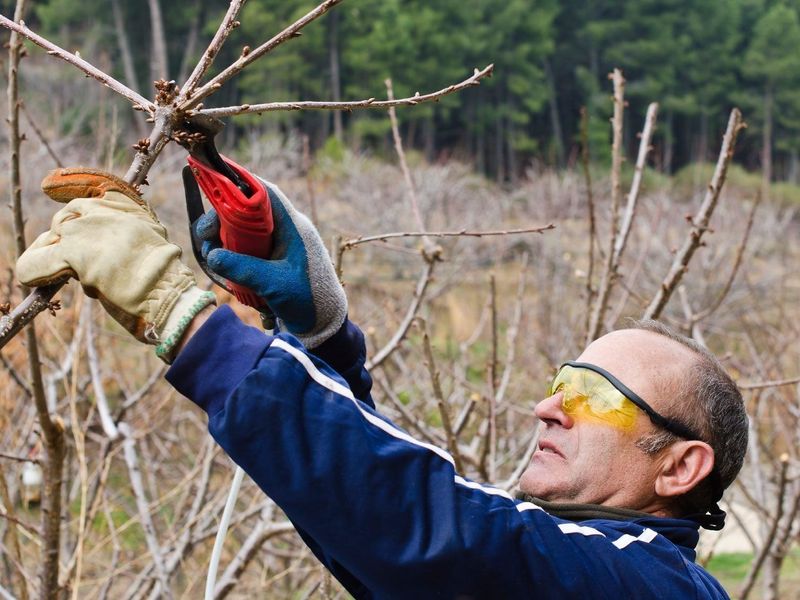
Sour cherry trees, sometimes called tart cherries, are a fantastic choice for Ohio home orchards because they handle Midwest winters better than sweet cherries and still produce abundantly. Varieties like Montmorency are well-suited to Ohio’s climate and reward consistent late winter pruning with reliable crops of flavorful fruit each summer.
Unlike sweet cherries, sour cherries are a bit more forgiving under the pruning shears, but they still benefit from a thoughtful, measured approach. The main goal is to maintain a manageable shape and encourage the growth of new fruiting wood each season.
Sour cherries produce fruit on spurs along older wood as well as on one-year-old shoots, so balance is key.
During late winter pruning, remove any branches that crowd the center of the tree. Thin out areas where multiple branches compete for the same space.
If the tree has developed a dense canopy from several seasons without pruning, work gradually over two years to avoid shocking the tree with too many cuts at once.
Keep the overall height of your sour cherry tree manageable so you can harvest without a ladder. Ohio gardeners who maintain a consistent annual pruning routine with sour cherries enjoy healthier trees, fewer pest problems, and fruit that is easier to pick when the summer harvest season arrives.
6. Plum Trees Grow Stronger With Proper Early Season Pruning
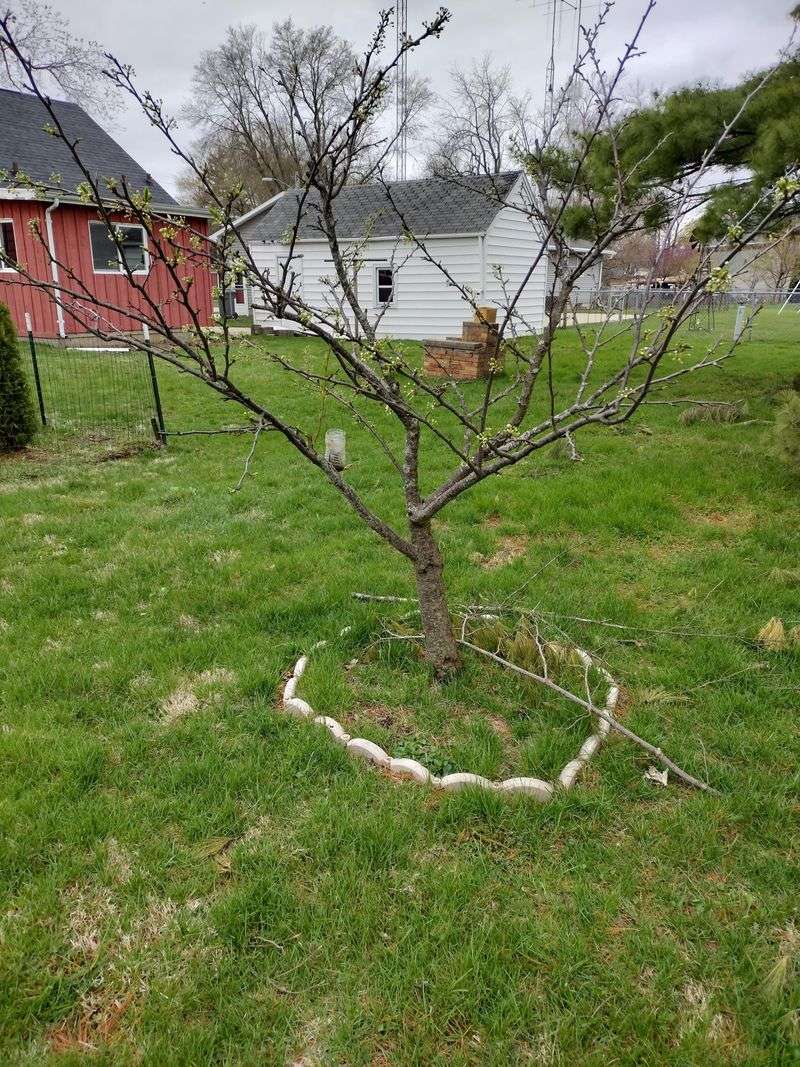
Plum trees are vigorous growers, and that energy works in your favor when you guide it with good pruning habits. Without regular thinning, plum trees develop dense canopies that restrict airflow and create ideal conditions for brown rot and other fungal diseases common in Ohio’s humid growing seasons.
Getting ahead of that problem starts with pruning in late winter.
Late February through early March is the right time to prune plum trees in Ohio, while they are still dormant and before buds begin to show green. Both European and Japanese plum varieties grow well in Ohio, though Japanese types tend to be more vigorous and may need slightly more thinning each season to stay manageable.
Focus your pruning efforts on removing branches that grow toward the center of the tree. Thinning the canopy from the inside out improves light penetration and air movement throughout the entire tree.
Remove any weak, spindly branches that are unlikely to support a fruit load, as well as any wood that shows signs of winter injury from Ohio’s cold months.
After thinning, step back and look at the overall shape. Plum trees do best with a balanced, open structure.
Consistent early season pruning each year keeps plum trees productive, easier to manage, and far less prone to the disease problems that plague neglected trees in Ohio orchards.
7. Apricot Trees Benefit From Strategic Late Winter Shaping
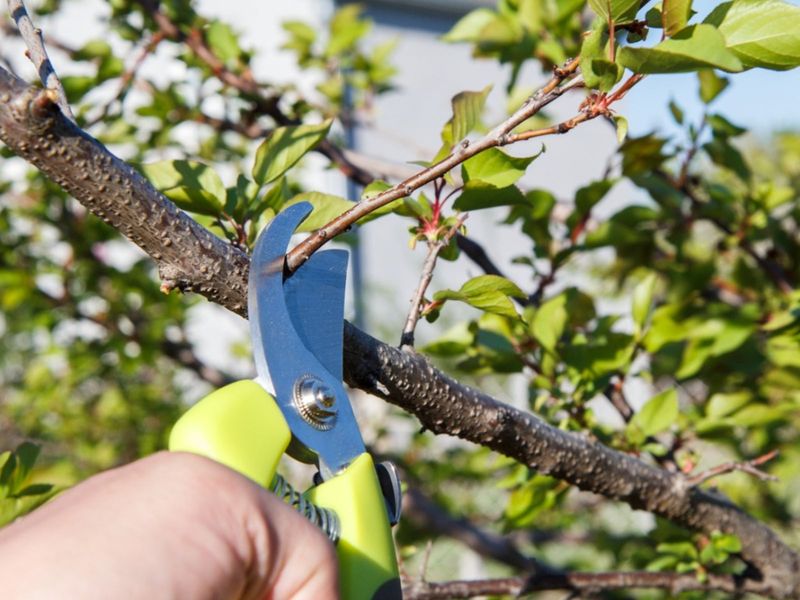
Growing apricots in Ohio comes with a unique challenge: these trees bloom very early in spring, which means late frosts can threaten blossoms in most years. Careful site selection and strategic pruning both play a role in helping Ohio apricot trees succeed.
The good news is that apricots respond beautifully to light shaping during the dormant season.
Rather than heavy pruning, apricot trees in Ohio benefit most from gentle corrective cuts that remove weak, damaged, or poorly positioned branches. Aggressive pruning stimulates a flush of new growth that can actually make the tree more vulnerable to late frost injury.
A light touch preserves the tree’s energy for flowering and fruit set.
Focus on removing any branches that were damaged during Ohio’s winter, as well as any limbs growing straight down or inward toward the trunk. Thin out areas where branches are too close together to allow adequate sunlight and airflow.
Keeping the center of the tree reasonably open helps reduce humidity around the fruiting wood.
Young apricot trees benefit from early training into an open vase or modified central leader shape. Once that framework is established in the first few years, annual maintenance pruning stays minimal.
Ohio gardeners who plant cold-hardy apricot varieties and prune lightly each late winter give their trees the best possible chance for a reliable harvest.
8. Nectarine Trees Produce Better Crops After Dormant Pruning
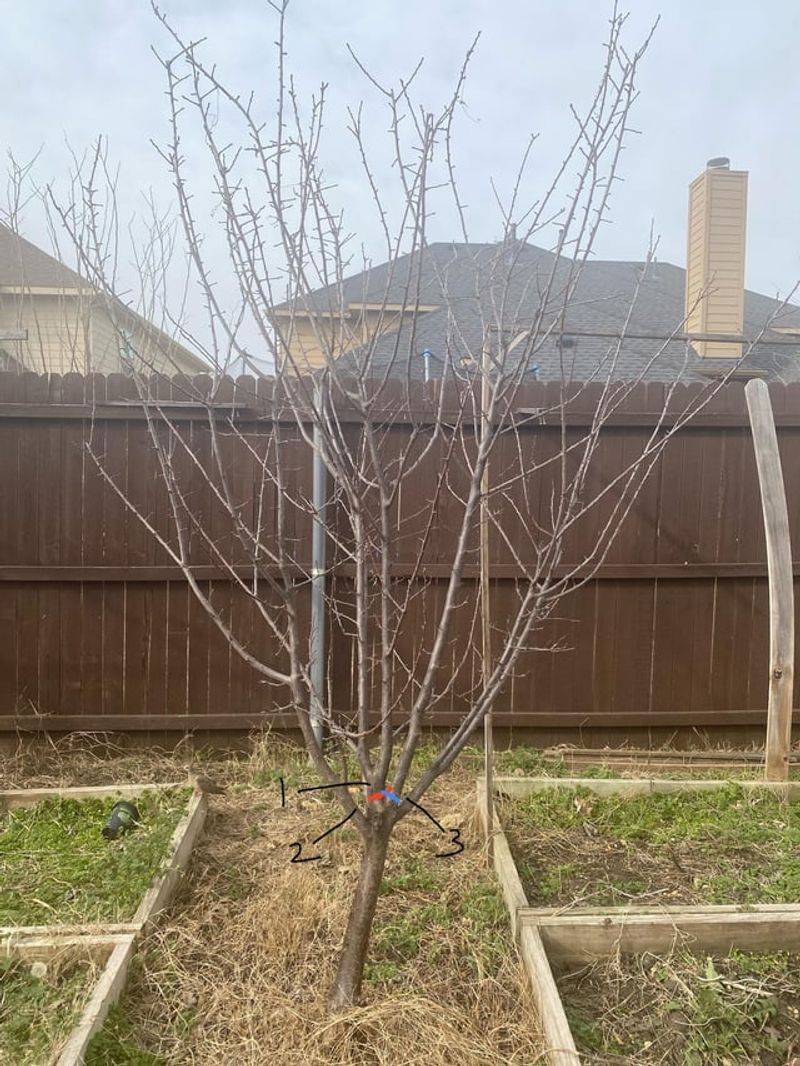
Nectarines are essentially smooth-skinned peaches, and they share many of the same pruning needs. In Ohio, nectarine trees absolutely need annual pruning to stay productive.
Without it, fruiting wood becomes old and exhausted, and the tree shifts its energy toward tall, unproductive growth rather than the flavorful fruit you planted it for.
Late winter is the ideal time to prune nectarines in Ohio, targeting the window between late February and early March before buds begin to swell. Like peaches, nectarines produce their best fruit on one-year-old wood, which means you need to encourage a steady supply of new shoots each season through consistent pruning habits.
Use the open-center method to shape nectarine trees, selecting three to five strong scaffold branches and removing the central leader. This structure lets sunlight reach the fruiting wood throughout the canopy and improves air circulation, which helps reduce the risk of peach leaf curl and brown rot, two common problems in Ohio orchards.
Cut back last season’s new growth by about one-third to stimulate fresh shoots for the coming season. Remove any branches that are too low to the ground, crossing, or growing back toward the trunk.
Ohio gardeners who commit to pruning their nectarine trees each late winter are consistently rewarded with larger, better-tasting fruit and trees that stay manageable for years to come.