7 Fruit Trees That Are Not A Good Fit For Pennsylvania
While Pennsylvania’s climate is perfect for many types of fruit trees, not every variety can handle the state’s winters or unpredictable weather patterns.
In fact, some fruit trees might seem like a good idea at first, but they quickly struggle when temperatures drop or the humidity shifts.
Many trees that thrive in warmer climates may not survive the cold snaps or may require more care than most Pennsylvania gardeners are willing to give.
Certain fruit trees need long growing seasons, consistent warmth, or specific soil conditions that Pennsylvania just can’t always provide.
Even though you might see them in other states or hear about their delicious fruits, these trees may leave you with disappointing results.
Whether it’s a tropical tree that craves heat or one that isn’t cold-hardy enough, knowing which trees to avoid can save you time, effort, and frustration. With the right choices, you can focus on fruit trees that thrive in Pennsylvania’s unique climate.
1. Avocado
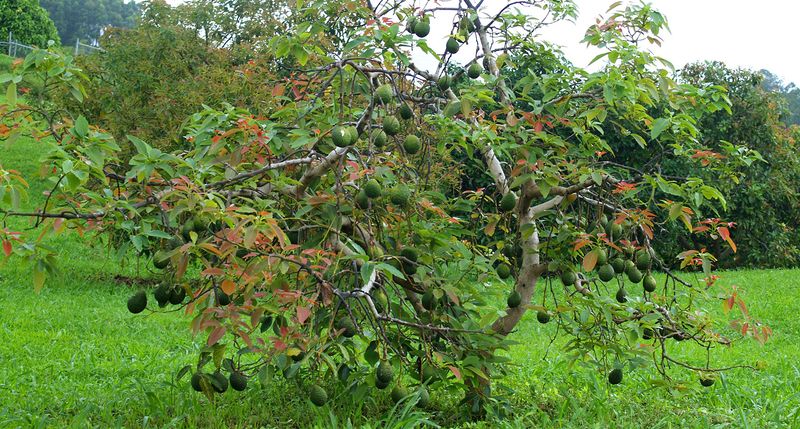
Imagine planting a tree in your Pennsylvania backyard, watching it grow for months, and then seeing it completely wilt the moment November rolls around. That is exactly what happens with avocado trees.
Native to tropical and subtropical regions, avocados simply cannot handle the cold winters that Pennsylvania is known for.
Avocado trees are very sensitive to temperatures below 40 degrees Fahrenheit. Pennsylvania winters regularly drop well below that, often reaching single digits or even below zero in many parts of the state.
Even a brief cold snap can cause serious damage to the tree’s branches, roots, and overall health.
Some people try growing avocados indoors in Pennsylvania, but that comes with its own set of problems. Avocado trees need very specific humidity levels, bright sunlight, and cross-pollination to produce fruit.
Recreating those conditions inside a house is extremely difficult and rarely works out well. Another challenge is the tree’s size. Avocado trees can grow quite tall, making indoor growing even more impractical over time.
Even dwarf varieties still need far more warmth and sunlight than a Pennsylvania home can typically provide during winter months.
If you are passionate about avocados, your best bet is to enjoy them from the grocery store and focus your gardening energy on trees that actually thrive in Pennsylvania’s climate.
Apples, pears, and plums are all excellent choices that love the state’s seasonal patterns and reward gardeners with reliable harvests every year.
2. Citrus Trees (Lemon, Orange, Grapefruit)
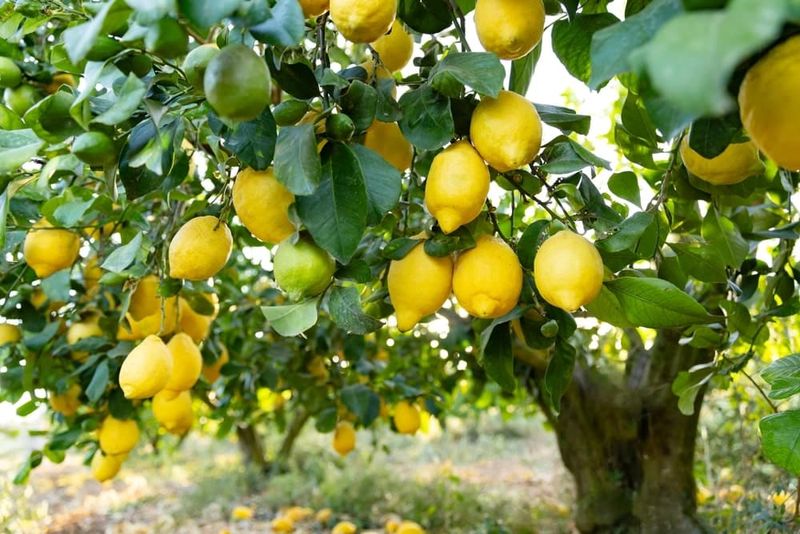
Walk through any Florida neighborhood and you will spot citrus trees loaded with bright, juicy fruit growing effortlessly in the warm sunshine. Try that same thing in Pennsylvania, and you will run into a wall of problems almost immediately.
Citrus trees are built for warmth, and Pennsylvania’s climate is simply not designed for them.
Lemons, oranges, and grapefruits all belong to the citrus family, and every single one of them requires a tropical or subtropical climate to truly thrive. These trees cannot handle frost at all.
Even a light freeze can damage the leaves and branches, while a hard freeze can wipe out the tree completely.
Pennsylvania winters are notoriously harsh. Temperatures regularly fall well below freezing across the state, from Philadelphia in the southeast to Erie in the northwest.
Citrus trees planted outdoors in Pennsylvania have virtually no chance of surviving a full winter season without serious protection or heating.
Some gardeners attempt to grow citrus trees in large containers and bring them indoors during winter. While this approach can occasionally work, it requires a huge amount of effort.
The trees need intense light, consistent watering, and carefully controlled temperatures to stay healthy indoors during Pennsylvania’s long, cold winters.
Fruit production is also very unlikely under indoor conditions in Pennsylvania. Citrus trees need full sun and warm outdoor air to properly bloom and set fruit.
For most Pennsylvania gardeners, growing citrus is more of a hobby project than a reliable source of fresh fruit.
3. Olive Trees
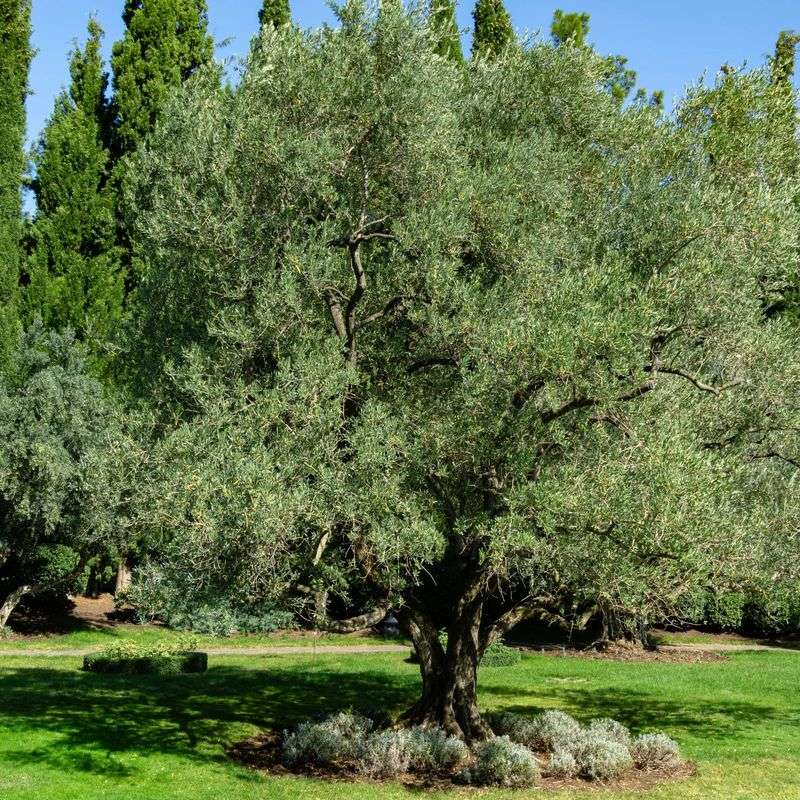
Olive trees have been growing in the Mediterranean for thousands of years, thriving in hot, dry summers and mild winters. Greece, Italy, and Spain are famous for their olive groves, and there is a very good reason you never hear about Pennsylvania olive farms.
The climate here just does not match what olive trees need to survive and produce fruit.
Olive trees are extremely sensitive to frost. While they can handle a brief dip in temperature, prolonged freezing weather causes serious damage to the wood and root system.
Pennsylvania winters are far too long and cold for olive trees to make it through without significant harm.
Beyond just the cold, olive trees also struggle with Pennsylvania’s humidity. The state receives a fair amount of rainfall throughout the year, and that moist environment is the opposite of what olive trees prefer.
They love dry conditions and well-drained, rocky soil, which is more common in Mediterranean regions than in Pennsylvania.
Olive trees also need a long, hot growing season to develop and ripen their fruit properly. Pennsylvania summers can be warm, but they are not long or dry enough to give olive trees the growing conditions they need.
The combination of cold winters and humid summers creates a double challenge for these trees.
Gardeners in Pennsylvania who are curious about olive trees can sometimes grow them in containers and overwinter them in a garage or greenhouse.
However, fruit production remains unlikely, and the effort involved is considerable compared to planting a more suitable tree species.
4. Mango
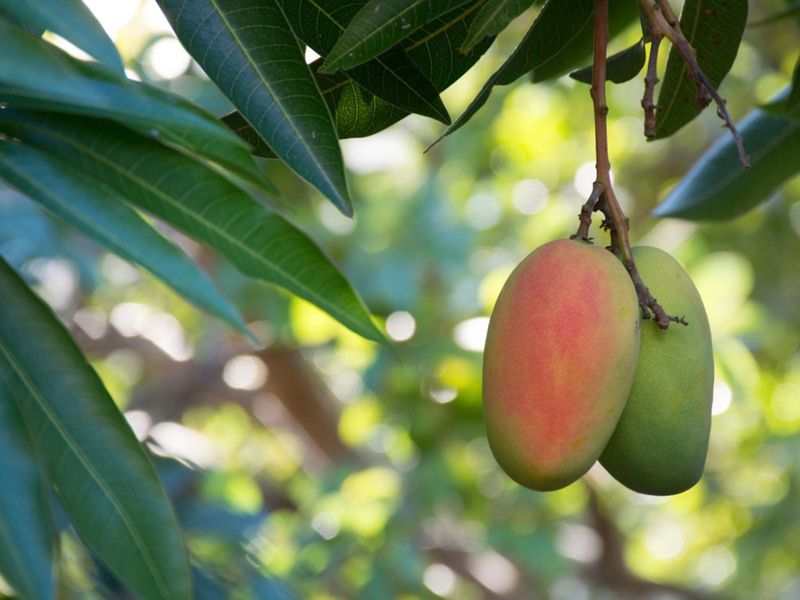
Few fruits scream “tropical paradise” quite like a fresh, ripe mango. Sweet, juicy, and absolutely delicious, mangoes are beloved around the world.
But growing a mango tree in Pennsylvania? That is a dream that the state’s climate will quickly put to rest.
Mango trees are native to South Asia and thrive in regions with long, hot, humid summers. They need temperatures that stay consistently warm, ideally between 70 and 100 degrees Fahrenheit.
Pennsylvania summers can get warm, but they are nowhere near long or hot enough to meet what a mango tree needs to produce fruit reliably.
Cold temperatures are a major problem for mango trees. Anything below 40 degrees Fahrenheit can cause damage to the leaves and branches.
A hard frost can be devastating. Pennsylvania winters regularly send temperatures plunging far below that threshold, making outdoor mango cultivation essentially impossible in the state.
Even if a mango tree survives a mild Pennsylvania autumn, the first real cold snap will likely cause serious harm. Young trees are especially vulnerable.
Without the consistent warmth that tropical climates provide year-round, mango trees simply cannot establish themselves well enough to thrive or produce fruit in Pennsylvania.
Indoor mango growing is theoretically possible, but the trees grow very large and need intense sunlight. Most Pennsylvania homes cannot provide the right conditions.
If you love mangoes, enjoy them fresh from the store and put your gardening energy into cold-hardy fruit trees that Pennsylvania’s climate genuinely supports, like apples or pears.
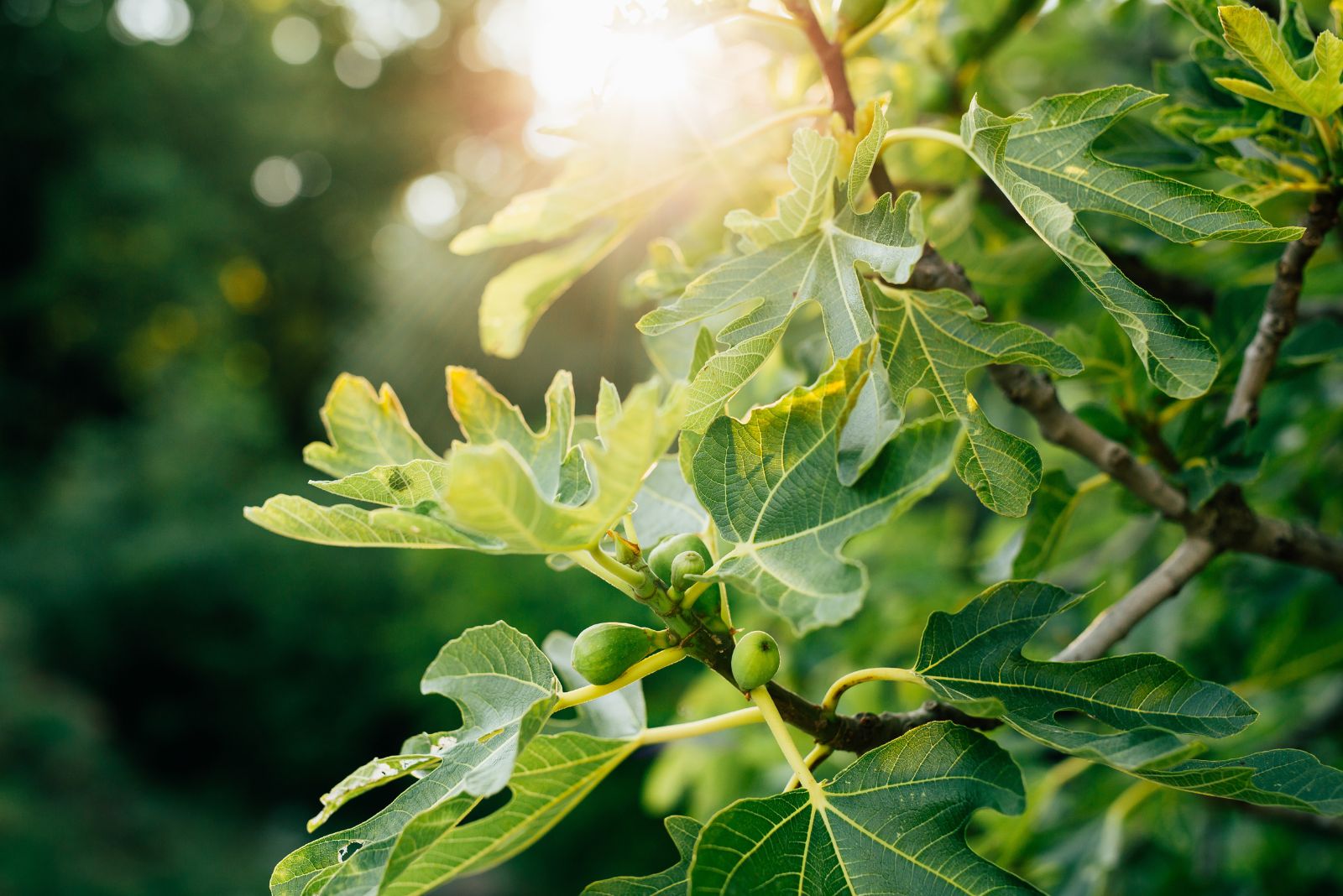
5. Figs
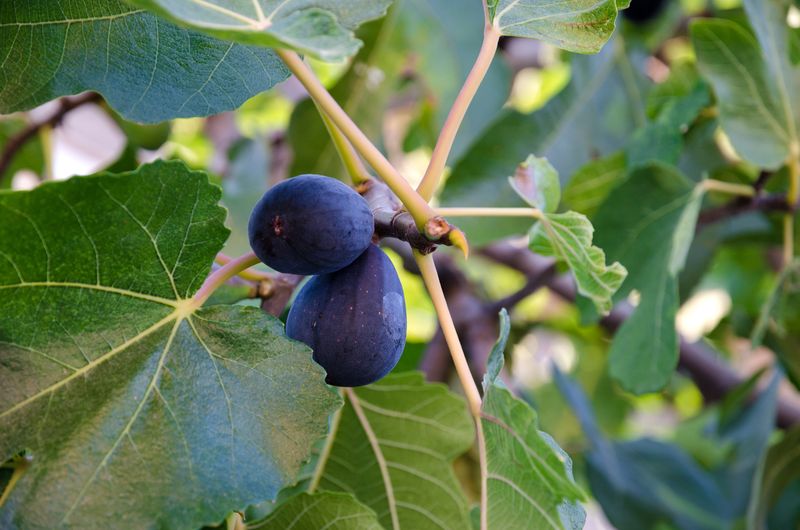
Figs have a long and fascinating history. Ancient civilizations around the Mediterranean prized them as a staple food, and fig trees have been cultivated for thousands of years.
They are beautiful, productive trees in the right climate. Unfortunately, Pennsylvania is not exactly the right climate for them.
While some hardier fig varieties can technically survive in warmer parts of Pennsylvania, they face serious challenges throughout the state.
Fig trees are vulnerable to frost damage, especially during late winter and early spring when the tree may begin to wake up from dormancy too soon. A late frost can damage new growth and wipe out the season’s fruit before it even begins.
Pennsylvania’s winters can be brutal, and fig branches are particularly prone to frost damage. Even when the roots survive underground, the above-ground portion of the tree may suffer heavily.
Many Pennsylvania gardeners who attempt to grow figs spend a significant amount of time and energy wrapping the tree in burlap or other insulating materials just to get it through the winter.
Timing is another issue. Figs often produce two crops per year, but Pennsylvania’s shorter growing season makes it very difficult for the late-season crop to fully ripen before autumn frosts arrive.
The result is often a frustrating cycle of damaged branches and unripe fruit. Some determined gardeners in southeastern Pennsylvania, where winters tend to be slightly milder, do manage to grow figs with extra care and protection.
But for most of the state, figs are simply more trouble than they are worth compared to more cold-hardy options.
6. Pomegranate
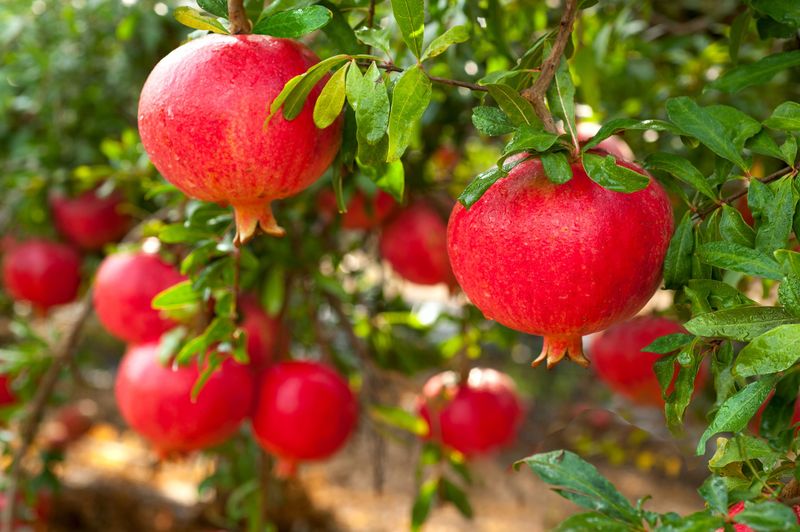
Pomegranates are one of the most visually stunning fruits in the world. Their jewel-like red seeds and bold flavor have made them popular in everything from salads to health drinks.
But growing a pomegranate tree outdoors in Pennsylvania is a serious uphill battle that most gardeners will find frustrating.
Pomegranate trees thrive in hot, dry climates with long summers. They are native to regions like Iran and the Mediterranean, where summers are intense and winters are relatively mild.
Pennsylvania’s climate sits on the opposite end of that spectrum, with cold, snowy winters and a level of humidity that pomegranate trees simply are not built to handle well.
Winter temperatures in Pennsylvania are a major obstacle. Pomegranate trees can tolerate light frost, but prolonged exposure to freezing temperatures causes significant damage.
In most parts of Pennsylvania, winter cold is severe enough to harm or completely destroy an outdoor pomegranate tree without heavy protection measures in place.
Even if a pomegranate tree manages to survive the winter, the summer growing season in Pennsylvania is often not long or hot enough for the fruit to ripen properly. Pomegranates need a long stretch of warm, dry weather to develop their full flavor and deep red color.
Pennsylvania’s cooler nights and shorter summers work against that process. Container growing is an option some gardeners explore, bringing the tree indoors during winter.
However, pomegranate trees can grow quite large and need full sun, making this approach challenging in most Pennsylvania homes. Choosing a climate-appropriate fruit tree will save you a lot of effort in the long run.
7. Sweet Cherry
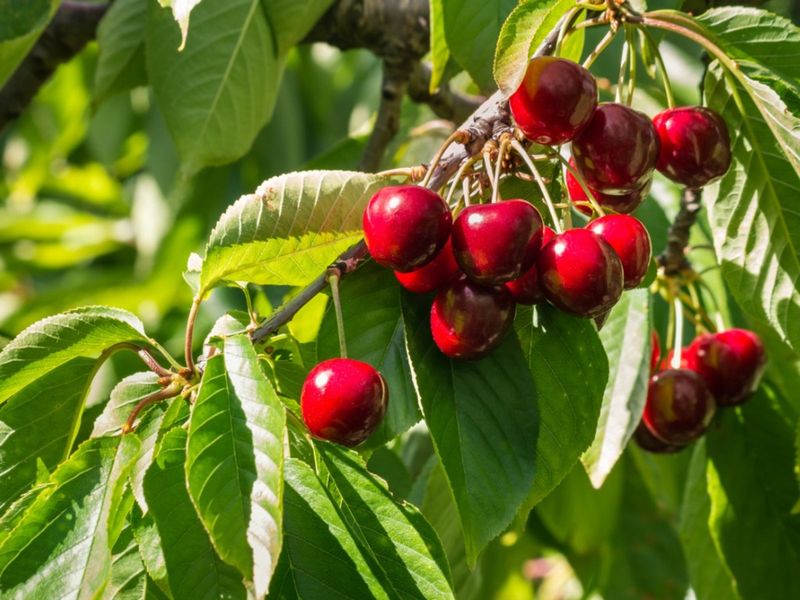
Sweet cherries are one of summer’s greatest pleasures. Plump, dark, and bursting with sweetness, they are the kind of fruit that disappears fast at any picnic or farmers market.
But growing sweet cherry trees successfully in Pennsylvania is a challenge that has stumped many well-intentioned gardeners over the years.
Here is the tricky part: tart cherries actually do reasonably well in Pennsylvania. Sweet cherries, however, are a different story.
They need a more temperate climate with milder winters and, most critically, a spring season that does not throw surprise frosts at them after the tree has already started to bloom.
Sweet cherry trees bloom early in the spring. That early bloom is both their greatest feature and their biggest weakness in Pennsylvania.
The state is well known for unpredictable spring weather, where warm days in March or April can quickly give way to freezing temperatures overnight. When that happens, the blossoms are damaged and the fruit crop is lost for that entire season.
Pennsylvania’s late spring frosts are particularly damaging to sweet cherry blossoms. Unlike tart cherries, which tend to be a bit more resilient to cold snaps, sweet cherries are quite sensitive during the bloom period.
One hard frost at the wrong moment can eliminate an entire year’s harvest from a tree that otherwise looks perfectly healthy.
Growers in warmer, more sheltered microclimates within Pennsylvania occasionally have success with sweet cherries, but it is far from guaranteed.
For most Pennsylvania gardeners, tart cherry varieties are a much more reliable and rewarding choice for consistent fruit production year after year.