13 Fruit Trees That Are Not Worth Growing In Mississippi
Growing fruit trees in Mississippi can be rewarding, but choosing the wrong varieties will lead to frustration and wasted effort quickly.
Mississippi’s humid subtropical climate supports many fruits, but certain trees simply cannot adapt to the state’s hot summers and mild winters.
Understanding which fruit trees struggle here helps gardeners make smarter choices and invest their time in trees that will actually thrive.
This guide highlights thirteen fruit trees that consistently disappoint Mississippi gardeners, saving you money, space, and years of disappointing harvests.
1. Apricot Trees
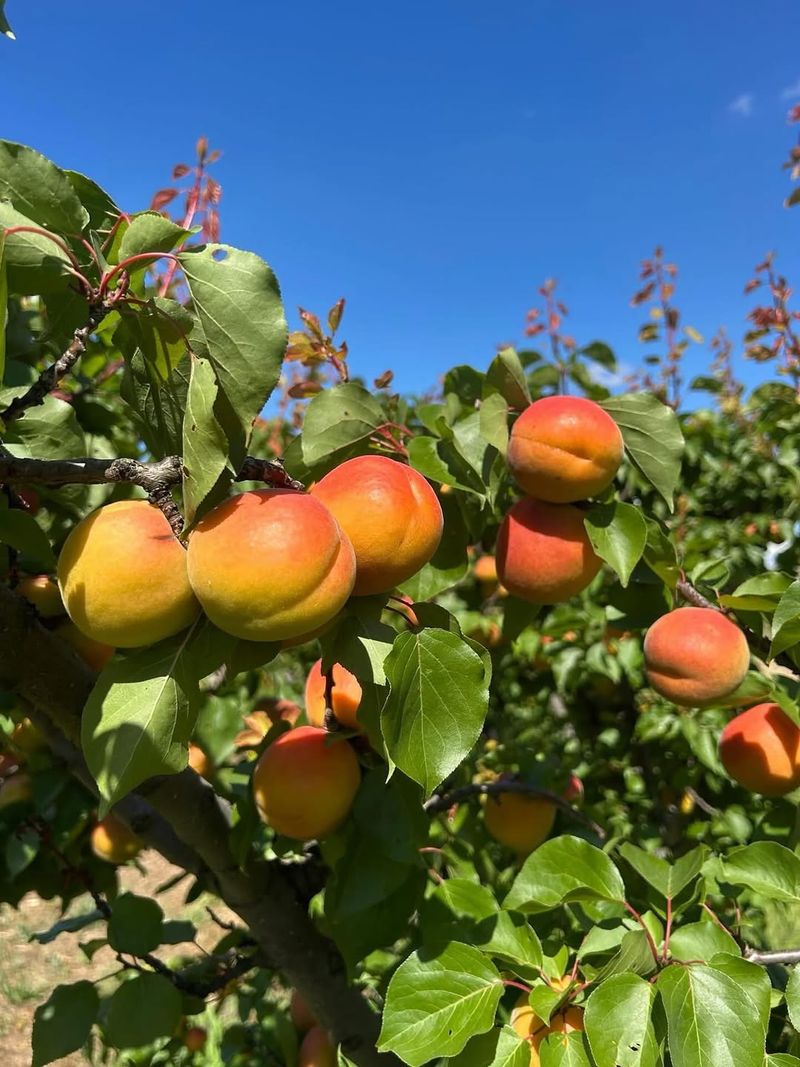
Apricot trees bloom incredibly early each spring, which sounds lovely until you realize Mississippi’s unpredictable late frosts destroy those delicate blossoms almost annually.
Once frost damages the flowers, your entire apricot crop disappears before fruit even begins forming on the branches throughout the season.
Beyond frost issues, apricots need a specific number of chilling hours during winter that Mississippi simply cannot provide consistently across most regions.
Without adequate cold exposure, these trees produce fewer flowers and develop weak growth patterns that leave them vulnerable to common diseases.
Bacterial canker and brown rot thrive in Mississippi’s humid conditions, attacking apricot trees far more aggressively than they would in drier climates.
Managing these diseases requires constant vigilance and chemical treatments that become expensive and time-consuming for home gardeners seeking simple fruit production.
Even when conditions align perfectly, apricots rarely produce abundant harvests here, making them a poor investment compared to peaches or plums adapted locally.
Your gardening efforts deserve better returns than apricot trees can realistically offer in Mississippi’s challenging growing environment for this particular fruit species.
2. Sweet Cherry Trees
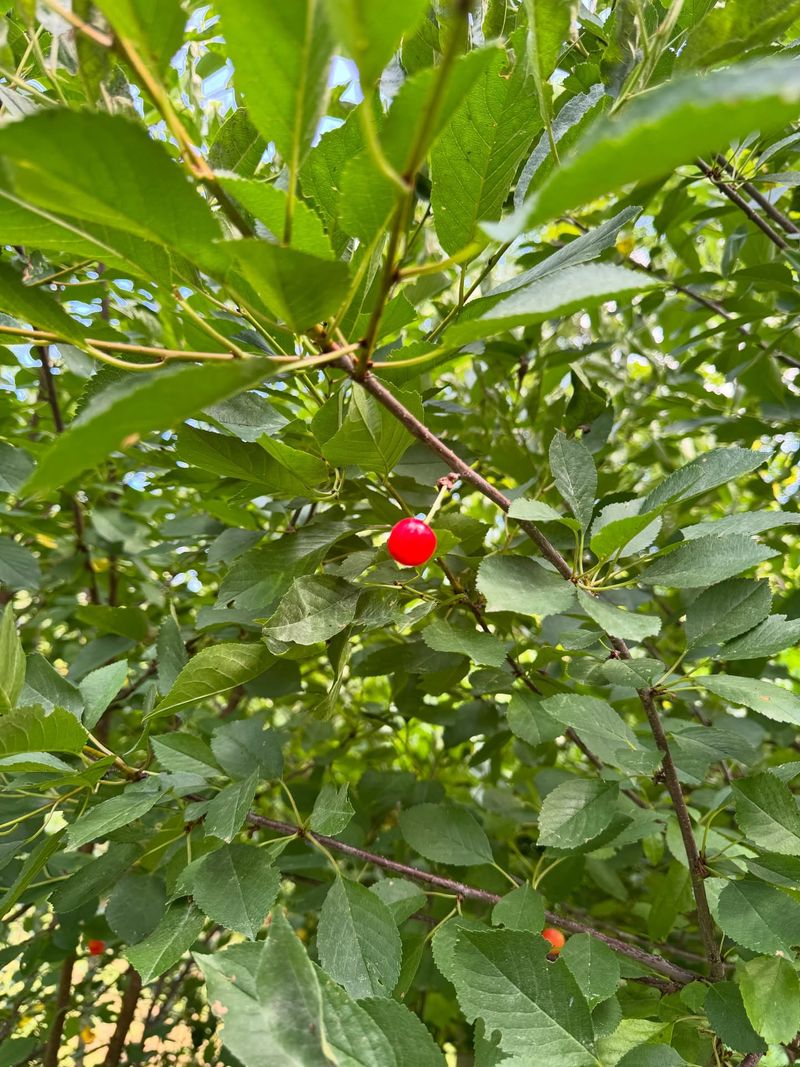
Sweet cherries demand very specific climate conditions that Mississippi’s weather patterns simply cannot match, leaving gardeners with disappointing results year after year consistently.
These trees require long, cold winters with substantial chilling hours to properly set fruit, something Mississippi’s mild winters rarely provide adequately enough.
Without sufficient winter cold, sweet cherry trees produce sparse blooms and even fewer cherries, frustrating gardeners who expect bountiful harvests from their efforts.
High humidity throughout Mississippi’s growing season creates perfect conditions for fungal diseases that ravage sweet cherry trees with relentless efficiency and speed.
Cherry leaf spot, powdery mildew, and brown rot become nearly impossible to control without intensive chemical spray schedules that most home gardeners cannot maintain.
Birds also adore sweet cherries and will strip your tree bare within days of ripening, requiring extensive netting that becomes cumbersome and costly.
Pollination presents another challenge since sweet cherries need compatible varieties planted nearby, doubling your investment for minimal potential reward in this climate.
Considering all these obstacles together, sweet cherry trees represent one of the poorest choices for Mississippi fruit growers seeking reliable, manageable production.
3. Tart Cherry Trees
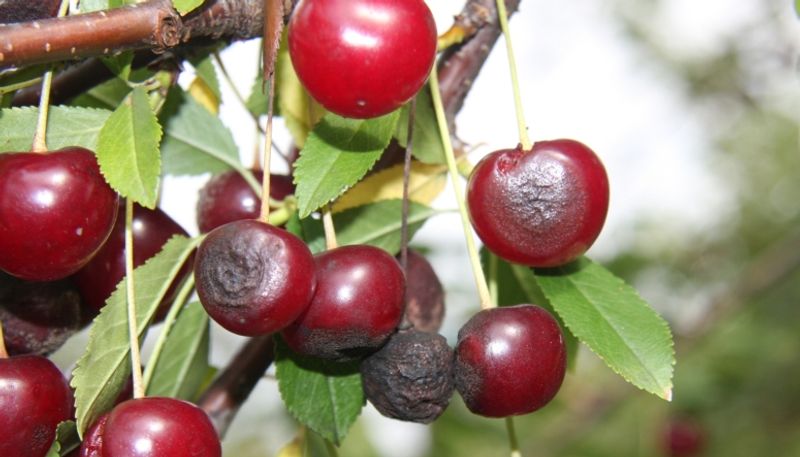
While tart cherries tolerate heat better than their sweet cousins, they still require more winter chill than Mississippi typically offers across most growing zones.
Inadequate chilling hours result in poor fruit set and weak tree vigor, leaving you with sparse harvests that hardly justify the space these trees occupy.
Mississippi’s intense summer heat combined with high humidity stresses tart cherry trees, making them susceptible to various bacterial and fungal infections throughout the season.
Leaf spot diseases spread rapidly in humid conditions, defoliating trees by midsummer and weakening them for subsequent years of potential growth and production.
Root rot becomes a serious concern in Mississippi’s heavy clay soils, especially during the rainy spring months when waterlogged conditions persist for extended periods.
Tart cherry trees prefer well-drained, slightly acidic soils that are difficult to maintain in many Mississippi locations without significant soil amendments and drainage improvements.
Even when trees survive and produce some fruit, the yields remain disappointingly small compared to the care and maintenance these temperamental trees demand constantly.
Better alternatives exist for Mississippi gardeners seeking reliable fruit production without the constant battle against climate and disease challenges that tart cherries present.
4. Peach Trees (High-Chill Varieties)
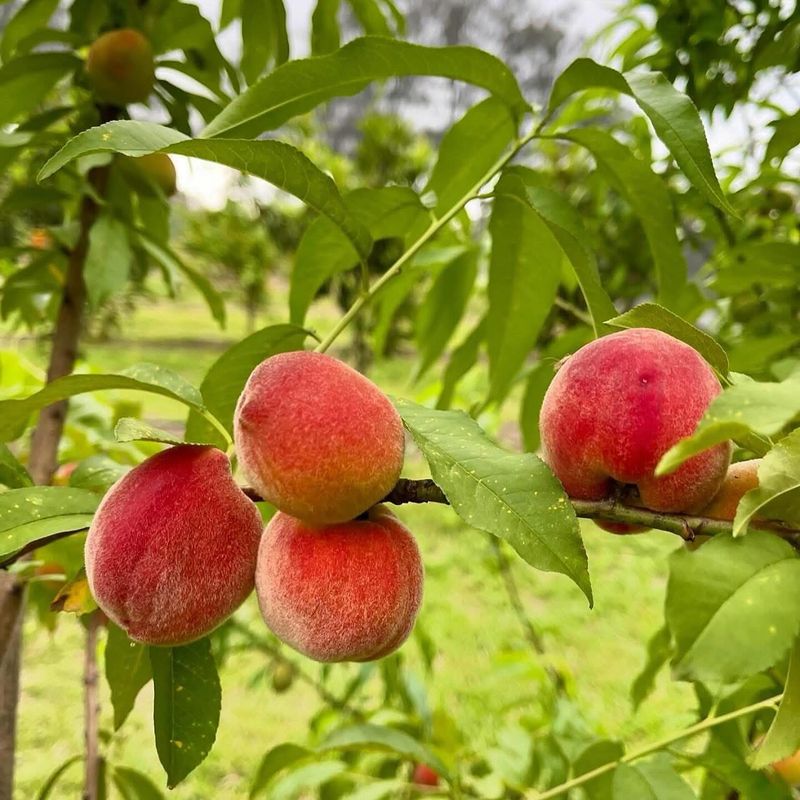
Peaches generally thrive in Mississippi, but high-chill varieties require significantly more winter cold than this region provides, resulting in frustrating crop failures annually.
High-chill peach cultivars need 800 or more chilling hours, while Mississippi typically accumulates only 400 to 700 hours depending on your location.
Without meeting their chilling requirements, these peach trees produce erratic blooms, delayed leaf emergence, and dramatically reduced fruit set that disappoints eager gardeners.
The scattered blooming pattern also extends the flowering period, increasing vulnerability to late spring frosts that can wipe out your entire potential harvest.
Investing in low-chill peach varieties specifically bred for southern climates eliminates these problems entirely, making high-chill selections an unnecessary gamble for Mississippi growers.
Cultivars like ‘Floridaking,’ ‘Gulfcrimson,’ and ‘Gulfprince’ perform beautifully here, while northern varieties like ‘Redhaven’ and ‘Elberta’ consistently underperform despite their popularity.
Why struggle with incompatible genetics when perfectly adapted alternatives exist that will reward your efforts with abundant, delicious peaches every single summer season?
Choosing appropriate low-chill peach varieties represents smart gardening, while planting high-chill types sets you up for disappointment and wasted years waiting for harvests.
5. Pear Trees (European Varieties)
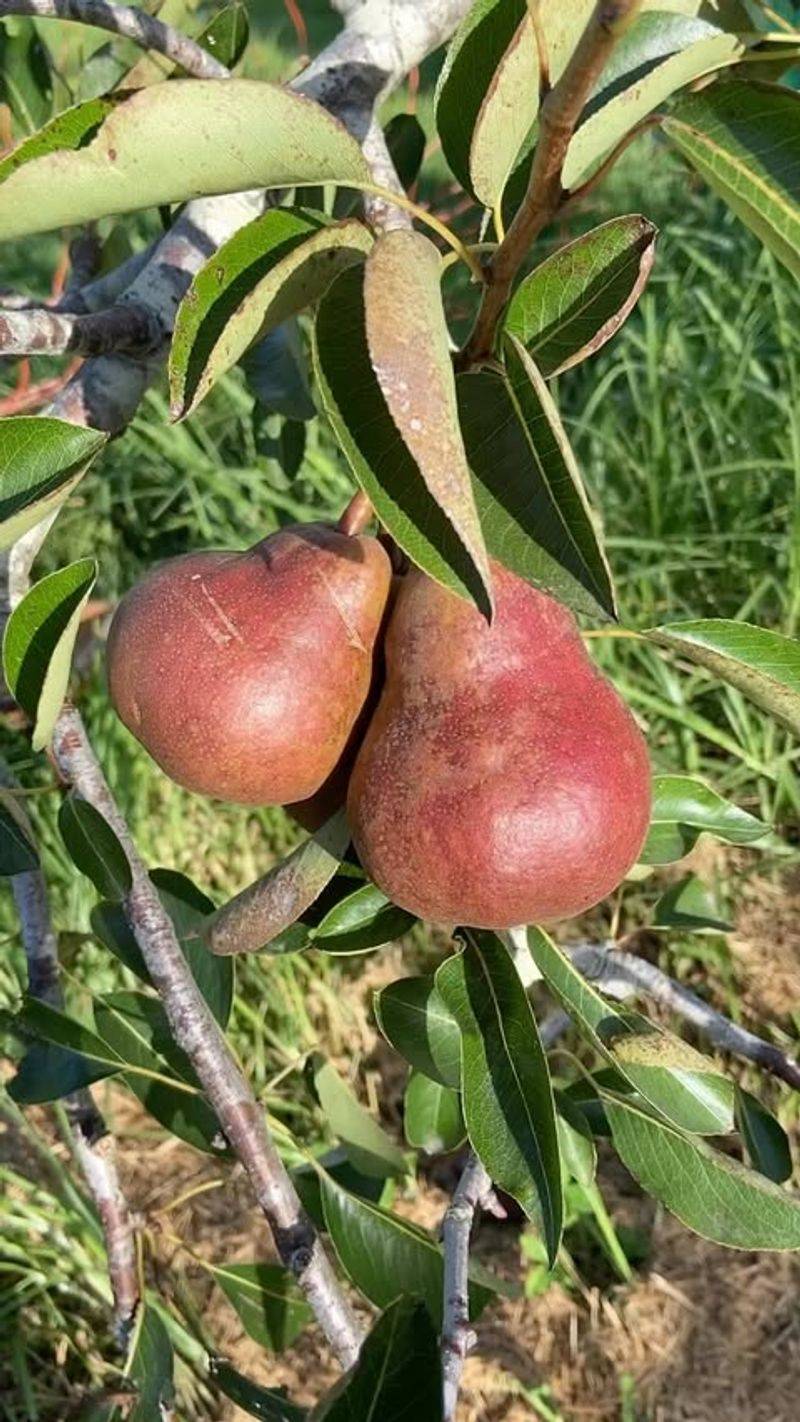
European pear varieties like ‘Bartlett’ and ‘Bosc’ suffer tremendously from fire blight, a devastating bacterial disease that spreads rapidly in Mississippi’s warm, humid springs.
Fire blight causes branches to blacken and curl as if scorched by flames, often destroying entire trees within a single growing season without warning.
Mississippi’s spring weather creates ideal conditions for this disease, with warm temperatures and frequent rain showers allowing bacteria to spread through blossoms and wounds.
Once established, fire blight proves extremely difficult to control, requiring aggressive pruning of infected branches and repeated antibiotic sprays during critical bloom periods.
European pears also need substantial winter chilling that Mississippi’s mild climate cannot reliably provide, leading to poor fruit set even when trees survive.
Asian pear varieties demonstrate much better disease resistance and adapt more successfully to southern growing conditions, making them superior choices for Mississippi gardeners.
The combination of disease susceptibility and inadequate chilling makes European pears a frustrating investment that rarely pays off with satisfactory harvests or healthy trees.
Gardeners seeking reliable pear production should focus exclusively on disease-resistant Asian varieties or hybrid selections specifically developed for challenging southern climates like Mississippi’s.
6. Apple Trees (High-Chill Varieties)
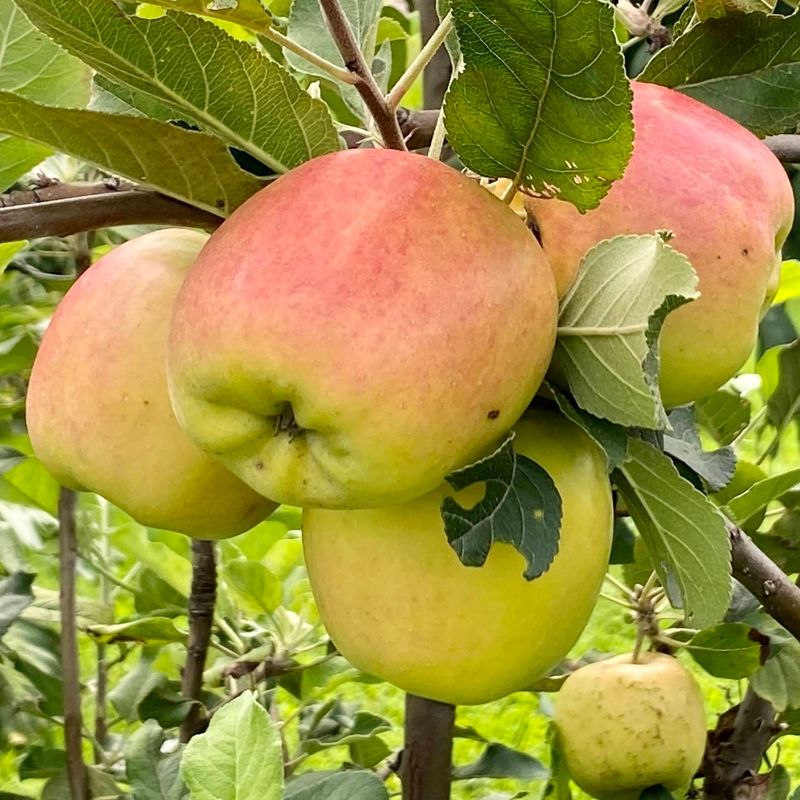
Popular apple varieties from northern regions require extensive winter chilling that Mississippi’s mild temperatures simply cannot deliver consistently across any growing season or location.
Cultivars like ‘Honeycrisp,’ ‘Granny Smith,’ and ‘Fuji’ need 800 to 1,000 chilling hours, far exceeding what Mississippi winters typically provide in most areas.
Without adequate cold exposure, these apple trees exhibit delayed and irregular blooming, poor leaf development, and minimal fruit production that frustrates hopeful gardeners.
The few apples that do develop often remain small, poorly colored, and lack the crisp texture and flavor that made these varieties famous.
Mississippi gardeners achieve far better results with low-chill apple varieties specifically bred for southern climates, such as ‘Anna,’ ‘Dorsett Golden,’ and ‘Ein Shemer.’
These adapted cultivars require only 200 to 400 chilling hours and consistently produce excellent crops in Mississippi’s climate without the disappointment of northern varieties.
Disease pressure also intensifies on stressed high-chill trees that cannot properly harden off for winter, making them more vulnerable to common apple ailments.
Choosing climate-appropriate apple varieties ensures success, while planting high-chill types guarantees years of poor performance and wasted garden space in Mississippi conditions.
7. Plum Trees (European Varieties)
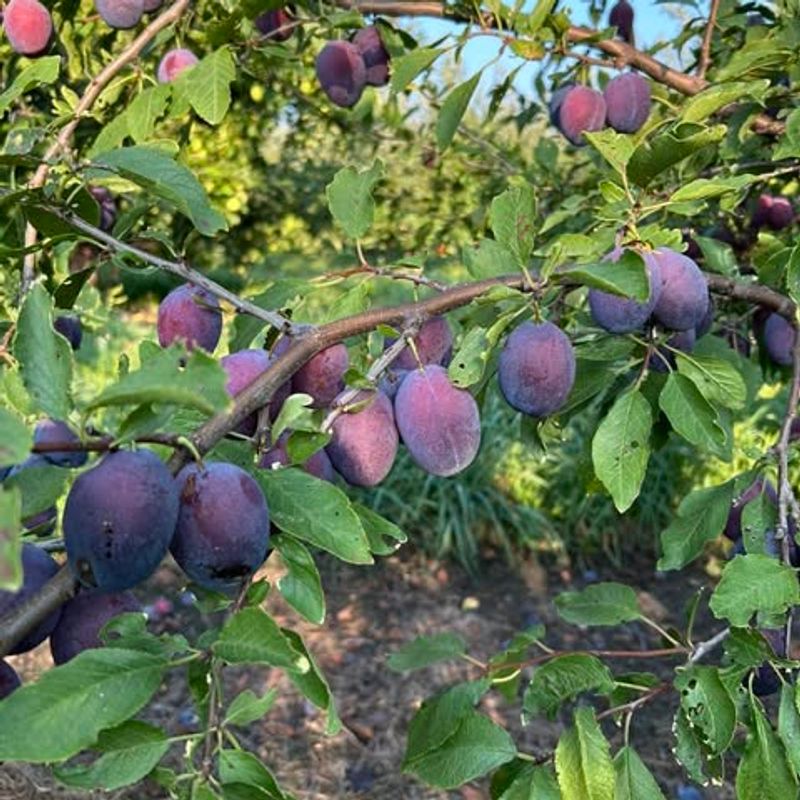
European plum varieties struggle significantly in Mississippi’s climate due to their high chilling requirements and extreme susceptibility to humidity-related diseases that flourish here.
These plums need extended cold periods during winter dormancy that Mississippi rarely provides, resulting in poor bloom quality and sparse fruit set annually.
Brown rot becomes a major headache with European plums, as Mississippi’s humid springs and summers create perfect conditions for this fungal disease to spread.
Infected fruits develop fuzzy brown spots that rapidly expand, destroying entire crops just as they approach ripeness and leaving gardeners with nothing to harvest.
Black knot fungus also targets European plums aggressively, forming ugly black growths on branches that weaken trees and reduce productivity over successive seasons.
Japanese plum varieties adapted for southern climates perform dramatically better here, offering disease resistance and lower chilling requirements that match Mississippi’s growing conditions.
Cultivars like ‘Methley,’ ‘Morris,’ and ‘AU-Rubrum’ consistently produce abundant crops without the constant disease battles that European varieties demand from frustrated home growers.
Switching to adapted Japanese plums transforms plum growing from a frustrating struggle into an enjoyable, productive experience that rewards your gardening efforts appropriately.
8. Nectarine Trees
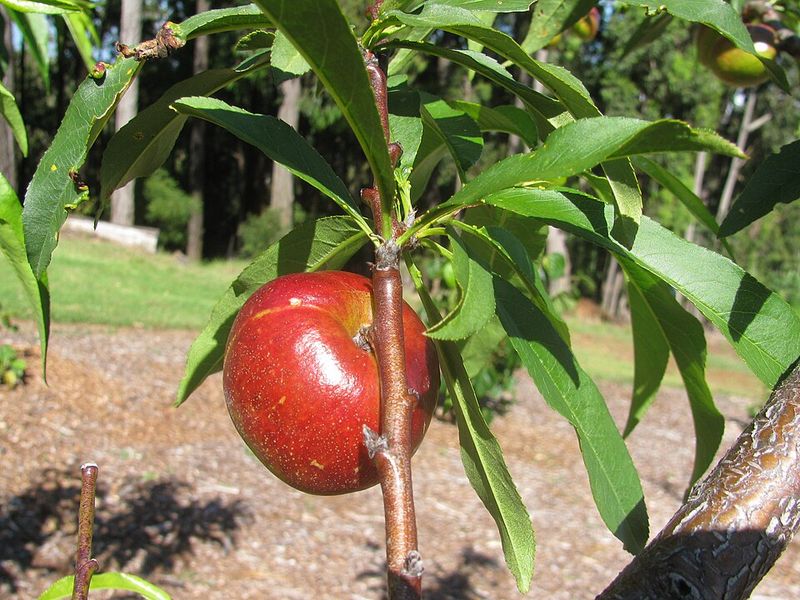
Nectarines are essentially fuzzless peaches, but their smooth skin makes them far more vulnerable to diseases and pests that thrive in Mississippi’s humid climate.
Without the protective fuzz that covers peaches, nectarine skin provides less defense against brown rot, which spreads explosively during Mississippi’s wet spring weather.
Brown rot infections cause fruits to rot rapidly on the tree, often destroying your entire crop within days once the disease establishes itself firmly.
Curculio beetles also prefer nectarines over peaches, laying eggs inside developing fruits and creating wormy, inedible harvests that disgust gardeners and waste their efforts.
Managing these pest and disease pressures requires intensive spray schedules with multiple fungicides and insecticides throughout the growing season, becoming expensive and labor-intensive.
Even with aggressive management, nectarine success rates remain disappointingly low in Mississippi compared to traditional fuzzy peaches that naturally resist these same challenges.
The smooth skin that makes nectarines appealing also makes them impractical for Mississippi home orchards where humidity and pest pressure remain constant threats.
Gardeners seeking stone fruit should stick with well-adapted peach varieties that offer similar flavor with significantly better disease resistance and reliability in southern conditions.
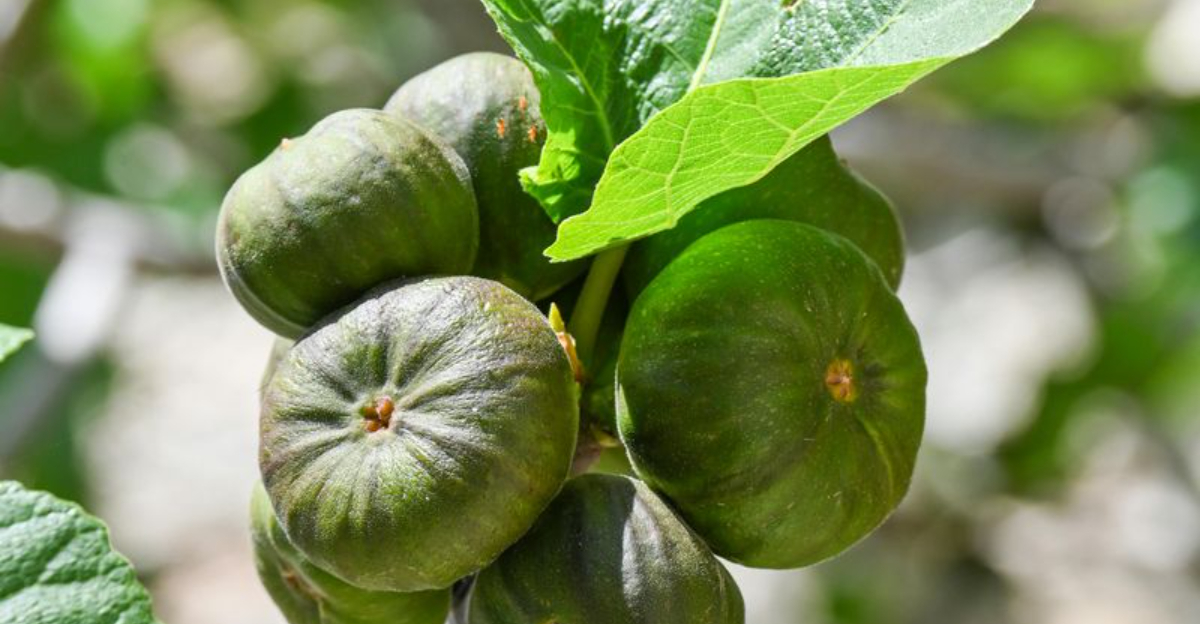
9. Fig Trees (Cold-Sensitive Varieties)
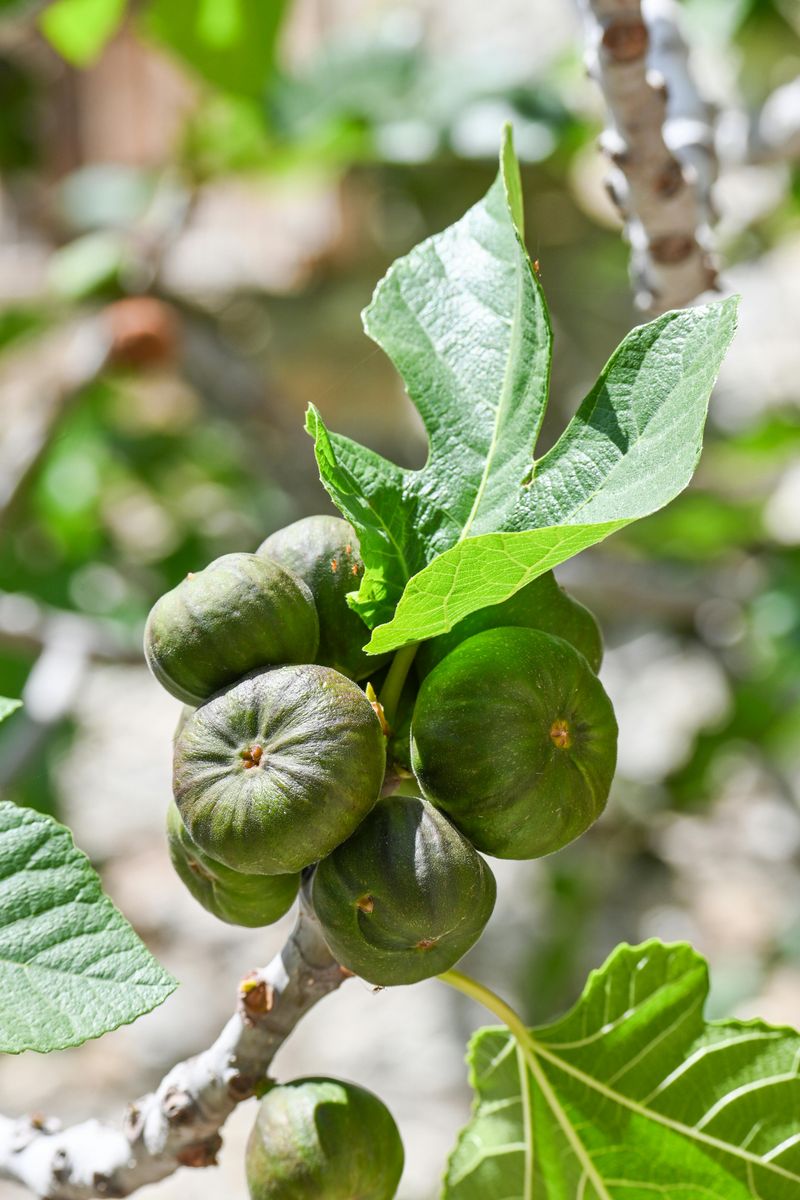
Figs generally perform well in Mississippi, but cold-sensitive varieties from Mediterranean regions cannot tolerate occasional hard freezes that occur in northern Mississippi counties.
Varieties like ‘Black Mission’ and ‘Kadota’ suffer severe damage when temperatures drop below 15 degrees Fahrenheit, which happens periodically during harsh winters.
Freeze damage destroys branches and sometimes the entire above-ground portion of the tree, forcing it to regrow from roots and delaying fruit production.
This cycle of freeze damage and regrowth means you rarely get consistent crops from cold-sensitive fig varieties in Mississippi’s more northern growing zones.
Hardy fig cultivars like ‘Celeste,’ ‘Brown Turkey,’ and ‘LSU Purple’ tolerate Mississippi winters far better, reliably producing abundant crops without winter damage concerns.
These adapted varieties have been grown successfully across Mississippi for generations, proving their reliability and suitability for local climate conditions and temperature fluctuations.
Why risk planting cold-sensitive figs when proven hardy alternatives exist that will consistently reward you with delicious fruit every summer without winter worries?
Choosing climate-appropriate fig varieties ensures years of reliable production, while cold-sensitive types set you up for disappointment and constant replanting after harsh winters.
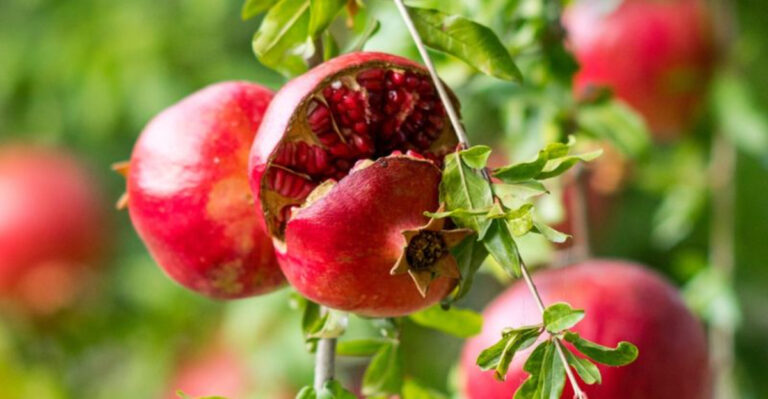
10. Pomegranate Trees
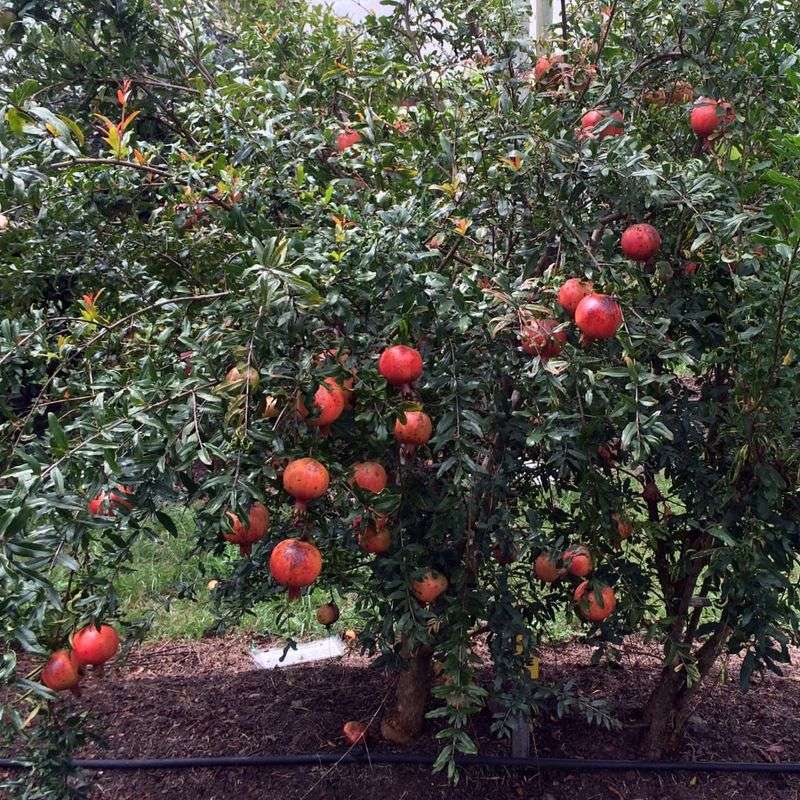
Pomegranates prefer hot, dry climates with low humidity, making Mississippi’s humid subtropical environment fundamentally incompatible with their growth requirements and fruit development.
Excessive humidity during fruit ripening causes pomegranates to split prematurely, exposing the arils to mold and insect damage that ruins the harvest completely.
Fungal diseases thrive on pomegranate trees in Mississippi’s moist conditions, attacking leaves, branches, and fruits with persistent infections that weaken trees progressively.
Northern Mississippi occasionally experiences winter temperatures cold enough to damage or destroy pomegranate trees, which are only marginally cold-hardy in this region.
Even in southern Mississippi where winters are milder, pomegranates struggle with the region’s humidity and frequent rainfall that contradicts their desert-adapted nature entirely.
The fruits that do develop often lack the intense flavor and vibrant color that pomegranates achieve in their ideal arid growing environments out west.
Pollination can also be problematic since Mississippi’s humid conditions affect flower viability and reduce successful fruit set compared to drier climates where pomegranates flourish.
Gardeners seeking unique fruits should explore better-adapted options like muscadines, mayhaws, or persimmons that naturally thrive in Mississippi’s climate without constant struggles against nature.
11. Avocado Trees
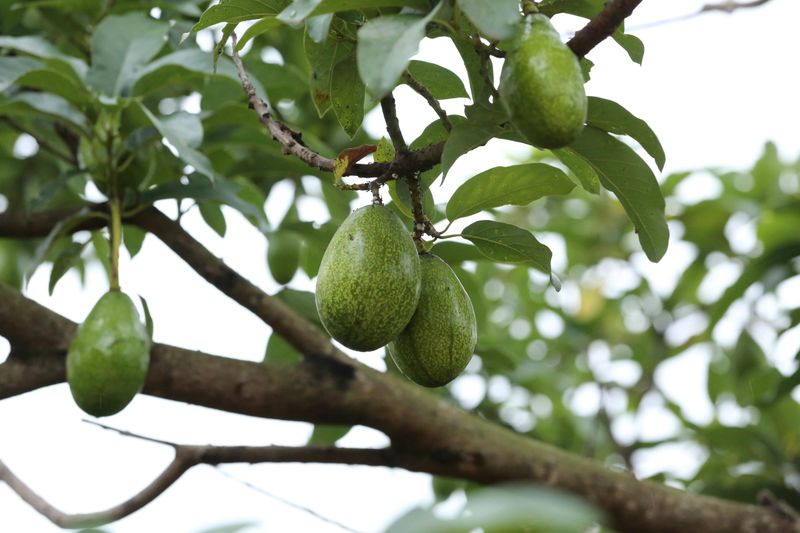
Avocado trees are tropical plants that cannot survive Mississippi winters, even in the southernmost counties where temperatures occasionally drop below their cold tolerance limits.
Most avocado varieties suffer severe damage when temperatures fall below 30 degrees Fahrenheit, and hard freezes destroy these trees completely without exception.
Even cold-hardy Mexican avocado varieties that tolerate brief light freezes cannot withstand the prolonged cold periods that Mississippi experiences during typical winter months.
Attempting to grow avocados outdoors in Mississippi means losing your tree during the first significant cold snap, wasting years of growth and investment.
Container growing allows moving trees indoors during winter, but avocados become extremely large, making this approach impractical for most home gardeners with limited space.
Mississippi’s humidity also promotes root rot in avocados, which prefer well-drained soils and drier conditions that are difficult to maintain here consistently.
The combination of inadequate winter warmth and excessive humidity makes Mississippi fundamentally unsuitable for avocado cultivation, regardless of variety or growing method attempted.
Gardeners dreaming of homegrown avocados should realistically accept that Mississippi’s climate simply cannot support these tropical trees outdoors successfully under any normal circumstances.
12. Olive Trees
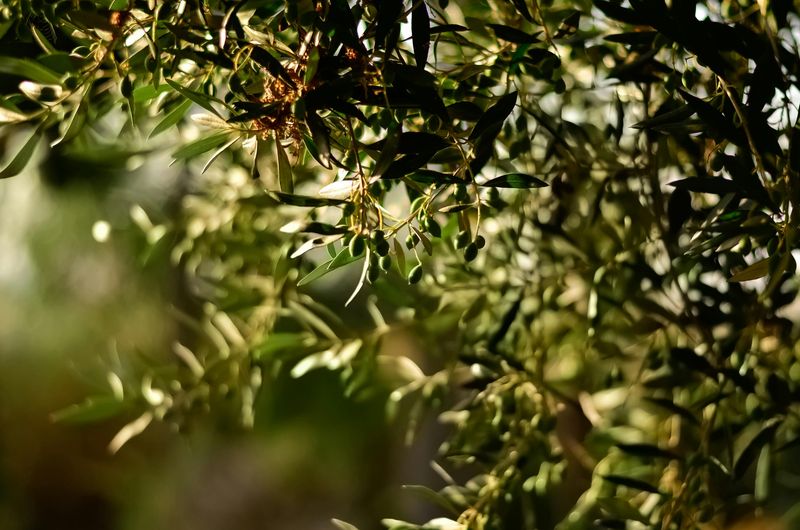
Olive trees evolved in Mediterranean climates with hot, dry summers and cool, wet winters—conditions opposite to Mississippi’s humid subtropical weather patterns throughout the year.
Mississippi’s summer humidity creates ideal conditions for fungal diseases that attack olive trees relentlessly, causing leaf spot, fruit rot, and branch withering issues.
Peacock spot and olive knot disease become nearly impossible to control in Mississippi’s moist environment, progressively weakening trees and reducing their productivity over time.
Olives require specific winter chilling but cannot tolerate the occasional hard freezes that occur in Mississippi, creating a narrow temperature window that’s rarely achieved.
Fruit production requires dry conditions during ripening, but Mississippi’s frequent summer rains cause olives to split, rot, or develop poorly with inferior oil content.
Even if trees survive and produce some olives, the humid conditions affect fruit quality, preventing the development of proper flavor profiles that characterize good olives.
Curing olives also becomes problematic in humid climates where mold develops easily during the fermentation process required to make them edible and palatable.
Mississippi gardeners should abandon dreams of backyard olive groves and focus on fruit trees naturally adapted to southern humidity and rainfall patterns instead.
13. Persimmon Trees (Non-Native Varieties)
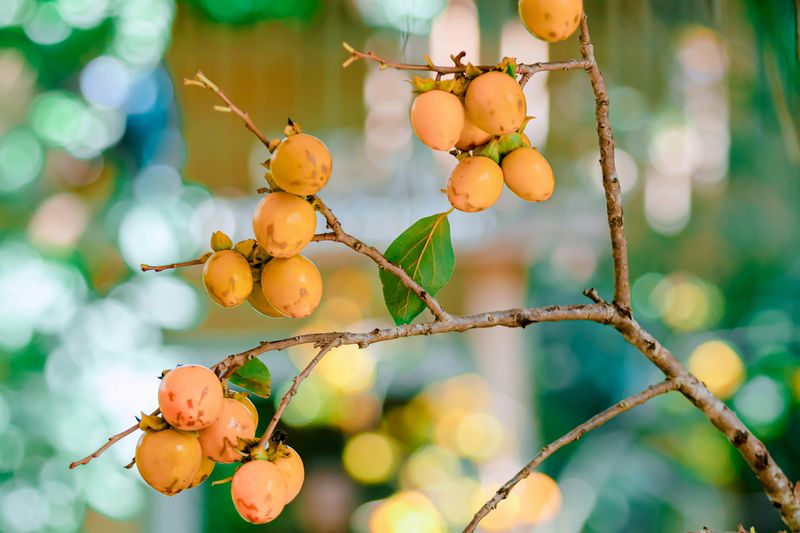
Native American persimmons thrive throughout Mississippi, but many non-native Asian varieties struggle with the region’s climate and soil conditions despite their larger fruit.
Asian persimmon cultivars often lack sufficient cold hardiness for northern Mississippi, suffering winter damage during occasional severe freezes that occur every few years.
Many popular Asian varieties also require specific pollinators that may not survive Mississippi winters, complicating fruit production and reducing harvest reliability for home growers.
Non-native persimmons frequently exhibit poor adaptation to Mississippi’s heavy clay soils, developing root problems that stunt growth and reduce tree vigor over time.
Disease susceptibility increases in Asian varieties that lack the natural resistance native persimmons developed over millennia of adaptation to southeastern growing conditions and pests.
Fruit quality can also disappoint when non-native persimmons experience Mississippi’s variable fall weather, with improper ripening or premature fruit drop reducing your anticipated harvest.
Native persimmon varieties consistently outperform exotic types in Mississippi, offering reliable crops of delicious fruit without the complications that non-native selections introduce unnecessarily.
Gardeners wanting persimmons should choose native cultivars or well-tested Asian hybrids specifically proven successful in Mississippi rather than experimenting with untested exotic varieties.