8 Fruit Trees That Can Produce For Over A Century In Michigan Backyards
Fruit trees have a way of turning Michigan backyards into living legacies, and some of them are built to last longer than most people expect.
These are not quick win plants that fade after a few seasons.
They are slow and steady growers that can produce fruit for generations, outlasting fences, sheds, and even the people who first planted them.
Michigan’s climate plays a big role in this long game.
Cold winters help keep pests in check, while warm summers give trees the growing time they need to settle in and thrive.
When planted in the right spot and cared for early on, certain fruit trees dig in their heels and keep producing year after year.
Over time, they become part of the landscape, offering shade, beauty, and dependable harvests that feel almost timeless.
There is something special about picking fruit from a tree that has been doing its job for decades.
It feels like money in the bank and history rolled into one.
These trees reward patience, paying dividends long after the planting shovel is put away.
For Michigan homeowners who think long term, choosing fruit trees with staying power means creating a backyard that feeds families not just today, but far into the future.
1. Apple Trees
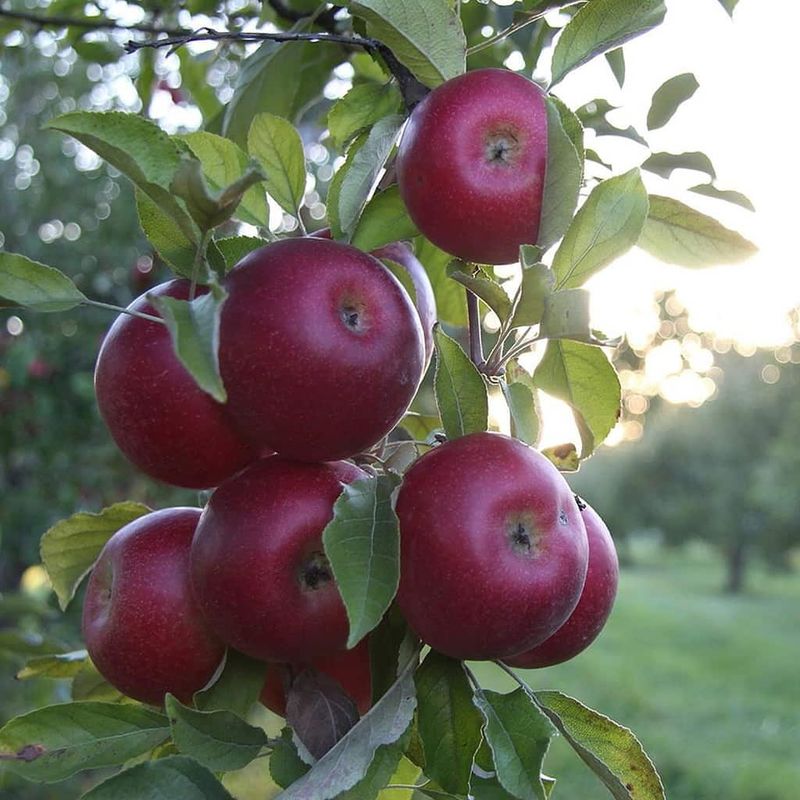
Orchards across Michigan have apple trees that were planted by great-grandparents still bearing fruit today, proving these classics can easily surpass the century mark.
Varieties like Northern Spy, Baldwin, and Wealthy were specifically developed to handle Michigan’s climate and have demonstrated incredible staying power.
Many historic Michigan farms feature apple trees planted in the 1800s that continue producing impressive crops each autumn.
Apple trees thrive throughout Michigan because they require the cold dormancy period that winters provide.
The chilling hours help trigger proper spring flowering and fruit set.
Most standard-sized apple trees begin producing within five to eight years and hit their peak production between ages twenty and fifty, but they keep going strong for many decades beyond that point.
Proper care extends an apple tree’s productive lifespan considerably in Michigan backyards.
Annual pruning removes dry wood and encourages new growth that bears the best fruit.
Adequate spacing allows air circulation that prevents fungal diseases common in humid climates.
Michigan’s naturally acidic soil suits apples perfectly, though occasional lime applications help maintain ideal pH levels.
Standard rootstock apple trees grow quite large, often reaching heights of twenty-five to thirty feet with similar spreads.
This substantial size contributes to their longevity since larger root systems access more nutrients and water.
Homeowners with smaller yards can choose semi-dwarf varieties that still live for many decades while requiring less space than their full-sized cousins.
2. Pear Trees
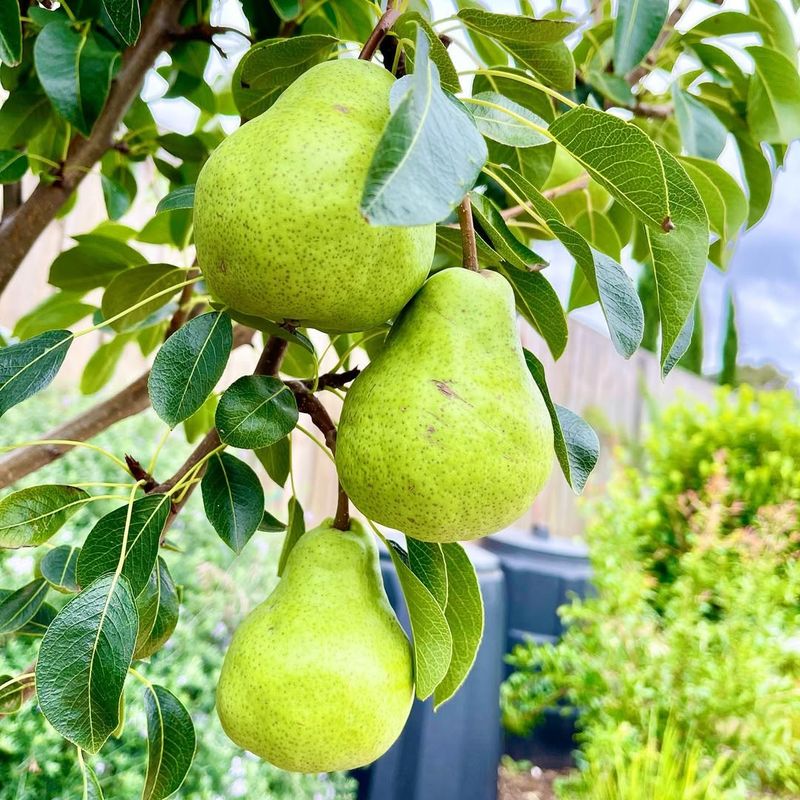
Few fruit trees match the remarkable endurance of pear trees, which commonly produce for one hundred fifty years or more when given proper conditions.
European pear varieties particularly excel in Michigan, where the climate mirrors their ancestral growing regions.
Historic accounts document pear trees planted by early Michigan settlers in the 1830s that remained productive well into the 1980s, demonstrating their exceptional longevity potential.
Bartlett, Bosc, and Anjou pears all perform wonderfully throughout Michigan’s diverse growing zones.
These trees need cold winter temperatures to break dormancy properly, making them perfectly suited to the state’s seasonal patterns.
Pear trees typically begin bearing fruit within four to six years after planting and continue increasing production for several decades before stabilizing at mature output levels.
Michigan gardeners appreciate pears because they resist many common diseases better than other fruit trees.
Fire blight poses the main threat, but selecting resistant varieties and avoiding excessive nitrogen fertilization minimizes this risk.
Proper pruning techniques that promote good air flow through the canopy help prevent bacterial and fungal problems that could shorten a tree’s productive life.
Standard pear trees develop strong upright growth habits reaching twenty to thirty feet tall.
Their deep root systems anchor them against Michigan’s occasional severe storms while accessing groundwater during dry spells.
This robust structure contributes significantly to their ability to thrive for over a century in backyard settings across the state.
3. Cherry Trees
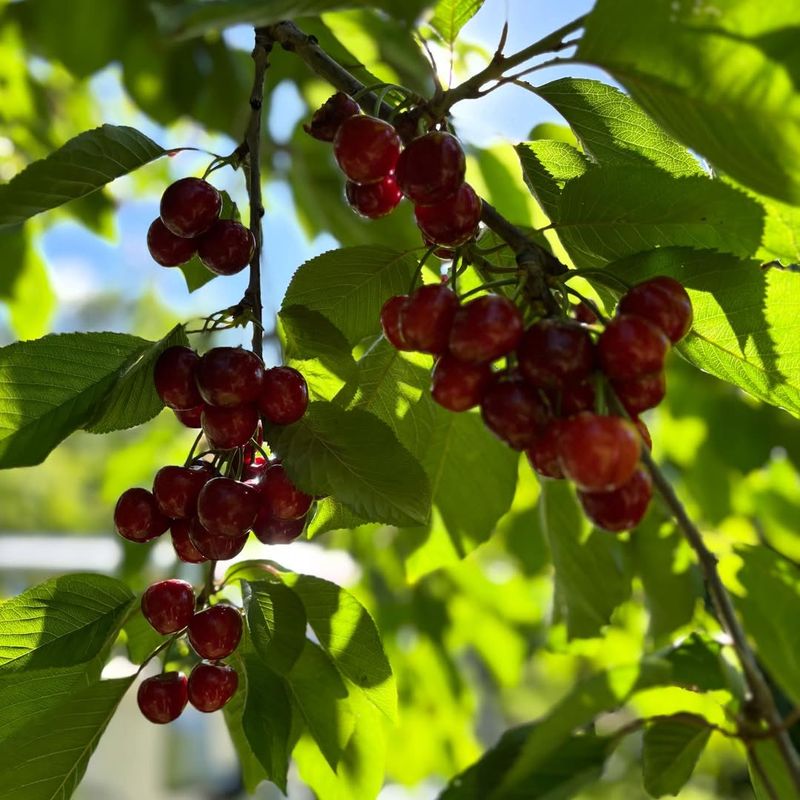
Michigan’s reputation as a premier cherry-growing region stems partly from how exceptionally well these trees perform in the state’s climate.
Sweet cherry varieties like Bing and Rainier can live and produce for over one hundred years when planted in favorable locations.
Sour cherries, including the famous Montmorency that dominates Michigan orchards, also demonstrate impressive longevity that frequently exceeds a century.
Cherry trees require significant winter chilling to set fruit properly, which Michigan winters provide in abundance.
The state’s proximity to the Great Lakes creates microclimates that moderate temperature extremes, protecting cherry blossoms from late spring frosts that could damage crops.
This combination of cold winters and moderated springs creates ideal conditions for long-term cherry production.
Both sweet and sour cherries begin bearing fruit relatively quickly, usually within three to five years after planting.
Production increases annually as trees mature, with peak yields occurring between fifteen and forty years of age.
However, well-maintained cherry trees continue producing quality fruit for many decades beyond their peak years, making them excellent long-term investments for Michigan homeowners.
Standard cherry trees grow quite substantial, reaching twenty-five to thirty-five feet in height depending on variety.
Their spreading canopies provide beautiful spring blossoms that attract pollinators throughout Michigan neighborhoods.
Regular pruning maintains tree health and productivity while keeping fruit within reachable heights, ensuring that homeowners can continue harvesting cherries even as their trees age past the century mark.
4. Plum Trees
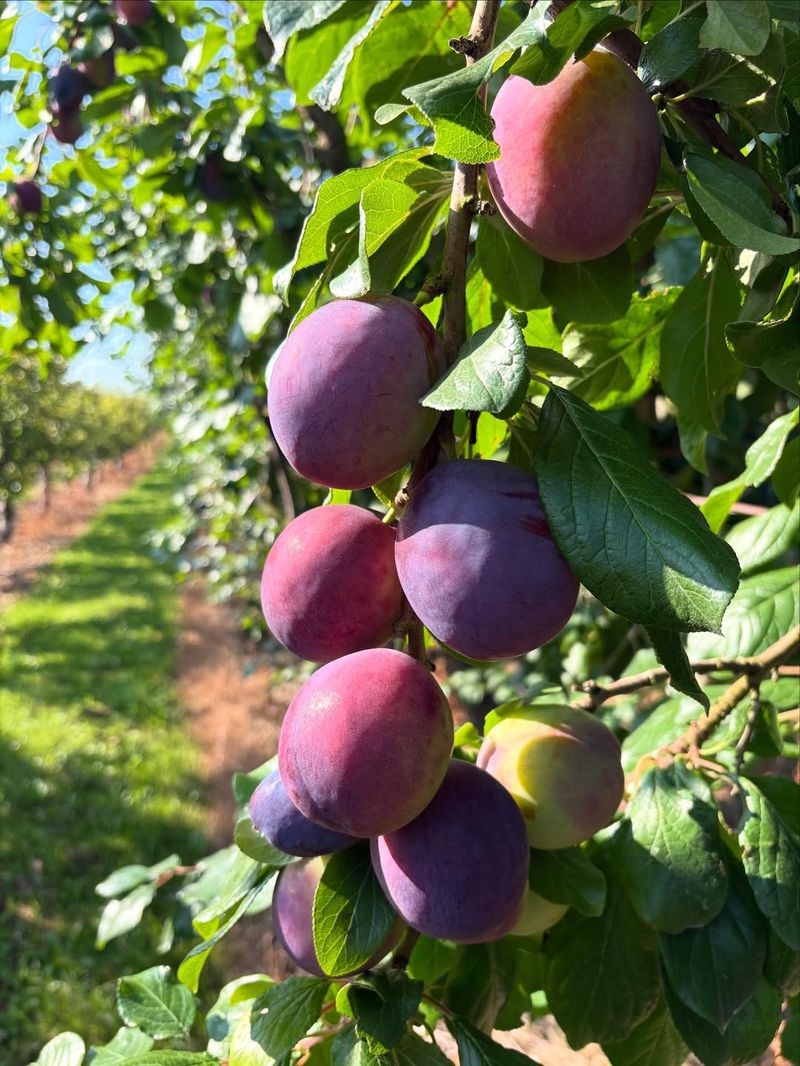
European plum varieties bring exceptional longevity to Michigan landscapes, frequently producing fruit for one hundred twenty years or more.
Damson, Italian, and Stanley plums all thrive in Michigan’s climate and develop into sturdy trees that withstand harsh winters year after year.
Japanese plum varieties also perform well but typically have slightly shorter productive lifespans, though many still exceed seventy-five years of reliable fruiting.
Plum trees adapt remarkably well to Michigan’s varied soil types, from sandy loams in the western regions to heavier clay soils found elsewhere.
They tolerate a wider pH range than many fruit trees, though they prefer slightly acidic conditions.
This adaptability contributes to their longevity since they can thrive in diverse backyard conditions across the state without requiring extensive soil amendments.
Most plum trees begin producing within three to five years after planting and reach full production capacity by age ten to fifteen.
Michigan homeowners value plums because they require less maintenance than some other fruit trees while still delivering abundant harvests.
Pruning needs remain moderate, and disease resistance is generally good, especially among European varieties that evolved in similar climates.
Standard plum trees typically reach heights of fifteen to twenty feet with rounded canopies that spread similarly wide.
Their manageable size makes them excellent choices for average-sized Michigan backyards where space might limit options for larger fruit trees.
Despite their moderate dimensions, plums develop extensive root systems that support their century-plus productive lifespans in home gardens throughout the state.
5. Peach Trees
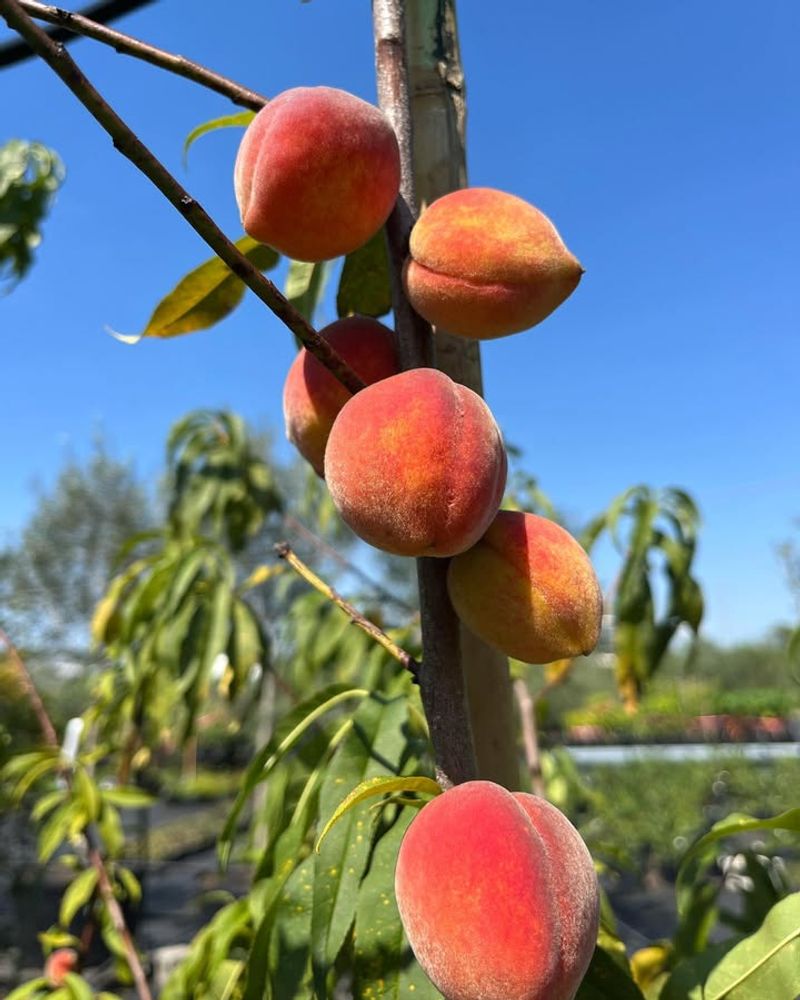
While peach trees have shorter average lifespans than apples or pears, exceptional specimens in protected Michigan locations can produce for over one hundred years.
The key lies in selecting cold-hardy varieties and planting in microclimates that minimize winter damage to sensitive buds.
Southern Michigan counties offer the best conditions, though determined northern gardeners have succeeded with careful variety selection and strategic placement.
Varieties like Redhaven and Contender were bred specifically for cold tolerance and perform best across Michigan.
These cultivars withstand the temperature fluctuations that damage less hardy peach varieties.
Planting on slopes where cold air drains away or near buildings that provide wind protection significantly improves survival and longevity in Michigan’s challenging climate.
Peach trees begin producing remarkably quickly, often yielding fruit within two to four years after planting.
They reach peak production earlier than most fruit trees, typically around eight to twelve years of age.
Although individual peach trees may decline after twenty or thirty years, those planted in ideal Michigan locations with excellent care can continue producing quality fruit for many decades beyond typical expectations.
Standard peach trees grow fifteen to twenty-five feet tall with spreading canopies that benefit from annual pruning.
Michigan growers must stay vigilant against peach leaf curl and other diseases that thrive in humid conditions.
Proper sanitation, including removing fallen leaves and fruit, helps prevent problems that could shorten a tree’s productive life in backyard settings throughout the state.
6. Apricot Trees
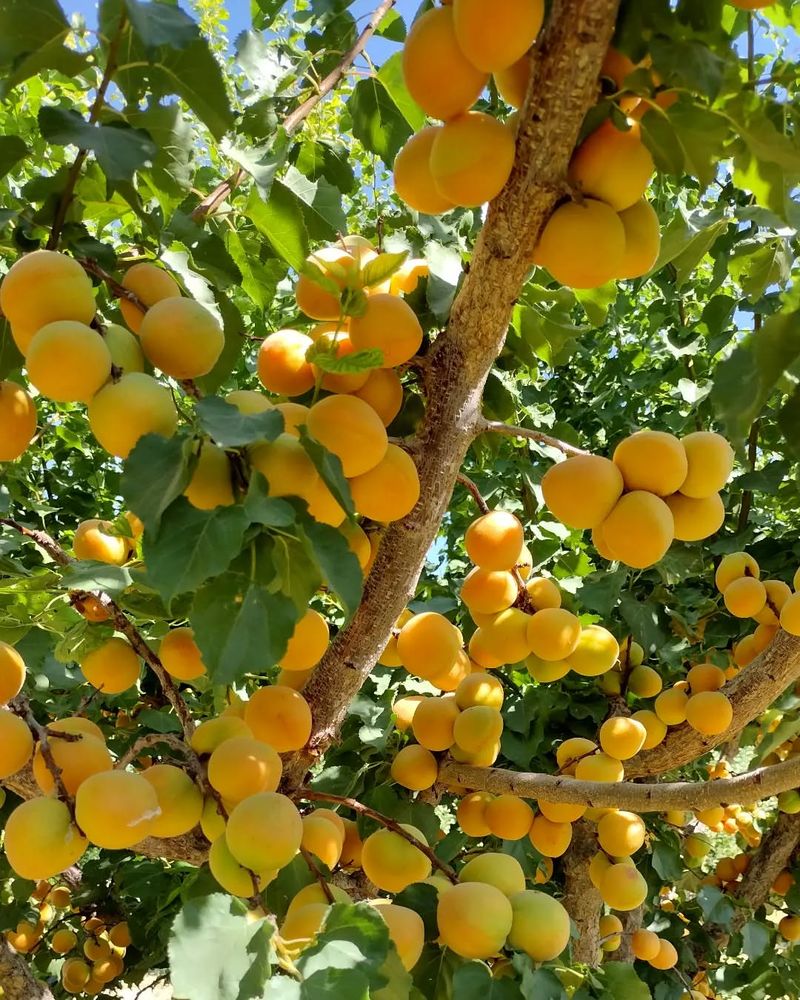
Apricot trees represent a more adventurous choice for Michigan gardeners, but hardy varieties can live and produce for well over one hundred years in favorable locations.
The challenge lies in protecting early spring blossoms from frost damage, since apricots bloom before most other fruit trees.
Planting on north-facing slopes delays blooming slightly, reducing frost risk and improving long-term production success in Michigan climates.
Varieties like Harcot, Harlayne, and Veecot were developed for cold hardiness and perform best across Michigan’s fruit-growing regions.
These cultivars tolerate winter temperatures well below zero while producing quality fruit during successful seasons.
Apricot trees planted near the moderating influence of the Great Lakes benefit from reduced temperature extremes that help protect vulnerable spring flowers.
Apricot trees typically begin bearing fruit within three to five years after planting and increase production as they mature.
Their relatively compact growth habits make them suitable for smaller Michigan backyards where space limitations might preclude larger fruit trees.
Standard apricots reach fifteen to twenty feet in height, though many gardeners choose semi-dwarf varieties that remain even more manageable while still offering decades of production.
Michigan apricot growers must monitor for brown rot and other fungal diseases that flourish in humid conditions.
Proper pruning that opens the canopy to air circulation helps minimize disease pressure.
Well-maintained apricot trees develop strong branch structures and extensive root systems that support productive lifespans extending far beyond what many gardeners expect, sometimes reaching or exceeding the century mark in protected backyard locations.
7. Mulberry Trees
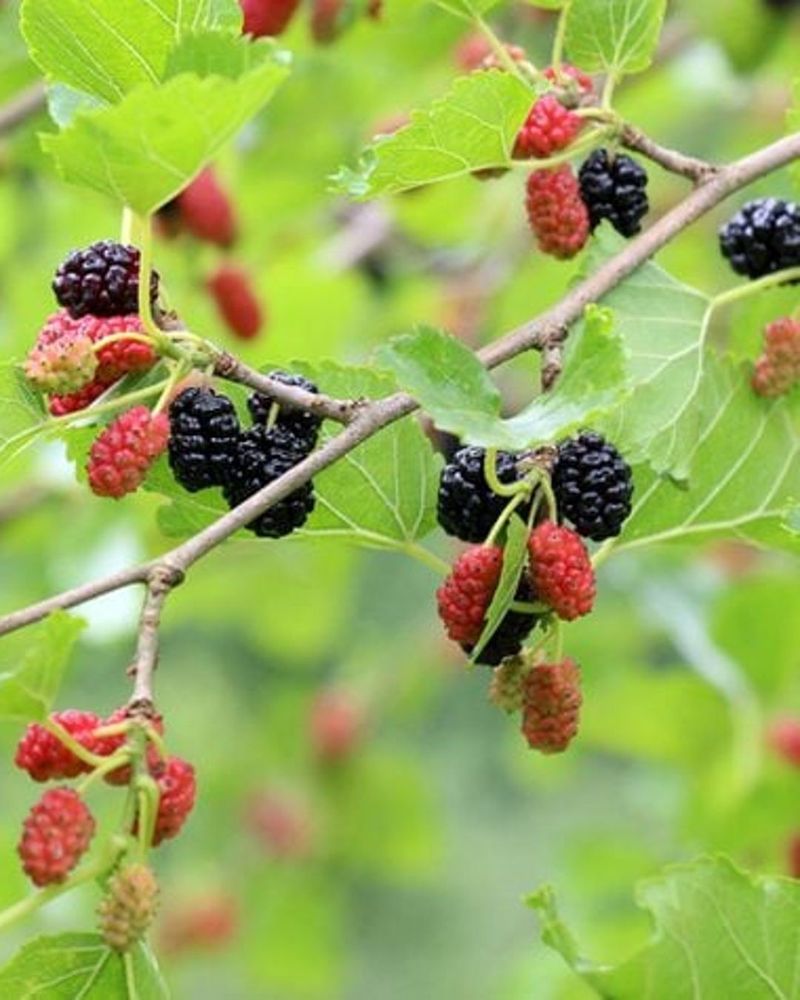
Mulberry trees rank among the most resilient fruit trees for Michigan, often living for two hundred years or more while producing abundant crops annually.
Both red and black mulberry varieties thrive throughout the state, tolerating everything from drought to flooding and from sandy soil to heavy clay.
This remarkable adaptability ensures that mulberries continue producing regardless of the variable conditions that Michigan weather delivers from year to year.
Native mulberry varieties particularly excel in Michigan landscapes since they evolved alongside the state’s climate patterns.
These trees require minimal maintenance once established and resist virtually all common diseases and pests.
Mulberries begin producing fruit within just two to three years after planting, reaching full production capacity quickly and maintaining high yields for decades without requiring the intensive care that other fruit trees demand.
Michigan homeowners appreciate mulberries for their continuous fruiting period that extends several weeks each summer.
The berries ripen gradually rather than all at once, providing fresh fruit for extended periods.
Wildlife also value mulberry trees, attracting songbirds that help control insect populations throughout yards.
This ecological benefit adds to the tree’s value beyond simple fruit production.
Standard mulberry trees grow quite large, commonly reaching thirty-five to fifty feet in height with wide spreading canopies.
Their substantial size means they need adequate space in Michigan backyards, but it also contributes to their exceptional longevity.
Massive root systems anchor these trees against severe storms while accessing deep water reserves that sustain them through occasional dry periods common across the state.
8. Persimmon Trees
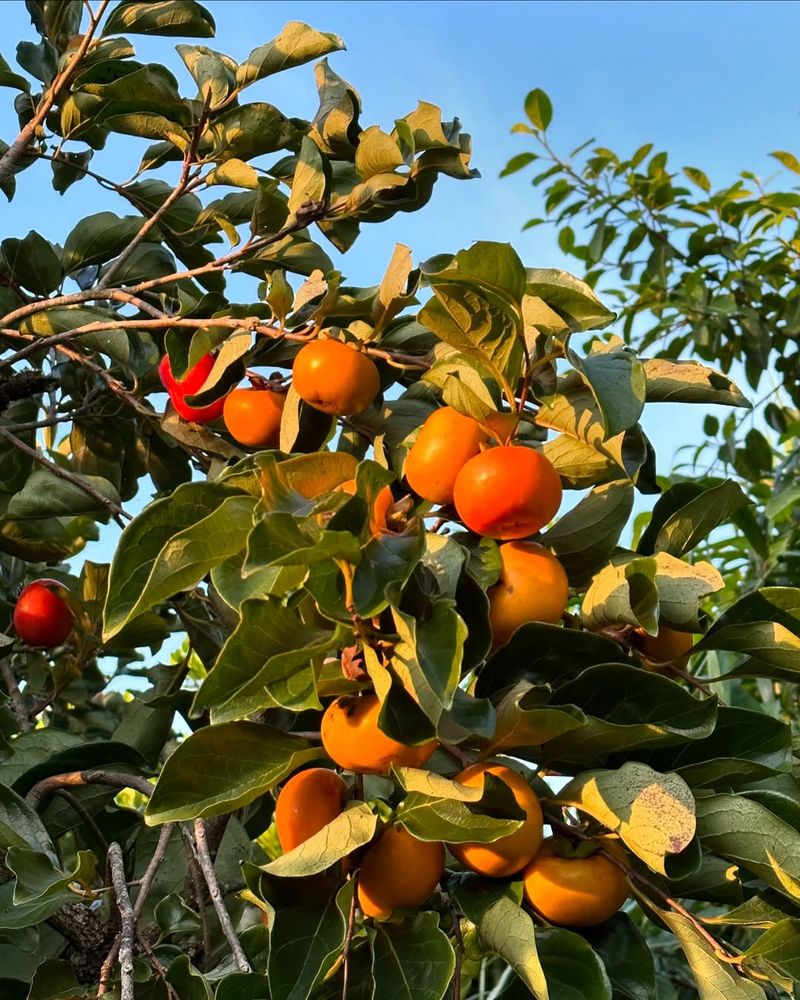
American persimmon trees offer Michigan gardeners an unusual fruit tree option that can easily produce for over one hundred fifty years.
While less common than apples or cherries, native persimmons thrive in southern Michigan regions where they develop into long-lived specimens.
These trees tolerate cold better than their Asian cousins and produce sweet fruit that ripens after the first frost, providing late-season harvests when other fruits have finished.
Persimmon trees adapt to various Michigan soil types, though they prefer well-drained locations with full sun exposure.
They develop deep taproots that make them extremely drought-tolerant once established, which also contributes to their exceptional longevity.
Young persimmon trees grow slowly but steadily, requiring patience from gardeners who may wait five to seven years before seeing their first fruits.
Michigan persimmons increase production gradually as trees mature, with peak yields occurring after twenty to thirty years.
However, these trees continue producing quality fruit for many decades beyond their prime years.
Their naturally disease-resistant nature means they require minimal spraying or intervention, making them low-maintenance additions to backyard landscapes throughout southern Michigan counties.
Standard American persimmon trees reach thirty to fifty feet tall with rounded canopies that provide excellent shade.
Their attractive bark develops interesting blocky patterns as trees age, adding ornamental value beyond fruit production.
Fall foliage turns brilliant orange and red before dropping, creating seasonal interest that makes persimmons worthwhile even before considering their century-plus productive potential in Michigan home gardens.