10 Fruit Trees That Can Produce Fruit For Over 100 Years In Georgia Backyards
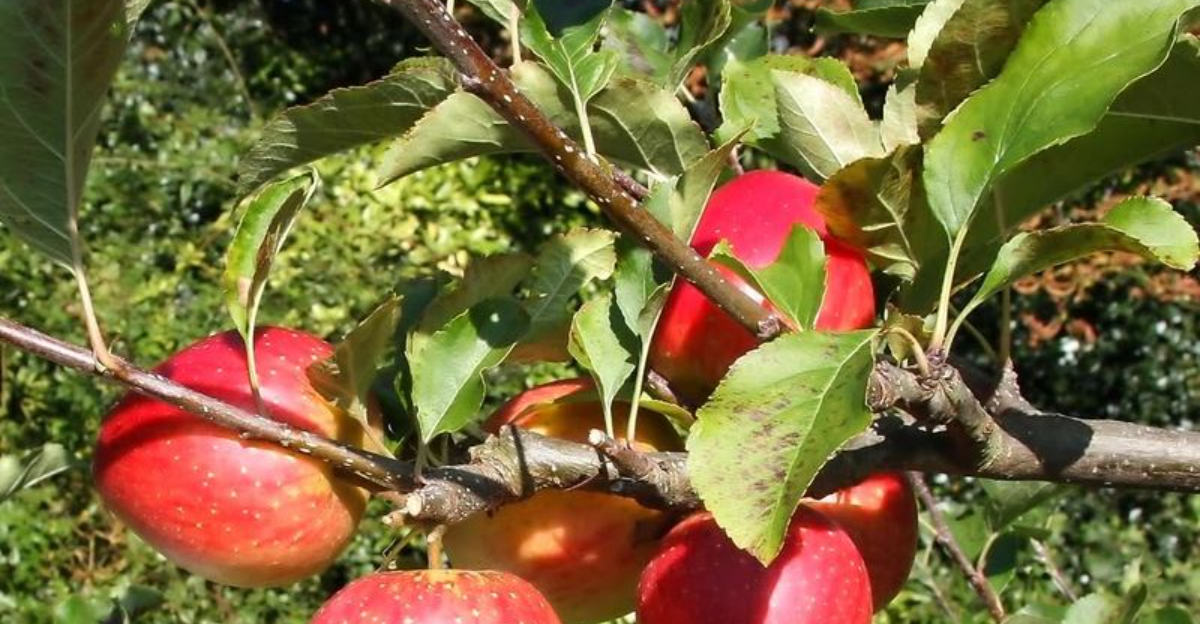
In Georgia, planting a fruit tree can be more than a seasonal decision—it can be a legacy.
Some fruit trees, when chosen wisely and cared for properly, can produce harvests for over a century.
These long-lived trees thrive in Georgia’s climate, offering shade, beauty, and dependable fruit year after year.
Unlike short-lived varieties that decline quickly, these trees develop deep root systems and resilient structures that allow them to weather droughts, storms, and changing conditions.
They often become landmarks, passed down through generations and woven into family history.
For Georgia homeowners, choosing a century-producing fruit tree is both practical and meaningful.
It’s an investment that grows in value, feeding not just today’s household but future ones as well.
In a fast-changing world, these trees stand as reminders that some of the best things are built to last.
1. Pecan (Carya Illinoinensis)
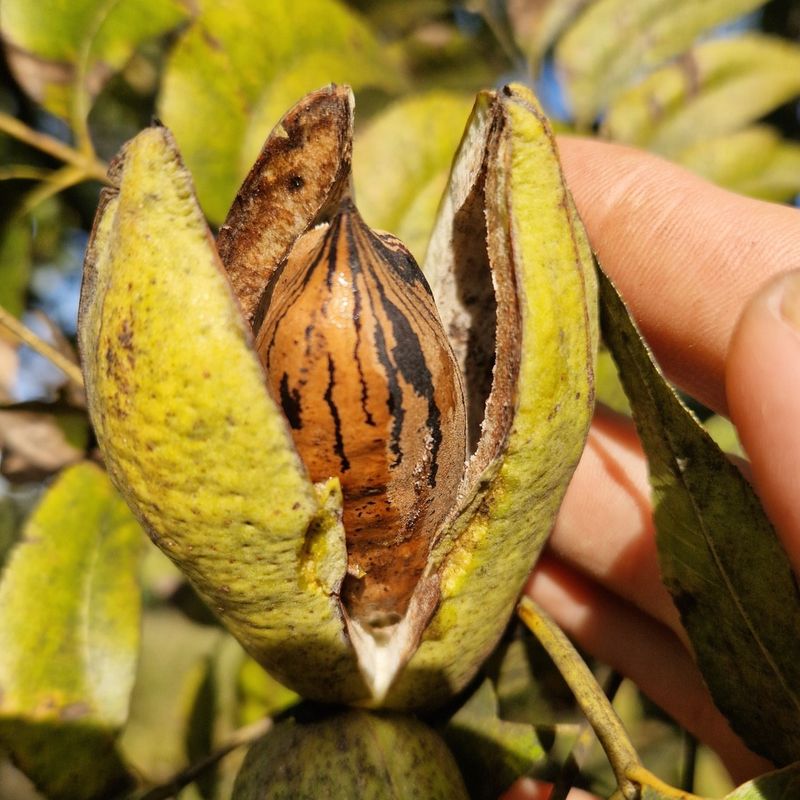
Pecan trees are true giants of the Georgia landscape, both in size and longevity.
These majestic natives can live and produce delicious nuts for 100 to 300 years, making them one of the most enduring fruit trees you can plant.
Georgia is famous for its pecans, and for good reason—the state’s climate and soil are perfect for these trees.
When you plant a pecan, you’re not just growing a tree; you’re planting a legacy.
Your children, grandchildren, and even great-great-grandchildren could enjoy the harvest from the same tree.
Pecan trees grow tall and wide, offering generous shade in the hot Georgia summers while rewarding you with pounds of nutritious nuts each fall.
They require full sun, deep soil, and plenty of space to spread their roots and branches.
Once established, pecans are relatively low-maintenance and can withstand droughts and storms.
Many historic pecan trees across Georgia still produce abundant crops after more than a century.
Their cultural and agricultural significance runs deep in Southern heritage, symbolizing resilience and abundance.
Planting a pecan tree is planting history, flavor, and future all at once.
2. Fig (Ficus Carica)
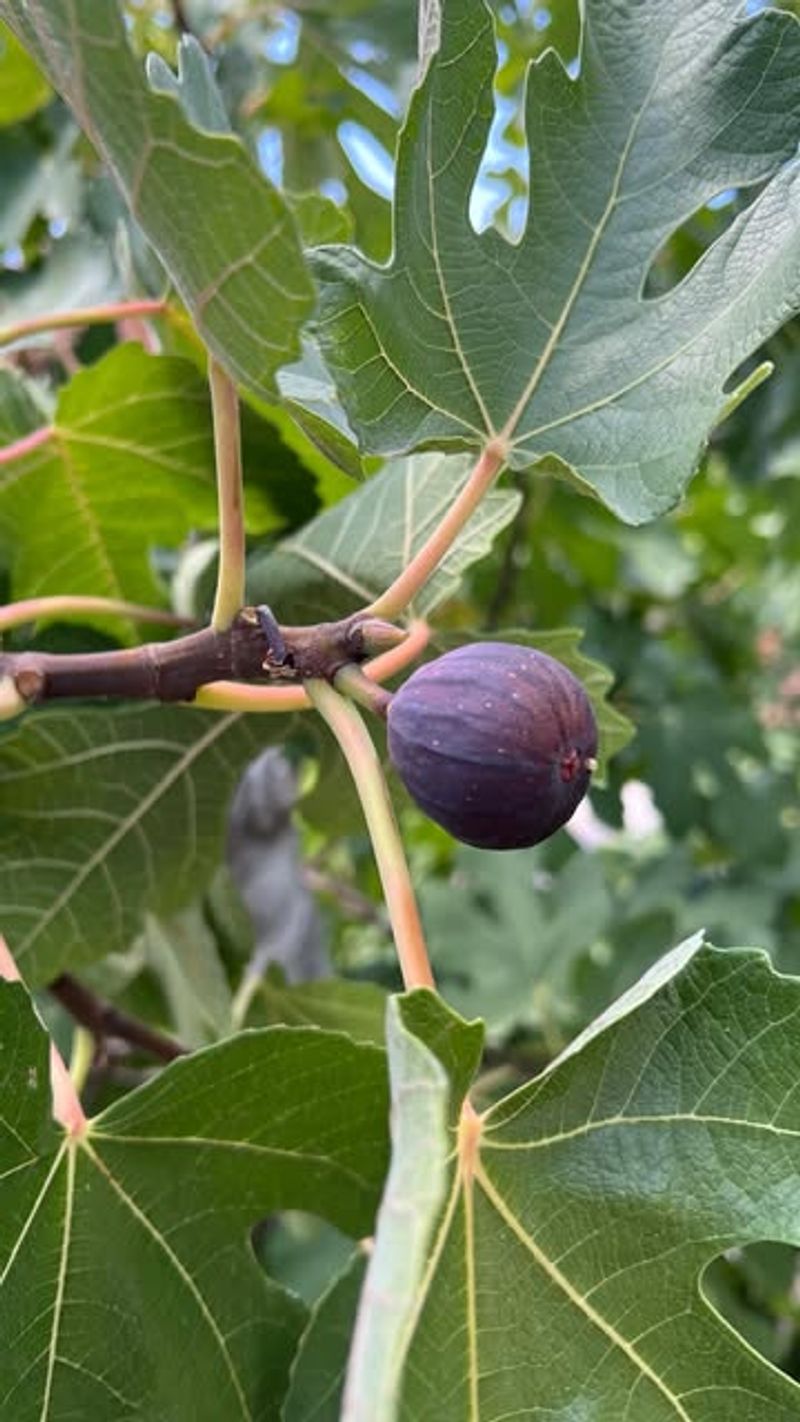
Few fruit trees capture the heart of Southern gardeners quite like the fig.
With proper care and the right variety, fig trees can live and produce sweet, succulent fruit for well over 100 years in Georgia.
Figs are remarkably adaptable and forgiving, thriving in a range of soils and requiring little fuss once established.
Hardy varieties such as Celeste and Brown Turkey are especially suited to Georgia’s climate and can bounce back even after harsh winters.
Protecting young trees from extreme cold and planting them in a sunny, sheltered spot will help them reach their full lifespan.
Figs produce two crops per year in favorable conditions—an early breba crop in late spring and a main crop in late summer.
Their gnarled, sculptural trunks and lush foliage add ornamental beauty to any backyard.
Many old homesteads across Georgia still have century-old fig trees that continue to bear fruit season after season.
Figs are also incredibly easy to propagate, so you can share cuttings with friends and family, spreading the legacy even further.
Whether eaten fresh, dried, or preserved, figs are a timeless treasure in the Georgia garden.
3. American Persimmon (Diospyros Virginiana)
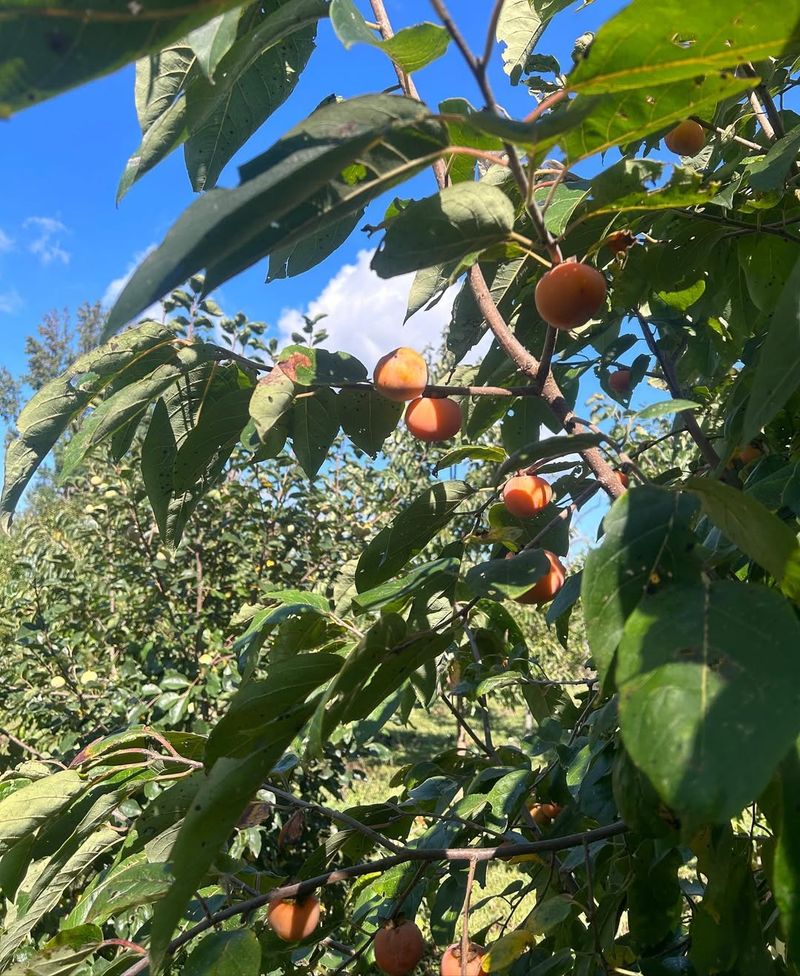
American persimmon trees are native to Georgia and have been thriving here for centuries without any help from humans.
These trees are exceptionally long-lived, often exceeding 100 years, and they ask for very little in return for their generous fruit.
Once established, American persimmons are drought-tolerant, pest-resistant, and incredibly hardy.
They grow wild in forests and along roadsides, but they also make wonderful backyard trees for patient gardeners.
The fruit ripens in late fall, turning from green to deep orange, and becomes sweet and custard-like after the first frost.
Persimmons are rich in vitamins and have a unique, honey-like flavor that’s perfect for fresh eating, baking, or making preserves.
The trees can grow quite tall, reaching 30 to 60 feet, and they produce beautiful fall foliage in shades of yellow and orange.
Because they’re native, they support local wildlife, providing food for birds, deer, and other creatures.
American persimmons are dioecious, meaning you’ll need both male and female trees for fruit production, but many nurseries now offer grafted varieties that fruit without a pollinator.
Planting one is a commitment to sustainability, biodiversity, and delicious homegrown fruit for generations.
4. Pear (Pyrus Communis And Heirloom Varieties)
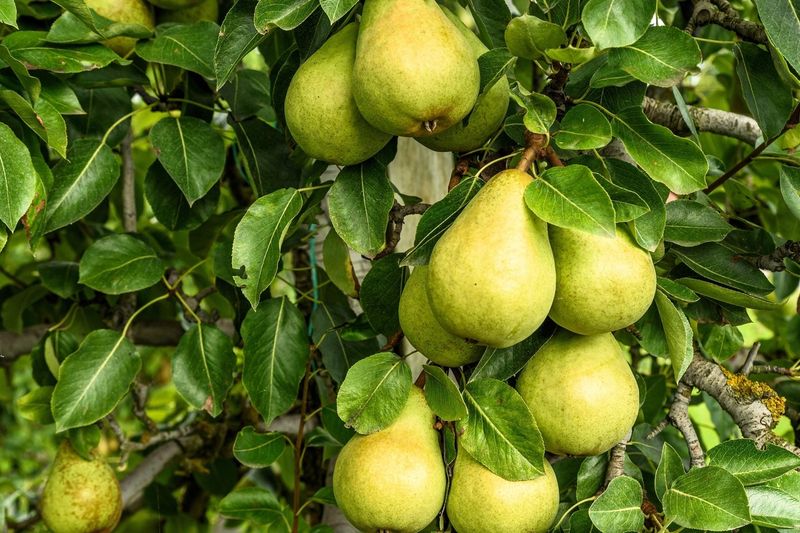
Pear trees have graced Southern landscapes for centuries, and many heirloom varieties are still producing fruit after more than 100 years.
European pears and Southern-adapted varieties like Kieffer and Orient are especially well-suited to Georgia’s climate and soils.
These trees are known for their elegant shape, beautiful spring blossoms, and delicious fruit that ranges from crisp and juicy to soft and sweet.
Pears are surprisingly tough once established, tolerating heat, humidity, and occasional drought.
Proper pruning and disease management, especially for fire blight, will help your pear tree reach its full lifespan.
Many old farmsteads across Georgia still have towering pear trees that were planted by early settlers and continue to bear fruit today.
Pears can be eaten fresh, canned, dried, or turned into preserves, making them incredibly versatile in the kitchen.
The trees also provide excellent shade and ornamental value with their glossy green leaves and lovely white flowers.
Planting a pear tree is planting a piece of history and a source of sweet fruit for future generations.
With the right care, your pear tree could easily outlive you and become a cherished family landmark.
5. Apple (Malus Domestica)
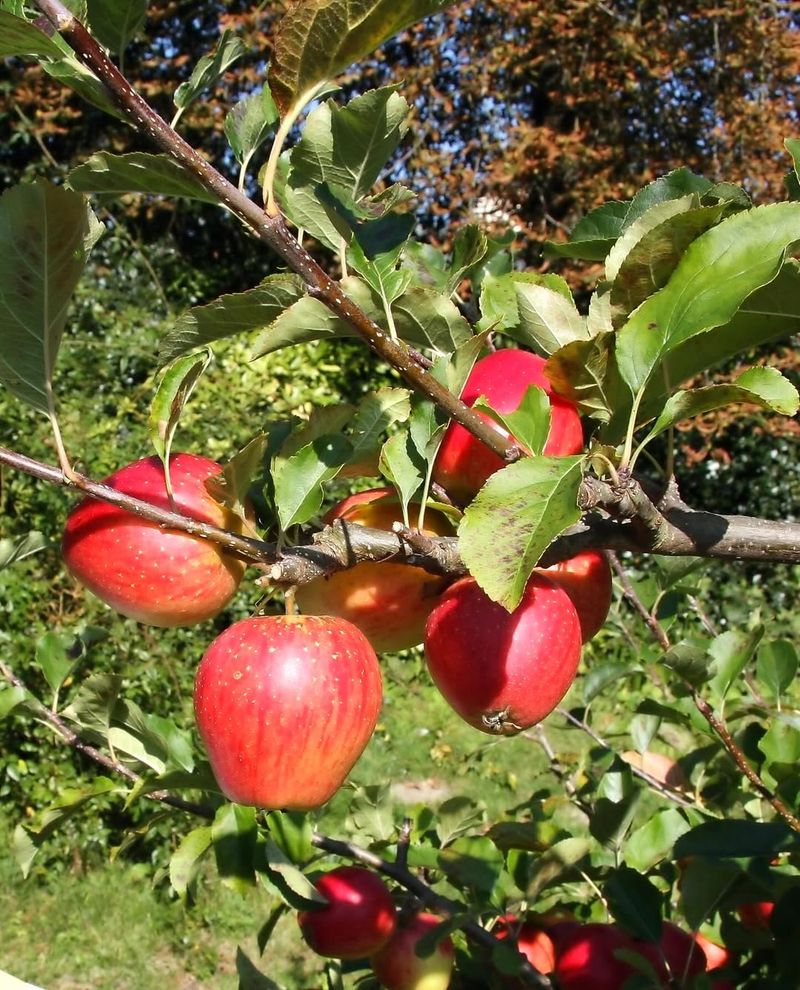
Apple trees might not be the first fruit tree you think of for Georgia, but with the right varieties and care, they can thrive and produce for over a century.
Disease-resistant varieties such as Enterprise, GoldRush, and Arkansas Black are especially suited to Georgia’s humid climate.
Apples need regular pruning, proper spacing, and vigilant disease management to stay healthy and productive for decades.
Many historic apple orchards across the South still have trees that were planted in the 1800s and continue to bear fruit today.
Apples are incredibly versatile, perfect for fresh eating, baking, cider-making, and preserving.
The trees also provide stunning spring blossoms that attract pollinators and add beauty to any landscape.
Choosing low-chill varieties adapted to Georgia’s milder winters is key to long-term success.
Apples grow best in well-drained soil with full sun and good air circulation.
With proper care, your apple tree can become a beloved family fixture, offering fresh fruit and fond memories for generations.
Planting an apple tree is an investment in health, flavor, and tradition that can last well beyond a single lifetime.
6. Mulberry (Morus Rubra Or Morus Alba)
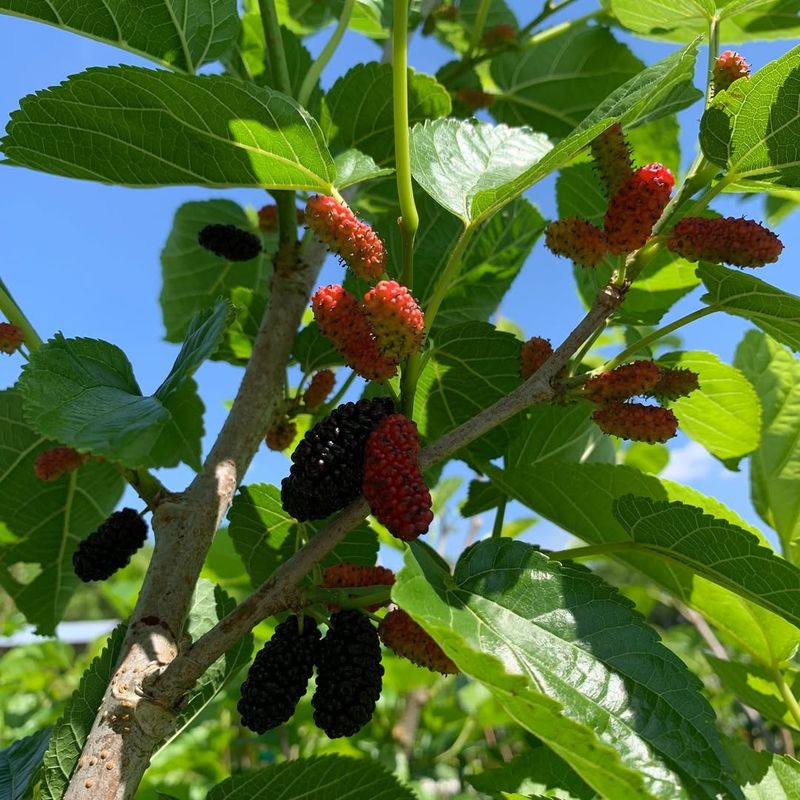
Mulberry trees are among the most reliable and long-lived fruit producers you can plant in Georgia.
Both native red mulberries and introduced white mulberries can live and bear fruit for well over 100 years with minimal care.
Mulberries are incredibly fast-growing and adaptable, thriving in a wide range of soils and tolerating drought, heat, and humidity.
The trees produce abundant crops of sweet, juicy berries in late spring and early summer, often yielding gallons of fruit from a single tree.
Mulberries are a favorite of birds and wildlife, but there’s usually more than enough to share.
The fruit is delicious fresh, and it also makes excellent jams, pies, and wines.
Mulberry trees grow large and provide generous shade, making them perfect for hot Georgia summers.
They require almost no maintenance once established and are resistant to most pests and diseases.
Many old mulberry trees across the South are still producing fruit after more than a century, testament to their incredible longevity.
Planting a mulberry tree is planting a reliable, low-maintenance source of delicious fruit that will serve your family and local wildlife for generations to come.
7. Olive (Olea Europaea – In Suitable Georgia Microclimates)
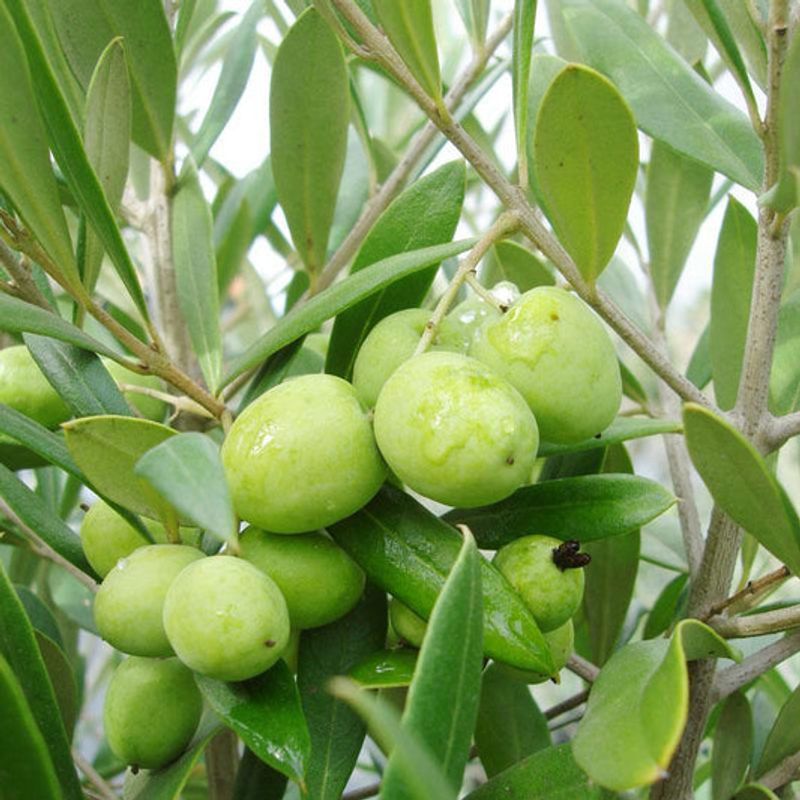
Olive trees are legendary for their longevity, with some trees in the Mediterranean producing fruit for over 1,000 years.
While Georgia’s climate is cooler than the Mediterranean, olives can succeed in warmer coastal areas and protected microclimates throughout the state.
Choosing cold-hardy varieties and planting in well-drained soil with full sun will give your olive tree the best chance at a long, productive life.
Olives are slow-growing but incredibly resilient, tolerating drought, poor soil, and neglect once established.
The trees produce beautiful silvery-green foliage year-round and bear fruit in late fall.
Olives can be cured and preserved for eating or pressed for oil, offering a taste of the Mediterranean right in your Georgia backyard.
Many historic olive trees around the world are still producing fruit after centuries, and with proper care, yours could too.
Olives also add ornamental beauty and a touch of elegance to any landscape.
Planting an olive tree is planting a symbol of peace, prosperity, and endurance that can outlast generations.
If you have a warm, protected spot in your yard, an olive tree is a bold and rewarding choice for long-term fruit production.
8. Chestnut (Blight-Resistant Varieties)
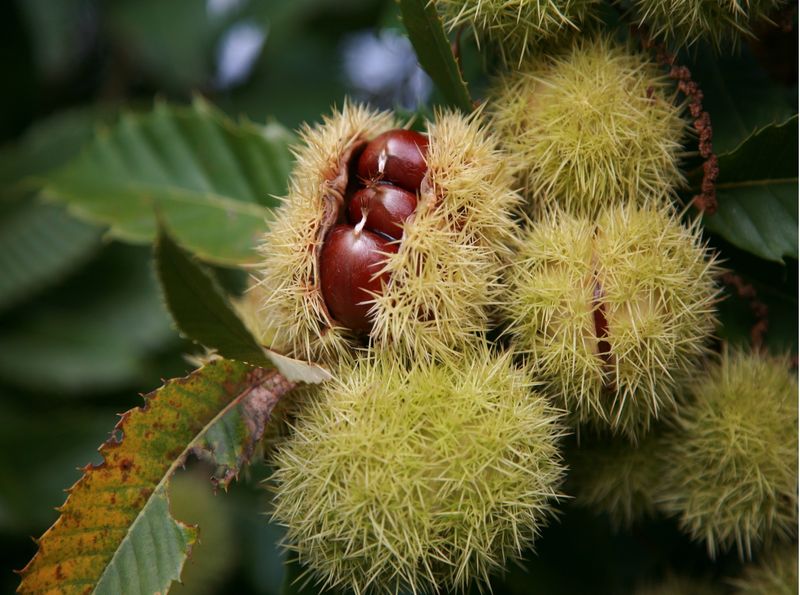
Chestnuts were once among the most important trees in American forests, but a devastating blight nearly wiped them out in the early 1900s.
Thanks to modern breeding efforts, blight-resistant American chestnuts and hybrid varieties are making a comeback, and they can live and produce nuts for well over 100 years.
Chestnuts are fast-growing, majestic trees that can reach 50 to 80 feet tall and provide abundant shade and wildlife habitat.
The nuts are sweet, nutritious, and versatile, perfect for roasting, baking, or eating fresh.
Chestnuts thrive in Georgia’s climate, especially in the northern and mountainous regions where soils are well-drained and slightly acidic.
Planting blight-resistant chestnuts is not only a smart choice for your backyard but also a contribution to the restoration of a beloved native species.
Chestnuts produce beautiful spring catkins and provide excellent fall color, adding ornamental value to any landscape.
Once established, they require little maintenance and are resistant to most pests and diseases.
Many historic chestnut trees across the South are still producing after decades, and new blight-resistant varieties promise even longer lifespans.
Planting a chestnut tree is planting hope, heritage, and a delicious harvest that can last for generations.
9. Jujube (Ziziphus Jujuba)
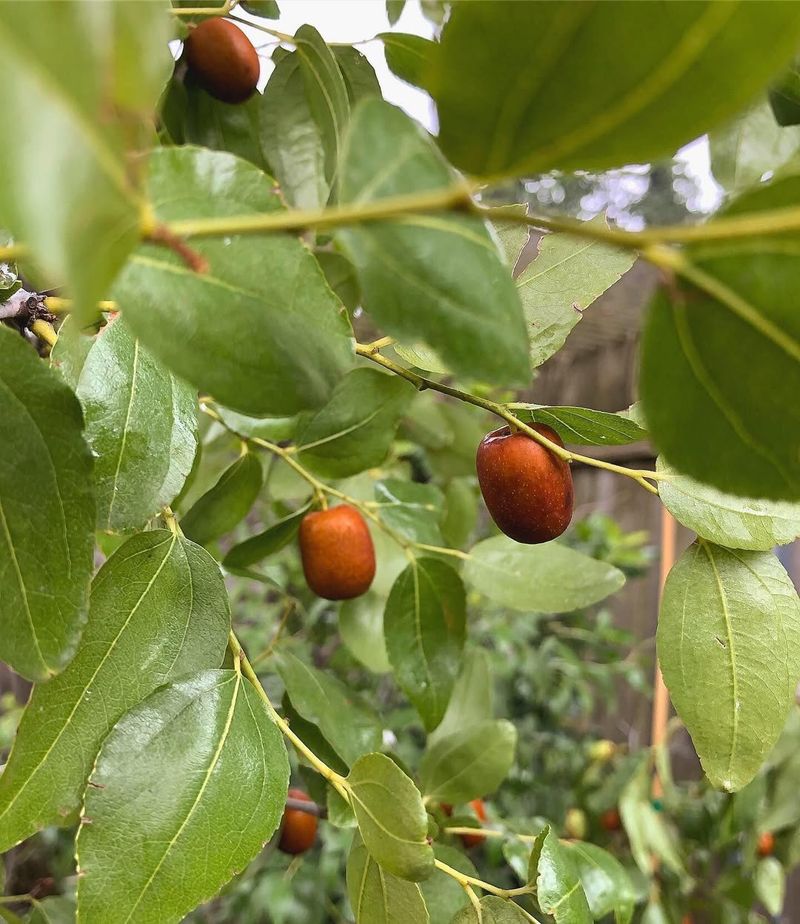
Jujube trees are among the most underappreciated fruit trees in Georgia, yet they are exceptionally long-lived and productive.
These small to medium-sized trees can produce fruit for well over 100 years with virtually no care once established.
Jujubes are incredibly drought-tolerant, heat-loving, and resistant to pests and diseases, making them perfect for Georgia’s climate.
The fruit, often called Chinese dates, is sweet, crisp, and apple-like when fresh, and chewy and date-like when dried.
Jujubes are packed with vitamins and antioxidants, making them a healthy and delicious addition to any diet.
The trees are small enough for most backyards, yet they produce generous crops each fall.
Jujubes also have attractive, glossy green leaves and a graceful, weeping habit that adds beauty to any landscape.
They thrive in full sun and well-drained soil and require almost no pruning or fertilizing.
Many jujube trees in Asia are centuries old and still producing fruit, and yours could easily do the same.
Planting a jujube tree is planting a resilient, low-maintenance source of unique and nutritious fruit that will serve your family for generations.
10. Quince (Cydonia Oblonga)
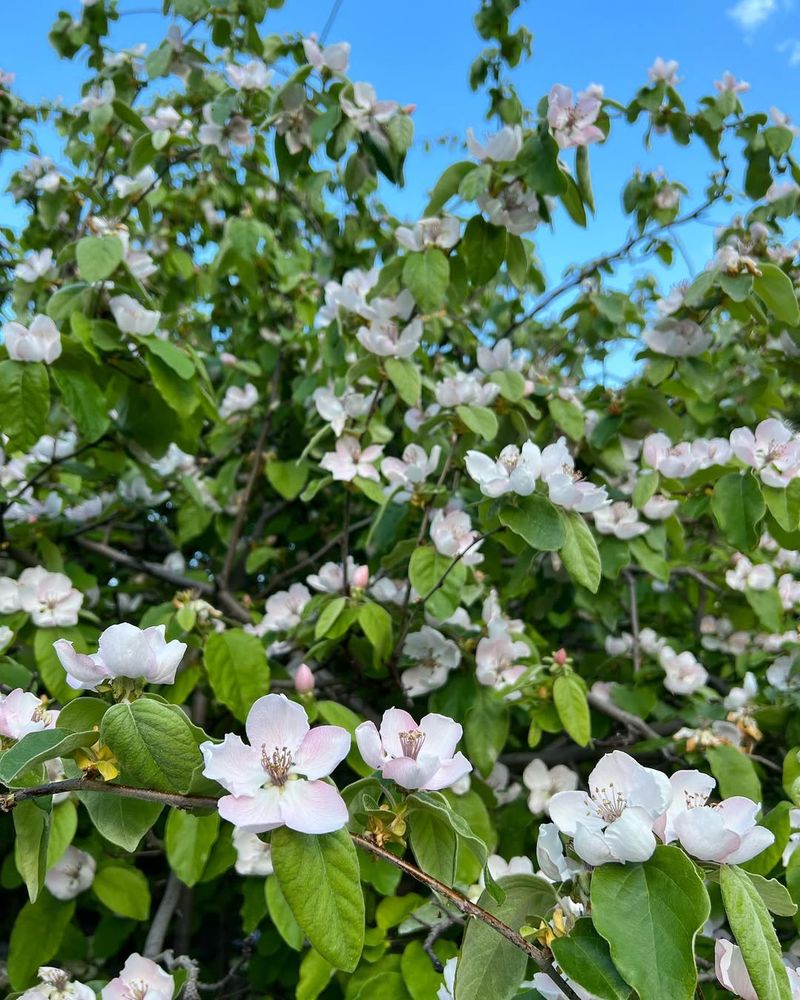
Quince trees are old-fashioned favorites that can remain productive for 100 years or more in Georgia with proper care.
These small, gnarled trees produce fragrant, golden-yellow fruit in the fall that is perfect for making jellies, preserves, and baked goods.
Quince is not typically eaten fresh, but when cooked, it transforms into a sweet, aromatic treat with a flavor somewhere between apple and pear.
The trees are incredibly hardy and tolerant of a wide range of soils, though they prefer well-drained sites.
Quince trees are susceptible to fire blight, so proper pruning and disease management are important for long-term health.
The trees are also ornamental, with beautiful pink or white blossoms in spring and attractive, twisted branches in winter.
Quince has been cultivated for thousands of years and is steeped in history and tradition.
Many old quince trees across the South are still producing fruit after more than a century, testament to their incredible longevity.
Planting a quince tree is planting a piece of culinary history and a source of fragrant, flavorful fruit that will last for generations.
With patience and care, your quince tree can become a treasured heirloom in your family’s garden.